Top 19 Castles around Blaustein
Castles around Blaustein offer a glimpse into the region's history, situated near the city of Ulm in South Germany. The area features a mix of historical castles and ruins, many of which are set within natural landscapes like the Blue Valley. These sites provide historical context and offer views of the surrounding scenery. Visitors can explore various historical structures that reflect different architectural styles and periods.
Best castles around Blaustein
- The most popular castles is Rusenschloss Ruins, a castle…
Last updated: May 9, 2026
Rusenschloss Ruins
Highlight • Castle
Translated by Google •
Tip by

Günzelburg Ruins
Highlight • Castle
Translated by Google •
Tip by

Sign up now to discover places like this
Get recommendations on the best single tracks, peaks, & plenty of other exciting outdoor places.
Sign up for free
Wilhelmsburg Fortress, Ulm
Highlight • Castle
The 200 m x 130 m castle was built between 1842 and 1849 …
Translated by Google •
Tip by

View of Schloss Klingenstein
Highlight • Viewpoint
Translated by Google •
Tip by

Fort Upper Kuhberg
Highlight • Historical Site
tourismus.ulm.de/web/de/ulm-und-neu-ulm/bundesfestung-ulm/fort-oberer-kuhberg.php
In addition, there is the "Fortress Day" in May and the "Open Monument Day" every …
Translated by Google •
Tip by

Sign up for free to discover even more castles around Blaustein.
Sign up for free
Already have an account?
Start today with a free account
Your next adventure awaits.
Login or Signup
Popular around Blaustein
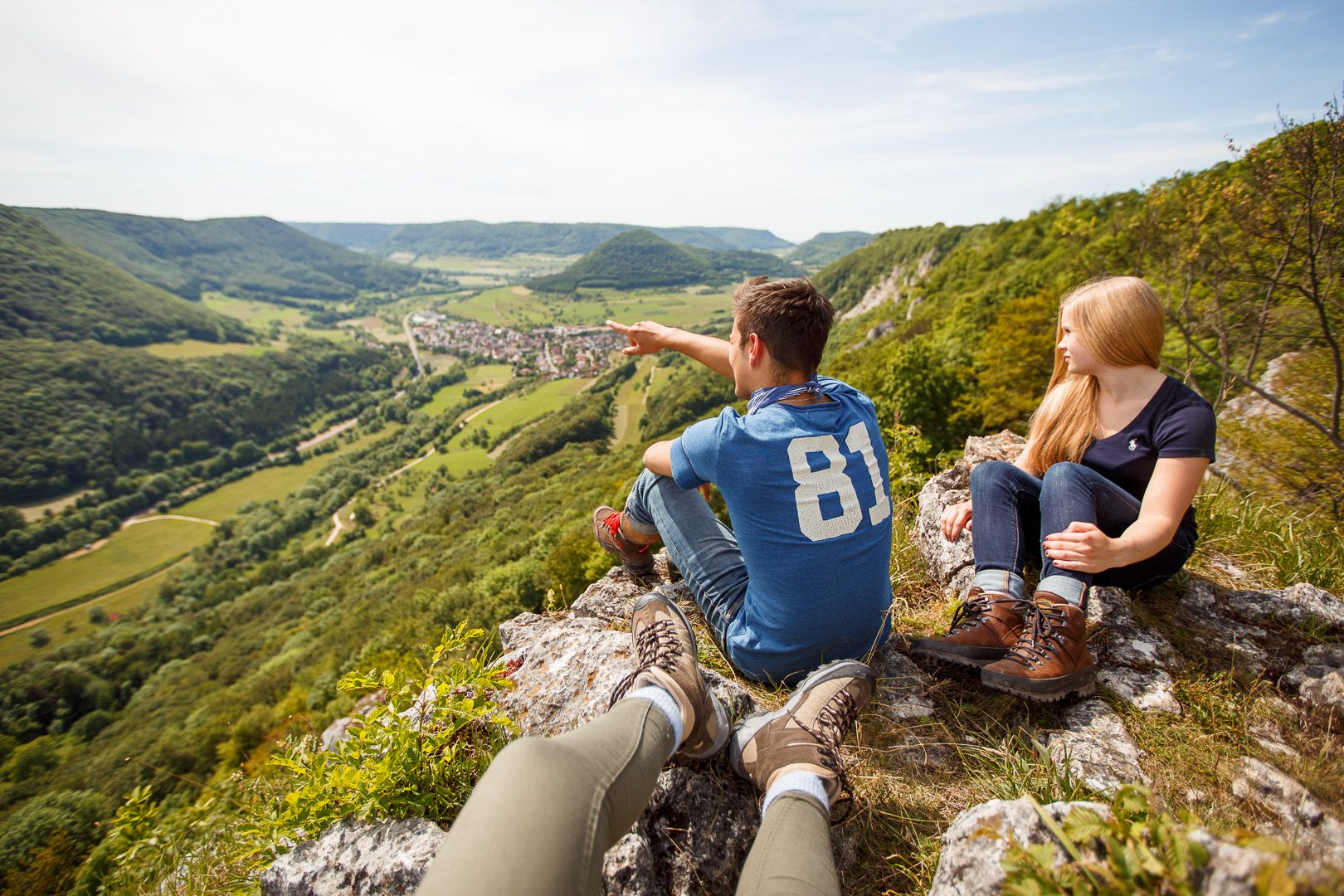
10 beautiful trails in the Swabian Jura for sporty hikers
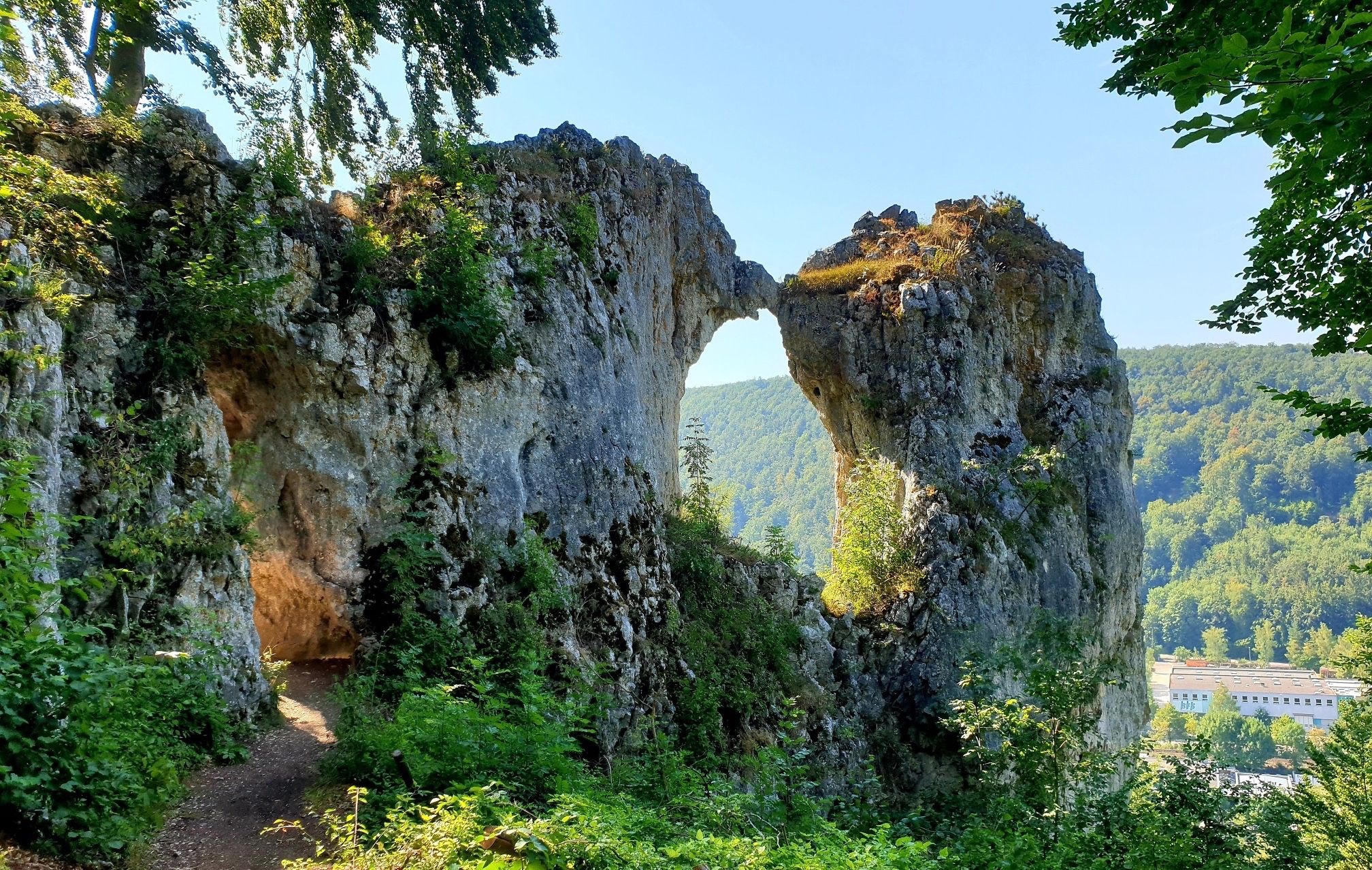
Ice Age hunters and the art of brewing – trails through the Swabian Alb
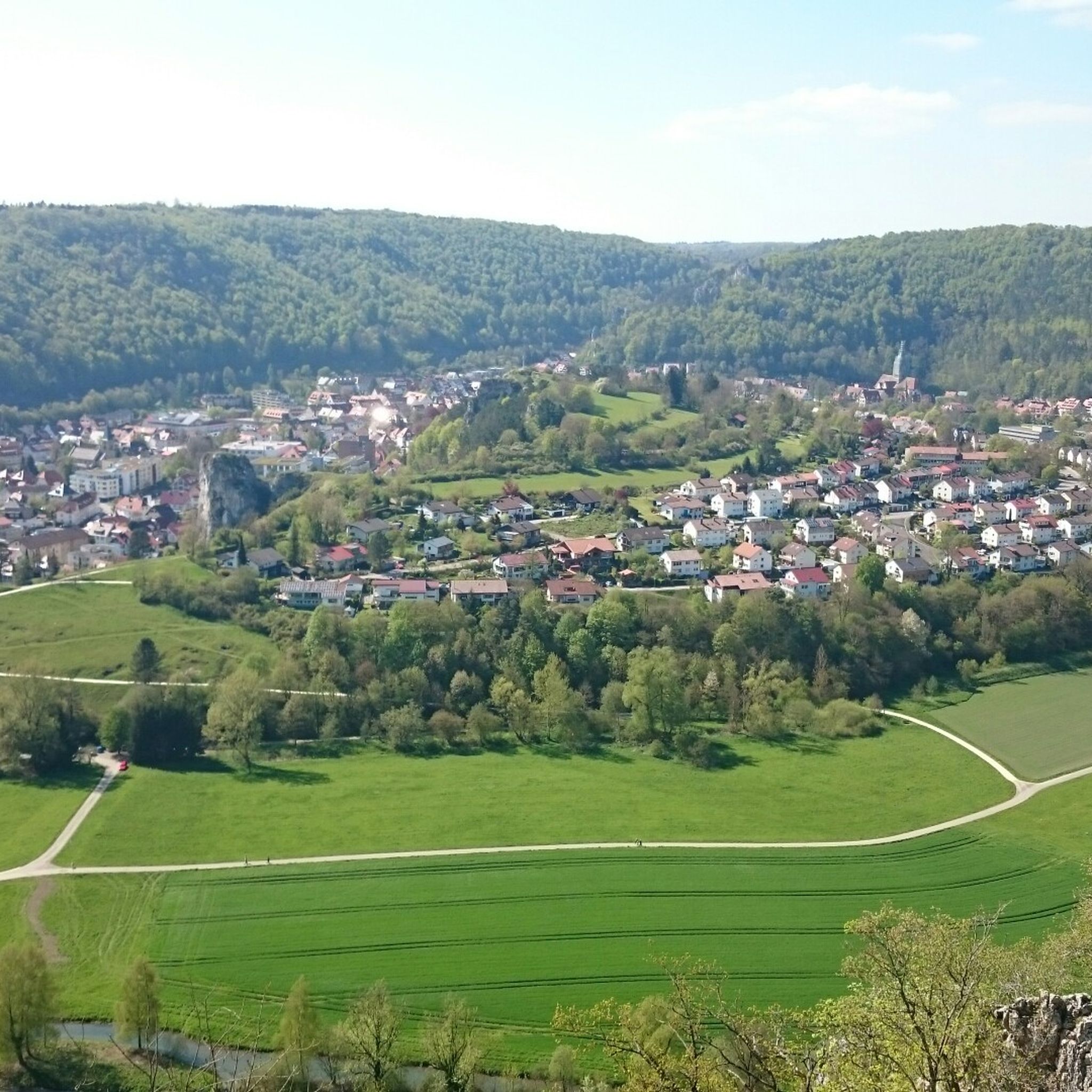
Hiking around Blaustein
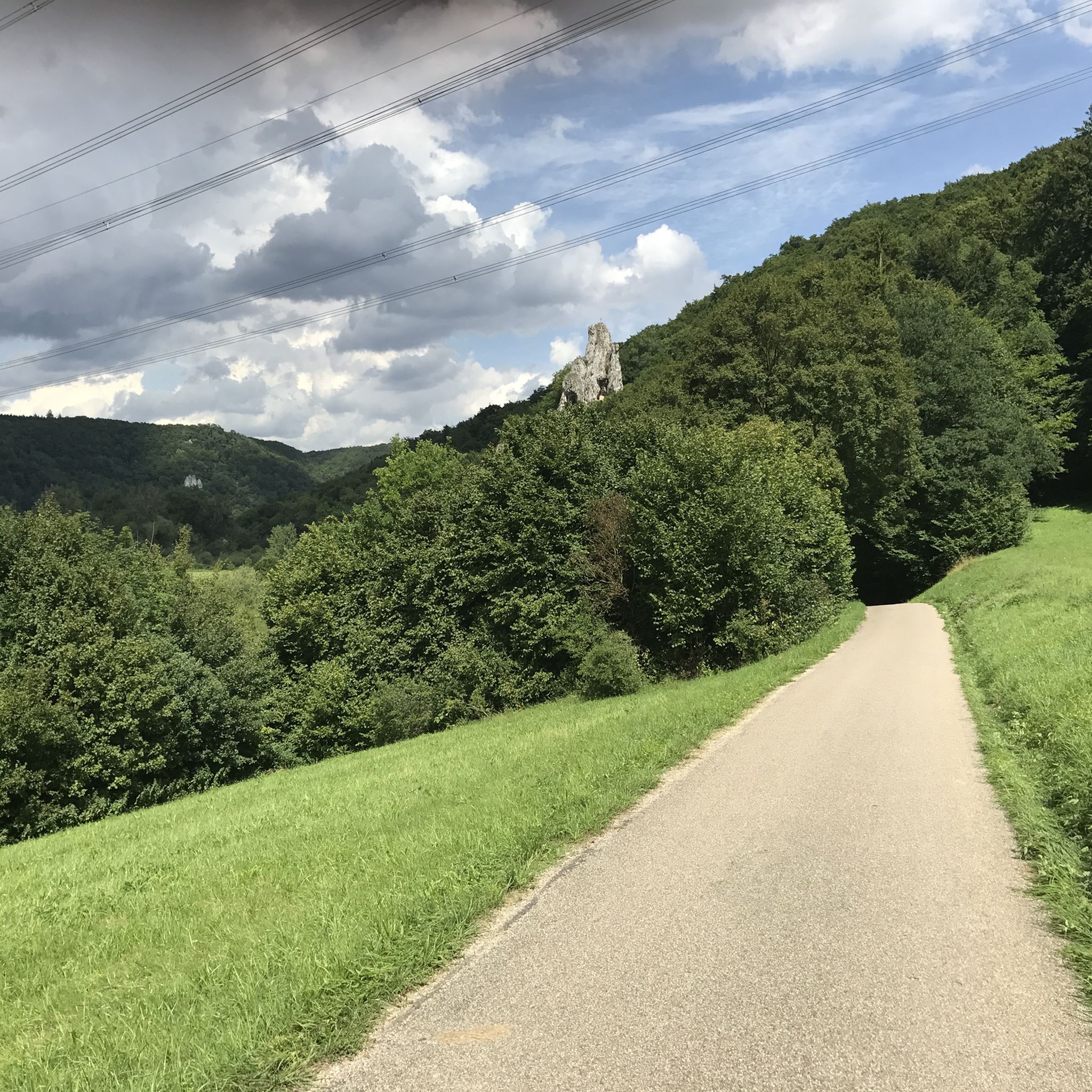
Cycling around Blaustein
Running Trails around Blaustein
Road Cycling Routes around Blaustein
MTB Trails around Blaustein
Gravel biking around Blaustein

Mountain Hikes around Blaustein

Tips from the Community

I am very surprised and impressed by the size of Wilhelmsburg, Fort XII; I hadn't expected that. The 200 m x 130 m castle was built between 1842 and 1849 as the centerpiece of the Ulm Federal Fortress. The citadel could accommodate 6,951 men, and the inner courtyard covers 1.3 hectares. The history of its post-military use is also interesting. Everything is well documented on site.
8
0

The remains of Günzelburg Castle are located on a wooded ridge not far from the Lone Valley. Today, only a few fragments of the walls remain of the former castle, which was presumably built in the early Middle Ages. Its location suggests a former defensive function. The site is accessible via a footpath and offers beautiful views of the surrounding area. Information panels on site provide insights into the history of the complex and previous archaeological investigations.
2
1

The Ulm Fortress Trail initially leads through the spacious grounds of the Wilhelmsburg. The construction site at Prittwitzstrasse/KönigWilhelm-Turm can be bypassed on a narrow (but sometimes slippery) path.
3
0

The Günzelburg ruins, also called Greifenburg, Gryffenburg and Denzelburg, are the ruins of a rock castle on a 685 m above sea level rock tower above the village of Weiler near Seißen, a district of the town of Blaubeuren. The castle was built in the late 13th century by the Grif von Berkach, probably as a successor to a castle on the nearby Wachtfels. The Lords of Berkach were ministerials of the Counts of Berg. The subsequent owners are named as the Lords of Weiler and the Lords of Westernach at the end of the 14th century, Ulrich von Westerstetten in 1460 and after 1460 the Blaubeuren monastery. The name of the castle Denzelburg, probably Tünzelburg, mentioned in 1464, probably goes back to a later owner of the castle. By 1477 the complex was in a state of disrepair, it is said: "The ruins of the walls of Gintzelburg Castle, which protrude over the house (= the Franciscan monastery) on the top of the rock, also caused damage to this house..." Remains of the walls of the former castle complex, which had a hook-shaped shield wall, are still preserved. The core castle had a floor area of about 20 by 21 meters.
5
0

You can smell history here
3
1

The Rusenschloß is worth a visit, it is beautifully restored and offers a beautiful view of the Blautal.
7
1


Worth seeing facility with interesting exhibitions
5
0
Frequently Asked Questions
What are some historically significant castles and fortifications around Blaustein?
The region around Blaustein features a rich history with several notable sites. The Rusenschloss Ruins, dating back to the eleventh century, offer a glimpse into medieval times high above Blaubeuren. The Wilhelmsburg Fortress, Ulm, is a massive 19th-century citadel that was a centerpiece of the Ulm Federal Fortress. Additionally, the Günzelburg Ruins provide insights into an early medieval defensive site. The Klingenstein Castle ruins, once the largest in the Blue Valley, are also a significant historical landmark, alongside the nearby 18th-century Schloss Klingenstein.
Which castles offer the best scenic views?
Many castles around Blaustein are situated to provide excellent views. The Rusenschloss Ruins offer a wonderful panorama of the Ach and Blautal. From the Günzelburg Ruins, you can enjoy beautiful views over the surrounding valley. The Wilhelmsburg Fortress, Ulm, also provides good vantage points of Ulm, particularly from the King Wilhelm Tower. For a picturesque sight, the View of Schloss Klingenstein from the south side of the blue valley is highly recommended.
Are there family-friendly castles to visit near Blaustein?
Yes, several sites are suitable for families. The Wilhelmsburg Fortress, Ulm, is freely accessible and features a 'butterfly path' with puzzle boards, making it engaging for children. Fort Upper Kuhberg also offers family-friendly aspects, including an interesting exhibition. The View of Schloss Klingenstein is also considered family-friendly, offering a pleasant spot for a short outing.
Can I visit castles that are still intact or only ruins?
You will find a mix of both. The Klingenstein Castle ruins are a prominent example of a historical ruin. Nearby, Schloss Klingenstein is a magnificent 18th-century castle that is intact, though it is privately owned. Schloss Oberherrlingen, dating back to the 11th or 12th century and now in Renaissance style, is also privately owned and not open to visitors. The Rusenschloss Ruins and Günzelburg Ruins are primarily ruins, while the Wilhelmsburg Fortress, Ulm, and Fort Upper Kuhberg are large, well-preserved fortifications.
What kind of outdoor activities can I do near these castles?
The area around Blaustein offers various outdoor activities that can be combined with castle visits. You can find numerous cycling routes, such as the 'Lautertal Cycle Path' or the 'View of Schloss Klingenstein – Lauter Spring loop'. For runners, there are trails like the 'Blau Bridge – View of Schloss Klingenstein loop'. Hikers can explore easy trails like the 'Kiesental Valley – Kiesental Forest Path loop' or the 'View of Blaustein – Bergmähhütte Blaustern loop'. More details on these activities can be found in the Cycling around Blaustein, Running Trails around Blaustein, and Easy hikes around Blaustein guides.
Are there hiking trails that connect to or pass by castles?
Yes, many castles are integrated into hiking networks. For instance, the Rusenschloss Ruins require a climb, offering a rewarding experience. The Günzelburg Ruins are accessible via a footpath. The Wilhelmsburg Fortress, Ulm, is great for hiking around. You can find specific routes that include these historical sites in the Easy hikes around Blaustein guide.
What is the best time of year to visit the castles around Blaustein?
The castles and ruins around Blaustein can be visited year-round, but each season offers a different experience. Spring and autumn provide pleasant temperatures for hiking and exploring the outdoor sites. In winter, some castles like Schloss Klingenstein are noted for being 'particularly nice to look at with lights,' offering a unique atmosphere. Always check local weather conditions before your visit.
Are there any dog-friendly walks or areas near the castles?
While specific dog rules for each castle are not always detailed, many of the surrounding natural areas and hiking trails are dog-friendly. For example, the trails around Wilhelmsburg Fortress, Ulm, are suitable for walks. When visiting ruins or outdoor sites, dogs on a leash are generally welcome, but it's always advisable to check specific site regulations upon arrival.
Where can I find parking near the castles?
Parking availability varies by location. For sites like the Klingenstein Castle ruins or Schloss Klingenstein, parking is typically available in nearby villages or designated areas. For larger fortifications like the Wilhelmsburg Fortress, Ulm, and Fort Upper Kuhberg, there are usually parking options nearby, often within walking distance. It's recommended to check local signage or online maps for the most convenient parking spots before your visit.
What do visitors enjoy most about the castles and fortifications in Blaustein?
Visitors frequently praise the historical significance and the impressive scale of the sites. Many are surprised by the size of places like Wilhelmsburg Fortress, Ulm, and appreciate the well-documented history. The scenic views from ruins like Rusenschloss Ruins and Günzelburg Ruins are also highly valued. The opportunity to combine history with nature walks and the overall aesthetic appeal, especially of ruins set in natural landscapes, is a common highlight.
Are there cafes or restaurants near the castles for refreshments?
While direct cafes within every castle site are rare, you can find dining options in the nearby towns and villages. For instance, when visiting the Klingenstein sites, you'll find cafes and restaurants in Blaustein itself or in the surrounding communities. Similarly, for the fortifications in Ulm, there are numerous establishments within the city. It's a good idea to plan your visit to include a stop in a nearby village for refreshments.
Are any of the castles or historical sites wheelchair accessible?
Accessibility can be challenging for historical sites, especially ruins. The Rusenschloss Ruins and Günzelburg Ruins involve footpaths and uneven terrain. Larger fortifications like Wilhelmsburg Fortress, Ulm, may have more accessible areas, but full wheelchair access throughout all parts of these extensive historical structures is not guaranteed. It is advisable to contact specific sites directly for detailed accessibility information.
Most popular routes around Blaustein
Most popular attractions around Blaustein

Get inspired with the komoot mobile app


Explore more
Looking for the best castles somewhere else? Discover other guides around Blaustein:
