Top 10 Castles around Bad Zwischenahn
Castles around Bad Zwischenahn provide a glimpse into the rich history of the Ammerland region. While Bad Zwischenahn itself features historical sites, the surrounding area is home to various castle-like structures and ruins. These sites range from medieval fortifications to later residential palaces, reflecting centuries of regional development. Exploring these locations offers a factual understanding of the area's past power structures and architectural styles.
Best castles around Bad Zwischenahn
- The most popular castles is Rastede Castle, a castle that…
Last updated: October 11, 2026
Rastede Castle
Highlight • Castle
Translated by Google •
Tip by

Oldenburg Castle
Highlight • Castle
The castle is based on a medieval lowland castle, which was built around 1100 by the Counts of Oldenburg to control a long-distance trade route from Westphalia to East …
Translated by Google •
Tip by

Sign up now to discover places like this
Get recommendations on the best single tracks, peaks, & plenty of other exciting outdoor places.
Köhlmoor Castle
Highlight • Castle
The Köhlmoor Castle was rebuilt in 2014 and is located next to the airfield in …
Translated by Google •
Tip by
Westerstede-Felde Airfield (EDWK)
Highlight • Structure
Translated by Google •
Tip by
Elmendorf Castle Mounds (Three-Hill Motte)
Highlight • Historical Site
Translated by Google •
Tip by

Sign up for free to discover even more castles around Bad Zwischenahn.
Already have an account?
Start today with a free account
Your next adventure awaits.
Popular around Bad Zwischenahn
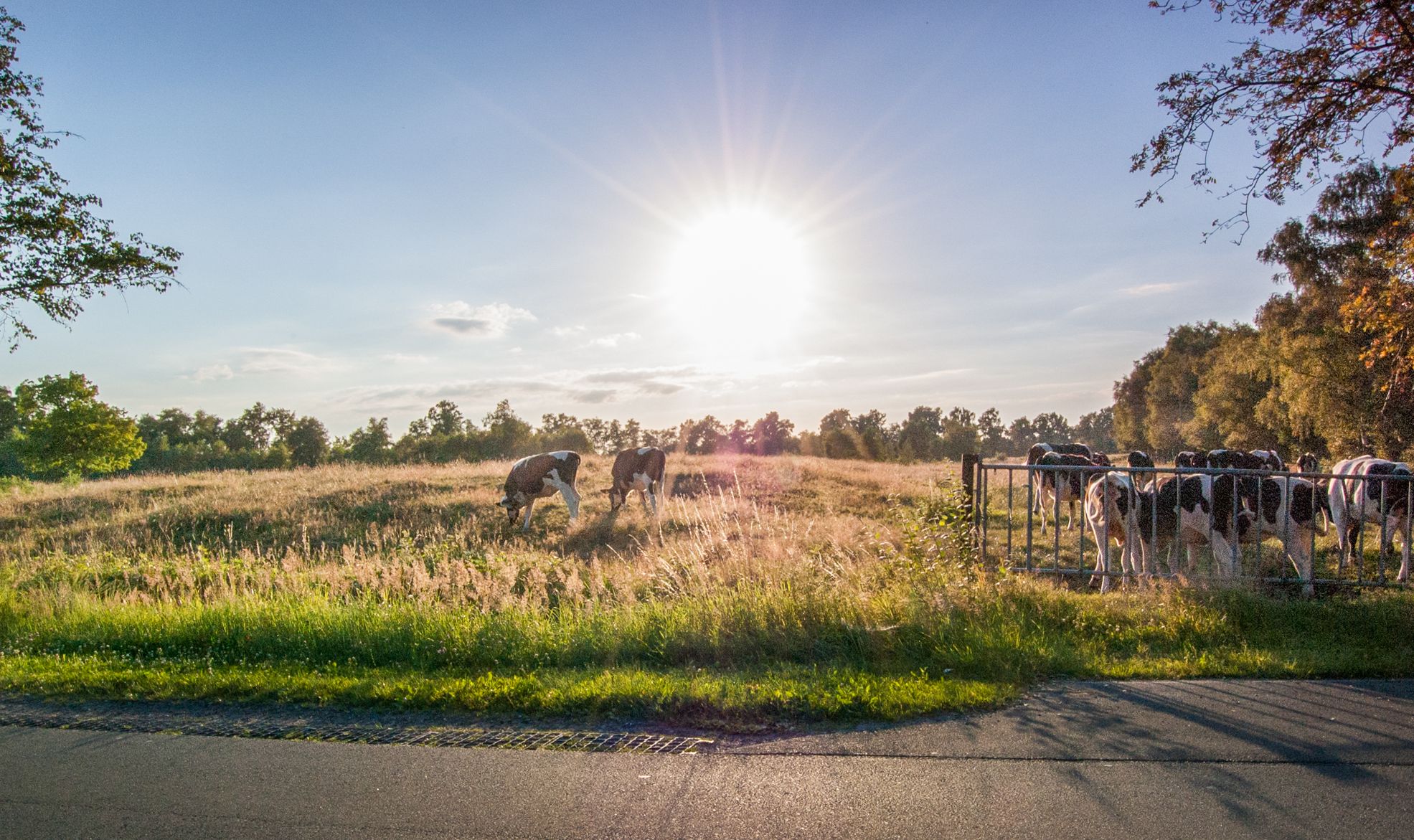
The Jade Trail in Ammerland – Hiking in Northern Germany
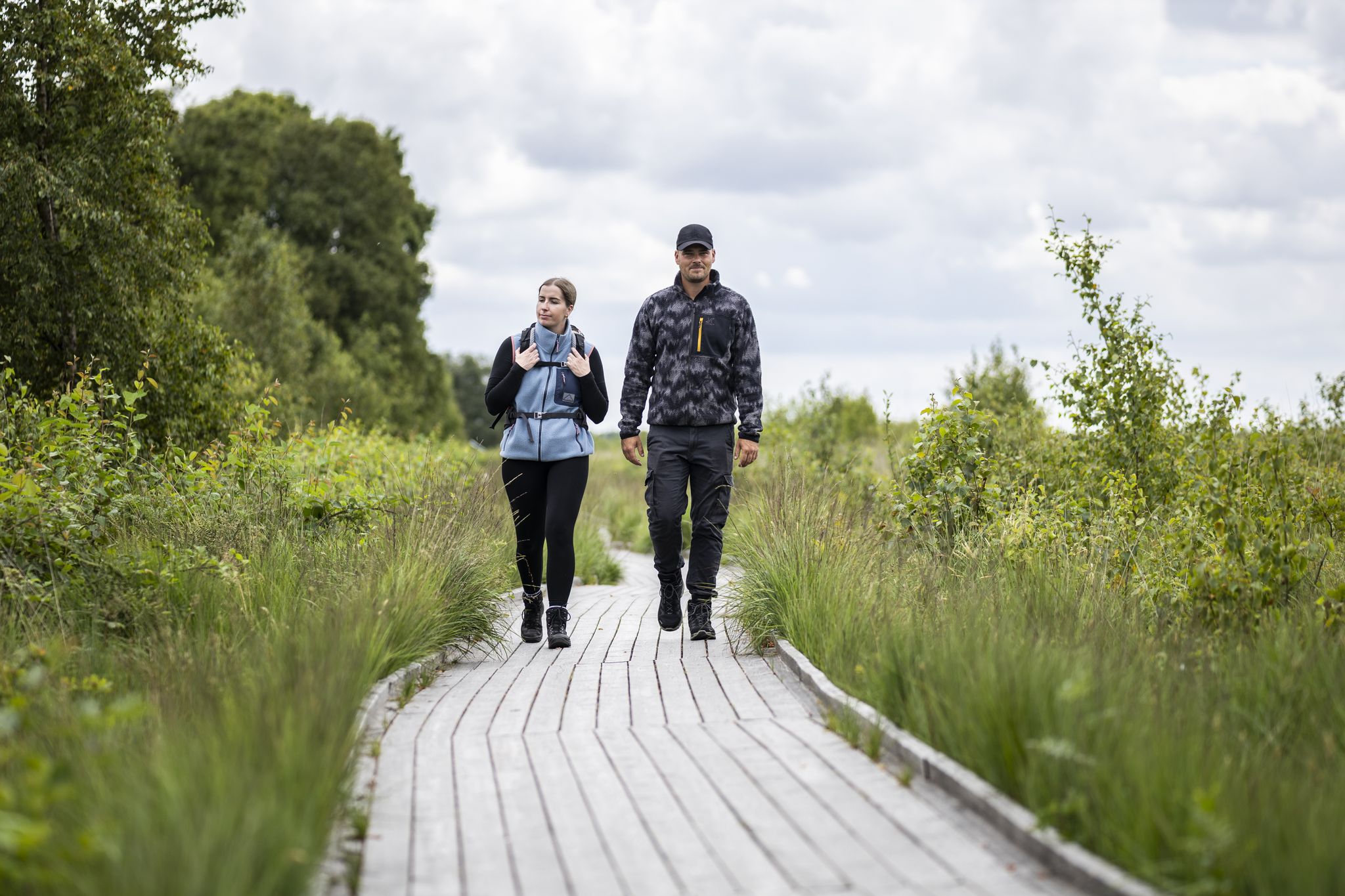
North Sea Hiking Days – between varied coast, moor & seaside towns
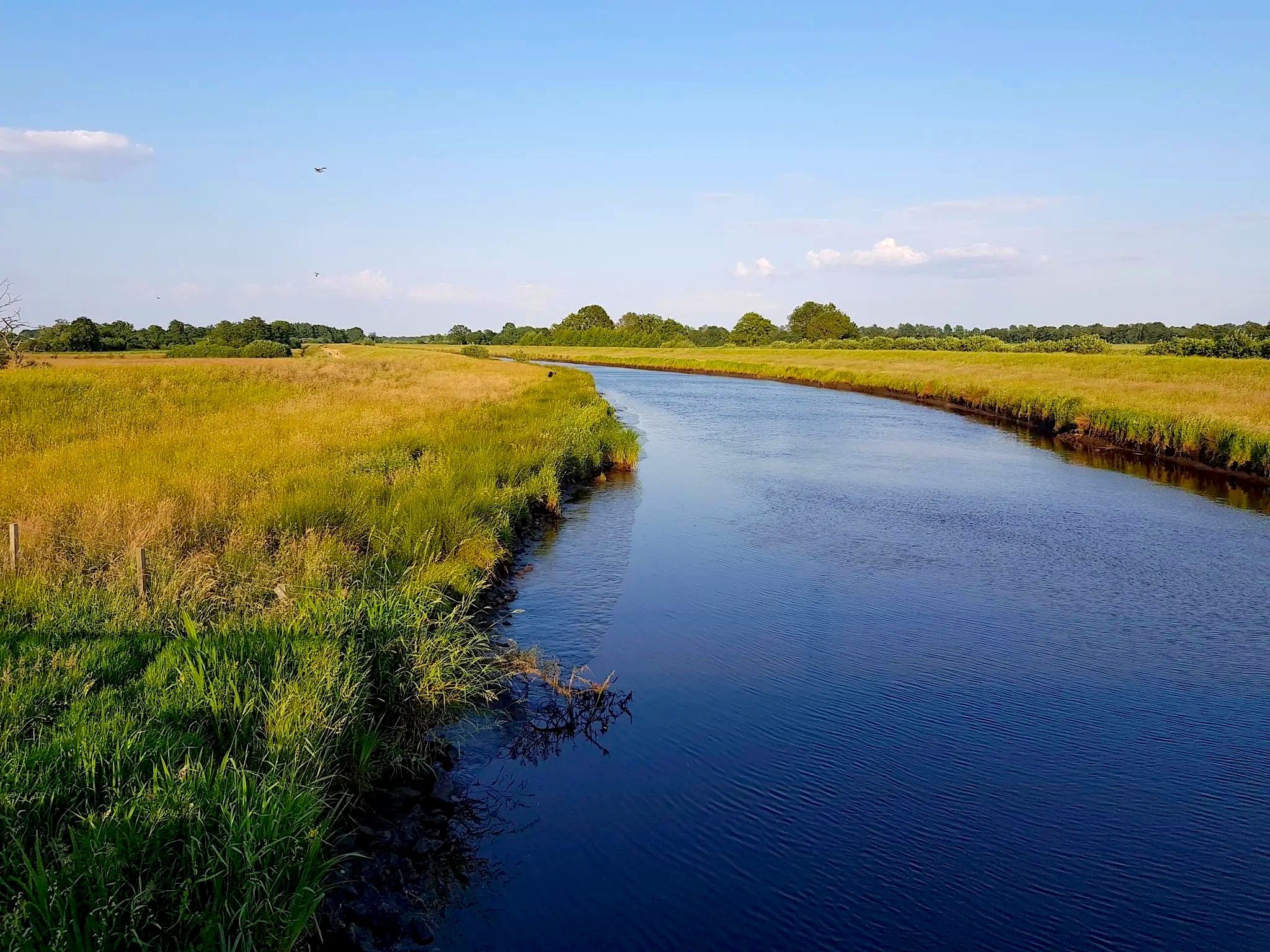
Peace, space and fresh air – hiking the Ems-Hunte-Weg
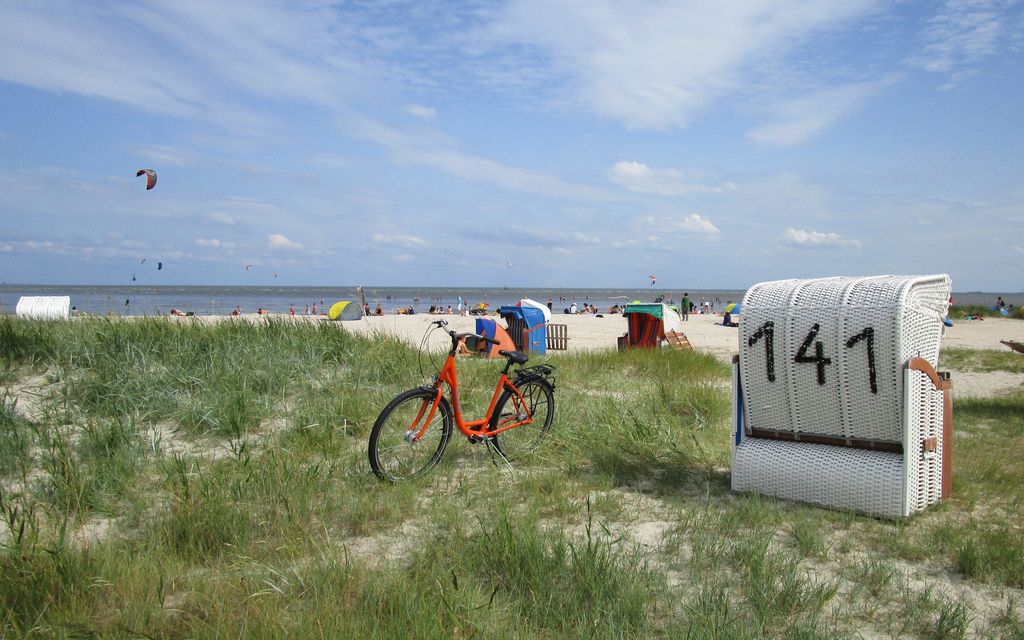
Through the land of wide horizons — Cycling holidays in East Frisia
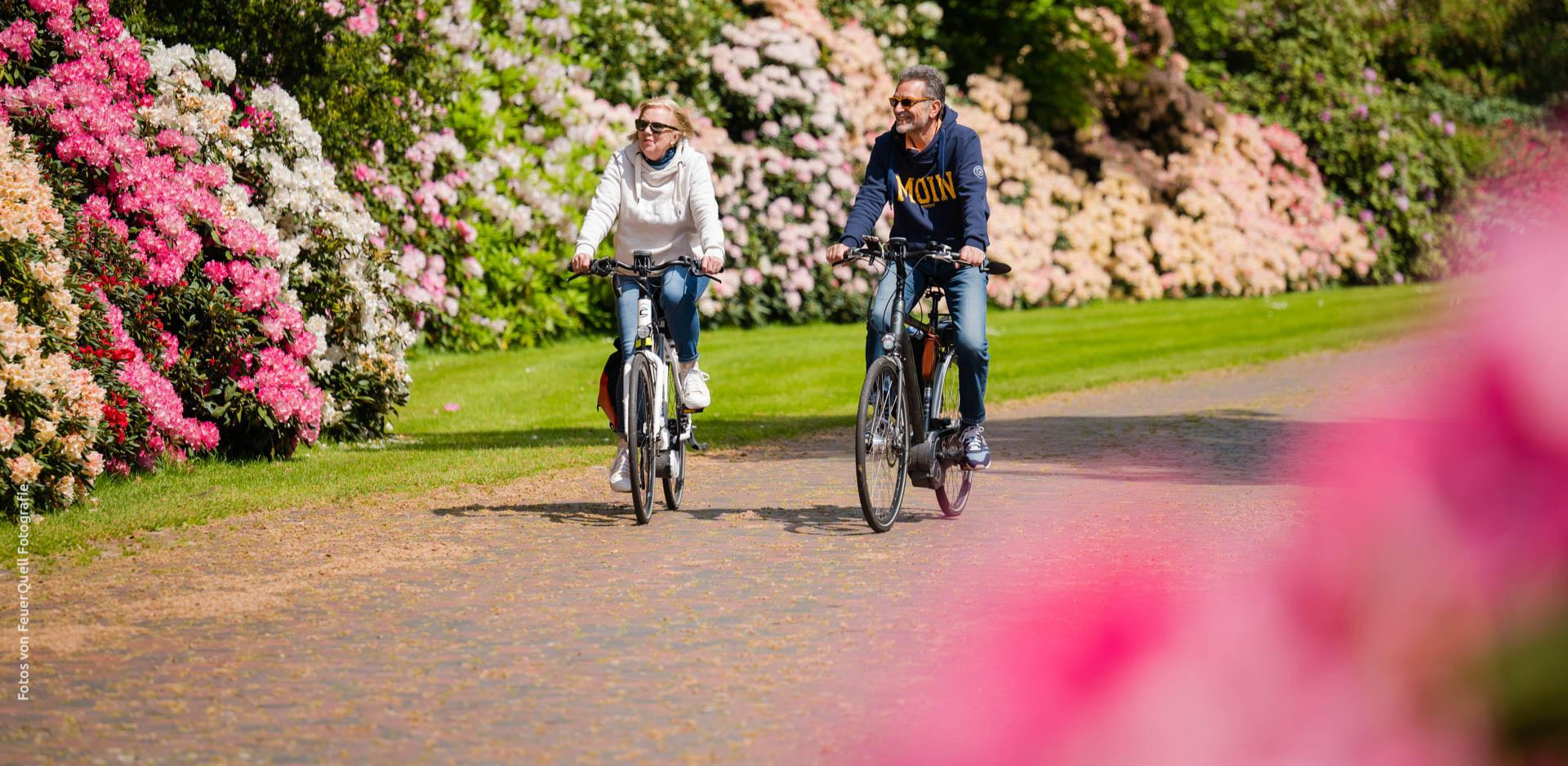
The 15 most beautiful themed Tours in Germany’s Ammerland
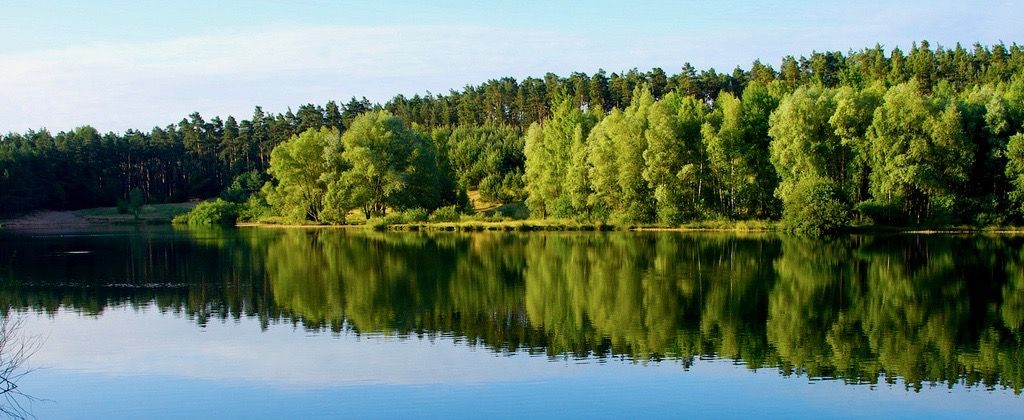
33 lakes for sunny weekends
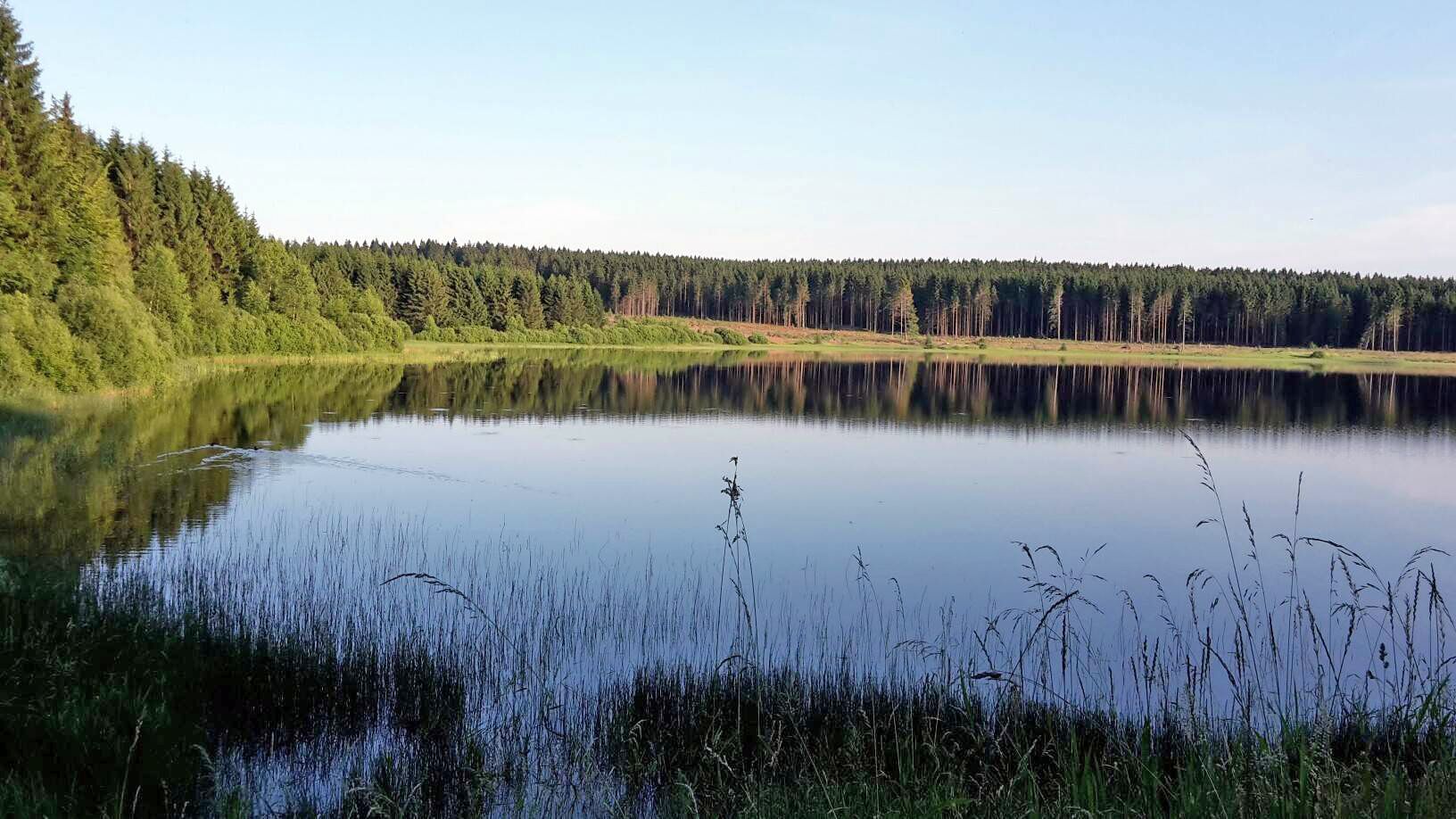
The best swimming lakes in Lower Saxony
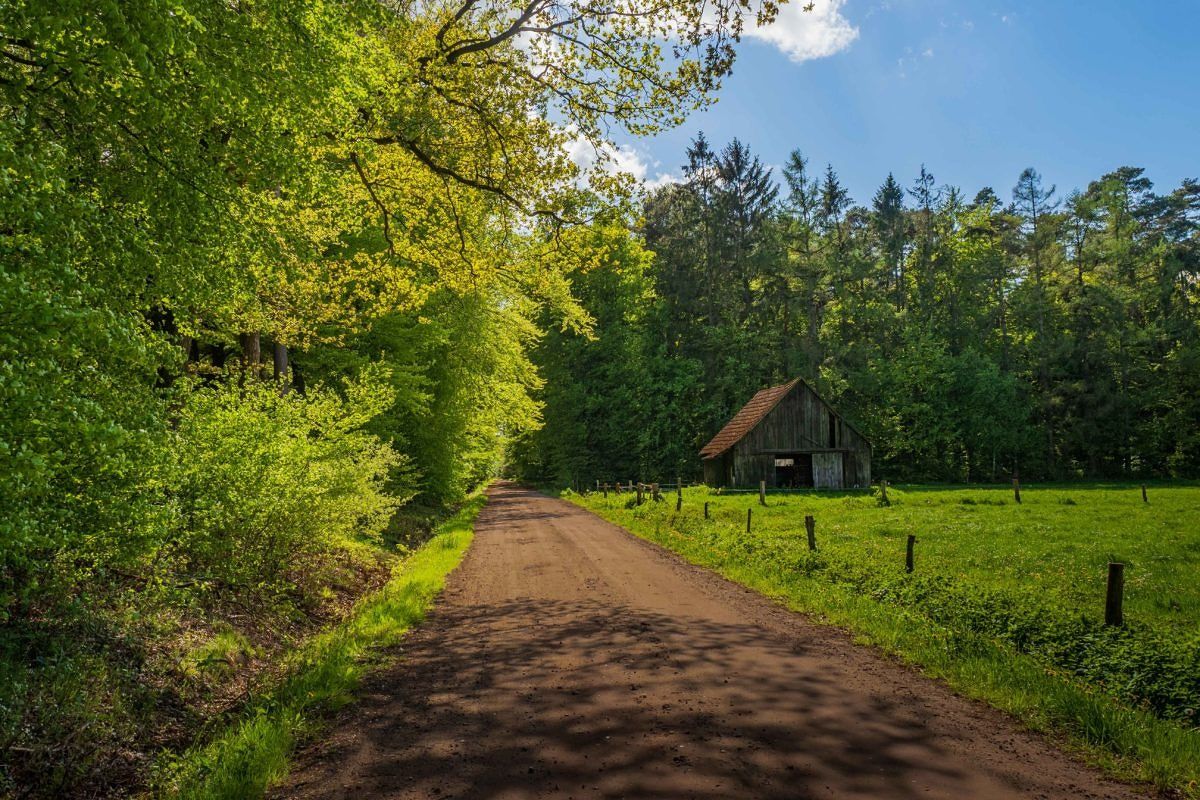
Spazierwanderwege in der Parklandschaft Ammerland
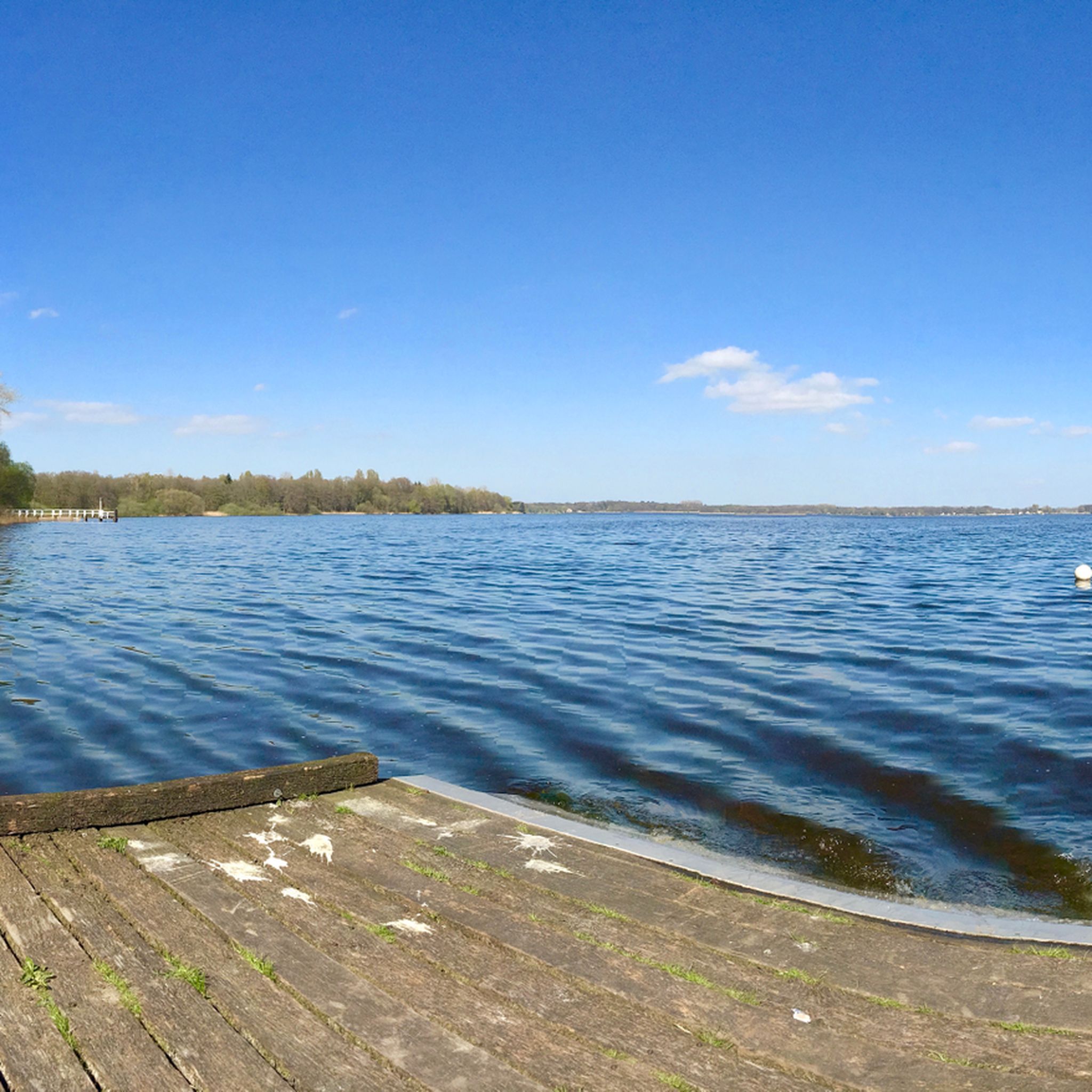
Cycling around Bad Zwischenahn
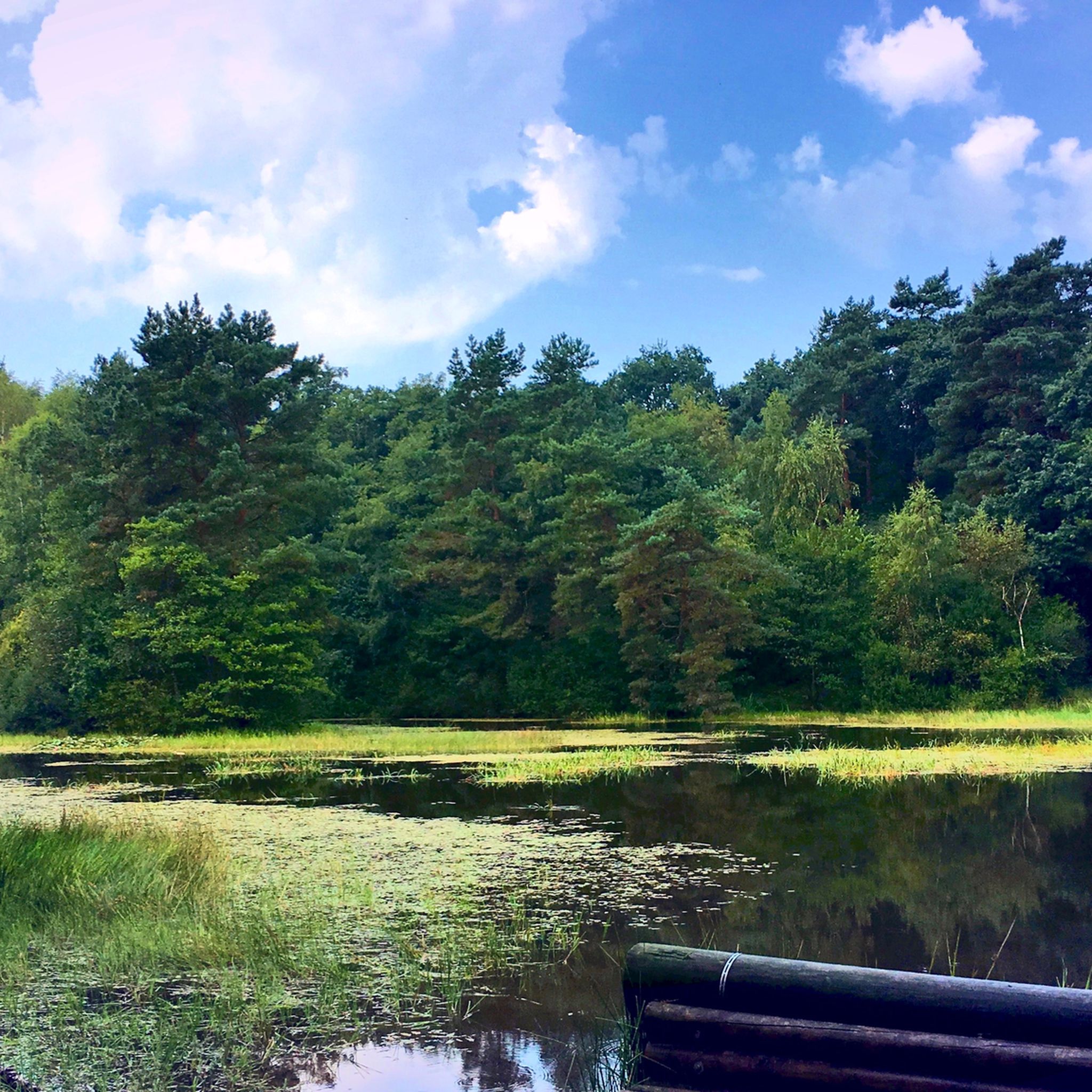
Hiking around Bad Zwischenahn
Other adventures around Bad Zwischenahn


Tips from the Community

Events often take place on the castle square.
4
0

Excavations confirmed the existence of the complex - information boards: Three mountains used to be the Dreibergen castle hill. "Three mountains" stand out in the town of the same name on the northern shore of the sea. Many people have certainly puzzled over the hills. They are - as excavations by archaeologist Dr. Dieter Zoller prove - more than just simple elevations. In the middle of the twelfth century, a castle complex belonging to the Counts of Elmendorf stood here. Information boards present the history. https://www.bad-zwischenahn.de/de/gemeindeportrait/geschichte/Elmendorfer-Burg.php
6
0

As inconspicuous as the castle may be from the outside, it is all the more impressive from the inside. A visit is absolutely worthwhile and even teaches the locals something about "our" history. There are many interesting exhibits to discover. Tip: Drinks are not allowed in the museum. However, we were offered to keep our drinks behind the cashier. Very friendly staff!
5
0

The museum also shows changing exhibitions and has two other locations: the Augusteum houses the Old Masters Gallery, and the Prinzenpalais houses the New Masters Gallery with paintings from the 19th century onwards.
9
0

Historic representative rooms Some of the historic representative rooms in the castle have been largely preserved to this day. These include the Antiquarium, the oval reception room, the tower room, the blue, red and green salon, the Strack Hall, the throne room, the white hall, the marble hall, the idyllic room and the castle hall. The large castle hall was built in the neo-Renaissance style and decorated with ceiling paintings by the Delmenhorst-born painter Arthur Fitger (1840–1909). The oval reception room was designed under Grand Duke Paul Friedrich August in 1836. The room was to be completed the following year for the wedding of his daughter Amalie to the Greek King Otto I. The lavish plan approved by the Grand Duke included a "boiserie" (paneling) made of light satin wood and 48 mirrored panes for the doors. However, to the great annoyance of the Grand Duke, the work was not completed on time.
11
1
History The castle is based on a medieval lowland castle, which was built around 1100 by the Counts of Oldenburg to control a long-distance trade route from Westphalia to East Frisia. It was first explicitly mentioned in 1275, and a keep appears in a document in 1313. At that time, the individual buildings had to be founded on oak piles. Around 1400, the complex, which was laid out in a circle, was given a moat with an outer wall under Count Dietrich the Lucky, and thus became a moated castle. Numerous residential and commercial buildings were gathered in a small area, which housed a court of around 350 people around 1600. In 1573, the castle was considered dilapidated and was therefore renovated piece by piece. The keep in the middle of the courtyard had already become slanted by 1599 due to the marshy ground and was therefore demolished in 1608.
12
0
Elmendorf Castle, also called Elmendorf Castle or Three Hill Motte, is a ruined tower hill castle (motte) in the Dreibergen nature reserve on the northern shore of the Zwischenahner Meer near Elmendorf, a district of Bad Zwischenahn in the Ammerland district in Lower Saxony.
3
0

Köhlmoor Castle was rebuilt in 2014 and is located next to the airfield in Felde - Westerstede. The castle received its name because the “Köhlmoor” was once located in this area. In the 17th/18th In the 19th century, two families lived here and burned high-quality charcoal from the heavy peat. The style of the house is modeled on historic Renaissance country house castles both inside and out. The outer facade - a dream of white and yellow - is decorated with shell and stucco ornaments. A large mural decorates the entrance area.
4
1
Frequently Asked Questions
What types of castles and historical sites can I explore near Bad Zwischenahn?
The region around Bad Zwischenahn offers a variety of historical sites, from medieval fortifications to residential palaces. You can find the remains of ancient wooden castles like the Elmendorf Castle Mounds (Three-Hill Motte), which date back to the 9th century. There are also more modern structures like Köhlmoor Castle, a rebuilt Renaissance country house, and the historical Oldenburg Castle, which now houses a museum.
Are there any castles near Bad Zwischenahn that are open to the public for tours or visits?
Yes, Oldenburg Castle is open to the public and houses a museum with historic representative rooms and changing exhibitions. While Rastede Castle is privately owned and not open for tours, its extensive English-style parkland is accessible for visitors to enjoy.
Which castles are suitable for families with children?
Several sites are family-friendly. The parkland around Rastede Castle is great for walks. Oldenburg Castle, with its museum, offers an educational experience. Köhlmoor Castle, with its distinctive architecture, can be an interesting stop. The Elmendorf Castle Mounds provide an opportunity to learn about ancient history with on-site information boards.
Can I visit the castle parks or grounds even if the castles themselves are private?
Yes, for Rastede Castle, although the castle building is privately owned, its extensive English-style parkland is publicly accessible and perfect for walks. Similarly, the site of the Elmendorf Castle Mounds is open for exploration, offering a glimpse into early medieval fortifications.
Are there any castles or historical sites that are wheelchair accessible?
Yes, Köhlmoor Castle is noted as being wheelchair accessible, making it a good option for visitors with mobility needs.
What outdoor activities can I do near these castles?
The region offers various outdoor activities. You can enjoy cycling on routes like the 'Mühlenroute' or 'Aueweg' from the Cycling around Bad Zwischenahn guide. For runners, there are trails by the lake, as detailed in the Running Trails around Bad Zwischenahn guide. Gravel biking is also popular, with routes like 'Lakeside at Zwischenahn Lake' available in the Gravel biking around Bad Zwischenahn guide.
Are there walking or hiking trails around the castles?
Yes, the English-style parkland surrounding Rastede Castle offers many hiking trails. The Elmendorf Castle Mounds are also situated in a forest setting, providing a natural environment for walks while exploring historical remnants.
What is the best time of year to visit the castles and historical sites?
The spring and summer months (April to September) are generally ideal for visiting, as the weather is pleasant for exploring castle grounds and parks. Autumn also offers beautiful scenery with changing foliage. While some indoor attractions like Oldenburg Castle's museum can be visited year-round, outdoor areas are best enjoyed in milder weather.
Are there any cafes or restaurants near the castles?
Yes, Köhlmoor Castle itself has a restaurant and a sun terrace where you can enjoy drinks and food. For other locations, you'll find cafes and pubs in the nearby towns and villages, such as Rastede or Oldenburg, which are easily accessible from the castle sites.
What makes <a href="https://www.komoot.com/highlight/329300" target="_blank" rel="noopener">Köhlmoor Castle</a> unique?
Köhlmoor Castle is unique because it was rebuilt in 2014 in the style of historical Renaissance country house castles. It features a distinctive white and yellow facade adorned with shell and stucco ornaments, a prominent mural in the entrance area, and is located next to an airfield, offering a chance to see planes taking off and landing.
What can I expect to see at the <a href="https://www.komoot.com/highlight/139207" target="_blank" rel="noopener">Elmendorf Castle Mounds (Three-Hill Motte)</a>?
At the Elmendorf Castle Mounds, you'll find the archaeological remains of a 9th-century wooden castle, known as a 'motte' facility. Information boards on-site explain the history of this special construction built on an artificial hill, offering a fascinating look at early medieval fortifications and the ingenuity of their construction.
What is the historical significance of <a href="https://www.komoot.com/highlight/494037" target="_blank" rel="noopener">Oldenburg Castle</a>?
Oldenburg Castle is based on a medieval lowland castle built around 1100. It was originally constructed to control a long-distance trade route and later became a moated castle around 1400. Today, it houses a museum that showcases its long history through historic representative rooms and changing exhibitions, reflecting centuries of regional development.
Most popular routes around Bad Zwischenahn
Most popular attractions around Bad Zwischenahn

Get inspired with the komoot mobile app


Explore more
Looking for the best castles somewhere else? Discover other guides around Bad Zwischenahn:
