Top 20 Waterfalls around Bad Schandau
Best waterfalls around Bad Schandau are found within Saxon Switzerland, a region characterized by its unique sandstone formations and picturesque valleys. The area offers a diverse landscape where natural water features are often intertwined with historical and man-made enhancements. Visitors can explore various waterfalls that range from natural cascades to those with controlled water releases, providing distinct experiences. This region is a notable destination for those seeking to combine hiking with the exploration of natural and historical water attractions.
Best…
Last updated: June 22, 2026
Gautsch Grotto
Highlight • Cave
Translated by Google •
Tip by

Amselfall
Highlight • Waterfall
Translated by Google •
Tip by

Sign up now to discover places like this
Get recommendations on the best single tracks, peaks, & plenty of other exciting outdoor places.
Sign up for free
Historic Hydroelectric Power Plant in the Lohmener Klamm
Highlight • Monument
Translated by Google •
Tip by

Wesenitz Waterfall at the Lochmühle
Highlight • Waterfall
Translated by Google •
Tip by

Lower Lock Waterfall and Boat Landing
Highlight • Waterfall
Translated by Google •
Tip by

Sign up for free to discover even more waterfalls around Bad Schandau.
Sign up for free
Already have an account?
Start today with a free account
Your next adventure awaits.
Login or Signup
Popular around Bad Schandau
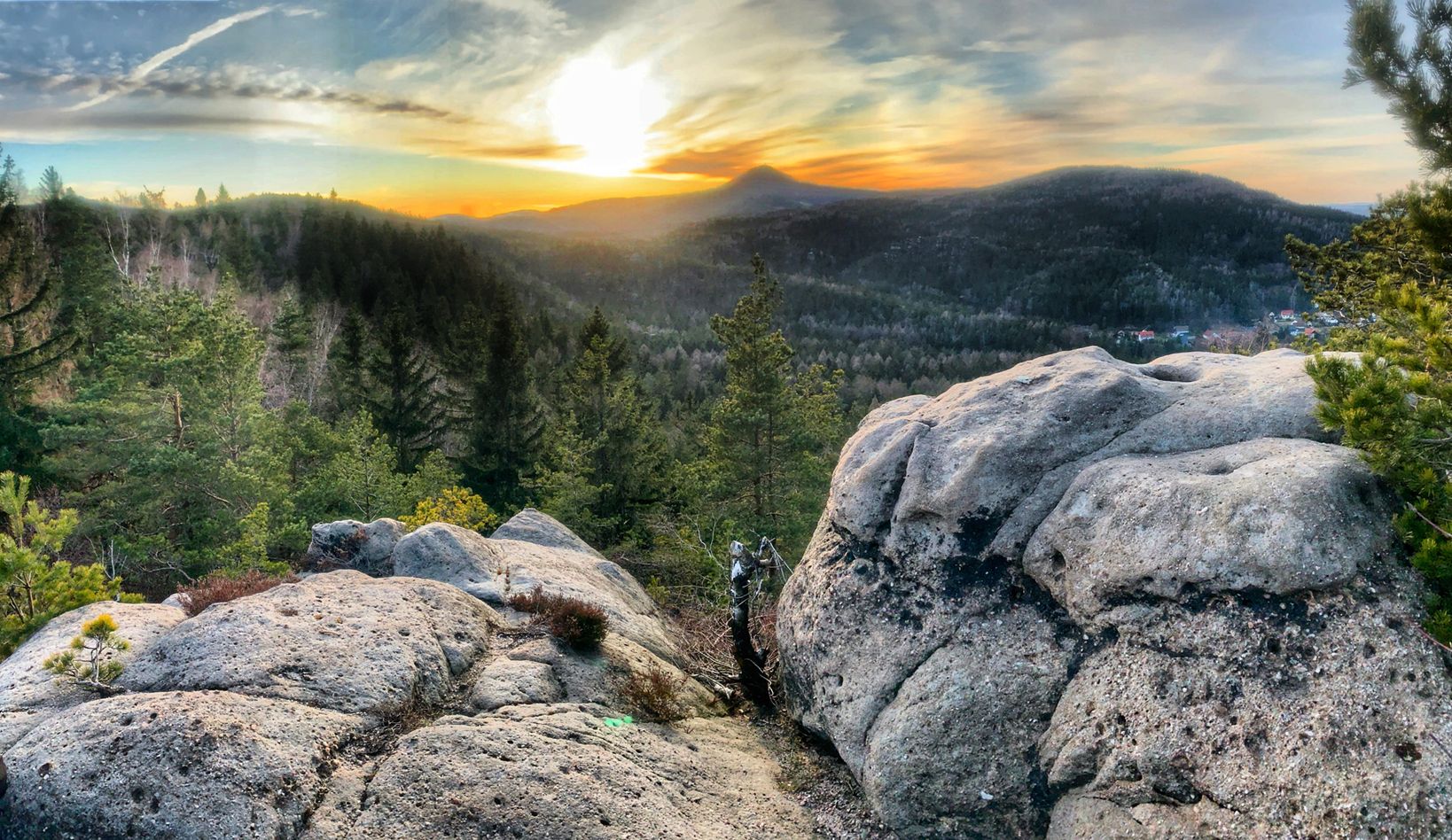
Mountains, heaths & lakes – hiking in Lusatia
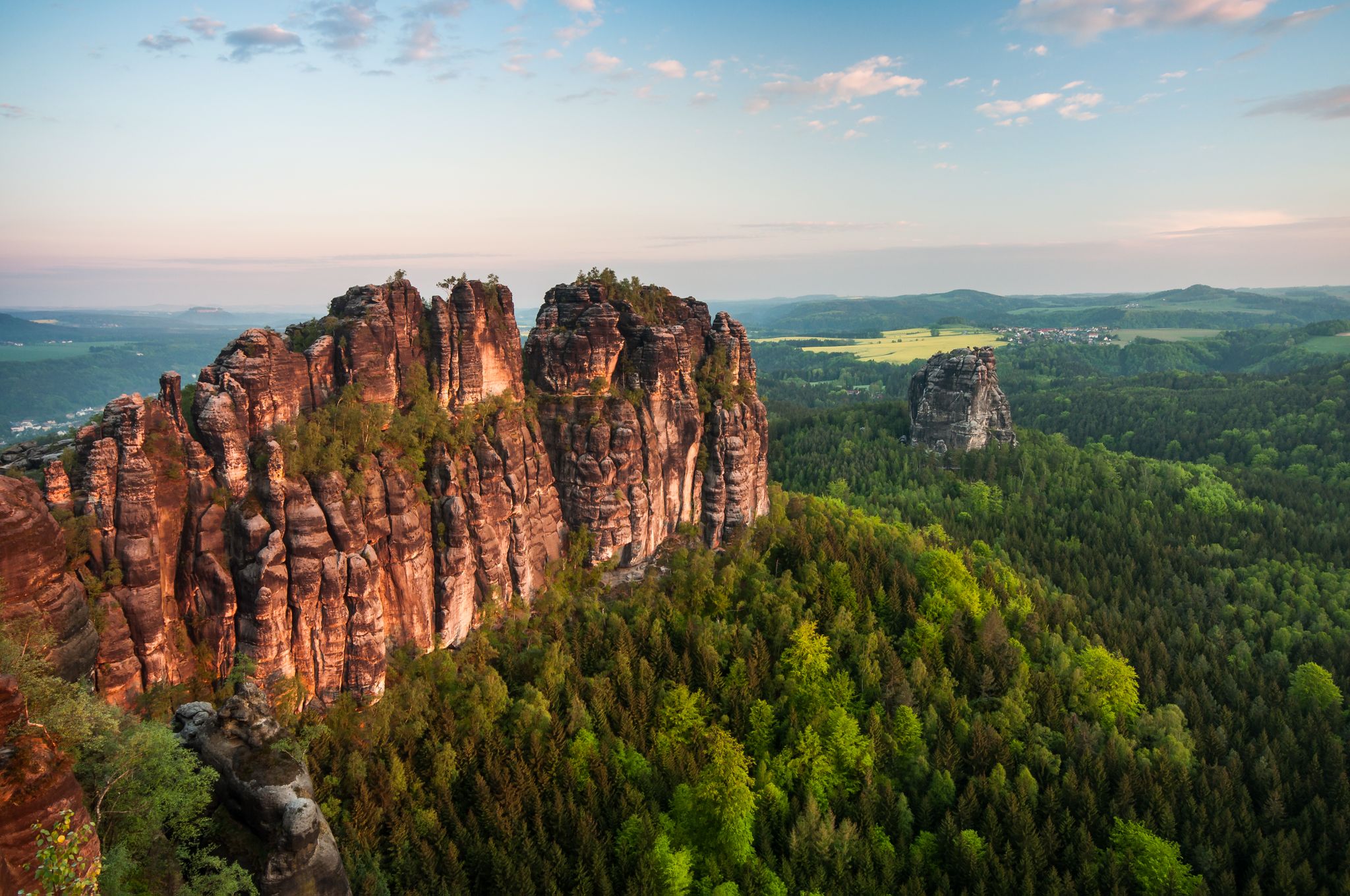
Malerweg — following the trails of the artists in Saxon Switzerland
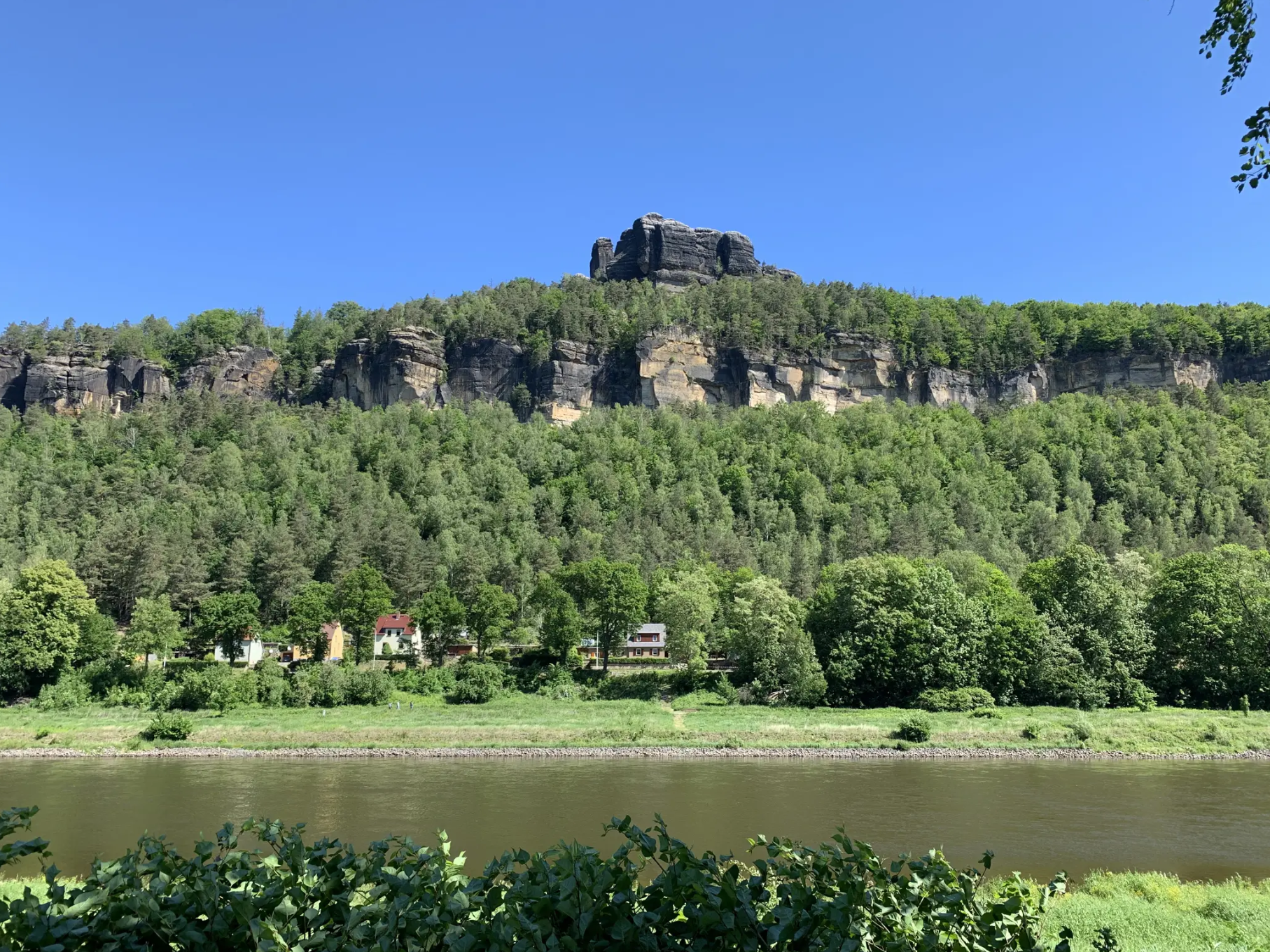
Elbe and Vltava cycle paths – From Dresden to Prague
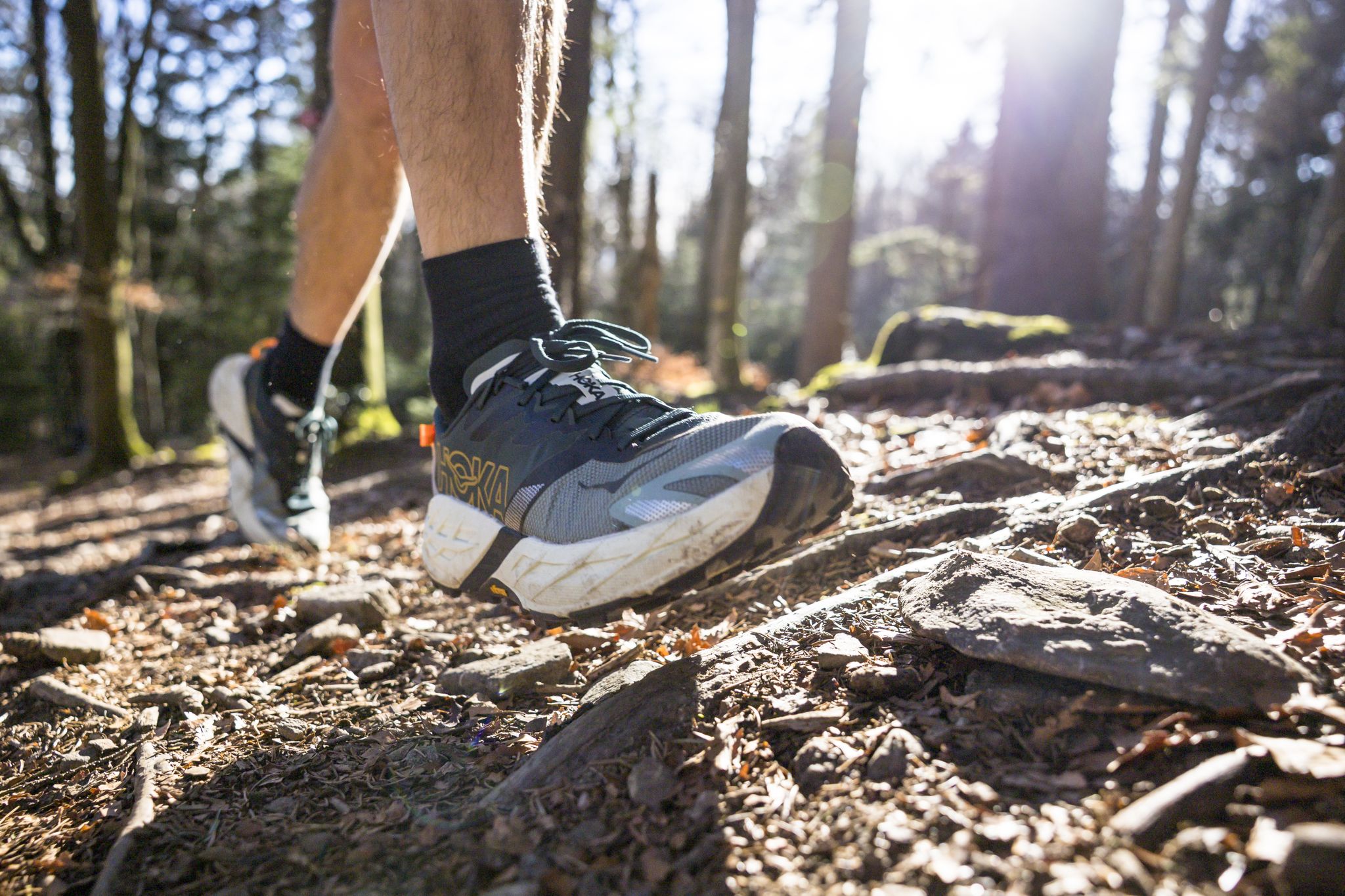
Run Wilder – six trail runs in Germany with the HOKA Speedgoat 7
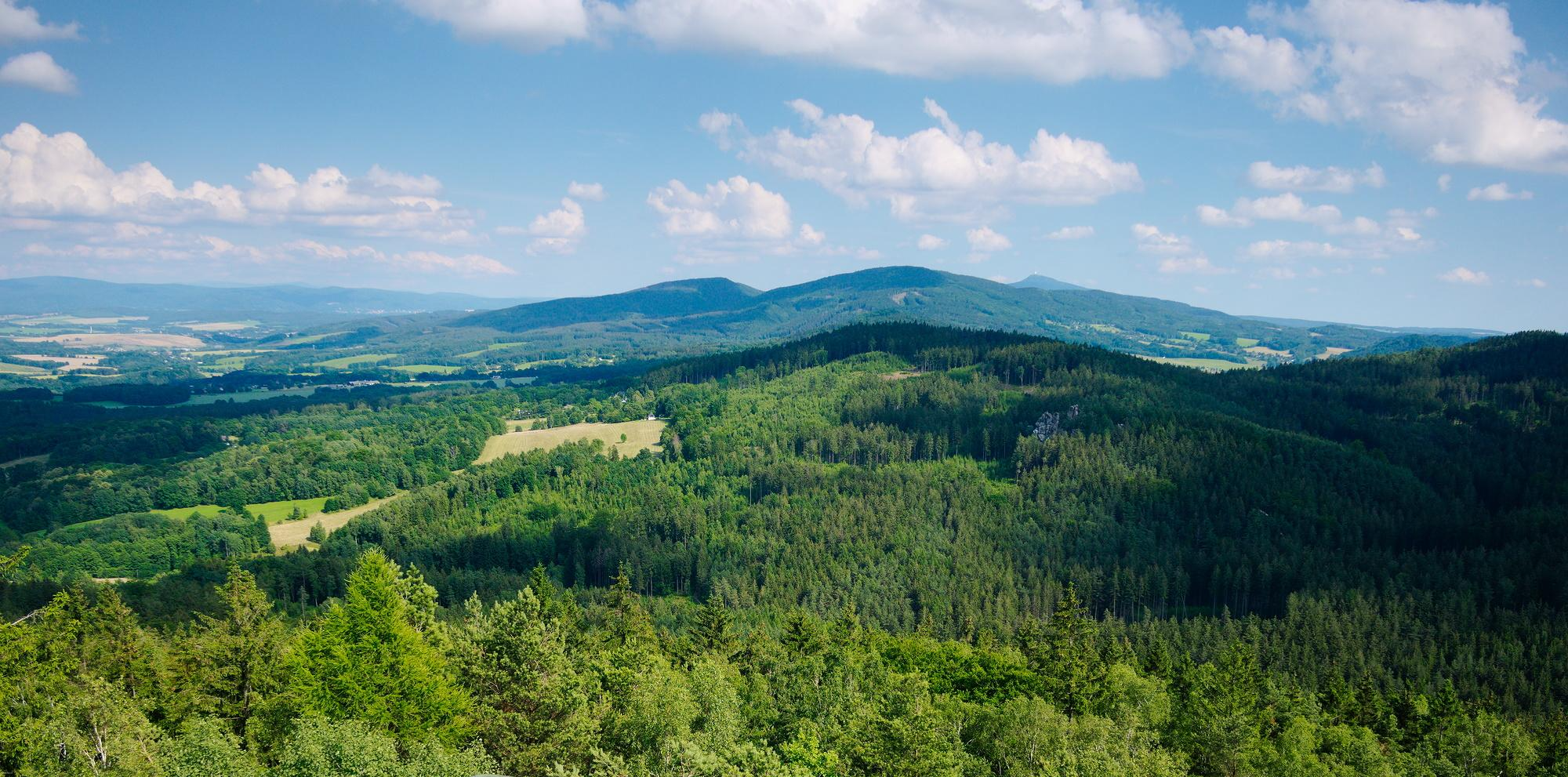
The National Natural Landscapes in Saxony
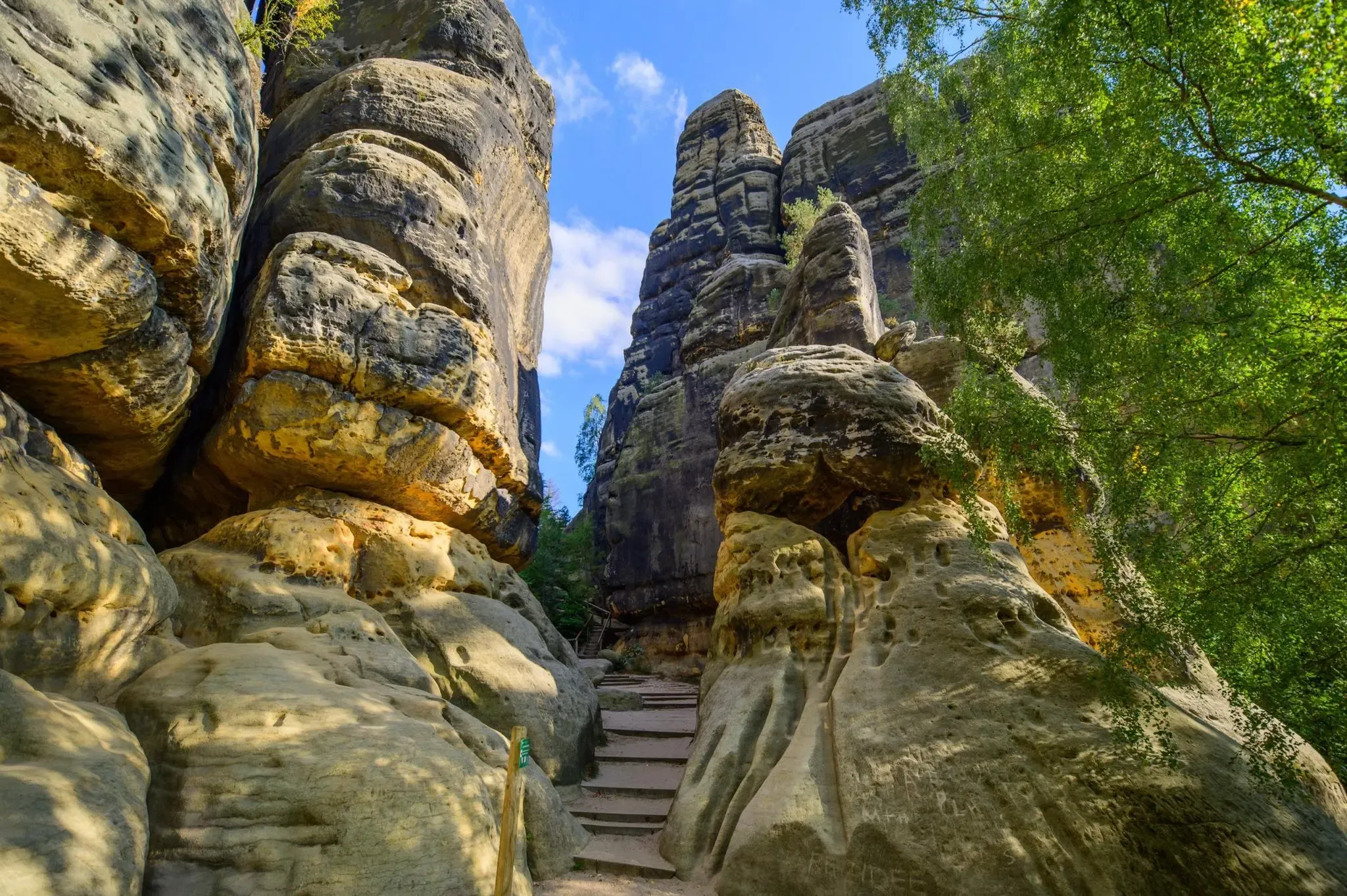
Malerweg – Trail running in Germany's dramatic Saxon Switzerland area
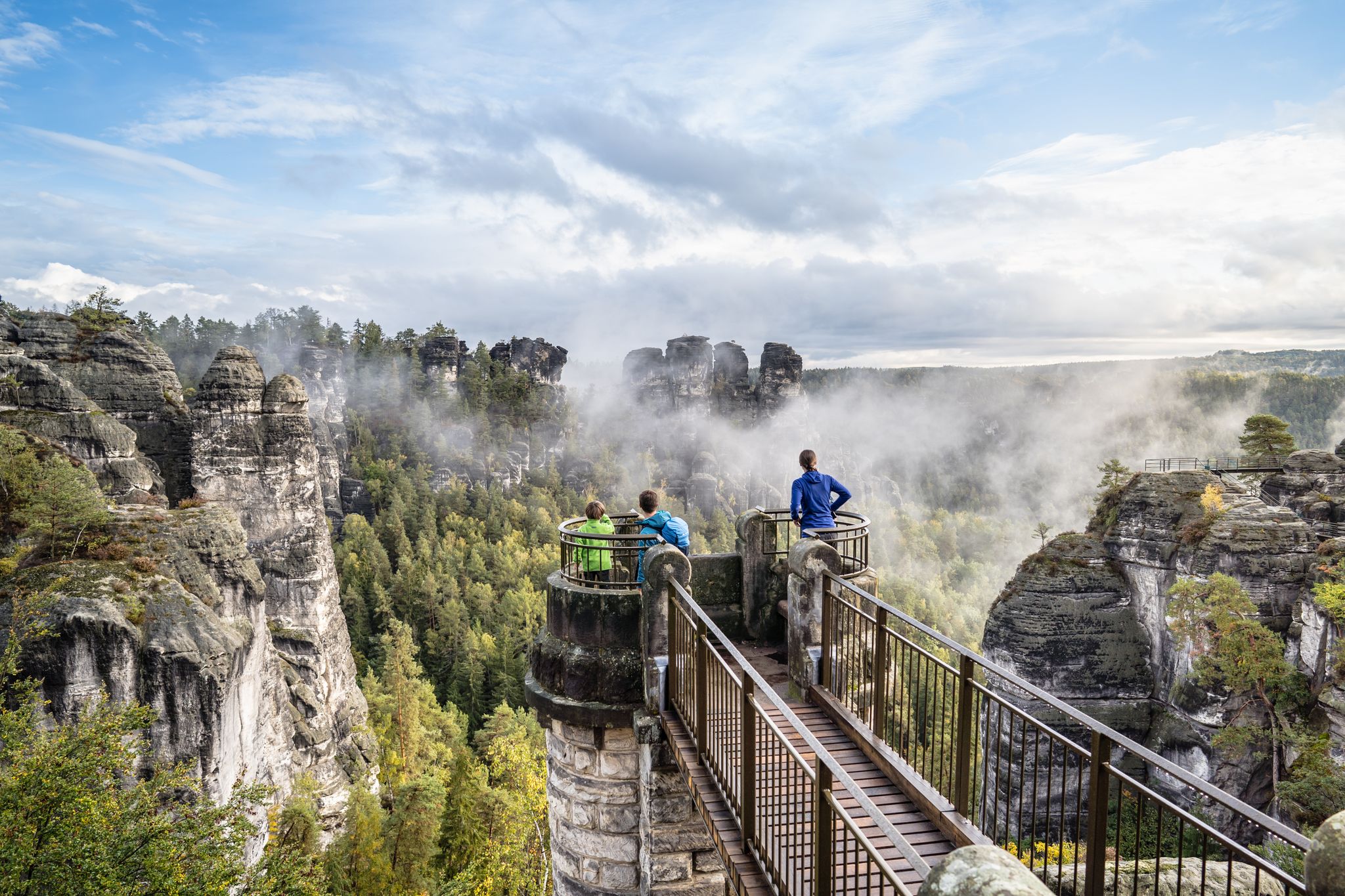
Natural wonders of Saxony – hiking with the wow factor
Komáří hůrka – bikepacking from Berlin to the Eastern Ore Mountains
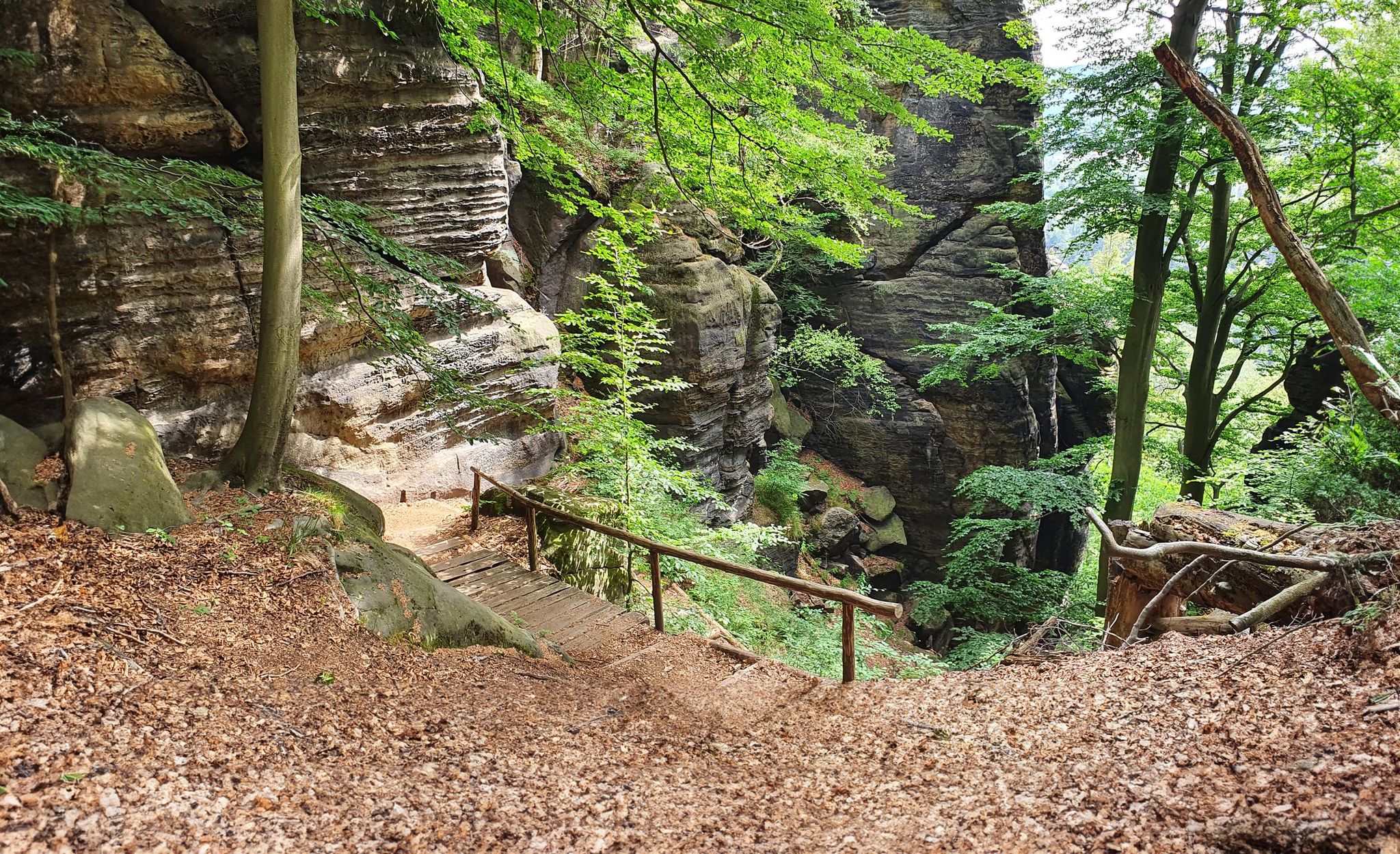
On the way on the DichterMusikerMaler-Weg
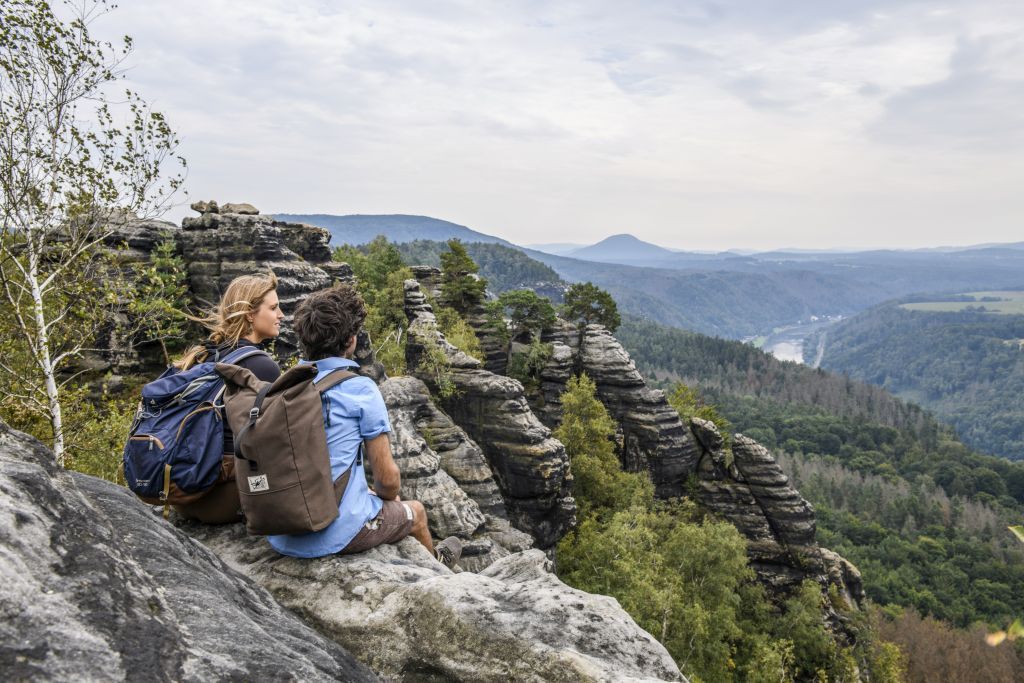
Elbe Sandstone Mountains – around Schmilka and Bad Schandau
Other adventures around Bad Schandau


Tips from the Community

The power plant is based on a weir system built in 1877, which initially powered neighboring machines in the Weber & Niezel wood grinding and cardboard factory via transmission. In 1910, a Francis turbine and electric generator with an installed capacity of 180 kW were commissioned to generate electrical energy. This was followed in 1932 by the addition of a second turbine with 80 kW. After the Second World War, the weir system was partially repaired in 1963. In 1969, the power plant was shut down due to uneconomical operation, and the facility was left to decay.
5
1
There is an impressive lost place by the rushing stream!
6
1
A very idyllic atmosphere. The hotel project seems to have been dying since 2016. There is no visible activity in or around the property.
6
1
A very idyllic landscape that is very impressive. Plenty of water rushing past.
7
1
The power plant is based on a weir built in 1877, which initially used transmission to drive neighboring machines in the Weber & Niezel wood grinding and cardboard factory. In 1910, a Francis turbine and electric generator with an installed capacity of 180 kW were put into operation to generate electrical energy. This was followed in 1932 by the addition of a second turbine with 80 kW. After the Second World War, the weir was partially repaired in 1963. In 1969, the power plant was shut down due to uneconomical operation and the plant was left to decay. After reunification, it was restarted in 2000 with a Kaplan turbine. The head is 10.4 m and has an installed capacity of 215 kW with a flow rate of up to 2.6 m³/s.
5
1

Simply amazing and a very mystical place, take your time if you're nearby, a great tip.
22
2
An absolute insider tip in Saxon Switzerland. We were deeply moved by the mysticism of the valley and the river.
15
2
Frequently Asked Questions
How can I reach the Lichtenhain Waterfall?
The Lichtenhain Waterfall is easily accessible via the historic Kirnitzschtalbahn, a narrow-gauge electric tramway. The tram ride itself through the Kirnitzsch Valley is part of the experience. Once you alight at the terminus, the waterfall is only about 100 meters away. You can find more details about this unique attraction on Atlas Obscura or Wikipedia.
Are there any waterfalls that are currently inaccessible around Bad Schandau?
Yes, the Amselfall (also known as Amsel Falls) is currently not accessible. The nearby Amselfallbaude mountain hut is also permanently closed and surrounded by scaffolding. It's advisable to check current conditions before planning a visit to this area.
Are there family-friendly waterfalls around Bad Schandau?
Yes, the Wesenitz Waterfall at the Lochmühle is considered family-friendly. It offers an idyllic landscape where the Wesenitz river flows over several small sections, creating a mini waterfall effect that is enjoyable for all ages.
What kind of unique natural and man-made features can I expect to see at the waterfalls?
The region features a blend of natural beauty and historical enhancements. You can explore the Gautsch Grotto, a cave and waterfall where the rock formation evokes awe. Another unique spot is the Historic Hydroelectric Power Plant in the Lohmener Klamm, an impressive historical piece of architecture with a large weir and viaduct over which dammed water flows.
What is the best time to visit the waterfalls around Bad Schandau?
The best time to visit depends on your preference. During periods of heavy rainfall, the waterfalls, especially those with natural flows, will be more impressive. For the Lichtenhain Waterfall, which features a controlled water release every half hour, the experience is generally consistent, though very dry periods can reduce the flow. Spring and autumn offer pleasant hiking conditions and vibrant scenery.
Are there hiking trails near the waterfalls?
Absolutely. Many waterfalls serve as excellent starting points or features along hiking trails. For instance, the Lichtenhain Waterfall is a popular starting point for various hikes into Saxon Switzerland. You can find numerous routes, including those that pass by waterfalls, in the Waterfall hikes around Bad Schandau guide.
What other outdoor activities can I do near the waterfalls in Bad Schandau?
Beyond hiking, the region offers a variety of outdoor activities. You can explore MTB Trails around Bad Schandau or enjoy Cycling around Bad Schandau. Many of these routes offer scenic views and pass by natural attractions, including some waterfalls.
What do visitors enjoy most about the waterfalls in this region?
Visitors frequently praise the mystical atmosphere and impressive natural settings. Many are deeply moved by the blend of nature and historical structures, such as the Historic Hydroelectric Power Plant in the Lohmener Klamm. The idyllic landscapes, like those around the Wesenitz Waterfall at the Lochmühle, are also highly appreciated.
Is there a waterfall that involves a boat trip?
Yes, the Lower Lock Waterfall and Boat Landing is the end point of a boat trip on the Kirnitzsch river. Here, the dammed water falls a few meters down, creating a waterfall effect. You can also start a boat tour from this location.
Are there any historical aspects to the waterfalls in Bad Schandau?
Many waterfalls in the region have historical significance. The Lichtenhain Waterfall, for example, is an artificial waterfall from the 1830s, historically used to power the Bad Schandau Art Nouveau elevator. The Historic Hydroelectric Power Plant in the Lohmener Klamm is another prime example of historical engineering intertwined with water features.
What kind of terrain and difficulty can I expect on trails near the waterfalls?
The trails near the waterfalls around Bad Schandau vary in difficulty. Many are intermediate, but you can find options ranging from easy walks, such as the short detour to Gautsch Grotto, to more challenging routes that lead through gorges and up to viewpoints. The region's unique sandstone formations mean you might encounter stairs, rocky paths, and varied elevations.
Most popular routes around Bad Schandau
Most popular attractions around Bad Schandau

Get inspired with the komoot mobile app


Explore more
Happy to travel a little further afield? Then browse these guides for the best waterfalls around Bad Schandau:
