Attractions and Places To See around Bad Reichenhall - Top 20
Attractions and places to see around Bad Reichenhall offer a diverse range of experiences in the Bavarian Alps. This spa town combines rich history with natural beauty, focusing on wellness and outdoor activities. Visitors can explore historical landmarks, enjoy scenic mountain views, and discover tranquil natural features. The region is characterized by its alpine landscape, historical salt production, and cultural heritage.
Best attractions and places to see around Bad Reichenhall
- The most popular attractions is Hintersee east shore, a…
Last updated: November 20, 2026
Hintersee east shore
Highlight • Lake
Translated by Google •
Tip by

Enchanted Forest along the Ramsauer Ache
Highlight (Segment) • Forest
Translated by Google •
Tip by

Sign up now to discover places like this
Get recommendations on the best single tracks, peaks, & plenty of other exciting outdoor places.
Historic Old Town with Residenzplatz and Residenzbrunnen
Highlight • Historical Site
Translated by Google •
Tip by

Salzburg Cathedral
Highlight • Religious Site
Translated by Google •
Tip by

Mirabell Palace
Highlight • Castle
Translated by Google •
Tip by
Sign up for free to discover even more attractions around Bad Reichenhall.
Already have an account?
Start today with a free account
Your next adventure awaits.
Popular around Bad Reichenhall
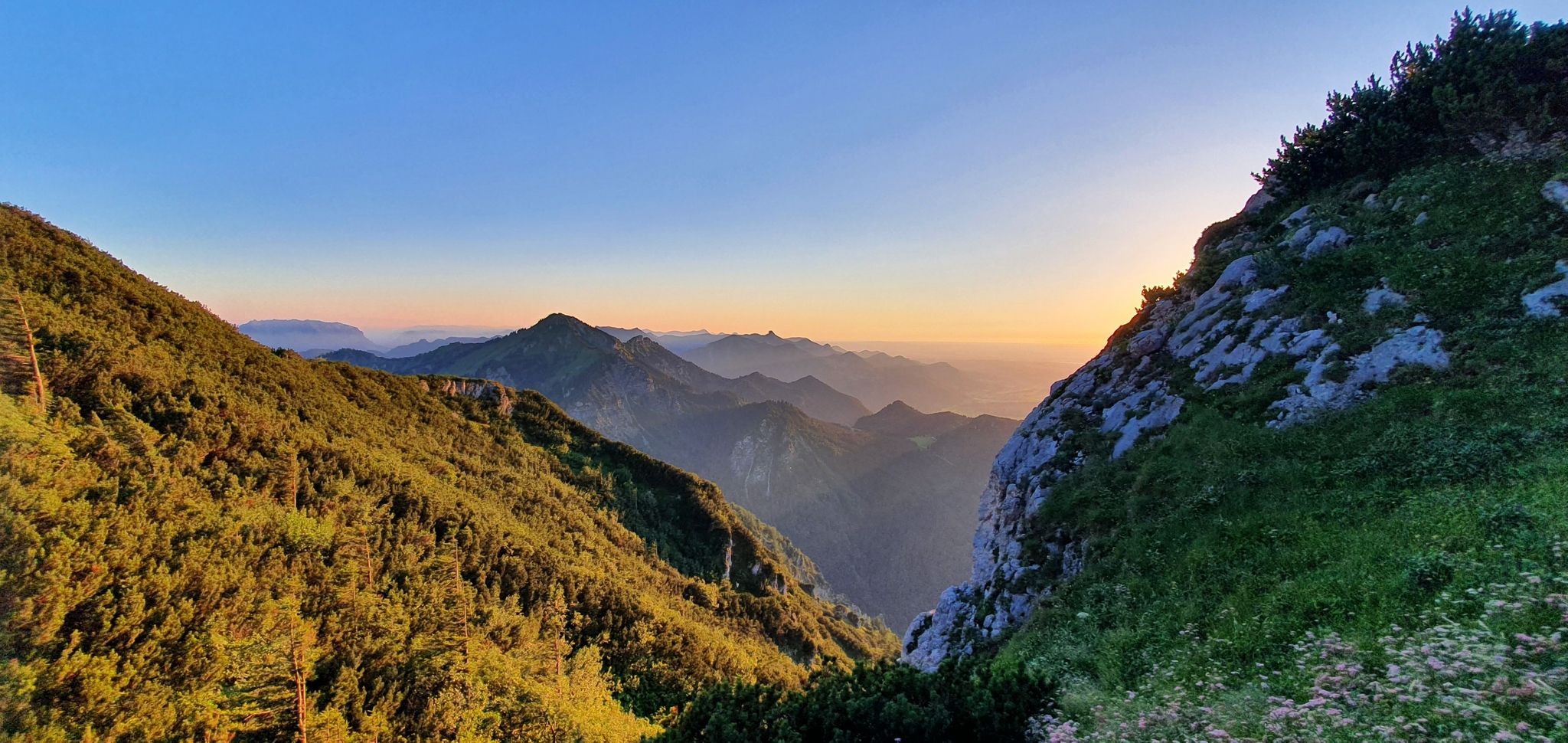
The SalzAlpenSteig – On the tracks of white gold
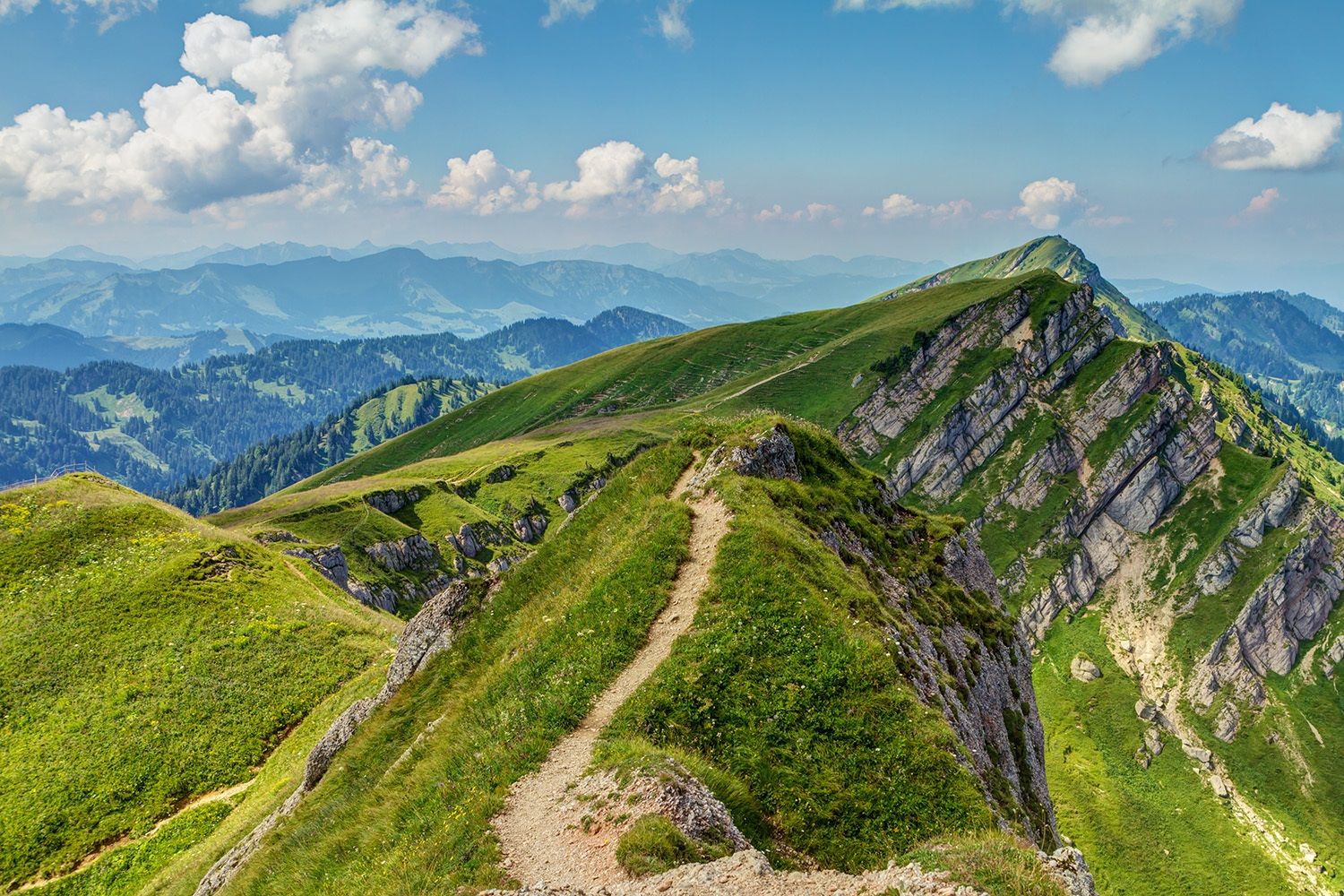
Maximilian Trail in Germany — Lake Constance to Königssee
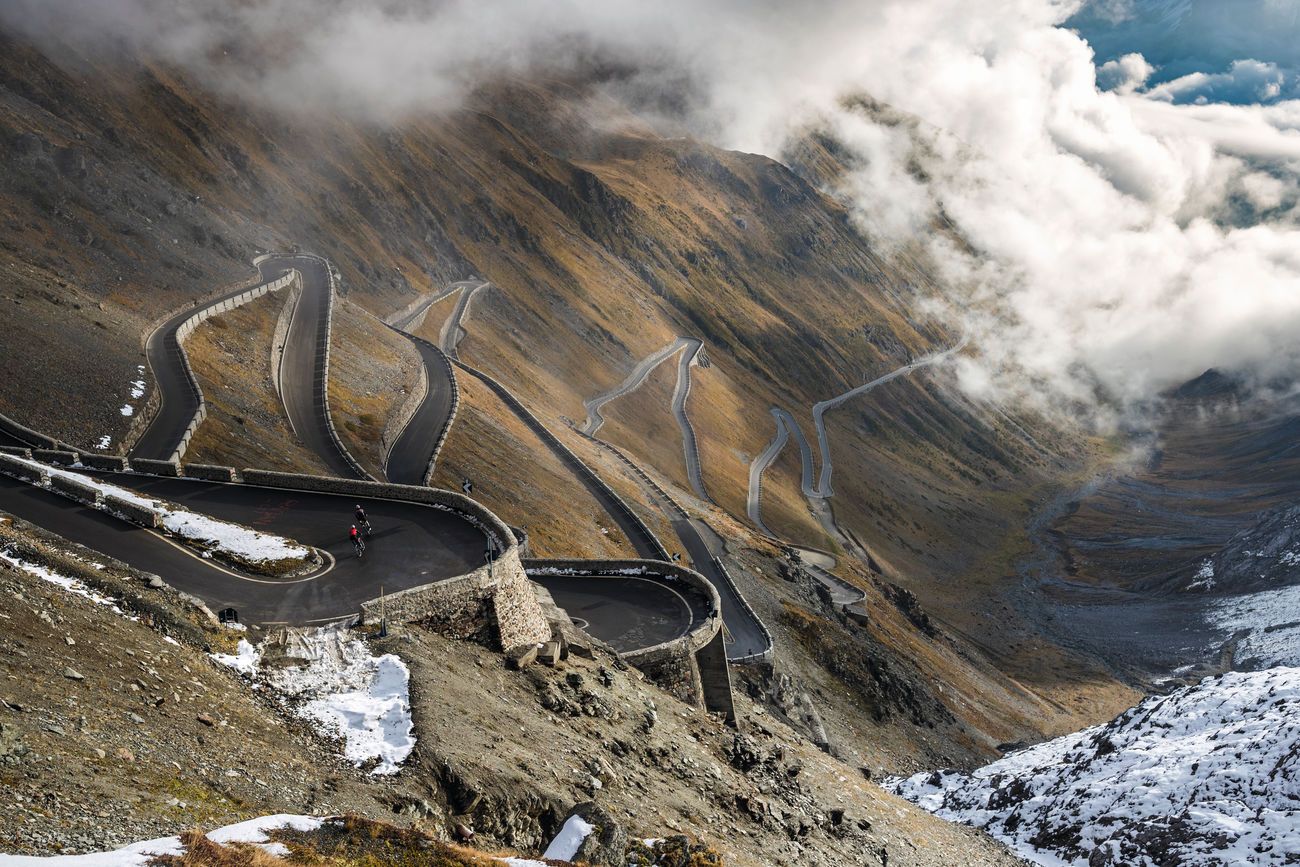
Transalp: Five Road Cycling Routes over the Alps
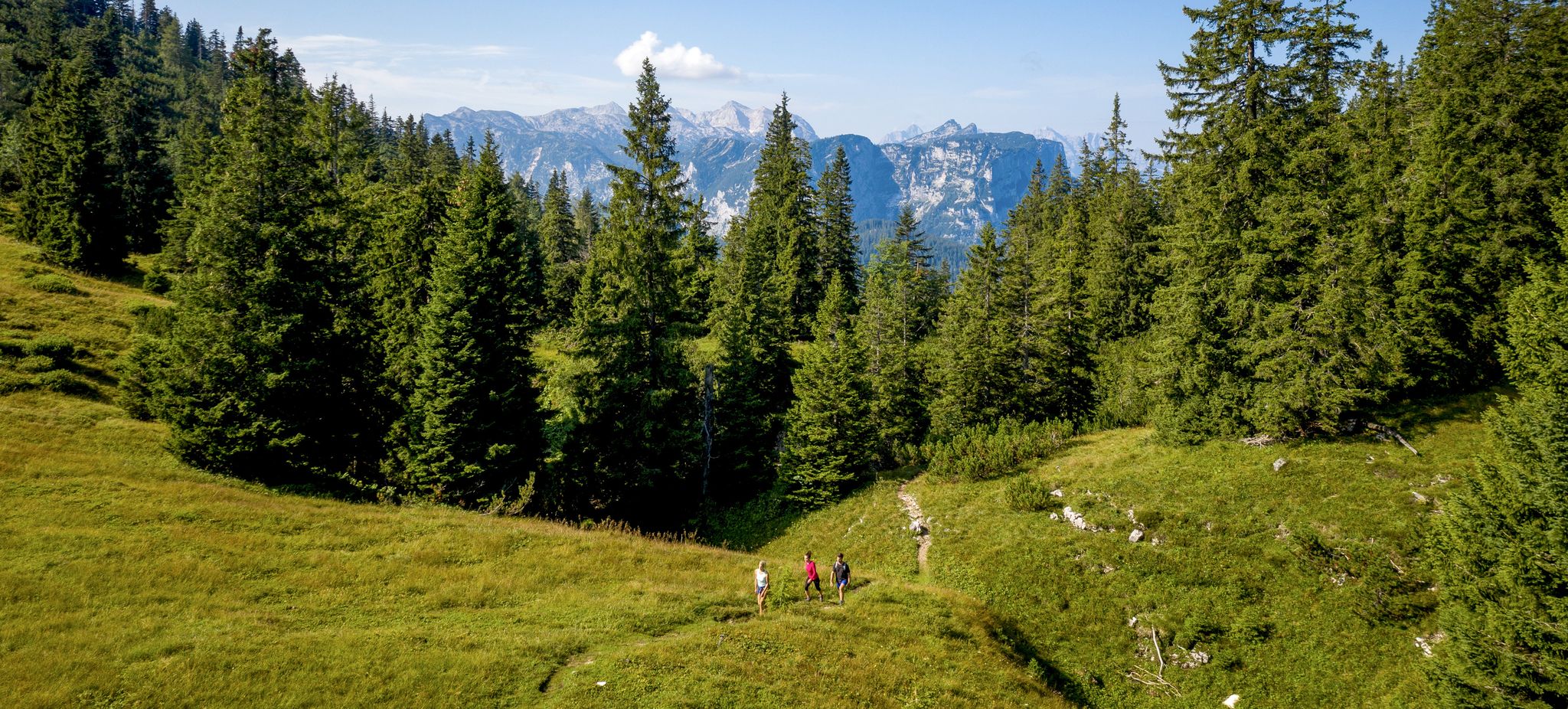
Hike, scramble and relax – outdoors in Bad Reichenhall
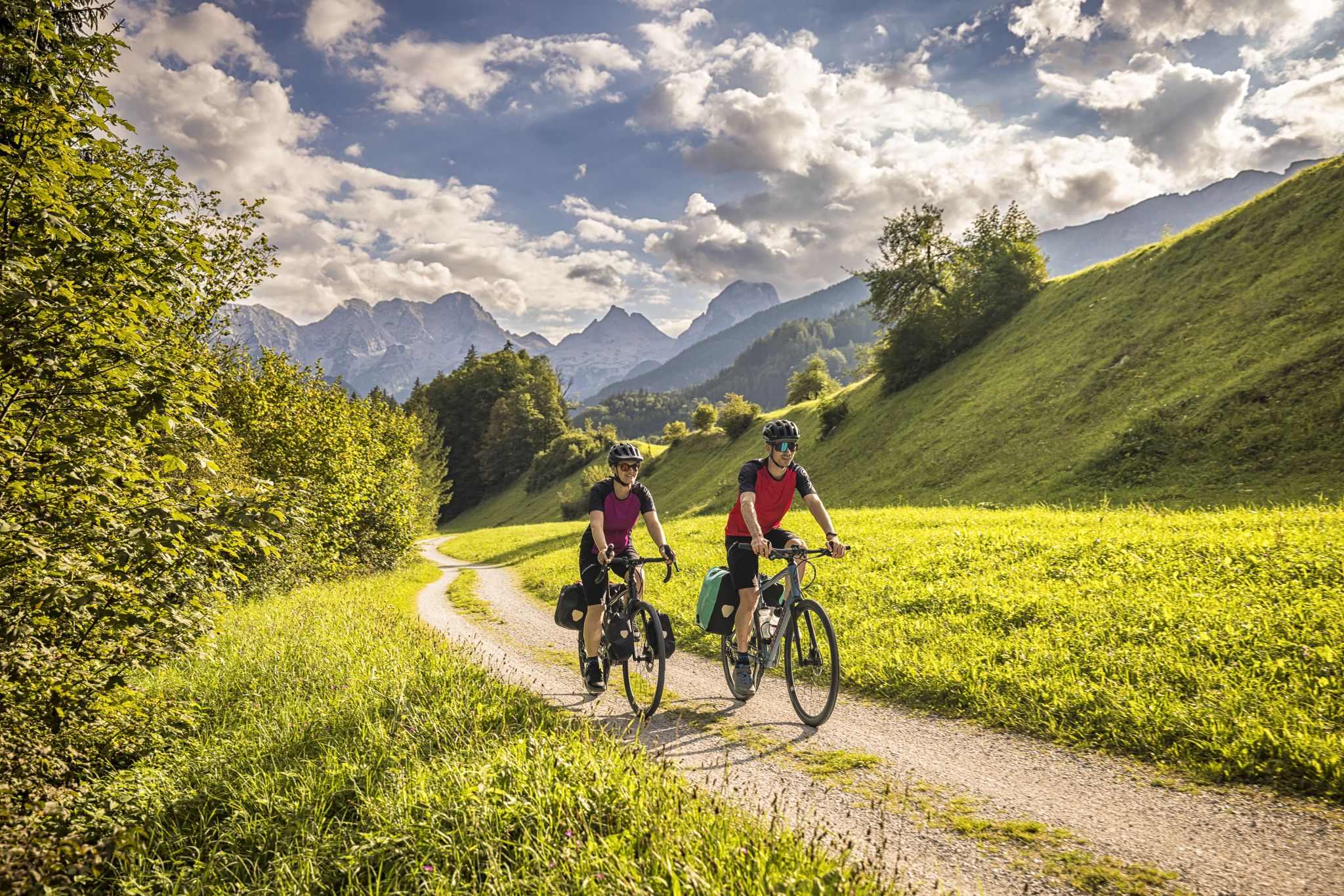
Classic and fantastic – Mozart Cycle Route
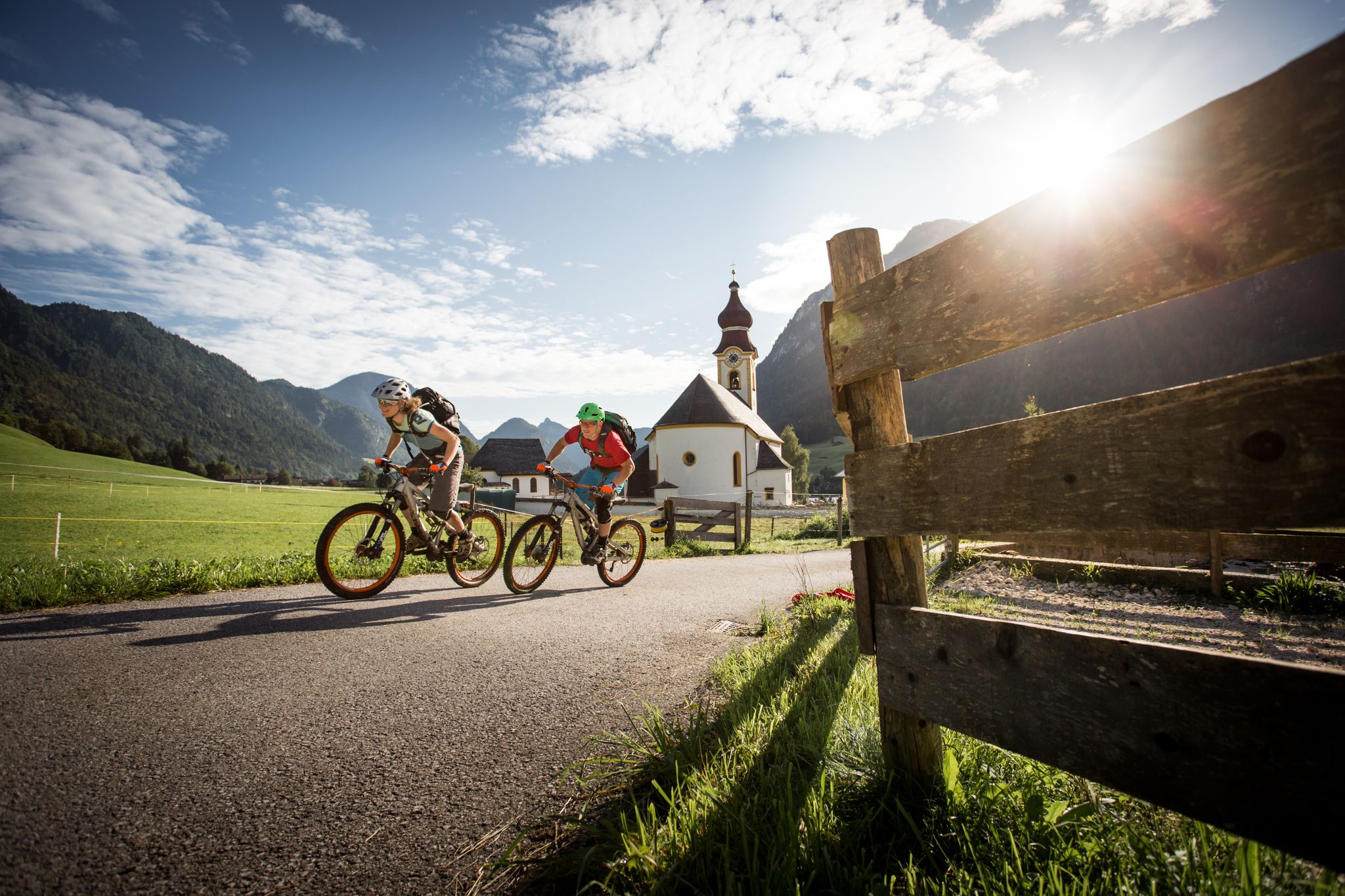
High up on the E-MTB – Watzmann Hochkönig Circuit
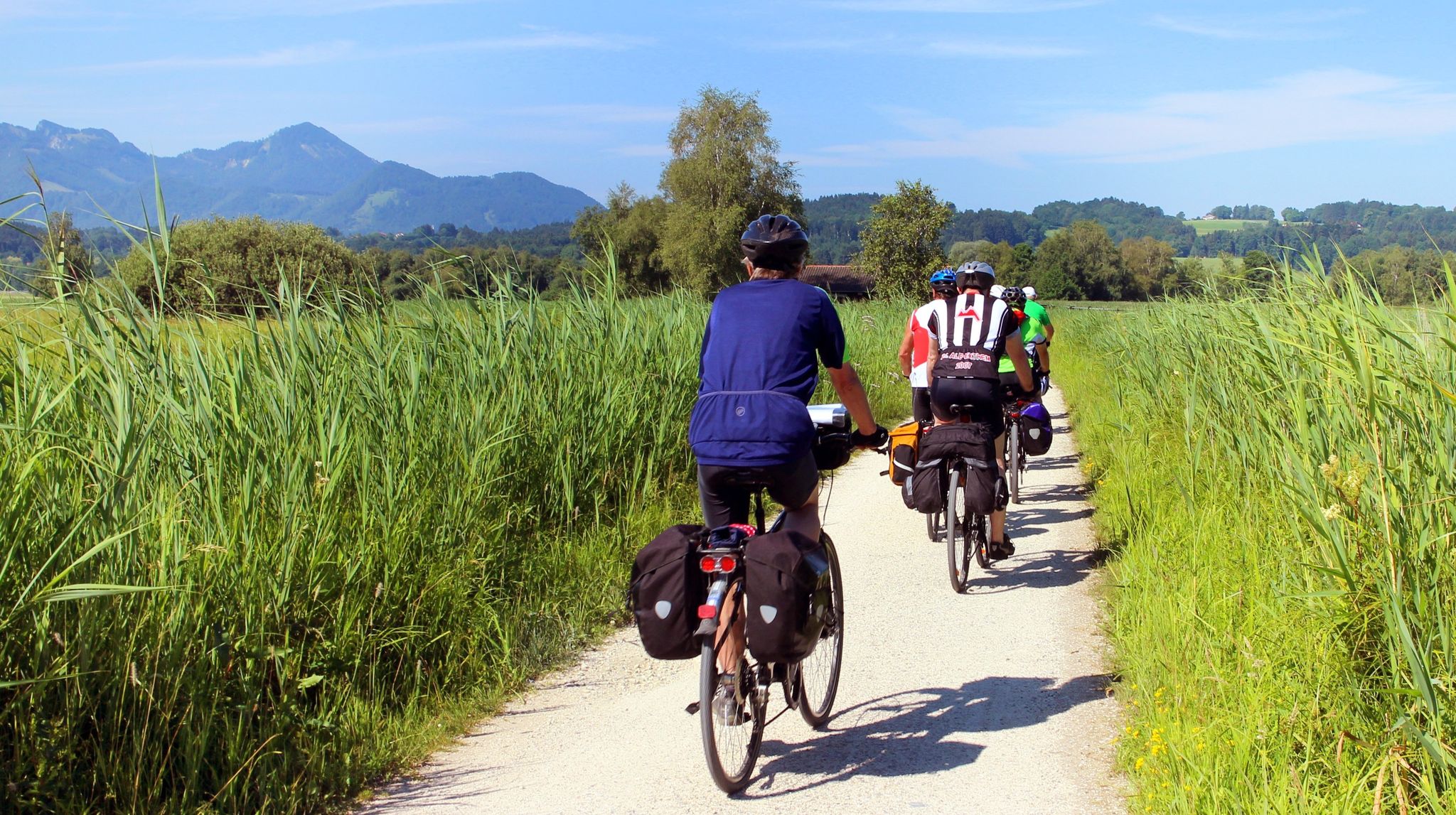
Explore the German Alps – day rides in Chiemgau & Berchtesgadener Land
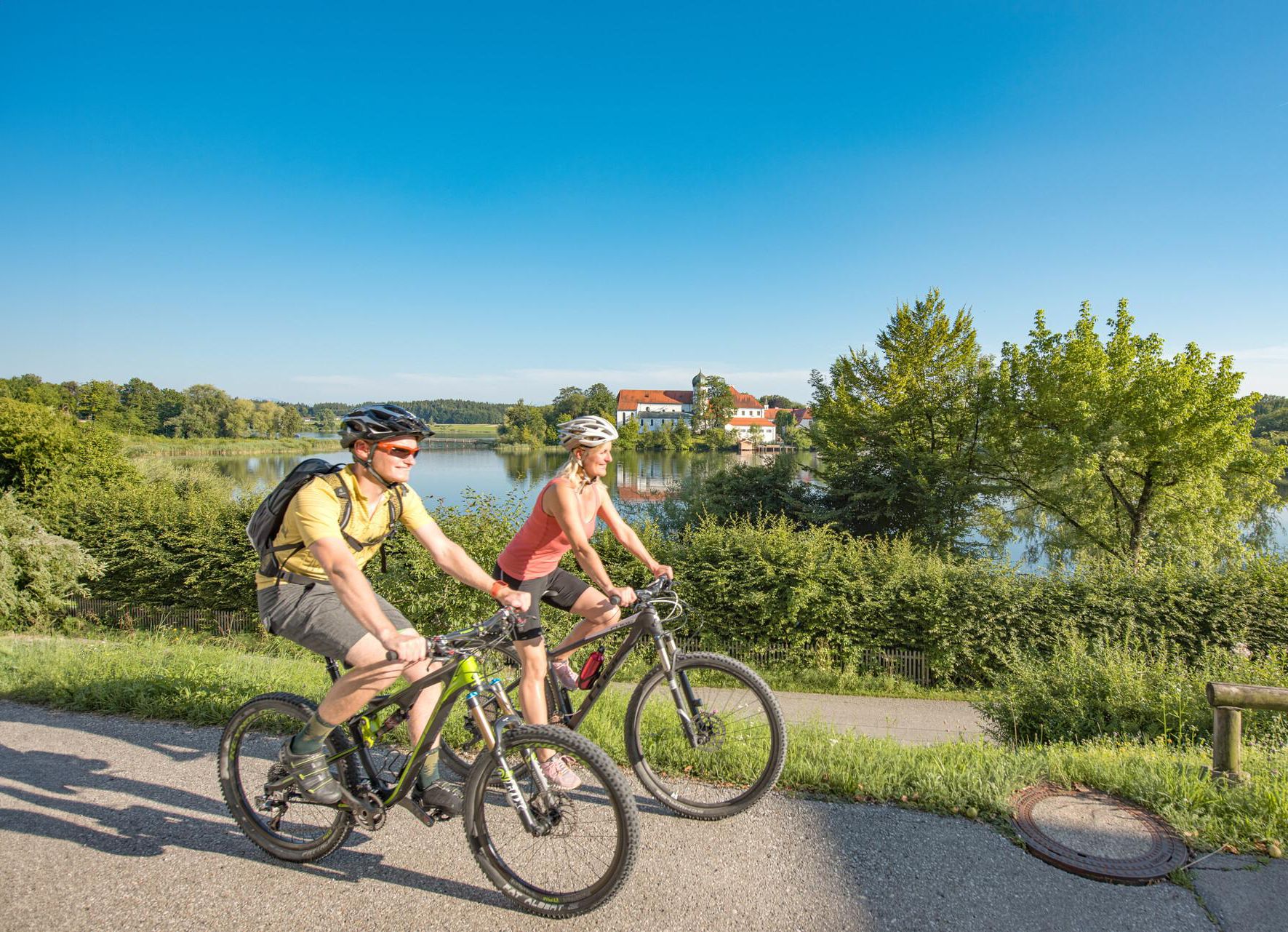
Cycling for a half – 5 Tours to breweries and beer gardens in Germany’s Bavaria
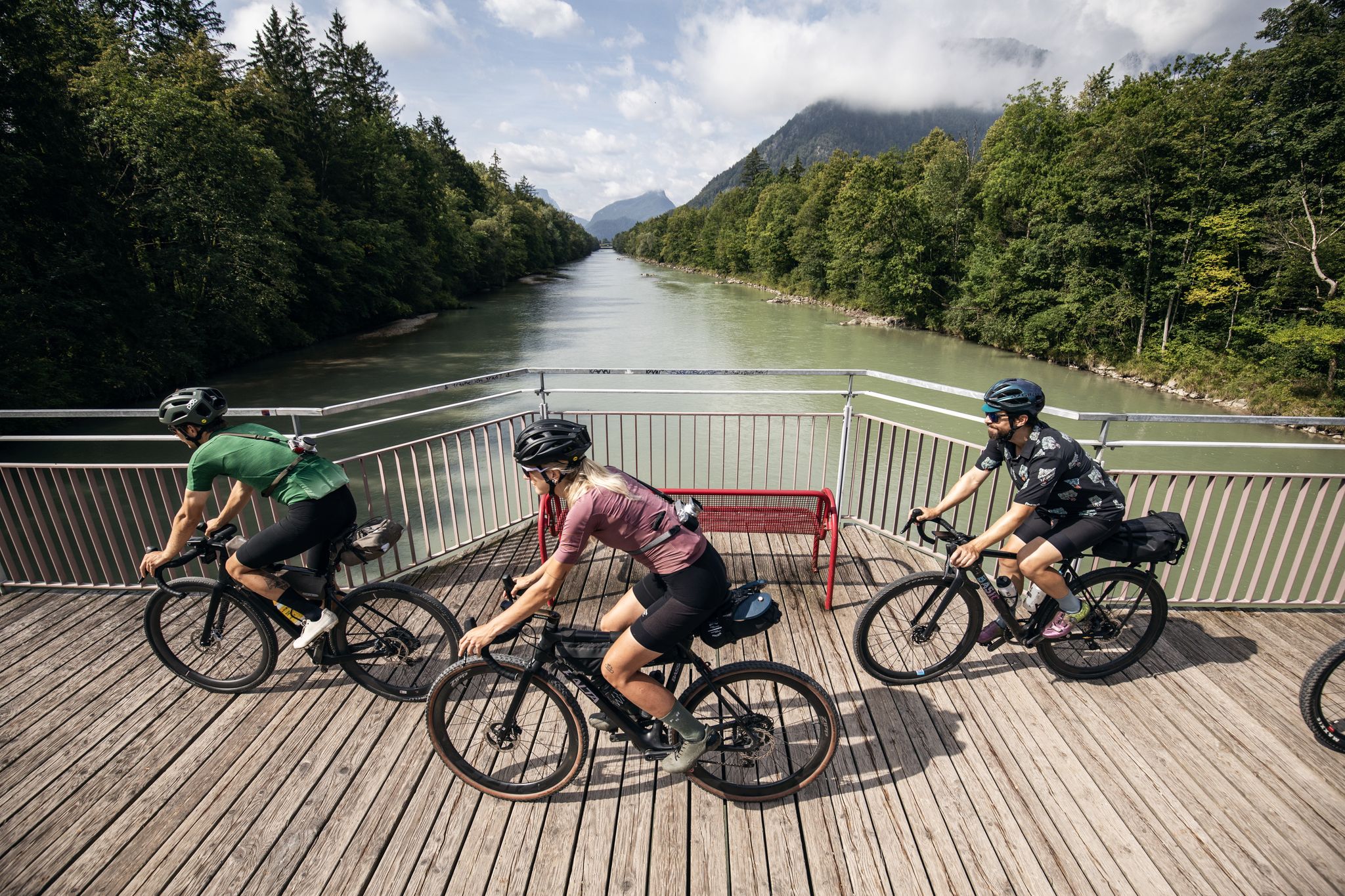
Salzschleife – Wasser-Radlwege Oberbayern
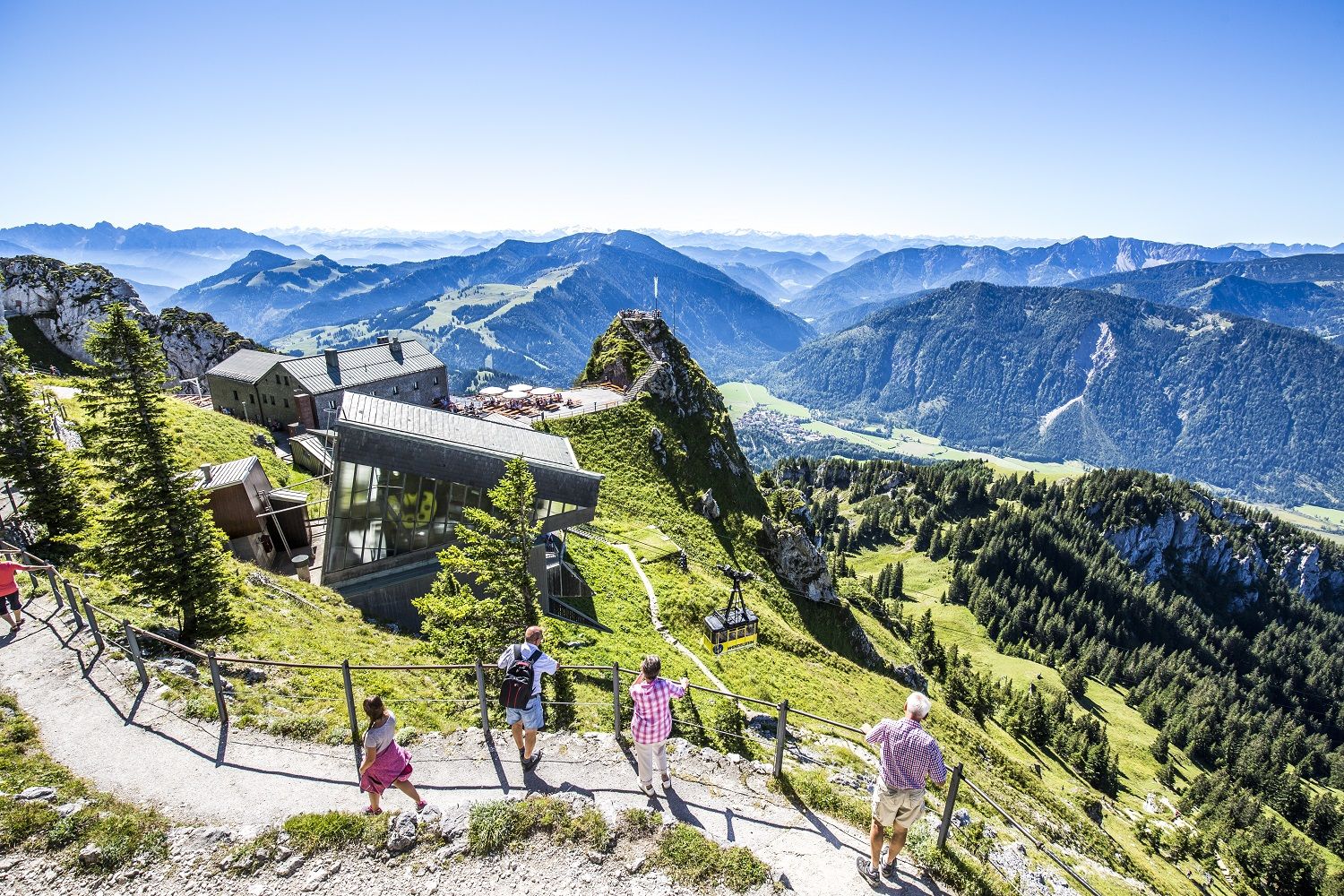
A little help to the top – mountain railways & cable cars in Chiemgau
Other adventures around Bad Reichenhall


Tips from the Community

Here you can admire colorful plants and roaring water
9
1

Orangery in the Mirabell Gardens, Mirabell Palace, Salzburg The Orangery in the Mirabell Gardens is more of an insider tip. It is located in the southern part of Mirabell Palace. The palm house was built around 1725 next to the large garden parterre. The name Orangery comes from the time when orange trees and exotic ornamental woods were still being cultivated. Precious, non-hardy plants were brought back to the Orangery to overwinter. Orange trees were seen as a metaphor for wealth in the Baroque period and for this reason were a must even then. The eastern part of the Orangery was used for other purposes after the Second World War and was not put back together until 1980. The Baroque Museum is now located in the southern part of the Orangery. Today, in the northern part of the building, somewhat hidden, there is a small, beautiful tropical garden. A small pool with turtles and goldfish and for bird lovers there is a very large birdcage with numerous birds to marvel at. Opening hours of the Orangery in the Mirabell Gardens Open all year round, daily from 9 a.m. to 4 p.m. Text / Source: Salzburger Saalachtal. com https://www.salzburger-saalachtal.com/ausflugsziele/stadt-salzburg/mirabellgarten/orangerie-mirabellgarten
13
0
Mirabell Palace, Salzburg The Baroque Mirabell Palace was originally built as "Altenau Palace" under the reign of Prince Archbishop Wolf Dietrich von Raitenau in 1606. The palace was created as a gift for Salome Alt, the archbishop's concubine and mother of his children. Mirabell Palace is known for its gardens, which are discussed in a separate article. Wolf Dietrich's successor and adversary, Prince Archbishop Markus Sittikus, renamed the building Mirabell Palace. Prince Archbishop Franz Anton Harrach had large sections of the building demolished and rebuilt between 1721 and 1727 according to plans by Johann Lukas von Hildebrandt. Mirabell Palace was severely damaged by the great city fire of 1818 and rebuilt in the following years according to plans by Peter Nobile. The formerly dominant tower on the east wing of the palace was destroyed, and the facade was rebuilt in the Neoclassical style. Text / Source: TSG Tourismus Salzburg GmbH, Auerspergstraße 6, Salzburg https://www.visit-salzburg.net/deutsch/sehenswuerdig/schloss-mirabell.htm
14
0

For a fee, you can listen to a concert inside the cathedral during the midday hours
7
0

Salzburg's Old Town is unparalleled. Countless beautiful buildings and alleyways stand alongside impressive structures such as Salzburg Cathedral, St. Peter's Abbey Church, and, as the highlight, Hohensalzburg Fortress, which towers majestically above everything and can be seen from almost everywhere.
12
3

A beautiful and well-visited square in the old town of Salzburg.
3
2

Salzburg's Old Town is a true gem and is full of history and culture. It's hard not to be amazed by the narrow, cobbled streets and magnificent baroque buildings that characterize this part of the city. Here you can simply stroll through the streets and enjoy the atmosphere that is so different from other parts of the world. The air is filled with the sound of Mozart's music and the buzz of tourists and locals strolling through the streets. Here and there you will discover a small alley that leads to a hidden square or a shady terrace. Here you can take a break, enjoy a coffee or an ice cream and just relax. Salzburg's Old Town is also a popular place for shops and restaurants. Here you will find everything from luxury boutiques to local shops selling traditional handicrafts and souvenirs. In the cozy cafes and restaurants you can take a break and indulge in Austrian cuisine. Salzburg is of course also an important place for art and culture. Mozart was born here and many of his most famous works were composed and performed here. The city is also home to numerous theaters, concerts and operas that attract thousands of visitors every year.
19
3

Much more than Mozart, simply worth experiencing!
17
3
Frequently Asked Questions
What natural attractions can I explore in and around Bad Reichenhall?
Bad Reichenhall is surrounded by stunning natural beauty. You can take the historic Predigtstuhlbahn cable car up the Predigtstuhl mountain for panoramic views of the Alps. Explore the serene Hintersee east shore, known for its beautiful mountain scenery and walking paths, or wander through the unique Enchanted Forest along the Ramsauer Ache, a fascinating geological site. The Royal Spa Garden in the town center offers exotic plants and Kneipp pools, while Lake Thumsee and Listsee provide picturesque spots for swimming or picnics.
Are there historical sites to visit in Bad Reichenhall?
Yes, Bad Reichenhall has a rich history. You can visit the Old Salt Works (Alte Saline), a significant 19th-century industrial monument with a museum and underground grotto. Explore the charming Florian Square (Florianiplatz) and the Sebastian quarter, which form the oldest part of the Alpine Town, featuring medieval fortifications and gabled houses. Other notable historical churches include Stadtkirche St. Nikolaus and St. Pankraz, both offering architectural and cultural insights.
What are some family-friendly activities available in Bad Reichenhall?
Many attractions in Bad Reichenhall are suitable for families. The Hintersee east shore offers easy circular walks and beautiful scenery. The Enchanted Forest along the Ramsauer Ache is a non-demanding path perfect for children. The RupertusTherme features child-friendly areas alongside its wellness facilities. Additionally, parks like Ortenau Park, with its barefoot trail, provide engaging outdoor experiences for all ages.
Where can I find the best viewpoints in the Bad Reichenhall area?
For breathtaking views, take the Predigtstuhlbahn cable car to the summit of Predigtstuhl mountain. This offers unforgettable panoramic vistas of the surrounding Alpine landscape and Bad Reichenhall. The medieval Burg Gruttenstein also provides glimpses into local charm and scenic spots.
What kind of wellness and spa experiences does Bad Reichenhall offer?
As a spa town, Bad Reichenhall excels in wellness. The RupertusTherme is a modern health and fitness complex with warm brine thermal pools, saunas, and wellness treatments utilizing local salt minerals. You can also experience the Gradierhaus, where saltwater trickles over blackthorn branches, creating a beneficial microclimate for respiratory health, similar to a sea breeze. The Königliches Kurhaus (Royal Spa Hall) also hosts cultural events in a grand setting.
Are there hiking opportunities near Bad Reichenhall's attractions?
Absolutely. Bad Reichenhall is an excellent starting point for hiking in the surrounding Berchtesgaden Alps. You can find numerous scenic routes, including mountain hikes like the Reichenhaller Hut – Hochstaufen summit loop or the View of Bad Reichenhall – Summit Cross Dözenkopf loop. For more details on various hiking trails, you can explore the Mountain Hikes around Bad Reichenhall guide.
What are some unique cultural experiences or local specialties in Bad Reichenhall?
Bad Reichenhall offers several unique cultural insights. The Old Town, particularly around Florianiplatz, is known as an 'artist's quarter' where you can observe local craftsmanship. You can visit the Reber Stammhaus, the original cafe where the famous Reber Mozartkugeln® chocolates were invented. For beer enthusiasts, the Bürgerbräu Brewery, with its history dating back to 1494, offers guided tours and a taste of local brewing tradition.
Can I find cycling routes near the attractions in Bad Reichenhall?
Yes, there are various cycling routes available. For gravel biking, you might enjoy the Saalach River – Saalach Riverside Trail loop or the Frillensee – Falkensee loop. If you prefer mountain biking, options include the Wildental Valley – View of the Berchtesgaden Alps loop or the Listsee – Höllenbach Alm loop. More information on these routes can be found in the Gravel biking around Bad Reichenhall guide and the MTB Trails around Bad Reichenhall guide.
What do visitors enjoy most about the attractions in Bad Reichenhall?
Visitors frequently praise the stunning natural scenery, especially around the Hintersee east shore, describing it as 'fantastically calm' with 'beautiful mountain scenery.' The Enchanted Forest is loved for its 'romantic atmosphere' and being a 'beautiful path near the river.' The historical sites are appreciated for their rich history and cultural significance, offering a blend of relaxation and exploration.
Is Bad Reichenhall a good base for exploring other nearby regions?
Yes, Bad Reichenhall's location makes it an excellent base for wider exploration. It is just 9 miles from Salzburg, Austria, allowing easy access to attractions like the Historic Centre of Salzburg and Salzburg Cathedral. It also provides convenient access to other sites within the broader Berchtesgadener Land region, including the famous Eagle's Nest.
Are there any hidden gems or less crowded spots to discover?
Beyond the main attractions, you might enjoy the serene atmosphere of Burg Gruttenstein Kapelle, a hidden gem offering a glimpse into local charm. The Listsee, a stunning aquamarine lake found on the hiking trail between Thumsee and Bad Reichenhall, is perfect for a quiet stop and picnic, where wild Ibex and Chamois are often spotted.
What is the best time of year to visit Bad Reichenhall?
Bad Reichenhall is beautiful year-round, but the Royal Spa Garden is especially vibrant in spring and summer. These seasons are also ideal for hiking and outdoor activities around Lake Thumsee and the surrounding Alps. Winter offers opportunities for winter hiking and other seasonal activities, making it a versatile destination.
Most popular routes around Bad Reichenhall
Most popular attractions around Bad Reichenhall

Get inspired with the komoot mobile app


Explore more
Still not found the Highlight you’re looking for? See guides of the top attractions in other regions:
