Top 20 Castles in the Dolomites
Castles in the Dolomites, particularly in South Tyrol, offer a journey into medieval history set against alpine scenery. This region features numerous historic castles and fortresses. Many of these structures have been preserved, restored, or repurposed, providing insights into the past. The area's geography and cultural significance are reflected in these ancient fortifications.
Best castles in the Dolomites
- The most popular castles is Presule Castle, a castle that was first mentioned in 1279 and later extended into a Renaissance palace complex. It hosts events and concerts, and guided tours are available from May to October.
- Another must-see spot is Rodenegg Castle, a castle built in the 12th century and later expanded. Visitors can take guided tours to explore its history and architecture.
- Visitors also love Mühlbacher Klause Castle, a ruined castle first mentioned in 1269. The facility can be visited on a guided tour during specific months.
- The Dolomites region is known for its medieval fortifications, residential castles, and historic ruins. Visitors can explore a variety of castles, from well-preserved structures to dramatic remnants.
- The castles in the Dolomites are appreciated by the komoot community, with over 2800 upvotes and more than 1900 photos shared across various highlights.
Last updated: October 9, 2026
Lake Dobbiaco
Highlight • Lake
Translated by Google •
Tip by

Mühlbacher Klause Castle
Highlight • Castle
Translated by Google •
Tip by

Sign up now to discover places like this
Get recommendations on the best single tracks, peaks, & plenty of other exciting outdoor places.
Presule Castle
Highlight • Castle
Translated by Google •
Tip by

Ruins of Castelveccio (Hauenstein Castle)
Highlight • Castle
Hidden under a thick rock is a small area with seating (for children) and a thick book with short stories and legends from the area to read aloud.
Translated by Google •
Tip by

Brunico Castle – Messner Mountain Museum Ripa
Highlight • Castle
Translated by Google •
Tip by

Rodenegg Castle
Highlight • Castle
Translated by Google •
Tip by

Ruins of Wolkenstein Castle
Highlight • Castle
Translated by Google •
Tip by

Fischburg Castle (Ciastel de Gherdëina)
Highlight • Castle
Showing Translation
Tip by

Soldiers' Cemetery, Bruneck
Highlight • Historical Site

Along the Rienz
Highlight (Segment) • Cycleway
Translated by Google •
Tip by

Sign up for free to discover even more castles in the Dolomites.
Already have an account?
Start today with a free account
Your next adventure awaits.
Popular around Dolomites
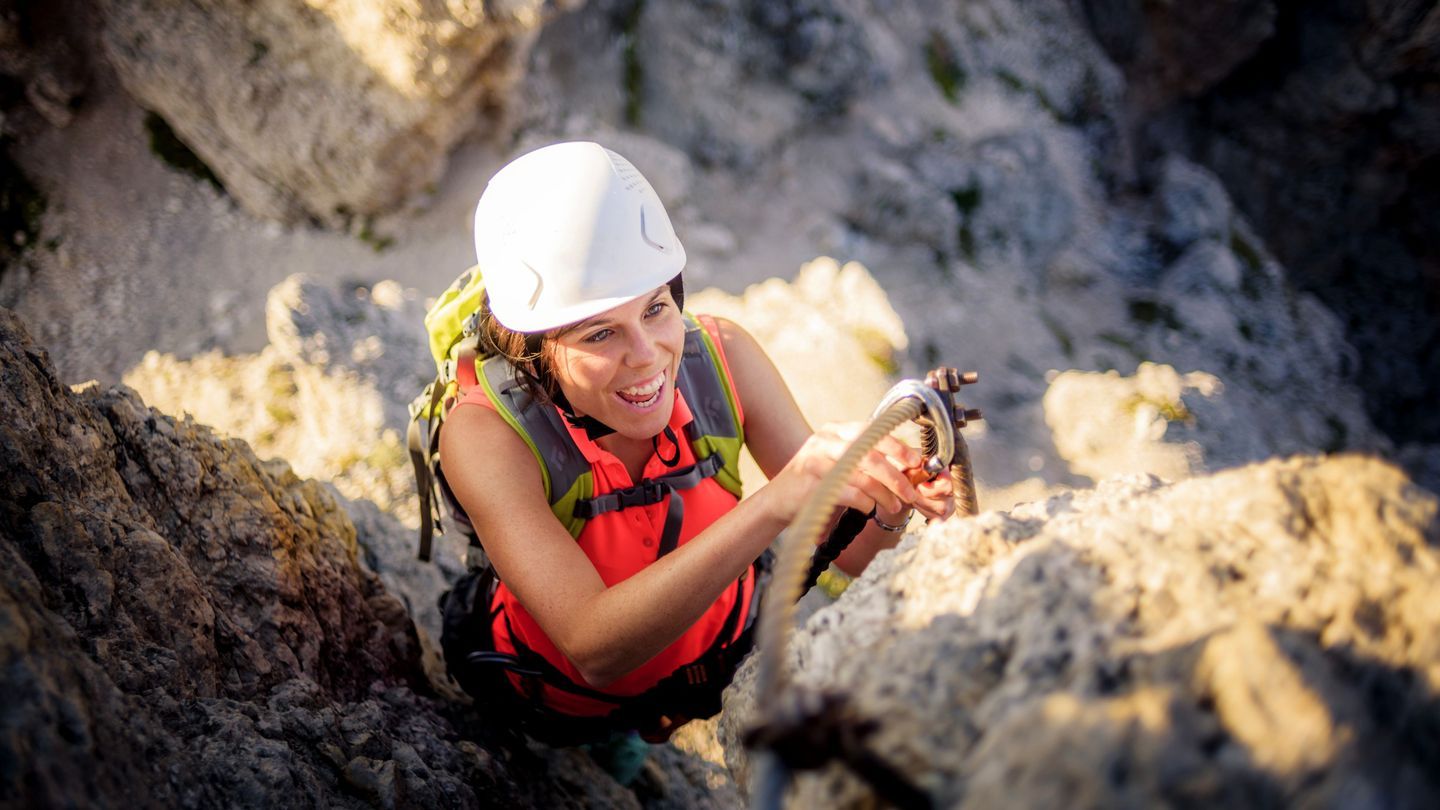
Via ferratas in Val Gardena – Dolomites
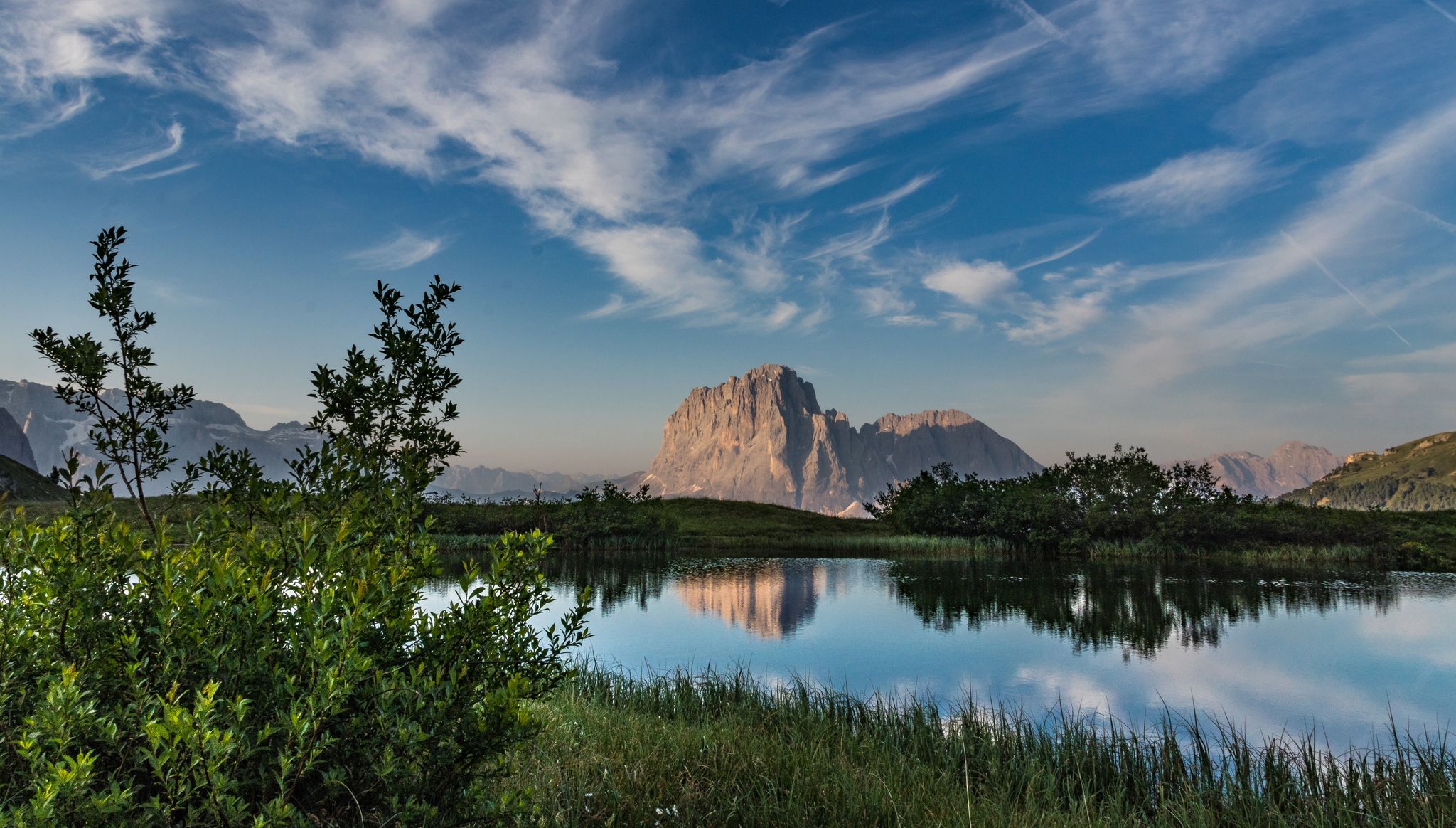
Secret Dolomites - beautiful spring in Val Gardena
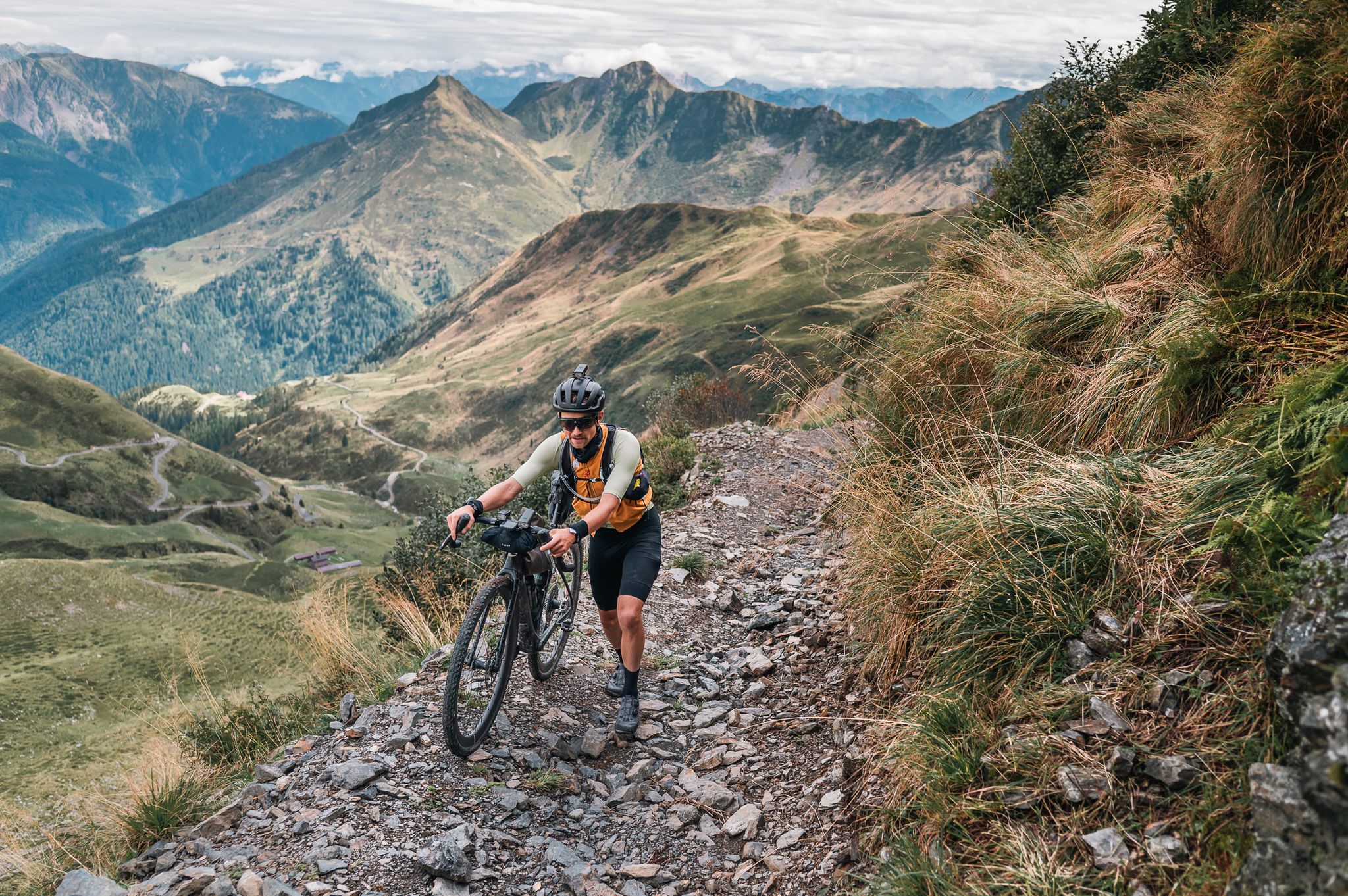
Sneak Peaks ADVENTURE 🥇
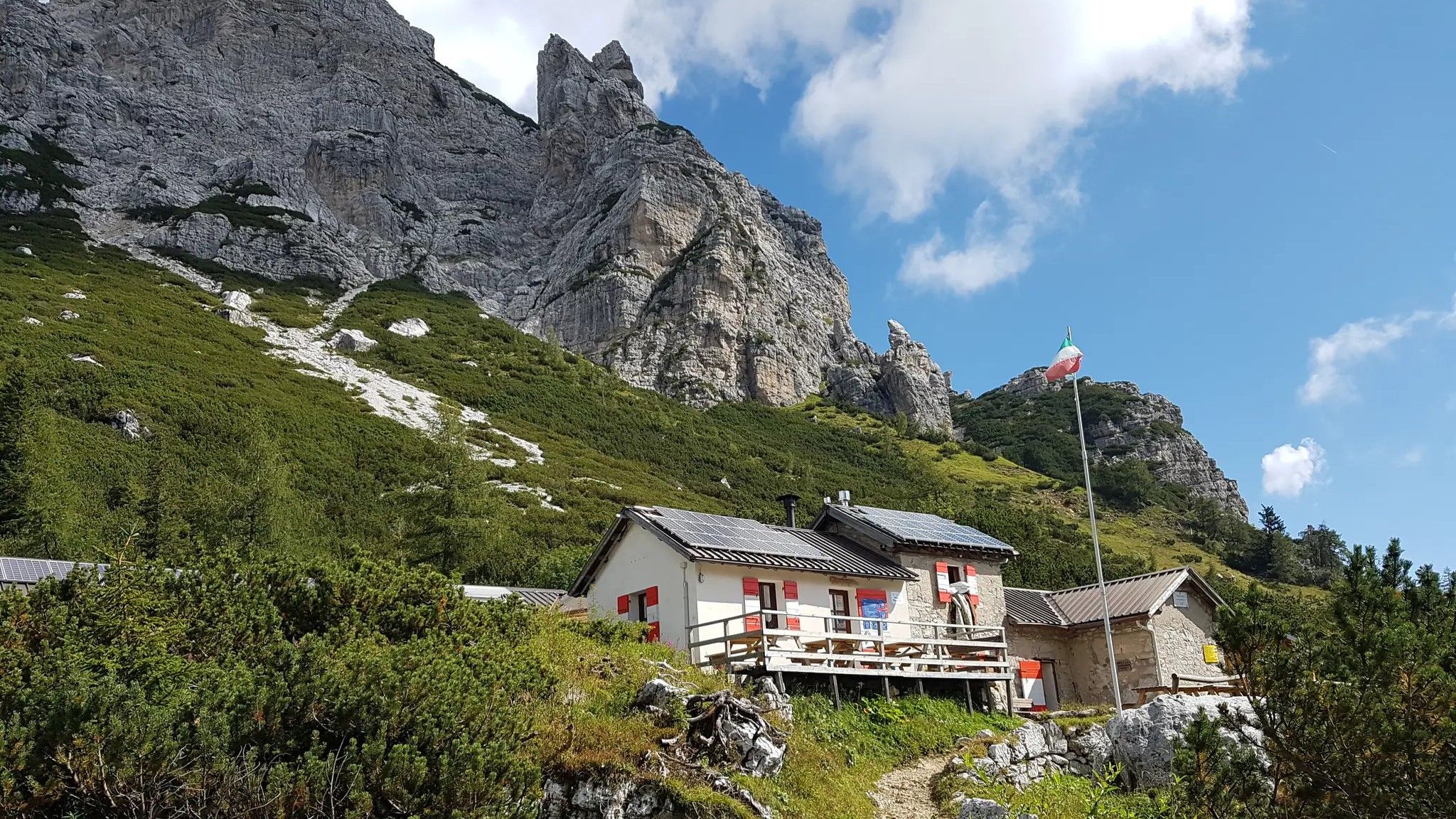
Alta Via Dolomiti Bellunesi – the wild Dolomiti Bellunesi National Park
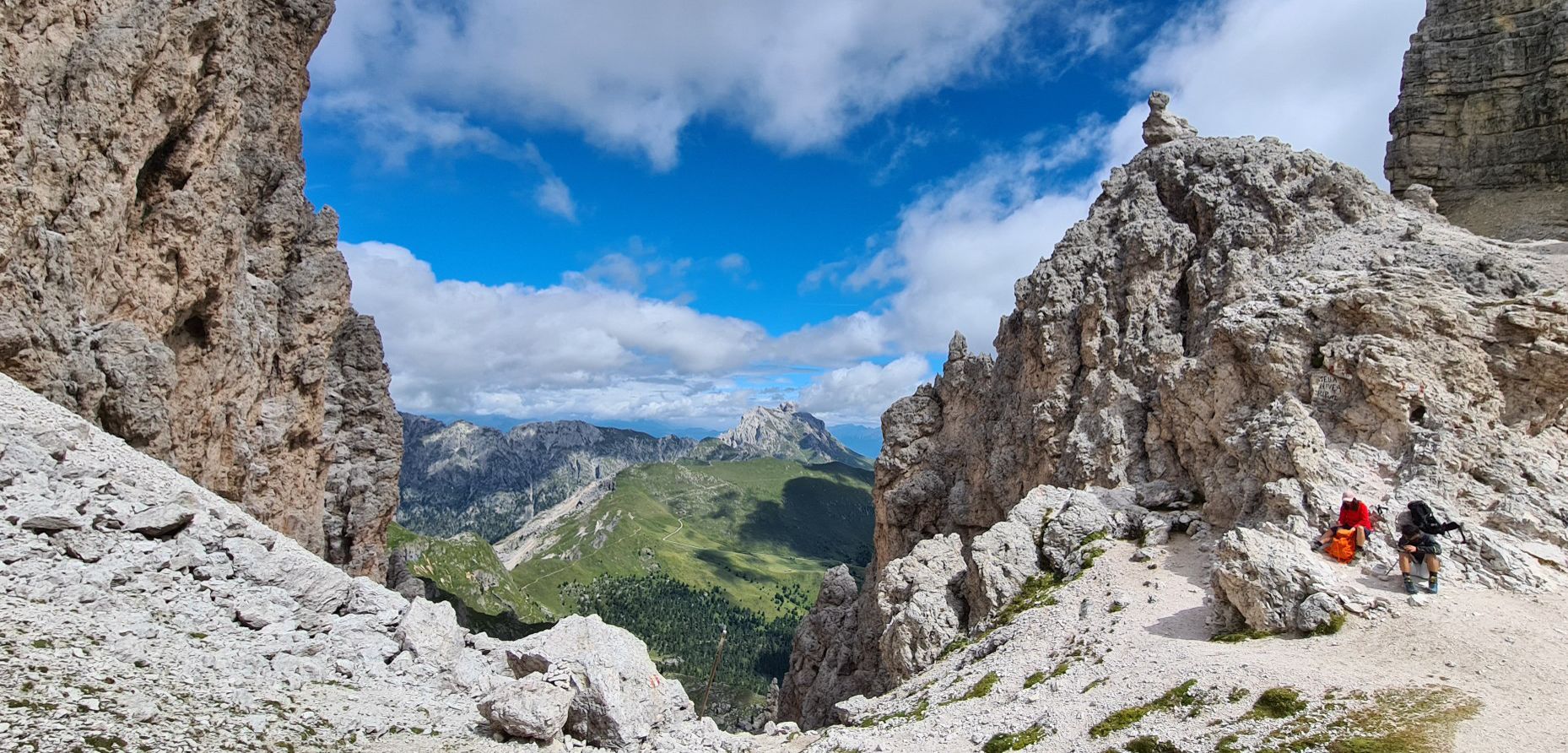
Puez-Odle Nature Park – Hike the Italian Dolomites
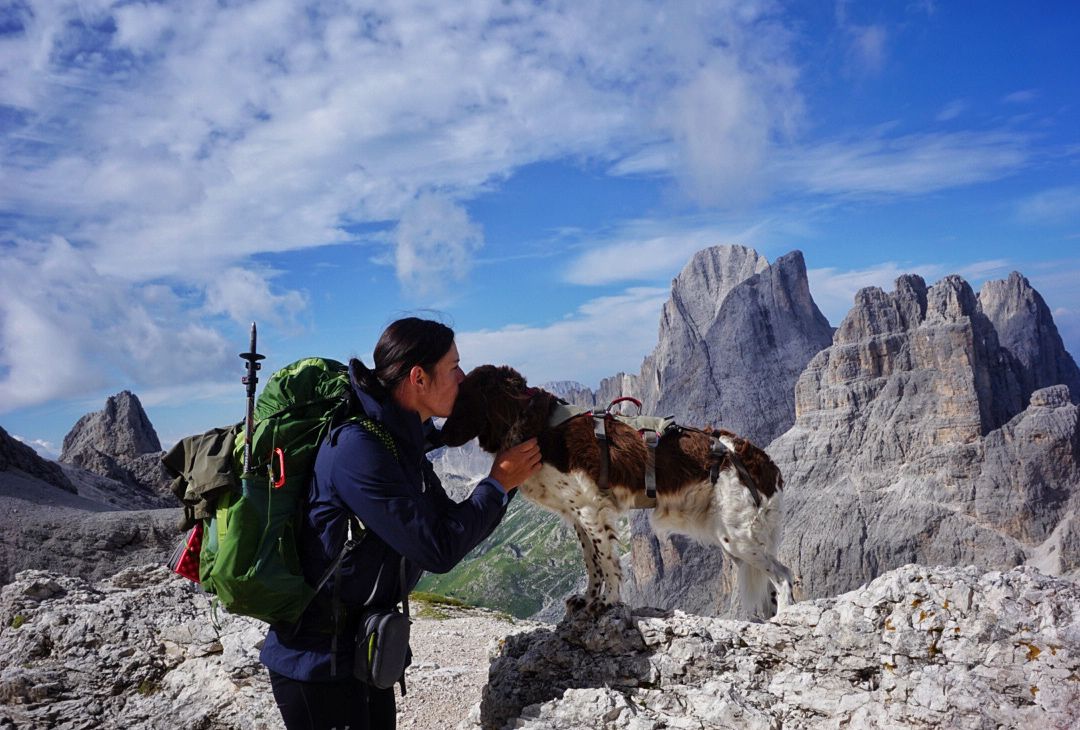
The extra-large Dolomites round – an out-of-this-world hiking adventure
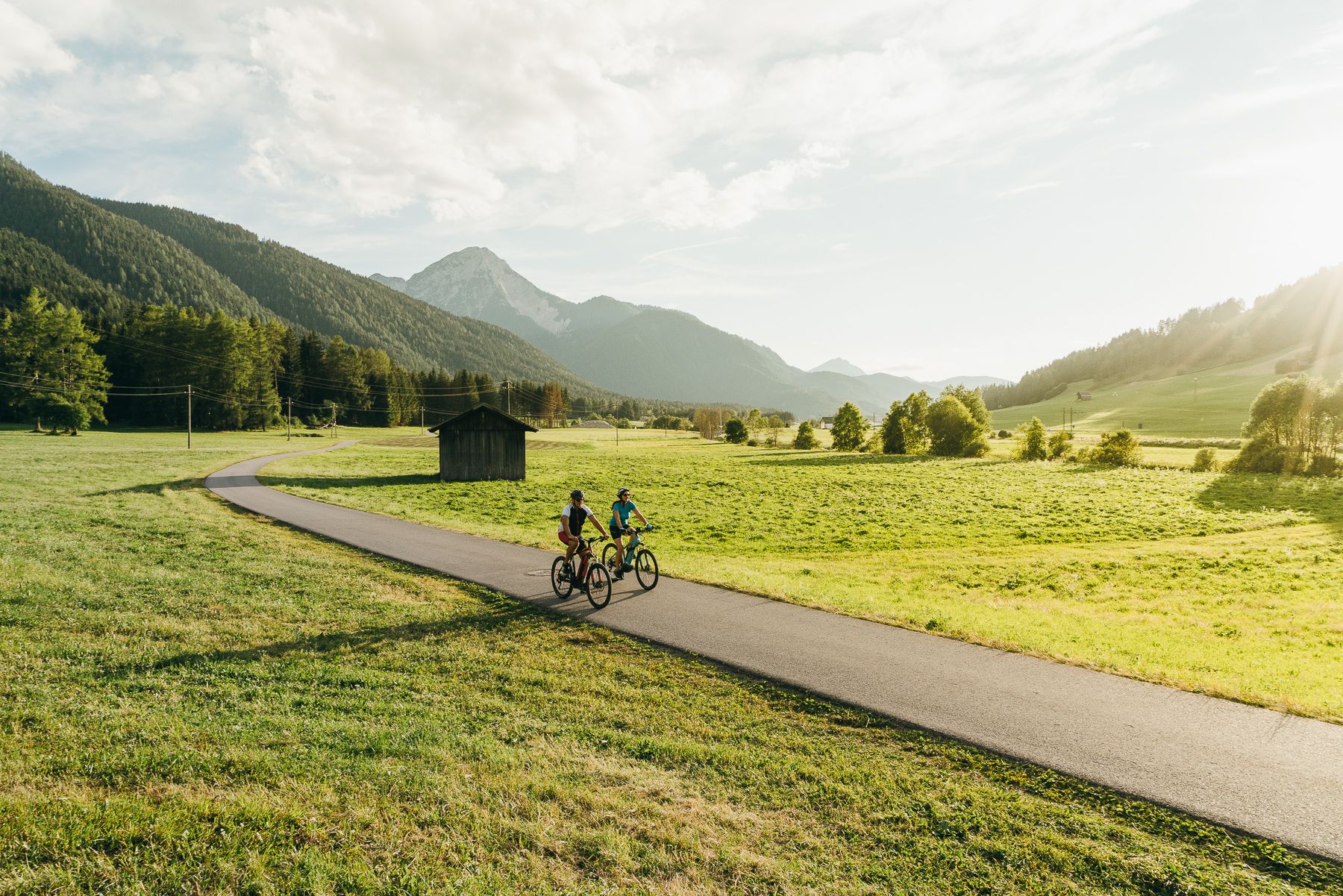
The River Drava Cycle Path – From the Dolomites to the vast landscapes of Pannonia
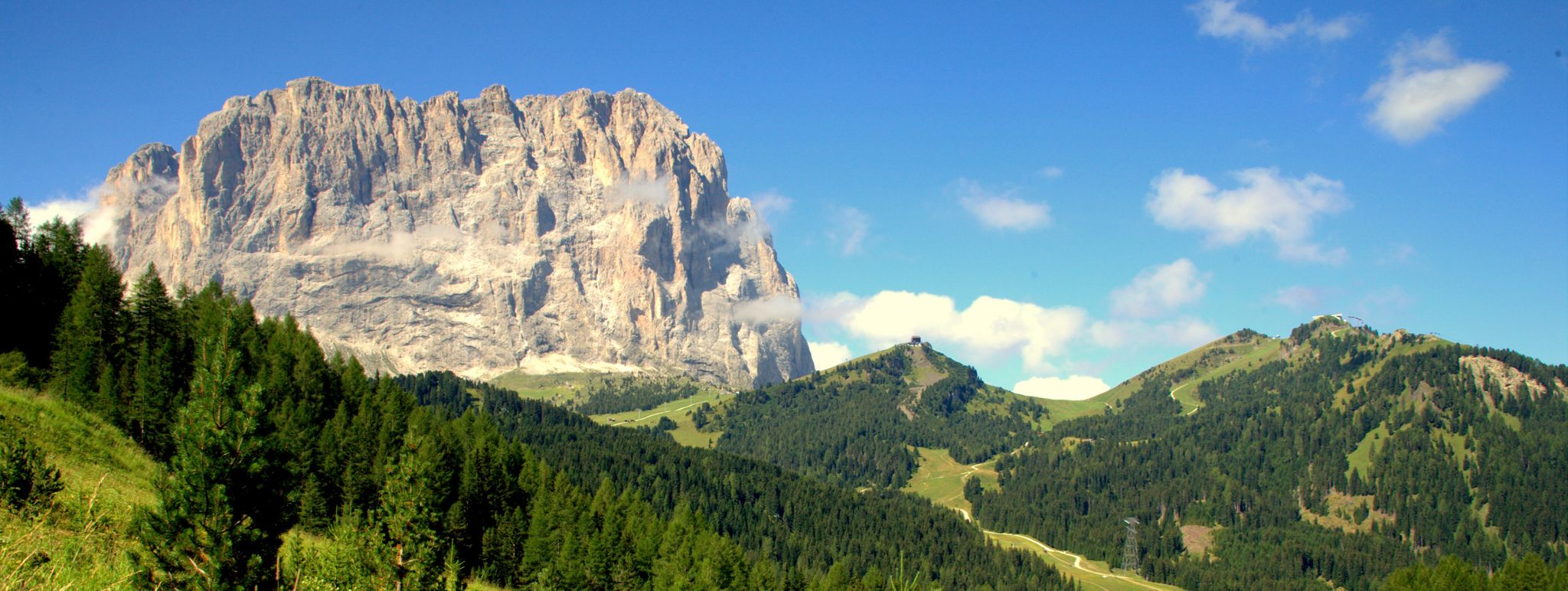
Via Venezia Alpina – hiking across the Alps to the Adriatic Sea
The Munich-Venice Long-Distance Cycle Path – A beautiful Alps crossing
Chasing the sun across the Alps — unsupported solo
Other adventures in the Dolomites


Tips from the Community

Super cycle path, very nice to ride
0
0

Beautiful romantic 🏰. Some scenes from Roman Polanski's "Dance of the Vampires" were even filmed here.
12
0

The cemetery was established during the First World War because Bruneck was home to several military hospitals, and the many deceased soldiers and prisoners of war could not be buried in the municipal cemetery. Since 1919, the military cemetery has been maintained by a women's committee, which maintains all graves equally.
1
0
We've seen many military cemeteries, but this one is truly poignant. It serves as the final resting place for fallen soldiers of various nationalities and denominations from the First and Second World Wars. The complex was designed by the pioneer officer and architect Ing. A. Bechtold from Bregenz to blend harmoniously into the forest setting. Typical of the cemetery is that most of the graves are made of wood and individually designed, giving it its character as a "forest cemetery." The only stone structures are the cemetery chapel and the fountain of tears. There are fenced-off sections for Muslim and Jewish graves, highlighting the diversity of those buried here.
1
0
We've seen many military cemeteries, but this one is truly moving. It serves as the final resting place for those who fell in the First and Second World Wars, representing various nations and denominations. The grounds were designed by the pioneer officer and architect A. Bechtold from Bregenz, so that they blend harmoniously into the surrounding forest. A typical feature of the cemetery is that most of the graves are made of wood and individually designed, giving it its character as a "forest cemetery." The only stone structures are the cemetery chapel and the Fountain of Tears. There are fenced sections for Muslim and Jewish graves, highlighting the diversity of those buried here. The cemetery was established during the First World War because Bruneck was home to several military hospitals, and the many deceased soldiers and prisoners of war could not be buried in the town cemetery.
2
0

Very well-kept beautiful cemetery
1
0

Pustertal cycle path with castle ruins.
0
0

A lovely place to stop for a break after a hike along the Oachner Höfeweg. I can wholeheartedly recommend the delicious buckwheat cake.
2
1
Frequently Asked Questions
What are some notable castles in South Tyrol that I can visit?
South Tyrol is rich with historic castles. You can explore Presule Castle, known for its Renaissance architecture and events. Another significant site is Runkelstein Castle near Bolzano, famous for its unique secular medieval frescoes. Tyrol Castle, which gave the region its name, houses the South Tyrolean Museum of History. For a well-preserved experience, consider Churburg Castle with its impressive armory, or the ancient Burg Reifenstein.
Are there family-friendly castles to visit in the Dolomites?
Yes, several castles in the Dolomites are suitable for families. Presule Castle offers guided tours and a café. Rodenegg Castle provides special children's tours. The Mühlbacher Klause Castle ruins can be visited on a guided tour, and the nearby Oswald-von-Wolkenstein-Weg offers a playful and educational experience for children around the Ruins of Castelvecchio (Salegg Castle).
What is the best time of year to visit the castles in the Dolomites?
The best time to visit castles in the Dolomites is generally from May to October. Many castles, like Presule Castle and Rodenegg Castle, offer guided tours during these months. The warmer weather makes exploring the castle grounds and surrounding areas more enjoyable, and cultural events often take place during this period.
Can I find castles with significant historical art or unique features?
Absolutely. Runkelstein Castle is renowned for its extraordinary cycle of secular medieval frescoes, depicting literary themes and chivalric scenes. Trostburg Castle features richly decorated interiors, including a chapel with painted wooden ceilings and frescoes. Churburg Castle boasts an impressive armory hall and a stunning collection of historical furniture.
Are there castles that offer impressive panoramic views?
Many castles in the Dolomites are strategically located to offer breathtaking views. Runkelstein Castle provides panoramic views near Bolzano. Tyrol Castle, perched overlooking a deep ravine, offers a staggering panorama of apple orchards and vineyards. Presule Castle also offers wonderful views of the Schlern massif from its powder tower.
What kind of outdoor activities can I do near the castles?
The Dolomites offer a wealth of outdoor activities near its castles. You can find numerous hiking trails, including challenging mountain hikes and more moderate routes. For example, you can explore waterfall hikes or mountain hikes. Cycling is also popular, with road cycling routes like the Sella loop offering scenic rides through the region.
Are there any castles known for their well-preserved interiors or collections?
Yes, Churburg Castle is particularly noted for its remarkable preservation and extensive collections, including an impressive armory hall and period furniture. Trostburg Castle also offers well-preserved interiors and houses the South Tyrolean Castle Museum, providing insights into the region's history.
Can I visit castle ruins for a more adventurous experience?
For those seeking adventure, the Dolomites have several evocative castle ruins. The Mühlbacher Klause Castle is a ruined castle first mentioned in 1269. The Ruins of Wolkenstein Castle, perched dramatically on the Stevia Mountain, offers a scenic hike to explore its remains. The Ruins of Castelvecchio (Salegg Castle) also provides a historical backdrop for a walk.
How much time should I allocate for visiting a castle in the Dolomites?
The time needed can vary. For a comprehensive visit to a larger, well-preserved castle like Runkelstein or Tyrol Castle, including a guided tour and exploring the grounds, you might want to allocate 2-3 hours. For smaller ruins or those visited as part of a hike, 1-2 hours might suffice. Always check specific opening hours and tour schedules in advance.
Are there any castles associated with famous historical figures?
Yes, several castles have ties to notable historical figures. The Ruins of Castelvecchio (Salegg Castle) was owned for a time by the 14th-century Tyrolean poet Oswald von Wolkenstein. Wolkenstein Castle ruins are also associated with Count Wolkenstein, a significant Minnesinger. Rodenegg Castle passed to the barons of Wolkenstein-Rodenegg, descendants of Oswald von Wolkenstein.
What amenities can I expect near the castles?
Many castles, especially the more popular ones, have amenities nearby. Presule Castle has a small café at its gate. Larger towns near castles, such as Bolzano (near Runkelstein) or Bruneck (near Schloss Bruneck), offer a full range of restaurants, cafes, and accommodation options. For more remote castles, amenities might be limited to nearby villages.
Are there cycling routes near the castles in the Dolomites?
Yes, the Dolomites region is excellent for cycling, with routes often passing near or offering views of historical sites. The Rienza Cycle Path, for instance, is a highlight that includes views of Castello di Rodengo. You can find various road cycling routes throughout the Dolomites, many of which offer scenic rides through valleys and past castles.
Are there any castles that are more off-the-beaten-path or less crowded?
While popular castles can draw crowds, some offer a quieter experience. Andraz Castle, built on an inaccessible boulder, is historically significant and often open for visits during summer, providing a more secluded feel. Botestagno Castle, though mostly ruins, offers a fascinating historical context in a less frequented part of the Ampezzo valley.
Most popular routes in the Dolomites
Most popular attractions in the Dolomites

Get inspired with the komoot mobile app


Explore more
Looking for the best castles somewhere else? Discover other guides in the Dolomites:
