Attractions and Places To See in the Dolomites - Top 20
Best attractions and places to see in the Dolomites, a UNESCO World Heritage site in northeastern Italy, encompass dramatic mountain peaks, serene alpine lakes, and charming towns. This region is characterized by its pale-colored dolomitic limestone, which exhibits a reddish glow at sunrise and sunset. The Dolomites offer a unique landscape for exploration, featuring diverse natural and cultural points of interest.
Best attractions and places to see in the Dolomites
- The most popular attractions is Alpe di Siusi Plateau, a viewpoint that offers expansive views of the surrounding landscape. It provides access to further mountain exploration via gondola or hiking paths.
- Another must-see spot is Source of the Rienz River, a river source located at the foot of the Three Peaks. This panoramic point offers broad views of the Tre Cime di Lavaredo and the surrounding area.
- Visitors also love Völser Weiher – Laghetto di Fiè, an idyllic lake. It is suitable for swimming and rowing in summer, and offers ice skating and other activities in winter.
- Dolomites is known for its diverse natural monuments, lakes, and viewpoints. The region offers a variety of attractions to see and explore, from high-alpine meadows to historical huts.
- The attractions in the Dolomites are appreciated by the komoot community, with more than 3800 upvotes and over 2100 photos shared across its highlights.
Last updated: October 9, 2026
View of the Tre Cime di Lavaredo
Highlight • Viewpoint
Translated by Google •
Tip by

Rifugio Antonio Locatelli – View of Tre Cime di Lavaredo
Highlight • Mountain Hut
28.06. – 28.09.2025
Mountain hut hosts:
Pintossi Angelo family
WhatsApp: +39 389 9076228
Translated by Google •
Tip by

Sign up now to discover places like this
Get recommendations on the best single tracks, peaks, & plenty of other exciting outdoor places.
Source of the Rienz River
Highlight • River
Translated by Google •
Tip by
Lake Braies north shore
Highlight • Lake
Lake Braies also plays a role in the world of legends, because it was said that you could reach the underground realm of the Fanes by boat. The gateway to the underworld was at the southern end of the lake, where the imposing Seekofel (2,810 m) dominates the lake. It is not for nothing that this summit of the Braies Dolomites, coveted by mountaineers, bears the name "Sass dla Porta", meaning Torberg. Lake Braies is also the starting point for numerous mountain tours in the area and the Dolomite high-altitude trail no. 1 starts here. From the surrounding mountains you can enjoy a breathtaking view of the lake.
The only drawback: the lake is a very popular tourist destination. Visually beautiful, you won't find the tranquility of the mountains here.
Translated by Google •
Tip by

Alpe di Siusi Plateau
Highlight • Viewpoint
Translated by Google •
Tip by

Plattkofel Hut (Rifugio Sasso Piatto)
Highlight • Mountain Hut
Translated by Google •
Tip by
Lake Braies / Pragser Wildsee
Highlight • Lake
Translated by Google •
Tip by

Völser Weiher – Laghetto di Fiè
Highlight • Lake
Translated by Google •
Tip by

Roda di Vaèl Hut
Highlight • Mountain Hut
Translated by Google •
Tip by

Langkofel Hut (Rifugio Vicenza)
Highlight • Mountain Hut
Translated by Google •
Tip by

Sign up for free to discover even more attractions in the Dolomites.
Already have an account?
Start today with a free account
Your next adventure awaits.
Popular around Dolomites
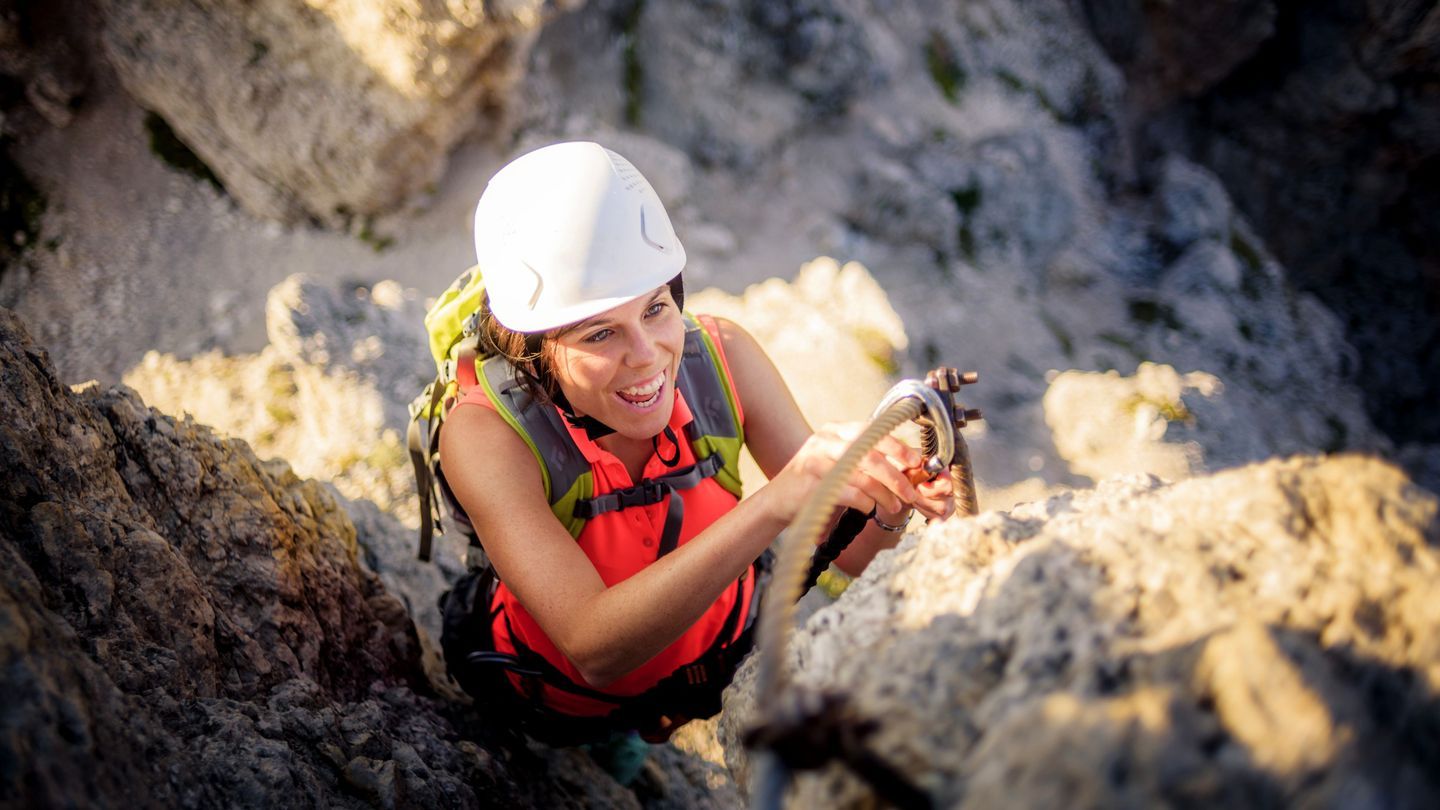
Via ferratas in Val Gardena – Dolomites
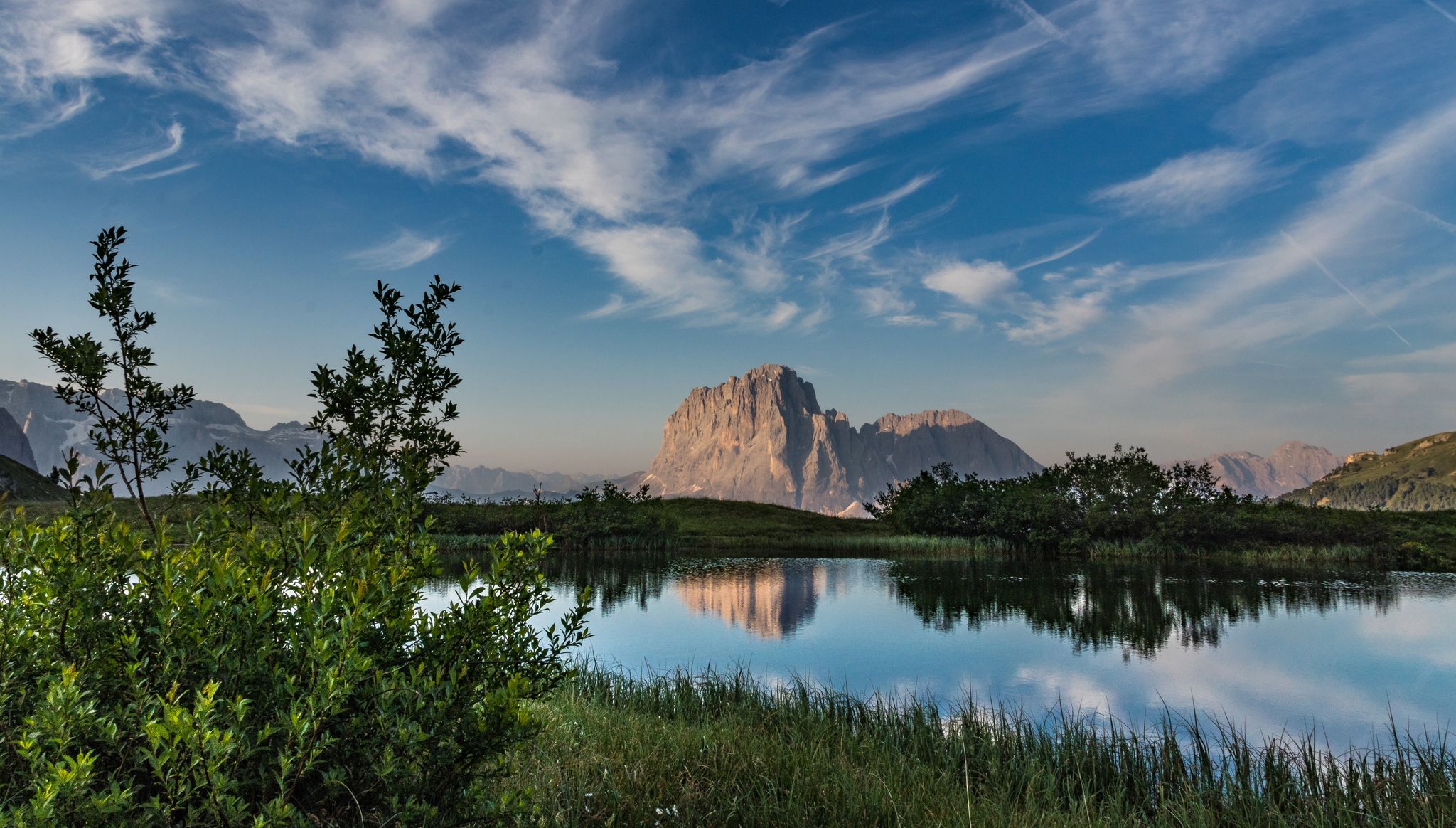
Secret Dolomites - beautiful spring in Val Gardena
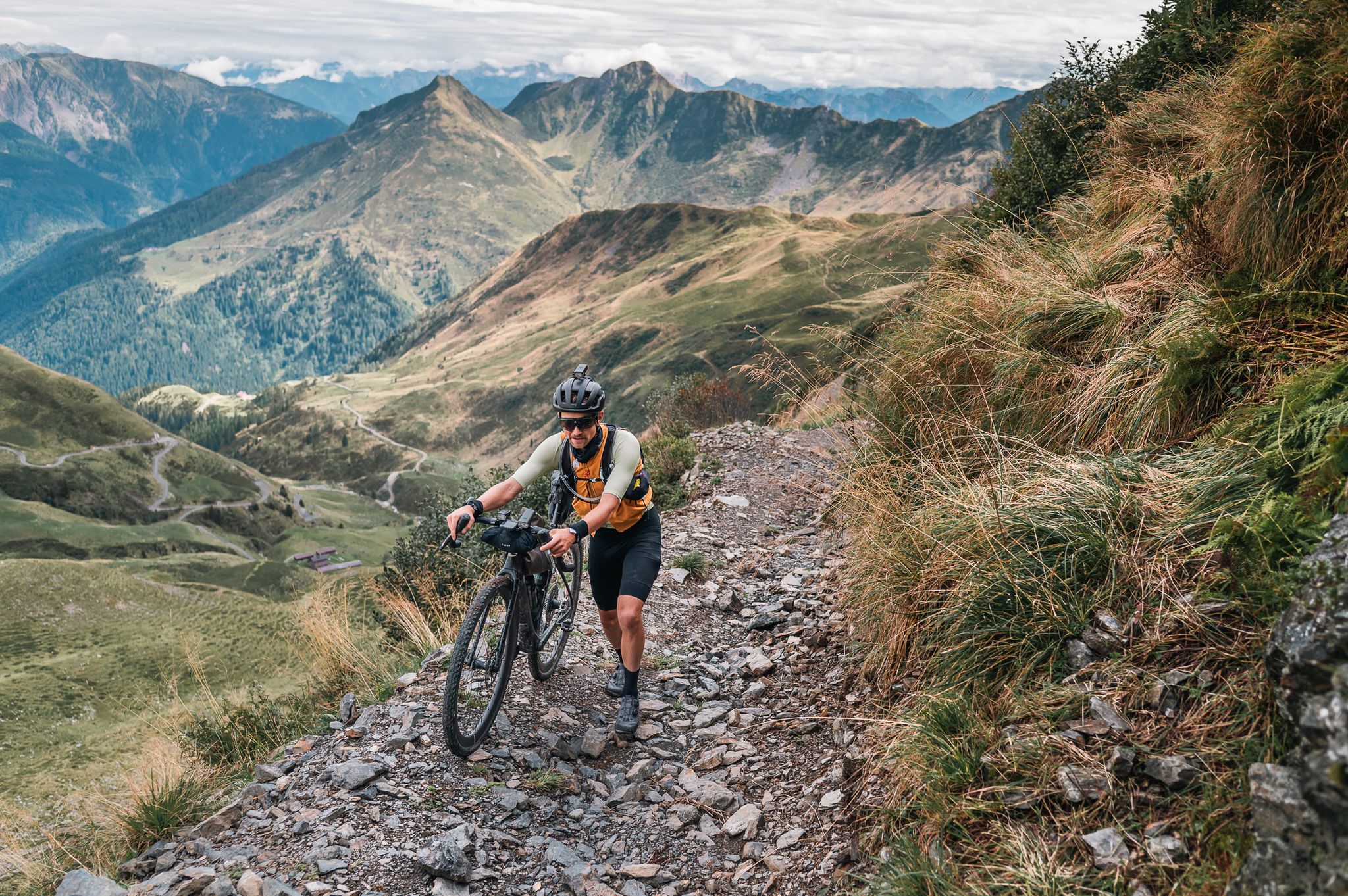
Sneak Peaks ADVENTURE 🥇
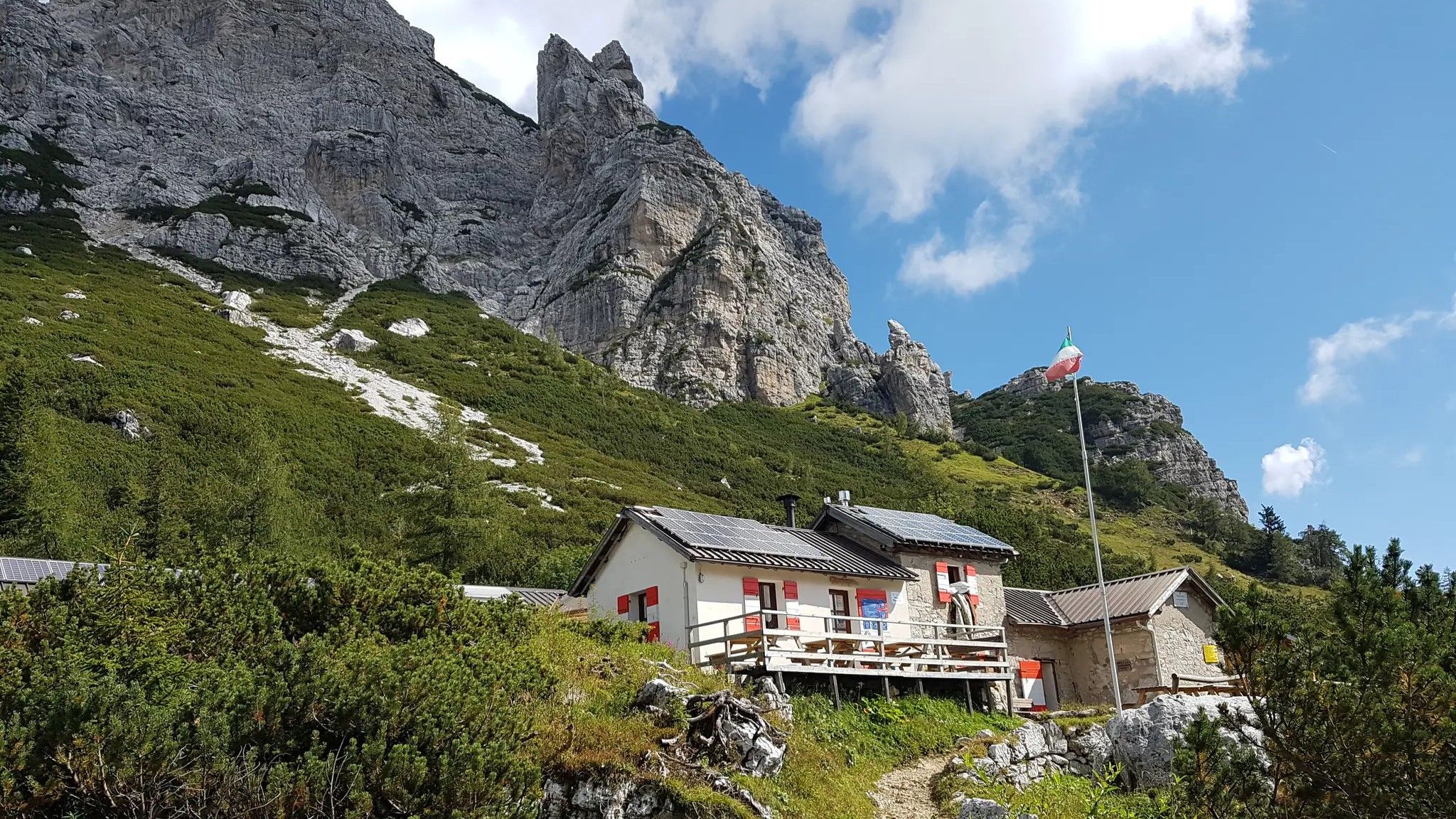
Alta Via Dolomiti Bellunesi – the wild Dolomiti Bellunesi National Park
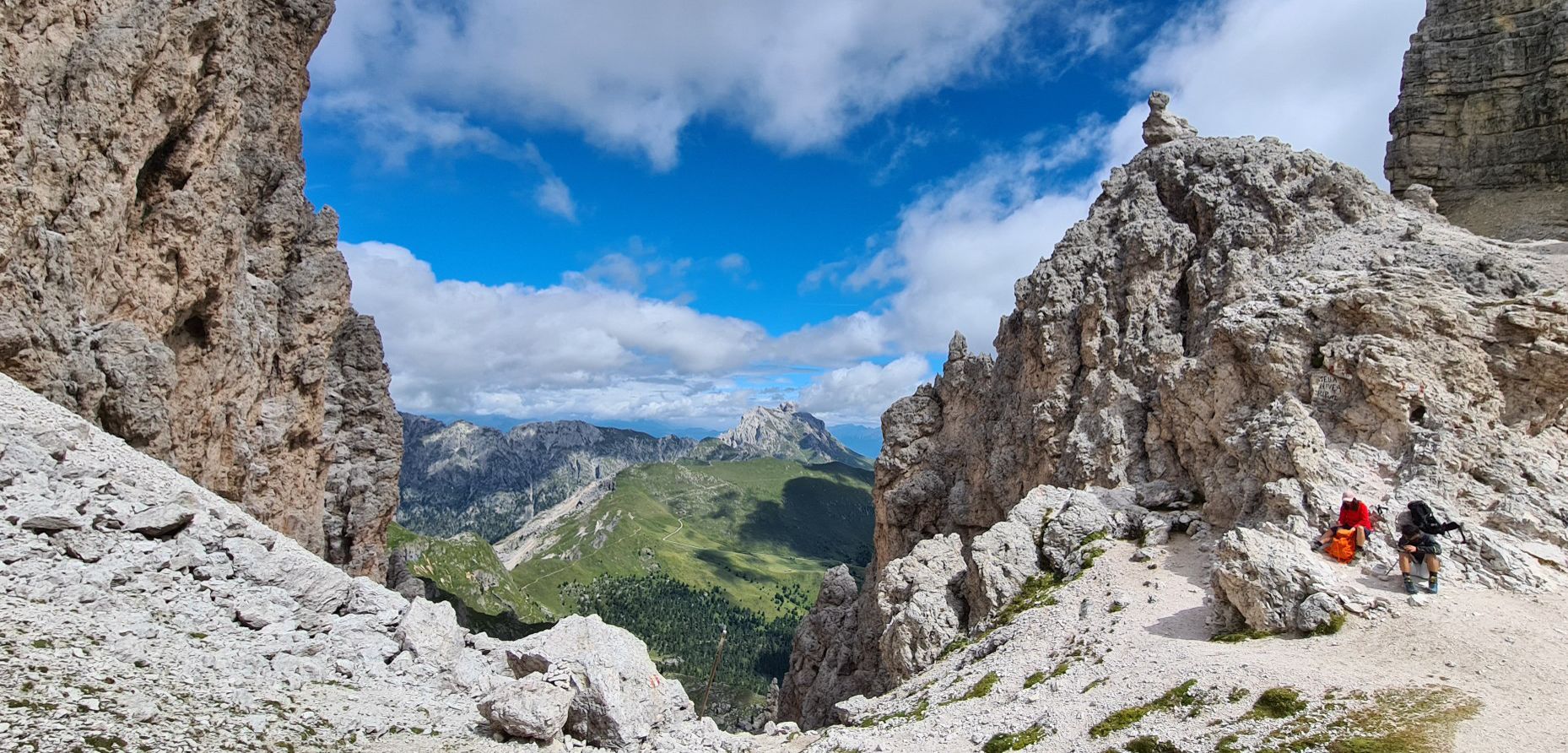
Puez-Odle Nature Park – Hike the Italian Dolomites
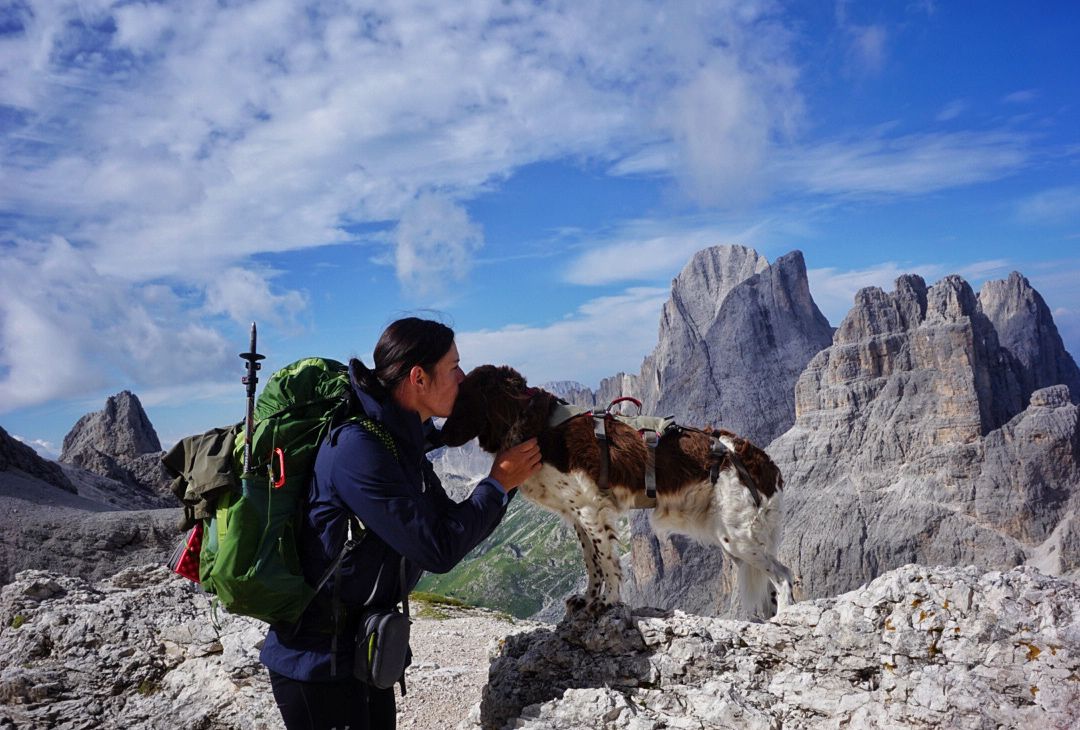
The extra-large Dolomites round – an out-of-this-world hiking adventure
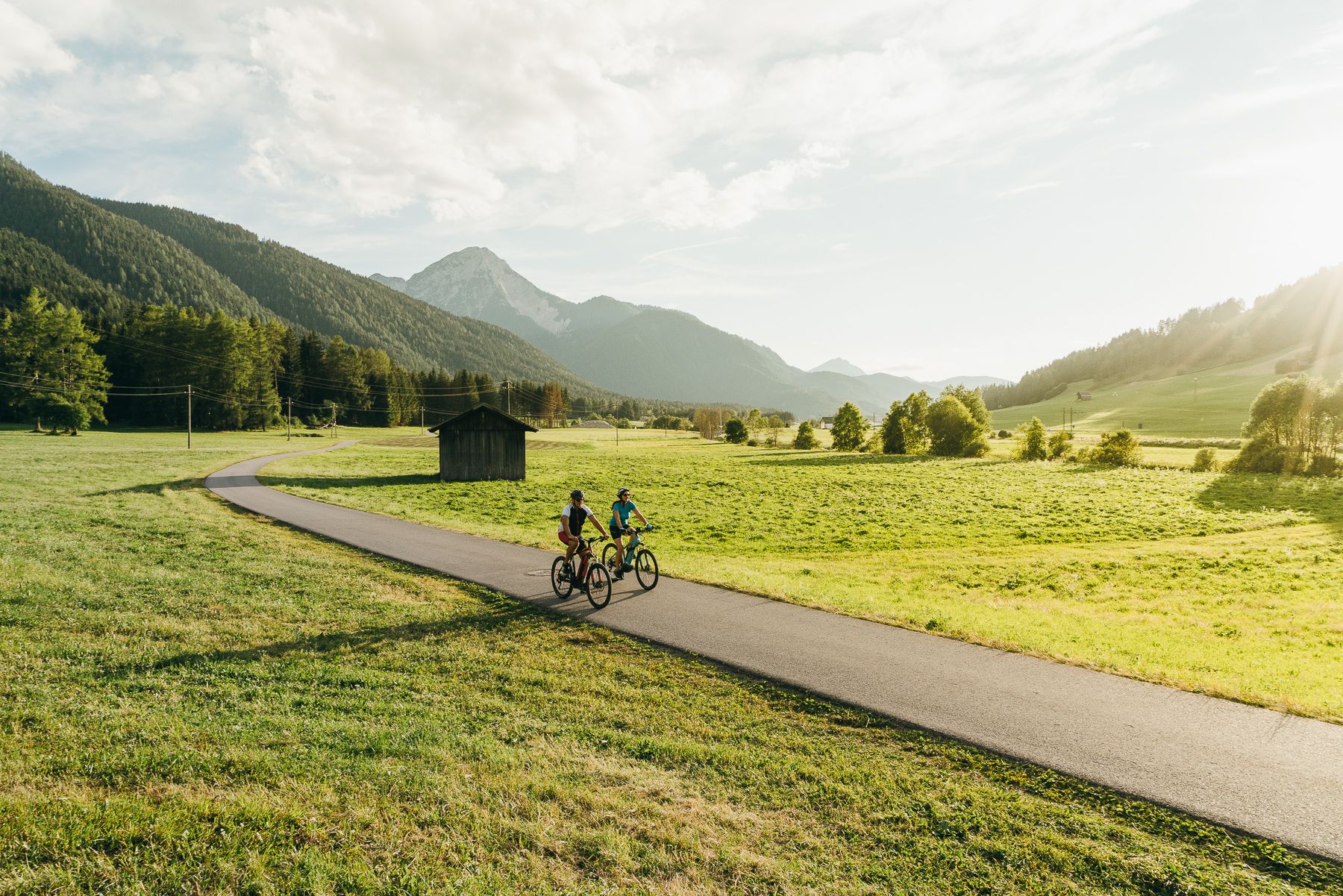
The River Drava Cycle Path – From the Dolomites to the vast landscapes of Pannonia
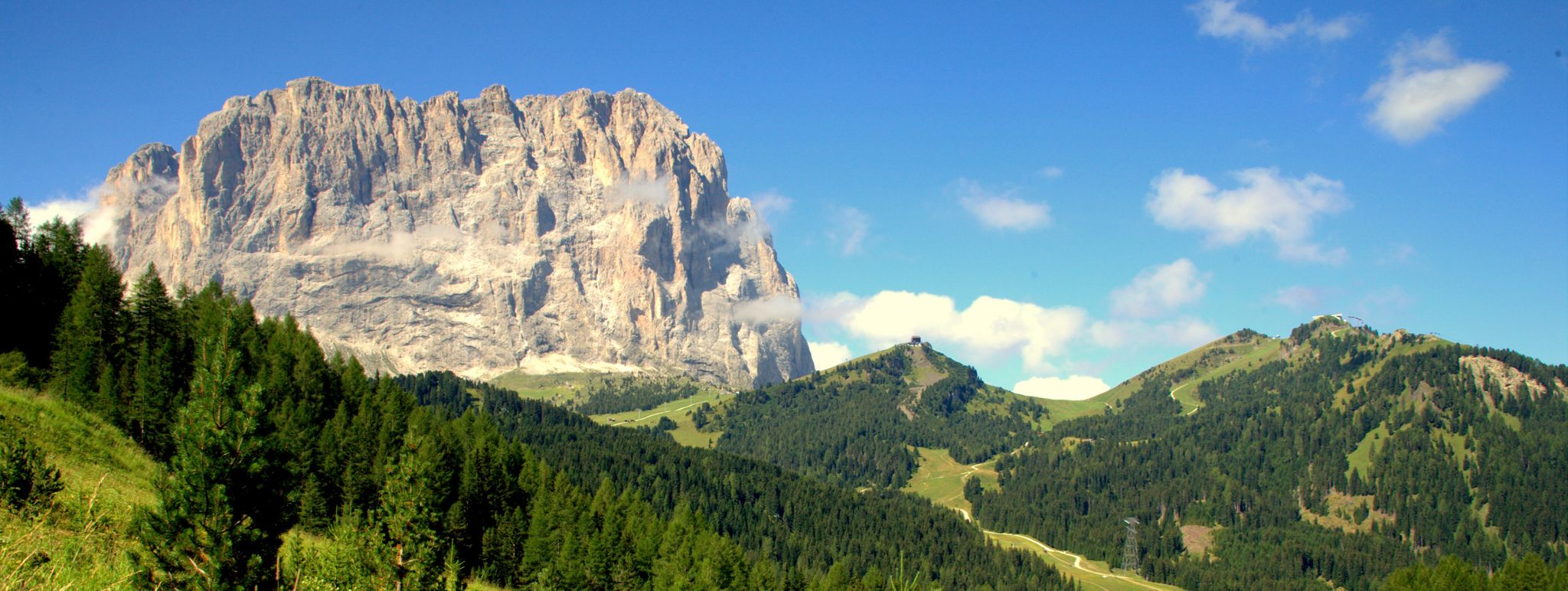
Via Venezia Alpina – hiking across the Alps to the Adriatic Sea
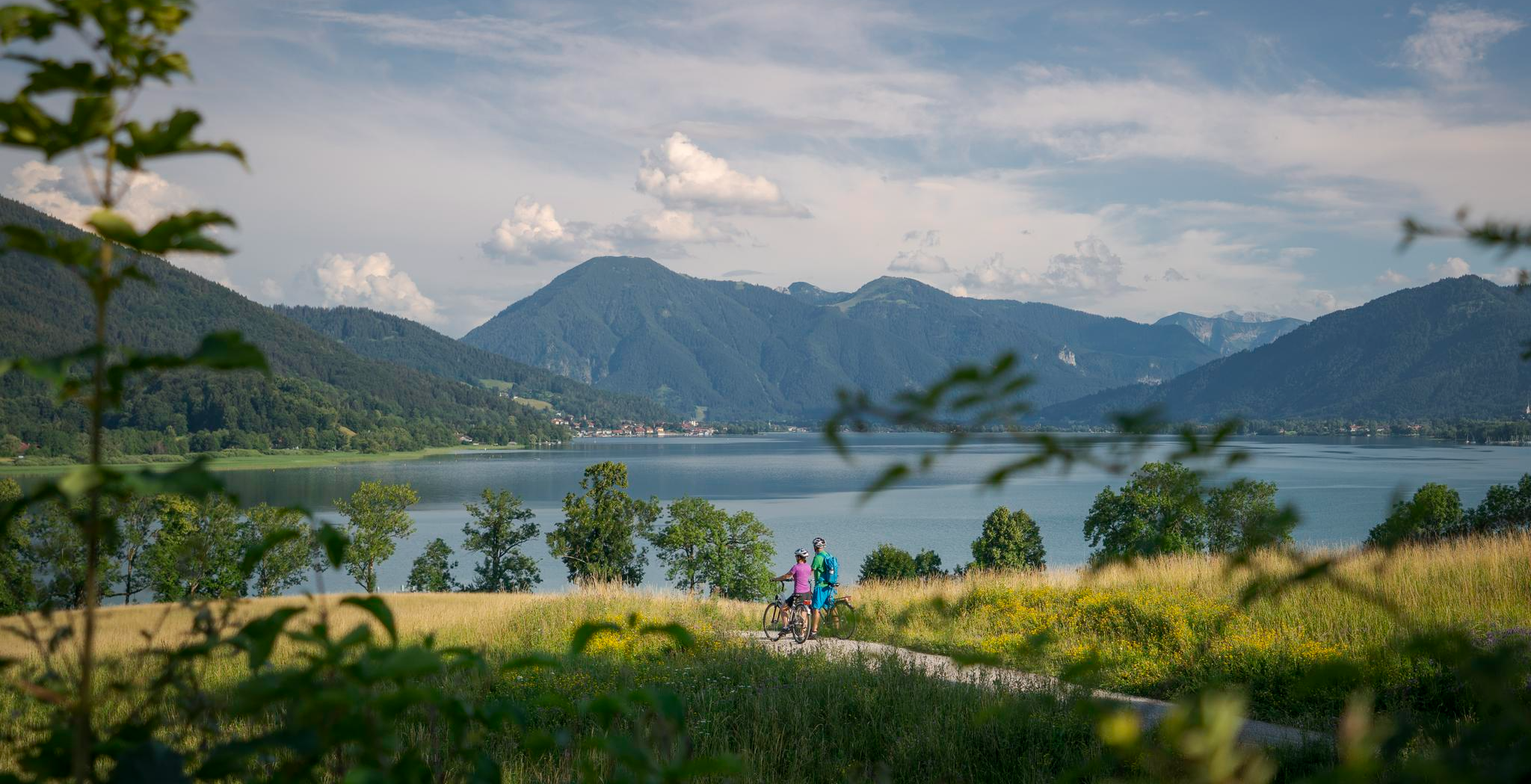
The Munich-Venice Long-Distance Cycle Path – A beautiful Alps crossing
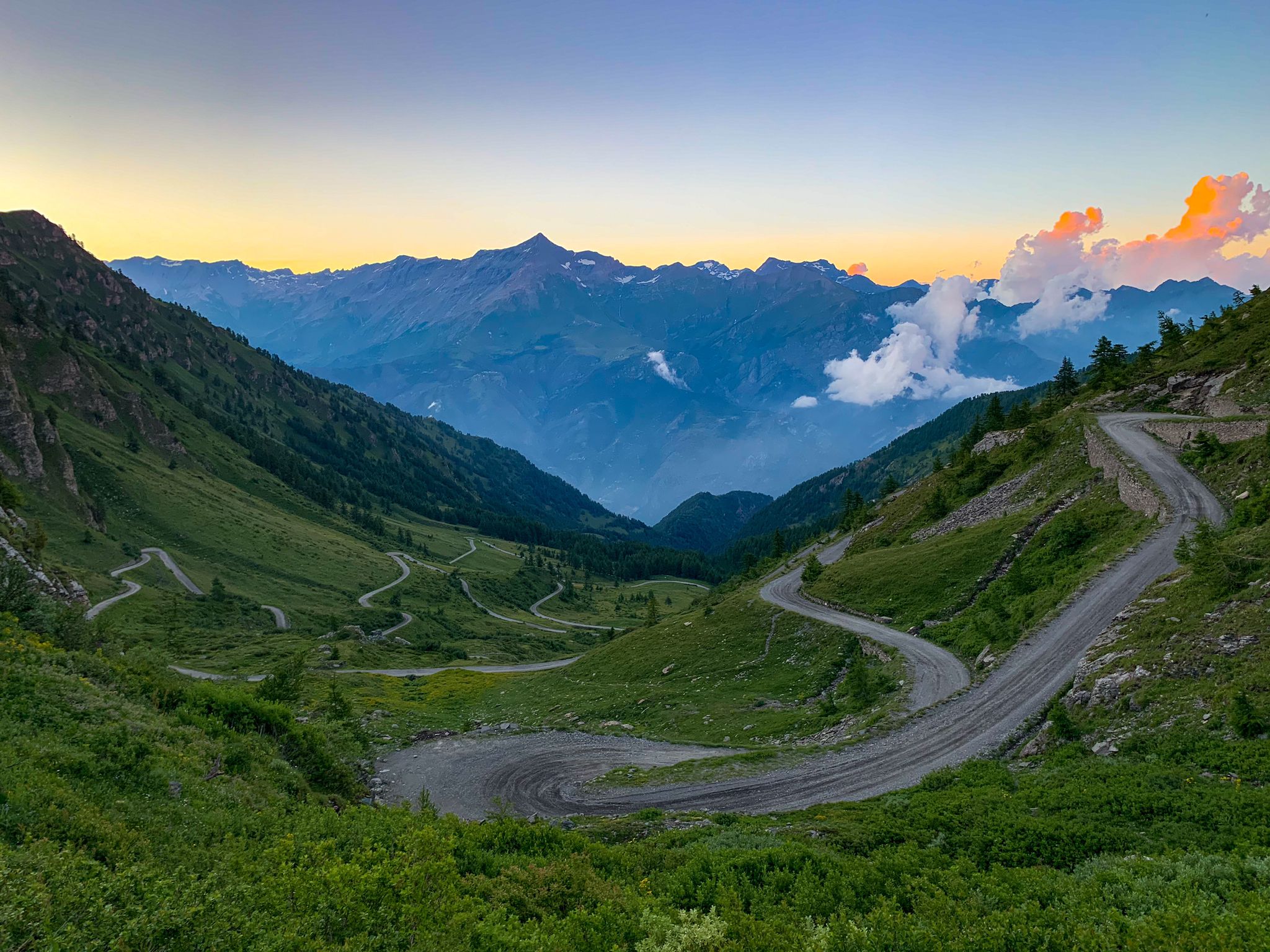
Chasing the sun across the Alps — unsupported solo
Other adventures in the Dolomites


Tips from the Community

The Seiser Alm is the largest and probably most beautiful high alpine pasture in Europe.
0
0

Impressive Alpine peak panoramas
0
0

The western shore of Lake Wildsee is the most easily accessible area for visitors of all ages. The well-developed section of the circular trail here allows for barrier-free strolls and child-friendly short excursions.
16
0
Lake Braies (Italian: Lago di Braies) lies at an altitude of approximately 1,500 meters in the Prags Valley, a side valley of the Puster Valley. It is considered one of the most beautiful lakes in the region and is often called the "Pearl of the Dolomites" due to its clear, emerald green to turquoise-blue shimmering water. Surrounded by steep rock faces and dense forests, the lake offers an impressive natural backdrop and is one of the most photographed motifs in South Tyrol. It is approximately 1.2 kilometers long, up to 36 meters deep, and can be circumnavigated on foot in about an hour on a scenic circular path. Excursions in traditional wooden rowboats are particularly popular in summer, lending the lake a romantic character. In addition to its scenic beauty, the lake also has historical significance, as it was the scene of a liberation of concentration camp prisoners during World War II. An information panel about this is located at the entrance to the Chapel of St. Mary.
39
0

The last stretch is challenging with a steep climb and steps to overcome but at the top this very welcoming refuge awaits us
15
0

The Plattkofelhütte is an alpine refuge in the Dolomites, located on the Friedrich-August-Weg at 2300 m at the foot of the Plattkofel.
14
0
The hut takes its name from the Plattkofel, the characteristic Dolomite peak that towers above.
14
0
Here, at the foot of the Three Peaks, the Rienz river has its source at an altitude of 2180 m. In its upper reaches, the river initially crosses protected areas in the Three Peaks Nature Park and the Fanes-Sennes-Braies Nature Park, namely the short Rienz valley and then the Höhlenstein valley.
38
0
Frequently Asked Questions
What are some of the most iconic natural landmarks to visit in the Dolomites?
The Dolomites are renowned for their dramatic natural beauty. Key landmarks include the iconic Tre Cime di Lavaredo, the emerald-green Lake Braies / Pragser Wildsee, and Europe's largest high-alpine meadow, Alpe di Siusi / Seiser Alm. Other notable spots are Seceda with its dramatic ridgeline, the milky-blue waters of Lago di Sorapis, and the highest peak, Marmolada.
Are there family-friendly attractions in the Dolomites?
Yes, the Dolomites offer several family-friendly attractions. Völser Weiher – Laghetto di Fiè is an idyllic lake suitable for swimming and rowing in summer, and ice skating in winter. The Alpe di Siusi / Seiser Alm is also great for families, offering expansive meadows and easy trails. Many huts, like Plattkofel Hut (Rifugio Sasso Piatto), are also family-friendly.
What cultural or historical sites can I explore in the region?
Beyond natural wonders, the Dolomites offer charming towns and cultural sites. Trento is a picturesque city with medieval and Renaissance architecture, including Piazza Duomo and Castello del Buonconsiglio. Cortina d'Ampezzo, known as the 'Queen of the Dolomites,' is a popular mountain resort. Val Gardena features three main towns (Selva, Santa Cristina, Ortisei) with cable cars providing access to mountain trails. The Great Dolomite Road itself is a scenic journey connecting many cultural points.
What outdoor activities are available near the main attractions?
The Dolomites are a paradise for outdoor enthusiasts. You can find numerous opportunities for waterfall hikes, gravel biking, and mountain hikes. Many trails lead to stunning viewpoints or mountain huts like Rifugio Antonio Locatelli, offering access to more challenging routes and climbing opportunities.
Where can I find panoramic views of the Dolomites?
For breathtaking panoramic views, consider visiting the Alpe di Siusi Plateau, which offers expansive vistas of the surrounding landscape. The Source of the Rienz River provides broad views of the Tre Cime di Lavaredo. Seceda is also highly recommended for its dramatic ridgeline views, accessible by gondola and cable car. Cadini di Misurina offers some of the best perspectives of the spiky mountain peaks.
What is the best time to visit the Dolomites for hiking?
The best time for hiking in the Dolomites is generally from late spring to early autumn, typically June to September. During these months, the weather is usually mild, trails are clear of snow, and alpine meadows like Alpe di Siusi are vibrant green. Visiting at sunrise is often recommended for popular spots like Lago di Braies to avoid crowds.
Are there any unique geological features in the Dolomites?
Yes, the Dolomites are a UNESCO World Heritage site primarily due to their unique geological features. They are known for their pale-colored dolomitic limestone, which glows with a reddish hue at sunrise and sunset, earning them the nickname 'Pale Mountains.' The dramatic, spiky mountain peaks, deep valleys, and glacial lakes are all characteristic of this distinctive geology.
Can I find mountain huts for accommodation or refreshments in the Dolomites?
Absolutely. The Dolomites are dotted with numerous mountain huts (Rifugios) that offer refreshments, meals, and often overnight accommodation. Popular options include Rifugio Antonio Locatelli, which provides stunning views of Tre Cime di Lavaredo, Plattkofel Hut (Rifugio Sasso Piatto), Roda di Vaèl Hut, and Langkofel Hut (Rifugio Vicenza), which is a great base for more challenging hikes.
What are some less crowded attractions or areas to explore?
While popular spots can get busy, exploring areas like Val di Funes offers charming villages and fairytale churches with views of the Odle mountain range, often feeling less crowded than the most famous lakes. Visiting popular sites like Lago di Braies at sunrise can also help avoid the main tourist rush. Exploring the various nature parks, such as Puez-Odle Nature Park or Dolomiti Bellunesi National Park, can lead to quieter trails and hidden gems.
Are there opportunities for wild swimming in the Dolomites?
Yes, some lakes in the Dolomites offer opportunities for swimming. Völser Weiher – Laghetto di Fiè is an idyllic lake known to be suitable for swimming in summer. While the water can be quite fresh, it's a popular spot for locals and visitors alike to cool off.
What are some notable scenic drives in the Dolomites?
The Great Dolomite Road is a highly recommended scenic drive, stretching 110 kilometers from Bolzano to Cortina. This route traverses high mountain passes and offers access to major Dolomite peaks and highlights such as Lago di Carezza, Val di Fassa, Passo Pordoi, and Passo Falzarego, providing continuous stunning views.
Most popular routes in the Dolomites
Most popular attractions in the Dolomites

Get inspired with the komoot mobile app


Explore more
Still not found the Highlight you’re looking for? See guides of the top attractions in other regions:
