Attractions and Places To See in Campania - Top 20
Best attractions and places to see in Campania include a diverse range of historical, cultural, and natural sites in Southern Italy. The region is characterized by its ancient Roman cities, such as Pompeii and Herculaneum, alongside dramatic coastlines like the Amalfi Coast. Campania also features significant natural landmarks, including Mount Vesuvius and several islands, offering a rich tapestry of experiences.
Best attractions and places to see in Campania
- The most popular attractions is View of the Amalfi Coast and Positano, a viewpoint that offers panoramic vistas of the Gulf of Positano and the Amalfi Coast. From here, visitors can see the town of Positano and the island of Capri.
- Another must-see spot is Monte Epomeo Summit, the highest mountain on the island of Ischia. From its 788-meter peak, visitors can enjoy expansive views across the entire island.
- Visitors also love Crater of Mount Vesuvius, the iconic volcano overlooking Naples. This natural monument allows visitors to hike to its summit for impressive views into the crater.
- Campania is known for its historical sites, natural monuments, and scenic viewpoints. The region offers a variety of attractions to see and explore, from ancient ruins to volcanic landscapes and coastal vistas.
- The attractions in Campania are appreciated by the komoot community, with more than 250 photos and over 600 upvotes across its highlights.
Last updated: June 22, 2026
Start of the Path of the Gods
Highlight • Trail
Translated by Google •
Tip by

Amalfi Cathedral (Cathedral of Saint Andrew)
Highlight • Religious Site
It is said that in 1218 Saint Francis of Assisi came here to pay homage to the apostle and his relics. The charm of the place won him over to the point of remaining in Amalfi for two years. It was during that period that he founded a convent, initially dedicated to Santa Maria degli Angeli, which later took the name of Sant’Antonio.
Translated by Google •
Tip by

Sign up now to discover places like this
Get recommendations on the best single tracks, peaks, & plenty of other exciting outdoor places.
Sign up for free
View of the Amalfi Coast and Positano
Highlight • Viewpoint
Translated by Google •
Tip by

Monte Epomeo Summit
Highlight • Summit
From here you have a beautiful view over the whole island.
Translated by Google •
Tip by

Galleria Umberto I, Naples
Highlight • Monument
Translated by Google •
Tip by

Pompeii Forum
Highlight • Historical Site
Researchers believe that the town was founded in the seventh or sixth century BC by the Osci or Oscans. It came under the domination of Rome in the 4th century BC, and was conquered and became a Roman colony in 80 BC after it joined an unsuccessful rebellion against the Roman Republic. By the time of its destruction, 160 years later, its population was estimated at 11,000 people, and the city had a complex water system, an amphitheater, gymnasium, and a port.
The eruption destroyed the city, killing its inhabitants and burying it under tons of ash. Evidence for the destruction originally came from a surviving letter by Pliny the Younger, who saw the eruption from a distance and described the death of his uncle Pliny the Elder, an admiral of the Roman fleet, who tried to rescue citizens. The site was lost for about 1,500 years until its initial rediscovery in 1599 and broader rediscovery almost 150 years late. en.wikipedia.org/wiki/Pompeii
Tip by

Bomerano
Highlight • Settlement
Translated by Google •
Tip by

Ravello Cathedral
Highlight • Religious Site
Translated by Google •
Tip by

The Pinnacle (Il Pinnacolo) on the Sentiero degli Dei (Path of the Gods)
Highlight • Natural Monument
Translated by Google •
Tip by

Sant'Elmo Castle
Highlight • Castle
Translated by Google •
Tip by

Sign up for free to discover even more attractions in Campania.
Sign up for free
Already have an account?
Start today with a free account
Your next adventure awaits.
Login or Signup
Popular around Campania
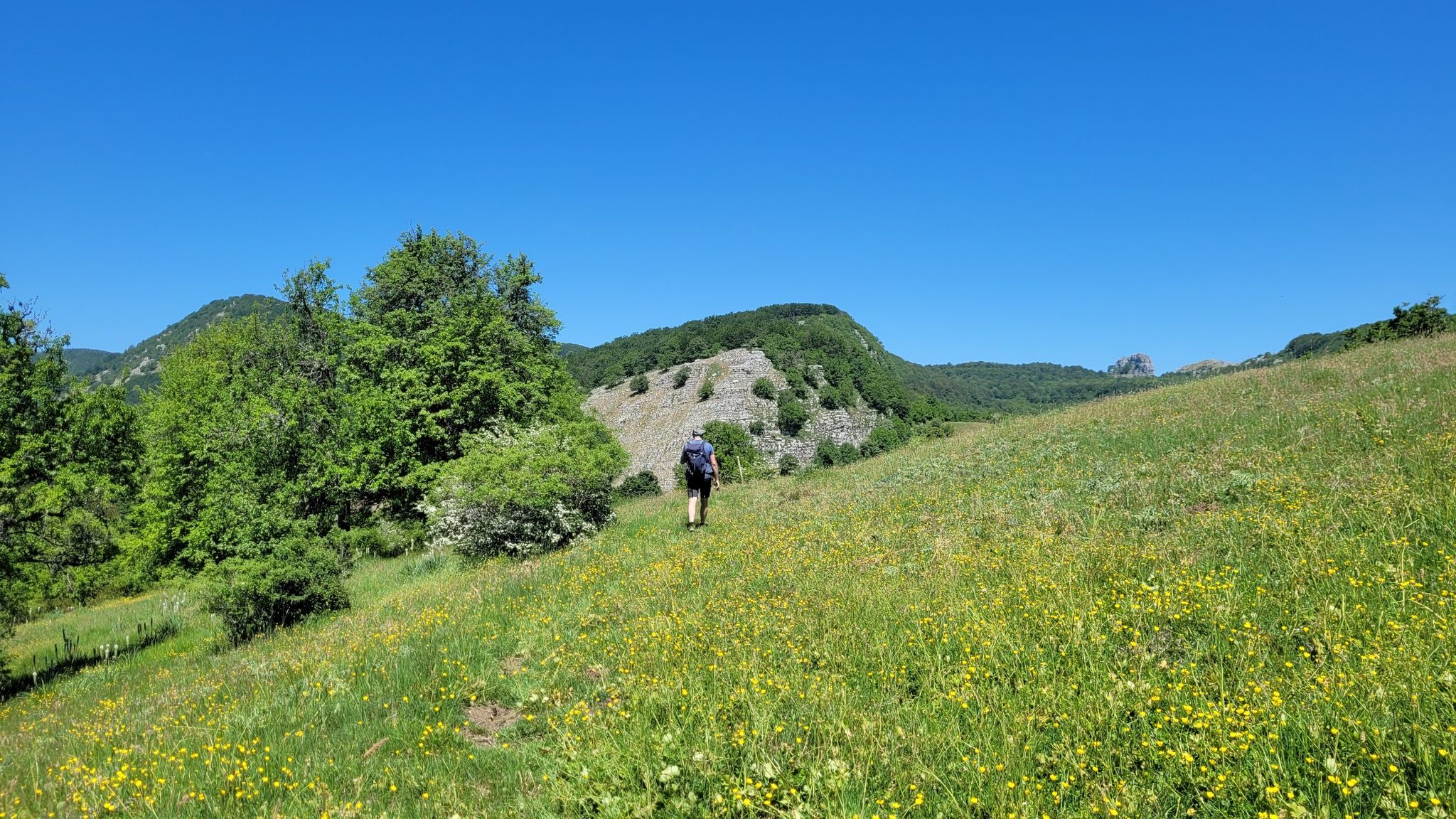
Sentiero Italia – A journey into the heart of Campania
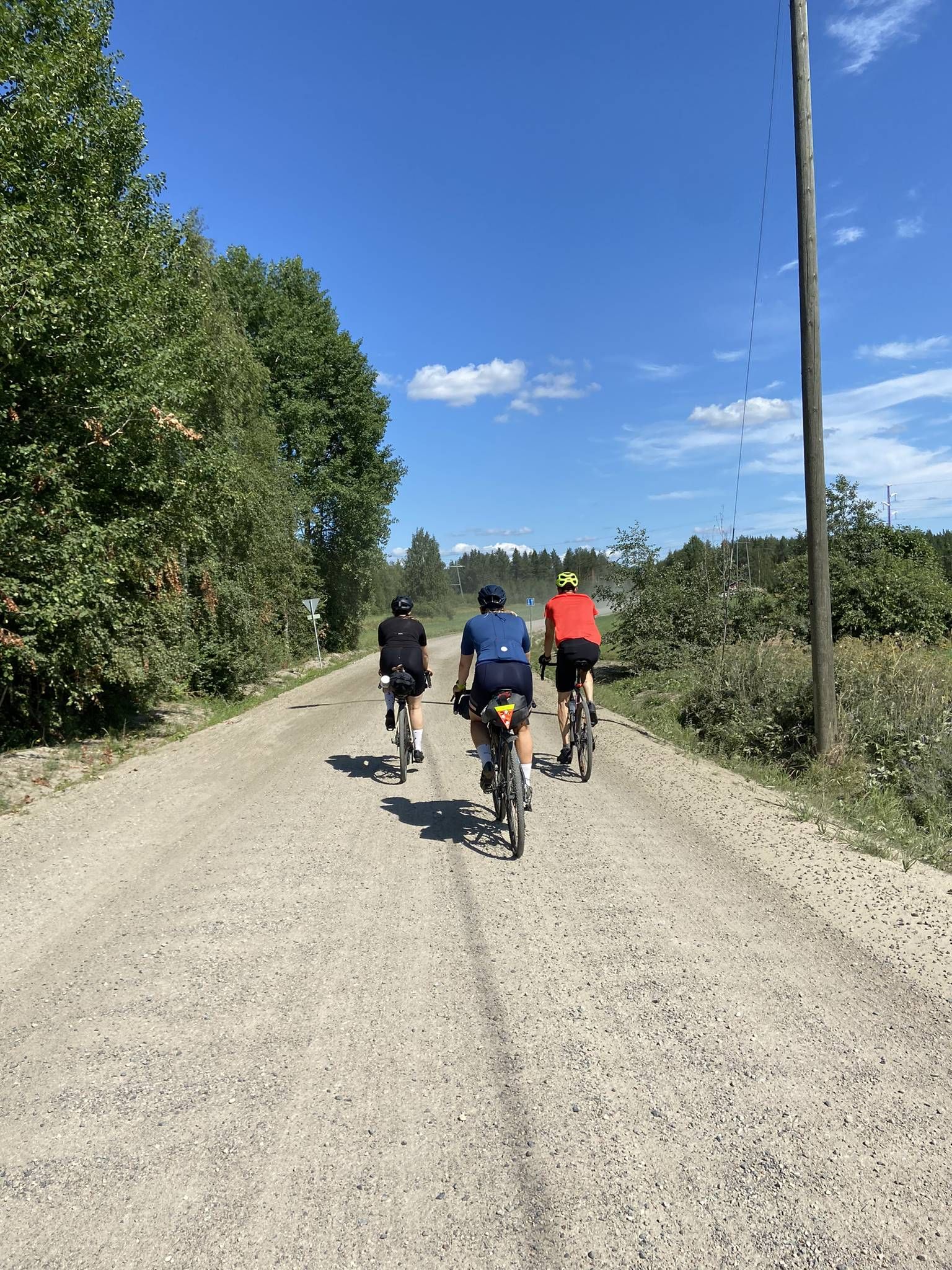
Naples to North Cape — Two friends, one purpose and many scoops of ice-cream
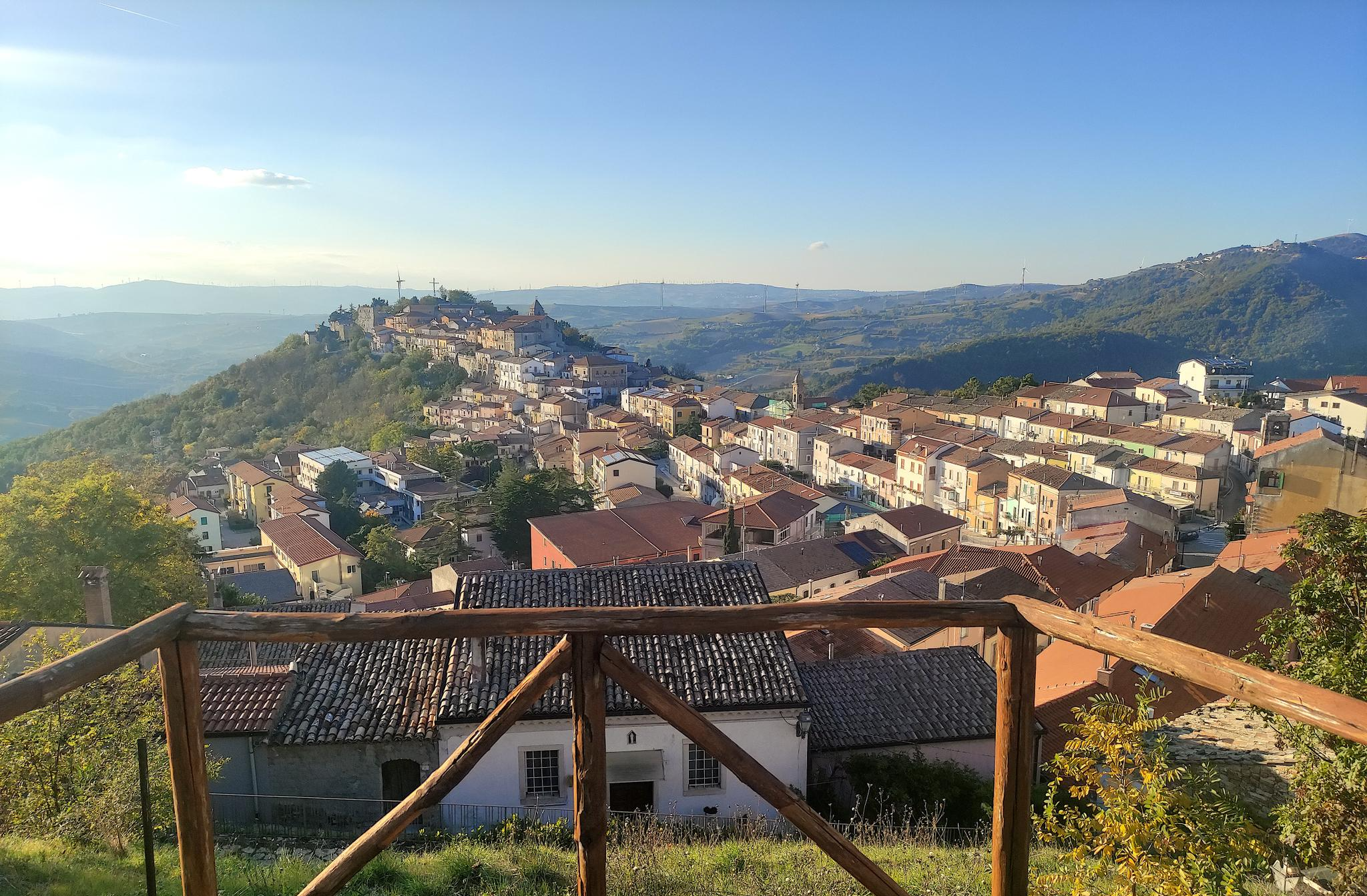
Campania by bike – rides among villages, valleys and water landscapes
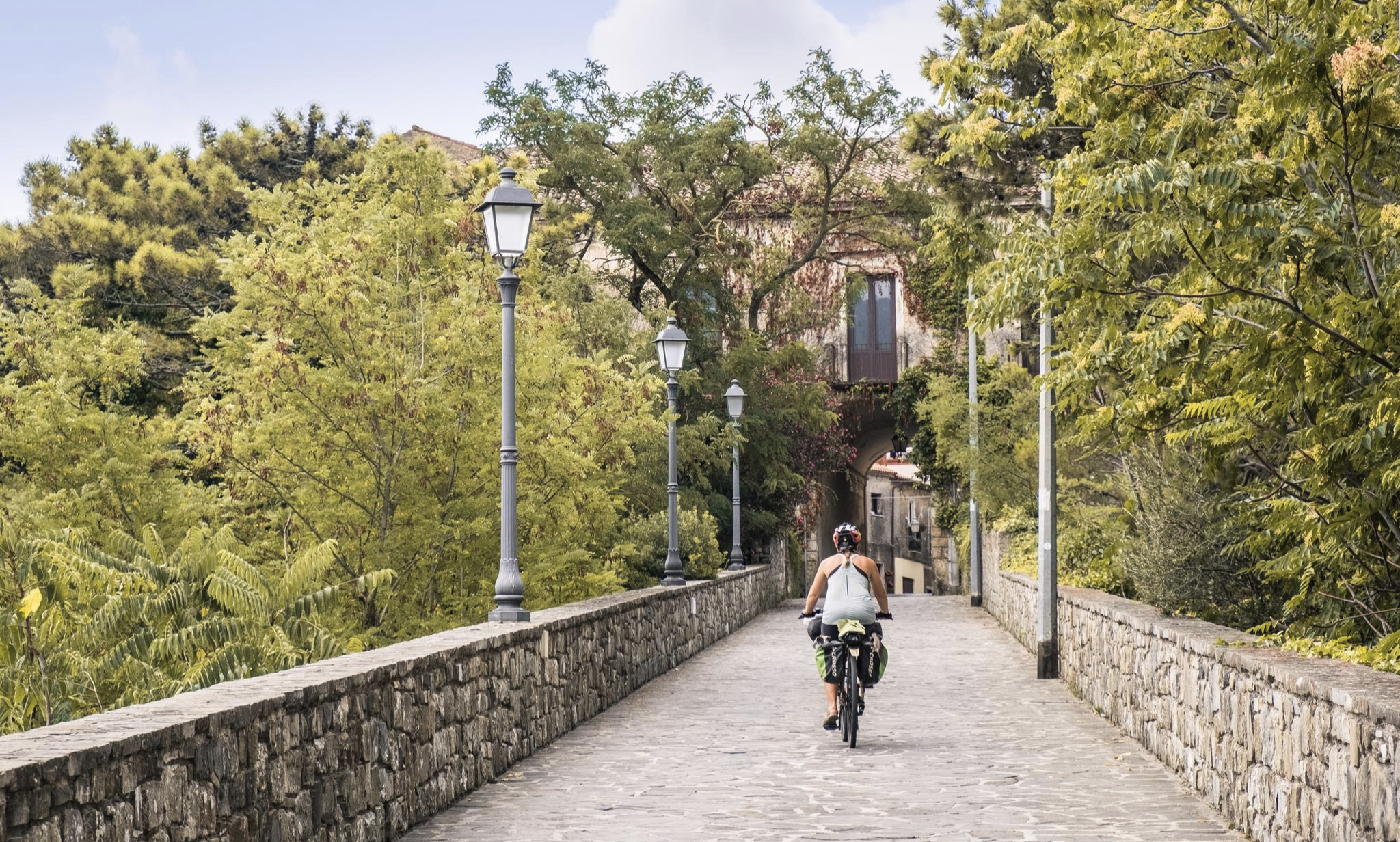
The Silent Way by bike - wilderness and gentle humanity
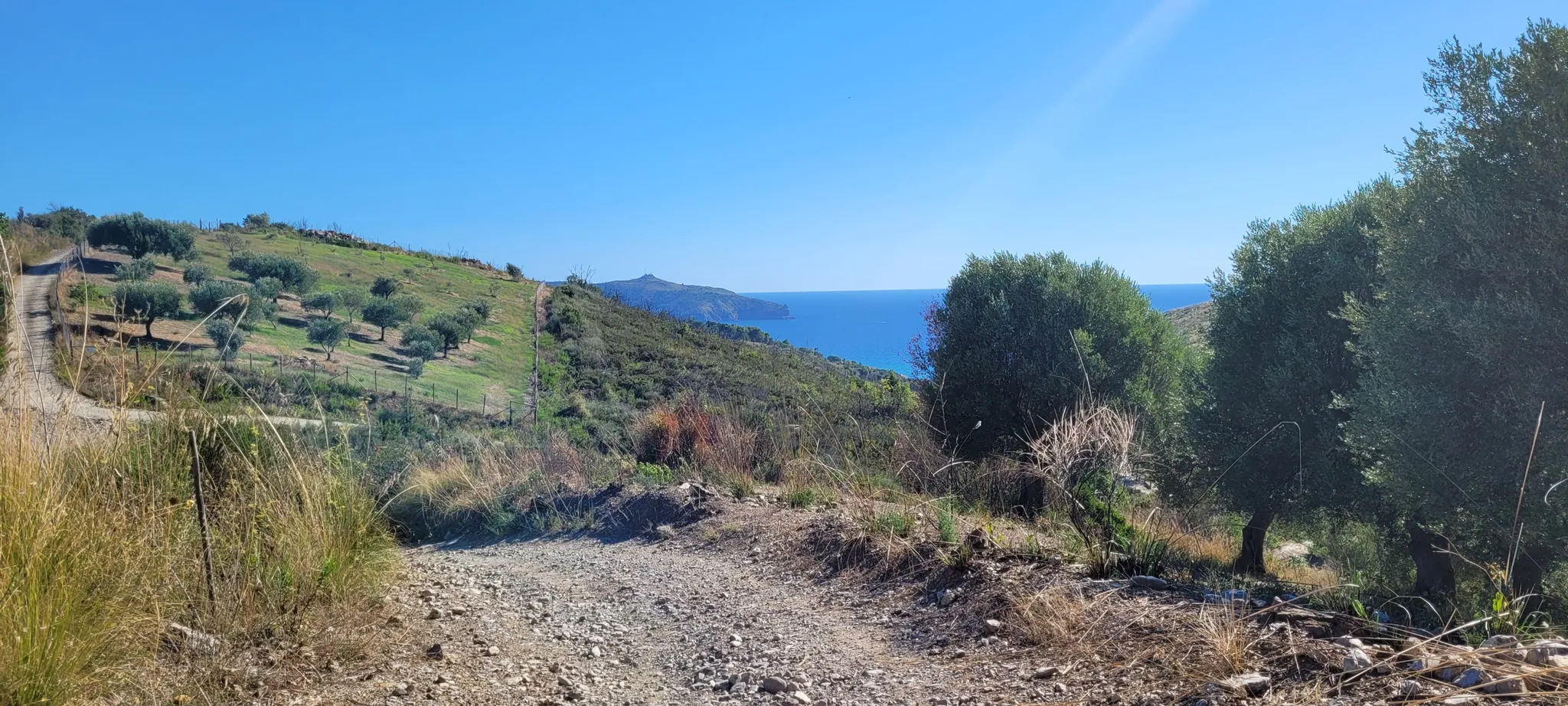
Way of St. Nilus - a slow journey into the heart of the Cilento region
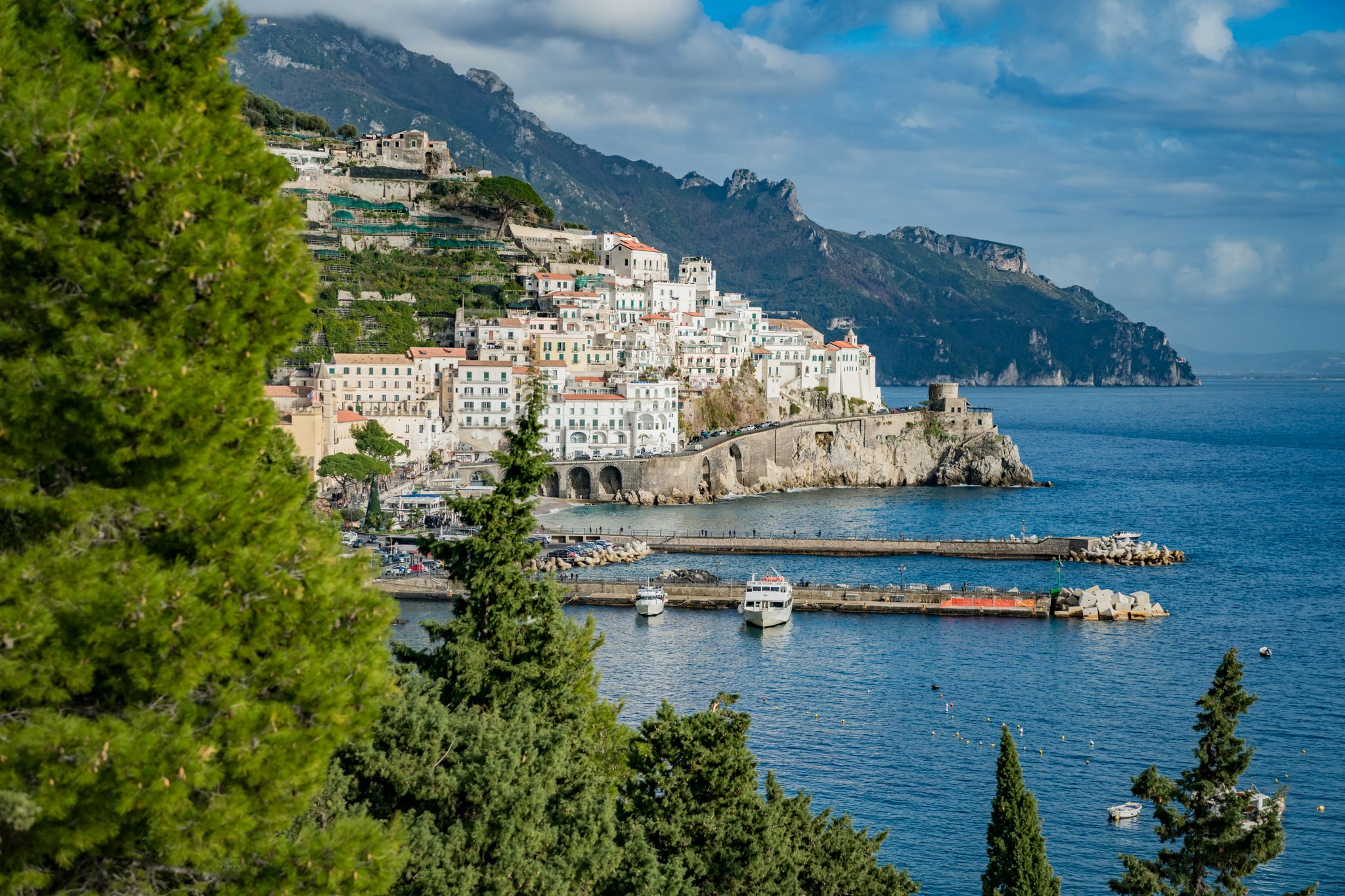
Hiking on the Amalfi Coast – routes for all year round
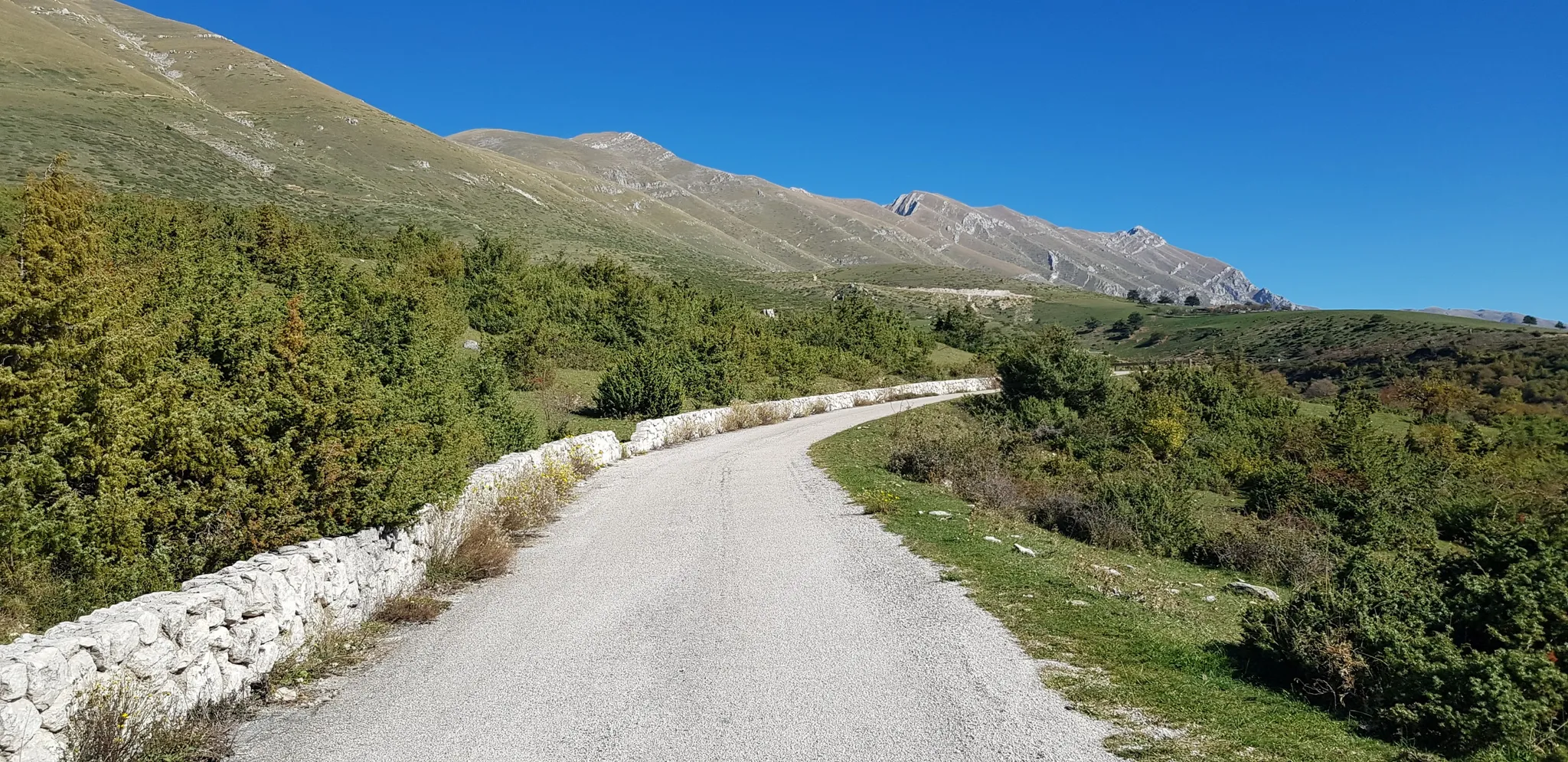
The Apennine Cycleway (Part 2) - From Umbria to Calabria
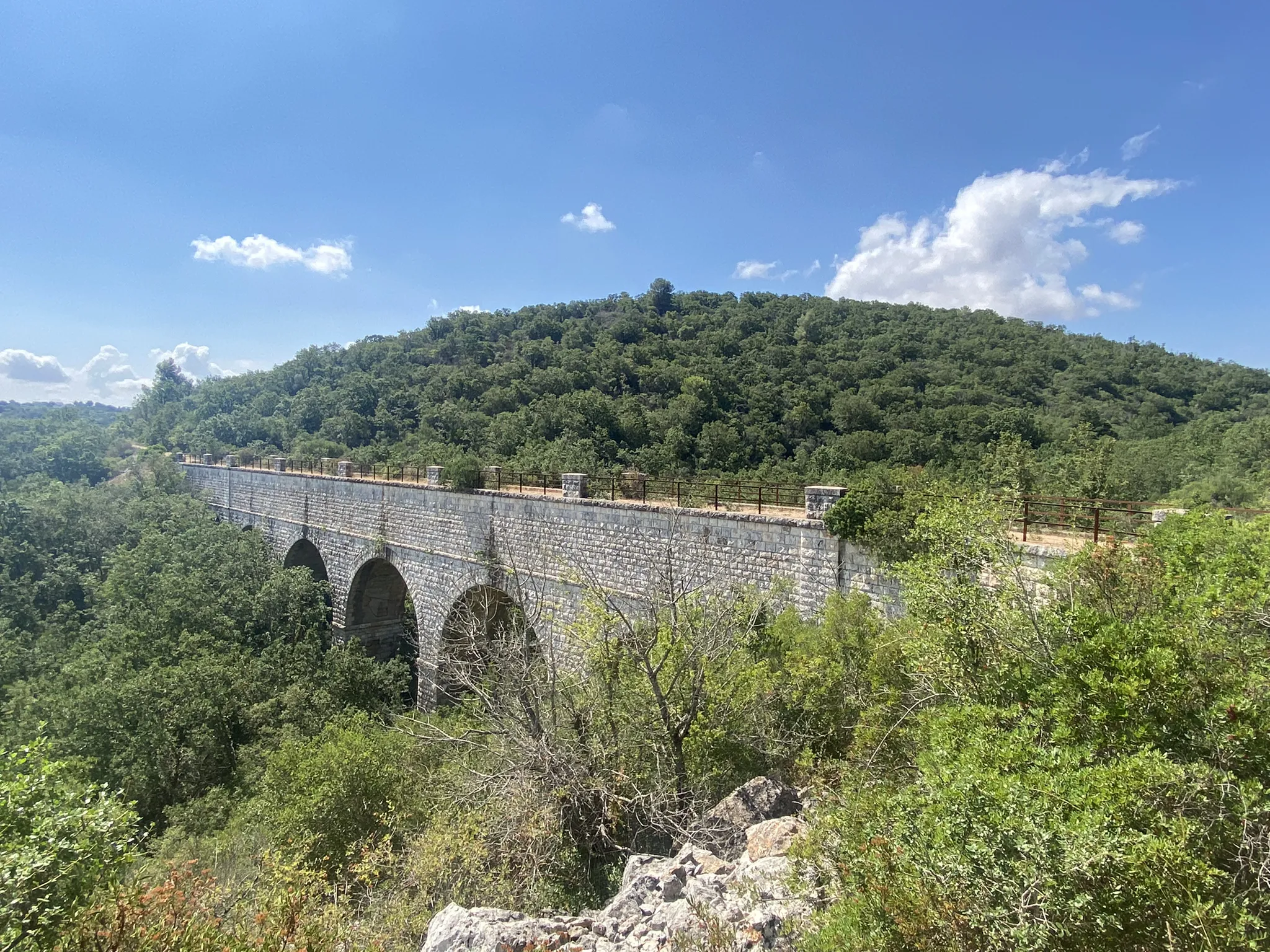
Caposele to Santa Maria di Leuca – Apulian Aqueduct Cycle Route
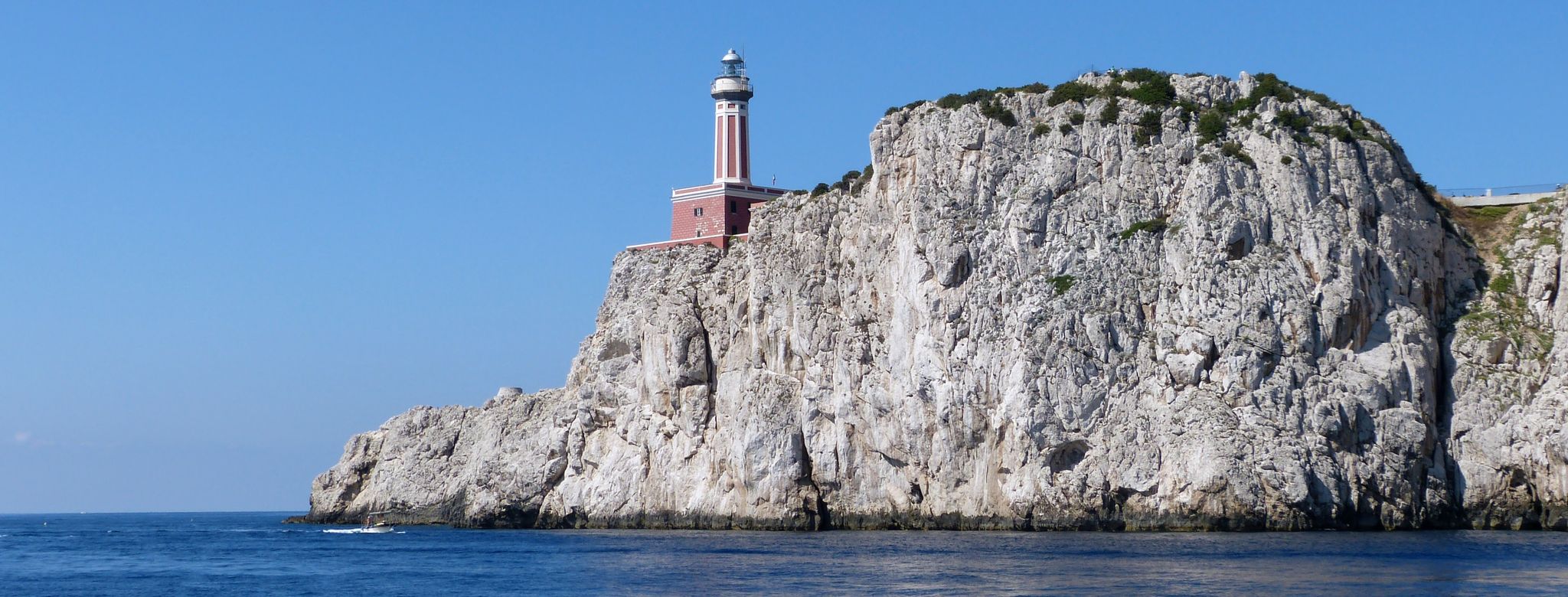
Micro-adventures on the island of Capri – the Amalfi Coast
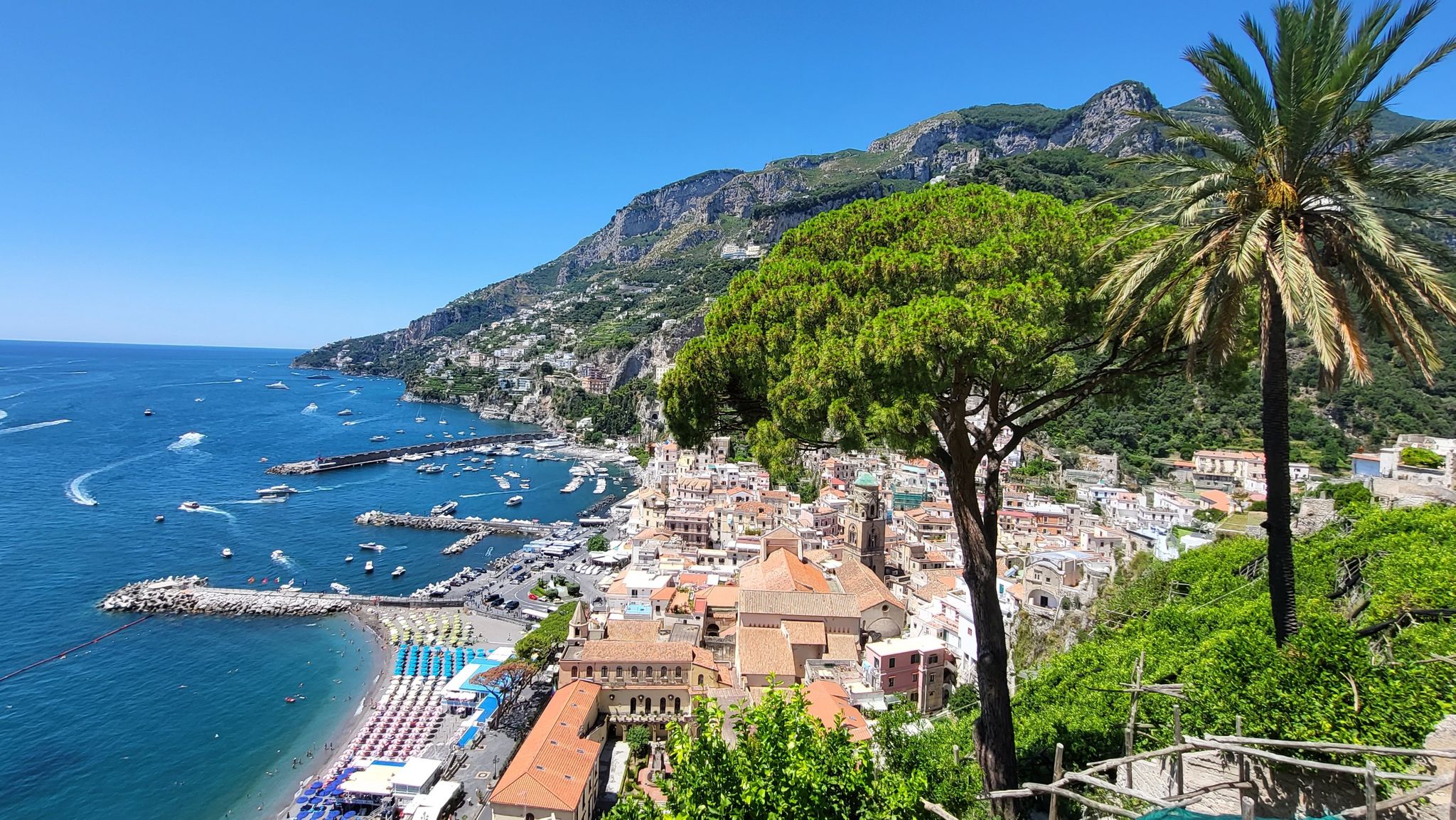
Discovering the Amalfi Coast – four unmissable walks
Other adventures in Campania


Tips from the Community

Bomerano is a quiet mountain jewel located in Agerola, about 600 meters above the Amalfi Coast. Far from the chaos of the beaches, this village is world-famous as the starting point of the Path of the Gods, one of the most spectacular panoramic hikes on the planet, which winds through breathtaking cliffs to the gates of Positano. But Bomerano is not just about trekking: it is a true capital of taste, famous for its very fresh fiordilatte and the prized Provolone del Monaco DOP. The heart of the village beats in Piazza Paolo Capasso, an authentic place where the fresh mountain air blends with the aroma of local bakeries and cured meats. Easily reachable by bus from Amalfi, it offers a regenerating refuge, perfect for those seeking memorable views, slow rhythms, and genuine flavors before setting off between sky and sea.
0
0

To reach the cathedral, you first have to climb 62 steps.
19
0
The entrance fee is money well spent, as the cathedral itself is well worth a visit. The church's decoration, with its magnificent wall and ceiling paintings and mosaics, is worth seeing.
15
0

Amalfi Cathedral, also known as the Cathedral of Sant’Andrea, houses not only precious relics but also stories steeped in legend. It is said that in 1218 Saint Francis of Assisi came here to pay homage to the apostle and his relics. The charm of the place won him over to the point of remaining in Amalfi for two years. It was during that period that he founded a convent, initially dedicated to Santa Maria degli Angeli, which later took the name of Sant’Antonio.
4
0

Definitely recommended. At the top you have a complete panoramic view of the island.
1
1


The hike on the Sentiero degli Dei from Bomerano to Positano is a highlight on the Amalfi Coast. Breathtaking views accompany the path, which does not require a guide, but does require good shoes and plenty of water. After about 30 minutes, the path splits into a higher and a lower route, which later merge again. The destination is Nocelle, where you can fortify yourself with a refreshing lemon slush. From there, two paths lead down to Positano, either via Montepertuso or directly over hundreds of steps. Setting off early in the morning is recommended.
3
0

Nice to look at and good for hiking
2
0
Frequently Asked Questions
What ancient Roman cities can I explore in Campania?
Campania is home to the remarkably preserved ancient Roman cities of Pompeii and Herculaneum, both UNESCO World Heritage Sites. Buried by the eruption of Mount Vesuvius in 79 AD, they offer an unparalleled glimpse into daily Roman life. You can explore the Pompeii Forum, grand theaters, and intact homes. Herculaneum, buried by volcanic mud, provides an even more intimate experience with well-preserved wooden structures and intricate mosaics.
Where can I find stunning coastal views and natural beauty in Campania?
The iconic Amalfi Coast, a UNESCO World Heritage Site, offers dramatic cliffs, enchanting coves, and picturesque towns. For breathtaking panoramas, visit the View of the Amalfi Coast and Positano. You can also hike the famous Path of the Gods (Sentiero degli Dei), which begins near Bomerano and provides spectacular vistas, including The Pinnacle (Il Pinnacolo).
Can I hike Mount Vesuvius, and what will I see?
Yes, you can hike to the summit of Mount Vesuvius within the Vesuvius National Park. From the Crater of Mount Vesuvius, you'll be rewarded with impressive views into the crater itself and panoramic vistas of the Bay of Naples. For a guided hiking experience, consider routes like the "Crater of Mount Vesuvius – Mount Vesuvius Crater loop from Vesuvius National Park" found in the Easy hikes in Campania guide.
Are there any grand palaces or architectural marvels to visit in Campania?
Absolutely. The Royal Palace of Caserta is an opulent 18th-century palace and garden, a UNESCO World Heritage Site designed to rival Versailles. It's the largest royal residence in the world, featuring magnificent Baroque and Neoclassical architecture, a vast park, and lavishly decorated rooms. In Naples, you can also visit the Royal Palace of Naples and the impressive Galleria Umberto I, a stunning shopping arcade with a large glass dome.
What are some family-friendly attractions in Campania?
Many of Campania's historical and cultural sites are suitable for families. The ancient cities of Pompeii and Herculaneum offer an engaging history lesson. The Amalfi Cathedral and the Galleria Umberto I in Naples are also considered family-friendly. Exploring the islands like Capri or Ischia, or enjoying the beaches along the coast, can also be great for families.
What unique cultural experiences can I find in Naples?
Naples, the vibrant capital, offers a rich cultural tapestry. Explore its UNESCO-listed historic city center, visit the Cathedral of San Gennaro, and stroll along Spaccanapoli. Don't miss the Sansevero Chapel, home to the astonishing Veiled Christ sculpture, or the National Archaeological Museum of Naples, which houses artifacts from Pompeii and Herculaneum. For a unique adventure, explore Naples Underground or the Catacombs of San Gennaro.
Which islands off the coast of Campania are worth visiting?
Campania boasts several stunning islands. Capri is famous for its luxurious atmosphere, stunning mountaintop scenery, and the renowned Blue Grotto (Grotta Azzurra). Ischia is known for its thermal baths and the highest mountain on the island, Monte Epomeo Summit, offering expansive views. Procida is another charming island with picturesque fishing villages.
Are there opportunities for hiking or outdoor activities near these attractions?
Yes, Campania offers numerous outdoor activities. The Path of the Gods on the Amalfi Coast is a popular hiking trail. You can also hike Mount Vesuvius. For more structured routes, explore the Mountain Hikes in Campania guide for trails like the "Crater of Mount Vesuvius – View of the Gulf of Naples loop." The Cycling in Campania guide features routes like the "Amalfi Drive: Amalfi to Positano" for cyclists.
Where can I find impressive ancient Greek temples in Campania?
The Archaeological Park of Paestum is a must-visit for ancient Greek architecture. It features three magnificently preserved Greek temples dating back to the 5th and 6th centuries BCE, a testament to Campania's Magna Graecia past. The site also includes an on-site museum with important archaeological finds.
What are some lesser-known or 'hidden gems' in Campania?
Beyond the major sites, Campania offers several hidden gems. Explore Caserta Vecchia, a well-preserved medieval hamlet. Discover the unique natural beauty of the Waterfall of the Hair of Venus (Capelli di Venere) in the WWF Bussento Caves oasis. The Giardino della Minerva in Salerno is a historic garden cultivating medicinal plants, and the Vallone dei Mulini in Sorrento is a picturesque natural riverbed with an old mill covered in dense vegetation.
When is the best time to visit Campania's attractions?
The best time to visit Campania generally depends on your preferences. Spring (April-May) and early autumn (September-October) offer pleasant temperatures, fewer crowds, and lush landscapes, ideal for exploring historical sites and hiking. Summer (June-August) is popular for coastal areas and islands, though it can be hot and crowded. Winter offers a quieter experience, with many attractions remaining open, especially in cities like Naples.
Are there any accessible attractions for visitors with mobility concerns?
While many ancient sites may present challenges, some attractions in Campania offer better accessibility. The Galleria Umberto I in Naples is noted as wheelchair accessible. When planning your visit to larger sites like Pompeii, it's advisable to check their official websites for specific accessibility information and routes, as efforts are often made to provide accessible paths.
Most popular routes in Campania
Most popular attractions in Campania

Get inspired with the komoot mobile app


Didn’t find what you were looking for?
Are you keen on exploring more awesome places nearby? Browse our guides:
Explore more
Still not found the Highlight you’re looking for? See guides of the top attractions in other regions:
