Top 20 Natural Monuments in Abruzzo
Best natural monuments in Abruzzo showcase a diverse landscape, often referred to as "the greenest region in Europe." This region features towering mountains, a unique coastline, and extensive protected areas including three national parks and over thirty nature reserves. Abruzzo's natural features range from high peaks like Corno Grande to ancient beech forests and distinctive coastal formations. These varied environments provide numerous opportunities for outdoor exploration.
Best natural monuments in Abruzzo
- The most popular natural monuments is Rocca Calascio Castle…
Last updated: August 19, 2026
Corno Grande Western Summit
Highlight • Summit
Tip by

Campo Imperatore
Highlight • Natural Monument
Showing Translation
Tip by

Sign up now to discover places like this
Get recommendations on the best single tracks, peaks, & plenty of other exciting outdoor places.
Sign up for free
Rocca Calascio Castle
Highlight • Castle
Translated by Google •
Tip by

Orfento Valley
Highlight • Gorge
Translated by Google •
Tip by

Monte Aquila Summit
Highlight • Summit
Translated by Google •
Tip by

Monument to the Bather of Vasto
Highlight • Monument
Translated by Google •
Tip by

Punta dell'Acquabella Nature Reserve
Highlight • Natural Monument
Translated by Google •
Tip by

Gorges of Fara San Martino
Highlight • Gorge
Translated by Google •
Tip by

The Madonnina (Gran Sasso)
Highlight • Viewpoint
Tip by

San Giovanni Waterfall
Highlight • Waterfall
Translated by Google •
Tip by

Sign up for free to discover even more natural monuments in Abruzzo.
Sign up for free
Already have an account?
Start today with a free account
Your next adventure awaits.
Login or Signup
Popular around Abruzzo
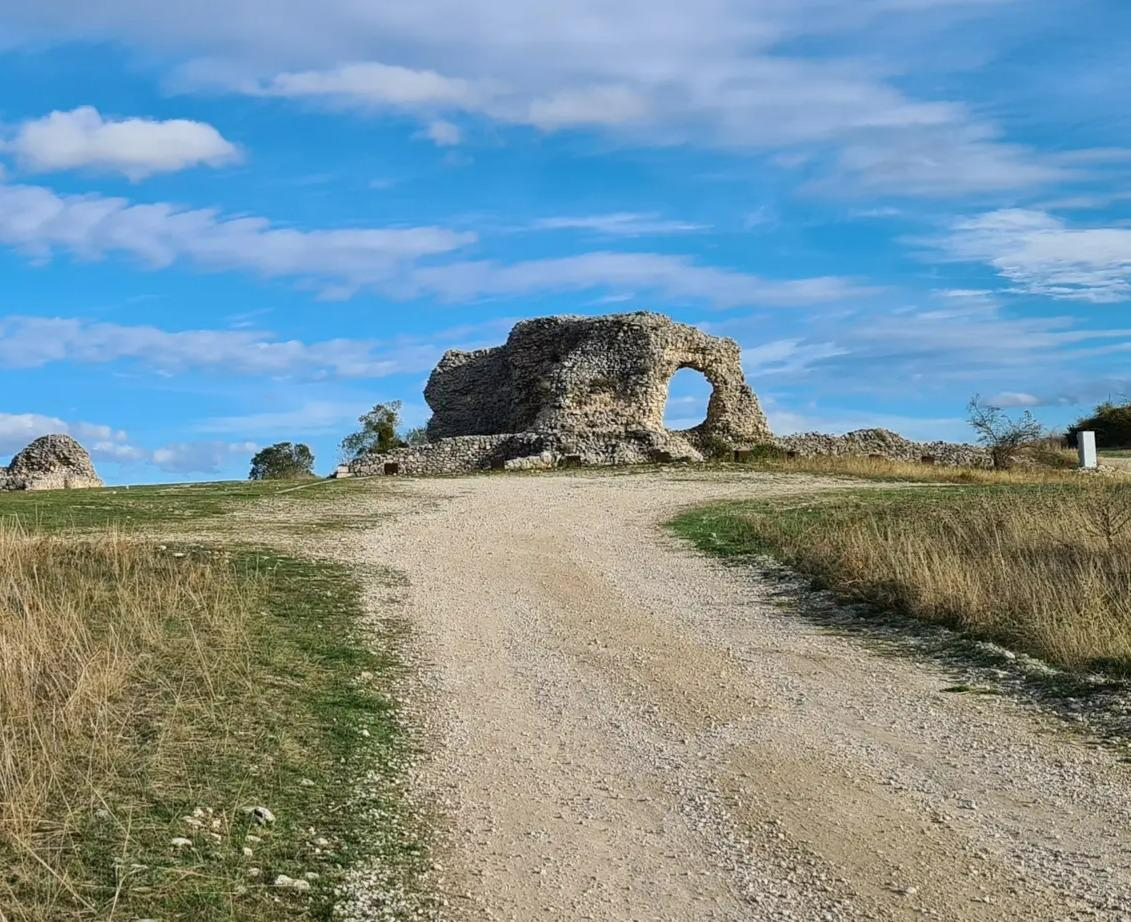
Tratturo Magno – On the roads of transhumance
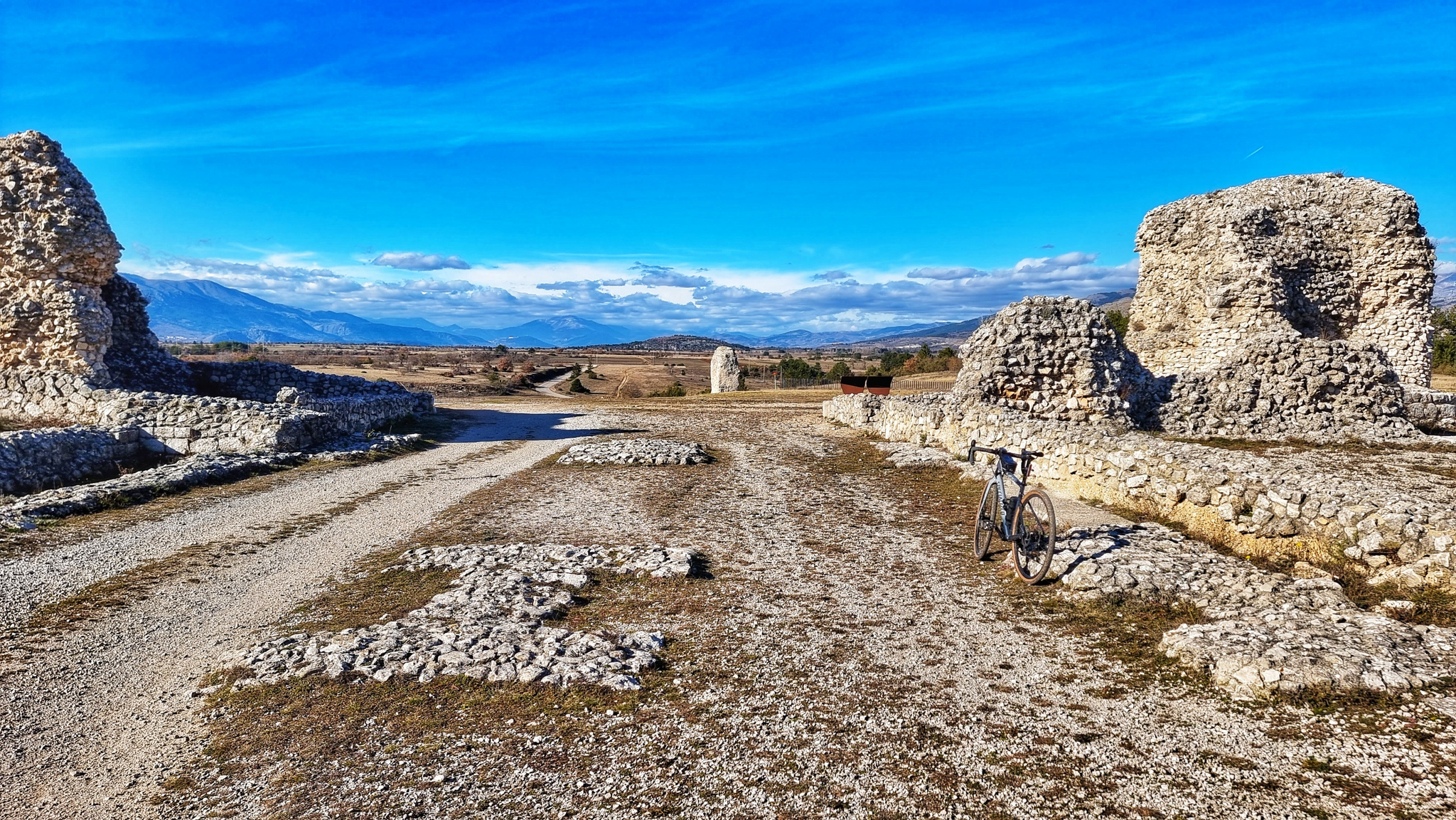
The Tratturo Magno – From the Apennines to the TavoIiere, 300 kilometers
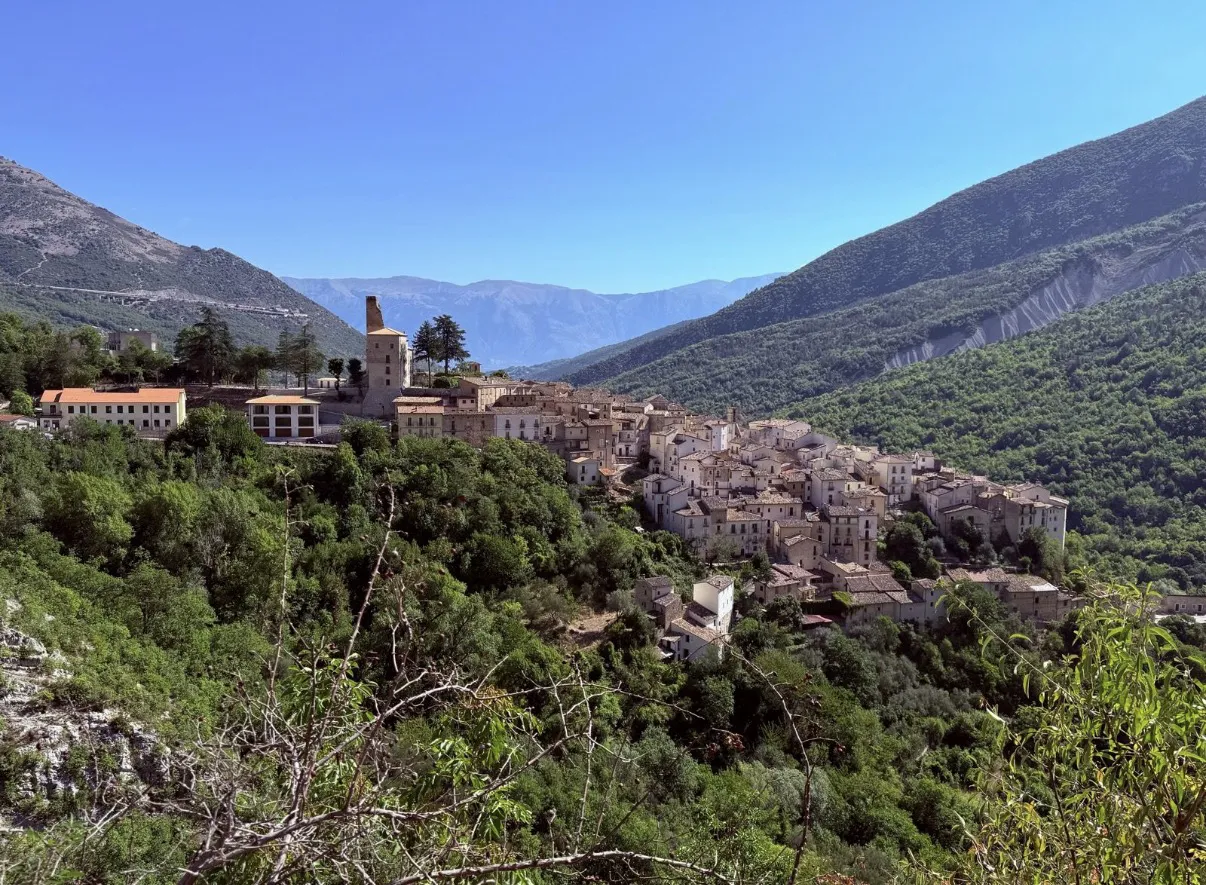
Cycling in Abruzzo – among villages, history and nature
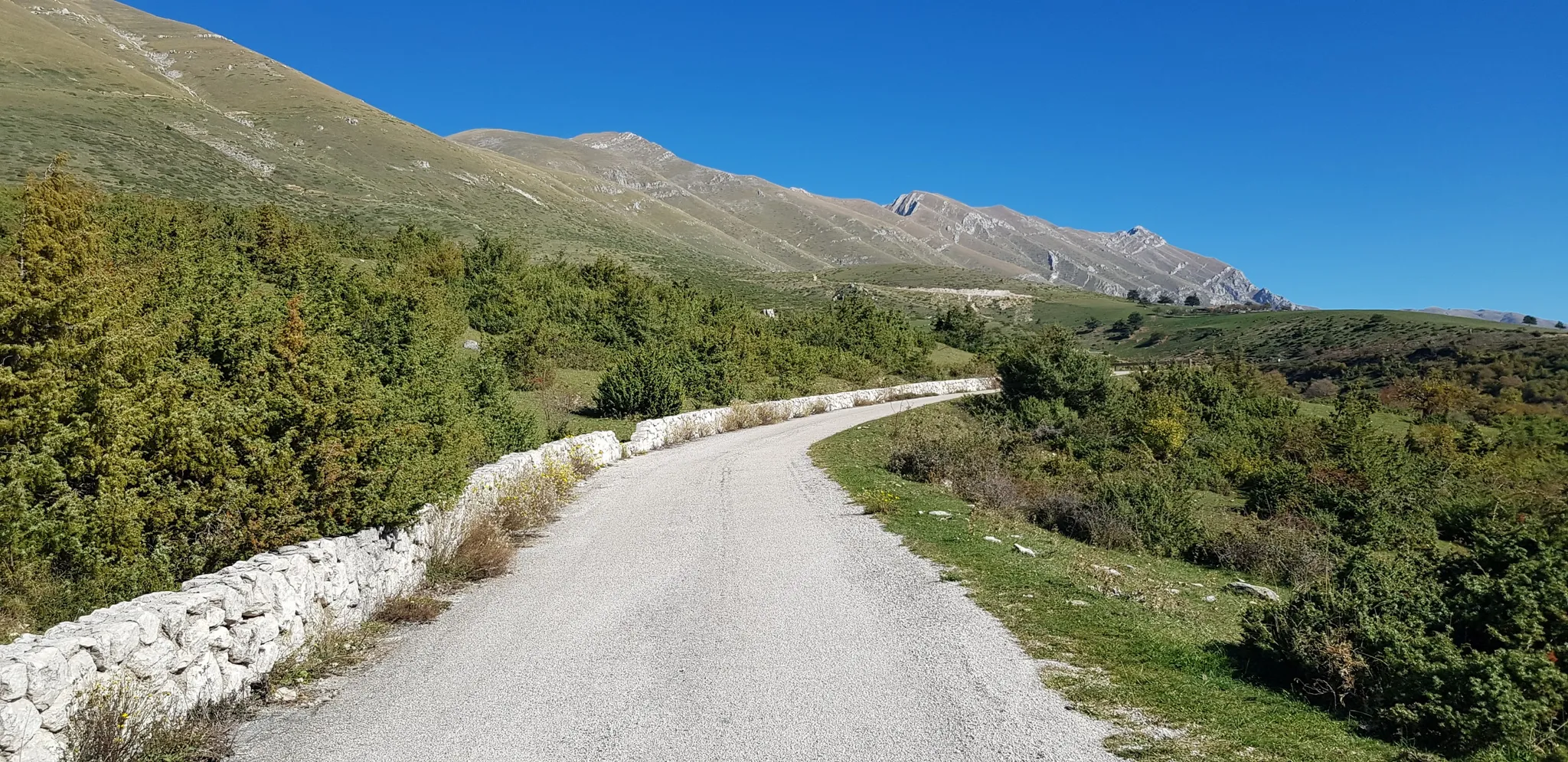
The Apennine Cycleway (Part 2) - From Umbria to Calabria
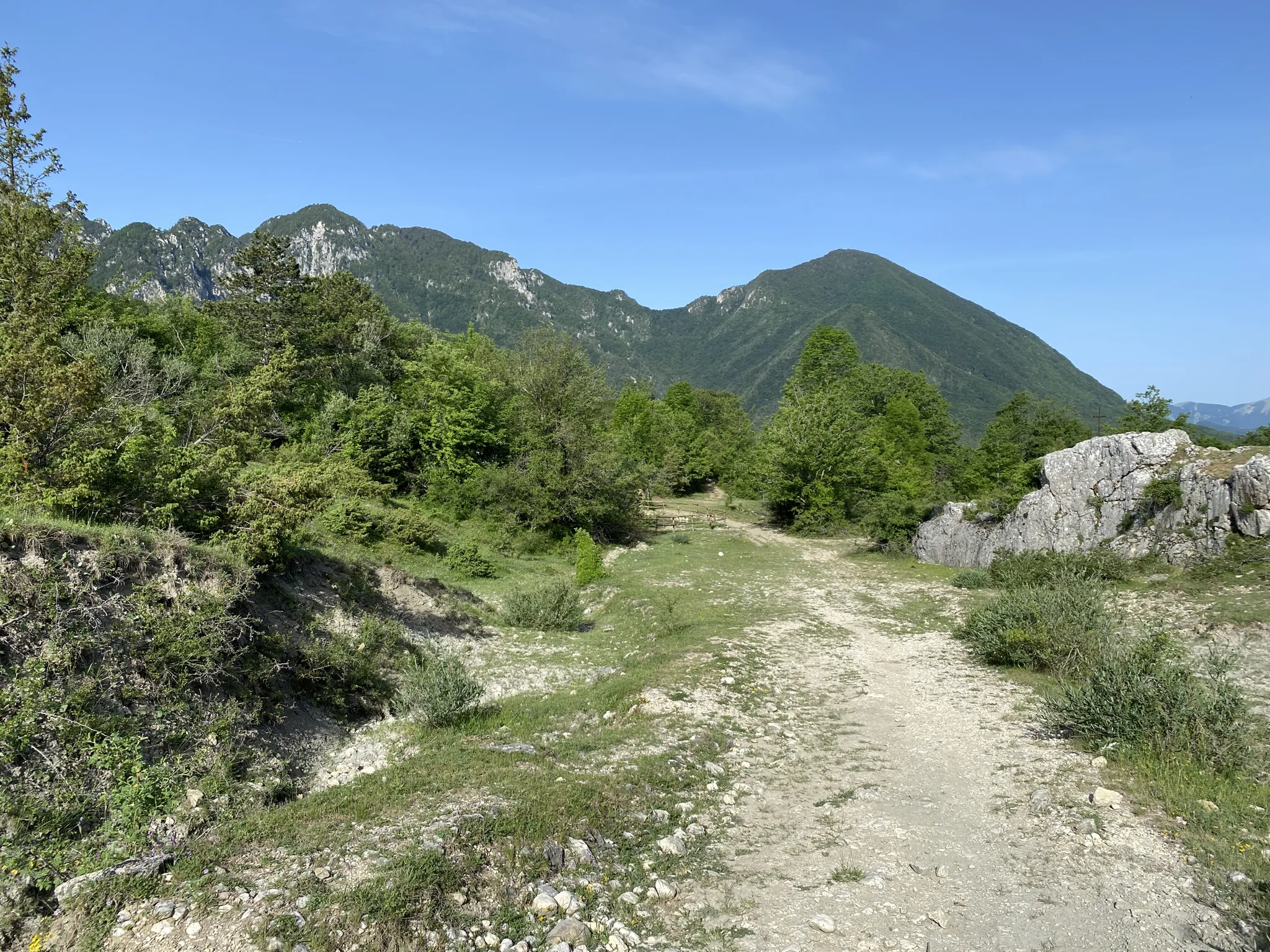
Hike along shepherds tracks in Italy – Via del Tratturo
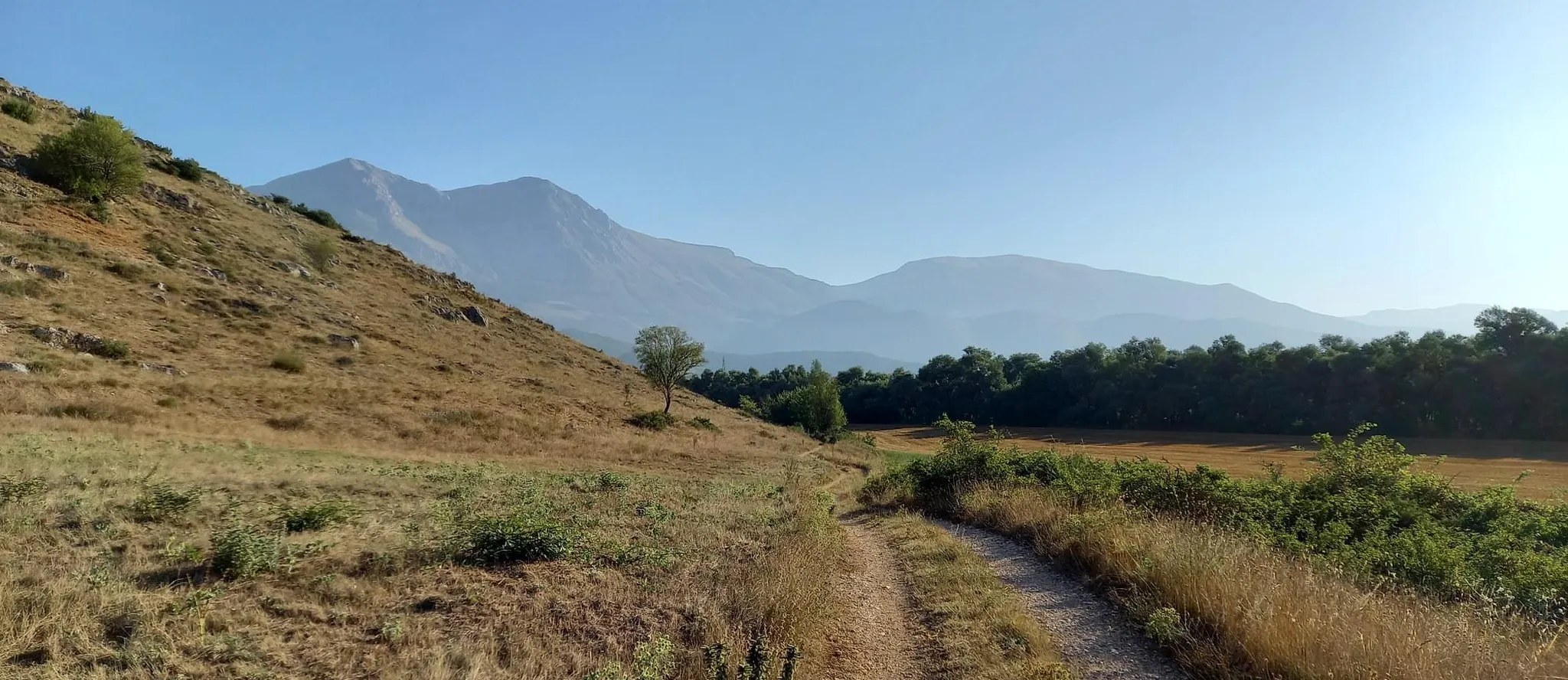
Hike from Rome to the Adriatic Sea – Way of St. Thomas
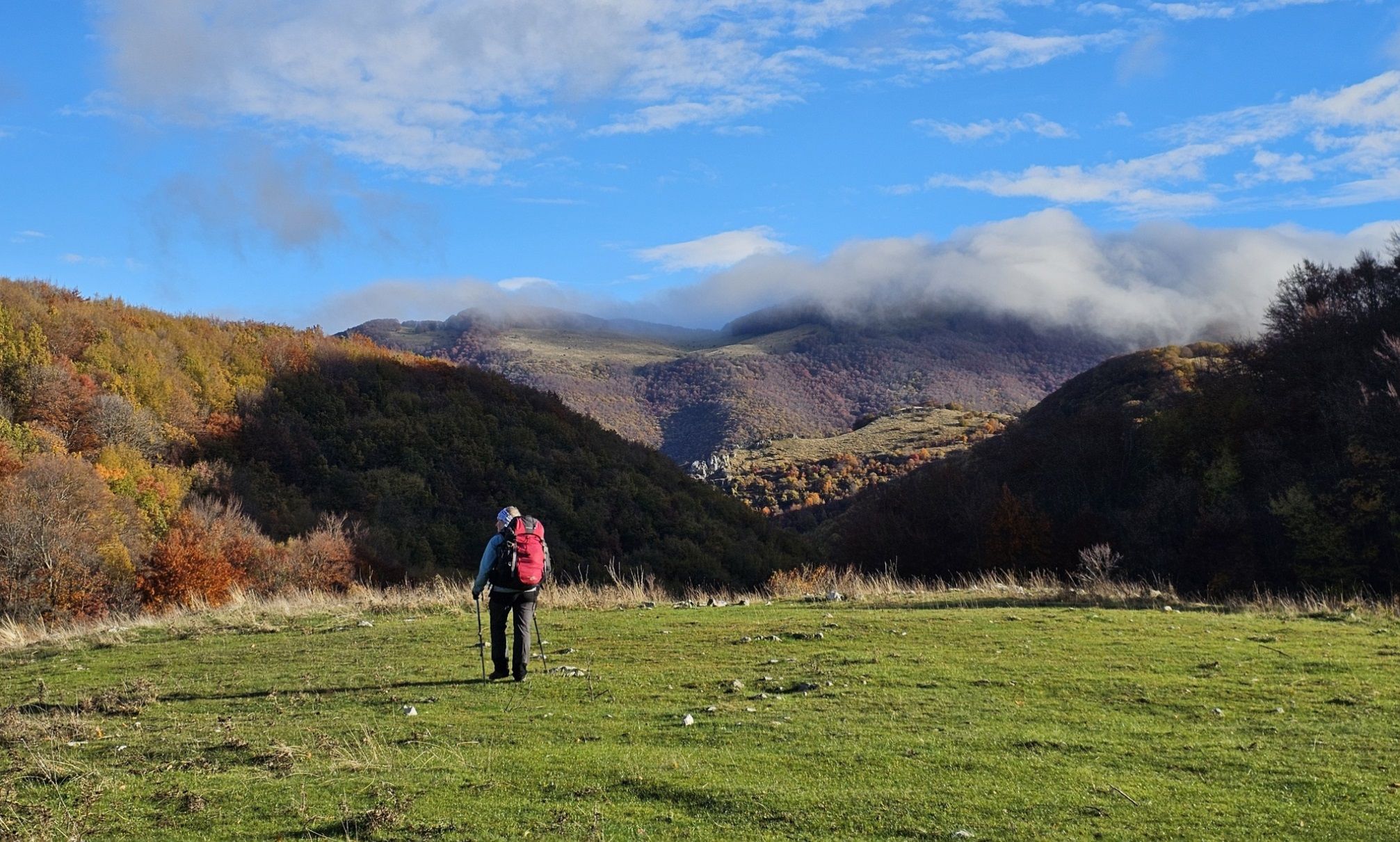
A colourful journey – hike in the Simbruini Mountains
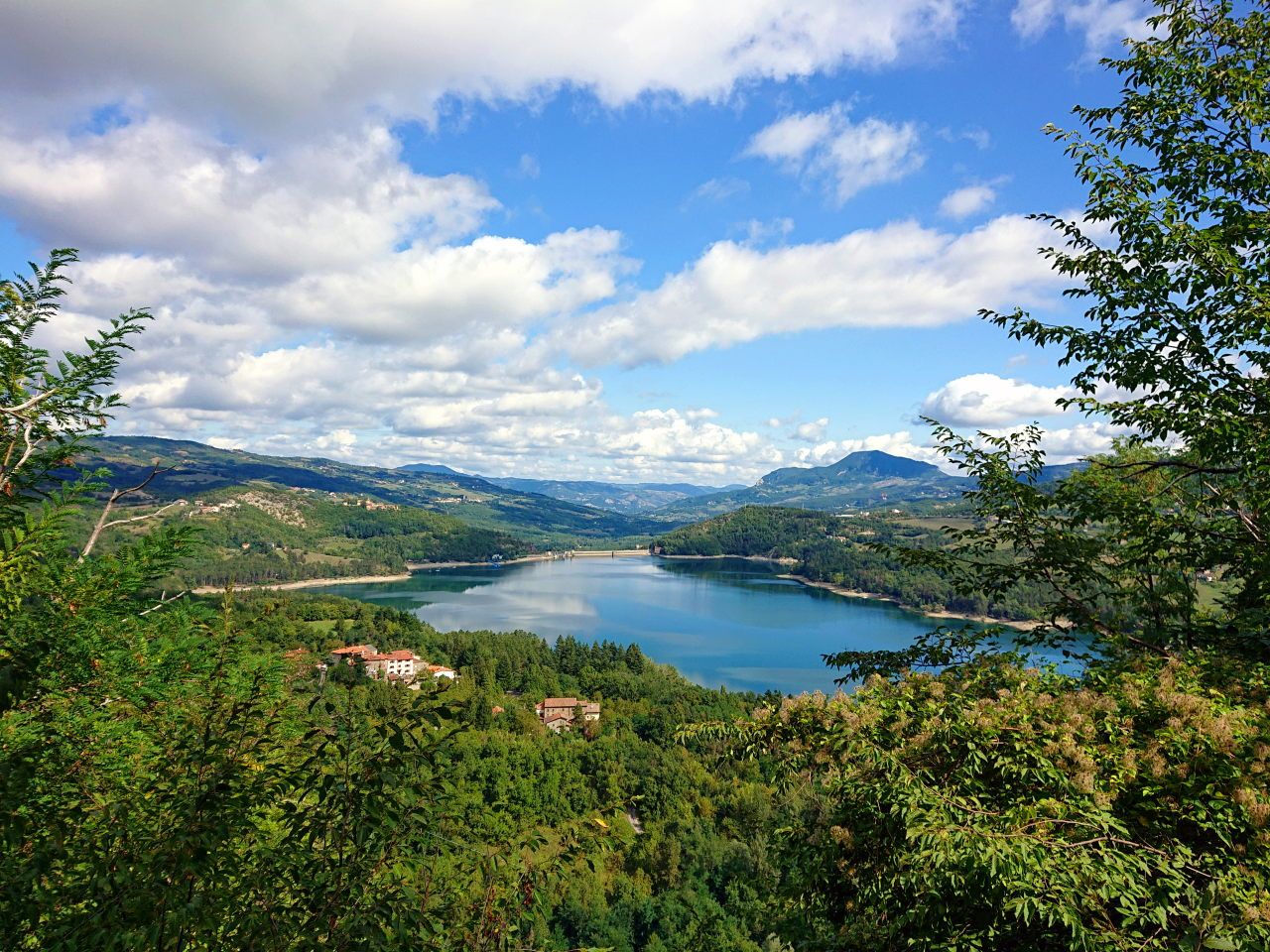
Interiora - A Journey into the Remote Areas of Italy
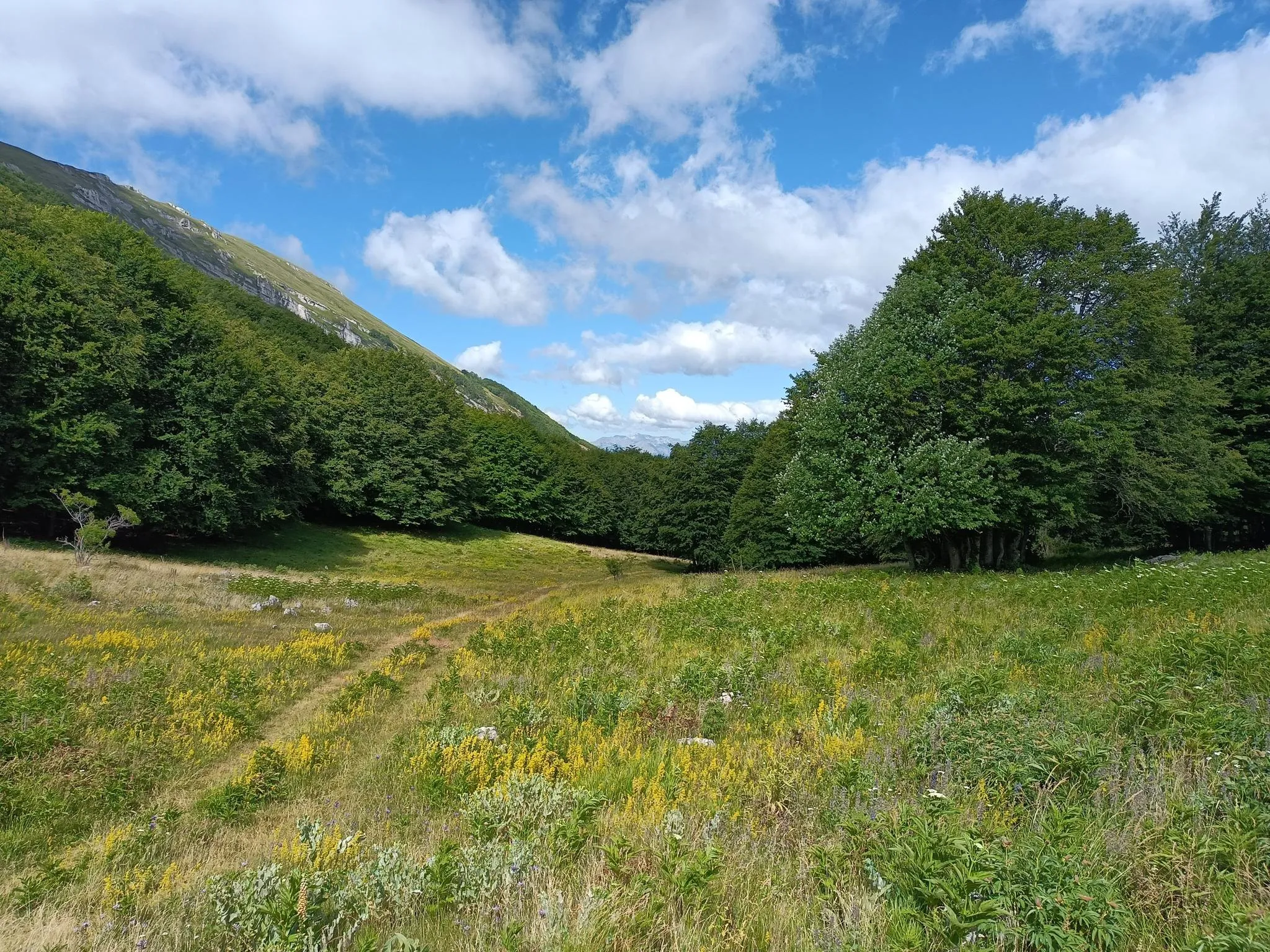
Natural Park Walk – part 4 from Accumoli to L'Aquila
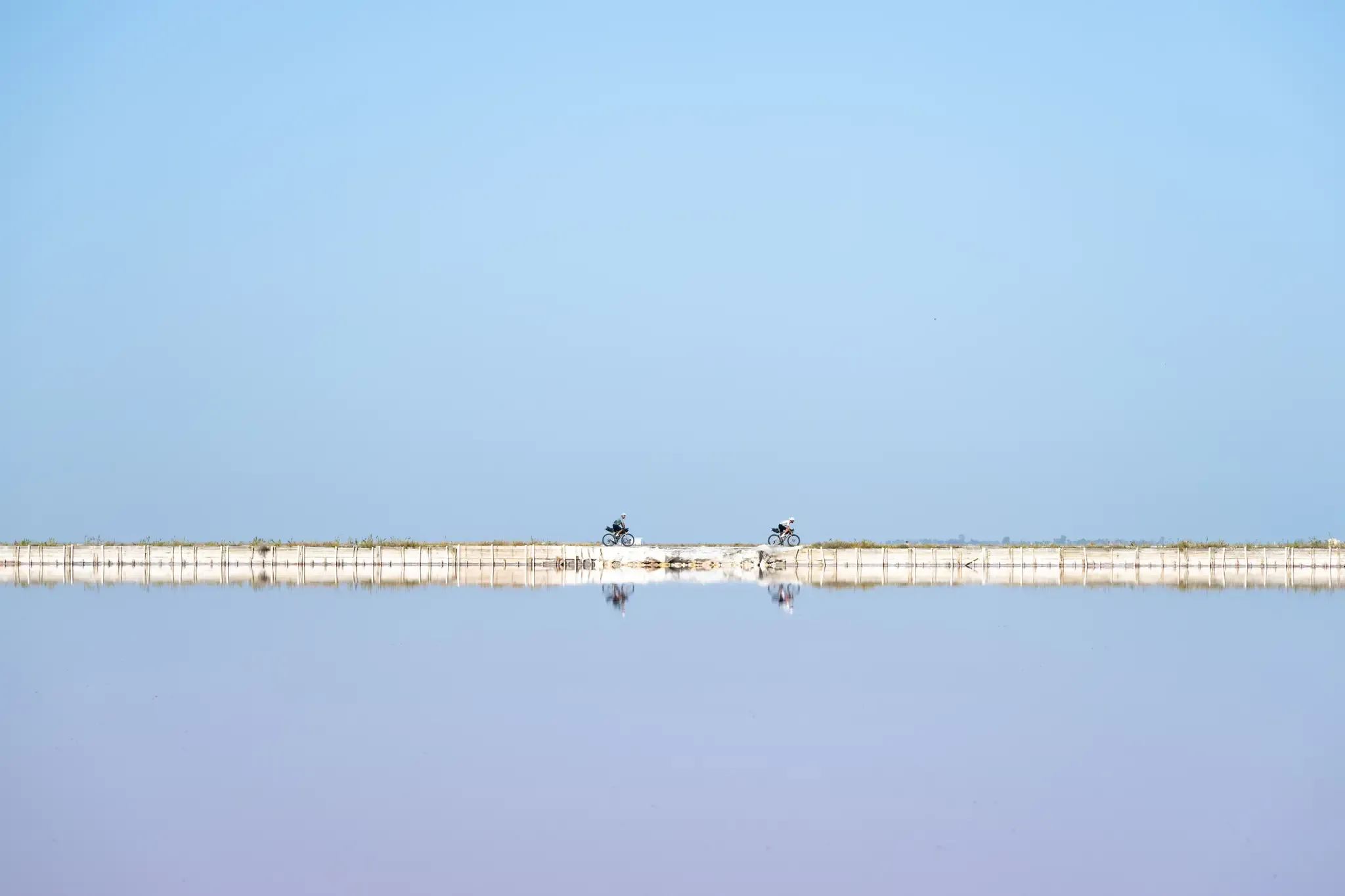
Trieste to Santa Maria di Leuca – the Adriatic Cycle Route
Other adventures in Abruzzo


Tips from the Community

Riserva Naturale Punta dell'Acquabella: a wild coastal paradise 🌿🌊 One of the absolute ecological pearls along this route is the Riserva Naturale Punta dell'Acquabella. While many coastal towns are busy and touristy, here you'll discover a hidden oasis where rugged cliffs, fragrant pine forests, and an azure sea come together perfectly. Why you should definitely stop here: 💧 Crystal clear water The name Acquabella – “beautiful water” – says it all. The sheltered bay boasts remarkably clear seawater that invites a refreshing dip. 🎨 Art along the route The reserve lies right next to the Galleria Aurelia. Just before you dive into the tunnel, you'll cycle past impressive murals by street artist Millo, a tribute to the local war resistance. 🏚️ An abandoned fishing village in the green Hidden behind the pebble beach lie the ruins of Borgo dell’Acquabella. This small fishing hamlet was abandoned in the '70s and has since been slowly reclaimed by nature. 🚴 A place made for cyclists By car, this hidden bay is barely accessible due to the narrow and steep access roads. By bike, you reach the reserve via the Via Verde and roll almost effortlessly to this unique coastal spot. A short stop that feels like a discovery: wild nature, sea views, and a piece of hidden history in one place.
5
0
The Funivia del Gran Sasso d'Italia (the cable car to Campo Imperatore) was originally opened in 1934 and was recently reopened on June 15, 2026, after a period of significant maintenance. The cable car connects the valley station in Fonte Cerreto (Assergi, at 1,117 meters) with the Campo Imperatore plateau (at 2,130 meters). The cable car to Campo Imperatore has a rich history. The first installation was built in 1934 during the reign of Benito Mussolini and was considered a technical masterpiece and one of the longest cable cars in the world at the time. It also played a role in the spectacular liberation of Mussolini during World War II. The original cabins remained in use until 1985. After a complete modernization, the current cable car was put into operation in 1988. With two cabins for 100 passengers each, it covers a distance of over 3 kilometers and an altitude difference of 1,013 meters in just seven minutes. Following extensive safety works, including the replacement of the support cables, the cable car has been fully operational again since June 2026. Opening hours: During the summer season (until the end of August 2026), the cable car to Campo Imperatore is open daily from 07:30 to 19:30. The cabins depart every 30 minutes. Please note that in case of strong winds or other extreme weather conditions, the cable car may be temporarily taken out of service to ensure the safety of travelers.
6
1
Campo Imperatore is one of Italy's most impressive natural areas. This vast, treeless high plain at an altitude of approximately 2,000 meters is not called 'Little Tibet' for nothing. Surrounded by the rugged peaks of the Gran Sasso massif, it offers a spectacular setting for hikers of all levels. From relaxed walks across the rolling plateau between grazing sheep and horses to challenging climbs of Monte Aquila, the Rifugio Duca degli Abruzzi, or even Corno Grande (2,912 m), the highest peak in the Apennines. Thanks to accessibility by car or cable car, you can start your hike right in the middle of the high mountains, with breathtaking panoramas along the way and a landscape that has served as a backdrop for countless films.
7
1

Most evocative area in the Orfento Valley. After rain, the trail can be quite muddy and treacherous, given the presence of rocks it is easy to fall and get hurt, it is better to go a few days after it has rained.
2
0

A full immersion in the wild Vesola Valley. The trail ascends through centuries-old beech trees, yew trees, and holly, offering spectacular views of the San Giovanni Waterfall, one of the highest in the Maiella. Keep your eyes peeled: squirrels leap among the branches, and near the water you might spot the rare spectacled salamander or the small carnivorous plant, the Pinguicola. The grand finale? The view from the Civita Plain, where your gaze sweeps from the woods to the Adriatic Sea. ⚠️ Technical note: Short steep sections uphill and downhill require a minimum of caution.
0
0

It was one of the most beautiful bike routes we've ridden in recent months. If you're in the area or just passing through, you absolutely should do this tour; it's unforgettable.
2
0

It will be my next destination
2
0

The Normal Route is a fairly simple route, except for the last 400 meters, the gully and the ridge, which, being EEA grade (expert equipped hikers), require considerable physical strength and technique. Mountaineering boots are also required, and a helmet is recommended. Since the ridge is also quite technical, it is absolutely not suitable for those with a fear of heights, the elderly, children, or anyone without mountaineering experience.
3
0
Frequently Asked Questions
What unique natural features can I explore in Abruzzo?
Abruzzo offers a diverse range of natural features. You can discover towering mountain summits like Corno Grande Western Summit, the highest peak in the Apennines, or explore deep gorges such as the Gorges of Fara San Martino and the magical Orfento Valley. The region also boasts unique coastal features like the Trabocchi along the Adriatic coast and the Punta dell'Acquabella Nature Reserve.
Are there family-friendly natural monuments in Abruzzo?
Yes, several natural monuments in Abruzzo are suitable for families. The Punta dell'Acquabella Nature Reserve offers beaches and trails, while the Gorges of Fara San Martino have trails that are generally considered family-friendly. The San Giovanni Waterfall also has paths suitable for everyone, though some viewpoints require more effort.
What kind of outdoor activities can I do near Abruzzo's natural monuments?
Abruzzo is a paradise for outdoor enthusiasts. You can enjoy various activities such as hiking, mountaineering, and cycling. For waterfall hikes, explore routes like the Camosciara and Nymphs' Waterfall Trail. Mountain hikes include challenging ascents to Corno Grande or Pizzo Cefalone. Cycling options range from the extensive Adriatic Cycle Route to tours around Lake Campotosto. Find more details on specific routes in the Waterfall hikes in Abruzzo, Mountain Hikes in Abruzzo, and Cycling in Abruzzo guides.
When is the best time to visit Abruzzo's natural monuments?
The best time to visit Abruzzo's natural monuments largely depends on the activity. For hiking in the high mountains like Gran Sasso, the warmer months from late spring to early autumn (June to September) are ideal. For coastal areas like Costa dei Trabocchi, summer offers pleasant weather for beaches and cycling. Winter provides opportunities for skiing in areas like Gran Sasso and Majella National Parks.
Can I spot wildlife in Abruzzo's national parks?
Yes, Abruzzo's national parks are renowned for their rich biodiversity and offer excellent opportunities for wildlife spotting. The Abruzzo, Lazio and Molise National Park is a crucial sanctuary for species like the Marsican brown bear, Apennine chamois, and golden eagle. Areas like Camosciara and Val di Rose are particularly known for chamois populations. The Majella National Park also hosts a variety of flora and fauna in its rugged wilderness.
What are the difficulty levels of hiking trails in Abruzzo's natural parks?
Hiking trails in Abruzzo's natural parks vary significantly in difficulty. You can find easy paths suitable for families, moderate trails like the San Giovanni Waterfall loop, and challenging climbs. For instance, reaching the Corno Grande Western Summit is a challenging climb on a steep path, while Monte Aquila Summit offers fantastic views with less mountaineering difficulty. Always check specific trail descriptions for details on terrain and required experience.
Are there any historical sites integrated with Abruzzo's natural monuments?
Yes, Abruzzo beautifully blends natural beauty with historical significance. Rocca Calascio Castle is a prime example, a medieval fortress situated at 1,460 meters above sea level within the Gran Sasso and Monti della Laga National Park, offering expansive views. The Majella National Park also features ancient hermitic settlements carved into the rock, providing a unique historical and natural experience.
Where can I find panoramic views of the Gran Sasso area?
The Gran Sasso area offers breathtaking panoramic views. Rocca Calascio Castle provides expansive vistas over the Gran Sasso and Monti della Laga National Park. For a high-altitude perspective, Monte Aquila Summit (2,494 meters) offers insights into the rocky Corno Grande and the Campo Imperatore plateau. Additionally, The Madonnina (Gran Sasso) is another popular viewpoint.
Are permits required for hiking in Abruzzo's national parks?
For some specific trails within Abruzzo's national parks, particularly in sensitive areas or for guided excursions, permits or prior registration might be required. For example, access to certain routes in the Orfento Valley requires free online registration at the Caramanico Terme Visitor Center. It's always advisable to check with the respective park authorities or visitor centers before embarking on a hike, especially for longer or more challenging routes.
What makes the Abruzzo, Lazio and Molise National Park special?
The Abruzzo, Lazio and Molise National Park is one of Italy's oldest national parks, established in 1923, and is celebrated for its exceptional conservation efforts. It's a vital sanctuary for endangered species like the Marsican brown bear and Apennine chamois. The park features diverse landscapes, including UNESCO World Heritage ancient beech forests, and offers evocative itineraries in areas like Camosciara, known for its dolomite landscapes, and the ancient Difesa forest near Pescasseroli.
Are there any natural monuments with unique geological formations?
Yes, Abruzzo is home to several natural monuments with unique geological formations. The Camosciara area within the Abruzzo, Lazio and Molise National Park is notable for its distinctive dolomite landscapes, reminiscent of the Alps. The Majella National Park is also recognized for its significant geological and paleontological interest, featuring rugged massifs, deep canyons, and vast plateaus.
What are the unique coastal natural monuments in Abruzzo?
The Costa dei Trabocchi, stretching along the Adriatic coast of Chieti province, offers a unique coastal natural monument experience. Its most distinctive features are the 'trabocchi,' traditional wooden fishing platforms extending into the sea, many of which have been converted into charming restaurants. The coast also features beautiful towns, beaches, and the Punta dell'Acquabella Nature Reserve, providing a blend of natural beauty and cultural heritage.
Most popular routes in Abruzzo
Most popular attractions in Abruzzo

Get inspired with the komoot mobile app


Didn’t find what you were looking for?
Find even more amazing natural monuments in Abruzzo by checking out the top Highlights region by region:
Explore more
Extend your search for the best caves by checking out these guides of the top ones in Abruzzo:
