Top 20 Castles in Danube-Ries
Castles in Danube-Ries, located in Bavaria, Germany, offer a journey through centuries of history and diverse architectural styles. This district is characterized by its scenic landscapes and the historical significance of its settlements. Visitors can explore a variety of fortifications, from well-preserved medieval structures to Renaissance palaces and ancient ruins. The region provides a unique blend of cultural heritage and natural beauty, making it a notable destination for historical exploration.
Best castles in Danube-Ries
- The most popular castles is Ruins of Niederhaus Castle, a castle that stands on a narrow rocky ridge above the Kartäusertal. Pallas, keep, and parts of the outer wall are still well preserved, offering a glimpse into its 12th-century origins.
- Another must-see spot is Hochhaus Castle Ruins, a castle. This remnant of a high medieval hilltop castle, built around 1200 AD, invites visitors to discover the former size of the complex in its wooded height.
- Visitors also love Steinhart Castle Ruins, a castle ruin of a hilltop castle at 510 m above sea level. Significant remnants of the enclosing walls with hump ashlars and notched edges at the corners are still preserved.
- Danube-Ries is known for medieval castles, Renaissance palaces, and historic castle ruins. The region offers a variety of architectural styles and historical periods to explore.
- The castles in Danube-Ries are appreciated by the komoot community, with more than 800 upvotes and over 200 photos shared across the various highlights.
Last updated: September 26, 2026
Leitheim Castle
Highlight • Castle
Translated by Google •
Tip by

Harburg Castle
Highlight • Castle
Translated by Google •
Tip by

Sign up now to discover places like this
Get recommendations on the best single tracks, peaks, & plenty of other exciting outdoor places.
View of Harburg Castle
Highlight • Viewpoint
Translated by Google •
Tip by

Ruins of Niederhaus Castle
Highlight • Castle
The ruin of the former Stauferburg Niederhaus towers far visible on a narrow rocky ridge above the Kartäusertal.
The castle complex dates back to the Lords of Hürnheim in the 12th century.
Pallas, keep and parts of the outer wall are still well preserved. In 1634 the castle was partially destroyed by a Swedish equestrian force. Inside, a plaque commemorates Friedrich vo Hürnheim, who was beheaded in 1268 together with the last Hohenstaufen Konradin in Naples.
Info from: ferienland-donau-ries.de
Translated by Google •
Tip by

Oettingen Historic Old Town
Highlight • Historical Site
(In memory of my father who was born in Oettingen)
Translated by Google •
Tip by

Hochhaus Castle Ruins
Highlight • Castle
Translated by Google •
Tip by

Wallerstein Plague Column
Highlight • Monument
Translated by Google •
Tip by

Princely Residence Palace Oettingen
Highlight • Castle
The Residenzschloss is open from April to October, Tuesday to Sunday, between 2 PM and 3 PM. A visit is only possible as part of a guided tour, and combined tours with the castle museum can also be booked.
Showing Translation
Tip by

Steinhart Castle Ruins
Highlight • Castle
de.wikipedia.org/wiki/Burg_Steinhart
Translated by Google •
Tip by

Residential Palace
Highlight • Castle
Translated by Google •
Tip by

Sign up for free to discover even more castles in Danube-Ries.
Already have an account?
Start today with a free account
Your next adventure awaits.
Popular around Danube-Ries
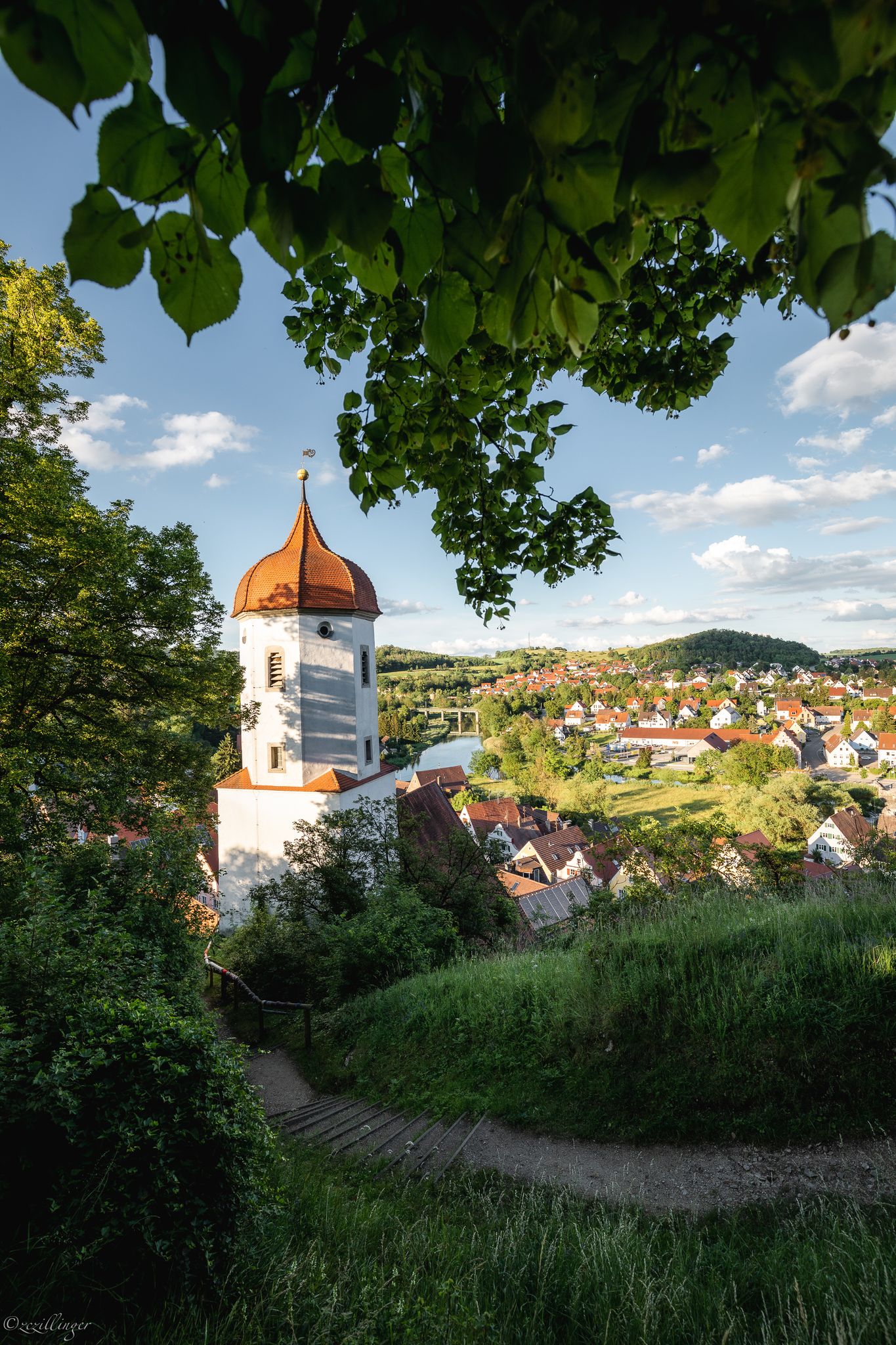
Augsburger Jakobsweg – Through Bavarian-Swabia
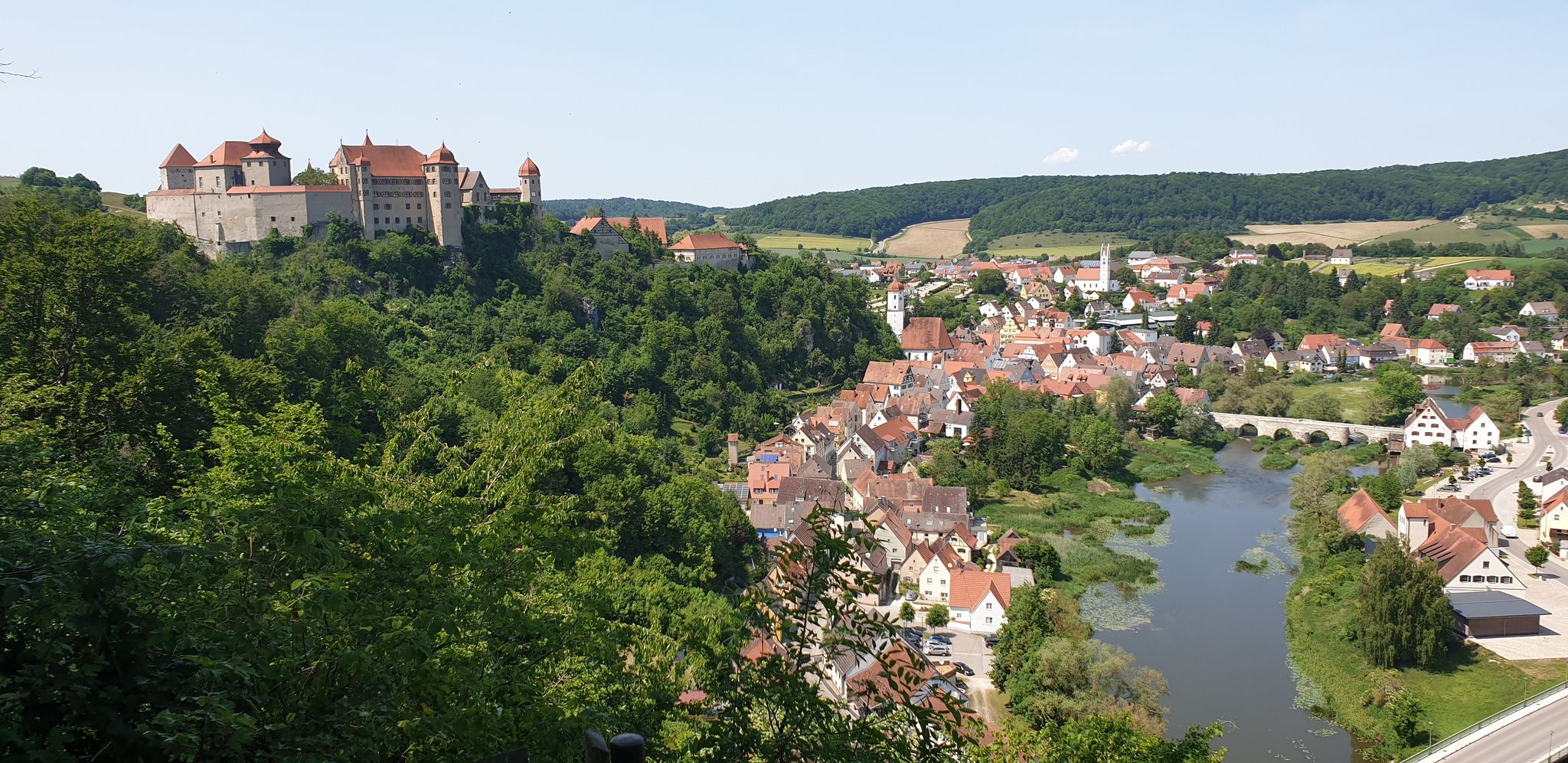
The Romantic Road – To the Pearls of Southern Germany

Gravel bikepacking from Hamburg to Munich
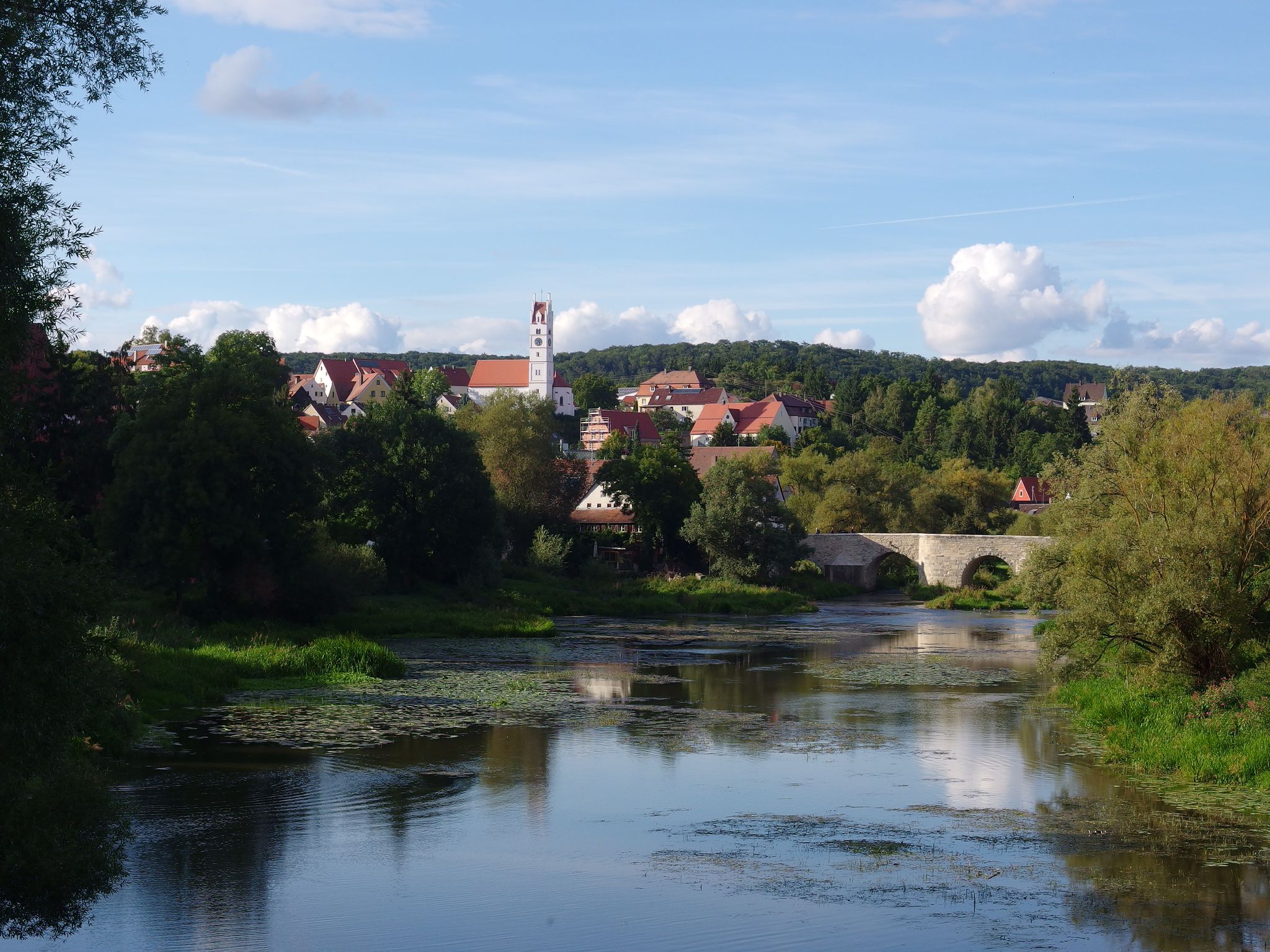
The Romantic Road – 10 fabulous stages
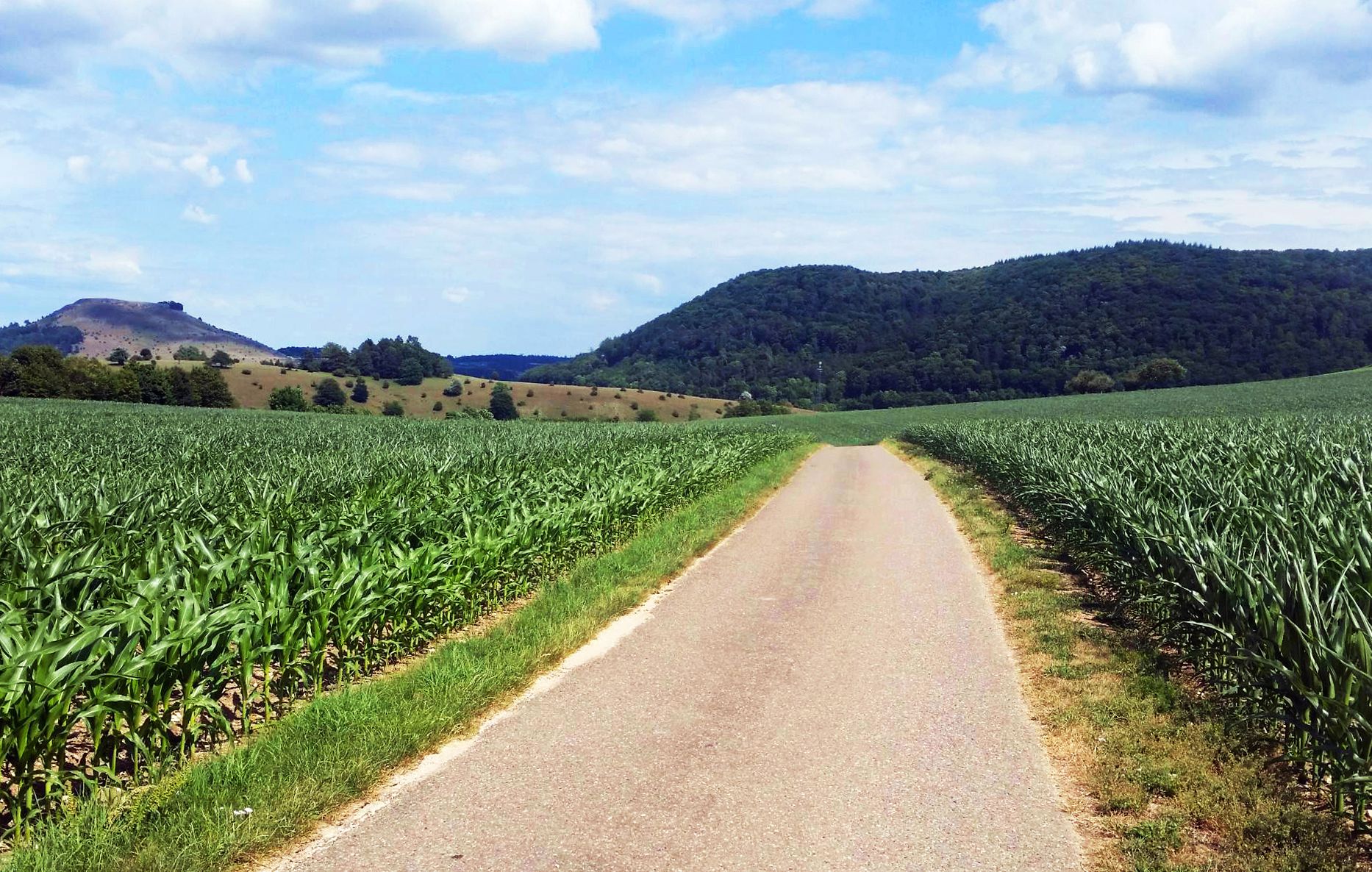
From Crater to Crater — 4 stages in the Geopark Ries and across the Swabian Alb
The Danube Cycle Path – From Donaueschingen to Budapest
Golden trails – autumn hiking in Altmühltal
Cycle back in time in the Donau-Ries region
Hiking through Bavaria's cultural landscapes
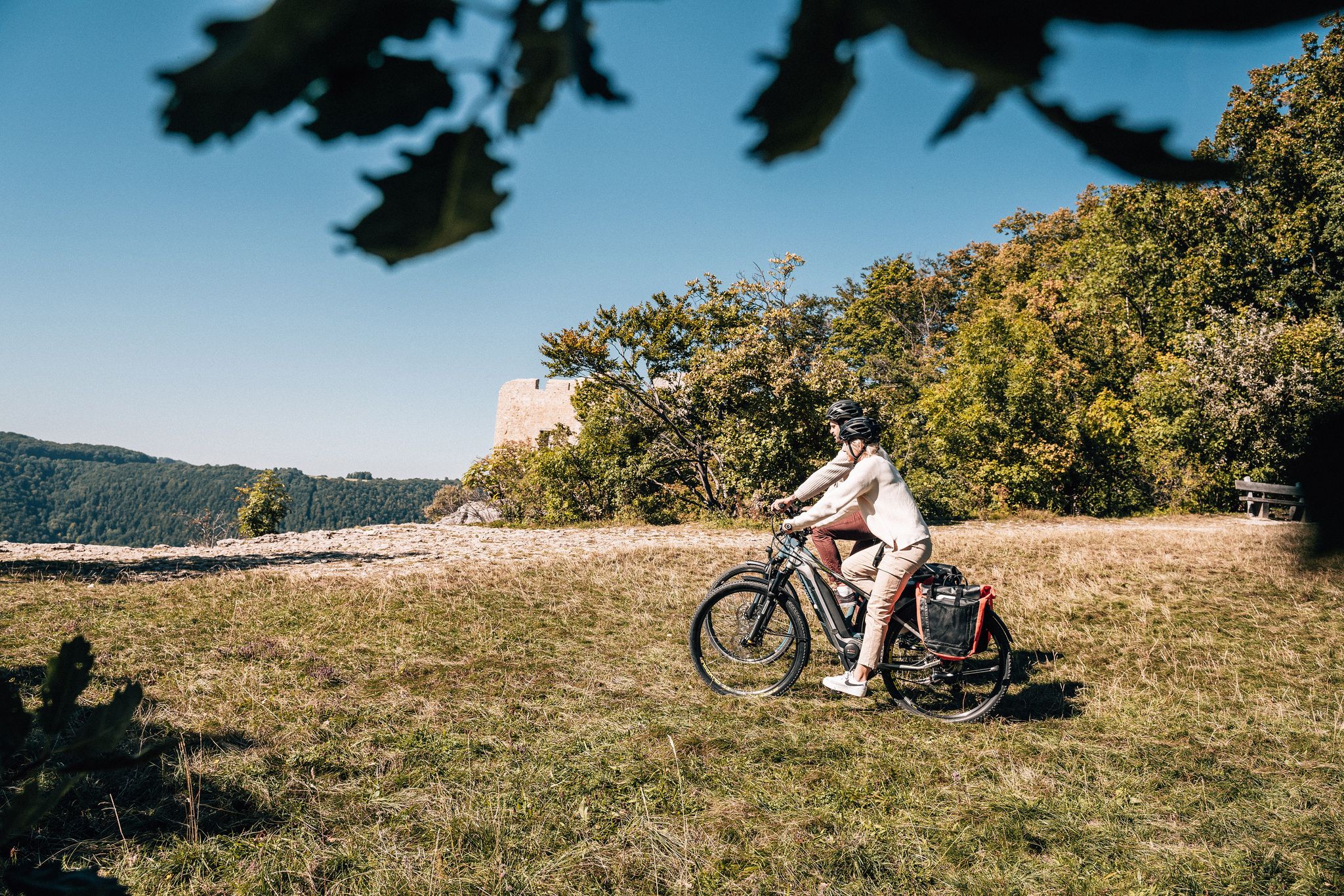
Breathe in the mountain air – long-distance cycle paths in the Swabian Alb
Other adventures in Danube-Ries


Tips from the Community

The Residenzschloss was built between 1679 and 1687 by master builder Mathias Weiß. Although the facade was created during the High Baroque period, it contains elements of the Italian Renaissance.
1
0
The historic old town of Oettingen in Bavaria captivates with its baroque and Renaissance buildings, the market square with half-timbered houses, and its landmark, the Königsturm.
1
0

Very beautiful facility that invites you to hike, discover and linger. Your physical well-being is also taken care of, as there are many opportunities nearby for dining and lingering.
0
0

The ruins now have great information boards on which you can find the history of the castle and its builders as well as all kinds of information on the subject of castles. Highly recommended and brand new! Great photorealistic representations of the castle in its original state!
5
0

Impressive castle with a beautiful view of the Danube.
6
0
A great little village with a very steep local road that leads to an old stone bridge.
7
1
The Harburg Castle above the Wörnitz is great.
5
0

The Harburg is one of the oldest, largest and best-preserved castles in Germany. That alone makes it worth a hike.
5
0
Frequently Asked Questions
What are some of the most historically significant castles in Danube-Ries?
The Danube-Ries district is rich in history. Harburg Castle stands out as one of Germany's largest and best-preserved medieval castles, with parts dating back to the 10th and 11th centuries. Ruins of Niederhaus Castle also has deep historical roots, being one of the three family castles of the old noble family of Hürnheim from the 12th century. Additionally, Hochhaus Castle Ruins, built around 1200 AD, offers a glimpse into a high medieval hilltop castle.
Are there any castles in Danube-Ries that showcase unique architectural styles?
Yes, the region features diverse architectural styles. Harburg Castle, for instance, displays a fascinating blend of Romanesque, Gothic, Renaissance, and Baroque elements due to centuries of renovations. Schloss Höchstädt is a prime example of Late Renaissance architecture, built between 1589 and 1603, and features ornate ceiling paintings in its chapel.
Which castles offer museum exhibits or cultural insights?
Schloss Höchstädt is a prominent cultural hub, housing a permanent exhibition on the Battle of Blenheim ('Brennpunkt Europas 1704') and the Museum of German Faience, showcasing 17th and 18th-century ceramics. Harburg Castle also preserves notable collections of paintings, hunting weapons, and trophies within its historic interiors.
What kind of outdoor activities can I do near the castles in Danube-Ries?
The Danube-Ries region offers various outdoor activities. You can find excellent options for mountain hikes, with routes like the 'Dohlenfelsen – Rock Window loop from Wellheim'. For cyclists, there are gravel biking trails, such as the 'Grandiose views, enchanted places and adventurous descents - Graveling in the Naturpark Altmühltal', and road cycling routes, including the 'Donauwörth Old Town – Leitheim Castle loop from Donauwörth'.
Are there family-friendly castles to visit in the Danube-Ries district?
Many castles in Danube-Ries are suitable for families. While specific family activities vary, exploring the extensive complex of Harburg Castle with its towers and battlements can be an engaging experience for all ages. The Princely Residence Palace Oettingen and Oettingen Residence Palace are also categorized as family-friendly destinations.
Which castles offer scenic viewpoints or natural features?
Several castle ruins provide stunning views of the surrounding landscape. The Ruins of Niederhaus Castle, perched on a rocky ridge above the Kartäusertal, offers a beautiful vista. Similarly, Hochhaus Castle Ruins and Steinhart Castle Ruins are located in scenic, wooded heights, inviting discovery and offering picturesque views. Leitheim Castle also provides great views of the Danube Valley.
Can I find cafes or restaurants near the castles?
Yes, some castles offer amenities for visitors. Schloss Höchstädt has a castle café located in its inner courtyard, perfect for a break. Leitheim Castle, which also functions as an event location and hotel, offers opportunities to dine or enjoy refreshments in an elegant setting.
What is the best time of year to visit the castles in Danube-Ries?
The castles in Danube-Ries are generally enjoyable throughout the warmer months, from spring to autumn, when the weather is pleasant for exploring the outdoor grounds and surrounding areas. Summer offers longer daylight hours, while spring and autumn provide beautiful natural scenery. Some castles, like Harburg Castle, may offer guided tours that are less frequent in winter, so it's always best to check specific opening times.
Is there a castle that has been repurposed for modern use?
Yes, Schloss Reimlingen, a former fortified manor house, now serves as the local town hall. The ground floor houses the municipal administration, while the first floor features a 'cultural floor' for events. It also has a unique western vaulted cellar that functions as a wine cellar, hosting regular 'wine cellar evenings' and available for private functions.
What do visitors particularly enjoy about the castles in Danube-Ries?
Visitors appreciate the authentic and well-preserved medieval experience offered by castles like Harburg Castle, with its extensive complex and historic interiors. The scenic locations of many castle ruins, such as Ruins of Niederhaus Castle, are also highly valued for their historical significance and beautiful views. The komoot community has shown strong engagement, with over 800 upvotes and more than 200 photos shared across the various castle highlights.
Are there any castles that are less well-known but still worth visiting?
While Harburg Castle and Schloss Höchstädt are prominent, Schloss Reimlingen offers a unique perspective as a historic building with continuous practical use as a town hall. Its architectural evolution and role in the Battle of Nördlingen make it an interesting visit for those keen on local history. Additionally, the Wikipedia page for Schloss Reimlingen provides further historical context.
Most popular routes in Danube-Ries
Most popular attractions in Danube-Ries

Get inspired with the komoot mobile app


Didn’t find what you were looking for?
Explore Danube-Ries’s best castles region by region:
Explore more
Looking for the best castles somewhere else? Discover other guides in Danube-Ries:
