Top 20 Caves in Lichtenfels
Best caves in Lichtenfels offers a diverse range of subterranean experiences, from historical man-made passages to natural rock formations. The region features both accessible half-caves and more extensive natural cave systems. These underground sites provide insights into local history, geology, and natural landscapes. Visitors can explore a variety of unique underground environments in and around Lichtenfels.
Best caves in Lichtenfels
- The most popular cave is Hohler Stein rock formation, a natural monument that features a half-cave inviting exploration. This…
Last updated: August 25, 2026
Hohler Stein rock formation
Highlight • Natural Monument
Translated by Google •
Tip by

Querkeles Cave
Highlight • Cave
Translated by Google •
Tip by

Sign up now to discover places like this
Get recommendations on the best single tracks, peaks, & plenty of other exciting outdoor places.
Sign up for free
Bärental (Krassach Valley)
Highlight (Segment) • Gorge
Translated by Google •
Tip by

Countess's Cave
Highlight • Cave
Showing Translation
Tip by

Prehistoric Hunters' Rock Shelter
Highlight • Historical Site
Showing Translation
Tip by
Eselsloch Cave
Highlight • Cave
Translated by Google •
Tip by
Jakobshöhle Rock Formation
Highlight • Natural Monument
Translated by Google •
Tip by

Querkelesloch
Highlight • Cave
Translated by Google •
Tip by

Mariengrotto with bench
Highlight • Cave
Translated by Google •
Tip by

Fuchsloch Cave Entrance
Highlight • Cave
Translated by Google •
Tip by
Sign up for free to discover even more caves in Lichtenfels.
Sign up for free
Already have an account?
Start today with a free account
Your next adventure awaits.
Login or Signup
Popular around Lichtenfels
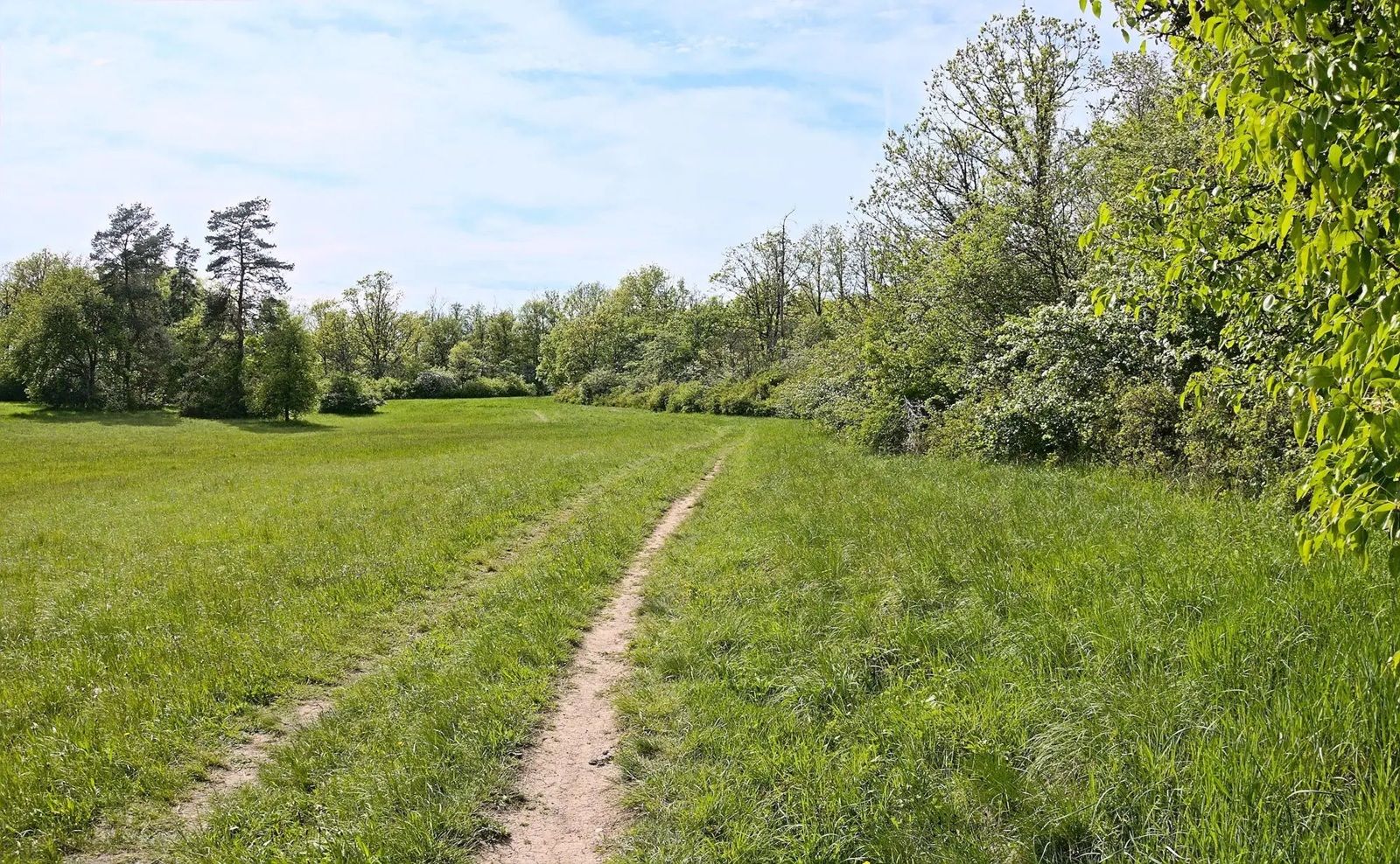
Gravel meets rail – gravel rides in the greater Nuremberg area

Bergmenschen – die 10. Staffel: Freundschaft, Bikes & Berge
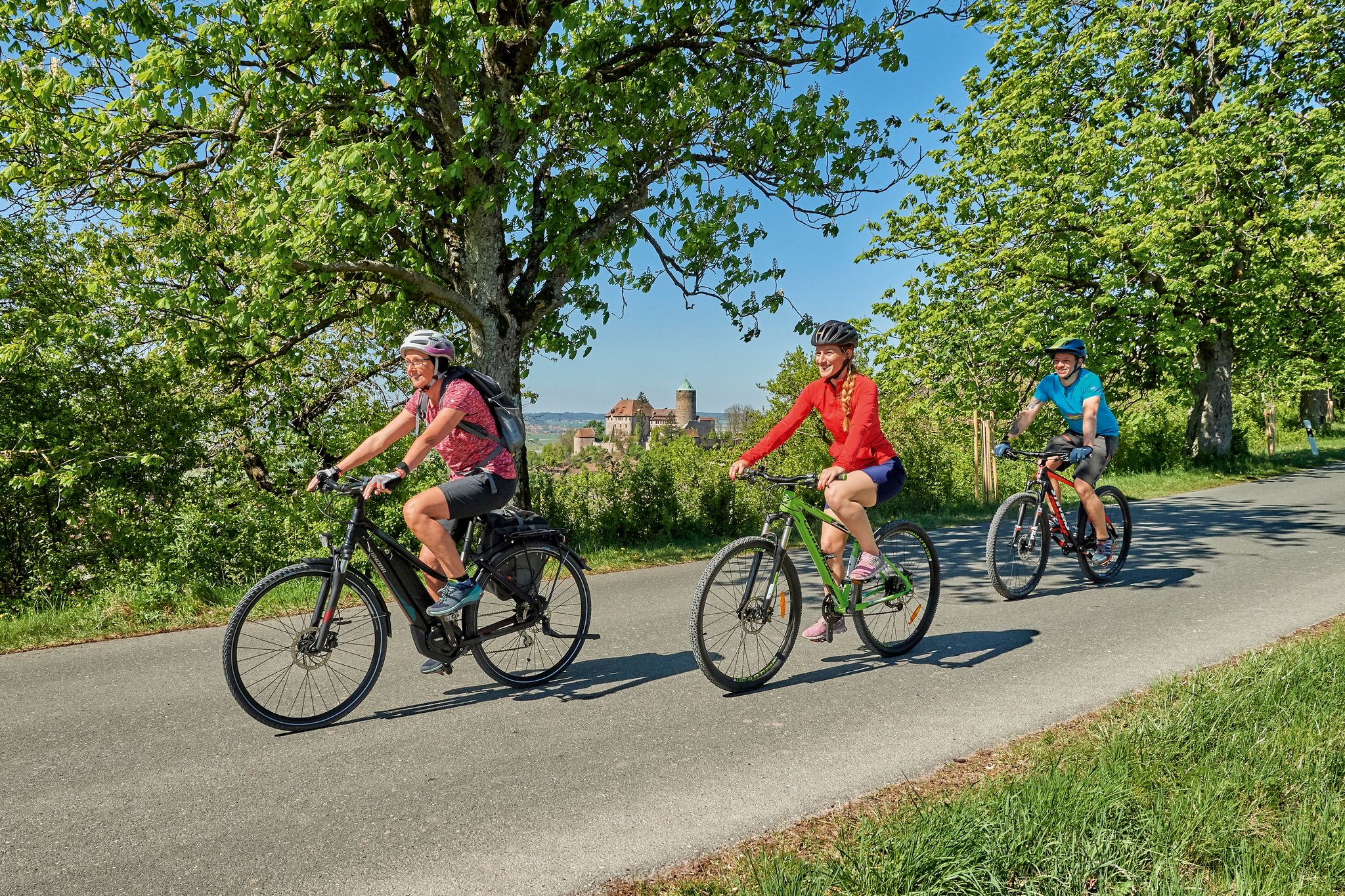
Sustainable cycling holidays — e-bike Tours through Franconia
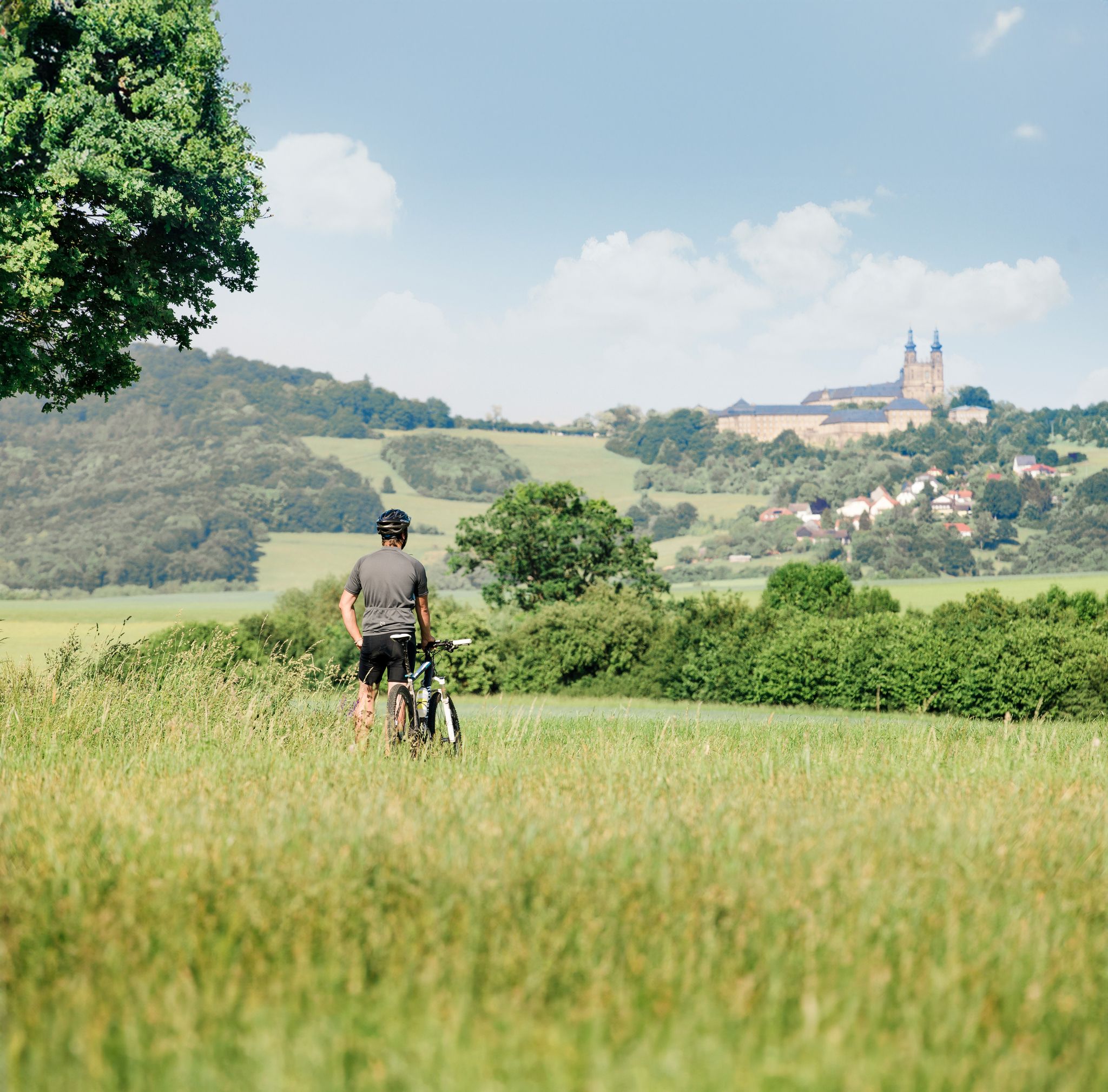
Panoramic cycling in the Obermain.Jura – discovering Franconia by bike
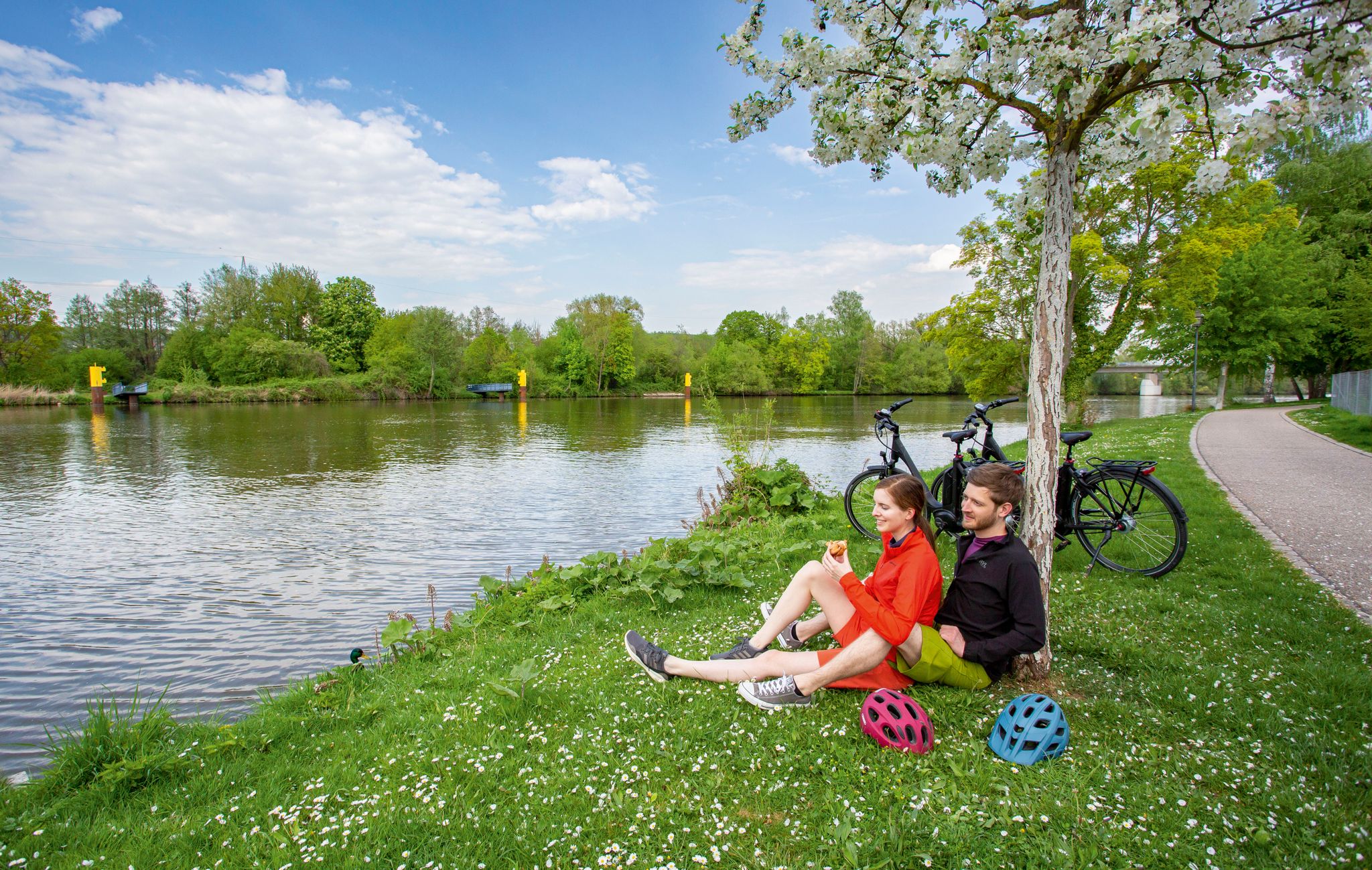
The Main Cycle Route - 12 days of river diversity
The Franconian Trail – A Diverse Hiking Dream Across 24 Stages
Wine, woods & walking trails — Best of VGN hiking tips
Our 10 favourite Tours through Upper Main’s Garden of Eden
From A(ugsburg) to B(rodowin) – Cycling across Germany
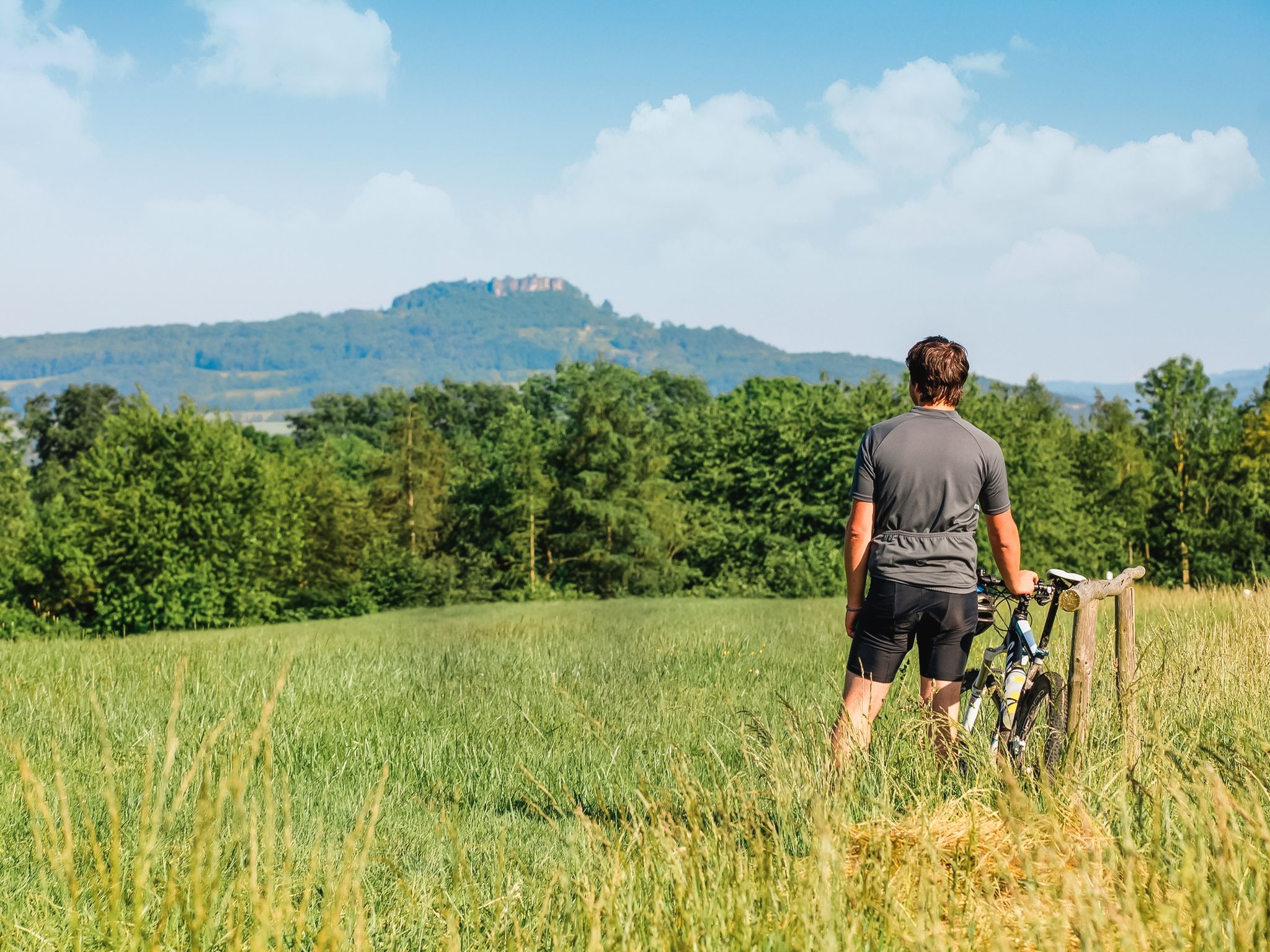
Panoramic cycling in the Upper Main•Jura
Other adventures in Lichtenfels


Tips from the Community

The "Schräge Wand" is one of the most significant archaeological sites in the region. First used by humans as a shelter, the "Schräge Wand" probably dates from an early phase of the Mesolithic period. From this period, traces of a windbreak made of fur or branches and a hearth could be detected at a depth of approximately 1.4 meters.
15
1
The cave is about ten meters above the path and is slightly hidden in the bushes. The short climb is unproblematic. The cave is about ten meters deep – a lamp is not necessary to look inside.
14
0

In addition to the Jacob's Cave, the rock formations also include the Franzenshöhle (Franzen's Cave). According to a story, two robbers named after them hid there in the 16th century. In fact, the caves were probably named after the lords of the Ebneth castle: Franz Paul Christoph (1750-1823) and Jakob Wolfgang (1751-1817) von Seckendorff-Arberdar.
1
1

Attentive cyclists will have seen a grotto—whether formed by natural forces or perhaps artificially created—decorated with a statue of the Virgin Mary on numerous occasions. Very often, it is a depiction of Mary, as in Saint Bernadette's description of the apparition in Lourdes (in the French Pyrenees). Here, however, we encounter a different statue, possibly made of olive wood and not painted. The differently colored cross that the Virgin Mary holds in one hand is striking. Perhaps it did not originally belong to this figure and was added later.
1
0

Nicely done with the information sign. Otherwise, you'd just walk right past...
2
1

The bench is located directly on the rock and not far from it is the grotto
2
0

The "Eselsloch" near Niesten is a small, picturesque rock hole. It is located on the path to the Niesten Castle ruins near Weismain.
2
1
The "Eselsloch" (Donkey Hole) has been included in the list of caves in the Franconian Alb. It is about 10 meters deep.
17
0
Frequently Asked Questions
What are the unique underground passages in Lichtenfels?
Lichtenfels features a fascinating network of historical underground passages, known as the Unterirdische Gänge, directly beneath its old town. These are man-made tunnels, primarily excavated in the 19th century for storing and aging beer due to their constant cool temperature. A guided tour offers a unique glimpse into the town's history and the ingenuity of its former inhabitants.
Where can I find natural caves near Lichtenfels?
While Lichtenfels itself has historical underground passages, prominent natural cave attractions are found in the wider Franconian Switzerland region. Notable options include the Countess's Cave near Burgkunstadt, and further afield, the impressive show caves like Sophienhöhle and Teufelshöhle Pottenstein.
Are there family-friendly caves in Lichtenfels?
Yes, several options are suitable for families. The Rock cellars in the Ebnet Forest are a series of man-made caves ideal for families, offering a glimpse into historical storage practices. The Bärental (Krassach Valley) also features natural cave elements in an idyllic setting, and the Mariengrotto with bench is another family-friendly natural monument.
What is the historical significance of Lichtenfels' underground passages?
The Unterirdische Gänge in Lichtenfels are historically significant as they were primarily used for storing and aging beer in the 19th century. These extensive, labyrinthine systems, some wide enough for horse-drawn carts, offer a unique insight into the town's industrial past and the practical ingenuity of its inhabitants.
How accessible are the Unterirdische Gänge in Lichtenfels?
Guided tours are available for the Unterirdische Gänge. Helmets and flashlights are provided, and tours last approximately 1.5 hours. While the passages are man-made, visitors should be prepared for an underground environment. For specific accessibility details, it's best to check with the local tourism office.
What makes Sophienhöhle a notable cave to visit?
The Sophienhöhle, located near Burg Rabenstein, is considered one of the most beautiful show caves in Southern Germany. It's renowned for its extraordinary diversity of stalactite and stalagmite formations and houses a complete skeleton of a cave bear, along with other Ice Age megafauna fossils. Guided tours cover about 220 meters of its 900-meter length.
What can I expect when visiting Teufelshöhle near Pottenstein?
The Teufelshöhle (Devil's Cave) near Pottenstein is the largest and one of the most beautiful show caves in Franconian Switzerland. It boasts rich stalactite decorations, including impressive formations like the 'Tree' and the 'Giant Goliath,' and the vast Barbarossa Dome. Guided tours cover about 800 meters and involve around 400 steps, with a constant temperature of 9°C inside.
Are there hiking trails that include caves in the Lichtenfels region?
Yes, the region offers several hiking opportunities that incorporate cave features. For instance, the Hohler Stein rock formation is part of the 'Hohler Stein rock formation – Kemitzenstein loop from Schwabthal' route. The Bärental (Krassach Valley) also offers trails with natural cave elements. You can find more options in the Mountain Hikes in Lichtenfels guide.
What are some popular natural rock formations or half-caves in Lichtenfels?
The Hohler Stein rock formation is a very popular natural monument featuring a half-cave that invites exploration. It's also known as Pfarrfelsen and holds historical significance. The Bärental (Krassach Valley) is another spot with natural cave elements and large climbing rocks.
What do visitors enjoy most about the caves in Lichtenfels?
Visitors appreciate the diverse subterranean experiences, from the historical insights offered by the man-made passages to the natural beauty of rock formations and half-caves. The Hohler Stein rock formation is particularly loved for its beauty and historical context, while the Bärental is valued for its untouched, idyllic nature.
What outdoor activities can I do near the caves in Lichtenfels?
Beyond cave exploration, the Lichtenfels region offers various outdoor activities. You can find mountain hikes, such as the 'Staffelberg loop from Basilika Vierzehnheiligen,' in the Mountain Hikes in Lichtenfels guide. There are also numerous running trails and gravel biking routes available, detailed in the Running Trails in Lichtenfels and Gravel biking in Lichtenfels guides.
What should I wear for a cave tour in the Lichtenfels area?
For any cave tour, including the Unterirdische Gänge or natural caves, it's advisable to wear sturdy, comfortable shoes with good grip. Caves maintain a constant cool temperature, typically around 8-9°C, so even on a warm day, bring an extra layer of clothing like a jacket or sweater to stay comfortable.
Most popular routes in Lichtenfels
Most popular attractions in Lichtenfels

Get inspired with the komoot mobile app


Didn’t find what you were looking for?
Discover more caves in Lichtenfels region by region:
Explore more
Extend your search for the best caves by checking out these guides of the top ones in Lichtenfels:
