Top 20 Caves around Landkreis Reutlingen
Best caves around Landkreis Reutlingen are situated within Germany's Swabian Alb region, characterized by its karst landscape. This area features a variety of subterranean formations, including show caves, active water caves, and historical sites. The geological diversity results in unique cave types, such as tufa caves and those with extensive dripstone formations. These natural landmarks offer insights into geological processes and prehistoric life.
Best caves around Landkreis Reutlingen
- The most popular caves is Falkensteiner Cave, a cave that is…
Last updated: July 6, 2026
Hohenurach Castle Ruins
Highlight • Castle
Showing Translation
Tip by

Sonnenbühl fog cave
Highlight • Cave
Translated by Google •
Tip by

Sign up now to discover places like this
Get recommendations on the best single tracks, peaks, & plenty of other exciting outdoor places.
Sign up for free
Hohenwittlingen Castle Ruins
Highlight • Castle
Translated by Google •
Tip by

Schiller Cave
Highlight • Cave
Translated by Google •
Tip by

Wimsener Cave
Highlight • Cave
The natural monument known as the "Wimsen Cave" or "Friedrich Cave" is the only "active" water cave in Germany that can be navigated …
Translated by Google •
Tip by

Split Rock
Highlight • Natural Monument
Translated by Google •
Tip by

Falkensteiner Cave
Highlight • Cave
Translated by Google •
Tip by

View of the Elefantenhöhlen (Elephant Caves)
Highlight • Cave
Translated by Google •
Tip by

Wasserstein Cave
Highlight • Cave
to the water stone cave. The cave has an almost rounded, artificially modified entrance 3.2 meters wide and 3.5 …
Translated by Google •
Tip by

Hell Holes
Highlight • Gorge
Translated by Google •
Tip by

Sign up for free to discover even more caves around Landkreis Reutlingen.
Sign up for free
Already have an account?
Start today with a free account
Your next adventure awaits.
Login or Signup
Popular around Landkreis Reutlingen
Spätzle Cross — 7 days on the Swabian Alb
The National Natural Landscapes in Baden-Württemberg
Hiking on the Swabian Alb with all your senses
E-bike pleasure rides in the Swabian Alb
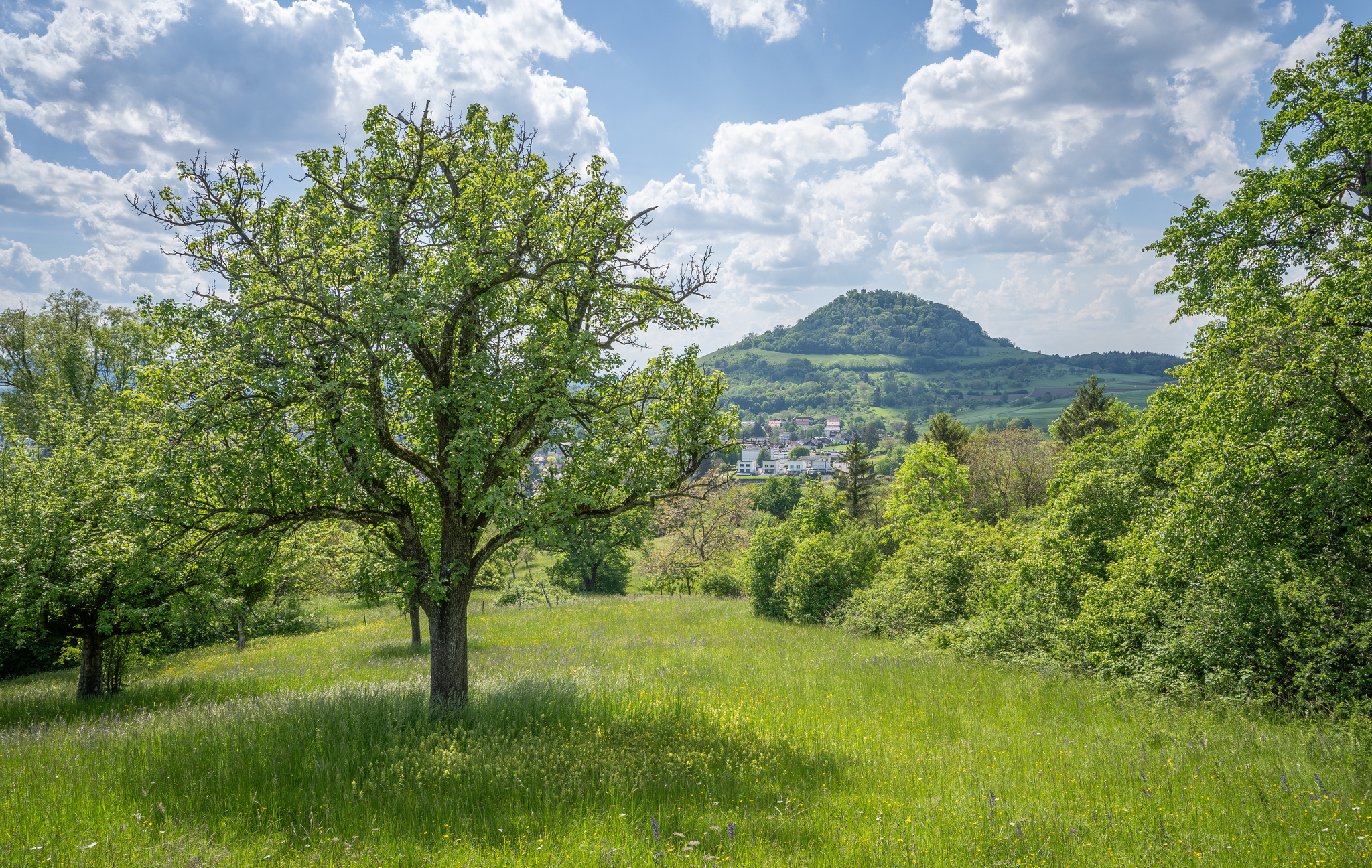
Natural splendour on the Hochgehbergen
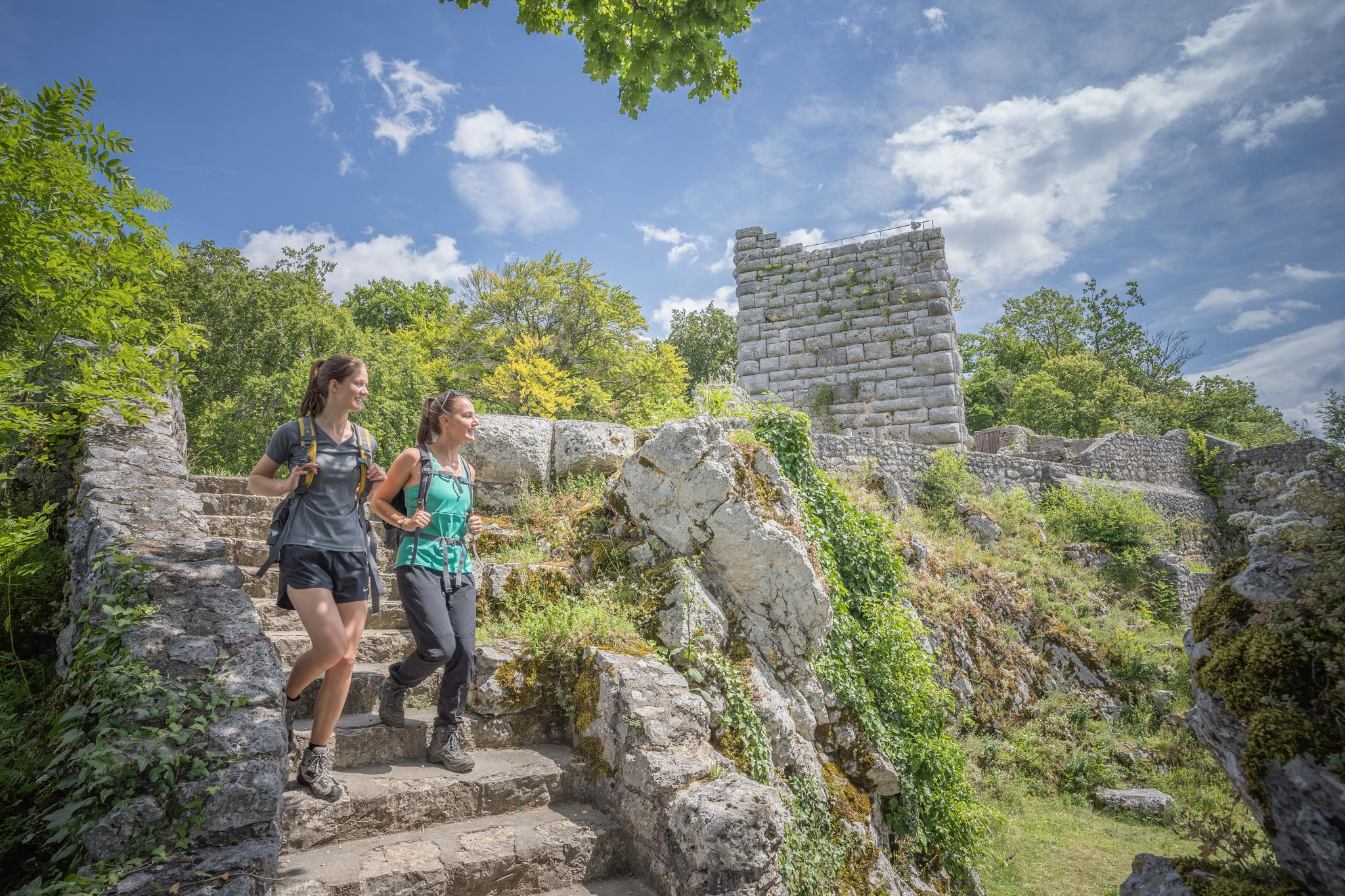
Culture with a view – hiking on the Hochgehbergen
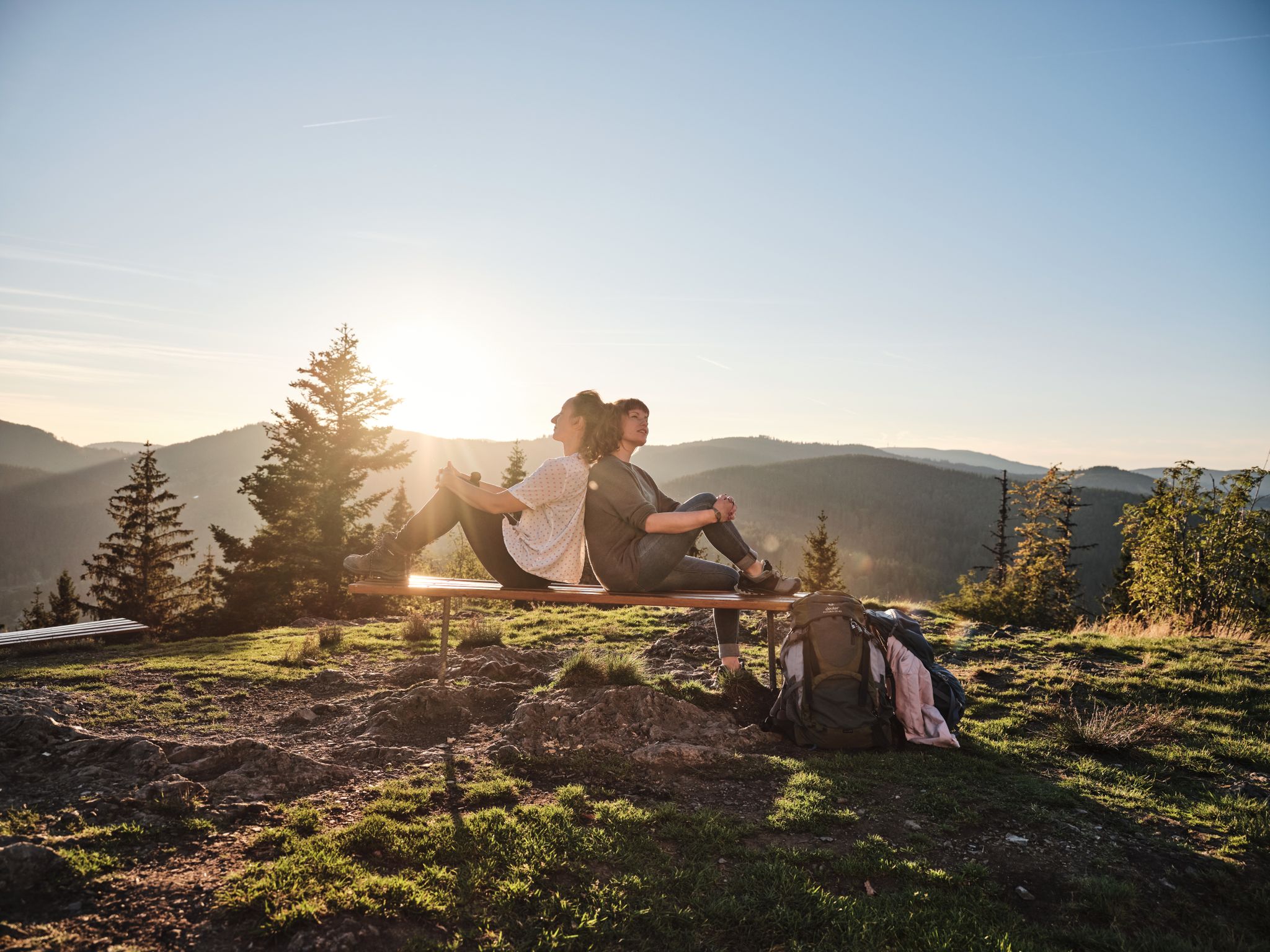
Hiking the Süden – between Black Forest, Lake Constance and Swabian Alb
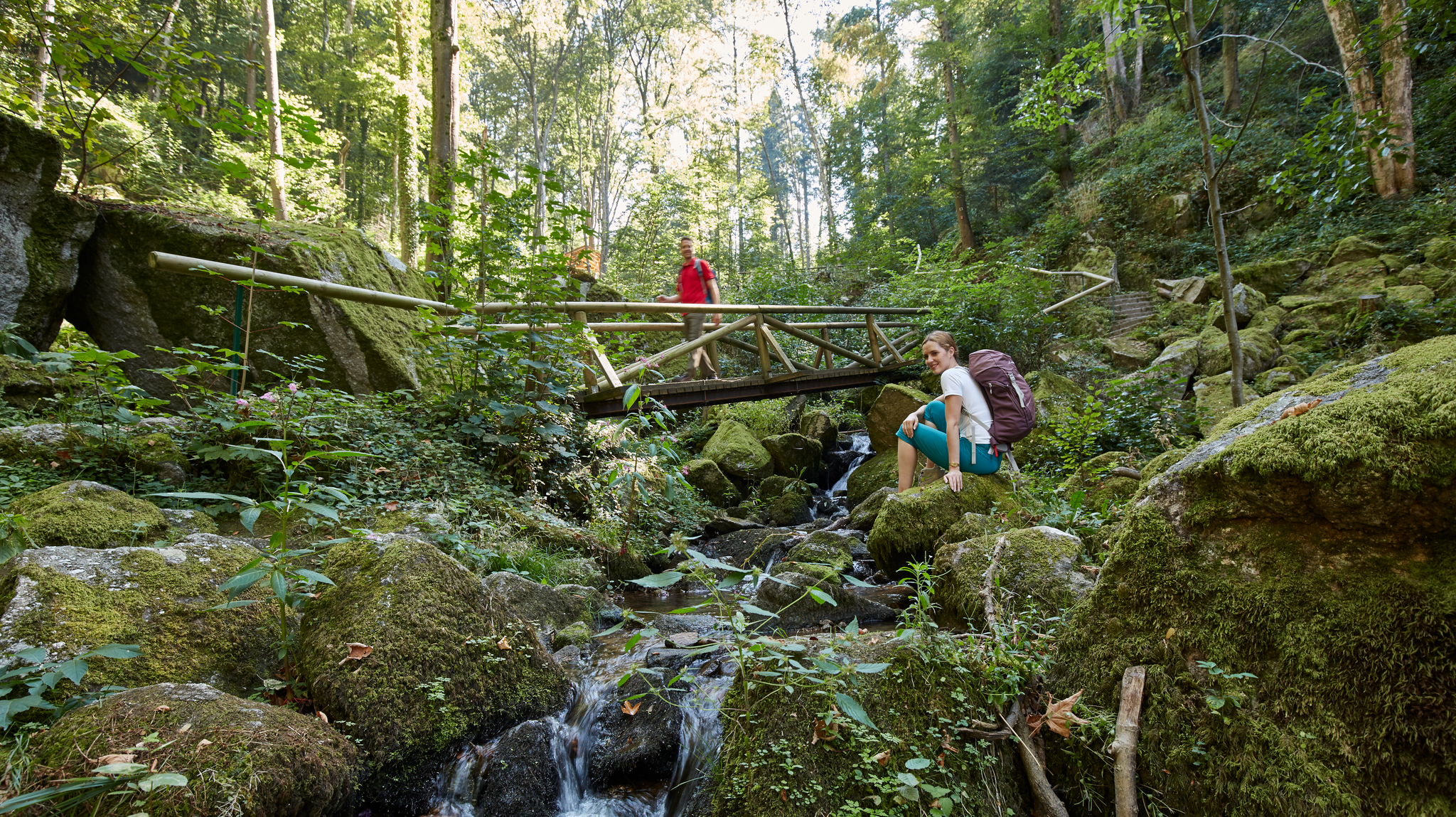
Waterfalls, gorges and cliffs – cooling off in Baden-Württemberg
Transcontinental Race No10: crossing Europe from France to Turkey
Beautifully high – castles in the Hochgehberge mountains
Other adventures around Landkreis Reutlingen


Tips from the Community

Great route for everyone... but you're probably rarely alone here
9
0

The Falkenstein Cave, located between Grabenstetten and Bad Urach, is an active water cave in the Swabian Alb. The Elsach River flows through it, emerging from the karst here. Entrance to the cave is possible in dry weather, but only with caution. Without permission, you may not venture further than about 20 meters. Guided tours require special equipment and permits. The cave should not be entered under any circumstances during rain or when there is a risk of thunderstorms.
5
0

The Waterstone Cave is one of the smaller caves. It gets a bit narrower immediately after the entrance. Despite this, the rock formations near the cave are very beautiful and impressive.
4
0

We went to the end of the upper part. Wet, slippery and not for people with arachnophobia.
10
2
The Maultaschenwirt is located in the large square in front of the cave. Right next to it is a nice children's playground.
11
0

Despite the waiting time, you should drive in here
8
0
Today everything was overcrowded, a shame
7
0

MORE THAN 1.5 MILLION YEARS OF HANDS-ON HISTORY The "Wimsen Cave" is named after Elector Friedrich von Württemberg and, with its known length of more than 725 m, was created in the upper mass limestone of the Upper Jura by the Höhlenbach and is located in a branch of the Zwiefalter Ach. Text / Source: Tress Brothers Production, Wimsen 1, 72534 Hayingen https://www.tressbrueder.de/wimsener-hoehle/
15
1
Frequently Asked Questions
What types of caves can I explore in Landkreis Reutlingen?
Landkreis Reutlingen, located in Germany's Swabian Alb, offers a diverse range of subterranean experiences. You can find accessible show caves with impressive formations, unique tufa caves, and active water caves. This geological variety provides insights into different natural processes and prehistoric life.
Which caves are suitable for families with children?
Several caves in the region are family-friendly. The Wimsener Cave is particularly popular, as it's Germany's only active water cave that can be navigated by boat, offering a memorable experience for all ages. The surrounding area also features a water playground. The Karls- und Bärenhöhle is another great option, showcasing impressive dripstones and Ice Age cave bear remains, with accessible illuminated tours.
Are there any caves with significant historical importance?
Yes, several caves in the region hold historical significance. The Nebelhöhle, for instance, was first developed for visitors in 1803 and has had electric lighting since 1924. The Olgahöhle was the first cave in Germany to have electric lighting, installed in 1884. The Schiller Cave historically served as an escape cave during various wars.
What makes the Olgahöhle unique compared to other caves?
The Olgahöhle is unique because it is Germany's longest tufa cave, a rare 'primary cave' formed by the precipitation of dissolved lime, rather than the dissolution of limestone. This process results in distinctive beige-yellowish rock walls with 'cauliflower sinter' shapes, offering a different geological experience from other karst caves in the Swabian Alb.
Do I need special equipment or permits to visit any caves?
For most show caves like Nebelhöhle, Karls- und Bärenhöhle, or Olgahöhle, no special equipment or permits are needed. However, for the Falkensteiner Cave, general entry beyond 20 meters is prohibited for safety reasons. Further exploration requires special permission, equipment, and an experienced guide due to the risk of rapid flooding.
Which caves are known for impressive geological formations?
The Nebelhöhle is renowned for its numerous and growing formations, including bright stalactites and stalagmites. The Karls- und Bärenhöhle also boasts an impressive array of dripstones. The Olgahöhle stands out with its unique tufa formations and 'cauliflower sinter' shapes.
Can I visit any caves without a guided tour?
Yes, the Sonnenbühl fog cave can be visited without a guide. It features several smaller side paths, allowing for a sense of discovery. Sturdy footwear is recommended due to potentially slippery paths and low ceiling heights in some areas.
What outdoor activities can I combine with a cave visit?
The region around the caves offers various outdoor activities. You can find numerous hiking trails, including the 'Wasserfallsteig' and 'Hochgehträumt – Premium Hiking Trail in Lichtenstein'. For cycling enthusiasts, there are gravel biking routes like the 'Graveltour Bad Urach'. Explore more options on the Hiking around Landkreis Reutlingen or Gravel biking around Landkreis Reutlingen guides.
Are there any caves that are closed during certain times of the year?
Yes, some caves are closed seasonally. The Karls- und Bärenhöhle is closed from November to March to protect hibernating bats. Similarly, the Schiller Cave is closed annually from November 1st to May 15th for bat hibernation.
What should I wear when exploring caves in Landkreis Reutlingen?
Caves typically maintain a cool, constant temperature year-round, so it's advisable to wear layers, even in summer. Sturdy, non-slip footwear is essential, as paths can be wet and slippery. For wilder caves or those with low ceilings, clothing that can get dirty is recommended.
Are there dining options near the caves?
Yes, some caves have nearby dining facilities. For example, the Maultaschenwirt at the Nebel Cave offers a place to eat. The Wimsener Cave area also features the Bio-Gasthof Friedrichshöhle.
What is the Wasserstein Cave like?
The Wasserstein Cave is 31 meters long with an artificially modified entrance. It features two corridors, one above the other. While you can see a little into it, exploring the lower, often very damp, part may require specific gear.
Most popular routes around Landkreis Reutlingen
Most popular attractions around Landkreis Reutlingen

Get inspired with the komoot mobile app


Didn’t find what you were looking for?
Discover more caves around Landkreis Reutlingen region by region:
Explore more
Extend your search for the best caves by checking out these guides of the top ones around Landkreis Reutlingen:
