Top 11 Castles around Helmstedt
Castles around Helmstedt, located in Lower Saxony, Germany, offer insights into the region's medieval history. The area features historical sites that provide evidence of past conflicts and architectural evolution. Situated near the Elm Ridge, the landscape includes both hill castles and moated structures. These sites are appealing for those interested in local heritage and archaeology.
Best castles around Helmstedt
- The most popular castles is Old Castle Warberg, a castle that was a high medieval hill castle belonging to the noble family of Hagen. Archaeological investigations confirmed its violent destruction around 1200 during a throne dispute.
- Another must-see spot is Elmsburg Church Ruins, a historical site. This location is considered a significant cultural monument, offering a glimpse into the early history of the region.
- Visitors also love Langeleben Castle Ruins, a castle. This site provides a tour with many hidden elements to discover, making it suitable for families.
- Helmstedt is known for hill castles, moated castles, and historical ruins. Visitors can explore a variety of defensive structures and historical monuments in the area.
- The castles around Helmstedt are appreciated by the komoot community, with more than 490 upvotes and 360 photos shared.
Last updated: June 24, 2026
Elmsburg Church Ruins
Highlight • Historical Site
Beautiful cultural monument
Translated by Google •
Tip by

Warberg Castle
Highlight • Castle
Translated by Google •
Tip by

Sign up now to discover places like this
Get recommendations on the best single tracks, peaks, & plenty of other exciting outdoor places.
Sign up for free
Langeleben Castle Ruins
Highlight • Castle
Translated by Google •
Tip by

Plan of Warberg in Elm
Highlight • Historical Site
Translated by Google •
Tip by

Wendhausen Water Castle and Windmill
Highlight • Castle
Translated by Google •
Tip by

Ruins on Burgberg
Highlight • Historical Site
Translated by Google •
Tip by

Gatehouse of Königslutter Water Castle
Highlight • Castle
Translated by Google •
Tip by

Königslutter Local Court
Highlight • Monument
Translated by Google •
Tip by
Burg Esbeck
Highlight • Castle
(Source: de.m.wikipedia.org/wiki/Burg_Esbeck_(Schöningen))
Translated by Google •
Tip by

Essenrode Castle
Highlight • Castle
Translated by Google •
Tip by

Sign up for free to discover even more castles around Helmstedt.
Sign up for free
Already have an account?
Start today with a free account
Your next adventure awaits.
Login or Signup
Popular around Helmstedt
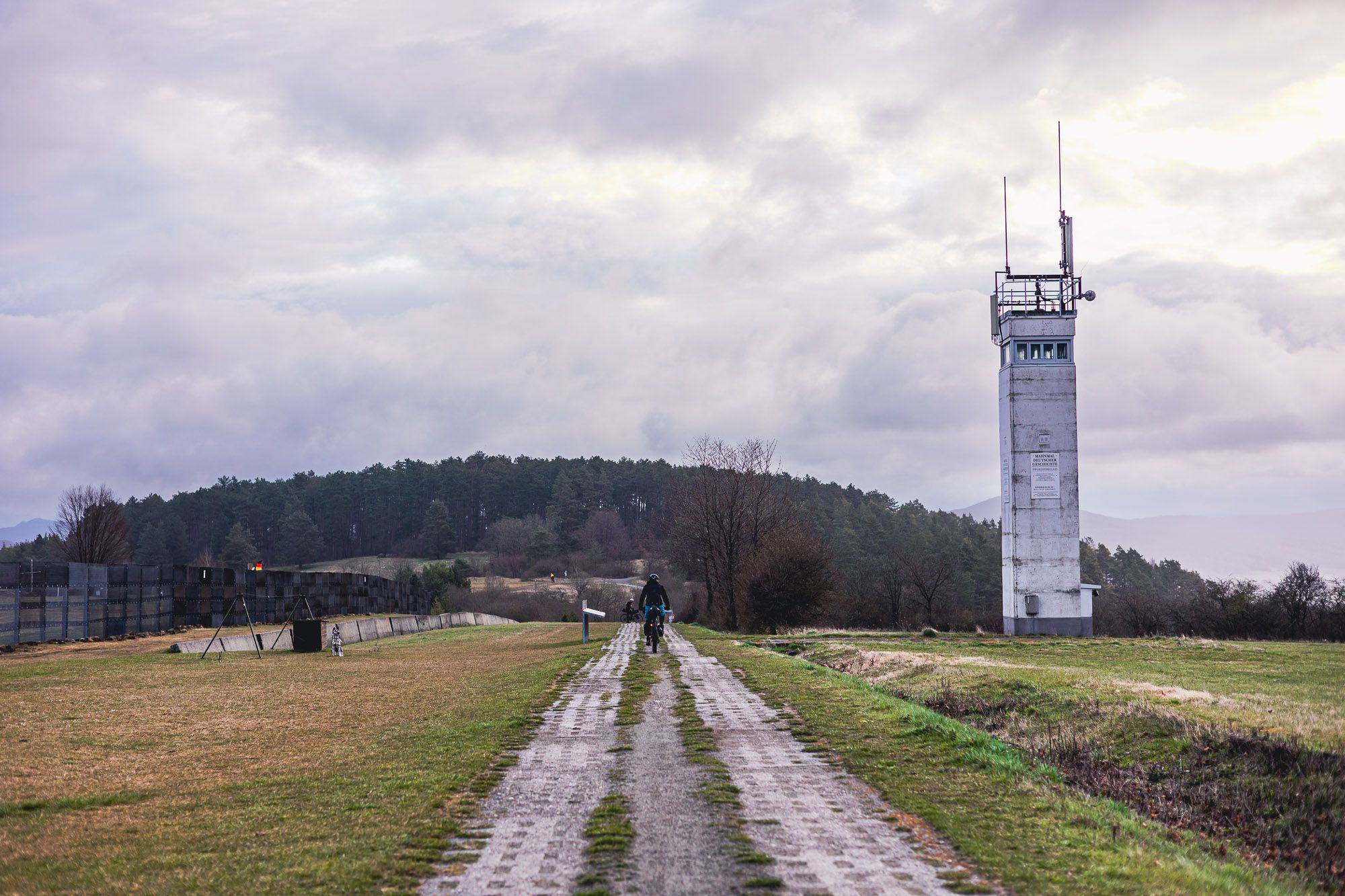
The Baltic Sea to Vogtland – 8 days along Germany's green former border
The National Natural Landscapes in Niedersachsen
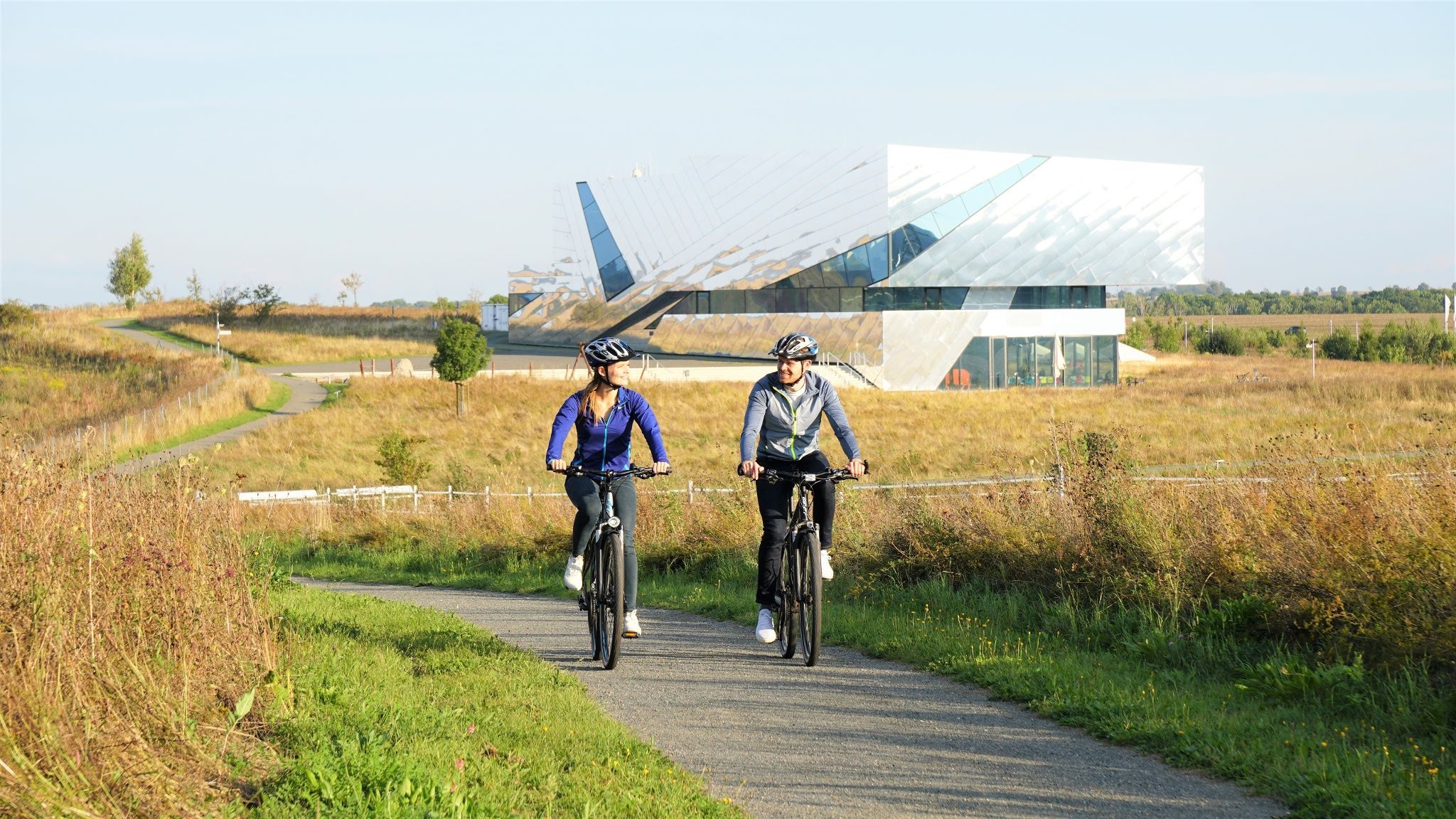
Nature and culture by bike – Brunswick Land loop
Hiking around Helmstedt
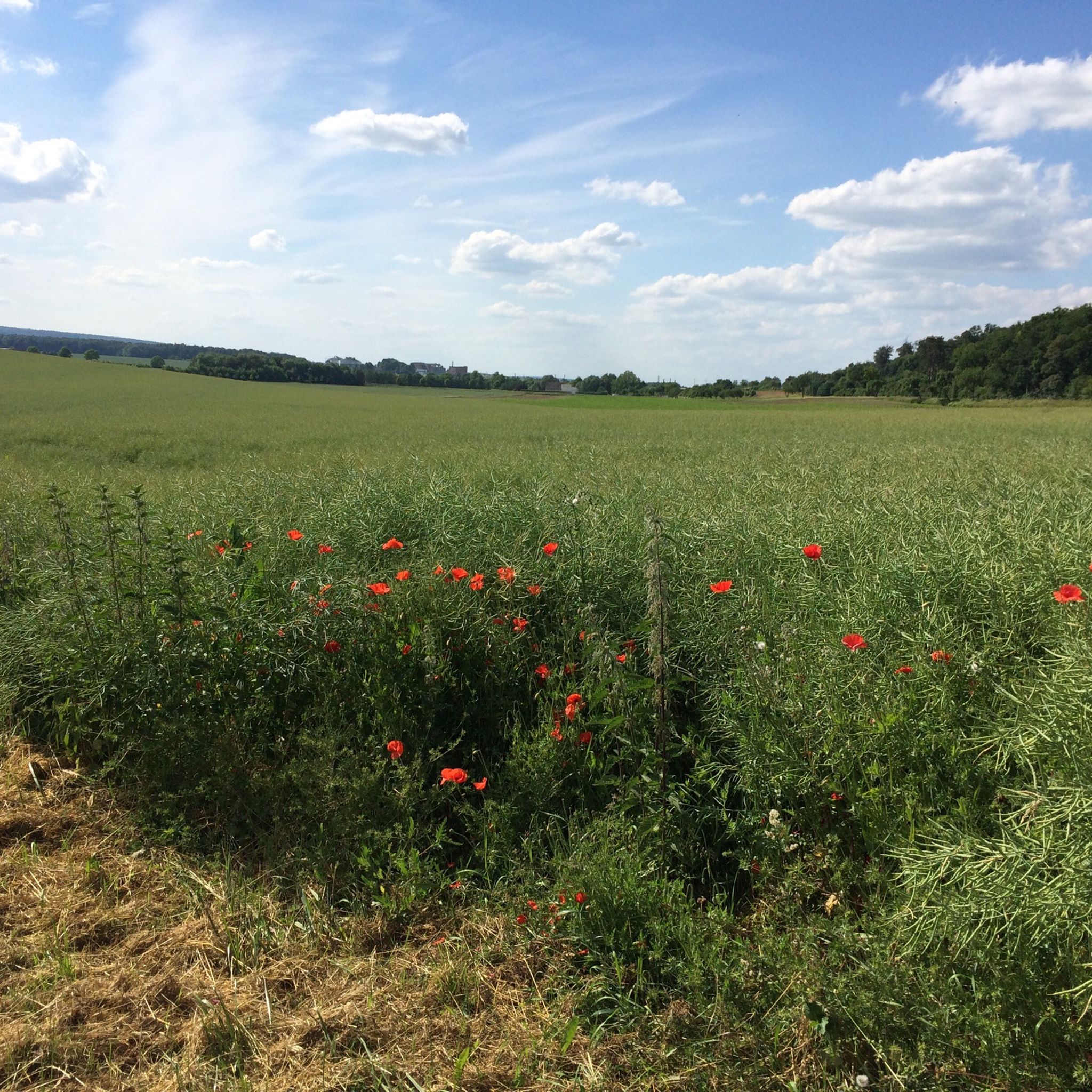
Cycling around Helmstedt
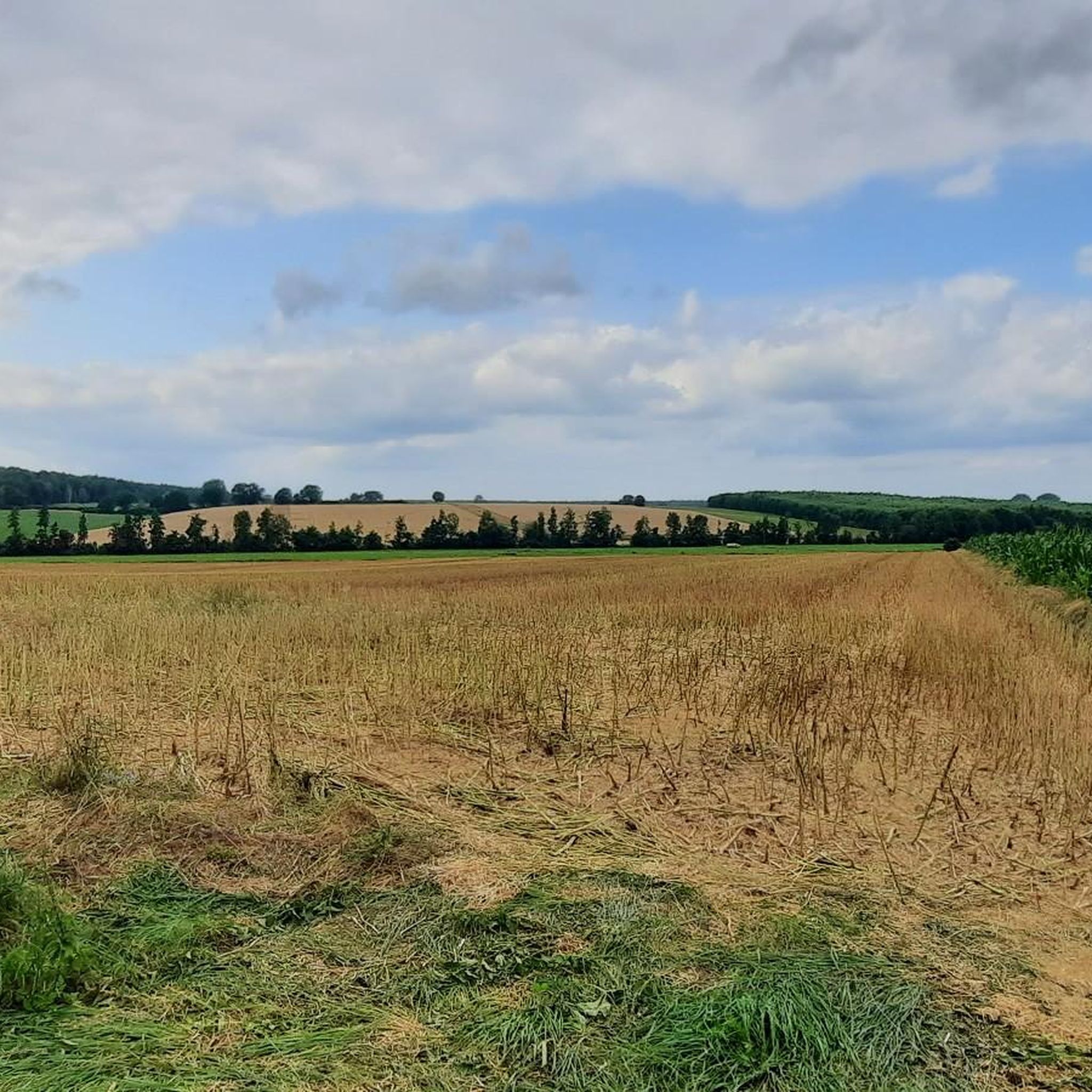
Road Cycling Routes around Helmstedt
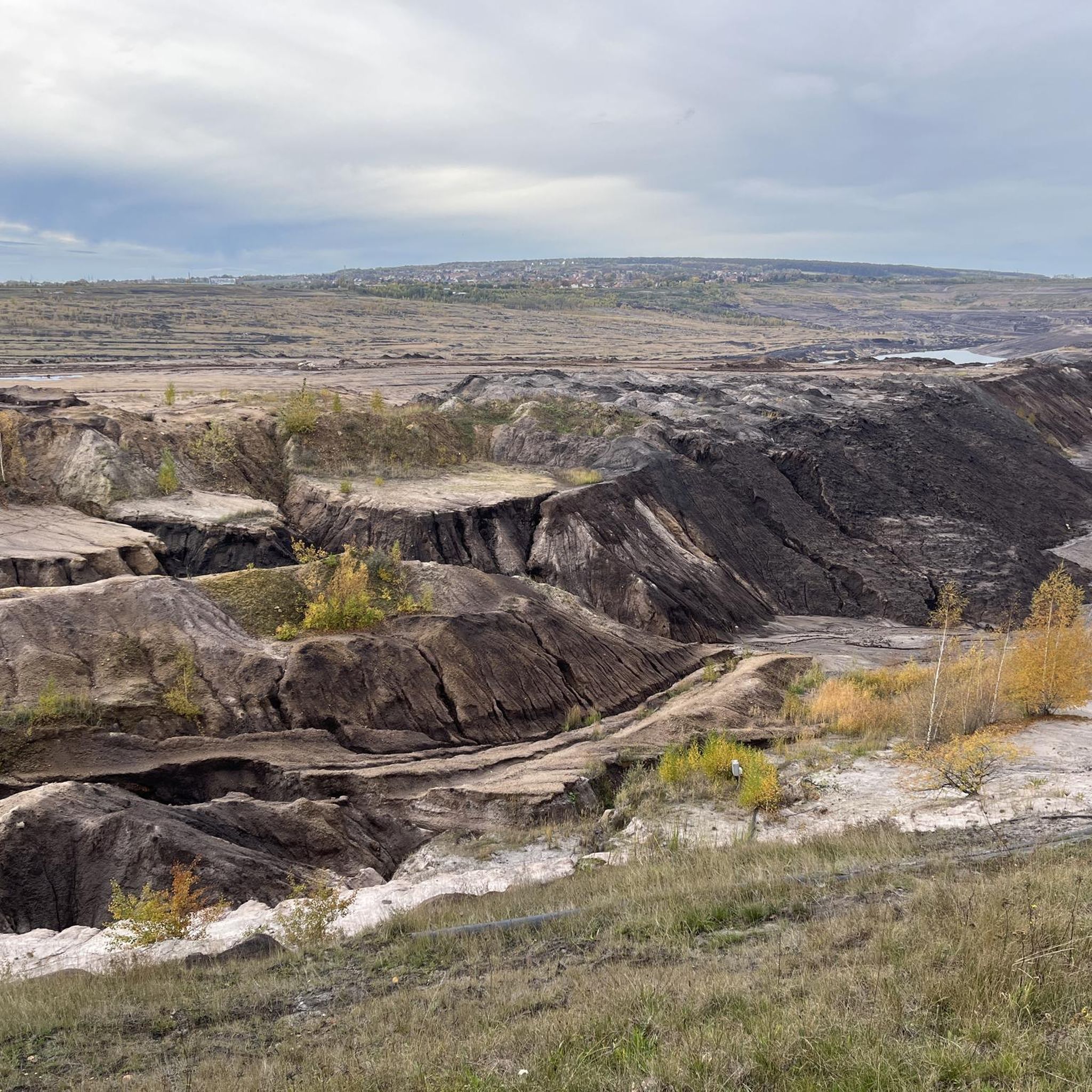
Running Trails around Helmstedt
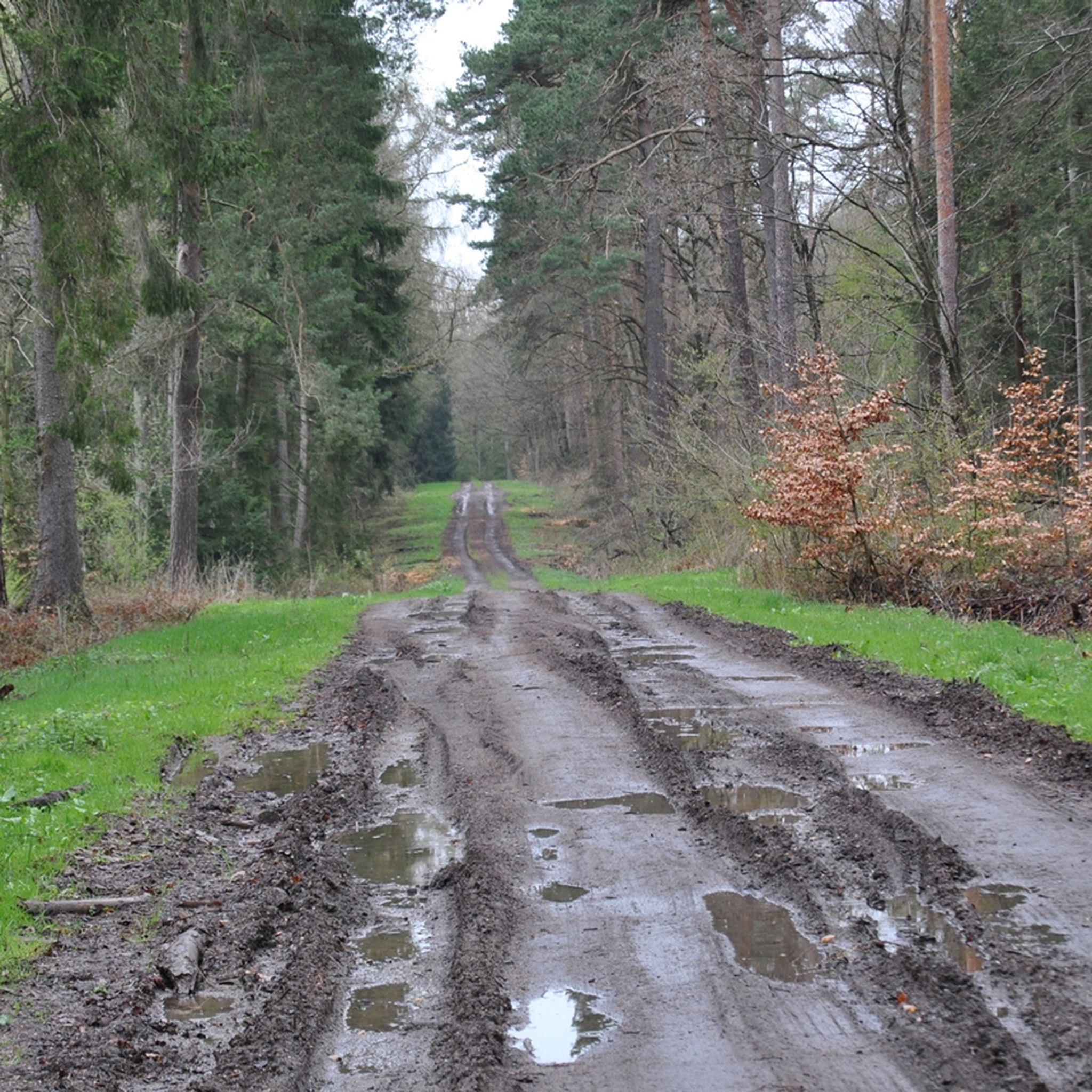
MTB Trails around Helmstedt

Gravel biking around Helmstedt
Other adventures around Helmstedt


Tips from the Community

Not immediately recognizable as a castle, with a moat and an open door offering a glimpse into the castle garden.
0
0

Warberg Castle is situated in a very attractive landscape on the northern slope of the Elmes River. After the destruction of the first motte-and-bailey castle in 1199, the complex was probably replaced in the 13th century by a fortified moated castle on an artificially created hill in the valley. In a war waged by Duke Magnus the Elder of Brunswick in 1347 against Archbishop Otto of Magdeburg, the noblemen Gebhard and Burchard von Warberg fought as leaders of the duke, who was defeated that same year. As a result of these military events, Warberg Castle was severely damaged in 1356 but was subsequently restored. In 1552, Christoph von Warberg converted the castle into an impressive Renaissance palace, which is documented in a Merian engraving from 1654. The very beautiful and well-preserved niche portal on the side facing the courtyard dates from this period. The addition of a storey to the old upper castle building resulted in such an increase in load that the foundations could not adequately withstand the pressure, and the two upper floors had to be demolished. At the beginning of the 16th century, during the Thirty Years' War, the noble von Warberg family began to decline. The castle was gradually demolished except for the ground floor walls. A temporary roof, probably dating from the 19th century, made it possible to preserve the remaining structure, which from then on served to manage the domain. The present castle complex is divided into a renovated lower castle, used by the Bundeslehranstalt Burg Warberg e.V. as a seminar hotel, and the now also renovated upper castle, which was reopened to the public on April 25, 2004. The German Foundation for Monument Protection was involved in the renovation of Warberg Castle in 2000 and 2001.
0
2

Nice view of the district court.
0
0


I have driven past the castle several times, and it is definitely worth stopping. Wikipedia and Carsten Henze's interesting website contain a wealth of information about the history and current condition. As one would hardly suspect from the outside, large parts of the castle have been renovated. The outer facade was therefore deliberately left in its current state - which gives the castle a morbid charm. I was amazed by the photos of the interior of the castle, which can be rented for celebrations. The castle moat is fed by the Schunter. The Jazz in the Park festival took place at the castle in 2018. In short: interesting complex, clear recommendation!
0
0

Esbeck Castle was a castle in Esbeck in the Helmstedt district, whose former form can be recognized in the buildings of a present-day manor house. (Source: https://de.m.wikipedia.org/wiki/Burg_Esbeck_(Schöningen))
2
0

The castle is an abandoned high medieval moated castle from the 13th century.
0
0

Around 1200, the Dukes of Brunswick had a moated castle built on the spot where the main road now runs. The castle protected the village of Lutter and the moat was fed by the river Lutter. In the Middle Ages, various noble families lived here who were entrusted with administrative tasks; from the 17th century the district court was in the castle. The main building was demolished in the late 1960s due to dilapidation. Only the gatehouse and a few outbuildings, which served as a prison until 2009, have been preserved. In 2011, the Naturlandschaft Foundation redesigned the building into a nature and science center, the "Umweltburg". The following organizations are housed under one roof: Natural Landscape Foundation, BUND, FEMO, NABU, Geopark Harz . Brunswick country. East Westphalia and Elm Lappwald Nature Park. Source: https://www.koenigslutter.de/tourismus-kultur/discoveren-sie-schaetze/virtueller-stadtrundgang
2
2
Frequently Asked Questions
What types of castles can I explore around Helmstedt?
The Helmstedt area features a variety of historical fortifications, including high medieval hill castles like Old Castle Warberg, as well as moated castles such as Wendhausen Water Castle. You can also discover significant historical ruins like Elmsburg Church Ruins and Langeleben Castle Ruins, offering a glimpse into the region's past.
Are there any family-friendly castle sites in the Helmstedt region?
Yes, several castle sites are suitable for families. Langeleben Castle Ruins is particularly recommended for families and children, with many hidden elements to discover. Old Castle Warberg and Elmsburg Church Ruins are also categorized as family-friendly, offering engaging historical experiences.
What historical insights do the castles around Helmstedt offer?
The castles provide deep insights into regional history. Old Castle Warberg, for instance, was violently destroyed around 1200 during a throne dispute, a fact confirmed by archaeological investigations. The Elmsburg Church Ruins are considered a significant cultural monument, allowing visitors to delve into the early history of the region. The Gatehouse of Königslutter Water Castle also showcases a long history, transitioning from a medieval defense to a center of justice.
Can I combine a castle visit with outdoor activities like hiking?
Absolutely. Many castles are situated within natural landscapes, making them ideal starting points or destinations for hikes. For example, Langeleben Castle Ruins has a rooty trail leading around it. You can find various hiking routes in the area, such as those listed in the Hiking around Helmstedt guide, which includes trails like the Hagen Monument at the Tetzelstein loop.
Are there any unique or less-known castle sites worth visiting?
Beyond the more prominent ruins, consider visiting Wendhausen Water Castle, which is notable for its tranquil setting and unique combination with a windmill. The Gatehouse of Königslutter Water Castle also offers a unique historical perspective as a surviving part of a former moated castle that served as a district court and prison. Burg Esbeck, now a manor house, illustrates the adaptive reuse of historical sites.
What are the best times of year to visit the castles and their surroundings?
The castles around Helmstedt can be visited year-round, but spring and autumn offer pleasant weather for exploring the outdoor sites and combining visits with hiking. The Elm region's natural beauty is particularly vibrant during these seasons. Winter walks can also be atmospheric, especially around sites like Old Castle Warberg, which is nestled on the Elm Ridge.
What do visitors appreciate most about the castles in Helmstedt?
Visitors frequently appreciate the historical depth and the opportunity to explore tangible evidence of the past. Sites like Old Castle Warberg are praised for being 'nicely restored and the story described,' while Elmsburg Church Ruins are noted as a 'beautiful cultural monument' and a 'well-restored castle, depicted in its foundations.' The overall appeal lies in discovering local heritage and archaeology.
Are there opportunities for mountain biking near the castles?
Yes, the Helmstedt area offers mountain biking opportunities. You can find various MTB trails in the region, such as those detailed in the MTB Trails around Helmstedt guide. Routes like the 'Westelm Top Trail – Elm singletrack loop' provide challenging rides through the landscape surrounding some of these historical sites.
What natural features can I expect to see when visiting these castles?
Many of the castles are located within or near natural areas. Old Castle Warberg is on the eastern slope of the Elm Ridge, offering forest surroundings. The Elmsburg Church Ruins are also set within a forest. Wendhausen Water Castle is notable for its tranquil setting with a windmill, showcasing a blend of historical architecture and natural beauty.
Is there public transport available to reach the castles around Helmstedt?
While specific public transport routes to each individual castle may vary, Helmstedt itself is accessible by public transport. For reaching the more remote castle sites, a combination of public transport to nearby towns and then walking or cycling is often necessary. It's advisable to check local bus schedules for the specific castle you plan to visit.
What is the significance of the Elm Ridge in relation to these castles?
The Elm Ridge plays a significant role in the location of several castles. Old Castle Warberg, for example, is a high medieval hill castle situated on the eastern slope of the Elm Ridge. The Elm's elevated terrain provided strategic locations for defensive structures, and its forested landscape now offers scenic routes for exploring these historical sites.
Are there any facilities or rest areas near the castle ruins?
Some castle sites, especially those popular with hikers, may have nearby facilities. For instance, there is a Covered Rest Area at Burg Warberg, providing a convenient spot for visitors. For other locations, it's best to plan ahead, as amenities might be limited to nearby villages or towns.
Most popular routes around Helmstedt
Most popular attractions around Helmstedt

Get inspired with the komoot mobile app


Didn’t find what you were looking for?
Explore Helmstedt’s best castles region by region:
Explore more
Looking for the best castles somewhere else? Discover other guides around Helmstedt:
