Top 20 Natural Monuments around Alb-Donau-Kreis
Best natural monuments around Alb-Donau-Kreis feature a distinctive karst landscape with caves, springs, and unique rock formations. These sites offer insights into the region's geological history. The area is home to more than 360 areal natural monuments and over 800 individual natural monuments. Exploring these locations provides an overview of the natural heritage of the Alb-Donau-Kreis.
Best natural monuments around Alb-Donau-Kreis
- The most popular natural monuments is Küssende Sau Rock Formation, a natural monument that consists of fossilized coral…
Last updated: September 29, 2026
Blautopf
Highlight • Lake
Showing Translation
Tip by

Küssende Sau Rock Formation
Highlight • Natural Monument
Showing Translation
Tip by

Sign up now to discover places like this
Get recommendations on the best single tracks, peaks, & plenty of other exciting outdoor places.
Günzelburg Ruins
Highlight • Castle
Showing Translation
Tip by

View of Blaubeuren from the Rock Outcrop
Highlight • Viewpoint
A little hidden behind …
Translated by Google •
Tip by

View over Blaubeuren from Blaufels
Highlight • Viewpoint
Translated by Google •
Tip by

Rock Archway Entrance to Lautertal
Highlight • Natural Monument
Translated by Google •
Tip by

Confluence of the Iller and Danube
Highlight • River
Translated by Google •
Tip by

Fohlenhaus Caves
Highlight • Cave
Translated by Google •
Tip by
Sontheim Cave
Highlight • Cave
Translated by Google •
Tip by

Rock gate in the Felsenlabyrinth Blaubeurer Felsensteig
Highlight • Natural Monument
Translated by Google •
Tip by

Sign up for free to discover even more natural monuments around Alb-Donau-Kreis.
Already have an account?
Start today with a free account
Your next adventure awaits.
Popular around Alb-Donau-Kreis
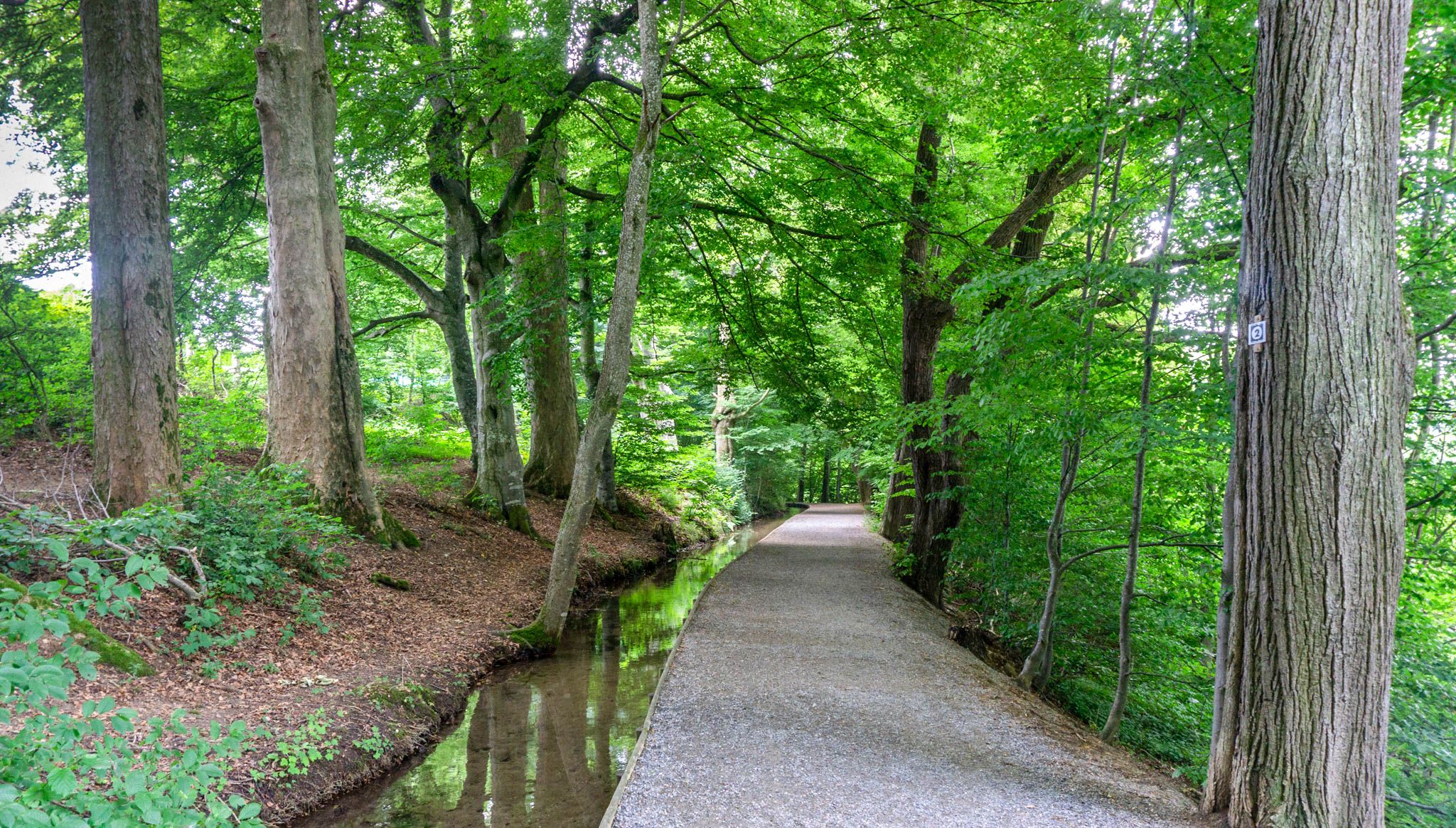
Main-Danube-Lake Constance Trail – Along iconic waters
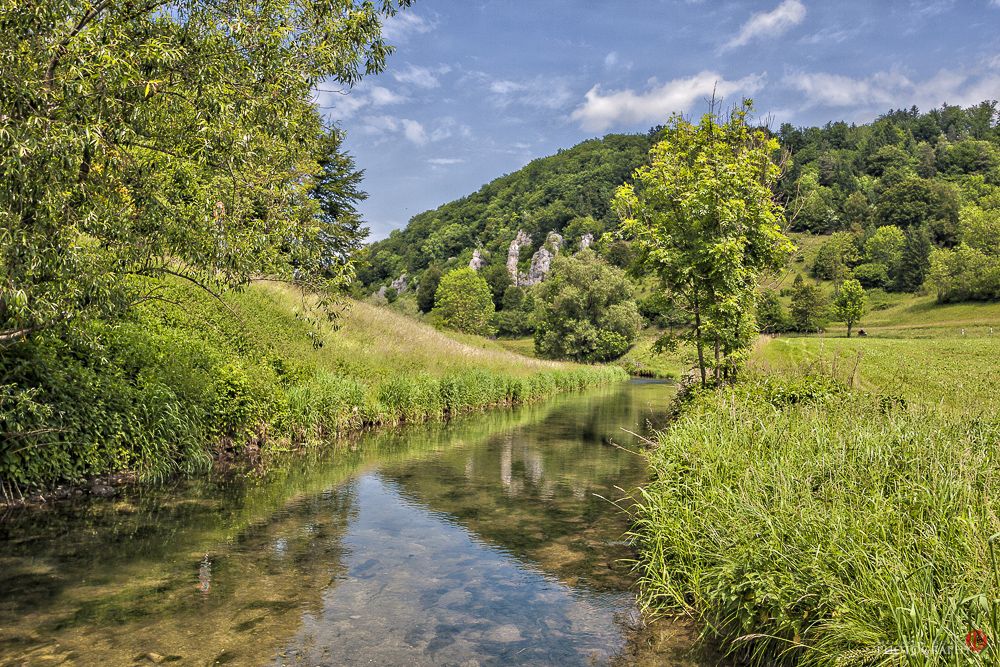
The Trail of Consciousness – hiking for body and soul in the Swabian Alb
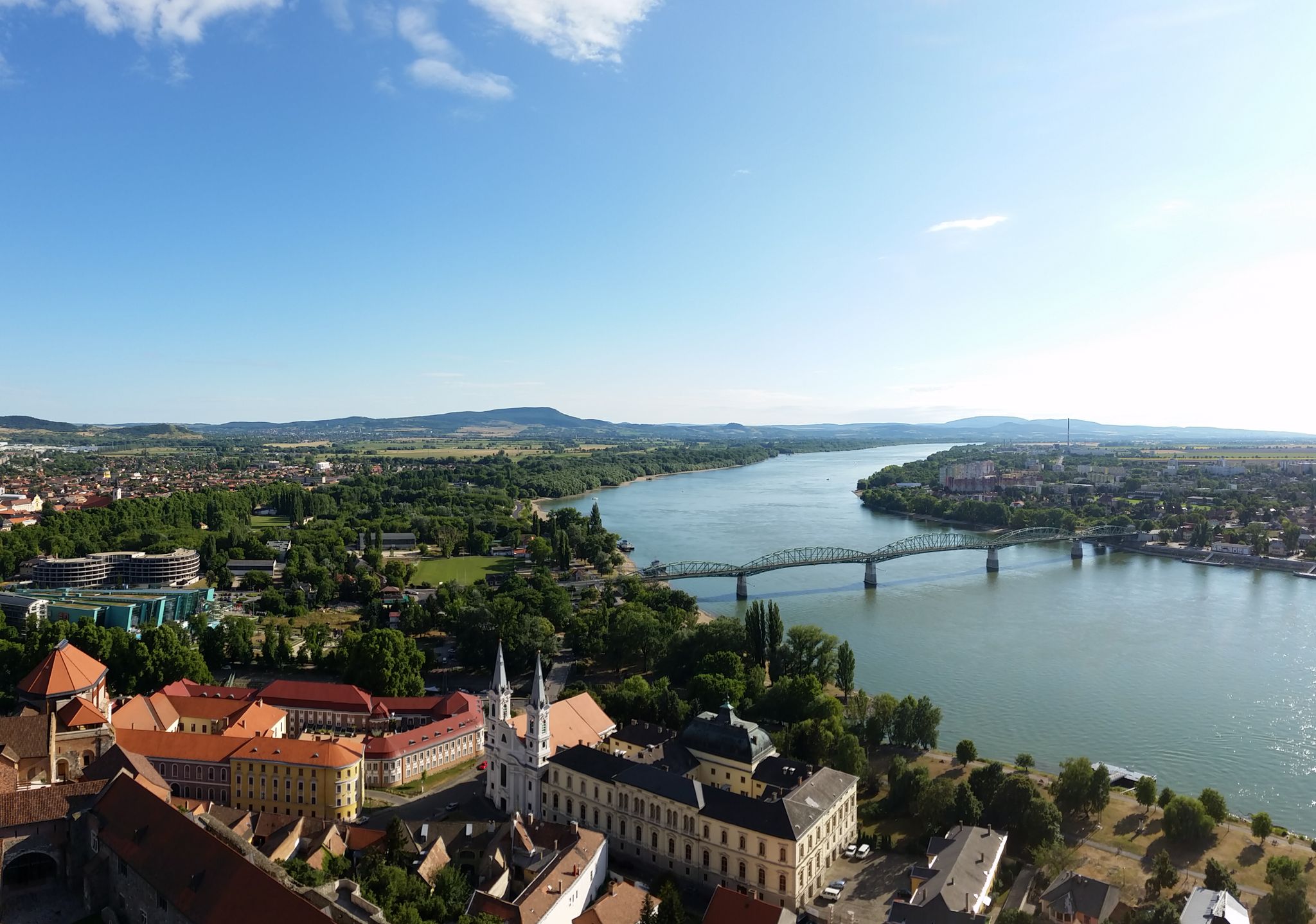
The Danube Cycle Path – From Donaueschingen to Budapest
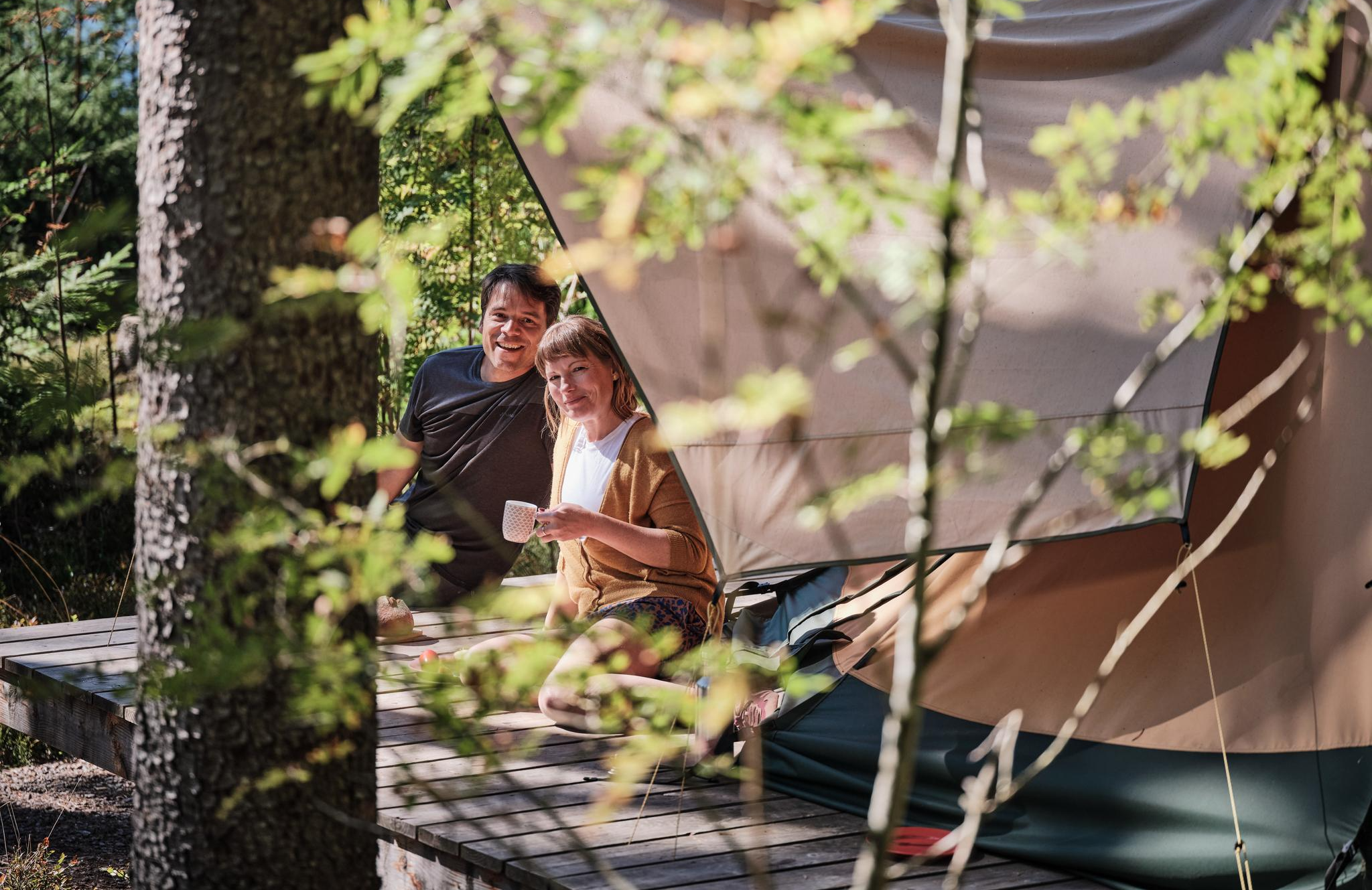
Hiking breaks in the South – two-day routes in Baden-Württemberg
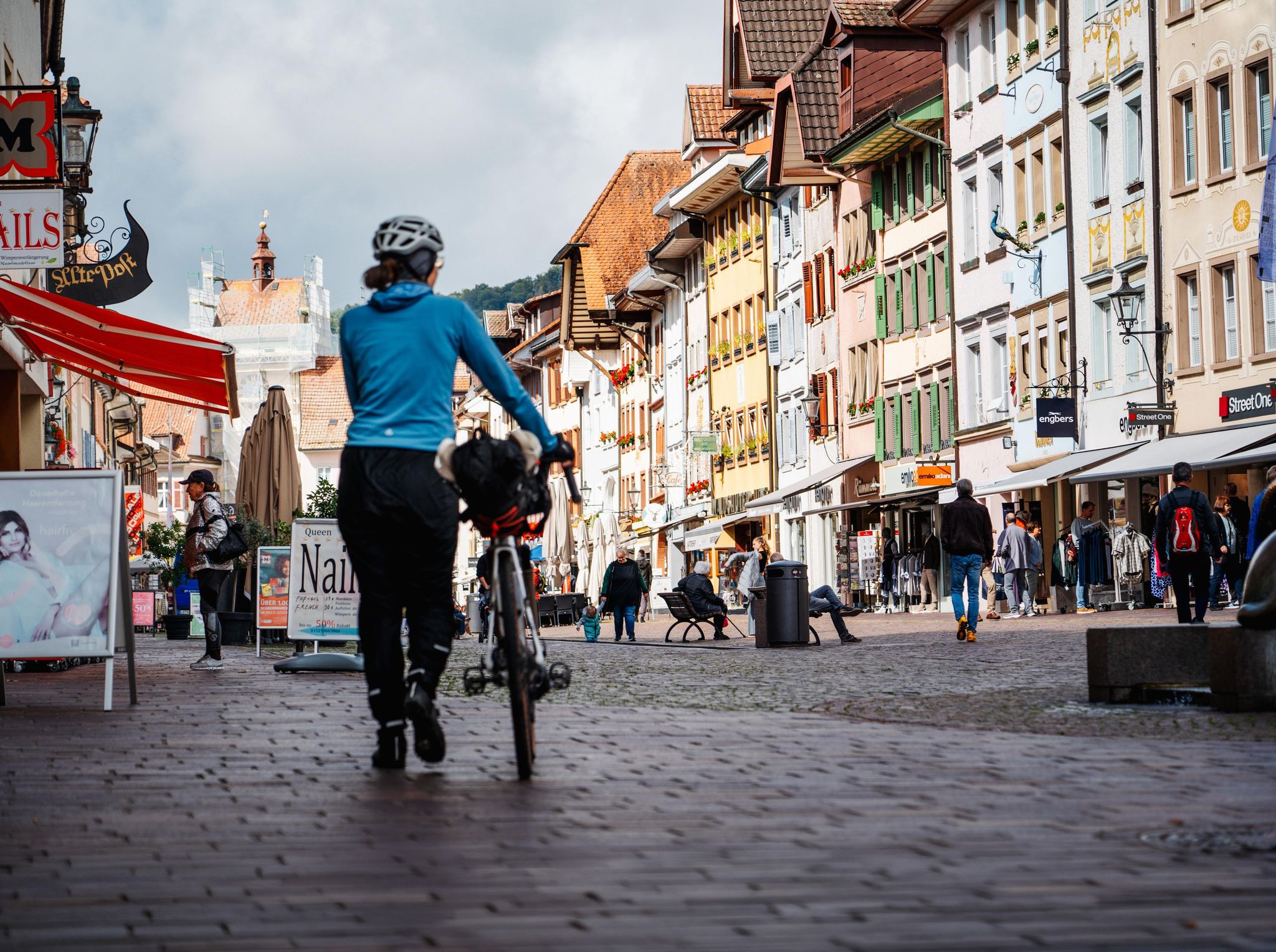
Adventure on two wheels – overnight cycling trips in Baden-Württemberg
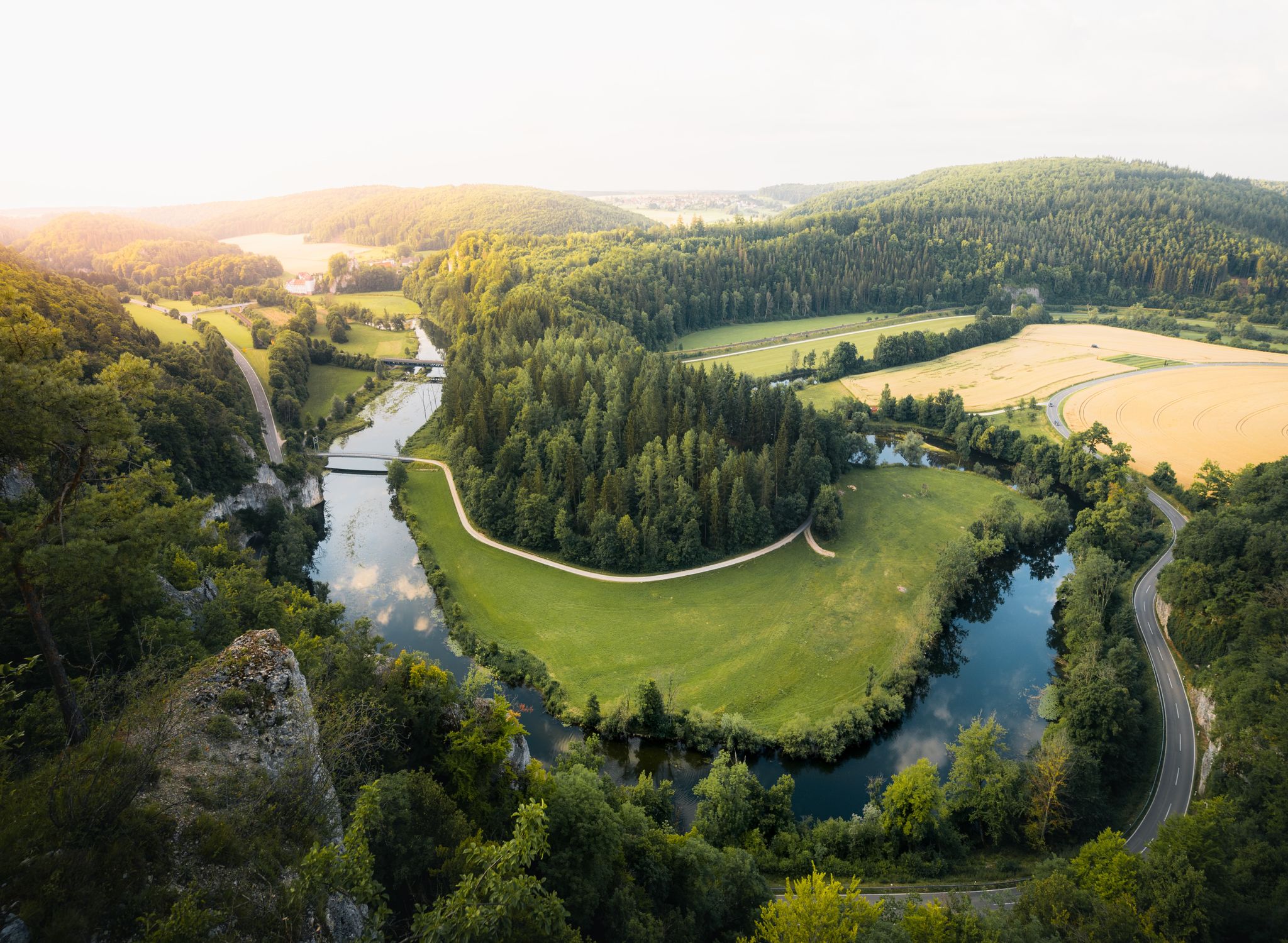
Where valleys tell stories – hiking the rivers of the Swabian Jura
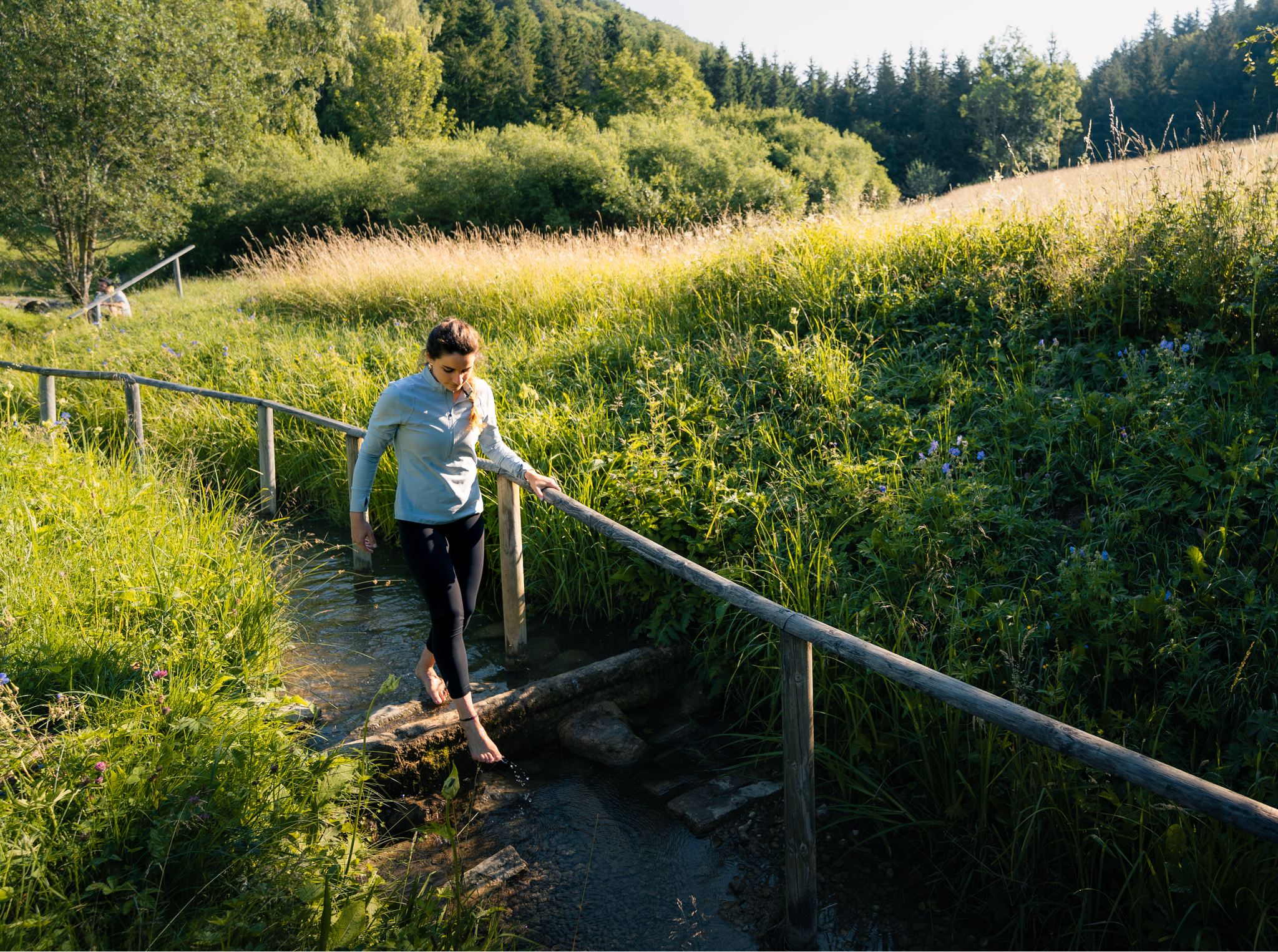
Hiking on the Swabian Alb with all your senses
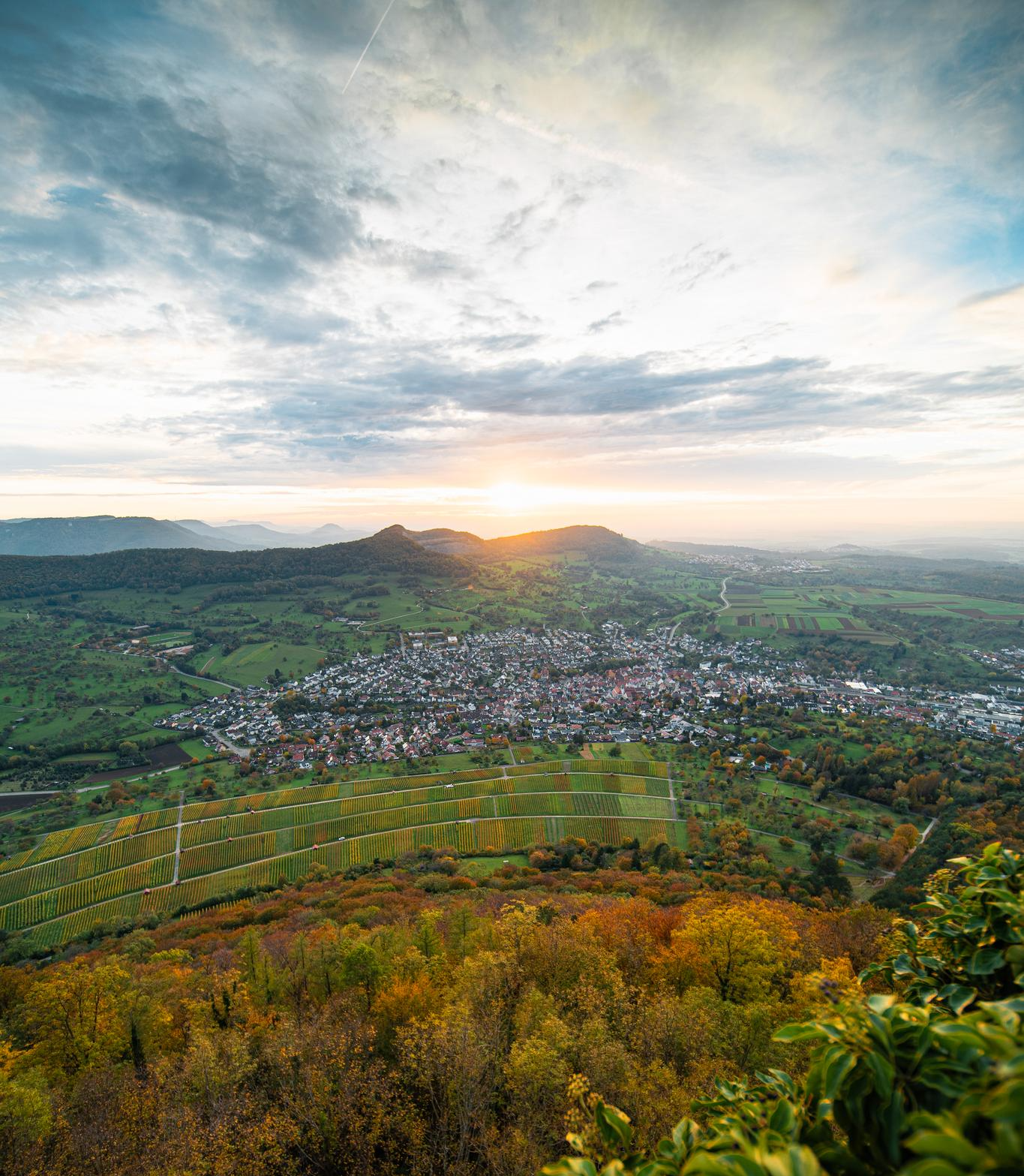
E-bike pleasure rides in the Swabian Alb
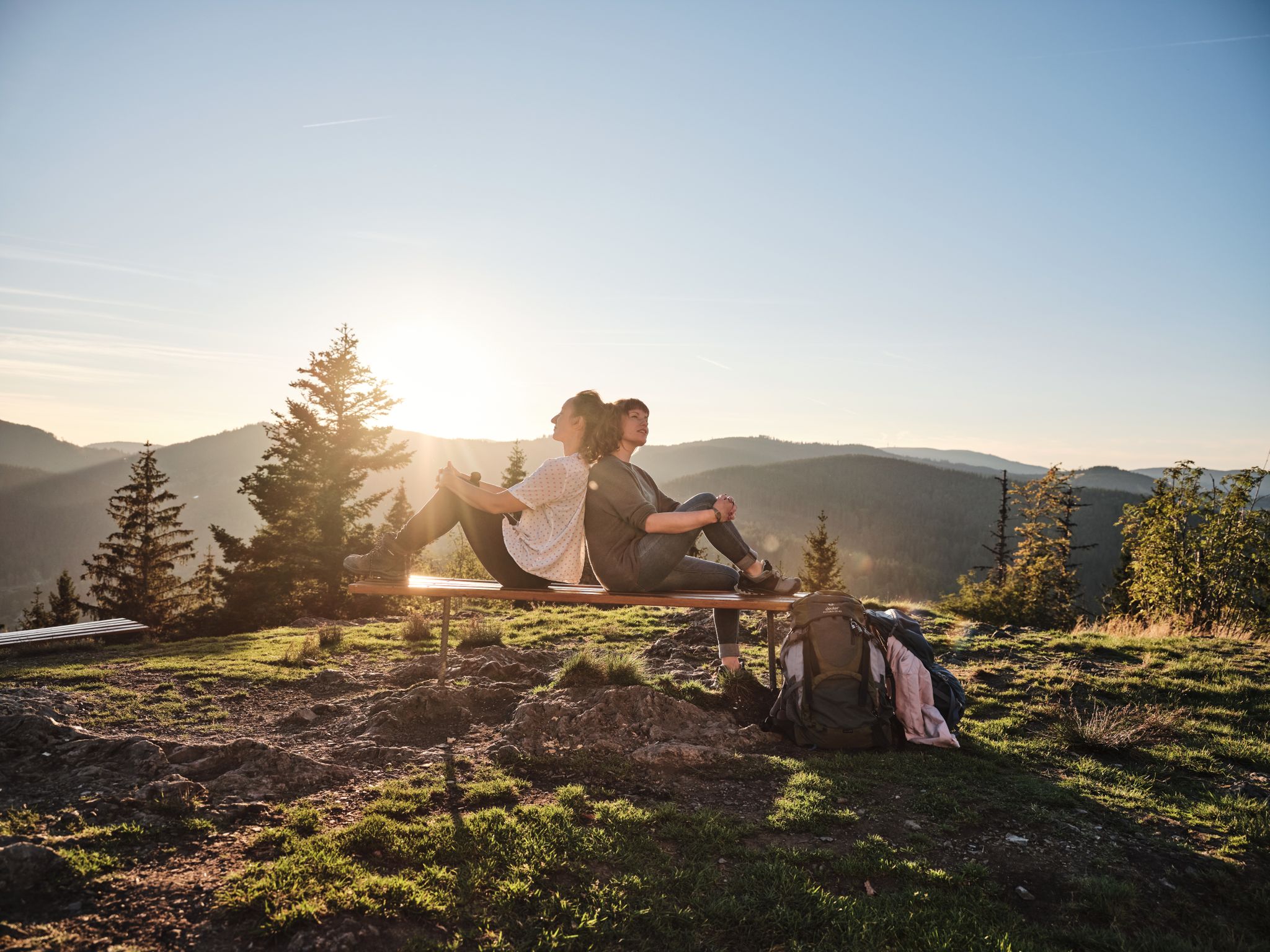
Hiking the Süden – between Black Forest, Lake Constance and Swabian Alb
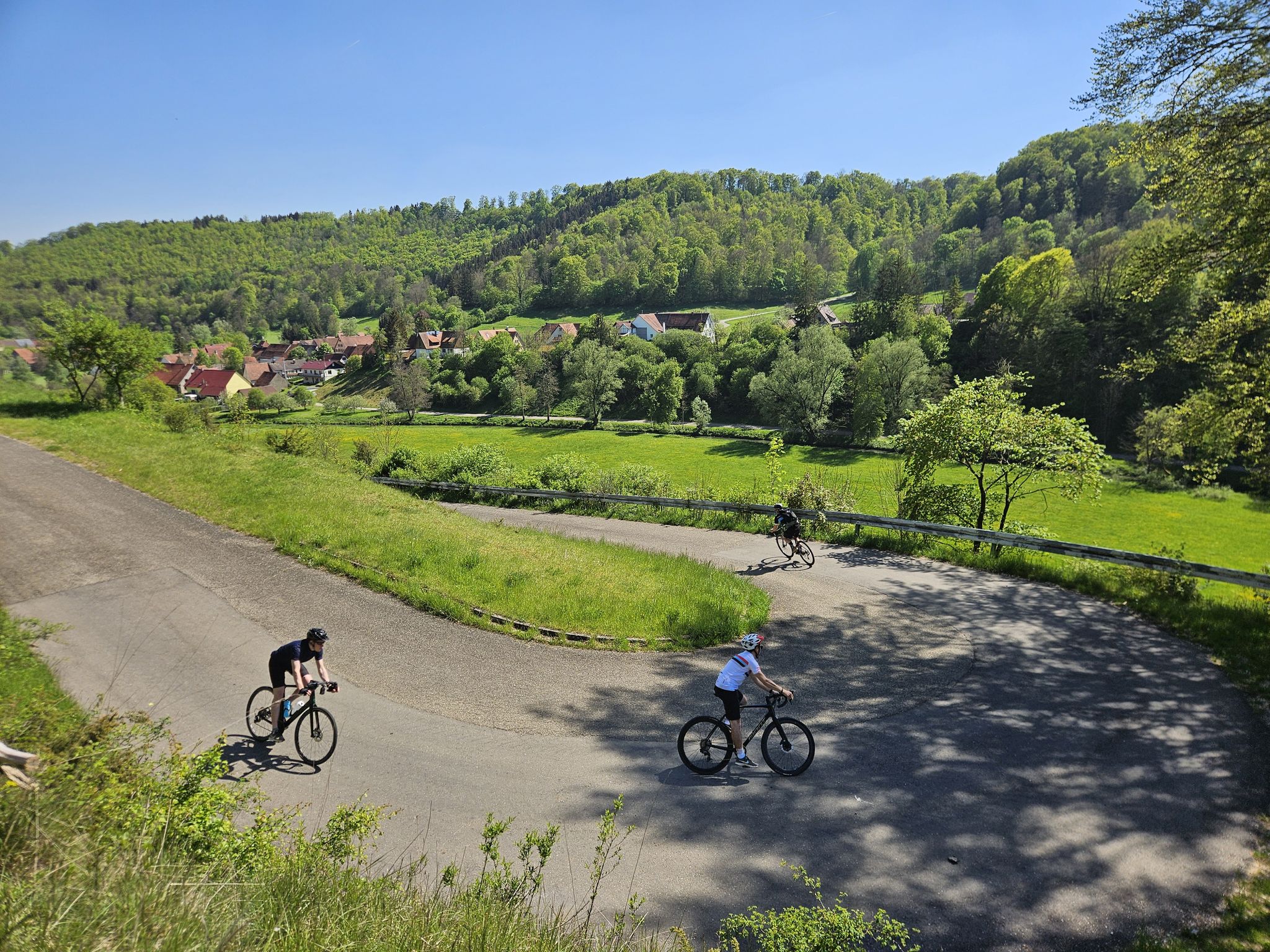
From mountain sprints to winding roads – the Tour de Alb road cycling adventure
Other adventures around Alb-Donau-Kreis


Tips from the Community

The remains of Günzelburg are located on a wooded ridge not far from the Lonetal valley. Today, only a few wall fragments bear witness to the former castle, which was probably built in the early Middle Ages. Its location suggests a former protective function. The site is accessible via a footpath and offers a beautiful view of the surrounding area. Information boards on site provide insights into the history of the complex and previous archaeological investigations.
3
2

The Fohlenhaus Stone Age Cave in the Lone Valley is a fascinating destination for nature and history enthusiasts. This impressive karst cave once served as a shelter for Stone Age people and today offers a glimpse into times long past. With its distinctive shape and special charm, it exudes a sense of mysticism.
10
0

The confluence of the Iller and the Danube is a fascinating natural phenomenon where the clear water streams unite and flow together.
11
0


The Günzelburg ruins, also called Greifenburg, Gryffenburg and Denzelburg, are the ruins of a rock castle on a 685 m above sea level rock tower above the village of Weiler near Seißen, a district of the town of Blaubeuren. The castle was built in the late 13th century by the Grif von Berkach, probably as a successor to a castle on the nearby Wachtfels. The Lords of Berkach were ministerials of the Counts of Berg. The subsequent owners are named as the Lords of Weiler and the Lords of Westernach at the end of the 14th century, Ulrich von Westerstetten in 1460 and after 1460 the Blaubeuren monastery. The name of the castle Denzelburg, probably Tünzelburg, mentioned in 1464, probably goes back to a later owner of the castle. By 1477 the complex was in a state of disrepair, it is said: "The ruins of the walls of Gintzelburg Castle, which protrude over the house (= the Franciscan monastery) on the top of the rock, also caused damage to this house..." Remains of the walls of the former castle complex, which had a hook-shaped shield wall, are still preserved. The core castle had a floor area of about 20 by 21 meters.
6
0

An imposing rock massif with natural tunnels. Very impressive.
3
0

even a long journey is worthwhile
3
0
Frequently Asked Questions
What unique geological features can I explore in the Alb-Donau-Kreis?
The Alb-Donau-Kreis is renowned for its distinctive karst landscape, featuring numerous caves, springs, and unique rock formations. You can witness the striking turquoise waters of the Blautopf, explore the fossilized coral formations of the Küssende Sau Rock Formation, or marvel at the natural Rock Archway Entrance to Lautertal.
Are there any natural monuments with historical or archaeological significance in the region?
Yes, the Alb-Donau-Kreis is home to sites with significant historical and archaeological importance. The Fohlenhaus Caves, for example, are a fascinating destination for history enthusiasts, offering a glimpse into Stone Age habitation. While not explicitly listed in the highlights, the nearby Hohle Fels cave is a UNESCO World Heritage site known for ancient archaeological finds.
What are some family-friendly natural monuments to visit in the Alb-Donau-Kreis?
Several natural monuments are suitable for families. The Blautopf is a popular choice, offering easy walks around the spring. The Confluence of the Iller and Danube provides a captivating sight for all ages, and the Rock Archway Entrance to Lautertal is an impressive natural feature that can be enjoyed by driving through. The Sontheim Cave is also listed as family-friendly.
What outdoor activities can I do near these natural monuments?
The Alb-Donau-Kreis offers a variety of outdoor activities. You can find numerous hiking trails, including easy options like those listed in the Easy hikes around Alb-Donau-Kreis guide. For cyclists, there are routes like 'From Ulm on the trail of the Danube' detailed in the Cycling around Alb-Donau-Kreis guide. Some areas, like the Eselsburger Valley, are also popular for climbing.
Are there good viewpoints among the natural monuments?
Absolutely. The View over Blaubeuren from Blaufels offers a wonderful panoramic vista of Blaubeuren and the valley. Another excellent spot is the View of Blaubeuren from the Rock Outcrop, providing scenic views. The Knoblauchfelsen Viewpoint also provides great views, though it can be more challenging to reach.
What is the best time of year to visit the natural monuments in Alb-Donau-Kreis?
The natural monuments in Alb-Donau-Kreis can be enjoyed throughout the year, each season offering a different charm. Spring and summer are ideal for hiking and enjoying the lush greenery and vibrant blue of the Blautopf. Autumn brings beautiful foliage, while winter offers a serene, often snow-covered landscape, though some trails might be more challenging. Always check local conditions before your visit.
Are there natural monuments suitable for dog owners?
Many natural areas in the Alb-Donau-Kreis are dog-friendly, provided dogs are kept on a leash and owners clean up after them. The trails around the Blautopf and the Eselsburger Valley are generally welcoming to dogs. Always look for specific signage or local regulations at each site regarding dog access.
Where can I find accommodation or places to eat near the natural monuments?
Towns like Blaubeuren, Herbrechtingen, and Heroldstatt, which are close to many natural monuments, offer various options for accommodation, cafes, and pubs. For example, Blaubeuren, near the Blautopf and Küssende Sau Rock Formation, has several establishments to choose from.
How can I access the natural monuments using public transport?
Public transport options vary by location. Major towns like Blaubeuren are generally well-connected by bus services, which can take you close to some natural monuments. For more remote sites, a combination of public transport and walking or cycling might be necessary. It's advisable to check local bus schedules and routes for specific destinations before your trip.
What do visitors enjoy most about the natural monuments in Alb-Donau-Kreis?
Visitors frequently praise the stunning natural beauty and geological uniqueness of the region. The intense blue of the Blautopf is often highlighted as a 'beautiful natural spectacle.' The bizarre rock formations like the Küssende Sau Rock Formation are also a big hit, with many finding them truly unique. The panoramic views from spots like Blaufels are also highly appreciated.
Are there any caves open for exploration in the Alb-Donau-Kreis?
Yes, the Alb-Donau-Kreis is rich in caves due to its karst landscape. The Sontheim Cave offers a glimpse into the subterranean world. Additionally, the Fohlenhaus Caves are walk-in caves that are fascinating to explore. Some caves, like Hohle Fels, may require guided tours for access.
Most popular routes around Alb-Donau-Kreis
Most popular attractions around Alb-Donau-Kreis

Get inspired with the komoot mobile app


Explore more
Extend your search for the best caves by checking out these guides of the top ones around Alb-Donau-Kreis:
