The 20 Most Amazing Peaks in the Bezirk Bludenz
Best mountain peaks in the Bezirk Bludenz are found across several mountain ranges, including the Rätikon, Verwall, Silvretta, and Lechquellen Mountains. This region in Vorarlberg, Austria, offers a diverse range of peaks for various outdoor activities. The mountains provide opportunities for hiking, climbing, and enjoying panoramic views. The area is characterized by its distinct geological features and extensive trail networks.
Best mountain peaks in the Bezirk Bludenz
- The most popular mountain peaks is Schesaplana Summit, a summit that offers…
Last updated: September 26, 2026
Wormser Hut
Highlight • Mountain Hut
Showing Translation
Tip by

Freiburger Hut
Highlight • Mountain Hut
Showing Translation
Tip by

Sign up now to discover places like this
Get recommendations on the best single tracks, peaks, & plenty of other exciting outdoor places.
Rüfikopf Summit Cairn
Highlight • Summit
Translated by Google •
Tip by

Mondspitze Summit Cross
Highlight • Summit
Translated by Google •
Tip by

Schesaplana Summit
Highlight • Summit
Translated by Google •
Tip by

Glatthorn Summit
Highlight • Summit
Translated by Google •
Tip by

Golmerbahn Mountain Station
Highlight • Rest Area
Translated by Google •
Tip by

Valluga
Highlight • Summit
Translated by Google •
Tip by

Schillerkopf summit
Highlight • Summit
Translated by Google •
Tip by

Braunarlspitze Summit
Highlight • Summit
Translated by Google •
Tip by

Sign up for free to discover even more peaks in the Bezirk Bludenz.
Already have an account?
Start today with a free account
Your next adventure awaits.
Popular around Bezirk Bludenz
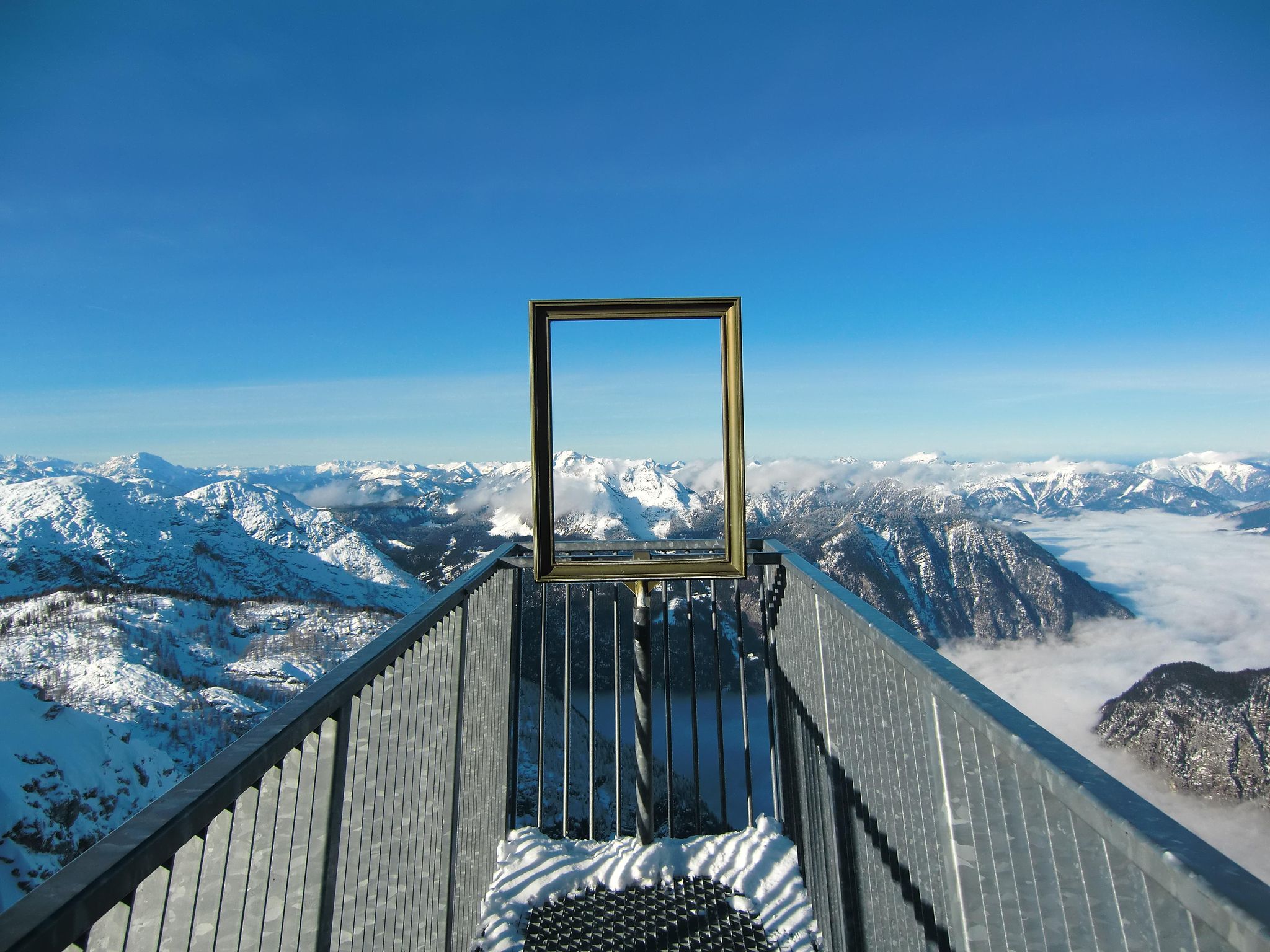
#Winterlove — 14 tips for your winter adventure in Austria
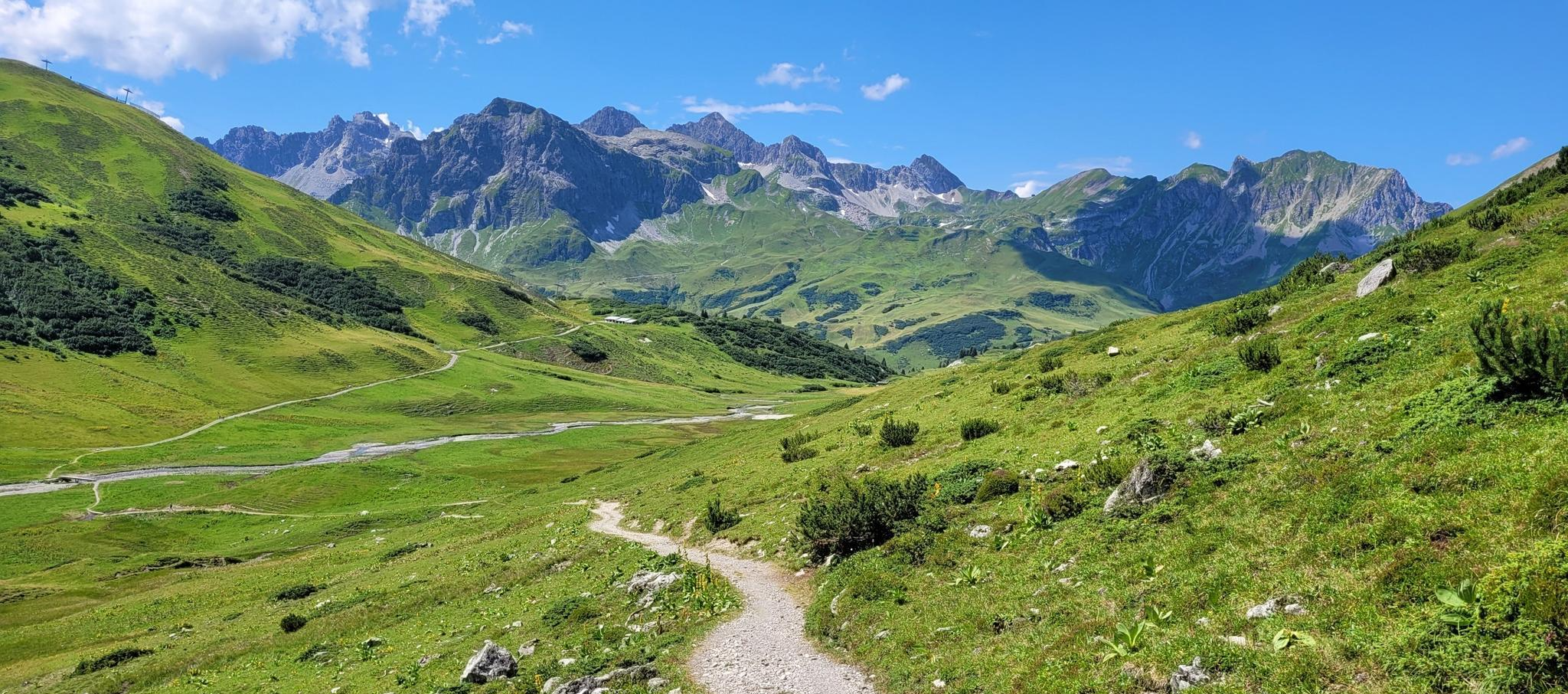
The RUN2 from Lech to Ischgl – Transalpine Run for beginners
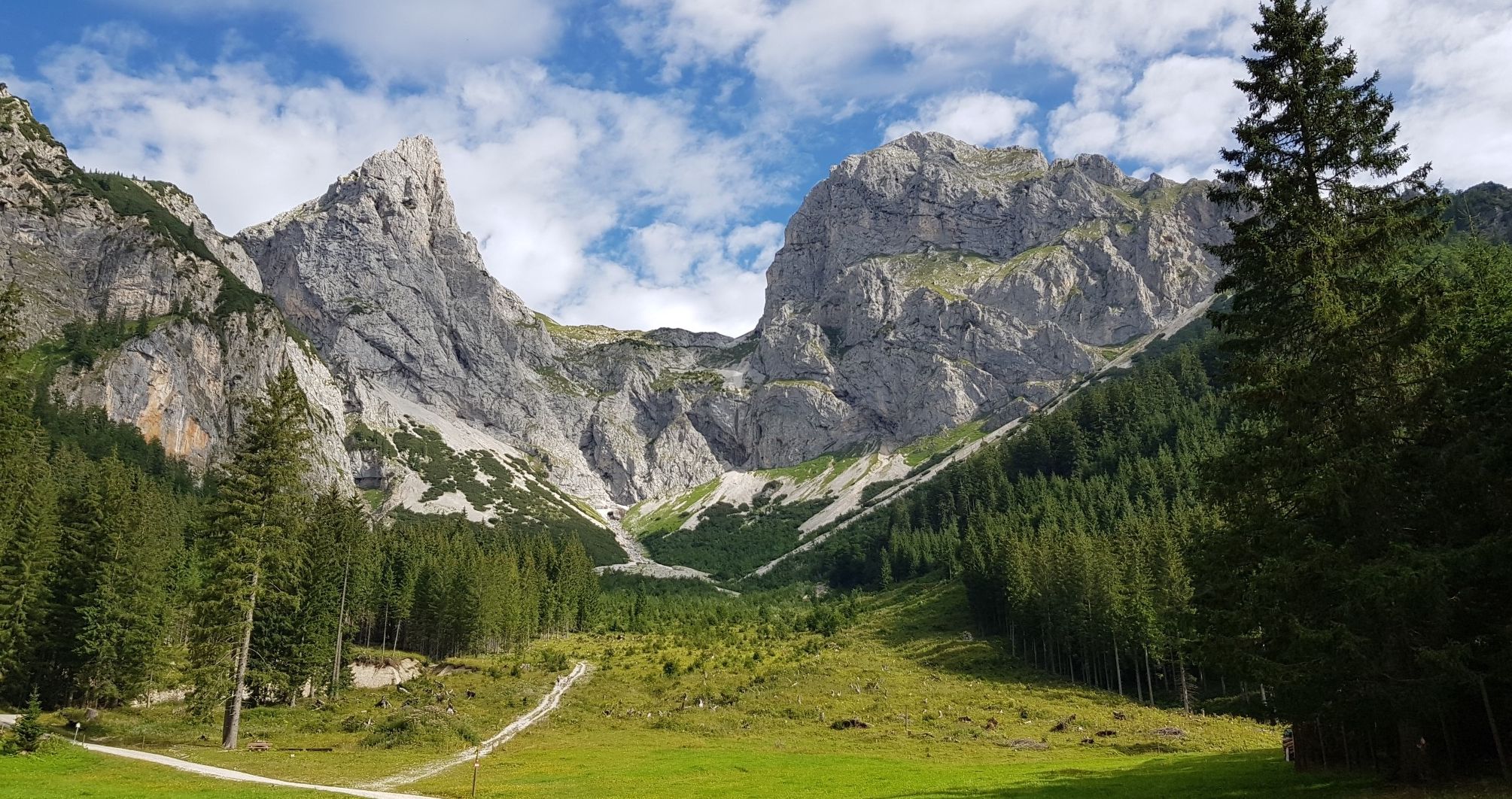
North Alpine Trail 01 – Hike across Austria in 49 days
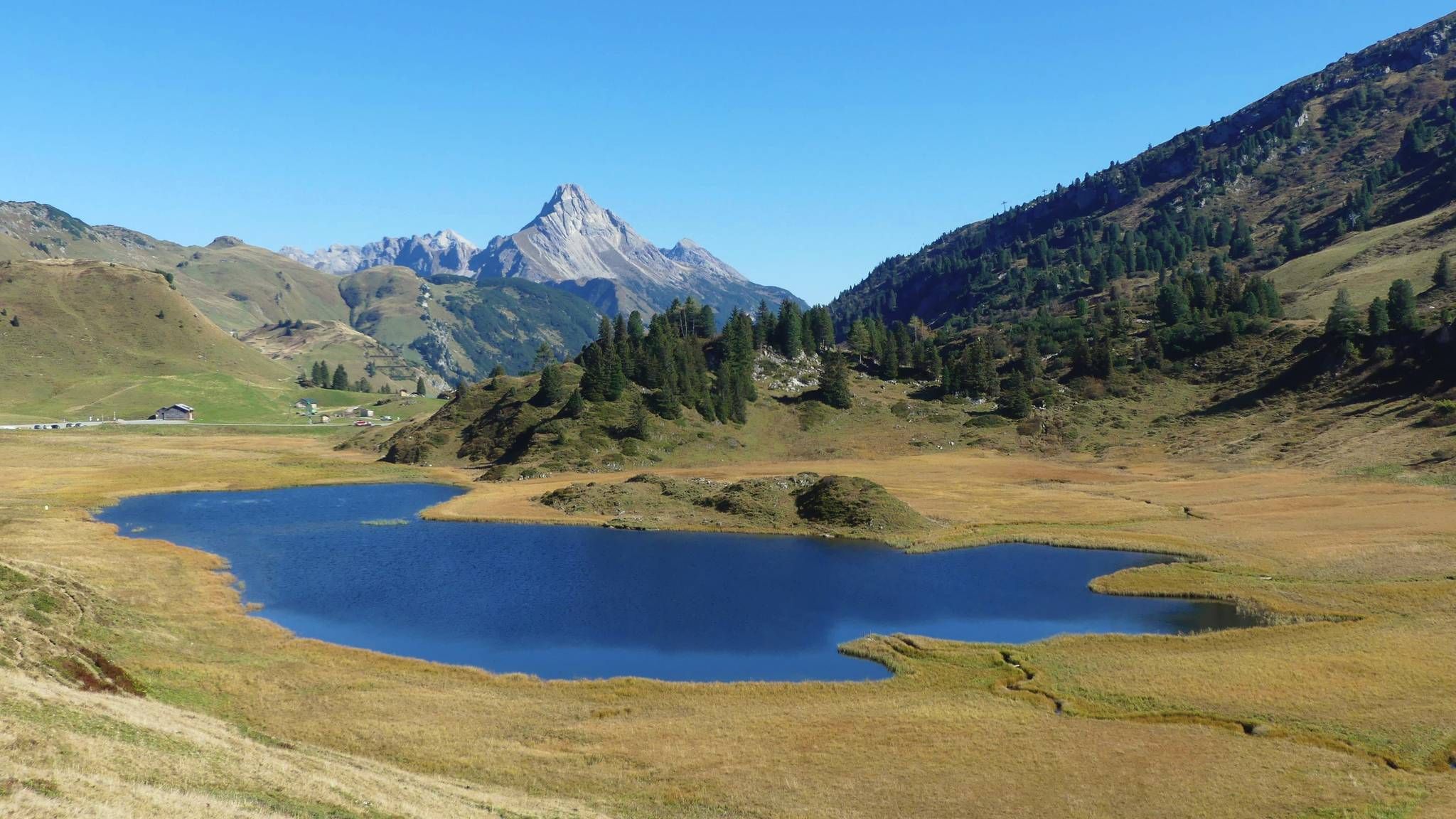
Min Weag long-distance hiking trail – From Lake Constance to the Alps
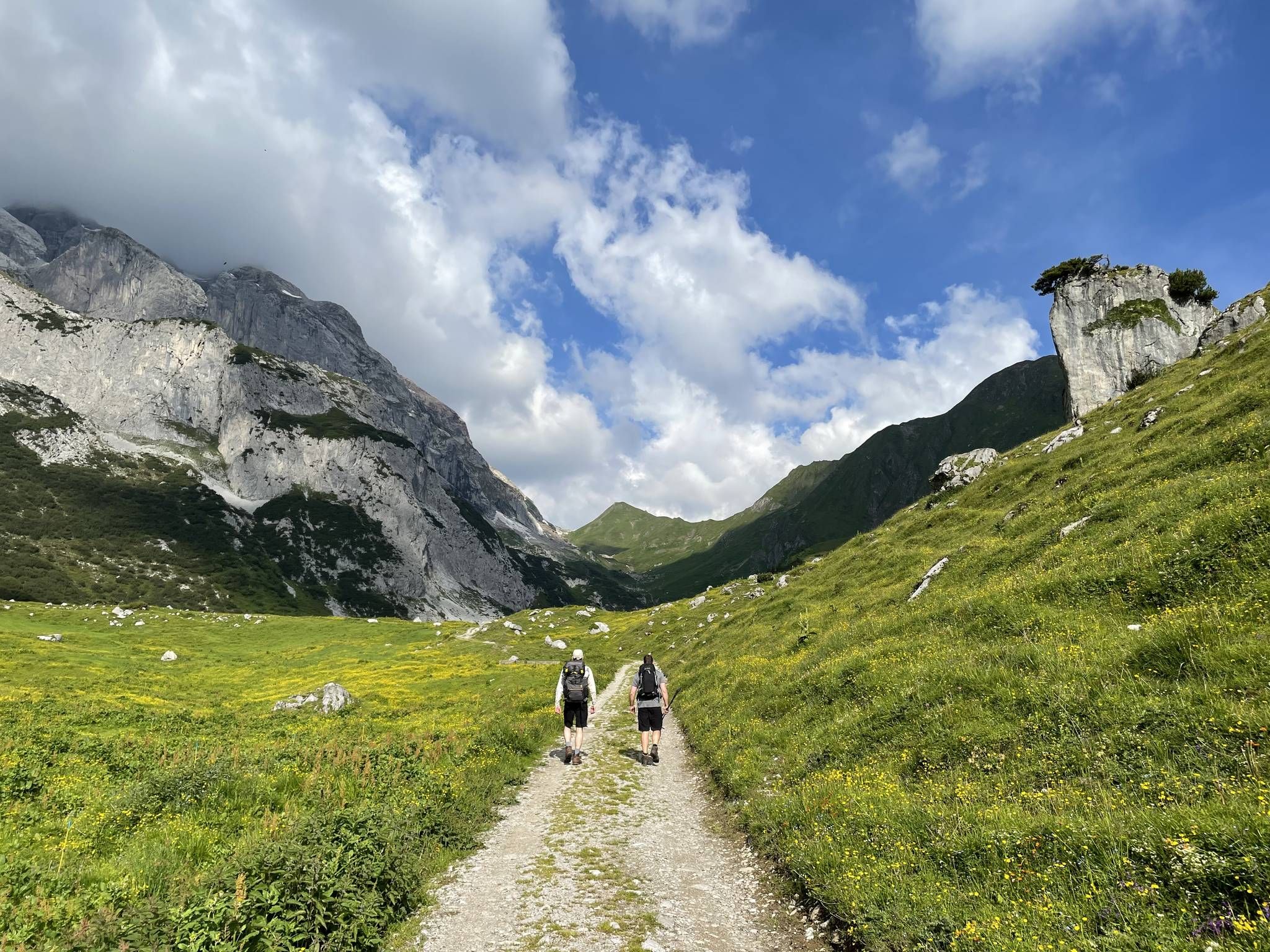
Montafon Hut-to-Hut Hiking Trail – 13 days in Western Austria
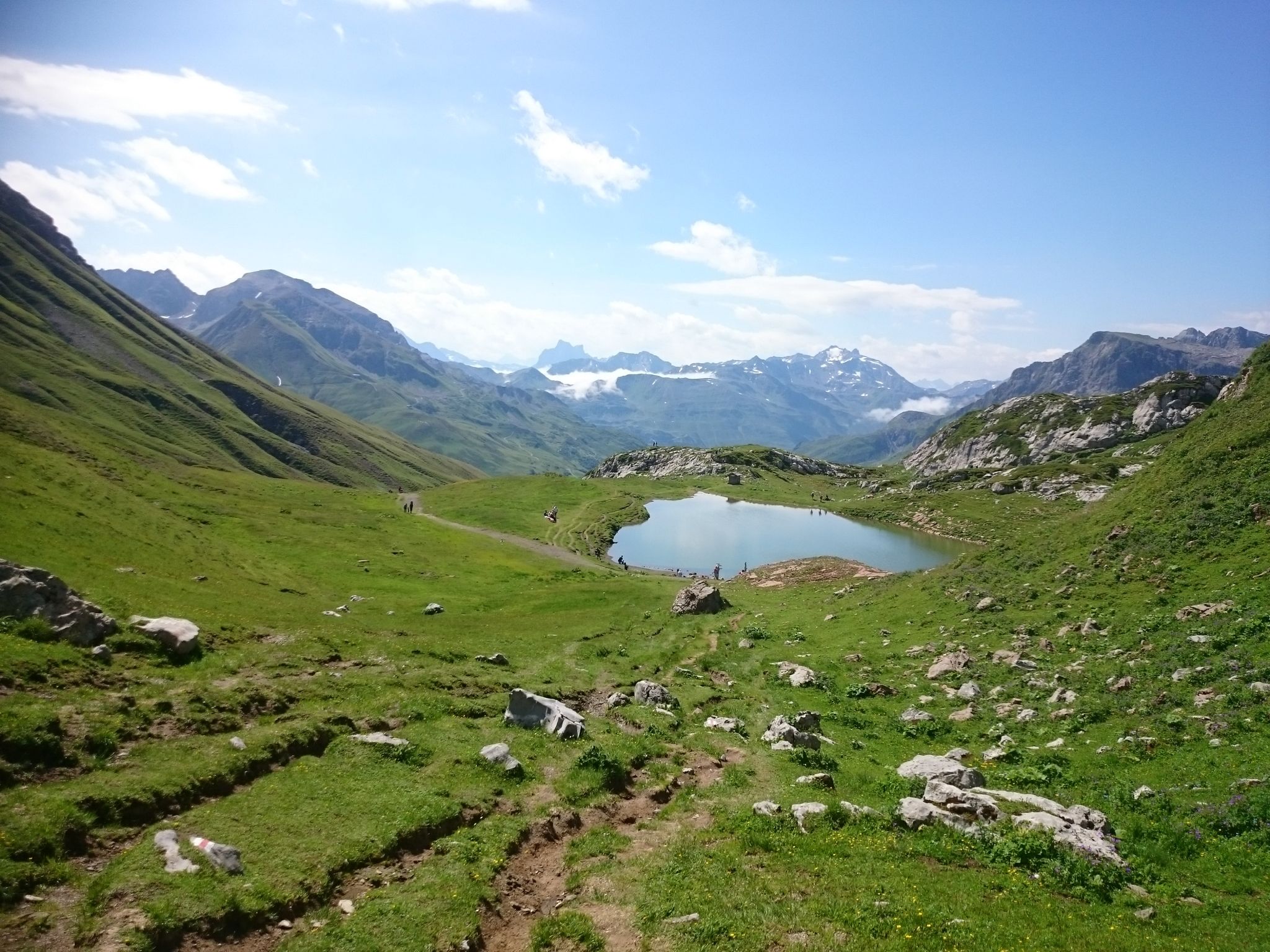
The Green Ring – hiking the fabled mountains of Austria's Arlberg
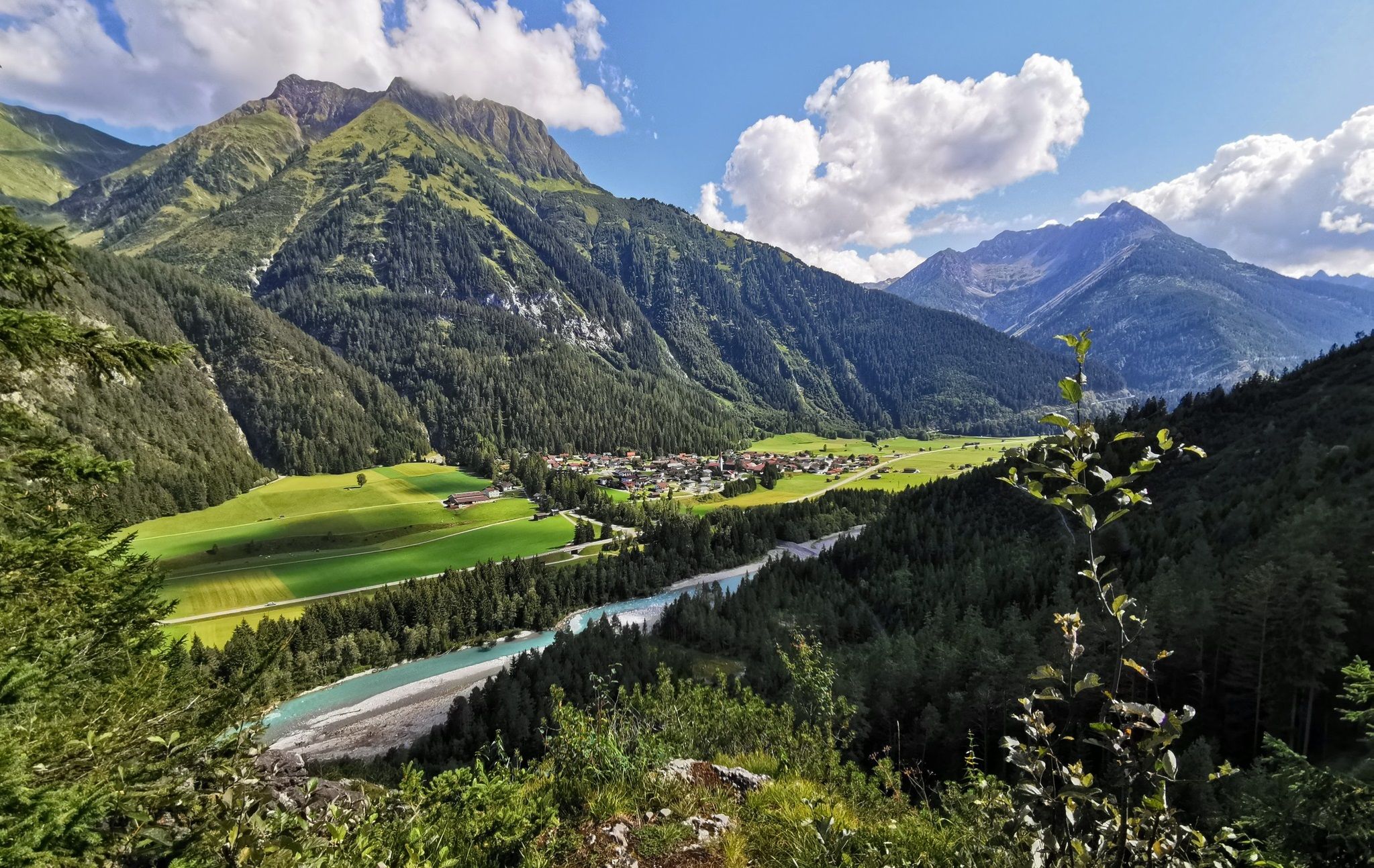
The Lechweg — eight days on Austria's wildest river
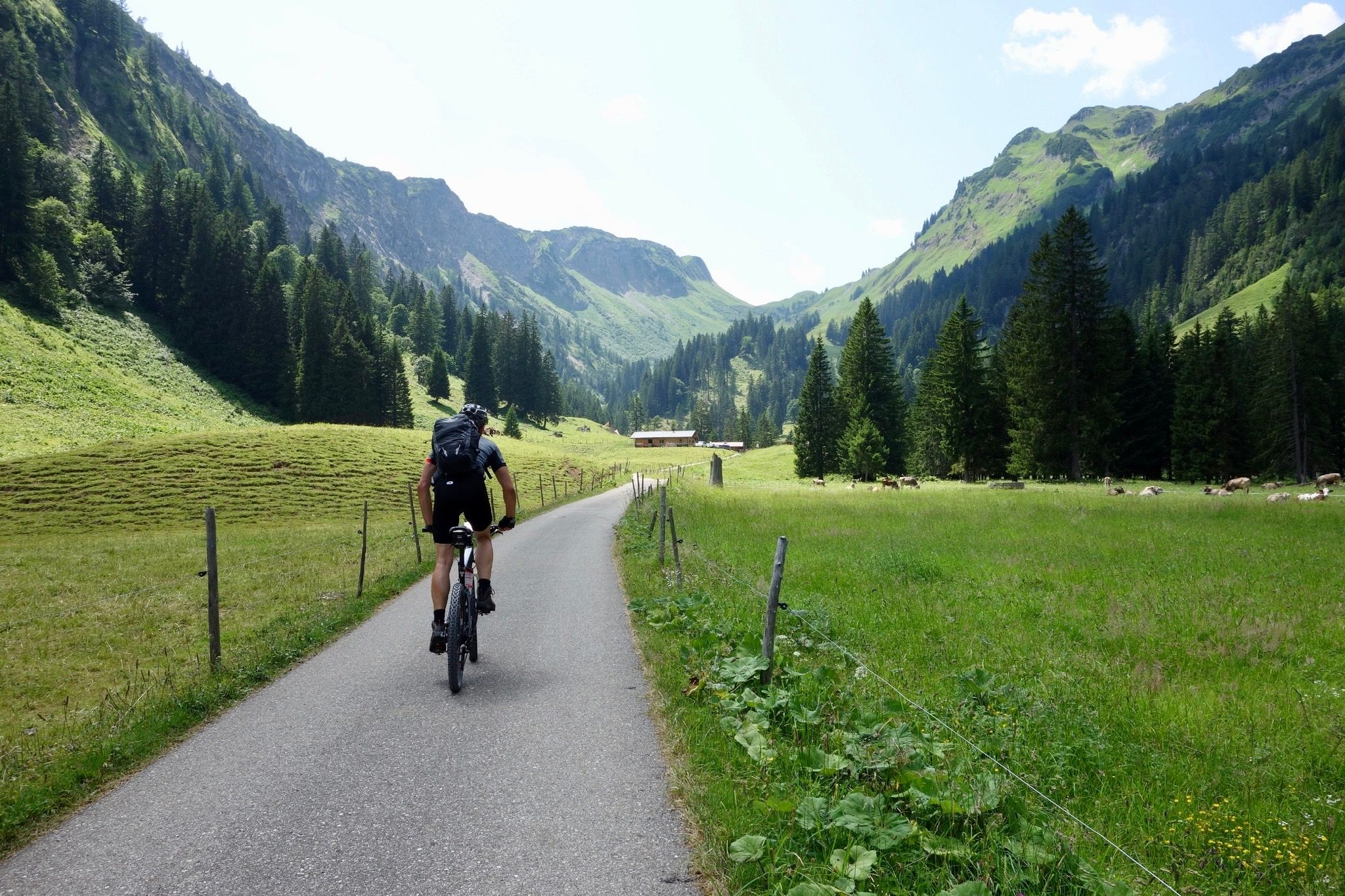
Heckmair Transalp – the original Alpine Crossing
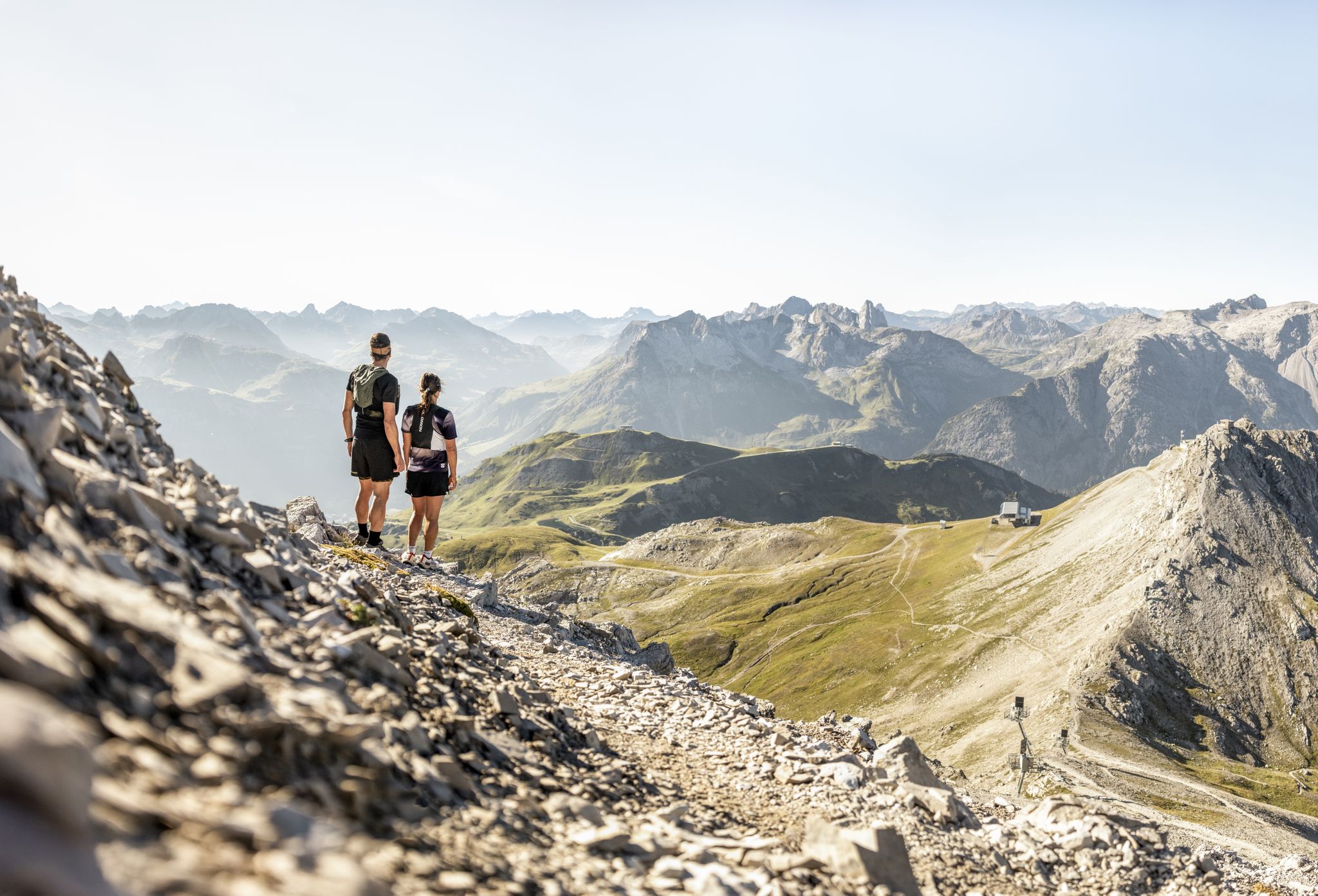
Trail running Lech Zürs – the region's most beautiful trails
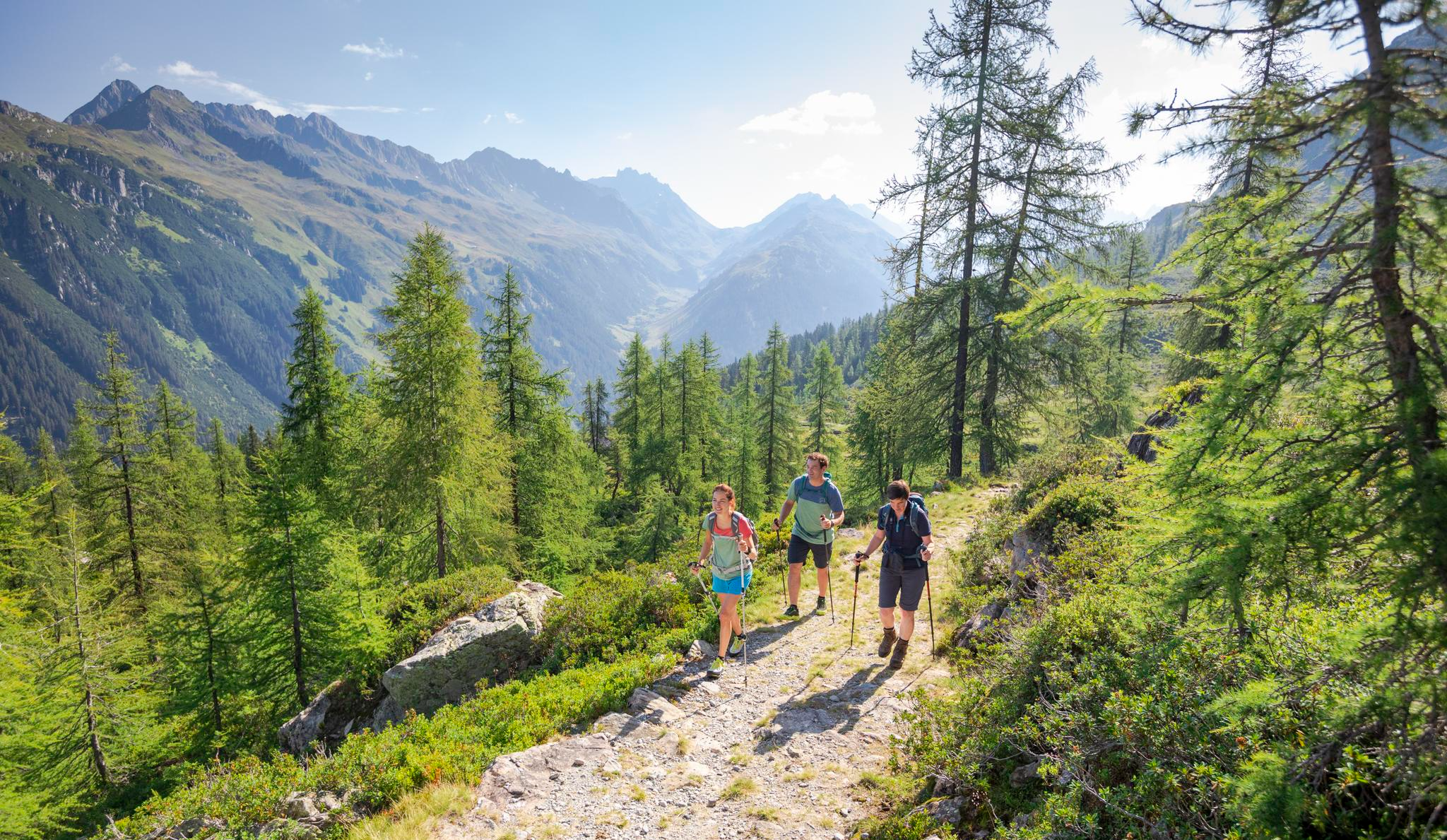
Between Maisäß and Alpe – hiking in Montafon
Other adventures in the Bezirk Bludenz


Tips from the Community

The ascent is steeper than expected, but very manageable thanks to the wire rope from the middle height of the ridge. However, a head for heights and sure-footedness are absolutely essential.
1
1

A small hiking trail leads to the Rüfikopf summit, which is also accessible in winter. From the small peak, there is a magnificent panoramic view of an impressive mountain landscape.
8
0
The T4 trail to Schillerkopf, coming from the Tschengla parking lot P3, is relatively easy to manage. There are only a few places where you need to use your hands, the trail is always clearly visible, and only a few sections are exposed.
0
0

The Braunarlspitze (2,649 m, highest peak in the Bregenzerwald Mountains) offers a fantastic panoramic view all around on clear days – both of the striking peaks in the surrounding area and of famous mountains in the distance. To the north/northeast: - Bregenzerwald Mountains with Kanisfluh, Hoher Ifen, and Diedamskopf - Behind them, on a clear day, the Allgäu Alps with Hochvogel and Grosser Krottenkopf To the east/southeast: - Lechquellen Mountains with Roter Wand and Mohnenfluh - In the distance, the Silvretta region with Piz Buin, Piz Linard, and the Ochsental Glacier To the south: - Verwall Group with Hoher Riffler To the west/southwest: - The Rätikon with Zimba, Schedsaplana, and Drusenfluh
1
0


The day begins where the greenery ends, lush indeed, but already slightly slanted by the altitude. Those who reach the Fürggele Pass have long since left everyday life behind – down in the valley, where the Bregenzerwald road winds its way through the hills like an old question no one asks anymore. Up here, however, everything presents itself anew. The wind blowing from the ridge carries no answers, but it doesn't ask questions either. It is simply there. Cooler than the breath of the trees, clearer than any weather forecast, and with that relentless clarity that tells you: Now, how you walk counts. The path to the Braunarlspitze is not a walk in the park. It is a silent test. No drama, but also no tourist theater. The stones don't talk, but they remind you with every step that humans are guests here – with good footwear, if possible. Some paths cling to the slopes like veins to the heart, others climb in a straight line, as if they were sure of their cause. And somewhere in between, the real wonder begins: when you stop looking at your feet and instead raise what you so rarely raise – your gaze. Then the world expands. Remnants of snow lie in the gullies like forgotten letters from winter. The ridges draw jagged lines against the blue, and somewhere a lake shimmers, small as a scrap of thought you haven't yet finished.
3
1

Frequently Asked Questions
What are some of the most impressive mountain peaks to explore in the Bezirk Bludenz?
The Bezirk Bludenz is home to several iconic peaks across its mountain ranges. In the Rätikon, Schesaplana Summit stands out as the highest, offering an unobstructed 360-degree panorama. The Verwall Alps feature the imposing Patteriol, often called the “Matterhorn of the Verwall.” For those seeking the highest point in Vorarlberg, Piz Buin in the Silvretta Alps is a popular destination.
Are there any family-friendly mountain peaks or accessible viewpoints in the Bezirk Bludenz?
Yes, there are options suitable for families or those seeking easier access. The Rüfikopf Summit Cairn is easily accessible by cable car for much of the year, providing fantastic panoramic views. Another accessible point is the Golmerbahn Mountain Station, which also offers great views and is family-friendly. For a relaxed hike with great views, Hoher Fraßen is a good choice.
Which mountain peaks in the Bezirk Bludenz offer challenging climbs for experienced mountaineers?
For experienced mountaineers, the Bezirk Bludenz offers several challenging ascents. Glatthorn Summit requires experience and sure-footedness on narrow paths. The Schillerkopf summit is another peak suitable for experienced hikers, offering gigantic views. The Zimba, known as the “Rätikon Matterhorn,” presents a prominent form for those seeking an iconic climb. The Drusenfluh Group and Sulzfluh Group also provide impressive rock formations and climbing opportunities.
What kind of panoramic views and natural landmarks can I expect from the mountain peaks in Bezirk Bludenz?
The mountain peaks in Bezirk Bludenz offer breathtaking panoramic views and are often surrounded by stunning natural landmarks. From Schesaplana Summit, you can enjoy an unobstructed 360-degree panorama, with the Brandner Gletscher and the deep blue Lünersee nearby. The Saumspitze offers nearly 360-degree views, including the Ötztal Alps. The region is also known for its distinctive white limestone walls in the Rätikon and the glacial landscapes of the Silvretta Alps, often seen around the Silvrettasee lake.
Are there mountain huts available for multi-day tours near the peaks?
Yes, the region is well-equipped with mountain huts that provide accommodation and services for multi-day tours. The Wormser Hut is known for its cozy atmosphere and delicious food. Another popular option is the Freiburger Hut, a DAV refuge located above the picturesque Formarinsee, serving as an ideal starting point for many tours.
When is the best time to hike and explore the mountain peaks in the Bezirk Bludenz?
The best time to hike and explore the mountain peaks in the Bezirk Bludenz is generally from late spring to early autumn (June to October). During these months, the weather is typically more stable, trails are clear of snow at lower to mid-altitudes, and mountain huts are open. For higher alpine routes, late summer (August and September) often provides the most favorable conditions. Winter offers opportunities for skiing and snowshoeing, but requires specialized equipment and experience.
What other outdoor activities can I do near the mountain peaks in the Bezirk Bludenz?
Beyond peak bagging, the Bezirk Bludenz offers a wide range of outdoor activities. You can explore numerous mountain biking trails, such as those found in the MTB Trails in the Bezirk Bludenz guide. There are also many running trails, including the scenic Lünersee Circular Trail, detailed in the Running Trails in the Bezirk Bludenz guide. For dedicated mountaineers, the region provides challenging routes like the Lake Lüner – Schesaplana Summit loop, which you can find in the Mountain Hikes in the Bezirk Bludenz guide.
Which mountain ranges are prominent in the Bezirk Bludenz and what peaks do they feature?
The Bezirk Bludenz is characterized by several impressive mountain ranges. The **Rätikon Mountains** are known for their distinctive white limestone walls and include peaks like Schesaplana Summit and the Drusenfluh Group. The **Verwall Alps** feature the imposing Patteriol and Saumspitze, offering extensive trail networks. The **Silvretta Alps**, often called the "Blue Silvretta" due to its glaciers, are home to Piz Buin. Additionally, parts of the Lechquellen Mountains and Bregenzerwald Mountains are within the region, featuring peaks like the Braunarlspitze Summit.
How accessible are the mountain peaks in the Bezirk Bludenz by public transport or cable car?
Many mountain peaks and trailheads in the Bezirk Bludenz are accessible, with some offering convenient cable car access. The Rüfikopf Summit Cairn, for instance, can be reached by cable car for much of the year, making it an easy way to gain altitude and enjoy views. The Golmerbahn Mountain Station also provides easy access to higher elevations. For other peaks, public transport often connects to valley towns, from where hiking trails or local buses lead to trailheads.
What do visitors enjoy most about exploring the mountain peaks in Bezirk Bludenz?
Visitors consistently praise the breathtaking panoramic views and the diverse range of experiences available. Many highlight the rewarding feeling of reaching summits like Schesaplana Summit, where the arduous ascent is met with an unparalleled 360-degree vista. The region's extensive trail networks, from leisurely walks to challenging climbs, cater to all levels, and the well-maintained mountain huts like Wormser Hut are appreciated for their hospitality and delicious food.
Are there any less crowded mountain trails or hidden gems in the Bezirk Bludenz?
While popular peaks attract many, the vastness of the Bezirk Bludenz allows for discovering less crowded trails. To find hidden gems, consider exploring peaks slightly off the main tourist routes or visiting during the shoulder seasons. The Verwall Alps, for example, are less glaciated and offer a network of trails that can lead to quieter spots. Consulting local guides or komoot's diverse route options can help uncover these serene paths.
What should I pack for mountain hiking in the Bezirk Bludenz?
When hiking in the Bezirk Bludenz, it's essential to be prepared for varying mountain weather. Pack layers of clothing, including waterproof and windproof outer shells, even in summer. Sturdy hiking boots with good ankle support are crucial. Other essentials include a map and compass or GPS device, sufficient water and snacks, sun protection (hat, sunglasses, sunscreen), a first-aid kit, and a headlamp. For multi-day tours, consider booking hut accommodation in advance.
Most popular routes in the Bezirk Bludenz
Most popular attractions in the Bezirk Bludenz

Get inspired with the komoot mobile app


Didn’t find what you were looking for?
Discover Bezirk Bludenz’s best peaks and summits by region:
