Attractions and Places To See in East Frisia - Top 20
Best attractions and places to see in East Frisia include a diverse range of coastal landscapes, historic towns, and cultural experiences in northwest Germany. The region features the UNESCO World Natural Heritage site of the Wadden Sea and a chain of East Frisian Islands. Its flat landscape is characterized by fen canals, moorland, and dikes, making it suitable for cycling and walking. East Frisia also preserves a distinct tea culture and numerous historic buildings.
Best attractions and places to see…
Last updated: August 16, 2026
Pilsum Lighthouse
Highlight • Monument
Translated by Google •
Tip by

Neuharlingersiel Harbour and Fishermen’s Statues
Highlight • Settlement
Translated by Google •
Tip by

Sign up now to discover places like this
Get recommendations on the best single tracks, peaks, & plenty of other exciting outdoor places.
Sign up for free
Old Sluice, Greetsiel
Highlight • Settlement
Translated by Google •
Tip by

Carolinensiel Museum Harbor
Highlight • Historical Site
Translated by Google •
Tip by

Historic Sluice at Greetsiel
Highlight • Monument
Translated by Google •
Tip by

Old Town, Leer
Highlight • Historical Site
Translated by Google •
Tip by

Harlesiel Harbour
Highlight • Structure
Translated by Google •
Tip by

Dike Cycle Path Utlandshörn–Norddeich
Highlight • Cycleway
Translated by Google •
Tip by

Seaward Dike Maintenance Path (Seeseitiger Deichsicherungsweg)
Highlight • Cycleway
Translated by Google •
Tip by
Norddeich Harbour
Highlight • Structure
Translated by Google •
Tip by

Sign up for free to discover even more attractions in East Frisia.
Sign up for free
Already have an account?
Start today with a free account
Your next adventure awaits.
Login or Signup
Popular around East Frisia
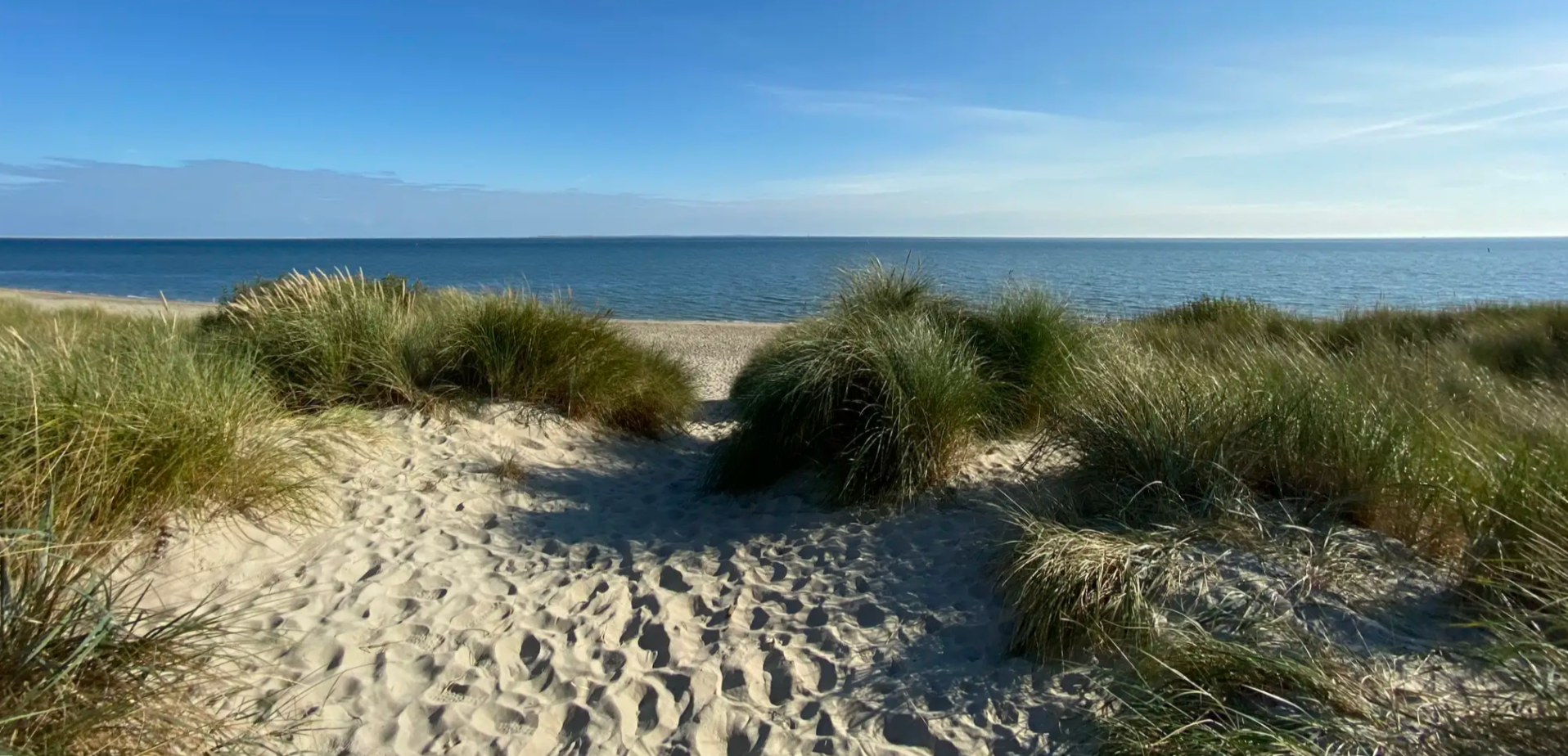
Regional Trail WaddenWalking (SP 04) - Hiking across the Wadden Sea.
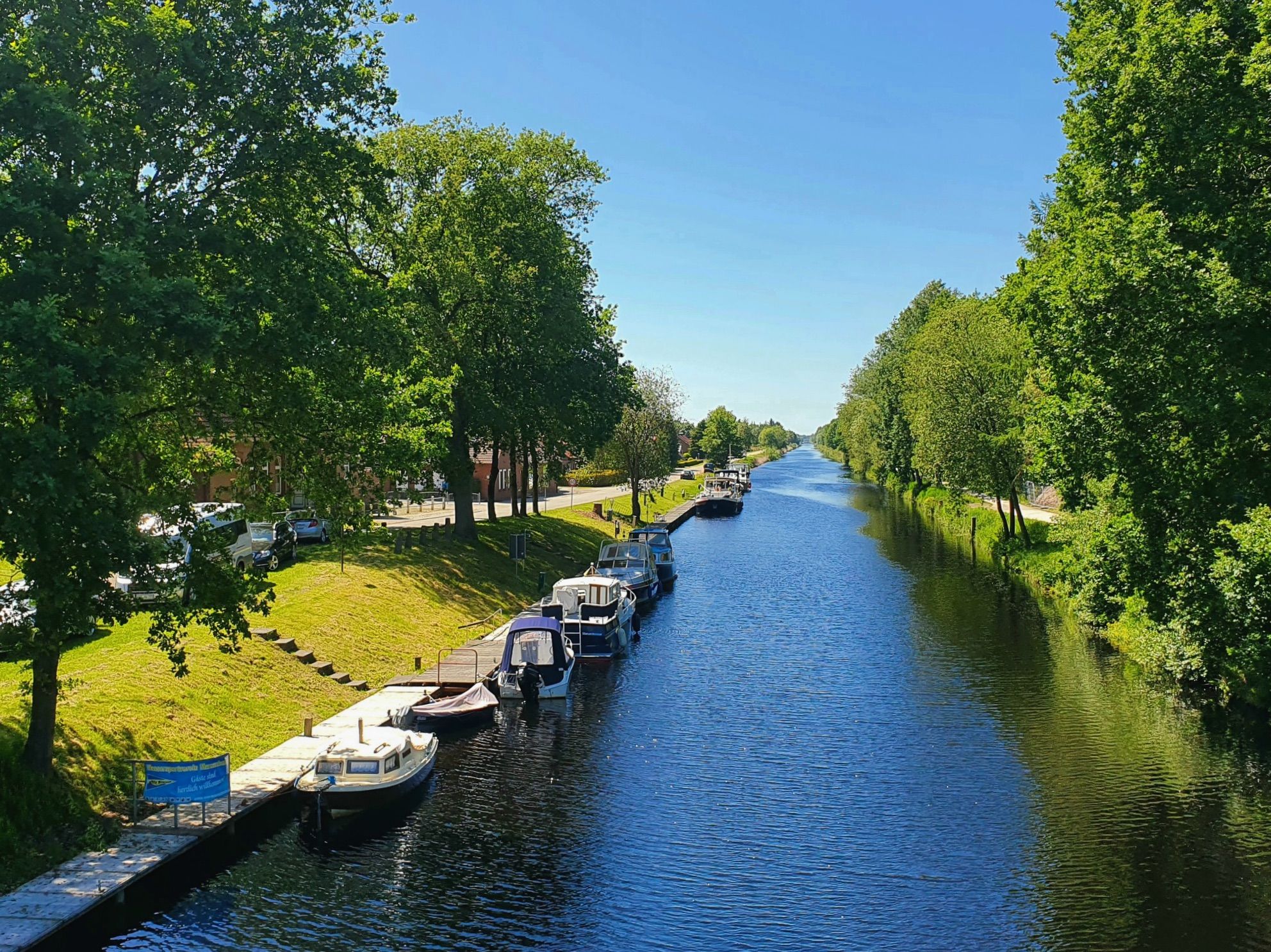
Ems-Jade Trail – Across East Frisia
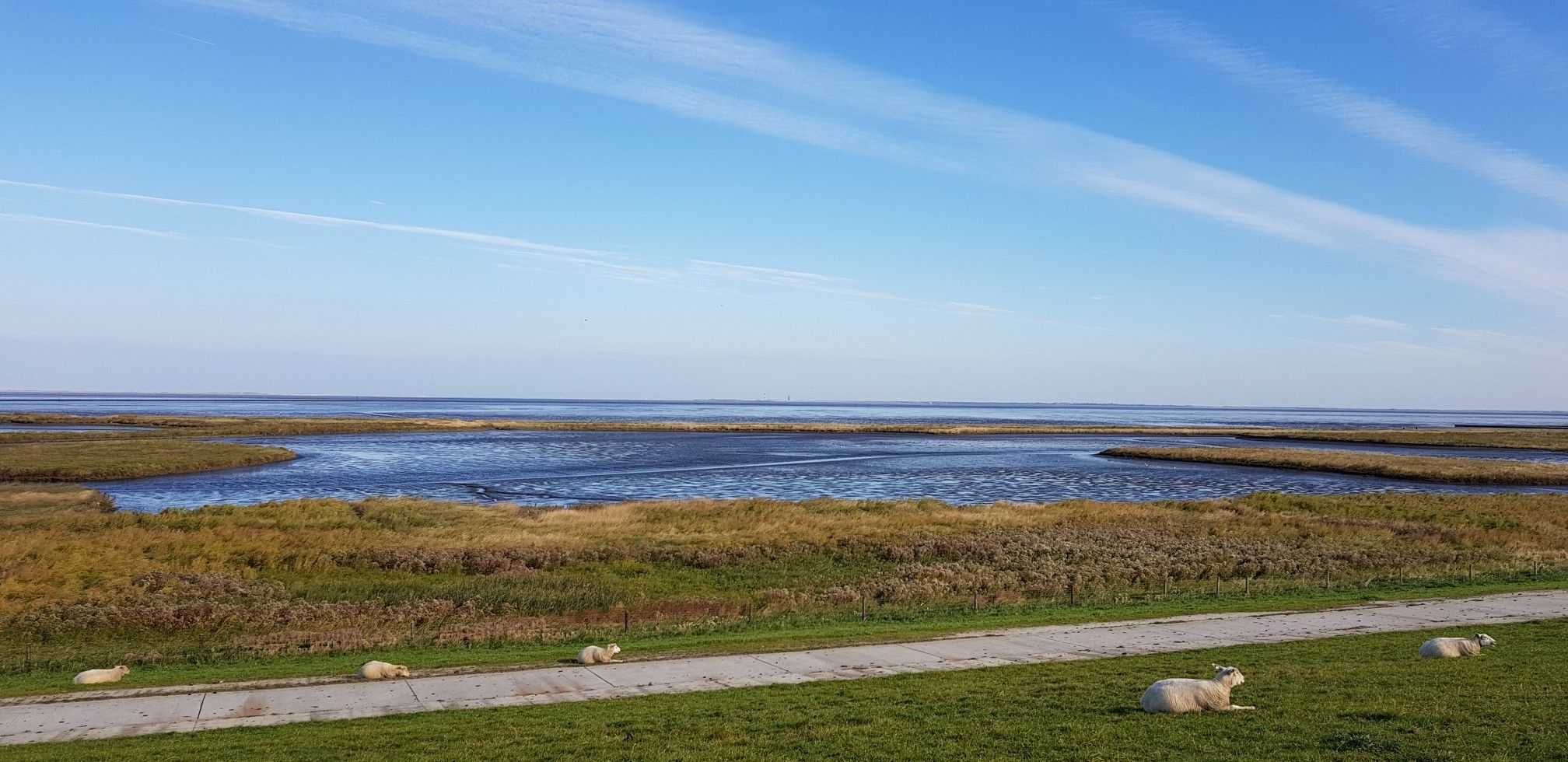
Tour de Fries in Germany — Friesland's most beautiful sides
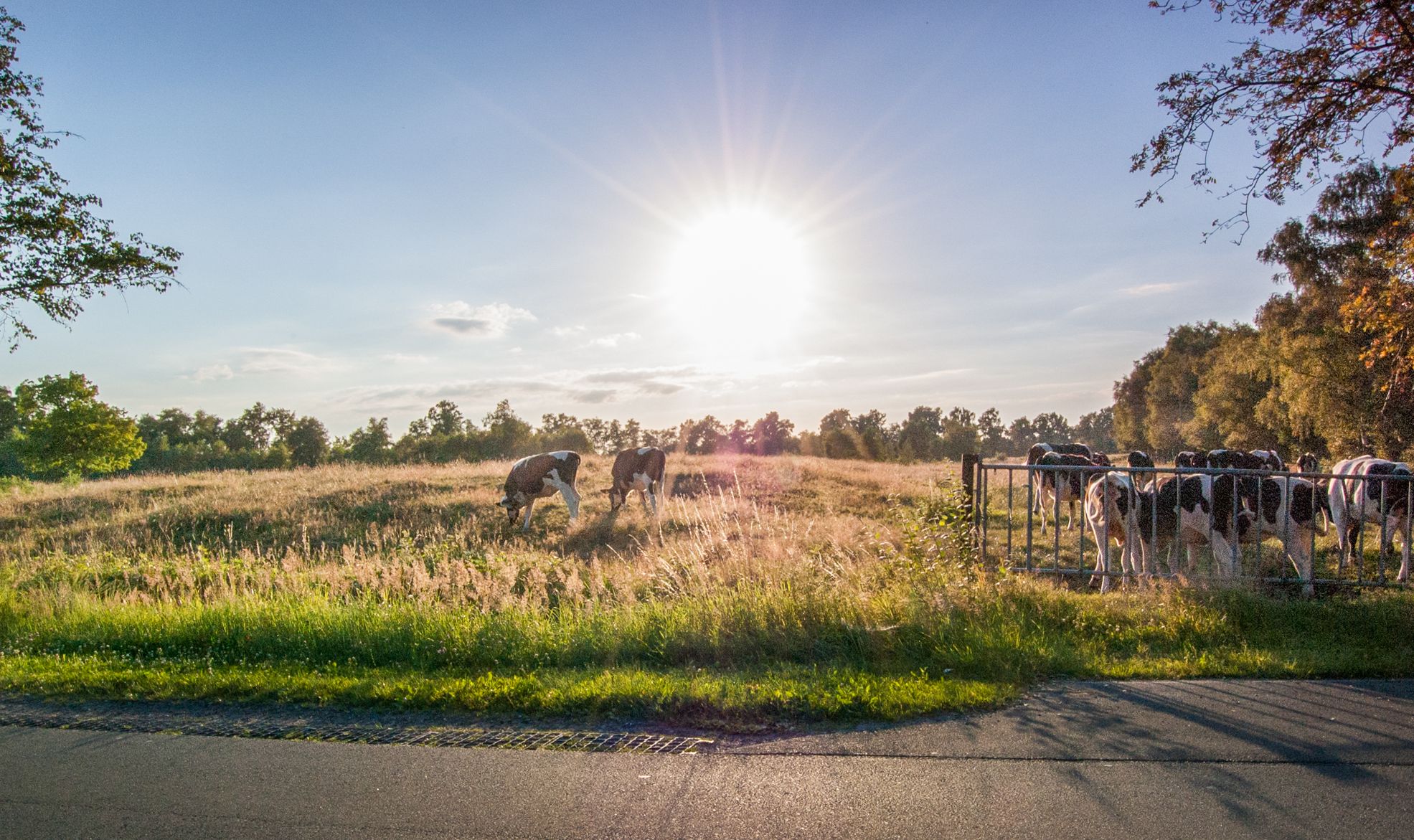
The Jade Trail in Ammerland – Hiking in Northern Germany
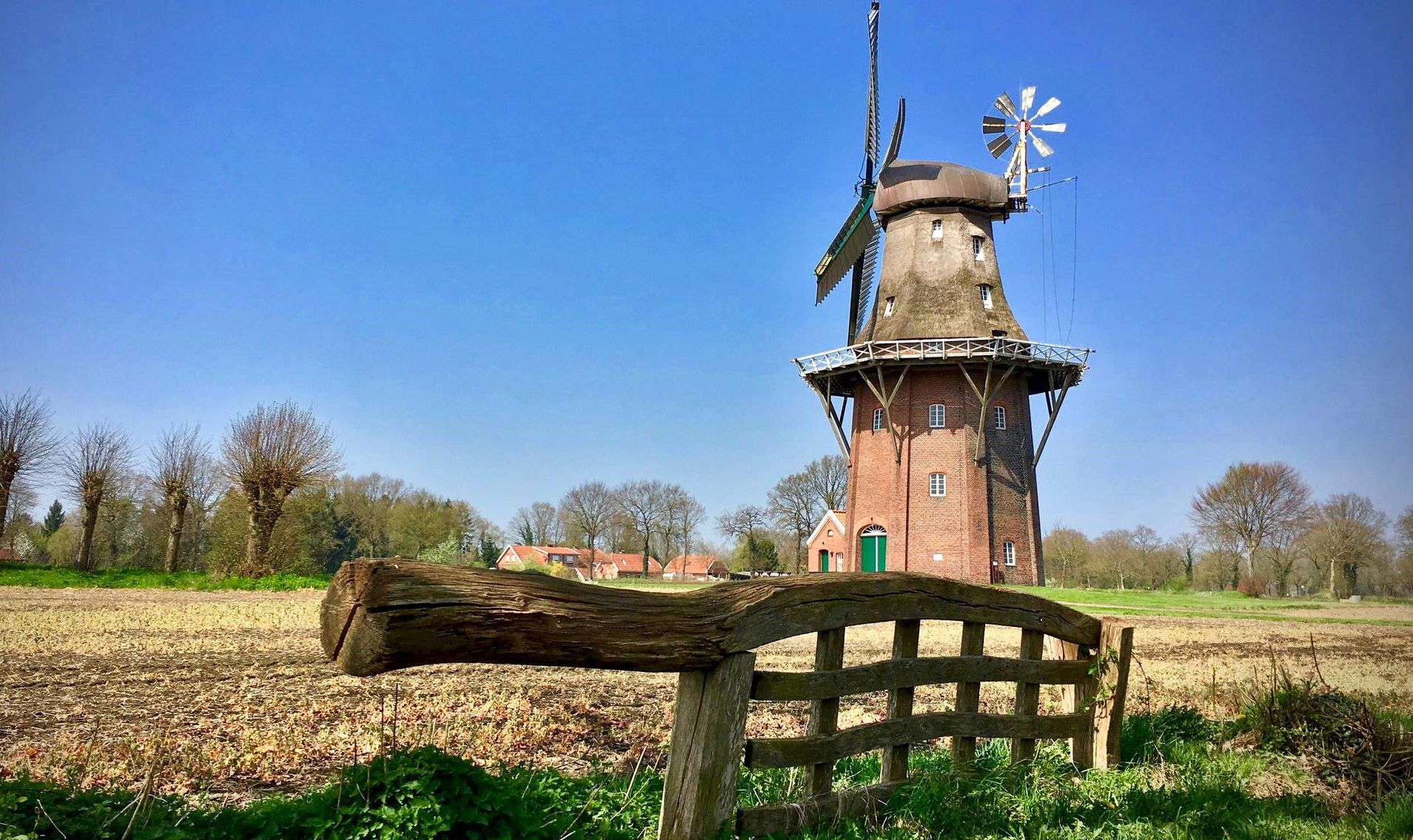
Ostfriesland Hiking Trail – Hike to Germany's North Sea coast
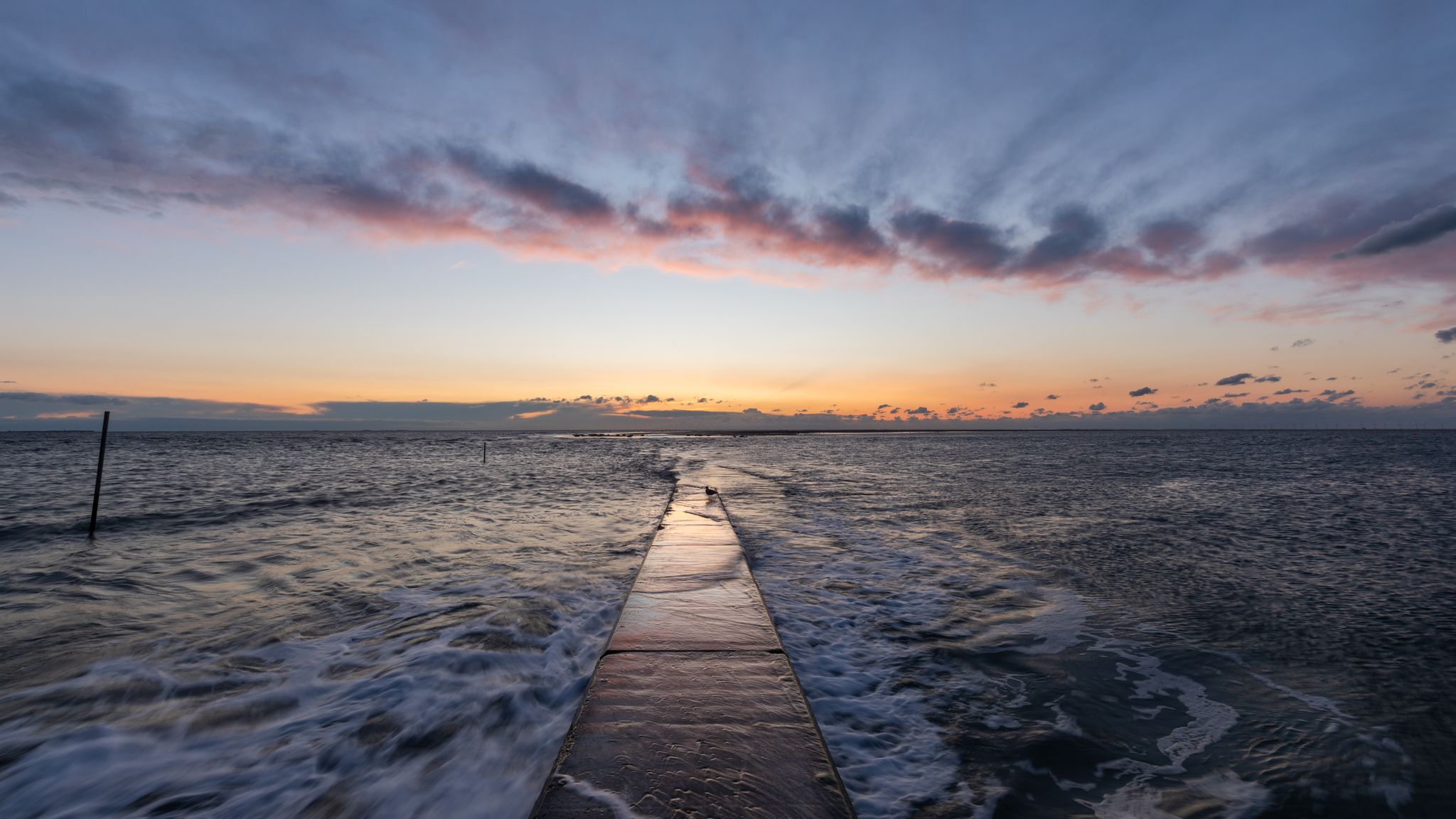
The National Natural Landscapes in Niedersachsen
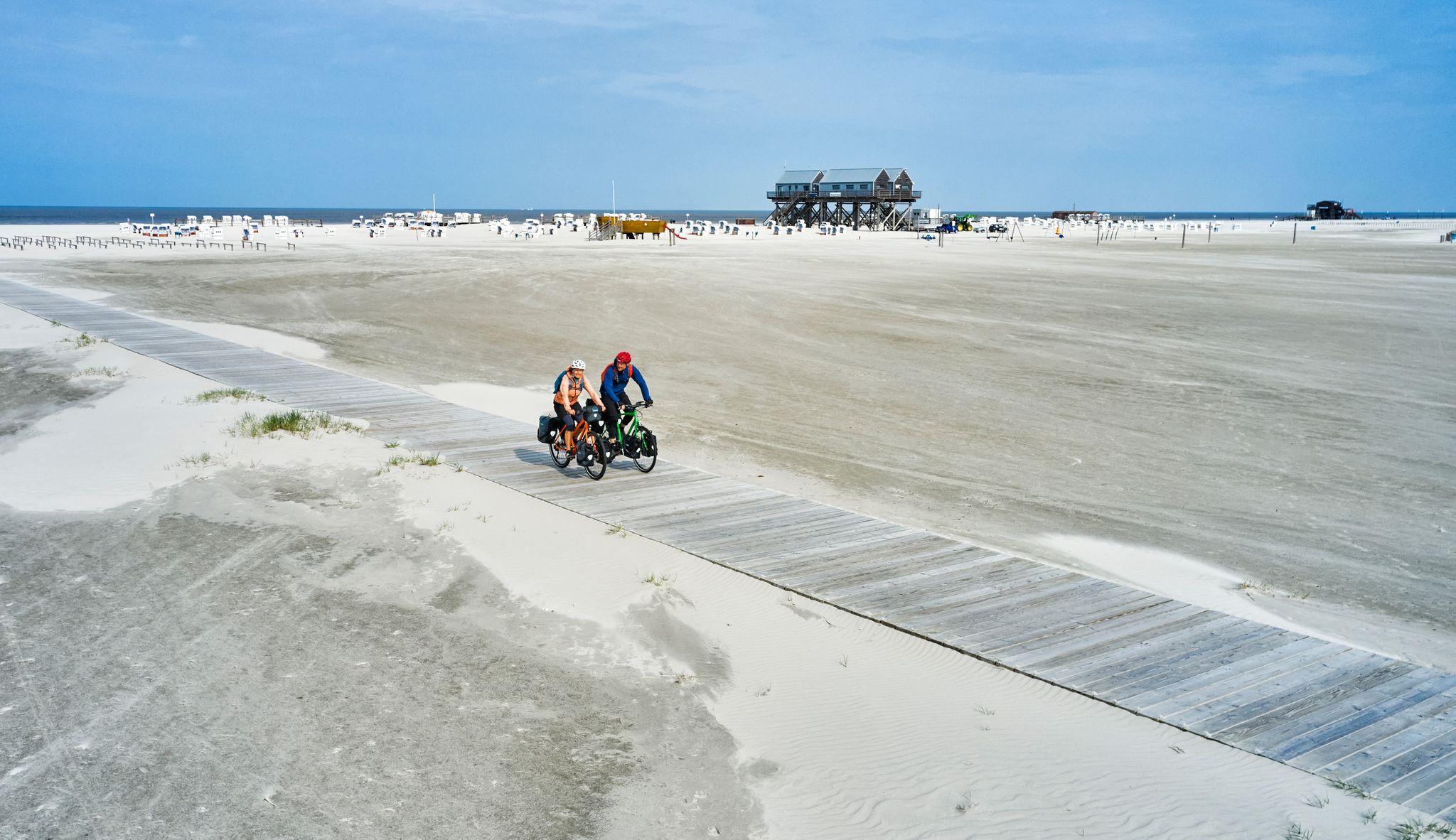
Nine hundred kilometres of pure freedom – North Sea Cycle Route
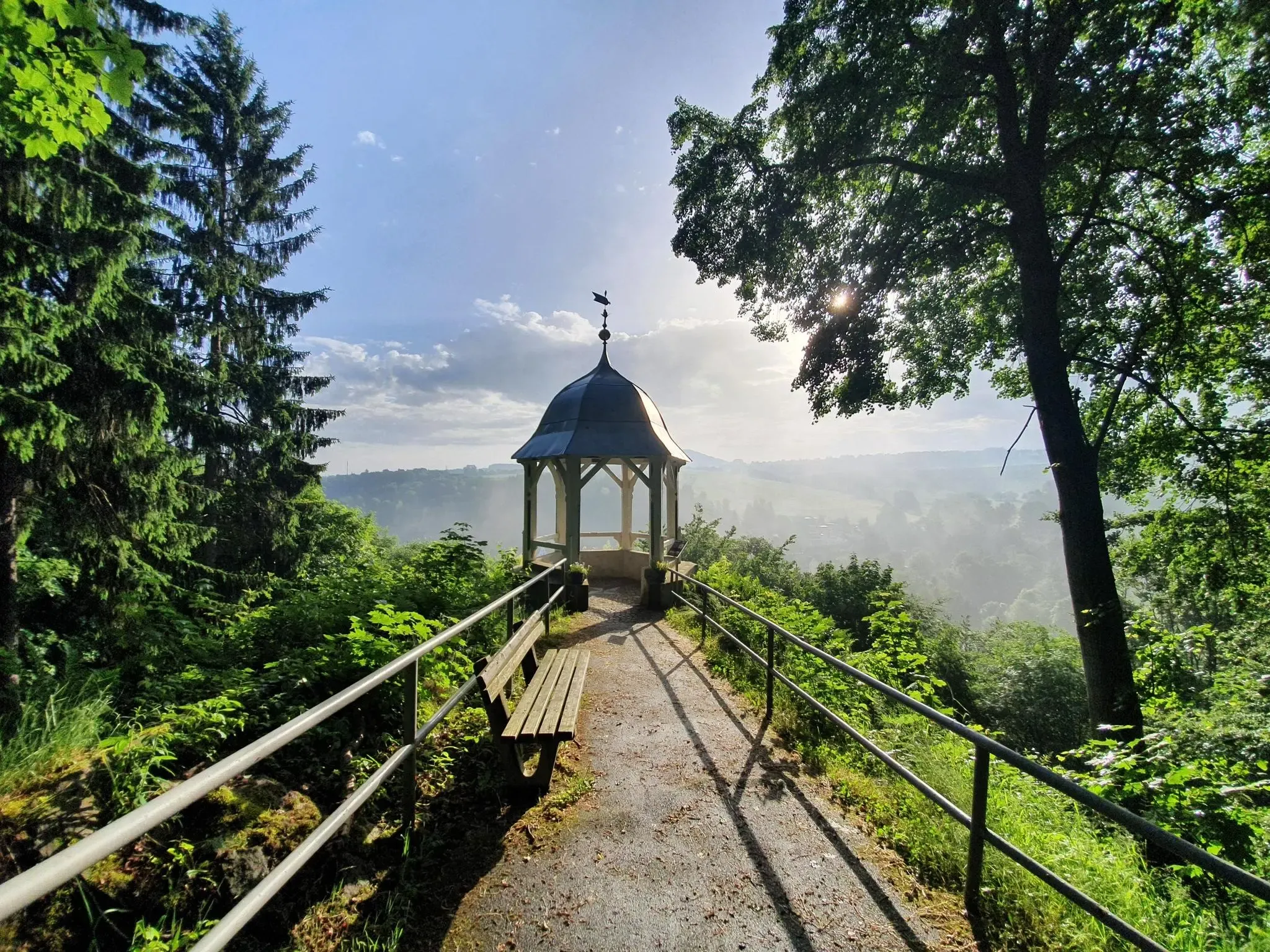
#GoFurther – discover the views of Germany!
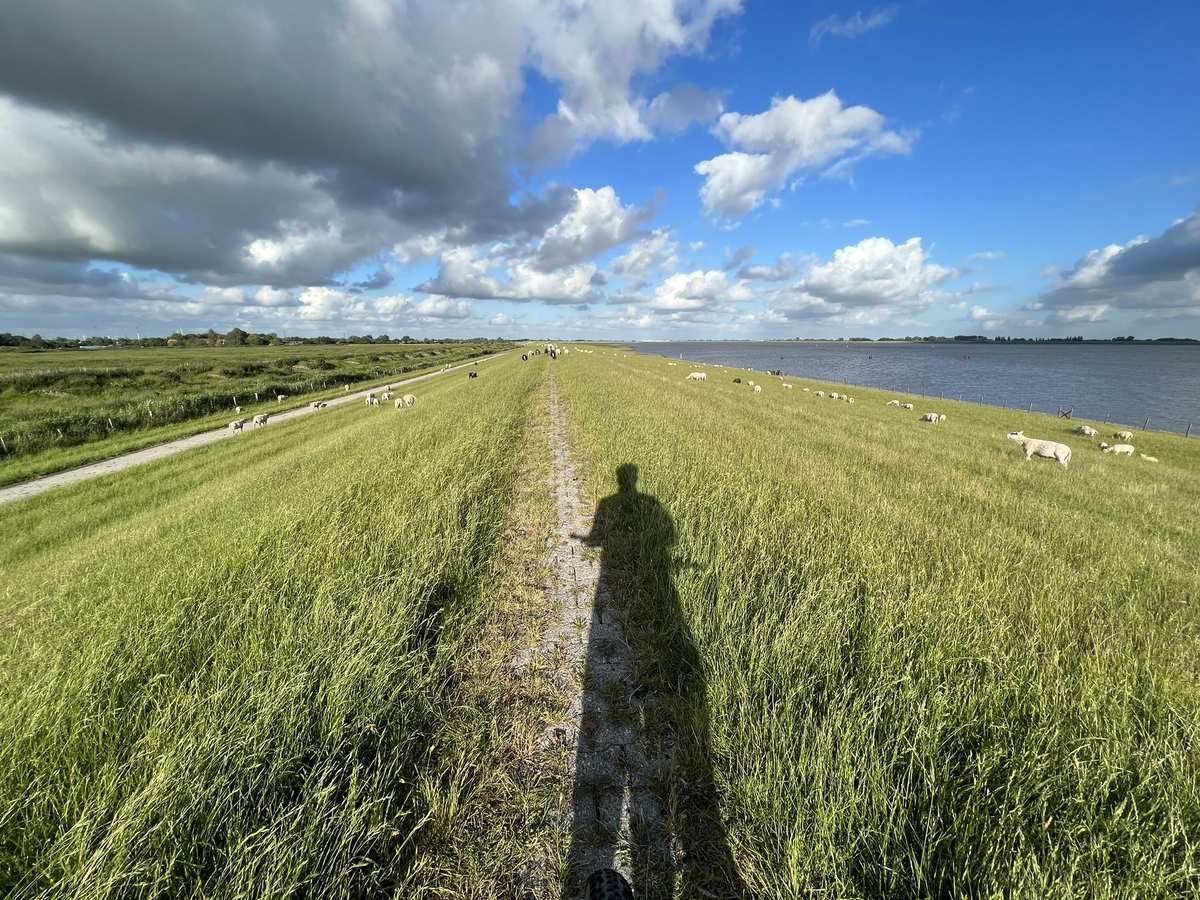
Cycling through East Frisia in Germany – Frisian Army Trail
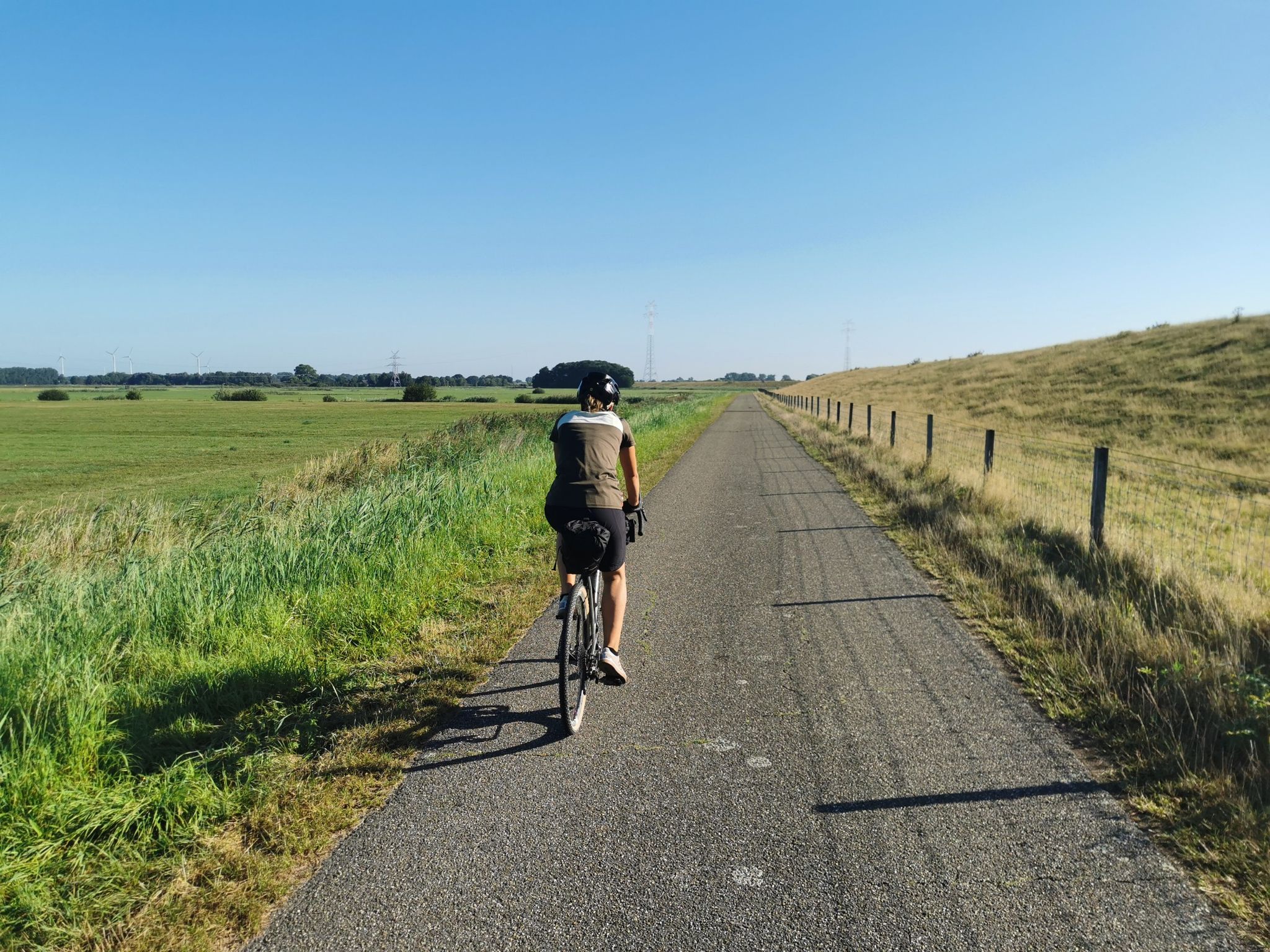
Sheep, dykes and Germany’s North Sea – Dollart Route
Other adventures in East Frisia


Tips from the Community

⚓️Greetsiel is a district of the municipality of Krummhörn in the Aurich district in Lower Saxony🧭. Very idyllic & charming, great maritime town💙. Colorful fishing boats in the harbor 💙💜❤️🤎💛🧡 and a very well-kept village center are inviting. Can be quite crowded, a meeting point for many tourists🎒.
16
1

Very nice strolling street. On one side is the wonderful town hall of Leer. On the other side are some of the filming locations of the Friesland crime series.
13
0

One of the most beautiful corners of Leer
14
0

Good cycle paths from Greetsiel to Norddeich.Norddeich itself is a matter of opinion. There are certainly nicer places.
7
2

I was on a bike ride with my daughter and stopped off for Frisian tea and cake at the Cafè ZUM ALTEN SIEL and can only say good things. Friendly service, delicious tea and cake (both beautifully presented) and a great place to sit on the covered outdoor terrace with a view of the town. A good tip for a nice afternoon.
15
1

A great path directly along the water with views of Norderney, Juist and the Netherlands on the western horizon.
8
2

Greetsiel Sielanlage Alter Greetmer Siel 1798 Greetsiel is a district of the municipality of Krummhörn in the Aurich district in Lower Saxony. Greetsiel looks back on a history spanning over 650 years. The rise of the Cirksena family, a chieftain family that provided the counts and princes of East Frisia from 1464 to 1744, began in the town. Greetsiel is a typical East Frisian sluice town. In the town center there are numerous monuments with historical, artistic or urban significance. There are currently 27 shrimp boats in the fishing harbor.
23
2

Whether in front of or behind the dike, cycling is fun here.
8
3
Frequently Asked Questions
What natural attractions can I explore in East Frisia?
East Frisia is renowned for its natural beauty. The Wadden Sea, a UNESCO World Natural Heritage site, offers unique mudflat hiking experiences and is a vital habitat for seals, waterfowl, and wading birds. You can also visit the East Frisian Islands like Borkum, Juist, and Norderney, which boast sandy beaches and dunes perfect for hiking and cycling. The Großes Meer near Emden is a shallow lake known for surfing and is partly a nature reserve.
What historical sites and cultural experiences does East Frisia offer?
East Frisia is rich in history and culture. Don't miss the iconic Pilsum Lighthouse, famous for its distinctive stripes. The charming fishing village of Greetsiel, with its historic houses, twin mills, and the Old Sluice, offers a glimpse into maritime heritage. Leer's old town and City Harbour are known for well-preserved historic buildings. The region also boasts over 90 historic churches, including the Church of Suurhusen with its crooked tower, and a cherished East Frisian Tea Culture.
Are there family-friendly attractions in East Frisia?
Yes, East Frisia offers many family-friendly options. The Neuharlingersiel Harbour and the historic village of Greetsiel are popular for their lively atmosphere and picturesque settings. The Pilsum Lighthouse is a fun landmark for all ages. Many of the coastal areas and islands provide opportunities for beach activities and gentle walks. The Seehundstation Nationalpark-Haus (Seal Station National Park House) is also a great educational visit for families.
What are the best ways to experience the Wadden Sea in East Frisia?
The Wadden Sea, a UNESCO World Natural Heritage site, can be experienced through guided mudflat hikes, which offer a unique insight into its ecosystem. Bird watching is also popular due to the area's rich avian life. Many of the East Frisian Islands, accessible by ferry, provide excellent vantage points and opportunities to explore the coastal environment.
What outdoor activities can I do near East Frisia's attractions?
East Frisia's flat landscape is ideal for cycling and hiking. You can explore routes like the Dike Cycle Path Utlandshörn–Norddeich or the Seaward Dike Maintenance Path. For more structured tours, consider the cycling routes listed in the Cycling in East Frisia guide, or hiking trails found in the Hiking in East Frisia guide. The Großes Meer is also a popular spot for surfing.
Are there any specific cycling routes recommended in East Frisia?
Absolutely! East Frisia is a cyclist's paradise. The 'Ostfrieslandtouren' are highly recommended, offering well-signposted routes through marshland, fens, and sandy heathland. You can find various options, including the 'Greetsiel Harbour – Old Sluice, Greetsiel loop from Norddeich' in the Cycling in East Frisia guide, or the 'Pilsum Lighthouse – Sheep on the Dyke loop from Norden' in the Road Cycling Routes in East Frisia guide.
What do visitors enjoy most about East Frisia's attractions?
Visitors frequently praise the idyllic atmosphere of places like Neuharlingersiel Harbour, describing it as the 'heart' of the town with cozy cafés perfect for tea time. The historic old town of Leer is valued for its well-preserved buildings and charming streets, with many finding it a 'dream of sightseeing' and an 'absolute feel-good place'. The Pilsum Lighthouse is often cited as a 'must-see' landmark, appreciated for its unique appearance and surrounding coastal views.
Are there any museums or art galleries worth visiting in East Frisia?
Yes, East Frisia offers several cultural institutions. The Kunsthalle Emden houses an impressive collection of 19th-century paintings and works by German Expressionists. The Ostfriesisches Landesmuseum, also in Emden, features exhibits including the well-preserved 'Bernie' bog body. For a unique historical perspective, the Moormuseum Moordorf is dedicated to peat extraction and displays the world's largest plow.
What is the East Frisian Tea Culture?
The East Frisian Tea Culture (Ostfriesische Teetied) is a cherished tradition and part of Germany's intangible cultural heritage. It involves drinking strong black tea, often sweetened with rock candy sugar (Kluntjes) and topped with cream. East Frisians have one of the highest tea consumption rates globally, and experiencing this ritual in a local tea room is a must-do cultural activity.
Can I find wheelchair-accessible attractions in East Frisia?
Several attractions in East Frisia are noted for their accessibility. The Pilsum Lighthouse, Neuharlingersiel Harbour, and Carolinensiel Museum Harbor are among those categorized as wheelchair-friendly. The Old Town of Leer also has accessible areas. It's always advisable to check specific venue details for the most up-to-date accessibility information.
What are some lesser-known or 'hidden gem' attractions in East Frisia?
Beyond the main highlights, East Frisia holds several charming spots. The historic churches with their ancient organs, such as the one in Suurhusen with its crooked tower, offer unique architectural and cultural insights. The Maningaburg in Pewsum, an old chieftain's castle with a small museum, provides a glimpse into the region's medieval past. Exploring the 18 romantic terp-villages in the Krummhörn region can also reveal picturesque thatched cottages and a tranquil atmosphere.
What is the best time of year to visit East Frisia?
The best time to visit East Frisia generally depends on your preferred activities. The warmer months from late spring to early autumn (May to September) are ideal for cycling, hiking, and enjoying the beaches and islands. This period offers pleasant weather for outdoor exploration and experiencing the Wadden Sea. However, the region's historic towns and cultural sites can be enjoyed year-round.
Most popular routes in East Frisia
Most popular attractions in East Frisia

Get inspired with the komoot mobile app


Didn’t find what you were looking for?
Are you keen on exploring more awesome places nearby? Browse our guides:
Explore more
Still not found the Highlight you’re looking for? See guides of the top attractions in other regions:
