Attractions and Places To See in the Vienna Woods - Top 20
Best attractions and places to see in the Vienna Woods, a forested highland region, form the northeastern foothills of the Northern Limestone Alps. Recognized as a UNESCO Biosphere Reserve, it serves as a significant recreational area. The region offers a diverse range of attractions, blending natural landscapes with historical and cultural sites. It is characterized by extensive forests, rivers, and notable elevations.
Best attractions and places to see in the Vienna Woods
- The most popular attractions is Hofburg Palace, a historical site that served as the political center of the monarchy until 1918. Today, it houses the Federal President of the Republic and numerous cultural institutions.
- Another must-see spot is Habsburgwarte on the Hermannskogel, a man-made monument and viewpoint. Visitors can climb this watchtower on the highest point in Vienna for views over the Vienna Woods and the city.
- Visitors also love Prater Main Avenue, a cycle way and trail. It is a popular route for runners and cyclists, centrally located and accessible by public transport.
- Vienna Woods is known for historical sites, natural viewpoints, and extensive cycle ways. The region offers a variety of attractions to see and explore, from ancient castles to protected natural reserves.
- The attractions in the Vienna Woods are appreciated by the komoot community, with more than 4000 highlights and over 1700 upvotes.
Last updated: October 10, 2026
St. Stephen's Cathedral (Stephansdom)
Highlight • Religious Site
Translated by Google •
Tip by

Tulln Danube River Promenade
Highlight • Viewpoint
Translated by Google •
Tip by

Sign up now to discover places like this
Get recommendations on the best single tracks, peaks, & plenty of other exciting outdoor places.
Prater Main Avenue
Highlight • Cycleway
Translated by Google •
Tip by

Hofburg, Vienna and the Sisi Museum
Highlight • Historical Site
Translated by Google •
Tip by

Hofburg Palace
Highlight • Historical Site
The extensive castle complex in the heart of Vienna was the political center of the monarchy until 1918, today it fulfills the same function for democratic Austria.
hofburg-wien.at
Translated by Google •
Tip by

Danube Canal between Spittelau and Heiligenstadt
Highlight (Segment) • Cycleway
vienna.at/fahrradwege-in-wien-der-donaukanal-radweg/3635885
Translated by Google •
Tip by

Heroes' Square
Highlight • Historical Site
Translated by Google •
Tip by

View of the Danube from the Reichsbrücke, Vienna
Highlight • Viewpoint
Translated by Google •
Tip by

Nibelungen Monument
Highlight • Monument
Translated by Google •
Tip by
Donaukanal Street Art and Riverside Path
Highlight • Cycleway
There are numerous restaurants, bars, lidos and works of art to discover along the Danube Canal. The Danube Canal is considered one of the most beautiful city beaches in Europe and offers a lively atmosphere in summer. The best-known bars on the Danube Canal include Motto am Fluss, Tel Aviv Beach, Badeschiff and Adria Wien. The graffiti art on the Danube Canal is also worth seeing and shows the creative side of the city.
Translated by Google •
Tip by
Sign up for free to discover even more attractions in the Vienna Woods.
Already have an account?
Start today with a free account
Your next adventure awaits.
Popular around Vienna Woods
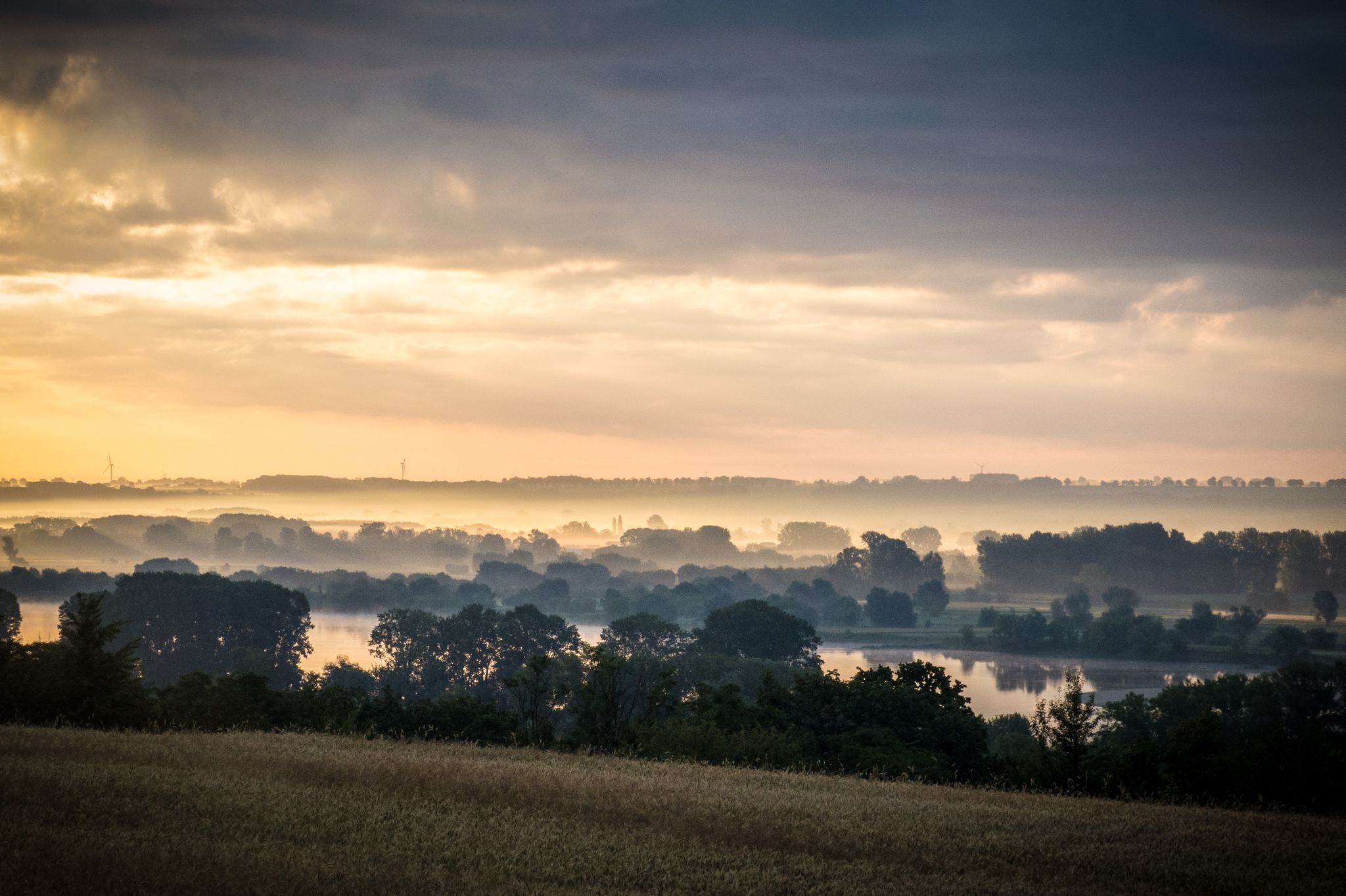
EuroVelo 9 – The Amber Route from the Baltic to Adriatic Sea
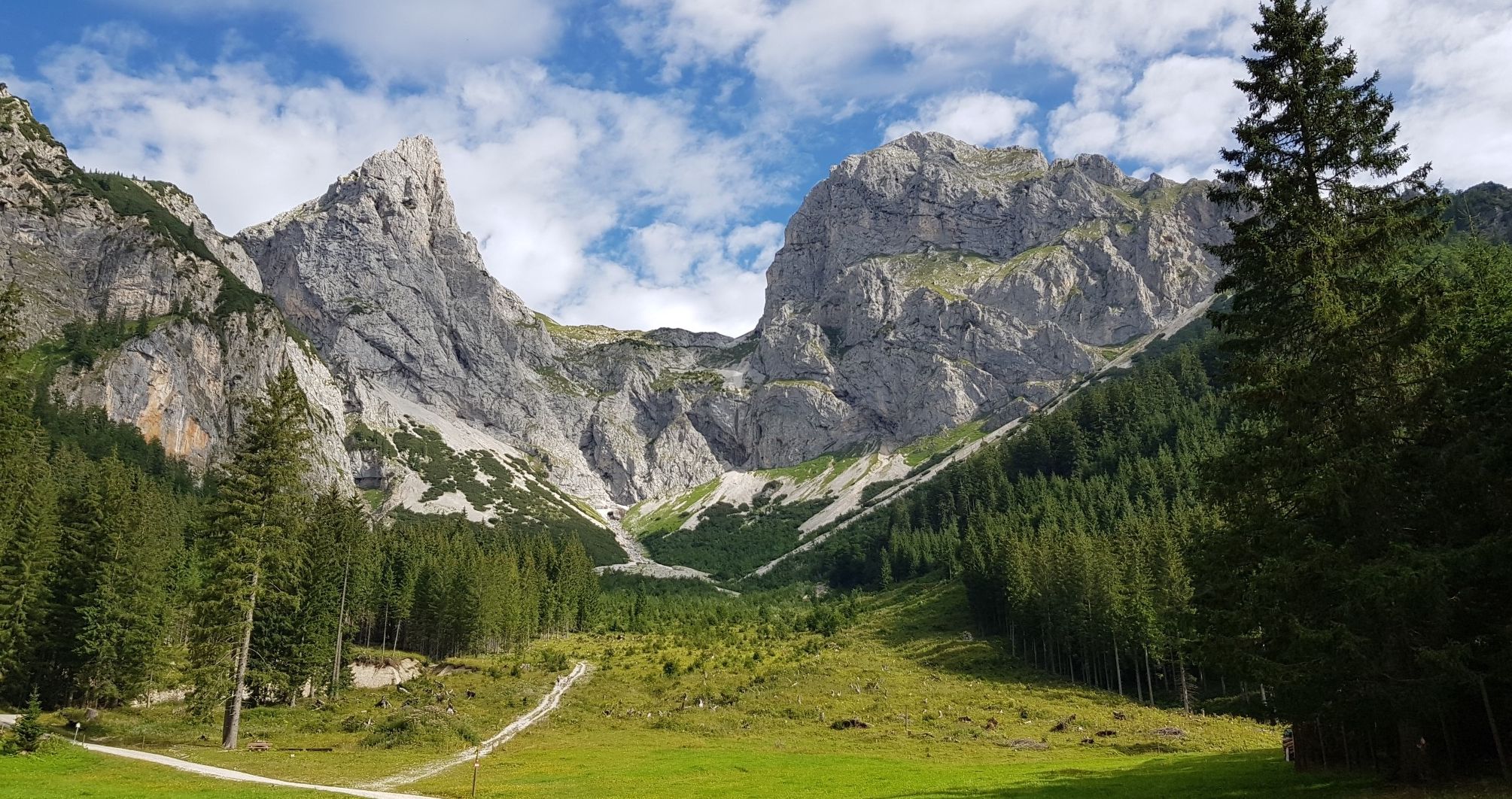
North Alpine Trail 01 – Hike across Austria in 49 days
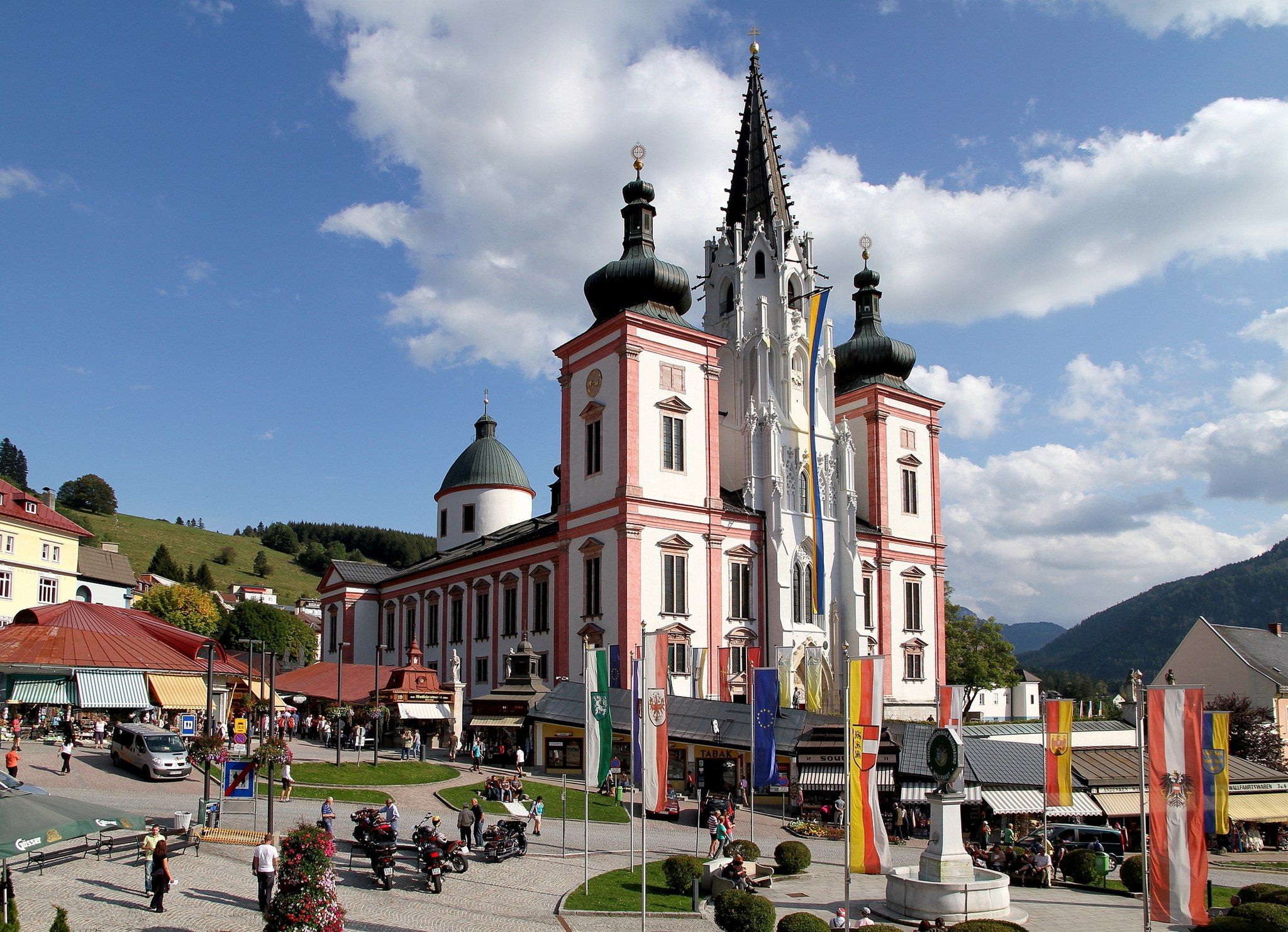
Wiener Wallfahrerweg 06 – A pilgrimage through Lower Austria
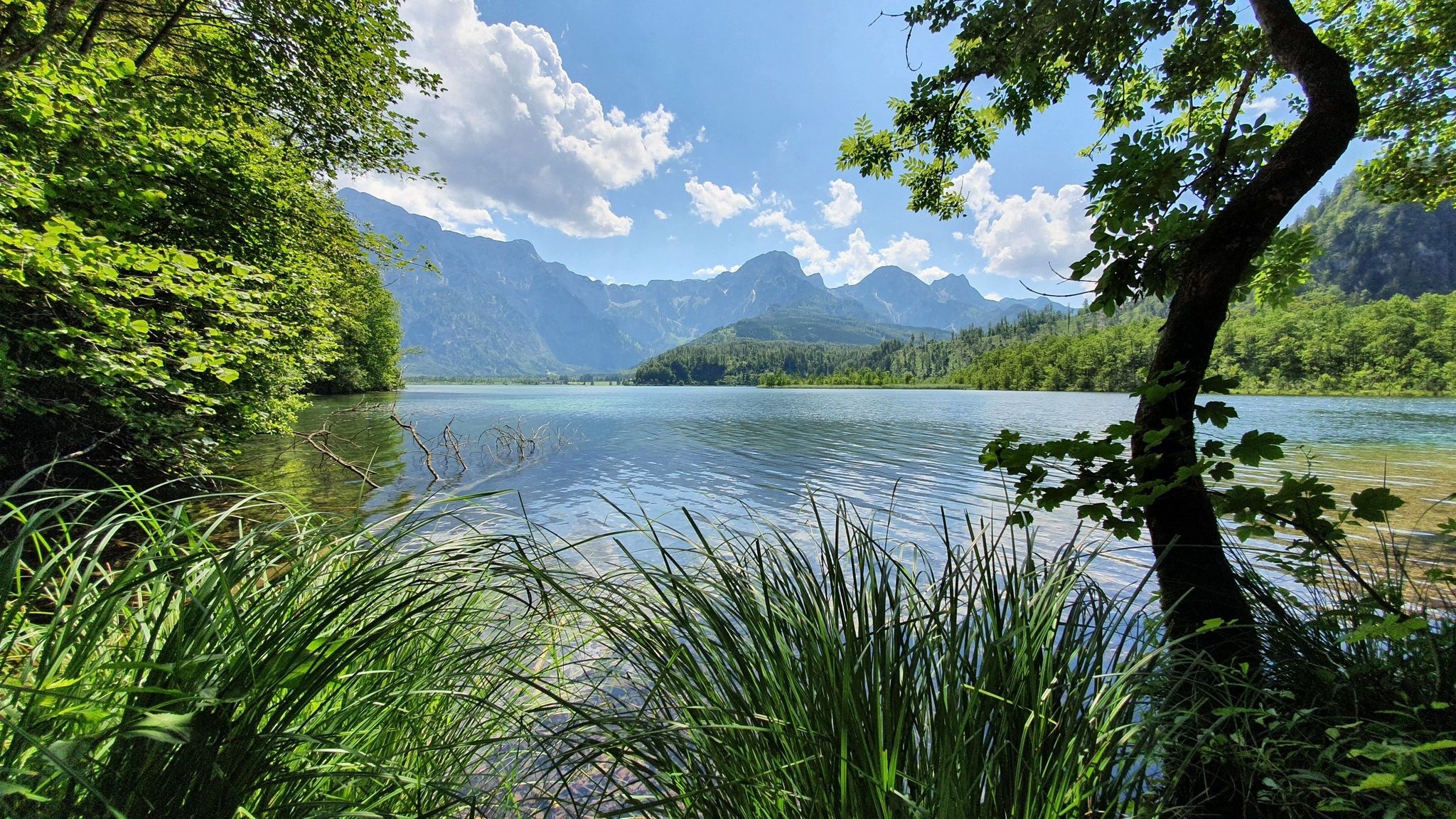
Voralpenweg 04 – From Vienna to Bad Reichenhall
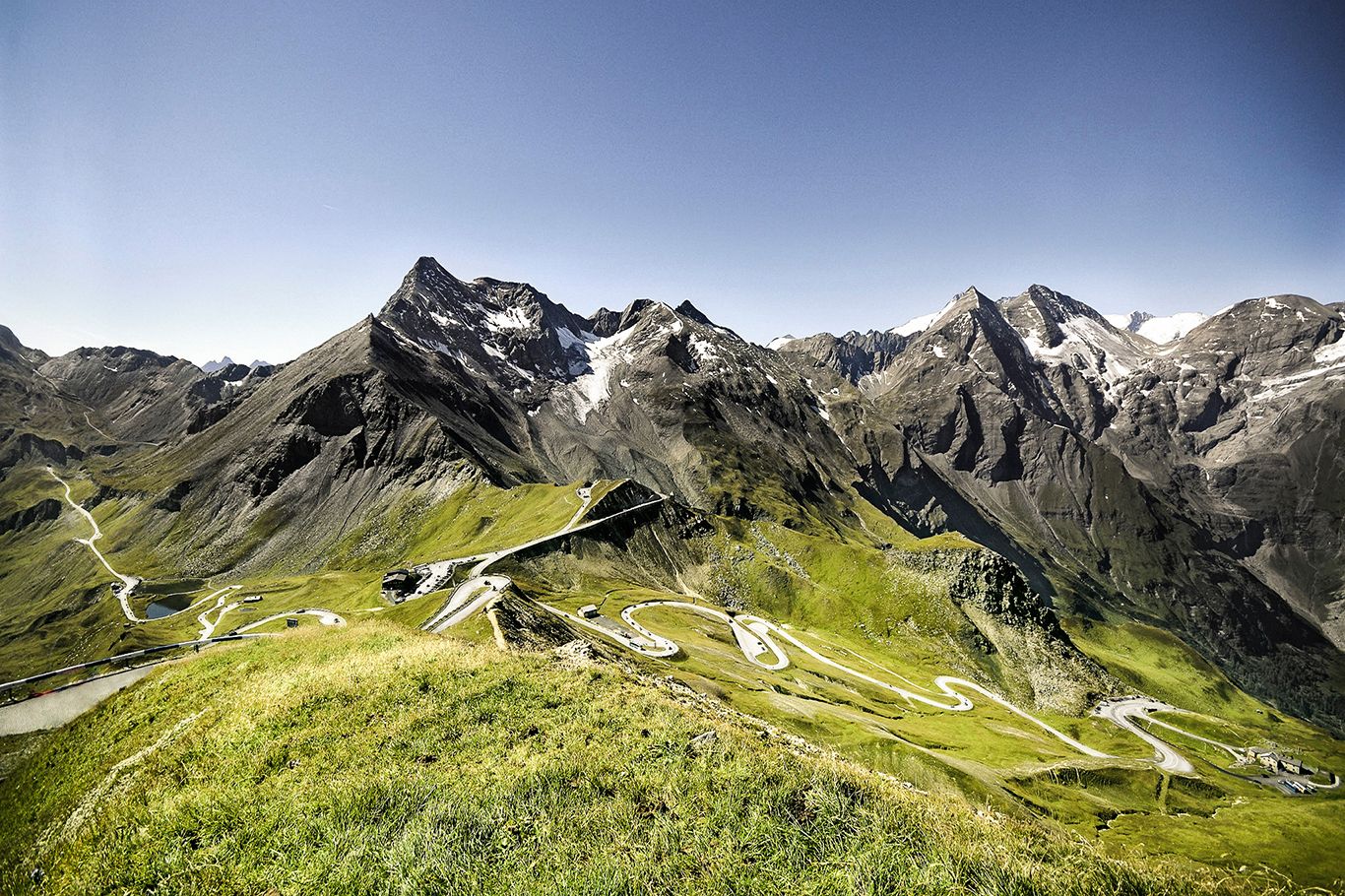
Three Peaks Bike Race — Vienna to Nice
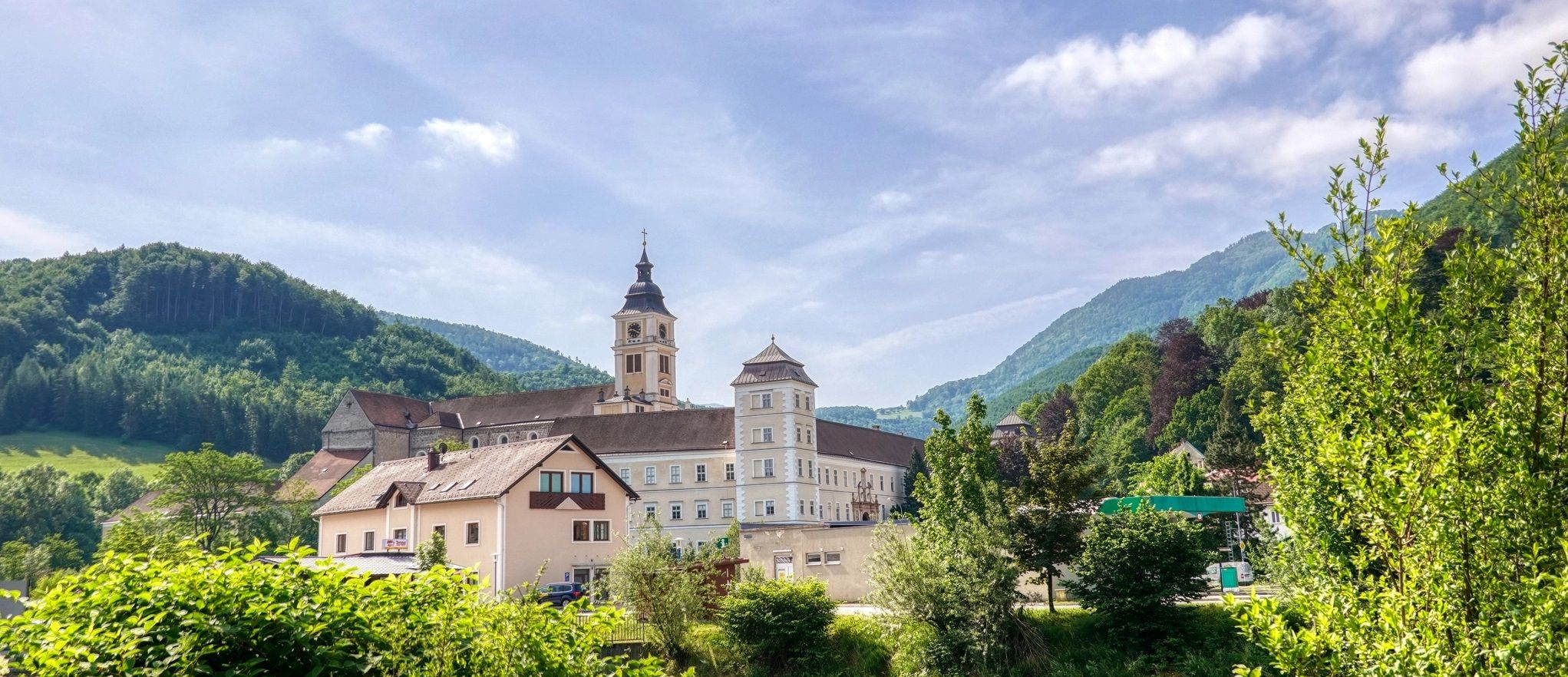
Via Sacra – hiking along holy paths from Vienna to Mariazell
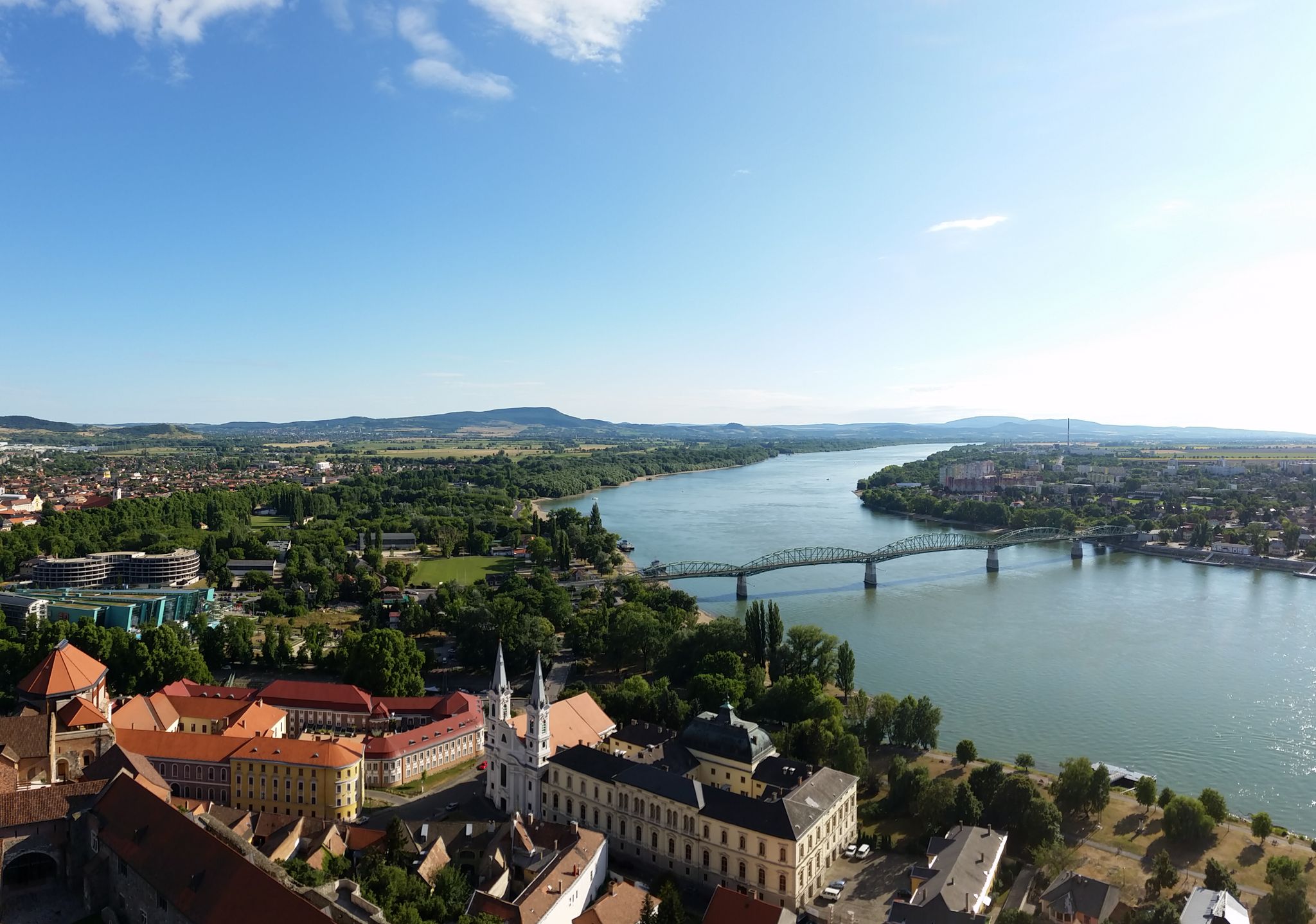
The Danube Cycle Path – From Donaueschingen to Budapest
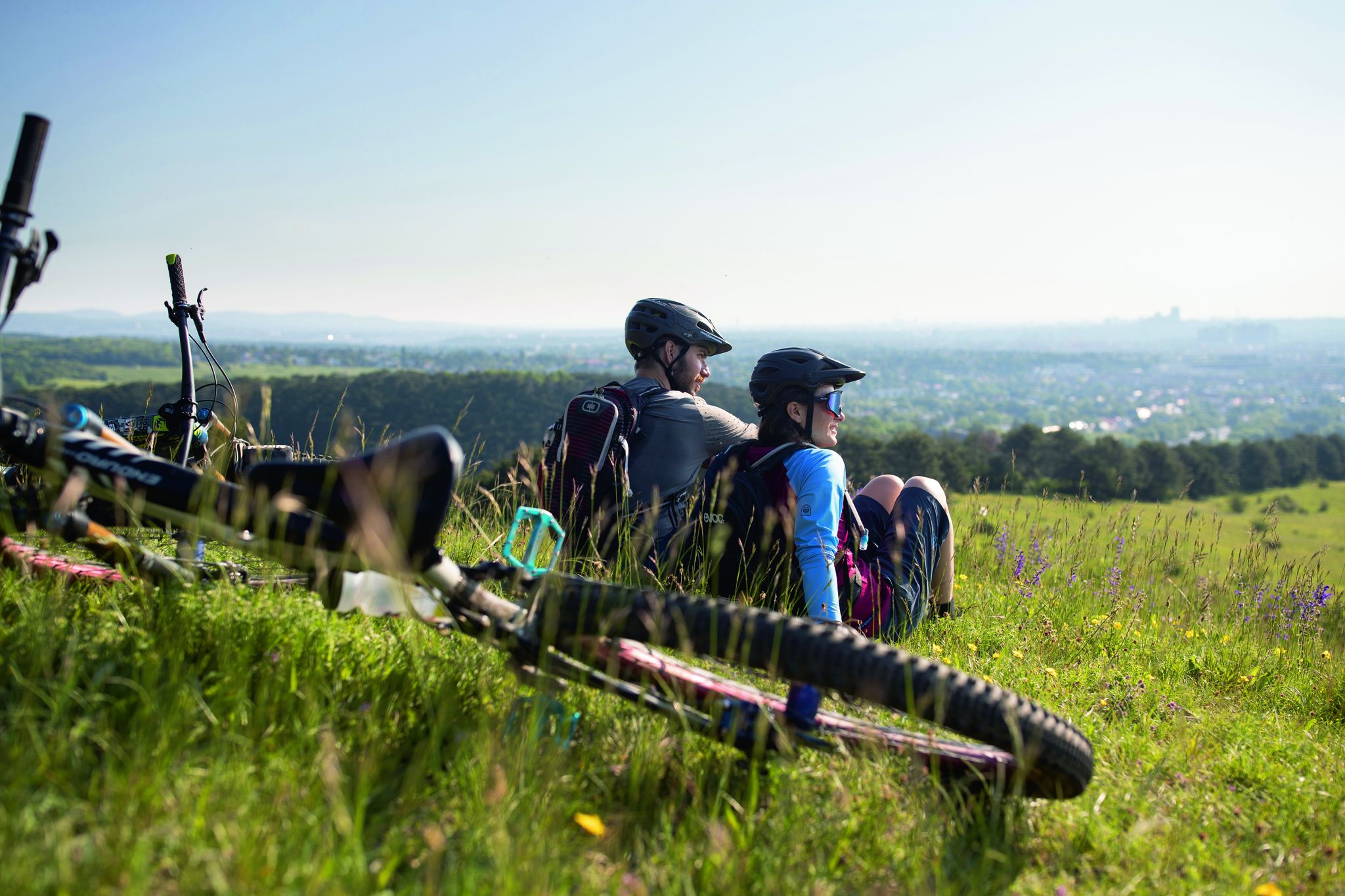
Fun, flow and elevation gain – MTB trails in the Vienna Woods
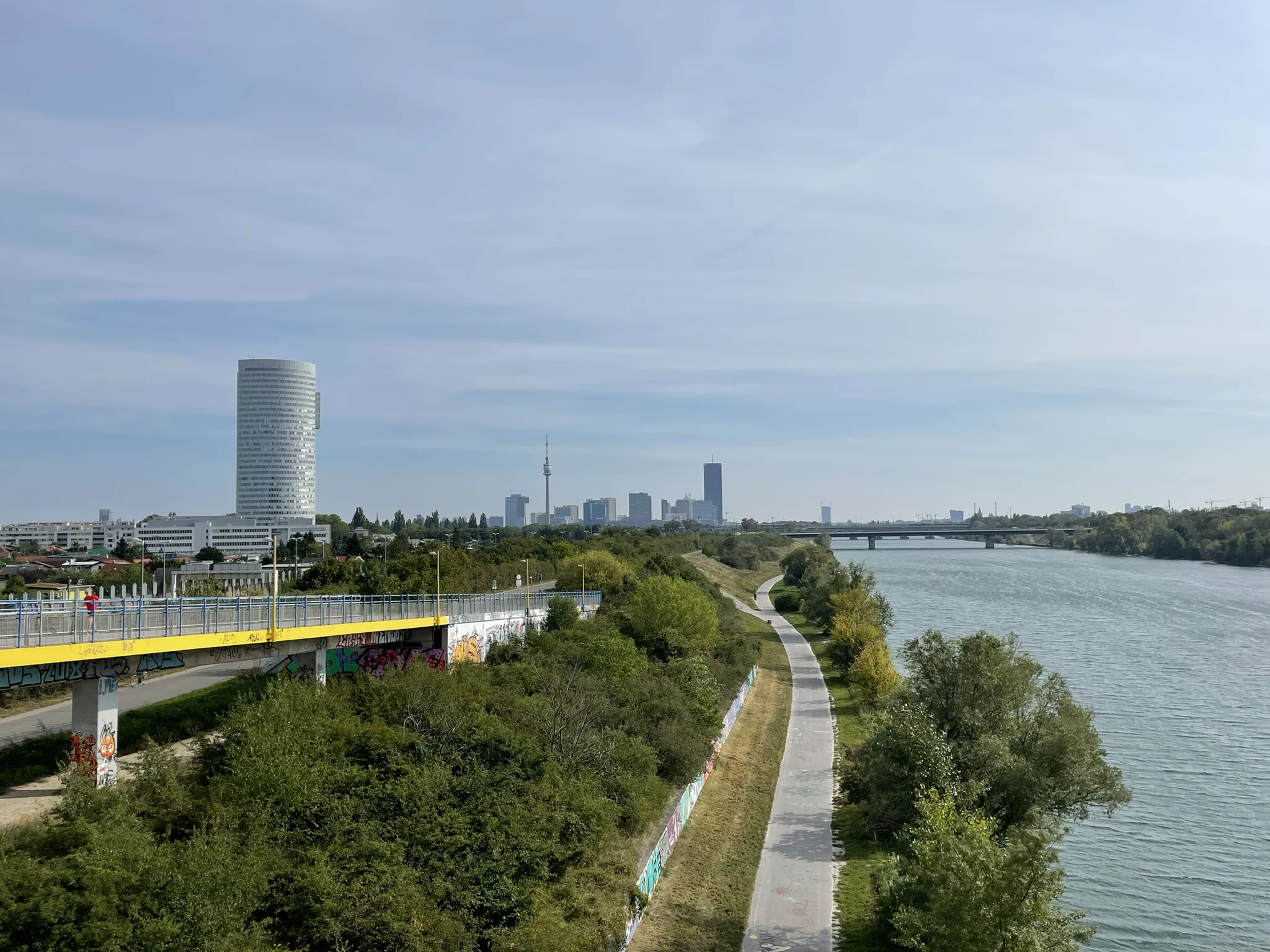
All around Vienna – Rundumadum hiking trail
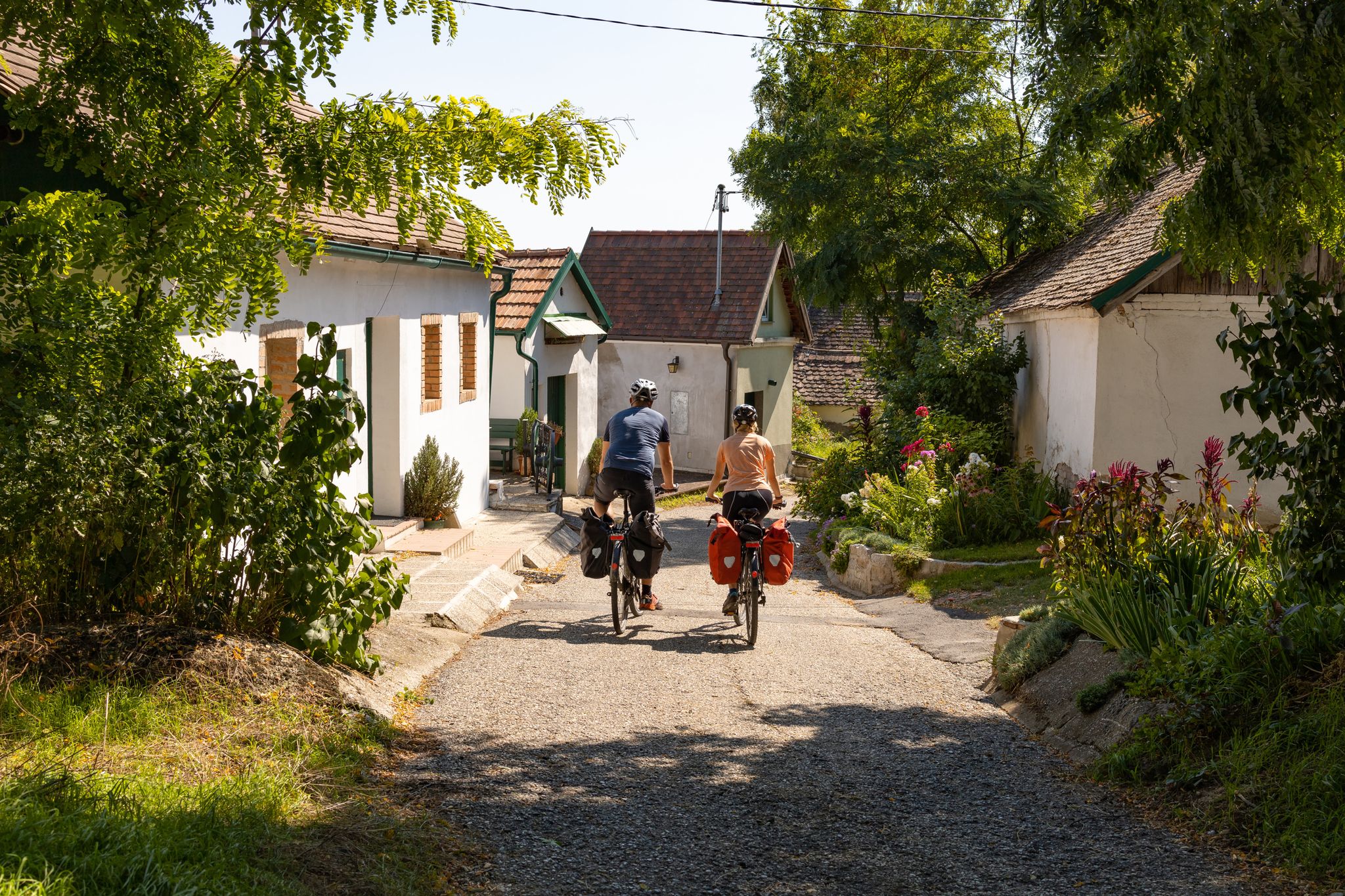
The most beautiful bike discovery Tours in Lower Austria
Other adventures in the Vienna Woods


Tips from the Community

The Danube Canal Cycle Path between Spittelau and Heiligenstadt in Vienna offers cyclists a varied route that combines urban flair with green riverside areas. Along the way, cyclists pass modern architecture, cultural sights, and numerous bridges that offer interesting perspectives on the canal. The Hundertwasser waste incineration plant near Spittelau is particularly striking. The route is mostly flat and well-developed, making it suitable for both relaxed leisurely rides and more ambitious sporty rides, creating a pleasant connection between city and nature.
4
1
The Danube Canal in Vienna is a roughly 17-kilometer-long branch of the Danube, winding its way through the heart of the city as an urban recreational area. It separates the inner city from the 2nd district (Leopoldstadt) and offers a special blend of nature, urban flair, and vibrant street art culture. The riverside promenades are bustling with bars, cafés, graffiti walls, and deck chairs – a popular meeting place for locals and visitors, especially in summer. For cyclists, the Danube Canal is a real highlight: The well-developed cycle path runs directly along the water, almost car-free, and connects central districts with the green Prater or the Danube Island. The route is ideal for leisurely rides, sporty tours, or as a relaxing commute. Those who like can make cultural stops along the way – for example, at the Urania, the Museum of Applied Arts (MAK), or the lock system in Nussdorf. Numerous restaurants, such as the "Badeschiff" or the "Tel Aviv Beach," invite you to take a break. A bike ride along the Danube Canal is more than just exercise—it's a sensual urban experience amidst water, art, and the Viennese spirit. Especially in the evenings, when lights illuminate the banks, a unique atmosphere is created that can't be found in any other major city.
5
1
A very beautiful monument with an interesting history and a fountain worth seeing. The Nibelungen Monument in Tulln on the Danube commemorates the legendary arrival of Kriemhild in Tulln, as described in the Nibelungenlied. According to legend, Kriemhild met King Etzel here before marrying him. The monument consists of a striking bronze group showing Kriemhild and Etzel. Created by the sculptor Michail Nogin, it was unveiled in 2005 and is located near the banks of the Danube, not far from the boat dock. It is part of the tourist Nibelungen theme route, which runs through several places along the Danube. In the Nibelungenlied, a Middle High German heroic epic from the 13th century, Kriemhild travels east after the murder of her first husband Siegfried of Worms. In Tulln she meets King Etzel (Attila, ruler of the Huns), whom she later marries to complete her revenge on the Burgundians. This section of the saga underlines the historical influence of the Huns on Central European history.
8
0
The Nibelung Monument in Tulln, also known as the Nibelung Fountain, commemorates a scene from the medieval epic "Nibelungenlied": the festive reception of the Burgundian princess Kriemhild by the Hunnic king Etzel in Tulln. The monument features life-size bronze figures of the central characters of this scene, including Kriemhild with her retinue and Etzel with his companions, symbolically complemented by a child as a sign of their future union. Beneath the figures is an artfully designed fountain, whose jets appear to rise from an open book, the Nibelungenlied itself. The interplay of water and light creates a unique atmosphere that symbolizes the connection between East and West. The monument was inaugurated in 2005, and the surrounding square, Nibelungenplatz, was redesigned as an inviting public space. The Nibelung Monument blends medieval legend with contemporary art and stands as an impressive testament to history, legend, and urban design.
7
0

Here are some pictures of the beautiful graffiti that you can admire on both sides, on foot or by bike.
5
1

Nice for cycling. But there are often a lot of pedestrians, so it's not really suitable as a sports route.
3
1

Here you can cycle in a relaxed manner
3
1
Here you can cycle in a relaxed manner
3
1
Frequently Asked Questions
What natural features can I explore in the Vienna Woods?
The Vienna Woods, a UNESCO Biosphere Reserve, offers diverse natural landscapes. You can visit the Föhrenberge Nature Park, known for its pine and fir trees, or explore Europe's largest underground lake at Seegrotte Hinterbrühl. The region also features important rivers like the Wien, Schwechat, and Triesting, and caves such as the Dreidärrischenhöhle.
Are there significant historical sites to visit in the Vienna Woods?
Yes, the Vienna Woods are rich in history. Key historical sites include the over 900-year-old Cistercian Abbey Heiligenkreuz, Lichtenstein Castle, and Kreuzenstein Castle. You can also visit the Mayerling Hunting Lodge, famous for its royal history, and the historic town of Mödling.
Where can I find the best panoramic views of the Vienna Woods?
For breathtaking views, head to Kahlenberg, where the Stefaniewarte look-out offers expansive vistas across Vienna and the Vienna Woods. Another excellent spot is Leopoldsberg. The Habsburgwarte on the Hermannskogel, Vienna's highest point, also provides a fantastic panorama over the Vienna Woods and the city.
What kind of outdoor activities can I do in the Vienna Woods?
The Vienna Woods offer an extensive network of hiking and cycling routes. You can find various options for mountain hikes, cycling tours, and running trails. Popular activities include exploring vineyards, visiting traditional 'Heurige' taverns, and enjoying the diverse flora and fauna of the Biosphere Reserve.
Are there family-friendly attractions in the Vienna Woods?
Absolutely. Families can enjoy the Lainzer Tiergarten, an extensive park populated by wild boar and other woodland animals. Many hiking and cycling trails are suitable for families, and attractions like the Seegrotte Hinterbrühl with its boat rides offer a unique experience. The Prater Main Avenue is also a popular, accessible route for family strolls or bike rides.
What is the best time of year to visit the Vienna Woods?
The Vienna Woods are beautiful year-round. Spring brings lush greenery and blooming flowers, while summer is ideal for hiking and cycling. Autumn is particularly stunning with vibrant foliage, making it a popular time for scenic walks. Even winter offers charm, with opportunities for peaceful walks in a snow-covered landscape.
Can I find traditional Austrian wine taverns (Heurige) in the region?
Yes, the Vienna Woods region is famous for its traditional 'Heurige' taverns, especially in areas like Gumpoldskirchen and along the edges of the forest. These taverns offer local wines and traditional Austrian cuisine, providing a delightful cultural experience.
What cultural experiences can I have in the Vienna Woods?
Beyond historical sites, you can immerse yourself in culture by visiting the Vienna Woods Museum (Wienerwaldmuseum) in Eichgraben, which showcases local folk life and geology. The Roman spa town of Baden bei Wien offers a grand casino, the Roman Thermae wellness spa, and historical architecture, including Beethoven's house.
Are there any unique natural parks or reserves in the Vienna Woods?
The entire Vienna Woods region is recognized as a UNESCO Biosphere Reserve, protecting its rich biodiversity, including 2,000 plant species and 150 bird species. Within this, the Föhrenberge Nature Park stands out with its distinctive coniferous forests.
What makes the Vienna Woods a significant recreational area?
The Vienna Woods serve as a crucial 'green lung' for Vienna, offering a vast protected area for recreation. Its extensive network of marked walking, hiking, and cycling paths, combined with its natural beauty and cultural sites, makes it an ideal destination for outdoor enthusiasts and those seeking a peaceful escape from the city.
Are there any famous castles or palaces near the Vienna Woods?
Yes, the region boasts several notable castles and palaces. Besides Lichtenstein Castle and Kreuzenstein Castle, the magnificent Klosterneuburg Monastery is located nearby. While technically in Vienna, the historic Hofburg Palace is also a significant landmark often associated with the broader Vienna region's historical context.
What is the highest point in the Vienna Woods?
The highest elevation in the Vienna Woods is Schöpfl, standing at 893 meters (2,930 ft) above sea level. It is also home to the Leopold Figl observatory, offering scientific and scenic interest.
Most popular routes in the Vienna Woods
Most popular attractions in the Vienna Woods

Get inspired with the komoot mobile app


Didn’t find what you were looking for?
Are you keen on exploring more awesome places nearby? Browse our guides:
Explore more
Still not found the Highlight you’re looking for? See guides of the top attractions in other regions:
