Top 20 Lakes in Rhineland-Palatinate
Best lakes in Rhineland-Palatinate are characterized by diverse geological origins, from volcanic maars to man-made reservoirs. This state in southwestern Germany offers a variety of natural and recreational water bodies. The Eifel region is known for its volcanic crater lakes, while the Westerwald Lake District features several historic man-made lakes. These areas provide opportunities for experiencing natural landscapes and water-based activities.
Best lakes in Rhineland-Palatinate
- The most popular lakes is Schalkenmehrener Maar, a lake that is the largest of the three Dauner Maars. It is part of a rare double maar system and features a circular path.
- Another must-see spot is Ungeheuersee, a flat bog pond fed by the Krumbach. This lake is a protected natural monument and offers an idyllic natural experience.
- Visitors also love Gemündener Maar, a volcanic lake. It is known for its natural swimming pool and opportunities to explore the lake by boat.
- Rhineland-Palatinate is known for volcanic maars, man-made reservoirs, and bog ponds. These diverse types of lakes offer varied natural features and recreational opportunities.
- The lakes in Rhineland-Palatinate are appreciated by the komoot community, with more than 1200 highlights and over 3500 upvotes.
Last updated: October 9, 2026
Dronke Tower on the Mäuseberg
Highlight • Viewpoint
The Adolf Dronke Tower on the 561 meter high Mäuseberg was erected in 1902 as a memorial to Dr. Adolf Dronke, who founded the Eifel Association in 1888. From this approximately 11 meter high observation tower, you have a wonderful panoramic view of the wide volcanic landscape of Eifel. Its viewing platform is exactly 166.5 meters above the Gemündener Maar.
If you walk a bit over the plateau, you have an impressive view of the Weinfelder Maar, which is also called Totenmaar, from the side opposite the Dronketurm.
Translated by Google •
Tip by

View of the Gemünden maar
Highlight • Lake
Showing Translation
Tip by

Sign up now to discover places like this
Get recommendations on the best single tracks, peaks, & plenty of other exciting outdoor places.
Schalkenmehrener Maar
Highlight • Lake
Translated by Google •
Tip by

Ungeheuersee
Highlight • Lake
Translated by Google •
Tip by

Kriemhildenstuhl Roman Quarry
Highlight • Historical Site
Many display boards provide information on site about this cultural and historical highlight.
Due to the proximity to the city and the good view, you will meet many day-trippers here on weekends. There is another (and more beautiful) view from the refuge above.
Translated by Google •
Tip by

View of the Weinfelder Maar (Totenmaar)
Highlight • Lake
Translated by Google •
Tip by

Hilsch Pond
Highlight • Lake
Translated by Google •
Tip by

Basalt Lake South Quarry (Forst, Palatinate)
Highlight • Lake
Translated by Google •
Tip by

Laacher Lake
Highlight • Lake
Translated by Google •
Tip by

View of Totenmaar from the panoramic bench
Highlight • Viewpoint
Translated by Google •
Tip by

Sign up for free to discover even more lakes in Rhineland-Palatinate.
Already have an account?
Start today with a free account
Your next adventure awaits.
Popular around Rhineland-Palatinate
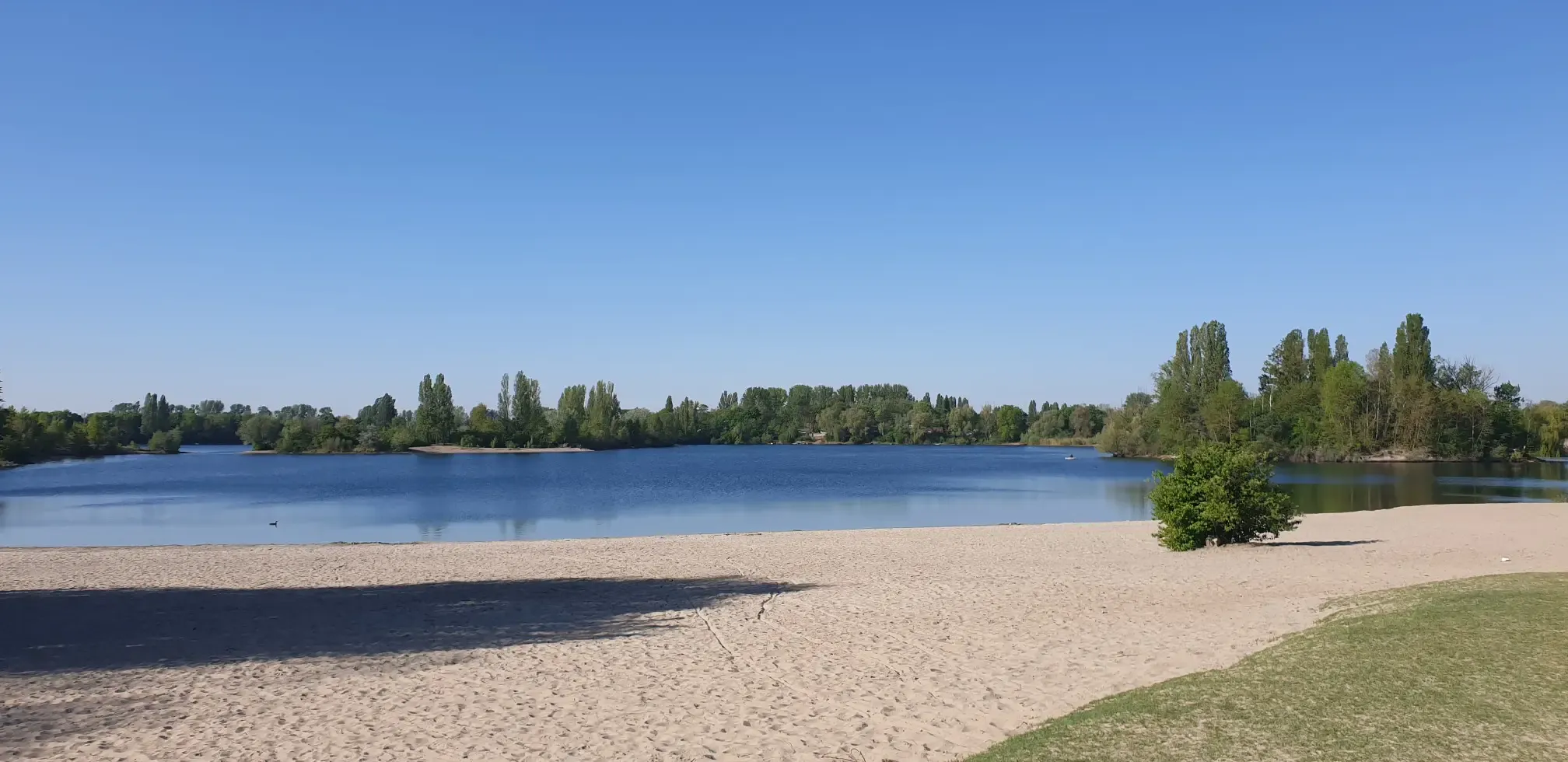
Jump right in! Swimming lakes in the Rhine-Neckar Triangle
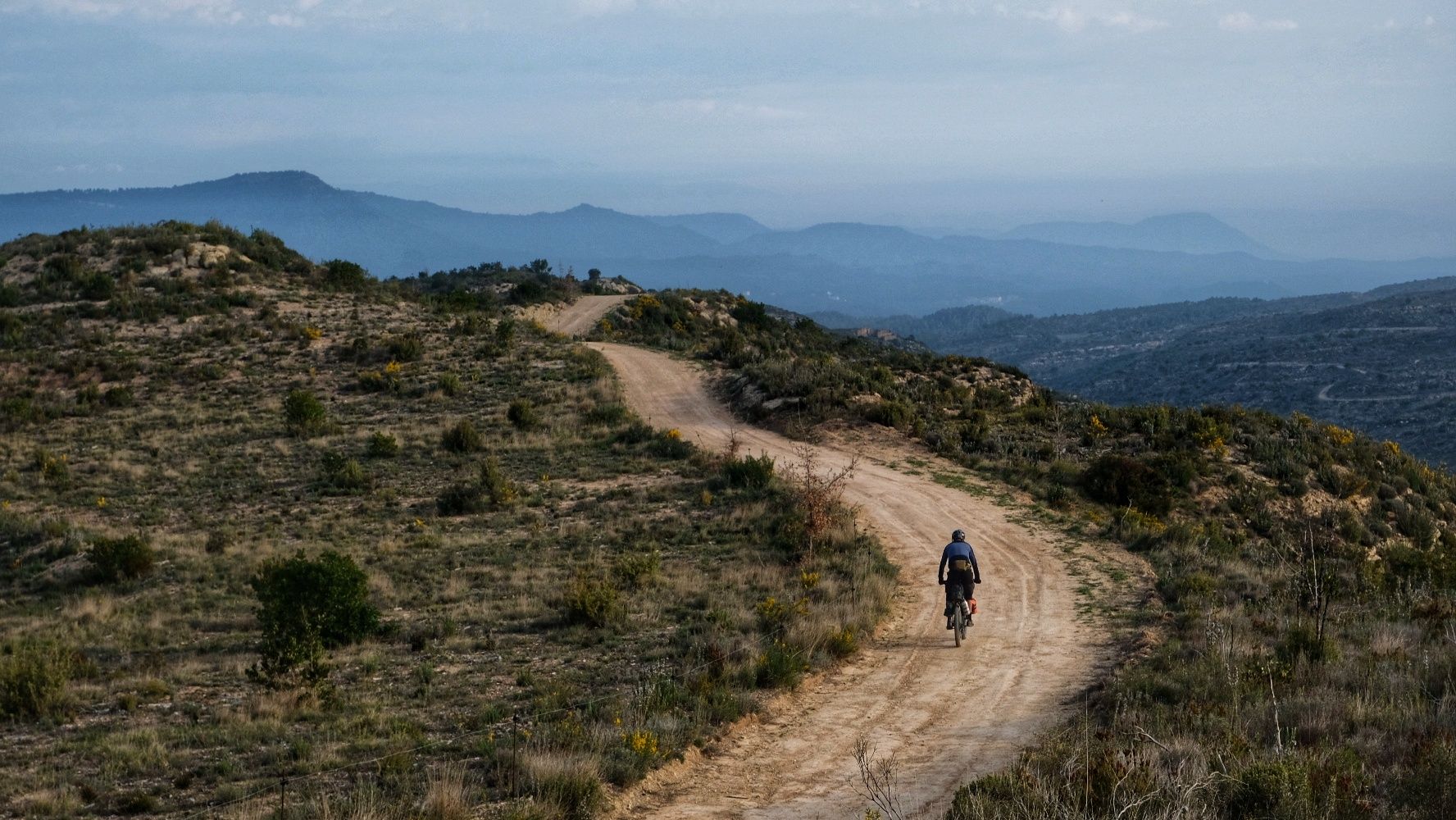
European Divide Trail — 7,600 km across the continent
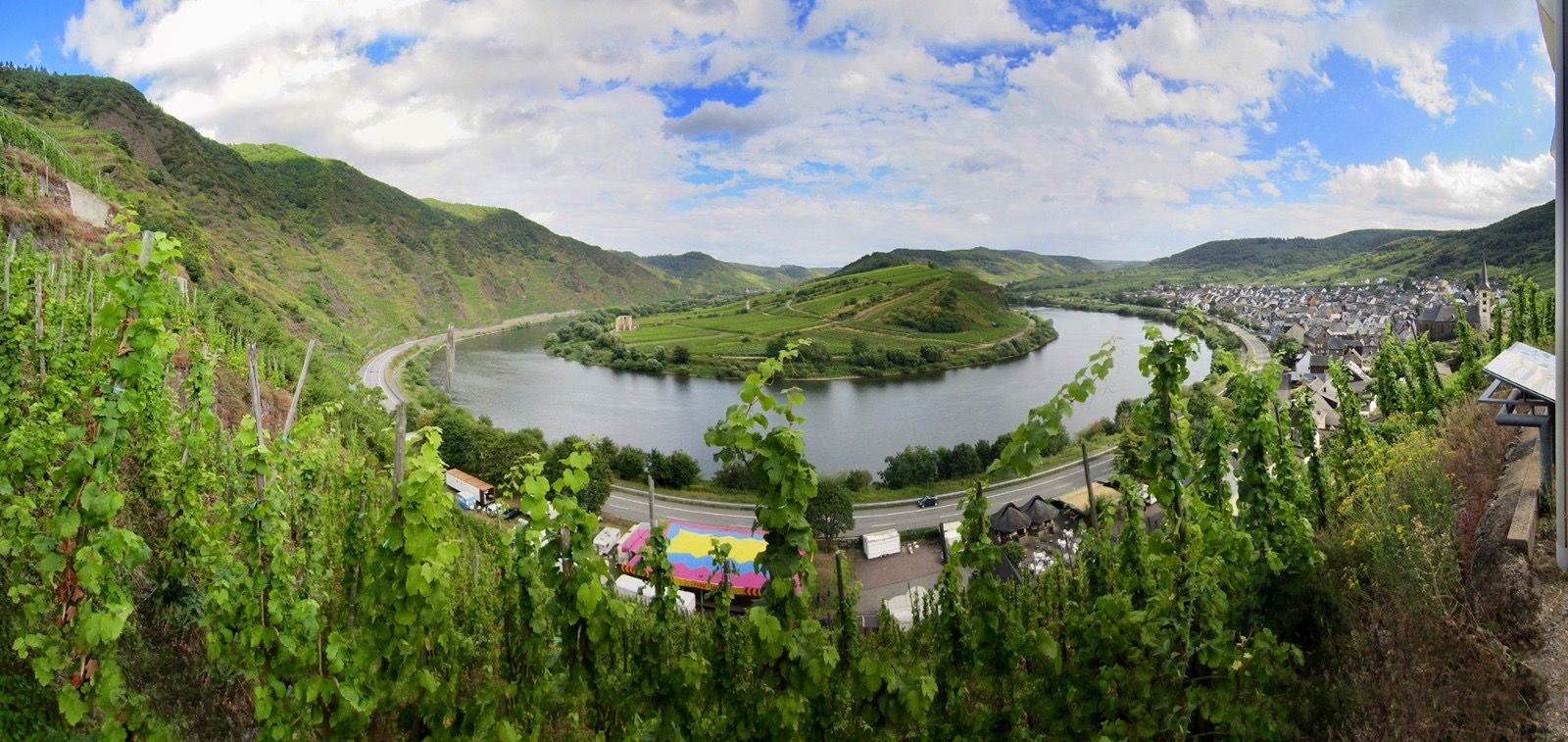
The Moselle cycle path — from the Vosges to the Rhine in 18 stages
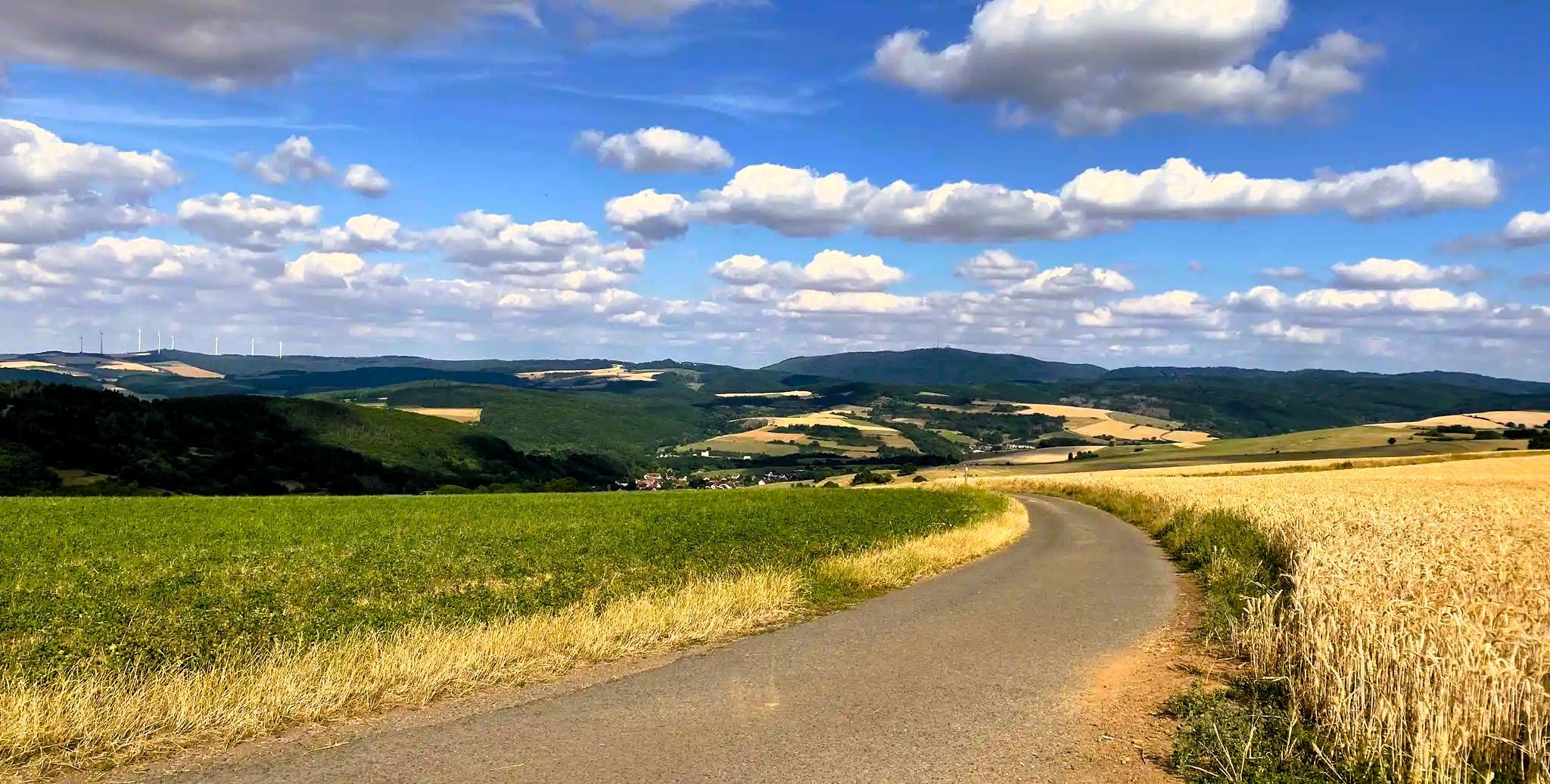
Palatinate High Route – Hike a hidden gem in Southwest Germany
Hiking on the Cologne Trail – Discover nature close to the city
Lahnwanderweg Trail – The Lahn from its source to the estuary
Saar-Hunsrück Climb – Hike in Germany where culture and nature meet
Lieserpfad between the Eifel and the Moselle rivers – Wild forests, wild water
11 Hessen trails – criss-cross through the countryside
Sieg Nature Trail – Pure nature
Other adventures in Rhineland-Palatinate


Tips from the Community

The Daun Maars - 10,000-Year-Old Volcanic Lakes The Daun Maars were formed around 10,000 years ago from volcanic steam explosions. Hot lava rises from the Earth's interior and meets water, which suddenly evaporates. This blasts away entire mountain peaks. What remains is a deep crater that fills with water over the years and a wall of boulders surrounding the lake. The Daun Maars include the Gemünden Maar, the Weinfelder Maar, and the Schalkenmehrener Doppelmaar. One crater of the Schalkenmehren Maar has silted up over the millennia. The area is a nature reserve and a refuge for waterfowl and rare dragonfly species. Text / Source: deutschland-outdoor.der https://deutschland-outdoor.de/eifel/dauner-maare
13
0
Weinfelder Maar The Weinfelder Maar, formed by volcanic activity around 20,000 to 30,000 years ago, is the highest of the three Daun Maars at 487 meters above sea level. The lake is 51 meters deep and has a diameter of 396 to 429 meters. An almost melancholic atmosphere surrounds the maar. Many legends surround the tranquil Eifel eye. A castle is said to have once stood on the site of the crater, where a count lived with his wife and only child. After returning home from a hunt, the castle had sunk as punishment for the woman's nastiness, and he found only a lake where a cradle miraculously floated his child safely to the shore. If you look at the dark surface of the water long enough, it is said that you can make out the outline of the castle. The German landscape painter Fritz von Wille was so fascinated by the Weinfelder Maar that he repeatedly immortalized it in his paintings. Among his favorite motifs was the small chapel on the north bank, dedicated to Saint Martin. It was once the parish church of the village of Weinfeld, which was ravaged by the plague in the 16th century. Anyone who rings the bells inside by pulling the ropes can make a wish. To this day, the associated cemetery is maintained and used by the local community of Schalkenmehren. This is also where its second name, Totenmaar, comes from. Donkeys and goats have been introduced to the Weinfelder Maar to regulate vegetation. The maar's unique flora and fauna are protected. Swimming and other water sports are prohibited in the Weinfelder Maar, but a nearly two-kilometer-long path makes it a wonderful place to explore on foot. Parking: Guests can park along the L64 either in the parking lot at the Weinfelder Maar or on the Maarsattel between the Weinfelder Maar and the Schalkenmehrener Maar. Text / Source: GesundLand Vulkaneifel GmbH, Leopoldstr. 9 A, 54550 Daun https://www.eifel.info/a-weinfelder-maar
13
0

Very nice panoramic view
7
0

From the Mäuseberg high above the maars you have a fantastic view in clear weather
8
0

A very worthwhile detour, especially as the donkeys and goats are so friendly.
7
0

I walked by here again today and enjoyed the view. Walking around the Maar has a mystical character for me too. Today the donkeys and goats were present. It was a treat.
10
1

Nice view with markers for orientation. The tower, which was built in 1902, is only 11m high, but stands on top of the 560m high Mauseberg and is thus 166m above the Gemünder Maar, guaranteeing a magnificent view of the surrounding area.
14
0
Beautiful view with an information board for orientation. The tower, built in 1902, is only eleven meters high, but stands at the top of the 560-meter-high Mäuseberg and is thus 166 meters above the Gemünder Maar. This guarantees a magnificent view over the surrounding area.
19
1
Frequently Asked Questions
What makes the lakes in Rhineland-Palatinate unique?
Rhineland-Palatinate's lakes are notably diverse, ranging from volcanic maars in the Eifel region, like the deep blue Gemündener Maar and Schalkenmehrener Maar, to man-made reservoirs in the Westerwald Lake District, and even unique bog ponds such as Ungeheuersee in the Palatinate Forest. This variety offers distinct natural features and recreational opportunities.
Are there family-friendly lakes in Rhineland-Palatinate?
Yes, many lakes are suitable for families. For instance, Gemündener Maar offers a natural swimming pool and boat rentals. The Westerwald Lake District, with lakes like Dreifelder Weiher and Postweiher, provides activities such as pedal boating, stand-up paddleboarding, and cycling on family-friendly routes. Gelterswoog in the Palatinate Forest is also a popular bathing lake with a shallow shore and children's playground.
What outdoor activities can I do near these lakes?
The region around the lakes offers a wide range of outdoor activities. You can find numerous hiking trails, including easy walks and more challenging routes. For example, there are easy hikes like the Vulkanpfad – Traumpfad or the HeimatSpur Achtsamkeits-Pfad Kleine Kyll. Cyclists can enjoy gravel biking routes such as the Tour through Rheinhessen along the Rheinterrassenweg. For mountain biking enthusiasts, the Palatinate Forest MTB Park offers several challenging tours. You can explore more options in the Easy hikes in Rhineland-Palatinate, Gravel biking in Rhineland-Palatinate, and MTB Trails in Rhineland-Palatinate guides.
Can I swim in the lakes of Rhineland-Palatinate?
Yes, several lakes are excellent for swimming. Gemündener Maar is known for its natural swimming pool, and Pulvermaar is praised for its excellent water quality. Meerfelder Maar, Postweiher, and Gelterswoog are also popular bathing lakes. However, swimming is prohibited in protected areas like Weinfelder Maar (Totenmaar) and the Basalt Lake South Quarry.
Are there historical sites or landmarks near the lakes?
Absolutely. The magnificent Maria Laach Benedictine monastery complex is situated on the banks of Laacher See, offering a rich historical and cultural experience alongside its unique volcanic geology. Ulmener Maar is notable for being surrounded by the ruins of Ulmener Burg castle, combining natural beauty with historical context. Near Weinfelder Maar, you'll find a small chapel and cemetery, some dating from the 14th century, adding to the area's historical charm.
What is the best time to visit the lakes in Rhineland-Palatinate?
The lakes are beautiful year-round, but the best time depends on your preferred activities. Spring and autumn offer pleasant temperatures for hiking and exploring the natural landscapes, especially around the Eifel maars. Summer is ideal for swimming and water sports at lakes like Gemündener Maar or Postweiher. Some areas might offer winter activities, but many water-based activities are seasonal.
Are there good walking paths around the lakes?
Yes, many lakes feature beautiful circular paths. For example, Schalkenmehrener Maar has a very beautiful circular path. The Weinfelder Maar, while not allowing swimming, offers a nearly two-kilometer-long path perfect for exploring on foot. The Westerwald Lake District also has a 20 km 'Radrundweg Seenplatte' suitable for cycling and walking.
What kind of geological features can I expect to see at the Eifel maars?
The Eifel maars are volcanic crater lakes formed by explosive eruptions. You can observe unique features like the visible bubbles rising in certain areas of Laacher See, indicating ongoing volcanic activity. Pulvermaar is known for its deep blue waters and steep surrounding slopes, while Schalkenmehrener Maar is part of a rare double maar system. Windsborn Crater Lake is particularly rare as the only true crater lake north of the Alps.
Are the lakes in Rhineland-Palatinate dog-friendly?
While many natural areas are generally dog-friendly, it's always best to check specific regulations for each lake or nature reserve. Some areas may require dogs to be on a leash, and certain protected zones might have restrictions. For example, the Weinfelder Maar protects unique flora and fauna, so specific rules might apply. Always ensure your dog is under control and clean up after them.
What do visitors enjoy most about the lakes in Rhineland-Palatinate?
Visitors frequently praise the stunning natural beauty and tranquility of the lakes. Many appreciate the opportunities for swimming, boating, and hiking, especially the well-maintained circular paths around maars like Schalkenmehrener Maar. The unique volcanic origins of the Eifel maars and the historical context of sites like the Maria Laach monastery also draw significant interest. The region's diverse landscapes, from dense forests to open meadows, provide a refreshing escape for nature lovers.
Is parking available at the Eifel lakes?
Yes, parking is generally available at popular Eifel maars. For instance, at Weinfelder Maar, guests can park along the L64 either in the parking lot at the maar or on the Maarsattel between Weinfelder Maar and Schalkenmehrener Maar. Gemündener Maar also has a car park which serves as a starting point for hikes.
Are there any particularly serene or unique lakes to discover?
Beyond the well-known maars, the region offers tranquil spots like Windsborn Crater Lake, which is described as a serene refuge of silence and intact nature, being the only true crater lake north of the Alps. Ungeheuersee, a protected bog pond in the Palatinate Forest, also offers an idyllic and ecologically significant natural experience.
Most popular routes in Rhineland-Palatinate
Most popular attractions in Rhineland-Palatinate

Get inspired with the komoot mobile app


Didn’t find what you were looking for?
Find the best lakes in Rhineland-Palatinate per region:
Explore more
Still not found your perfect lake in Rhineland-Palatinate? Check out the guides of these regions to see even more beautiful places.
