Top 20 Natural Monuments in Rhineland-Palatinate
Best natural monuments in Rhineland-Palatinate showcase a diverse landscape, ranging from volcanic formations to ancient rock structures. The region features unique geological sites and picturesque river valleys, offering varied natural beauty. These areas are popular for their distinct features and opportunities for outdoor activities. Rhineland-Palatinate's natural monuments are often integrated into hiking routes, allowing for exploration of the region's ecosystems and scenic grandeur.
Best natural monuments in Rhineland-Palatinate
- The most popular natural monuments is Dreimühlen Waterfall, a waterfall that…
Last updated: September 29, 2026
Kalmithaus
Highlight • Mountain Hut
Translated by Google •
Tip by

Calmont via ferrata
Highlight (Segment) • Climb
Translated by Google •
Tip by

Sign up now to discover places like this
Get recommendations on the best single tracks, peaks, & plenty of other exciting outdoor places.
Dreimühlen Waterfall
Highlight • Waterfall
Translated by Google •
Tip by

Rupperts Gorge
Highlight (Segment) • Gorge
Translated by Google •
Tip by

Devil's Gorge
Highlight (Segment) • Gorge
Translated by Google •
Tip by

Trass Caves Brohltal
Highlight • Cave
Translated by Google •
Tip by

Ehrbachklamm Gorge
Highlight (Segment) • Gorge
After a great autumn hike in 2017, the gorge has its special charm in spring. Highly Recommended.
A …
Translated by Google •
Tip by

Dronke Tower on the Mäuseberg
Highlight • Viewpoint
Translated by Google •
Tip by

Landau hut at the Zimmerbrunnen (PWV)
Highlight • Mountain Hut
Translated by Google •
Tip by

Altschlossfelsen (with rock passage)
Highlight • Natural Monument
Translated by Google •
Tip by

Sign up for free to discover even more natural monuments in Rhineland-Palatinate.
Already have an account?
Start today with a free account
Your next adventure awaits.
Popular around Rhineland-Palatinate
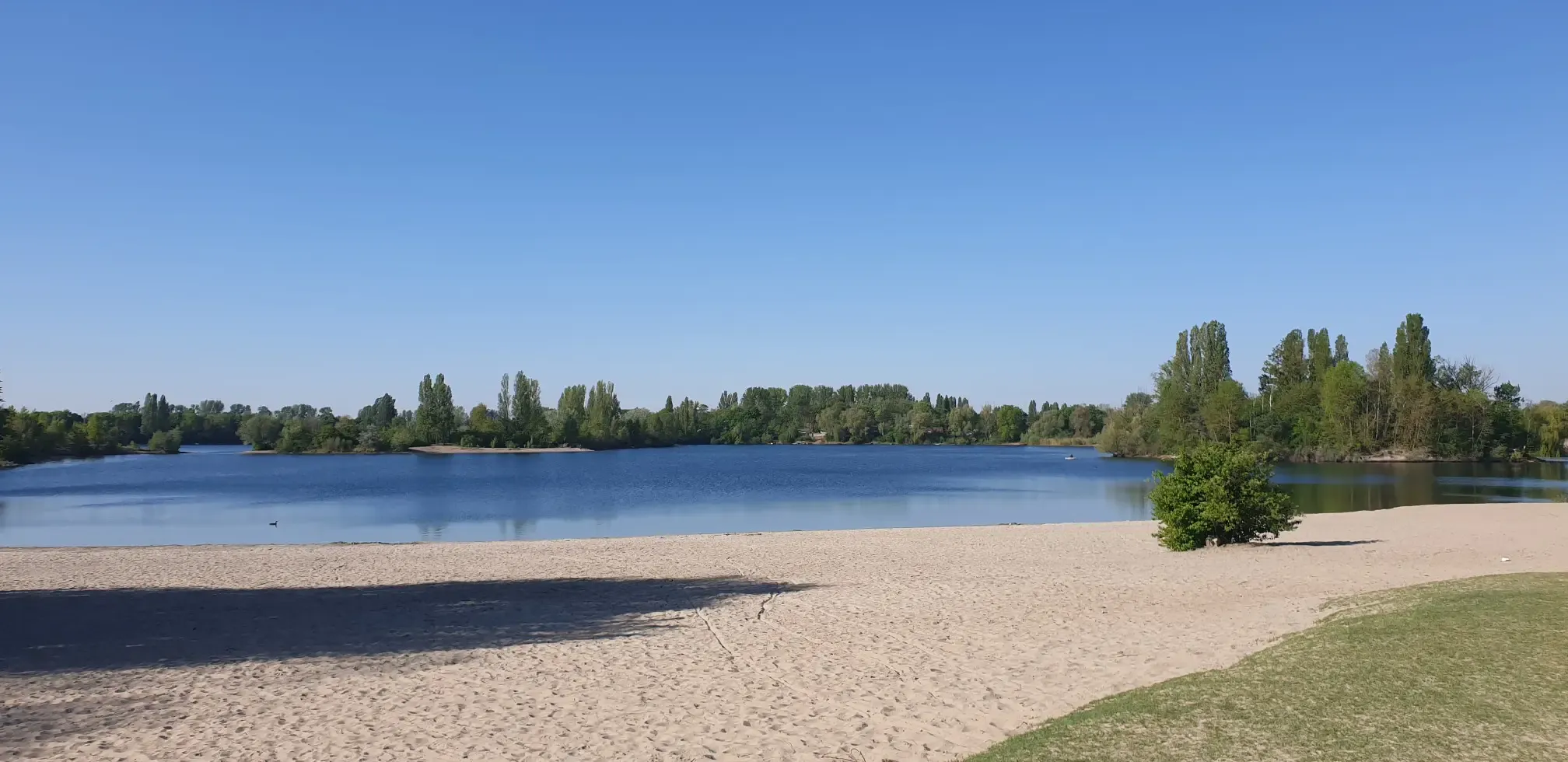
Jump right in! Swimming lakes in the Rhine-Neckar Triangle
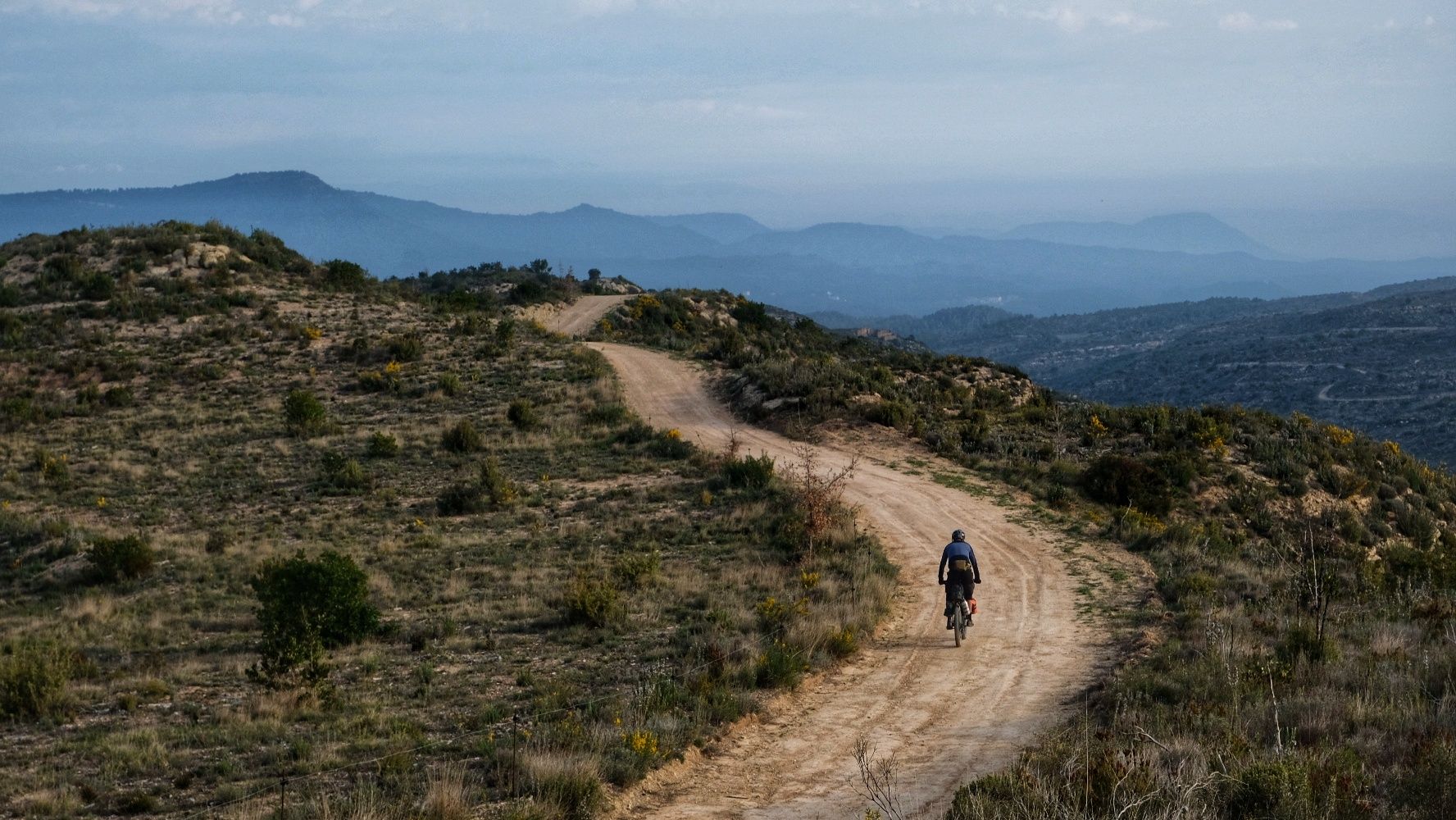
European Divide Trail — 7,600 km across the continent
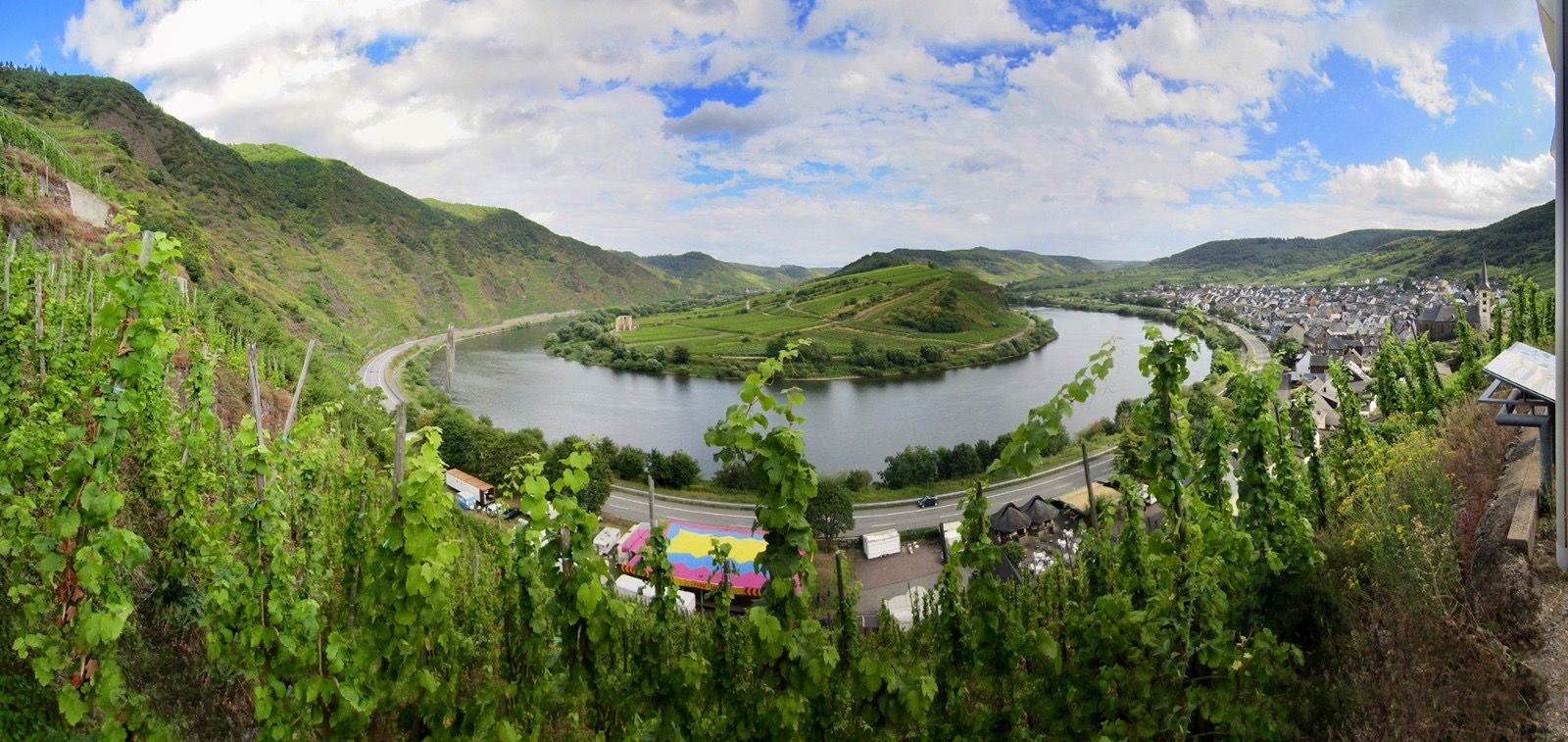
The Moselle cycle path — from the Vosges to the Rhine in 18 stages
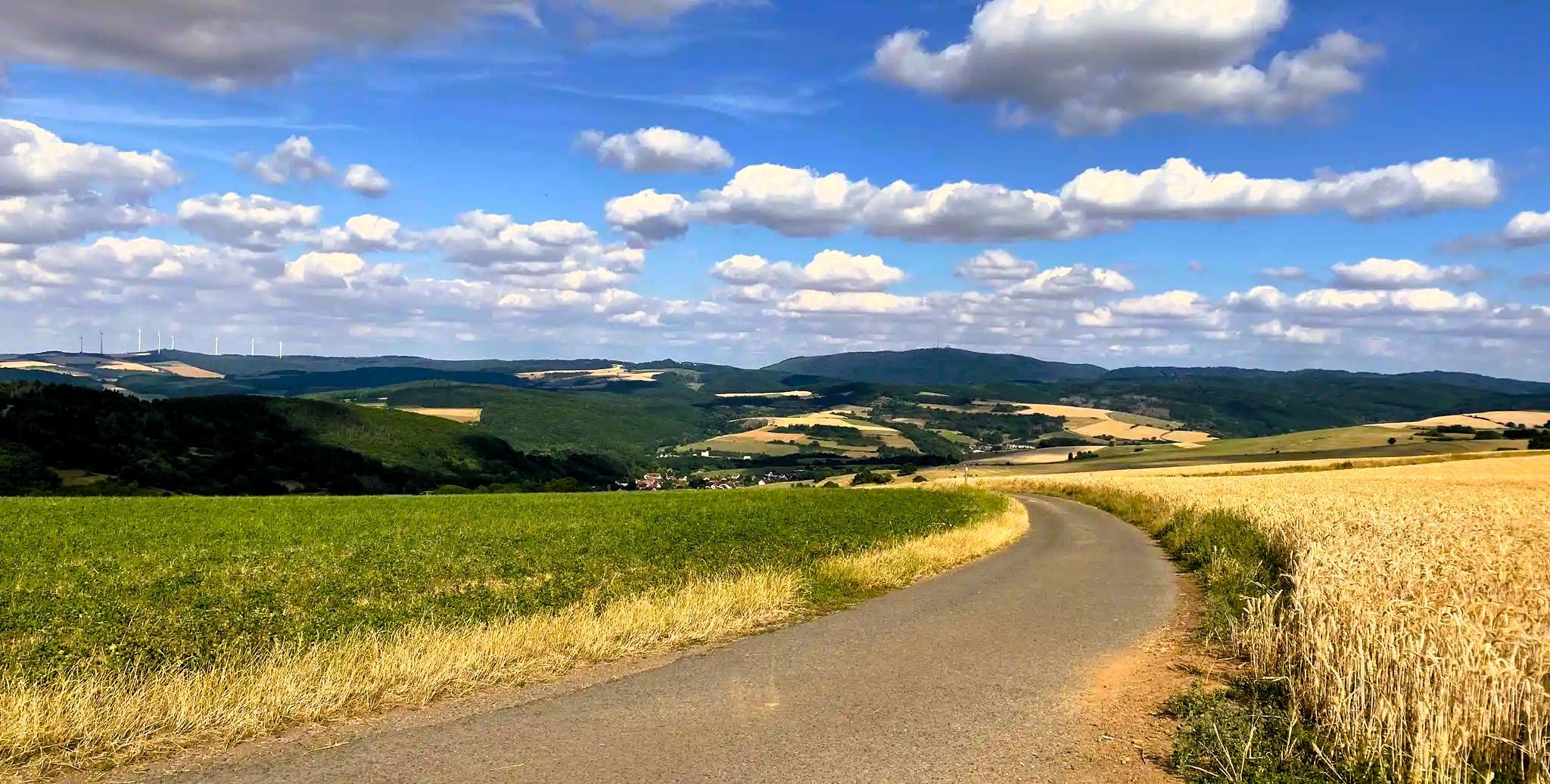
Palatinate High Route – Hike a hidden gem in Southwest Germany
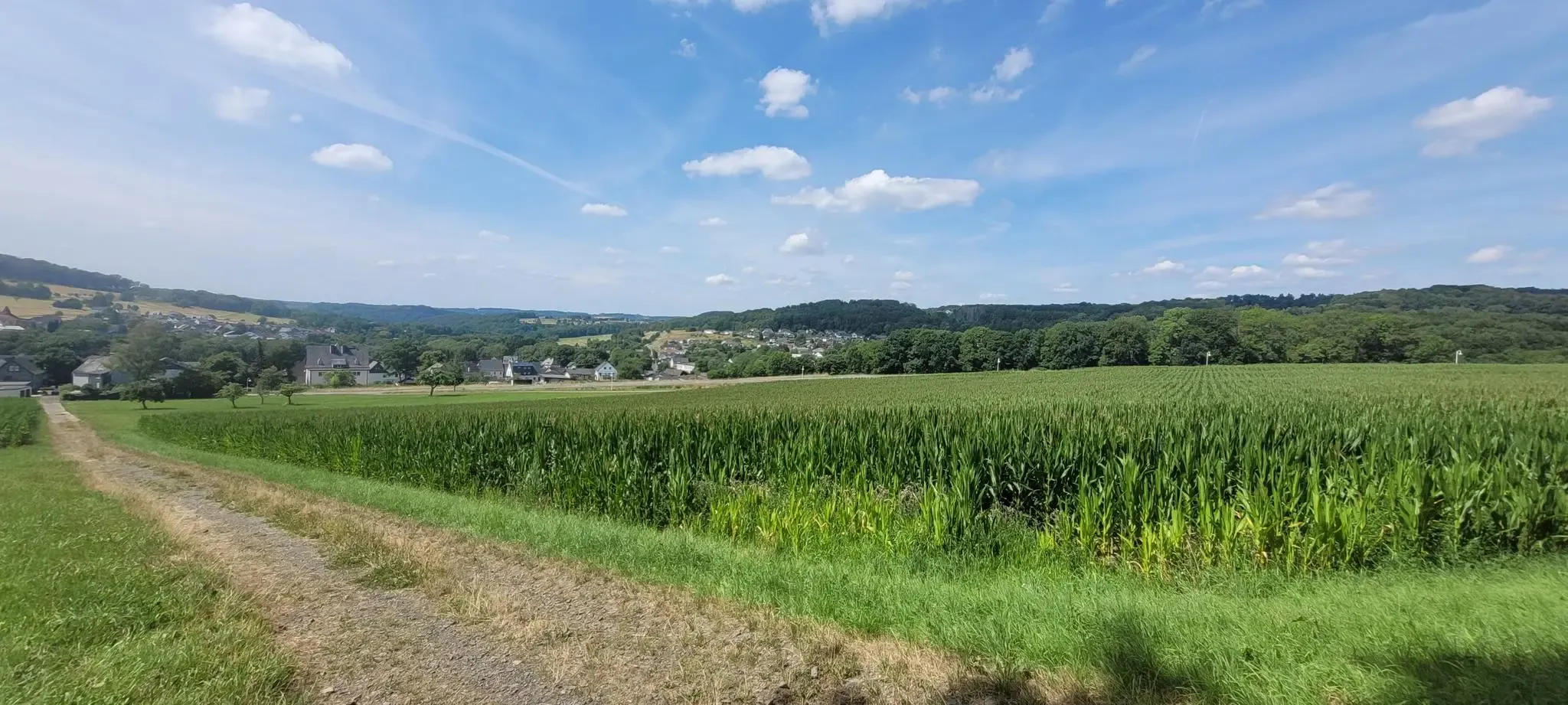
Hiking on the Cologne Trail – Discover nature close to the city
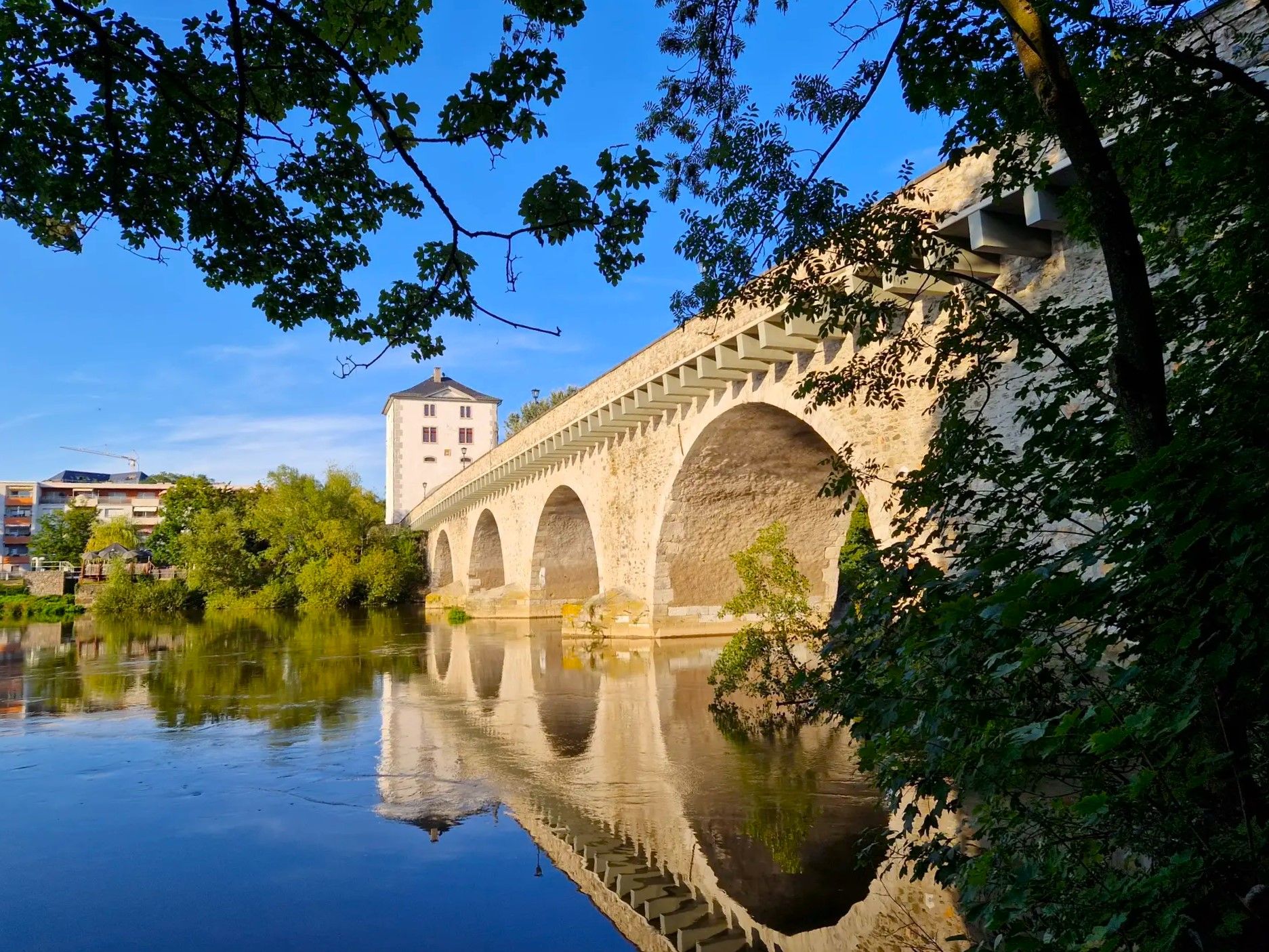
Lahnwanderweg Trail – The Lahn from its source to the estuary
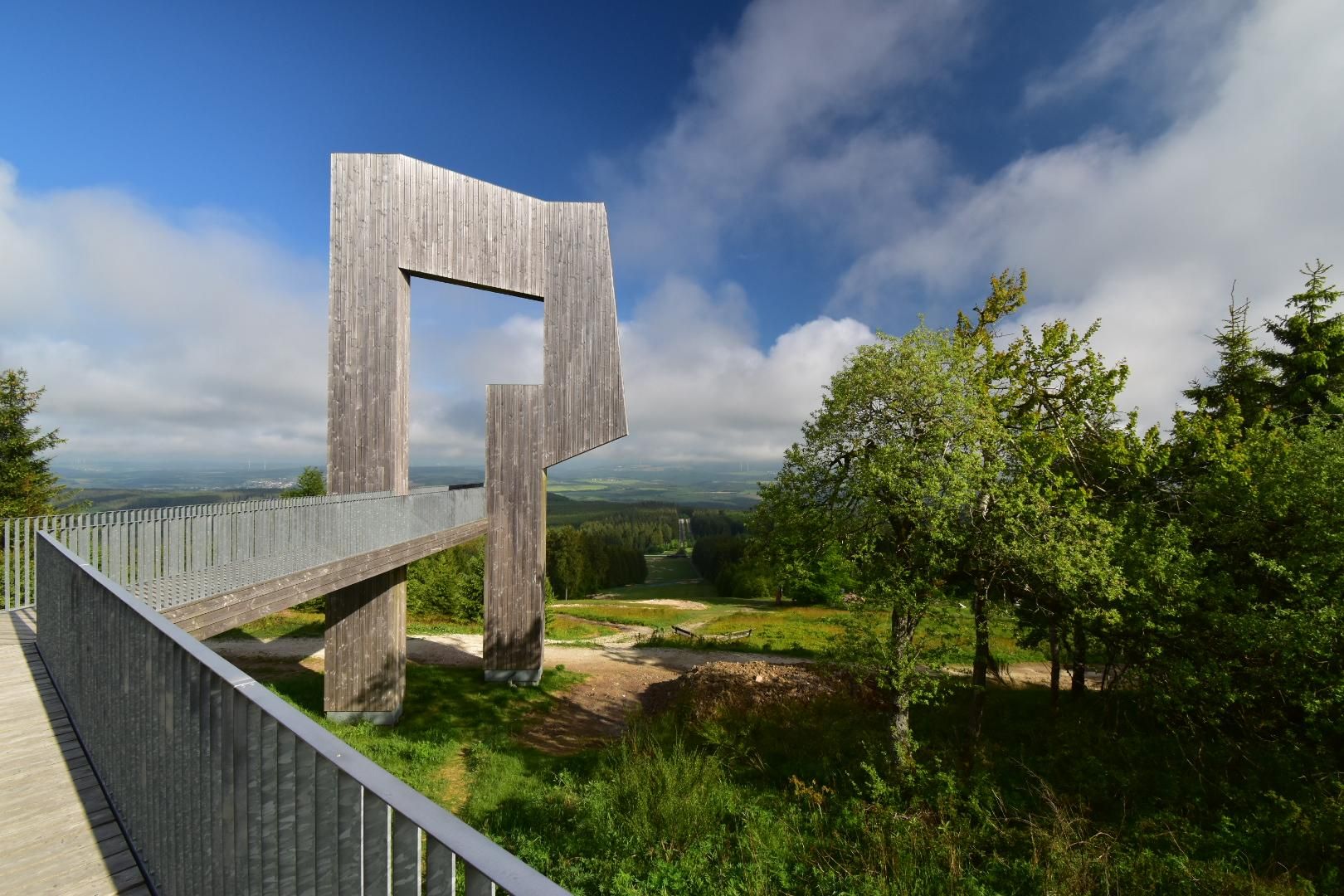
Saar-Hunsrück Climb – Hike in Germany where culture and nature meet
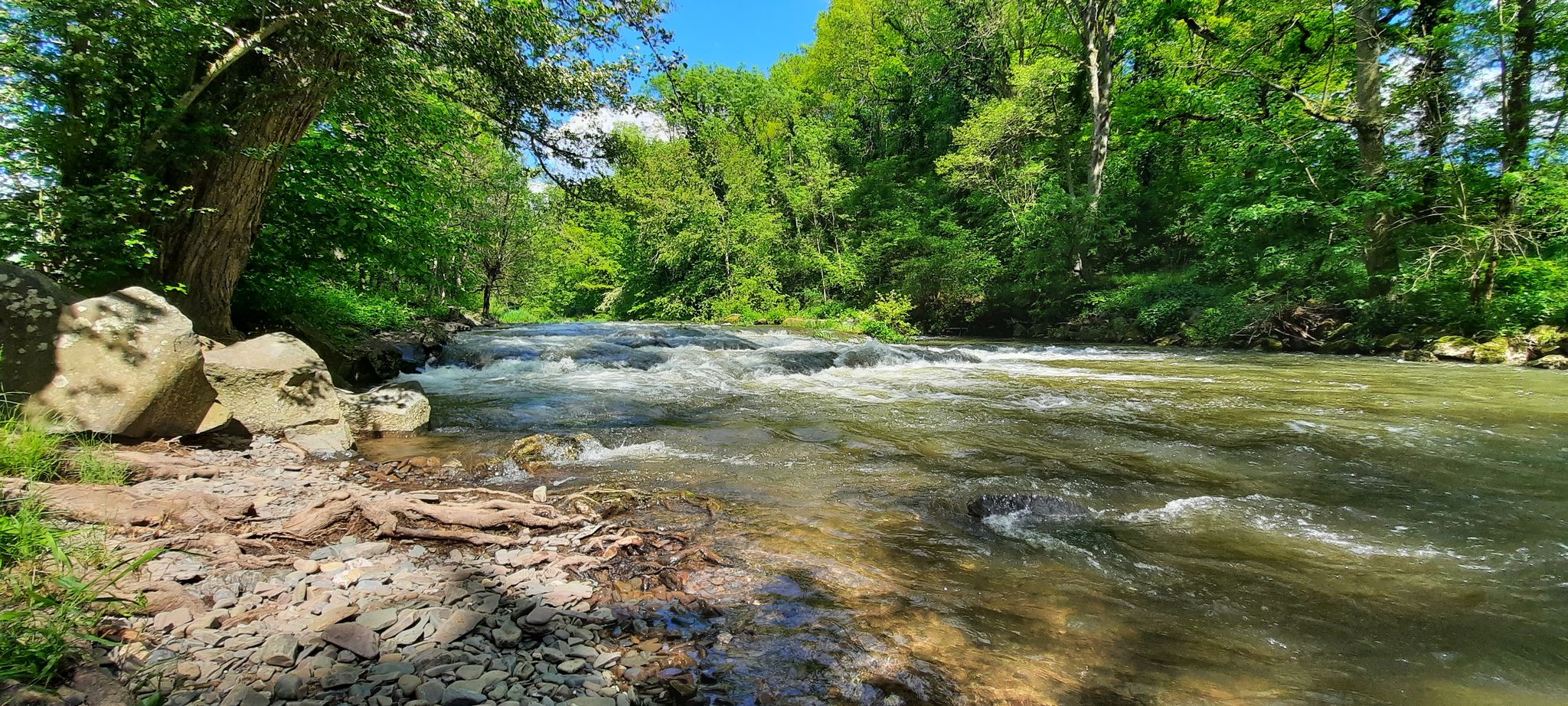
Lieserpfad between the Eifel and the Moselle rivers – Wild forests, wild water
11 Hessen trails – criss-cross through the countryside
Sieg Nature Trail – Pure nature
Other adventures in Rhineland-Palatinate


Tips from the Community

This is one of the more than 100 existing "Saar-Hunsrück dream loops" that make the large area south of the Moselle very attractive as a hiking destination. In the brochure it is described with the words "With magnificent views, the hiking trail leads from the Hunsrück plateau ... into the deep Ehrbach valley. In complete isolation, the path runs along a narrow path along the stream. There are steep ascents and descents with ... surprising views." The dream loop is 8.5 kilometers long, 390 meters in altitude and is described as taking 3 to 4 hours to walk.
10
1

The so-called Dreimühlen waterfall is also known as the Nohn waterfall. The name Nohn waterfall comes from the waterfall's proximity to the town of Nohn. The houses on the outskirts of Nohn are only a few hundred meters above the waterfall. Most people talk about the Dreimühlen waterfall, however. The name Dreimühlen comes from a former castle called Dreimühlen. Today, however, only the remains of the walls are said to remain. We looked for the former castle on our trip, but couldn't find anything of it. The waterfall in the Eifel is located between the towns of Üxheim, Kerpen and Nohn. Although the other large towns in the Eifel are not located here, many visitors come here. Some of them travel especially to visit the waterfall. The Dreimühlen waterfall is one of the most visited Eifel attractions. Almost every holidaymaker in the area comes to the waterfall at least once during their Eifel vacation. In addition, many day tourists travel from outside, making it the most visited waterfall in the Eifel. They all want to see the unique natural wonder.
18
1

The Calmont via ferrata is more of a mountain trail than a via ferrata. Passages of the "via ferrata" are made safer with handrails, ladders, step bars and stepping pins. However, hikers who are not sure-footed also have the option of bypassing the short section of the "via ferrata".
73
10

Nice view with markers for orientation. The tower, which was built in 1902, is only 11m high, but stands on top of the 560m high Mauseberg and is thus 166m above the Gemünder Maar, guaranteeing a magnificent view of the surrounding area.
14
0
Beautiful view with an information board for orientation. The tower, built in 1902, is only eleven meters high, but stands at the top of the 560-meter-high Mäuseberg and is thus 166 meters above the Gemünder Maar. This guarantees a magnificent view over the surrounding area.
19
1

One of the most beautiful rock massifs near the French border.
16
0

Once you have arrived at the Kalmit, you will be rewarded with a breathtaking view of the Upper Rhine Valley. The Kalmithaus is located at 673 m on the Palatinate Wine Trail and is the highest hut in the Palatinate Forest. It is the first and oldest hiking hut in the region. The house was inaugurated in 1908. Guests can enjoy Palatinate dishes or changing daily specials and game specialties inside and on the patio with a panoramic view.
7
1

Birds of prey nest on top of the rock.
16
0
Frequently Asked Questions
What are some of the most popular natural monuments in Rhineland-Palatinate?
Among the most popular natural monuments in Rhineland-Palatinate are the unique Dreimühlen Waterfall, known for its continuous growth due to limescale deposits, and the challenging Calmont via ferrata, offering stunning views of the Moselle. The picturesque Ehrbachklamm Gorge, with its small waterfalls and vibrant autumn colors, is also highly appreciated by visitors.
Are there family-friendly natural monuments in Rhineland-Palatinate?
Yes, several natural monuments are suitable for families. The Dreimühlen Waterfall is a great option, as the former railway line leading to it now serves as a cycling and hiking trail. The Trass Caves Brohltal also offer an engaging experience for families, combining natural wonder with historical context.
What kind of geological features can I expect to see among the natural monuments?
Rhineland-Palatinate's natural monuments showcase a diverse range of geological features. You can explore volcanic formations like the impressive basalt cone of Druidenstein near Kirchen-Herkersdorf, dramatic gorges such as the Devil's Gorge and Rupperts Gorge, and unique rock formations like the Altschloss Rocks and Hirtenfels, which hint at ancient human settlements.
What outdoor activities can I do near these natural monuments?
Many natural monuments are integrated into popular outdoor activity routes. You can enjoy hiking, for example, on the 'HeimatSpur Waterfall Experience Route' or the 'Traumpfad: Pyrmonter Felsensteig' near waterfalls. For an easier pace, consider routes like the 'Vulkanpfad – Traumpfad'. Cycling is also popular, with routes like the 'Primerberg Climb' offering stunning views. You can find more details on these and other routes in the Waterfall hikes in Rhineland-Palatinate or Easy hikes in Rhineland-Palatinate guides.
Are there good viewpoints among the natural monuments in Rhineland-Palatinate?
Absolutely. The Kalmit, the highest mountain in the Palatinate Forest, offers a breathtaking panoramic view of the Upper Rhine Valley from its summit. Other notable viewpoints include the Dronke Tower on the Mäuseberg and the Swallows' Rock, both providing excellent vistas of the surrounding landscapes. The Rotenfels Plateau also boasts magnificent panoramic views from Central Europe's largest cliff face.
What do visitors enjoy most about the natural monuments in Rhineland-Palatinate?
Visitors frequently praise the unique natural beauty and the opportunities for active exploration. Many highlight the 'self-growing' aspect of the Dreimühlen Waterfall as a pleasant surprise, and the challenging yet rewarding experience of the Calmont via ferrata. The scenic trails through gorges like the Ehrbachklamm Gorge, with their small waterfalls and vibrant seasonal colors, are also highly cherished.
Are there any historical or cultural sites integrated with the natural monuments?
Yes, some natural monuments also hold historical significance. The Hirtenfels, for instance, is described as a dwelling place of Stone Age people, suggesting a long history and mystical atmosphere. The Trass Caves Brohltal are also recognized as a historical site, offering a glimpse into the region's past alongside their natural appeal. Additionally, the Dronke Tower on the Mäuseberg is a man-made monument offering historical context within a natural setting.
What is the best season to visit the natural monuments in Rhineland-Palatinate?
Many natural monuments offer unique charm throughout the year. Spring is particularly recommended for gorges like the Ehrbachklamm Gorge when nature awakens and water levels are high, creating beautiful small waterfalls. Autumn is also highly recommended for its vibrant 'Indian Summer' colors, especially in forested areas and gorges. Cooler days or early mornings are suggested for challenging routes like the Calmont via ferrata to avoid intense summer heat.
Are there challenging hiking routes near the natural monuments?
For those seeking a challenge, the Calmont via ferrata is a notable option, requiring sure-footedness and a head for heights. The Rupperts Gorge also offers a challenging path, sometimes requiring holding onto wire ropes as it leads through the streambed. These routes provide an adventurous way to experience the region's natural beauty.
Can I find natural monuments that are less known or 'hidden gems'?
While the guide focuses on popular spots, the sheer number of natural highlights in the region (over 5500) suggests many lesser-known gems await discovery. Exploring areas like the volcanic landscapes of the Vulkaneifel or the picturesque river valleys of the Moselle and Rhine beyond the main attractions can reveal unique natural beauty. The Druidenstein near Kirchen-Herkersdorf, an impressive isolated basalt cone, is a significant geological attraction that offers a glimpse into the region's ancient volcanic past and might be considered a hidden gem by some.
What kind of landscapes define the natural monuments of Rhineland-Palatinate?
The natural monuments in Rhineland-Palatinate are characterized by incredibly diverse landscapes. These include dramatic volcanic formations, deep gorges with cascading waterfalls, ancient rock structures, and expansive forests. From the unique geological processes at the Dreimühlen Waterfall to the vast views from the Kalmit and the sheer scale of the Rotenfels Plateau, the region offers a rich tapestry of natural beauty.
Most popular routes in Rhineland-Palatinate
Most popular attractions in Rhineland-Palatinate

Get inspired with the komoot mobile app


Didn’t find what you were looking for?
Find even more amazing natural monuments in Rhineland-Palatinate by checking out the top Highlights region by region:
Explore more
Extend your search for the best caves by checking out these guides of the top ones in Rhineland-Palatinate:
