Top 20 Natural Monuments in France
Natural monuments in France encompass a diverse range of geological formations, from towering peaks and dramatic coastlines to ancient rock structures and vast wetlands. The country's varied topography, shaped by millions of years of natural processes, offers numerous sites of significant natural beauty and scientific interest. These locations provide opportunities to observe unique ecosystems and geological phenomena across different regions.
Best natural monuments in France
- The most popular natural monuments is Cliffs of Étretat, a natural monument known for its striking chalk formations, natural arches, and a 70-meter tall needle-like spire. These formations have been sculpted by wind and water erosion over millennia.
- Another must-see spot is Altschloss Rocks, a natural monument featuring spectacular rock formations. Visitors can observe beautiful patterns eaten into the sandstone by rainfall over centuries.
- Visitors also love Along the pink granite coast, a natural monument showcasing truly beautiful granite formations. This area is a walking paradise with unique rock formations.
- France is known for its diverse natural monuments, including coastal cliffs, ancient rock formations, and unique granite coastlines. These sites offer a variety of natural monuments to see and explore, from the dramatic to the geologically significant.
- The natural monuments in France are appreciated by the komoot community, with more than 2400 upvotes and over 3700 photos shared by visitors.
Last updated: October 13, 2026
Altschlossfelsen (with rock passage)
Highlight • Natural Monument
Translated by Google •
Tip by

Wegelnburg Castle Ruins
Highlight • Castle
Translated by Google •
Tip by

Sign up now to discover places like this
Get recommendations on the best single tracks, peaks, & plenty of other exciting outdoor places.
Port-Pin Beach
Highlight • Canyon
Translated by Google •
Tip by

Hohenbourg Castle
Highlight • Viewpoint
Translated by Google •
Tip by

Along the pink granite coast
Highlight • Monument
Translated by Google •
Tip by

Istein Rapids
Highlight • River
Translated by Google •
Tip by

Lac Blanc
Highlight • Lake
Translated by Google •
Tip by

Mean Ruz Lighthouse
Highlight • Monument
Translated by Google •
Tip by

View of the Port Miou calanque
Highlight • Lake
Translated by Google •
Tip by

Mont Ventoux summit
Highlight • Summit
On this square are the Belvedere of Provence which offers views of the Albion plateau to the Mediterranean and the Belvedere of the Alps which opens onto the northern part. On a clear day, you can clearly see the department of Drôme, the Pre-Alps and the Alps.
By climbing slightly to the base of the antenna, you will be able to read below written on the ground, in large figures, the new official measurement of the Giant of Provence by the IGN: 1,910 meters.
Translated by Google •
Tip by
Sign up for free to discover even more natural monuments in France.
Already have an account?
Start today with a free account
Your next adventure awaits.
Popular around France
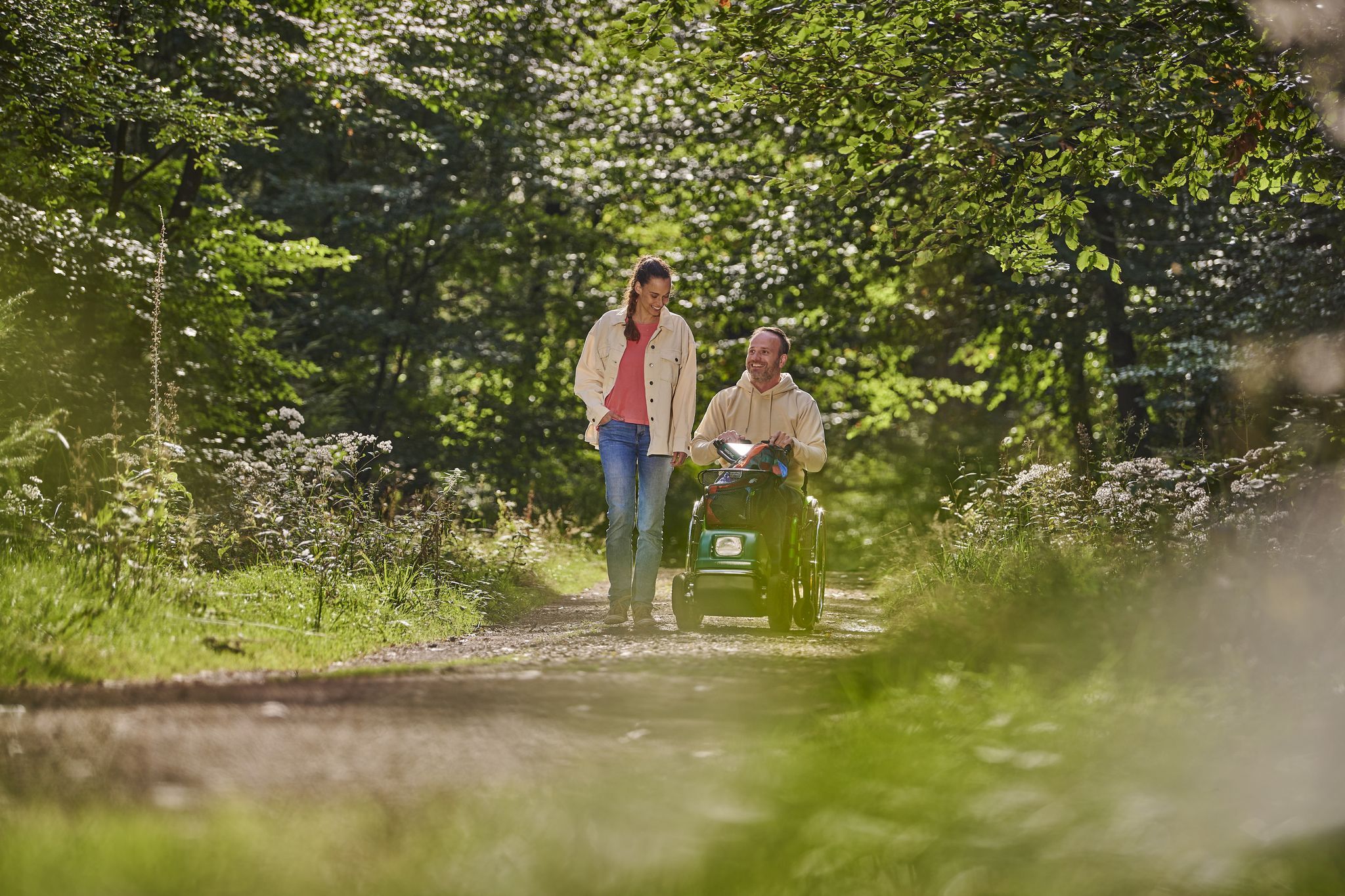
Paths for everyone – Nature experiences without barriers

Triathlon 360 – my journey around the world
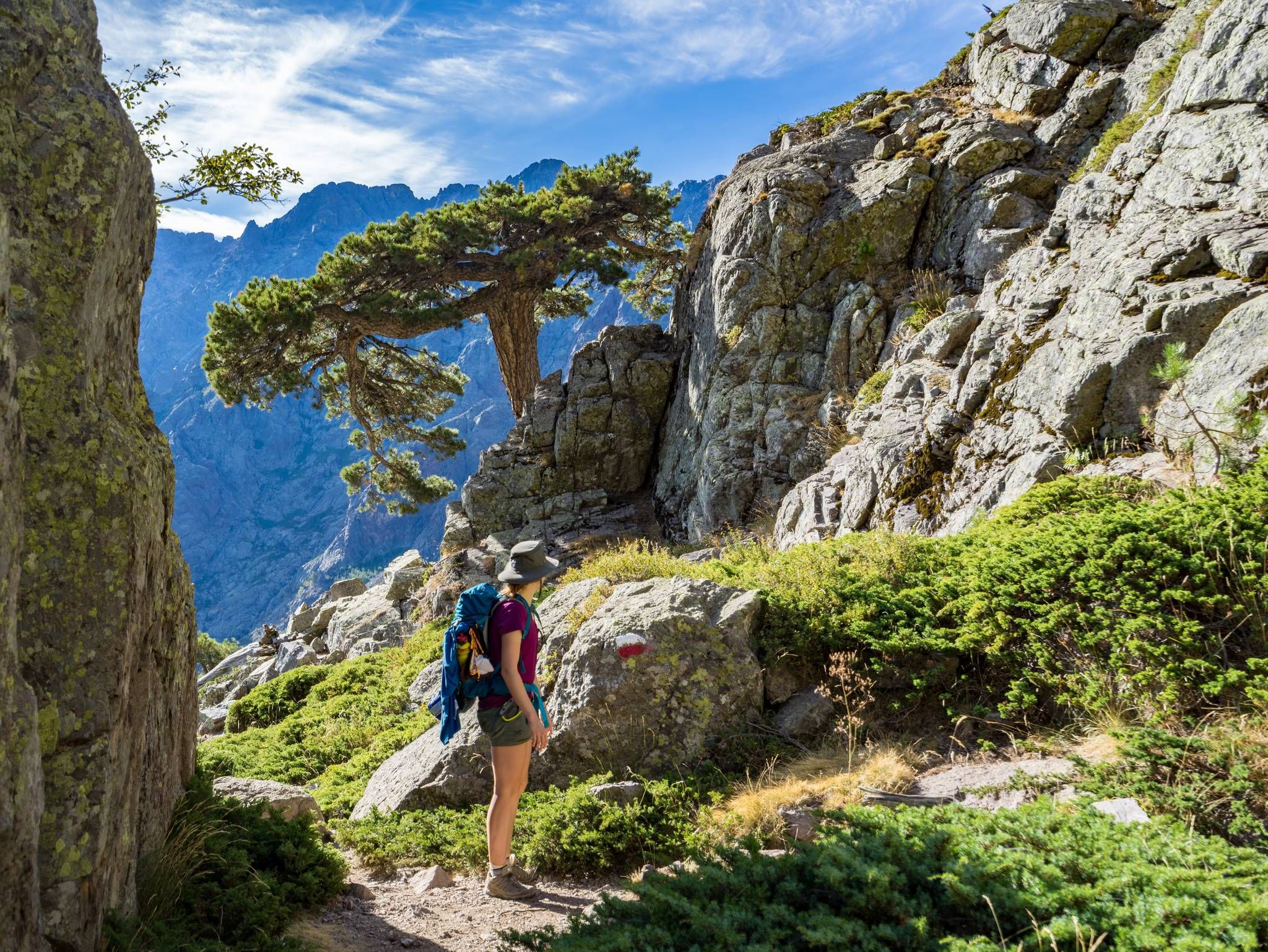
GR20 – Europe's toughest long-distance hiking trail through Corsica
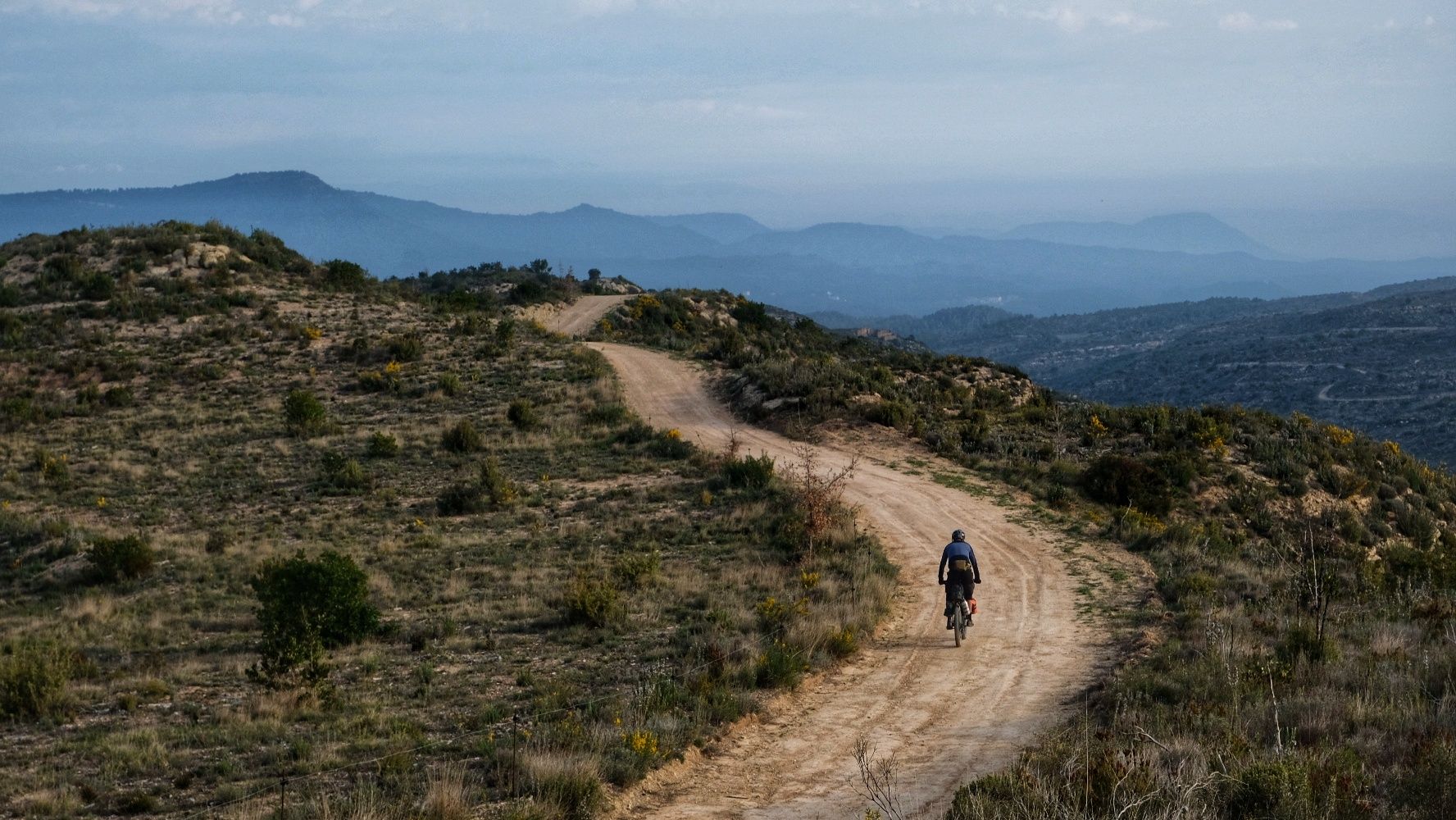
European Divide Trail — 7,600 km across the continent
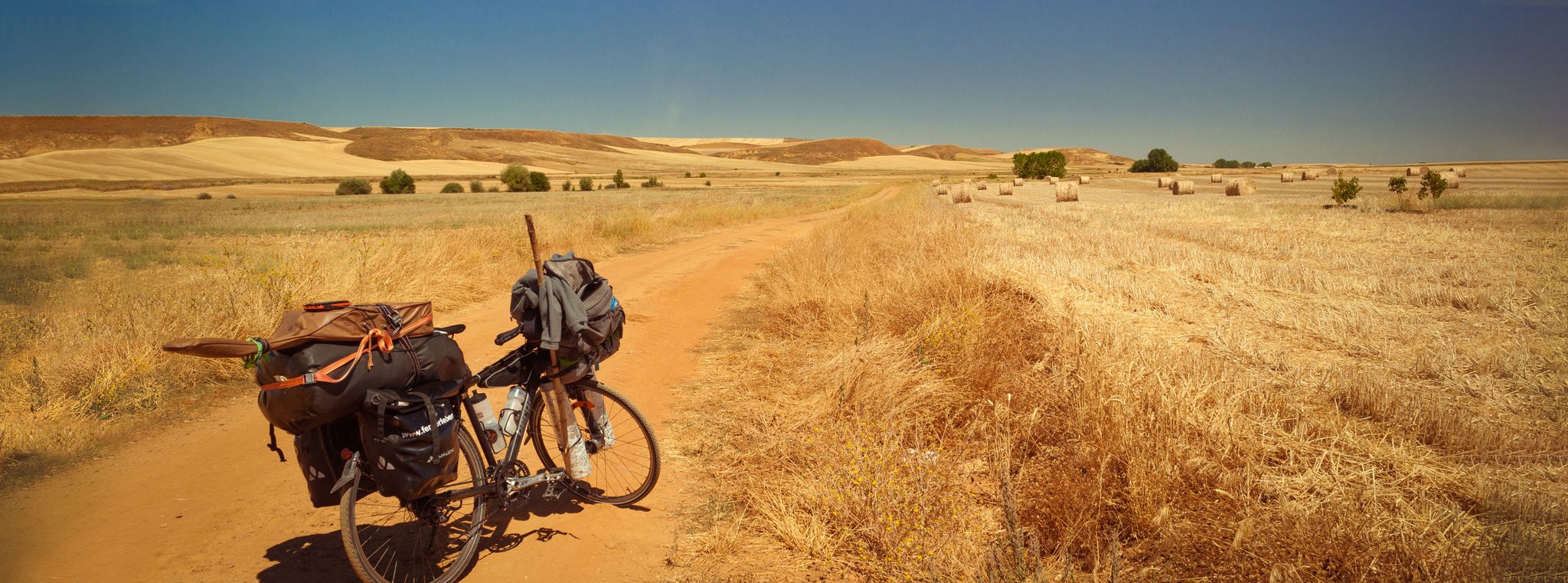
Camino Francés and Camino Finisterre – Cycling pilgrimages in Spain
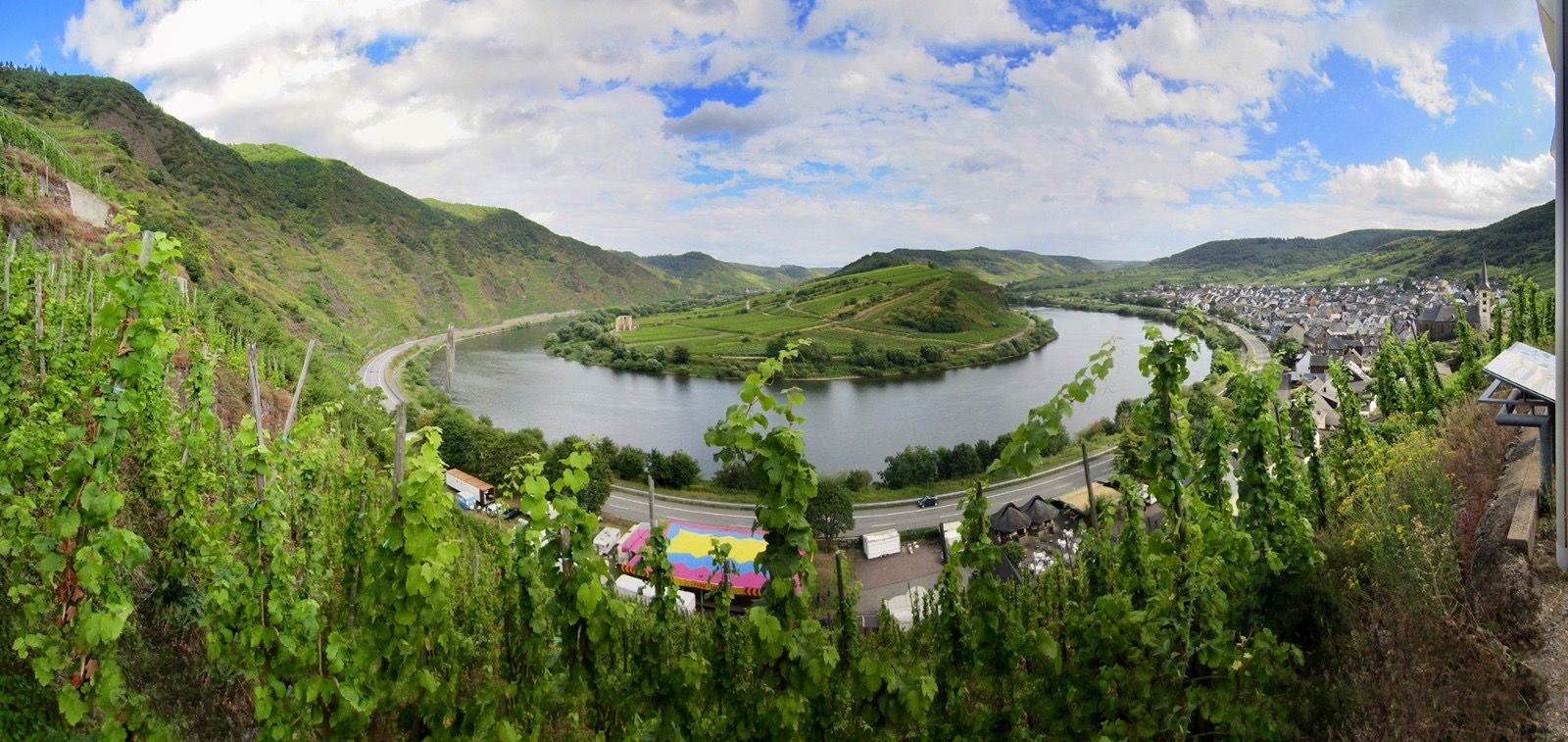
The Moselle cycle path — from the Vosges to the Rhine in 18 stages
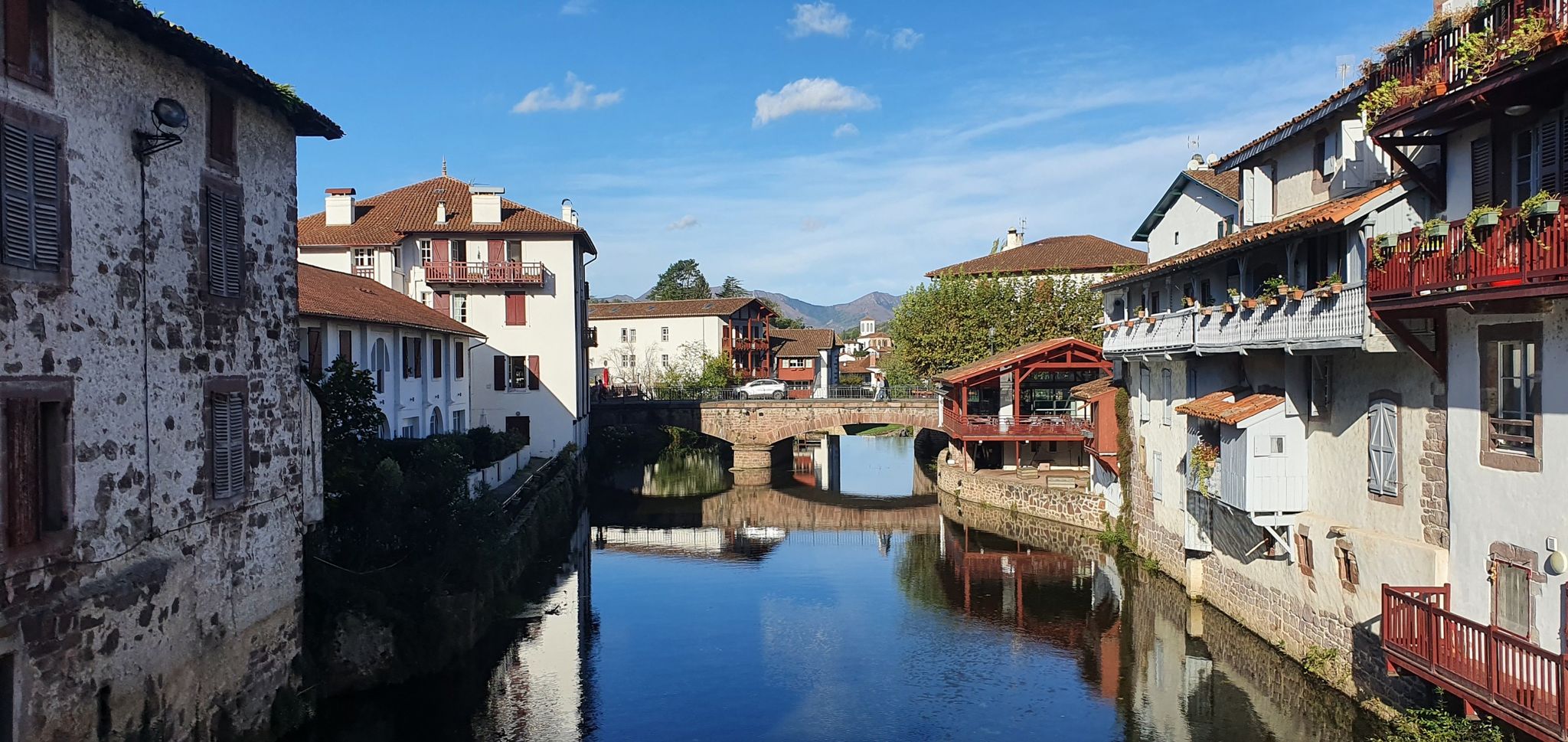
GR 65 Way of Saint James of Compostela — Via Gebennensis and Via Podiensis
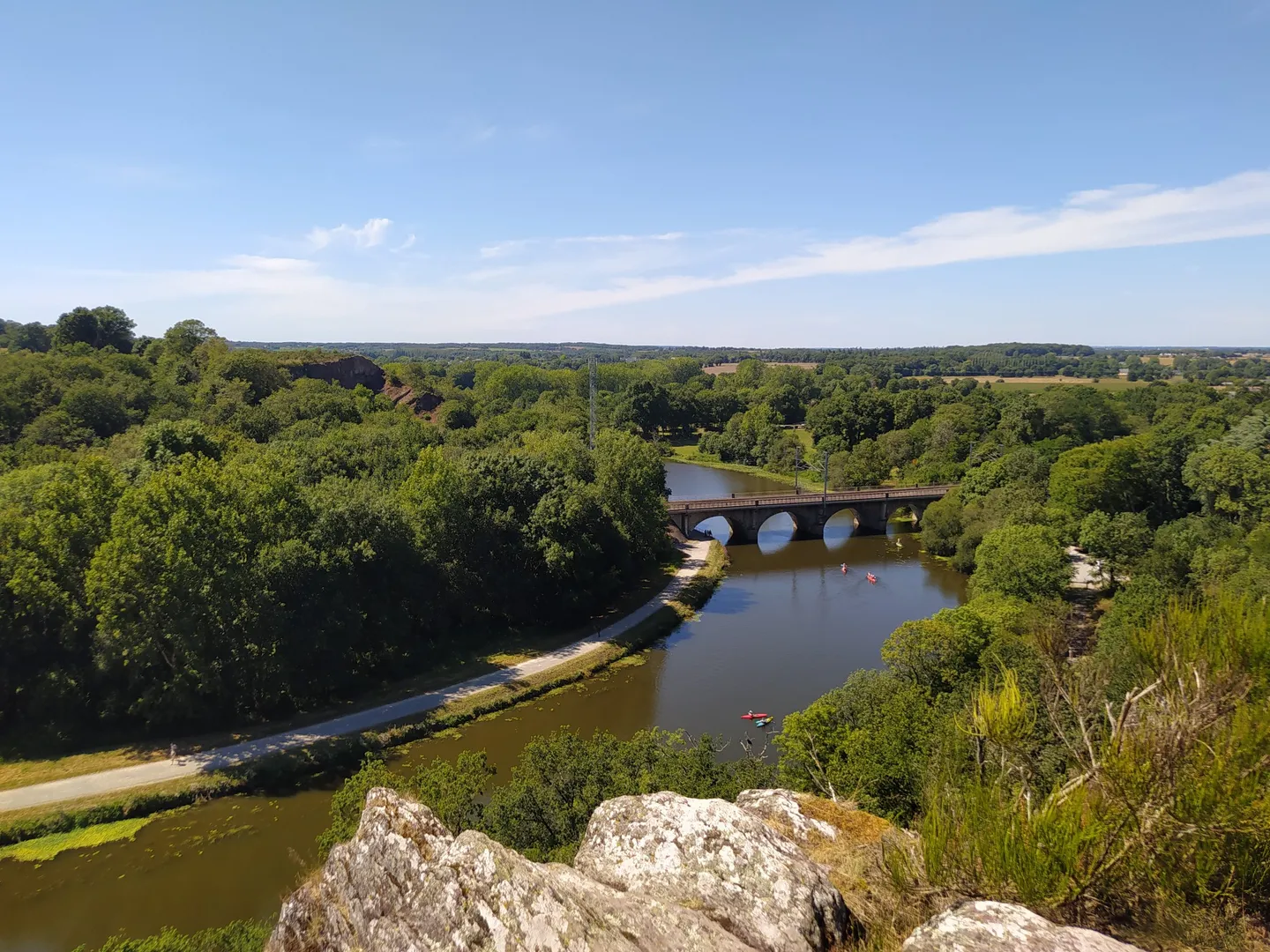
The GR 39 — On the historical traces of Brittany
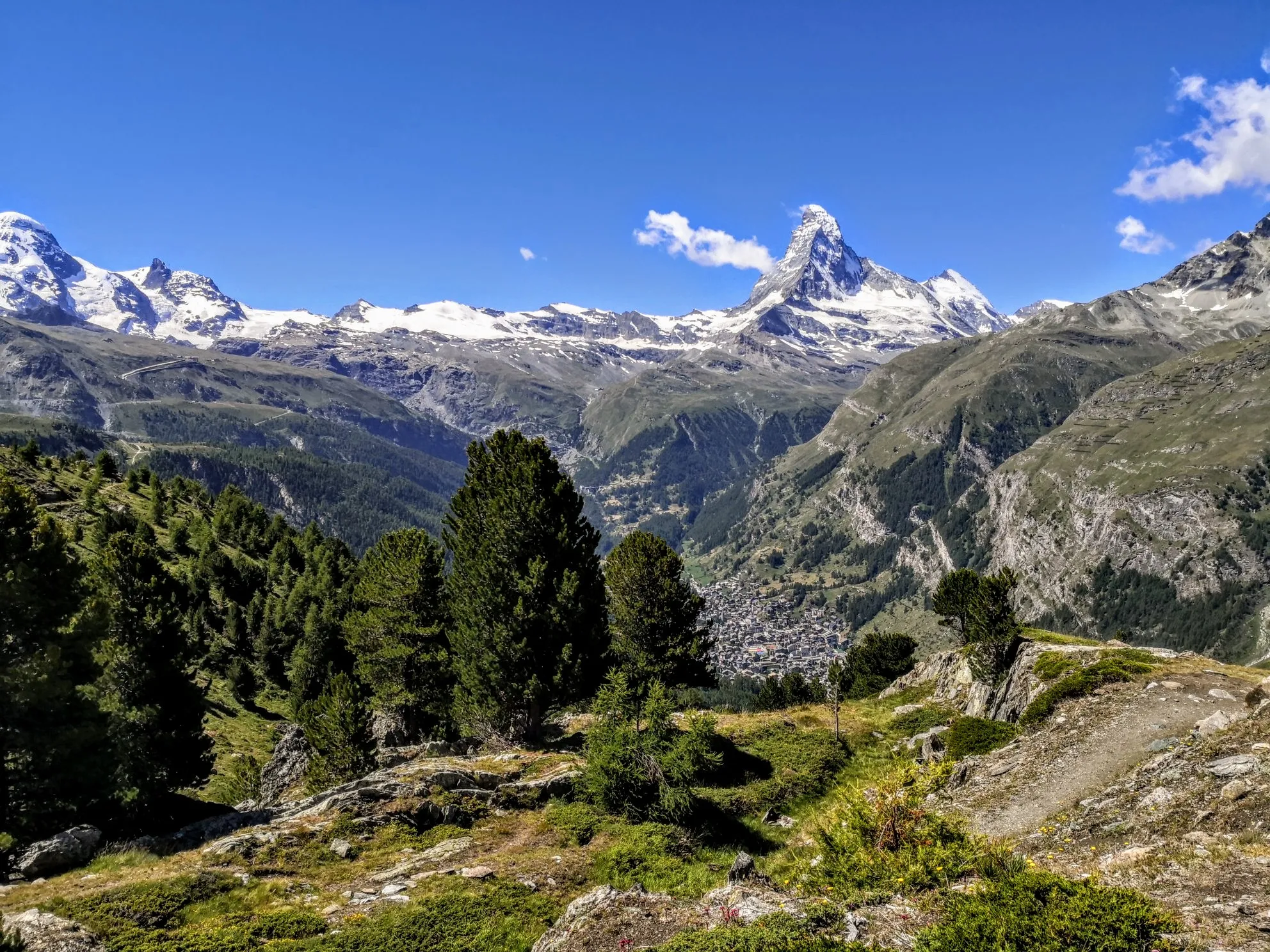
Walker's Haute Route – The ultimate alpine adventure
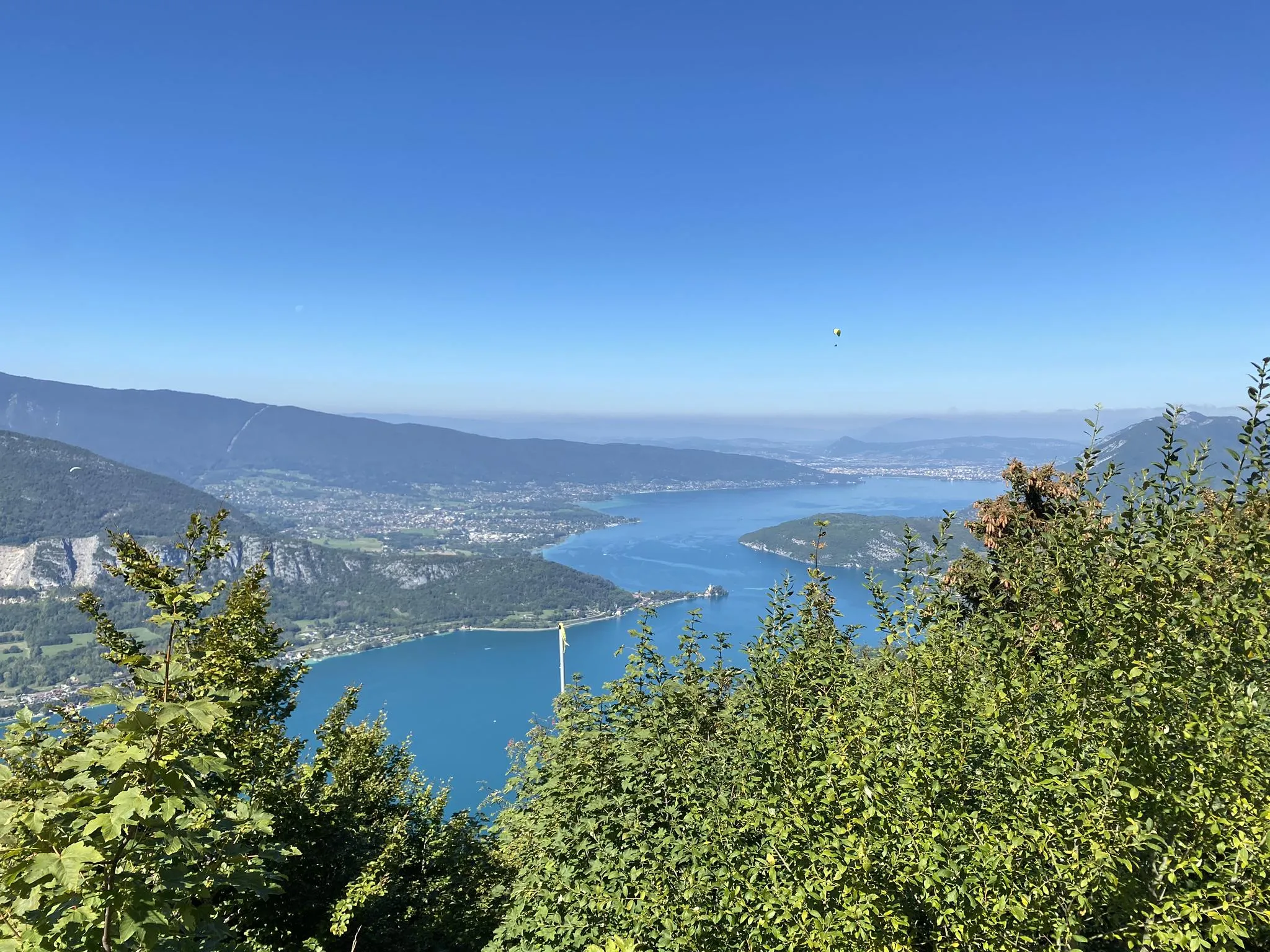
MaxiRace - The complete tour of Lake Annecy
Other adventures in France


Tips from the Community

The Phare de Mean Ruz, also known as the Ploumanac'h Lighthouse, is one of the most famous landmarks of Brittany's Pink Granite Coast. The original tower was built in 1860, but was destroyed during World War II and rebuilt in 1946 in its original form. Since 1948, it has once again emitted its signature flashing red light across the sea, visible for up to 11 nautical miles. At approximately 15 meters high, the lighthouse marks the entrance to Ploumanac'h Bay. Unfortunately, access to the lighthouse is closed to the public.
2
0
The Ploumanac'h Lighthouse (Phare de Mean Ruz) is nestled among the striking pink granite cliffs. Built in 1946 from pink granite, it serves to ensure navigation by marking dangerous coves and cliffs. At approximately 15 meters high, the square tower is a popular photo subject and a typical stop for hikers on the historic Sentier des Douaniers (Customs Officers' Trail). Other nearby attractions include the Château du Diable and the Petite Baie de Ploumanac'h.
1
0

The current lighthouse was built in 1946 to replace the original 1860 lighthouse that German forces destroyed in August 1944, with architects required to harmonize the design with the protected surrounding landscape. The lighthouse features interior mosaics created by renowned Rennes artist Isidore Odorico and offers panoramic views of Costaérès Castle and the Seven Islands archipelago.
1
0

The Grand Site Naturel de Ploumanac’h, on the Pink Granite Coast in Brittany, is a true natural spectacle. Its impressive rock formations, with unique pink hues, stand facing the sea, sculpted by the waves and the wind. Accessible by the coastal path (GR34), this walk offers striking panoramas of the coast, with its wild coves, its emblematic lighthouses and its offshore islands.
1
0

The lighthouse (Phare de Ploumanac'h) Mean Ruz was rebuilt in granite in 1947 after its destruction in the Second World War
6
0
The Côte de Granit Rose is an Eldorado for hiking
6
4

Quite well preserved castle with a beautiful view of Fleckenstein Castle and, in the other direction, of Wegelnburg.
9
4

Calanque converted into an accessible but very busy port
1
0
Frequently Asked Questions
What are some of France's most iconic natural monuments?
France is home to a diverse array of iconic natural monuments. Beyond the Cliffs of Étretat, known for their dramatic chalk formations, you can explore the majestic Mont Blanc in the French Alps, the stunning Gorges du Verdon, often called 'Europe's Grand Canyon,' and the unique red granite formations of the Calanques de Piana in Corsica. Each offers distinct geological beauty and memorable experiences.
Are there natural monuments in France suitable for family visits?
Yes, many natural monuments in France are family-friendly. For instance, the Istein Rapids offer a scenic river experience, and Lac Blanc provides beautiful lake views and trails. The Dune du Pilat, Europe's tallest sand dune, is also a popular spot for families to climb and enjoy panoramic views. Always check specific accessibility for very young children or strollers.
What kind of outdoor activities can I do near France's natural monuments?
The natural monuments offer a wide range of outdoor activities. Near the Altschloss Rocks, you can find easy hiking routes like the Altschlossfelsen Rock Circuit. The Gorges du Verdon is excellent for kayaking and climbing, while the French Alps around Mont Blanc are ideal for hiking, climbing, and ski touring. For more hiking options, explore guides like Hiking in France or Easy hikes in France. Mountain biking enthusiasts can also find trails in regions like the Parc naturel régional des Volcans d'Auvergne, as detailed in MTB Trails in France.
Where can I find unique rock formations in France?
France boasts several locations with unique rock formations. The Altschloss Rocks are known for spectacular patterns eaten into sandstone. The Pink Granite Coast in Brittany showcases truly beautiful granite formations. The Étretat Cliffs feature striking chalk arches and a needle-like spire. Additionally, the Ille-sur-Têt Organs near Perpignan offer unique rock formations sculpted by wind erosion, and the Calanques de Piana in Corsica are famous for their dramatic red granite structures.
What are some natural monuments in Southern France worth visiting?
Southern France offers a wealth of natural monuments. The Gorges du Verdon in Haute-Provence features dramatic limestone cliffs and a turquoise river. The Camargue Salt Flats are known for their unique pink hue and abundant wildlife like flamingos. The Massif de l'Esterel in Var is an imposing volcanic mountain range with incredible landscapes. In Corsica, you'll find the stunning Calanques de Piana and the Aiguilles de Bavella granite spires.
Are there any natural monuments with historical significance?
While primarily natural, some monuments are intertwined with history. The Gorges du Verdon's formation dates back millions of years, with limestone peaks from ancient seafloors. The Étretat Cliffs have inspired numerous artists, including Claude Monet. Nearby, you might find historical sites like Wegelnburg Castle Ruins or Hohenbourg Castle, which offer panoramic views over natural landscapes.
What is the best time to visit France's natural monuments?
The best time to visit depends on the specific monument and desired activities. For alpine regions like Mont Blanc, summer (June-September) is ideal for hiking, while winter offers ski touring. Coastal areas like the Étretat Cliffs or the Calanques are pleasant in spring and autumn to avoid summer crowds and heat. The Gavarnie Falls are most powerful after spring melts. Lavender fields are best seen in mid-July. Always check local conditions and weather forecasts before your trip.
Can I find natural monuments with water features like lakes or beaches?
Absolutely. France's natural monuments include many stunning water features. You can visit Port-Pin Beach for a beautiful coastal experience. Lac Blanc in the Alps offers clear lake views. The Jura Lakes region is known for its numerous glacial lakes, perfect for water sports. The Gorges du Verdon features the strikingly turquoise Verdon River, and the Pont d'Arc is a natural arch over the Ardèche River.
What do visitors appreciate most about France's natural monuments?
Visitors frequently praise the breathtaking views and unique geological formations. For example, the Altschloss Rocks are noted for their spectacular rock formations and intense play of colors, especially in the evening. The Pink Granite Coast is described as a 'walking paradise' with its unique rock formations. The sheer scale and beauty of sites like Mont Blanc and the Gorges du Verdon also leave a lasting impression.
Are there any natural monuments known for unique wildlife?
Yes, several natural monuments are excellent for wildlife spotting. The Camargue Salt Flats are famous for their unique ecosystem, home to pink flamingos, white horses, and black bulls, making it a haven for birdwatchers. In the Aiguilles Rouges mountain range near Mont Blanc, you might spot diverse alpine fauna like marmots and ibex.
How accessible are France's natural monuments by public transport?
Accessibility by public transport varies greatly by location. Major sites like the Gorges du Verdon or areas around Mont Blanc often have bus services from nearby towns, especially during peak season. However, more remote natural monuments might require a car or a combination of public transport and a final hike. It's always recommended to research specific transport options for your chosen destination in advance.
Can I visit natural caves or underground formations in France?
Yes, France offers impressive underground natural monuments. The Gouffre de Proumeyssac, also known as the 'Crystal Cathedral,' is a notable natural cave in Audrix. It's famous for its enormous vault and walls covered with stunning stalactites and stalagmites, some of which are translucent.
Most popular routes in France
Most popular attractions in France

Get inspired with the komoot mobile app


Didn’t find what you were looking for?
Find even more amazing natural monuments in France by checking out the top Highlights region by region:
Explore more
Extend your search for the best caves by checking out these guides of the top ones in France:
