Top 20 Waterfalls in the Netherlands
Waterfalls in the Netherlands are primarily man-made cascades and water features, reflecting the country's flat topography. These features are often integrated into scenic parks and natural areas, offering recreational and historical value. They serve various purposes, from managing water flow in canals to enhancing urban green spaces. Visitors can explore these unique water installations, which blend natural beauty with historical engineering.
Best waterfalls in the Netherlands
- The most popular waterfalls is Waterfalls, a waterfall that was built in the late 18th century and reconstructed in 2007. This area features a series of small waterfalls along a path through the forest.
- Another must-see spot is Oorsprong Grotto, an other man-made feature where a waterfall once fell into a 'cave' or house, allowing visitors to walk beneath the stream. This historical site was renovated in 2007, restoring its unique design.
- Visitors also love Waterfall at Beekhuizen Pond, a small waterfall at the inlet of a lake. This spot is known for its beautiful location within a park, offering a pleasant area to walk through.
- Netherlands is known for its man-made cascades, historical water features, and small natural drops in stream valleys. These include features designed for water management, ornamental park elements, and restored historical sites.
- The waterfalls in the Netherlands are appreciated by the komoot community, with more than 1000 upvotes and over 300 photos shared by visitors.
Last updated: October 4, 2026
Loenen Waterfall
Highlight • Waterfall
Translated by Google •
Tip by

Waterfall at Beekhuizen Pond
Highlight • Waterfall
Translated by Google •
Tip by

Sign up now to discover places like this
Get recommendations on the best single tracks, peaks, & plenty of other exciting outdoor places.
Oorsprong Grotto
Highlight • Structure
Translated by Google •
Tip by

Great Waterfall, Sonsbeek Park
Highlight • Waterfall
Translated by Google •
Tip by

Loenen Waterfall
Highlight • Waterfall
Translated by Google •
Tip by

Waterfalls
Highlight • Waterfall
Translated by Google •
Tip by
Old Waterfall of the Gravinnenbeek
Highlight • Waterfall
The Gravinnebeek has been completely restored in recent years by the group of volunteers so that it flows freely again, as does the waterfall.
Translated by Google •
Tip by

Water Features and Floral Displays, Arcen Castle Gardens
Highlight • Historical Site
Translated by Google •
Tip by

Oorsprongbeek Waterfalls
Highlight • Waterfall
Translated by Google •
Tip by
Small Waterfall
Highlight • Waterfall
Translated by Google •
Tip by

Sign up for free to discover even more waterfalls in the Netherlands.
Already have an account?
Start today with a free account
Your next adventure awaits.
Popular around Netherlands

Bedtime Adventure Stories for Grown Ups
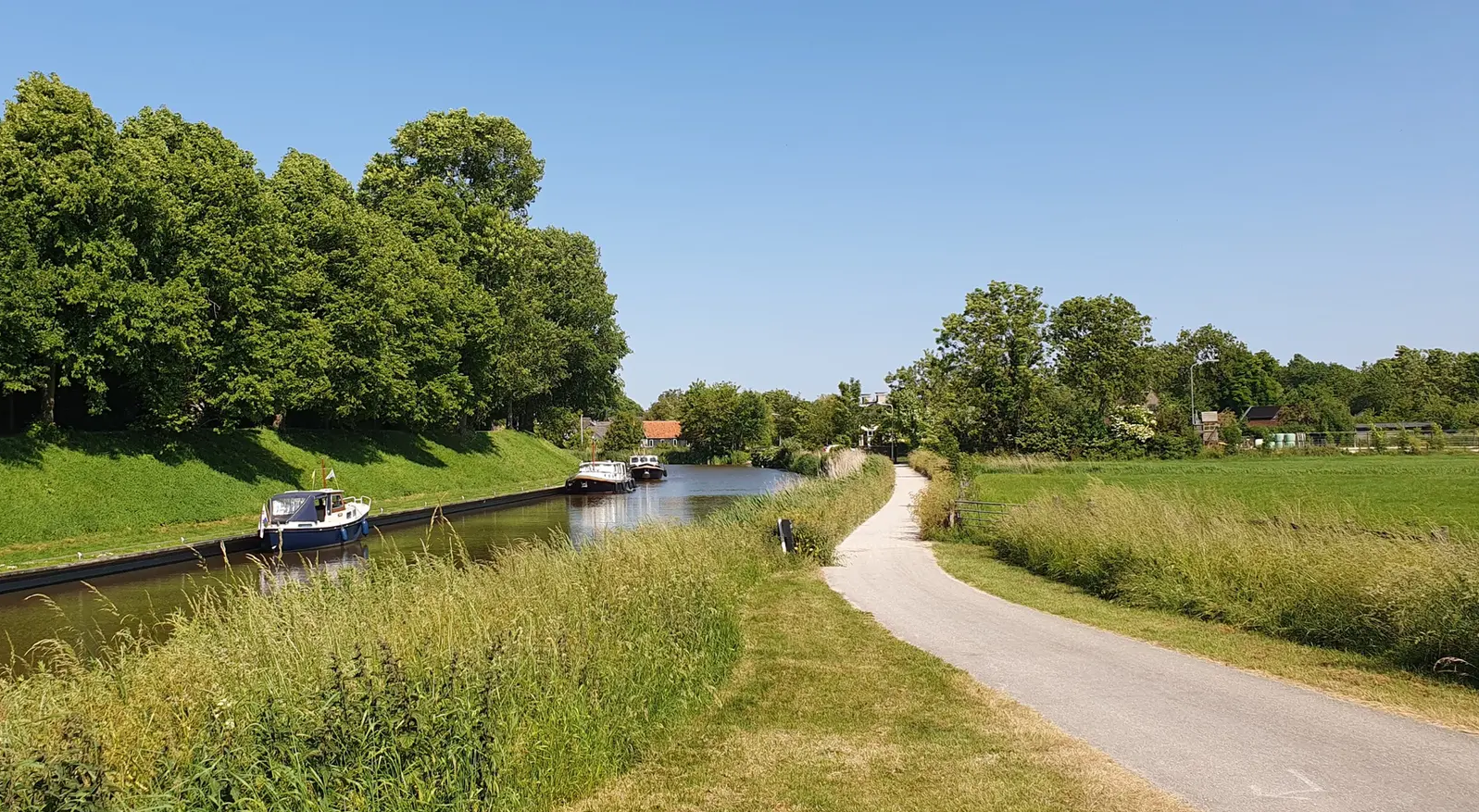
Elfstedenpad – Along polders, terpen and eleven Frisian cities
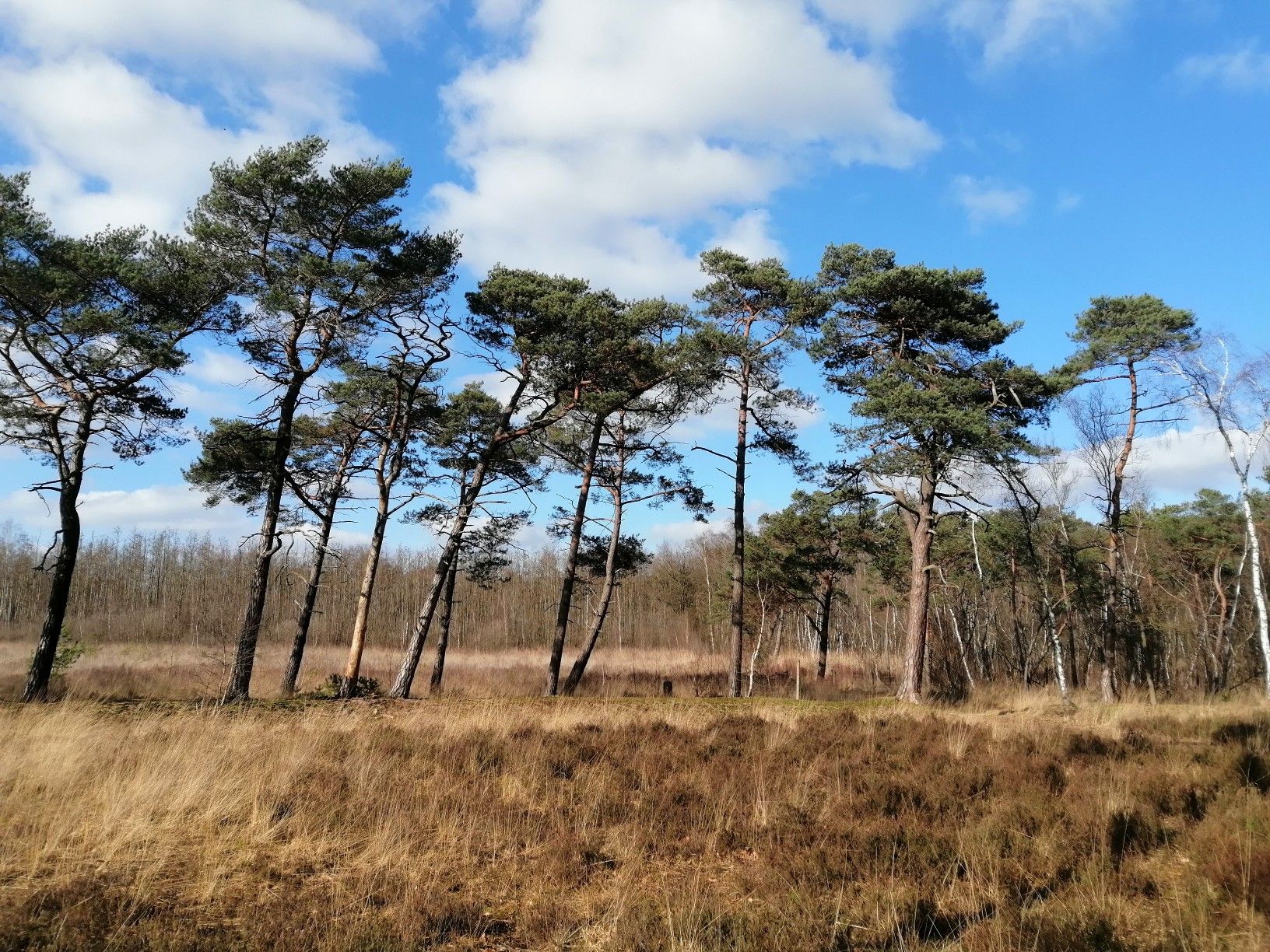
From Flanders to the Ardennes — GR 5 in Belgium
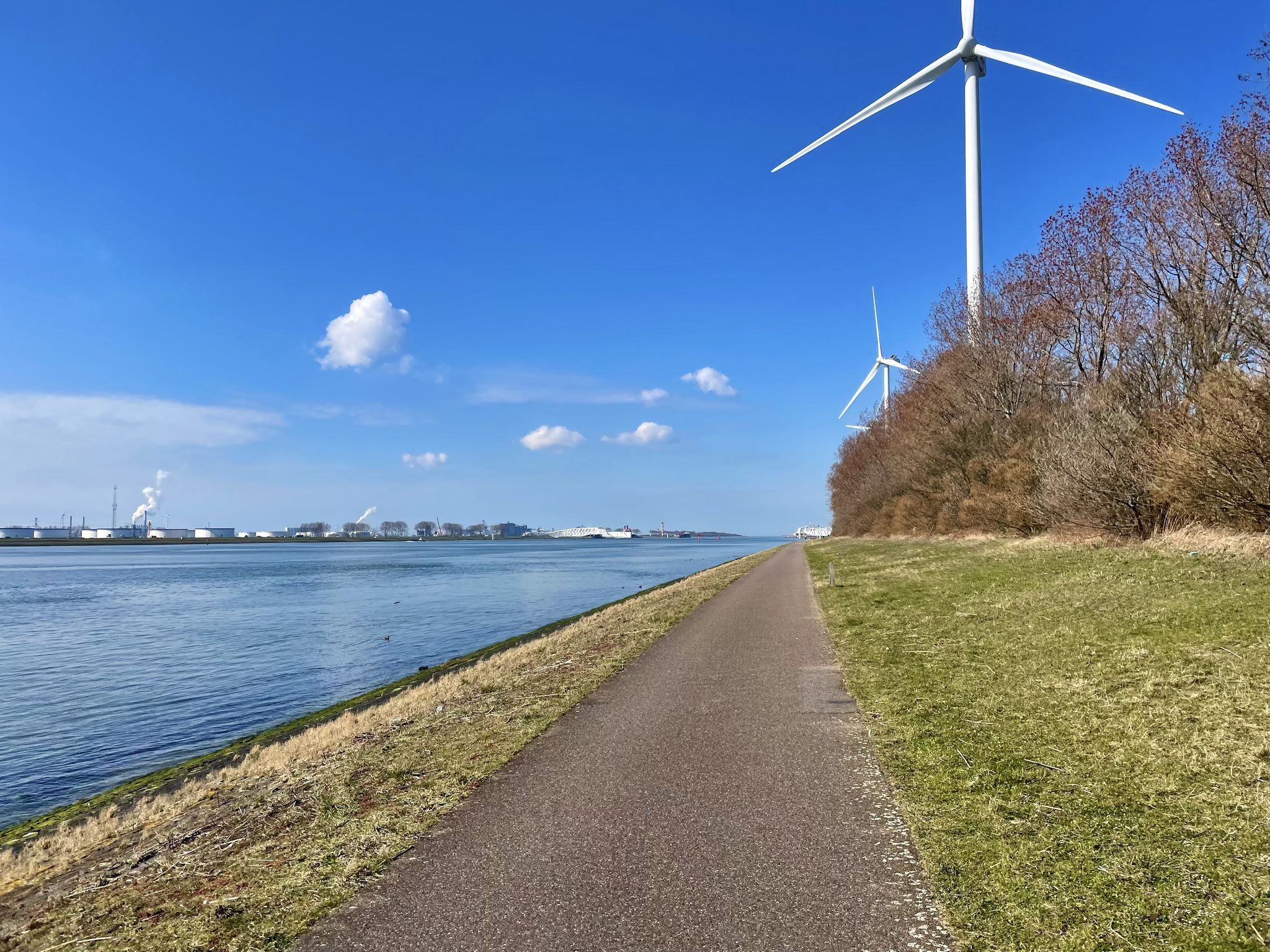
The Meuse Cycle Route - Follow the Meuse from the hills to the harbor
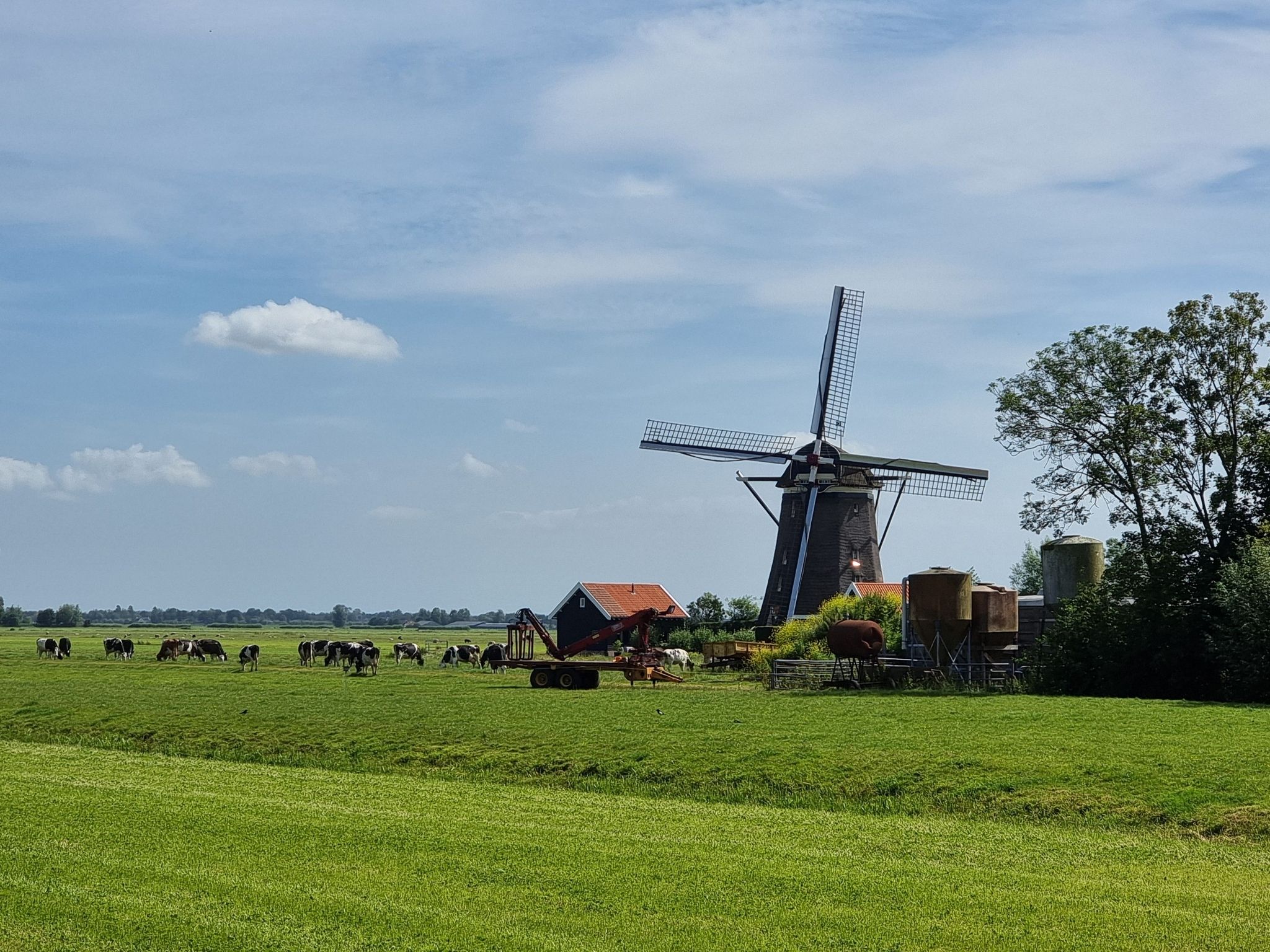
Pilgrim Trail (LAW 7-1) - Through idyllic villages and vast polders
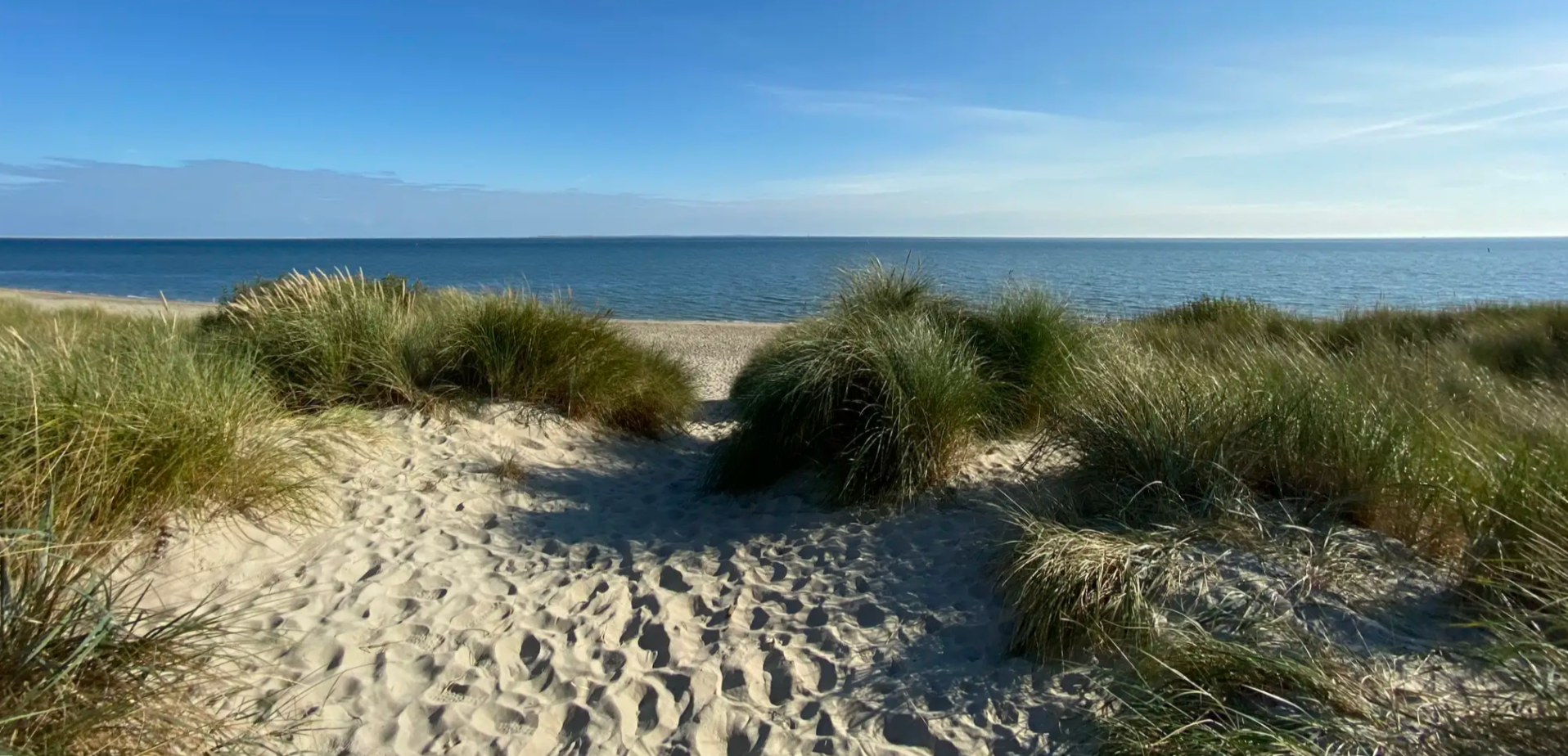
Regional Trail WaddenWalking (SP 04) - Hiking across the Wadden Sea.
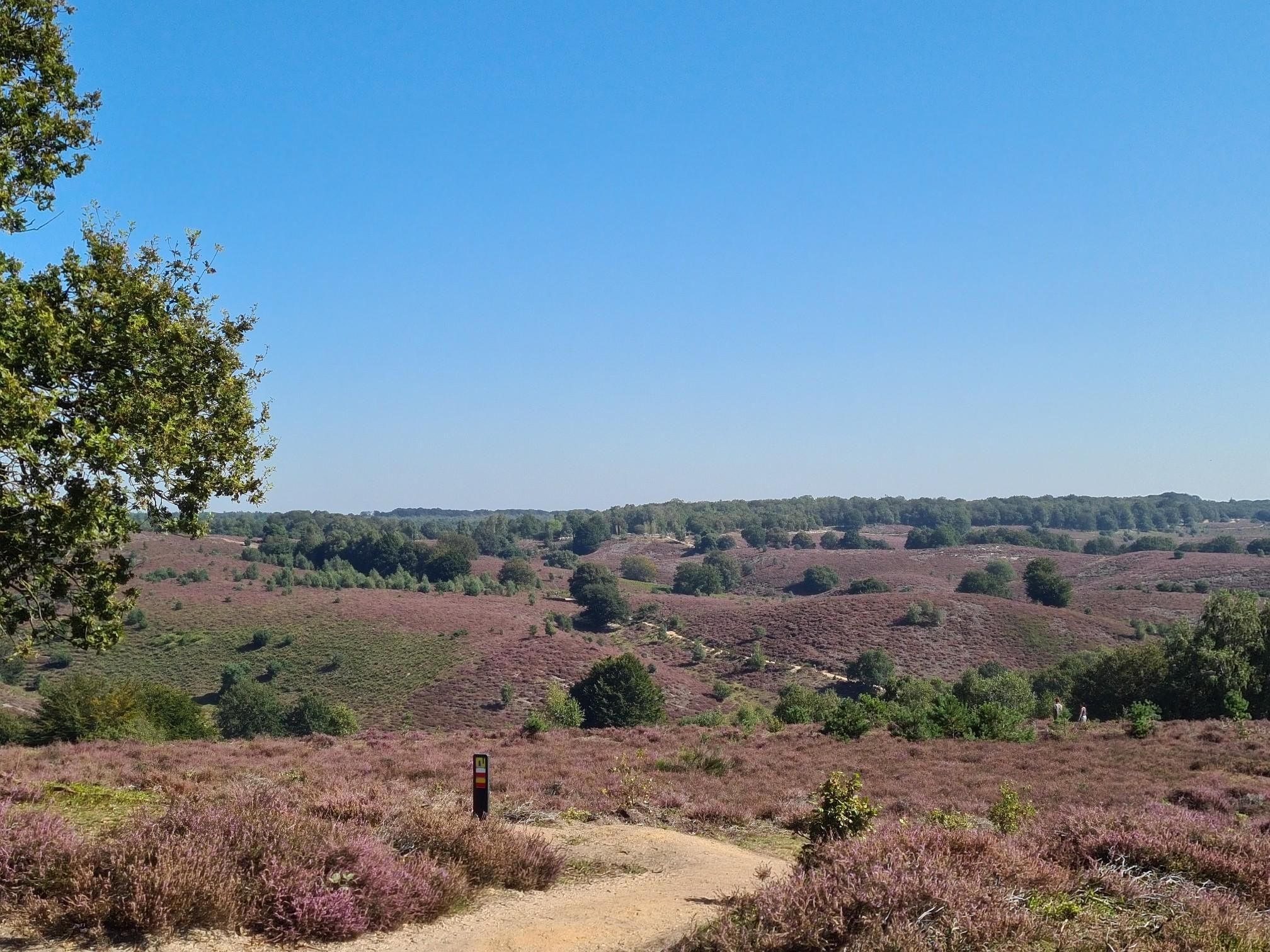
Veluwe Zwerfpad – 21 days of roaming through protected nature
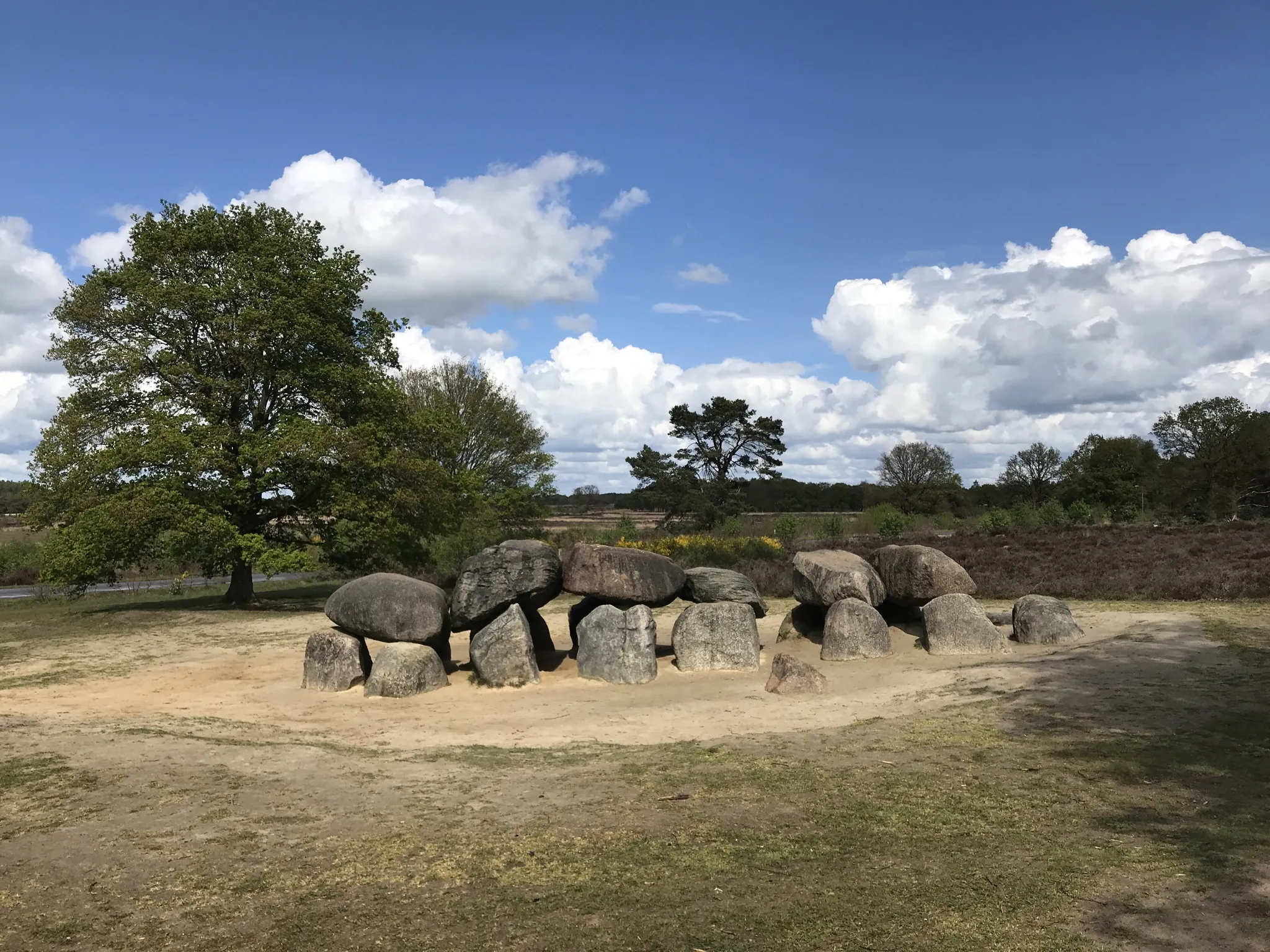
Tour of Drenthe – In 6 days through the primitive province
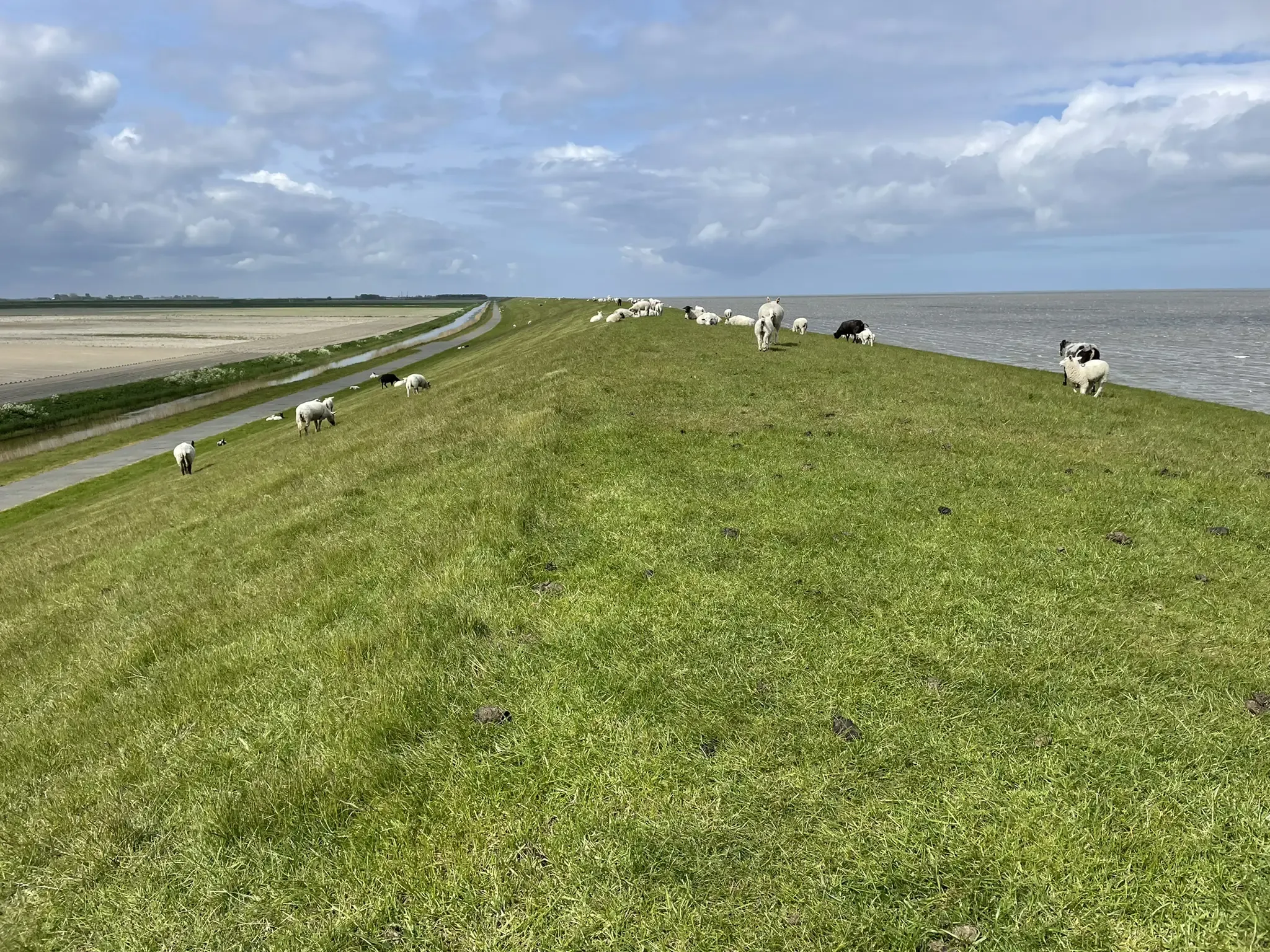
Tour of Groningen – 350 kilometers around the province
Liberation Divide | Straight through North Brabant
Other adventures in the Netherlands


Tips from the Community

There are really beautiful stretches in this klompenpad.
0
0

A small waterfall in South Limburg often appears in wooded stream valleys such as the Anstelerbeekdal or the Strijthagerbeekdal, areas known for their variety of landscape elements: babbling brooks, ponds, steep slopes, and narrow hiking trails. These waterfalls usually form where the water of a stream or brook overcomes a height difference, for example, at a natural outflow in the valley or at an old weir or small dam. Although small in size, such a waterfall adds visual and auditory charm to the landscape, and the sound of falling water enhances the sense of tranquility and natural beauty, while the movement of the water gives the forest or valley a dynamic accent. They are often located along hiking trails, allowing visitors to take a break and experience nature up close. In areas like Gravenrode Park or the Strijthagerbeekdal, such small waterfalls are also of cultural and historical interest because they were sometimes part of old waterworks or mills, such as at the Strijthagermolen, where water flowed through a canal or small weir to power the mill wheel. Thus, a small waterfall combines natural beauty with historical context and forms a subtle yet characteristic element of the Limburg stream landscape.
1
0

Until around 1855, a paper mill operated on the De Molenbeek estate, powered by water from the Griftbeek stream. A waterwheel once stood at the site of the stone ruin, which powered the entire mill. The blue-green information board shows step by step how papermaking worked, from pounding old rags to pressing and drying the paper. This process began in the Middle Ages and continued into the last century. So, using water from the Veluwe, paper has been made in this region for over 400 years.
0
0

A beautiful, but fragile, nature reserve. So you can't get very close for a photo.
1
0
Beautiful area where dogs are allowed off-leash. Plenty of water available.
2
0
You can walk under here.
2
0

I've been here several times, and I still find it beautiful every time. You can also walk under the water.
3
0
Frequently Asked Questions
What is considered the highest waterfall in the Netherlands?
The Loenen Waterfall is often cited as the highest in the Netherlands, despite its modest height of approximately 15 meters (50 feet). It's a man-made cascade, part of the Apeldoorns Canal, and features four distinct levels within a picturesque woodland.
Are there any natural waterfalls in the Netherlands, or are they all man-made?
Due to the Netherlands' flat topography, most significant waterfalls are man-made cascades, often integrated into canal systems or parks. However, you can find numerous small, natural cascades in the wooded stream valleys of South Limburg, such as the Anstelerbeekdal and Strijthagerbeekdal, where streams navigate elevation changes.
Which waterfalls are family-friendly for a day out?
Many waterfalls in the Netherlands are suitable for families. The Loenen Waterfall is a popular destination for leisurely walks, and families often gather there. Waterfall at Beekhuizen Pond is also family-friendly, located within a beautiful park ideal for walking. The Great Waterfall in Sonsbeek Park is another excellent choice, offering a scenic spot within an urban park.
Can I find waterfalls with historical significance?
Yes, many Dutch waterfalls have rich historical contexts. The Oorsprong Grotto once featured a unique waterfall where visitors could walk beneath the stream. The Old Waterfall of the Gravinnenbeek is situated where a paper mill once stood, and its restoration highlights a blend of historical infrastructure and natural beauty.
What kind of outdoor activities can I do near these waterfalls?
The areas around these waterfalls often offer excellent opportunities for outdoor activities. For instance, near the waterfalls in the Netherlands, you can find various hiking trails, including routes like 'Great hiking around versatile Oosterbeek'. There are also running trails and MTB trails in the wider region, such as those in the Veluwezoom.
Are there any dog-friendly waterfalls?
Yes, some waterfall areas are dog-friendly. For example, the area around the Waterfalls (near Oosterbeek) is known for being dog-friendly, with visitors noting that dogs are allowed to run free there. Always check local regulations for specific areas.
What is the best time of year to visit waterfalls in the Netherlands?
While the waterfalls in the Netherlands are charming year-round, spring and autumn often offer the most picturesque visits. In spring, the surrounding nature is vibrant and green, while autumn brings beautiful fall foliage. During periods of higher rainfall, the cascades tend to be more impressive.
Are there waterfalls easily accessible by public transport or with parking facilities?
Sonsbeek Park in Arnhem, home to the Great Waterfall, is conveniently accessible from Arnhem train station. Many other waterfall locations, especially those within parks or natural reserves, often have nearby parking facilities, though it's always advisable to check specific location details beforehand.
What makes the waterfalls in Sonsbeek Park special?
Sonsbeek Park in Arnhem is celebrated for its beautiful cascades and water features, including the Great Waterfall. It's esteemed as one of the country's most beautiful parks, offering a tranquil natural escape within an urban environment. The water elements, though not towering, enhance the park's idyllic scenery.
Are there any hidden gem waterfalls or lesser-known spots worth exploring?
Beyond the well-known spots, the wooded stream valleys of South Limburg, like the Anstelerbeekdal, offer numerous small, often less-frequented cascades. These provide a charming fusion of historical context and natural beauty, perfect for those seeking a quieter experience. The Small Waterfall is an example of a more intimate natural feature.
What do komoot visitors enjoy most about the waterfalls in the Netherlands?
Komoot visitors appreciate the unique blend of natural beauty and historical engineering. Many enjoy the peaceful walks through forests and parks, the charm of the man-made cascades, and the opportunity to explore areas like the Waterfalls, which offer scenic paths along a series of small drops. The community has shared over 300 photos and given more than 1000 upvotes, highlighting their appeal.
Is there a specific hiking route that includes the Loenen Waterfall?
Yes, the Loenen Waterfall is part of the Vrijenberger Spreng. A well-regarded hiking trail, the Vrijenberg Route, guides visitors through pine forests and past a historic farm to reach the falls, making it a popular destination for leisurely walks.
Most popular routes in the Netherlands
Most popular attractions in the Netherlands

Get inspired with the komoot mobile app


Didn’t find what you were looking for?
Looking for more great places nearby? See even more amazing waterfalls in the Netherlands with these guides per region:
Explore more
Happy to travel a little further afield? Then browse these guides for the best waterfalls in the Netherlands:
