Top 20 Castles in Landkreis Würzburg
Castles in Landkreis Würzburg offer insights into centuries of architectural and cultural development. The region is rich in history and scenic landscapes, featuring a collection of castles and palaces. These range from grand residences to formidable fortresses and charming ruins. Each site provides a reason for a visit, showcasing the area's heritage.
Best castles in Landkreis Würzburg
- The most popular castles is Marienberg Fortress, a castle that served as a residence for local prince-bishops for nearly five centuries. It houses two museums and offers panoramic views of Würzburg and the surrounding vineyards.
- Another must-see spot is Reichelsburg Castle Ruins, a late medieval hilltop castle. Visitors can explore the historical remnants and, when the tower is open, climb it for views of Baldersheim and the Gollach valley.
- Visitors also love Veitshöchheim Palace and Rococo Garden, a late Baroque palace and summer residence. It is known for its Rococo Garden with ornamental lakes, water features, and over 200 sandstone sculptures.
- Landkreis Würzburg is known for grand residences, formidable fortresses, and charming ruins. The region offers a variety of castles to see and explore, each with distinct historical and architectural features.
- The castles in Landkreis Würzburg are appreciated by the komoot community. The highlights in this guide have received more than 5700 upvotes and over 3300 photos.
Last updated: August 30, 2026
Old Main Bridge Würzburg
Highlight • Bridge
Translated by Google •
Tip by

Marienberg Fortress
Highlight • Castle
Translated by Google •
Tip by

Sign up now to discover places like this
Get recommendations on the best single tracks, peaks, & plenty of other exciting outdoor places.
Sign up for free
Würzburg Residence
Highlight • Historical Site
Translated by Google •
Tip by

Sommerhausen Old Town
Highlight • Historical Site
Translated by Google •
Tip by

Court Garden at the Würzburg Residence
Highlight • Natural Monument
More information: residenz-wuerzburg.de/deutsch/garten/geschichte.htm
Translated by Google •
Tip by

Veitshöchheim Palace and Rococo Garden
Highlight • Castle
Translated by Google •
Tip by

View of Würzburg
Highlight • Viewpoint
Translated by Google •
Tip by

Steinburg Castle
Highlight • Castle
Translated by Google •
Tip by

Ochsenfurt Old Town
Highlight • Settlement
Translated by Google •
Tip by

Reichelsburg Castle Ruins
Highlight • Castle
Translated by Google •
Tip by

Sign up for free to discover even more castles in Landkreis Würzburg.
Sign up for free
Already have an account?
Start today with a free account
Your next adventure awaits.
Login or Signup
Popular around Landkreis Würzburg
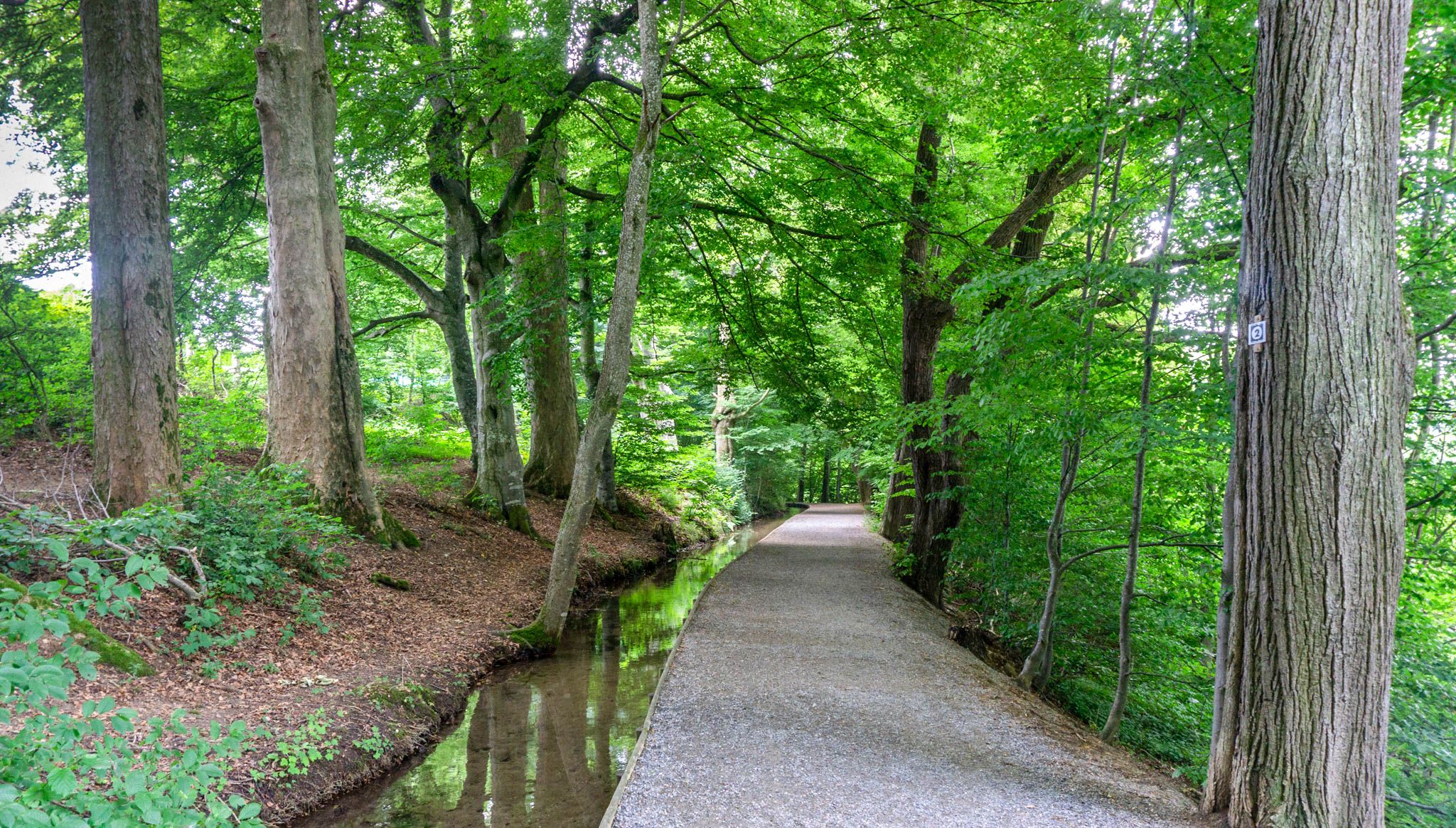
Main-Danube-Lake Constance Trail – Along iconic waters
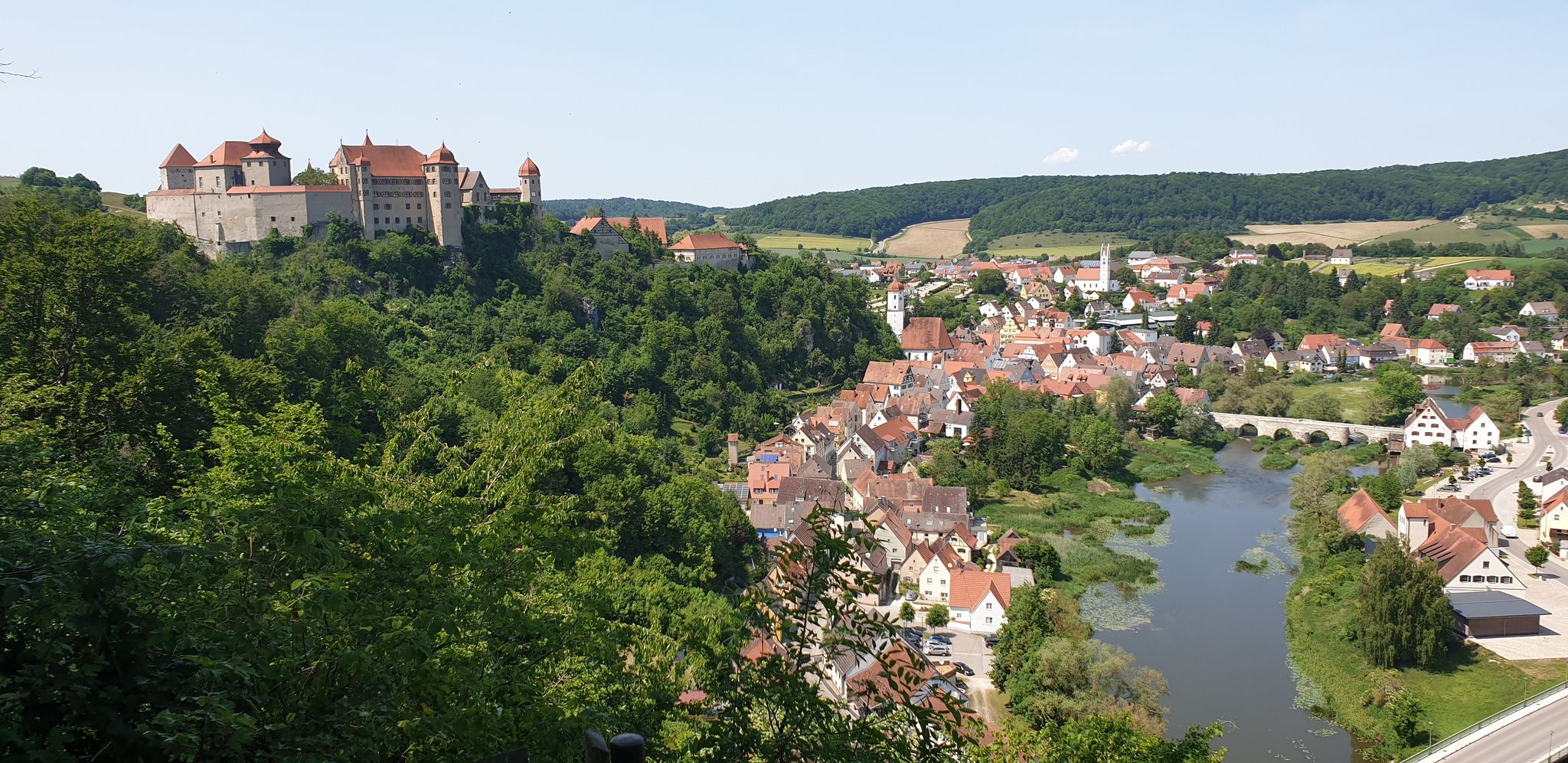
The Romantic Road – To the Pearls of Southern Germany
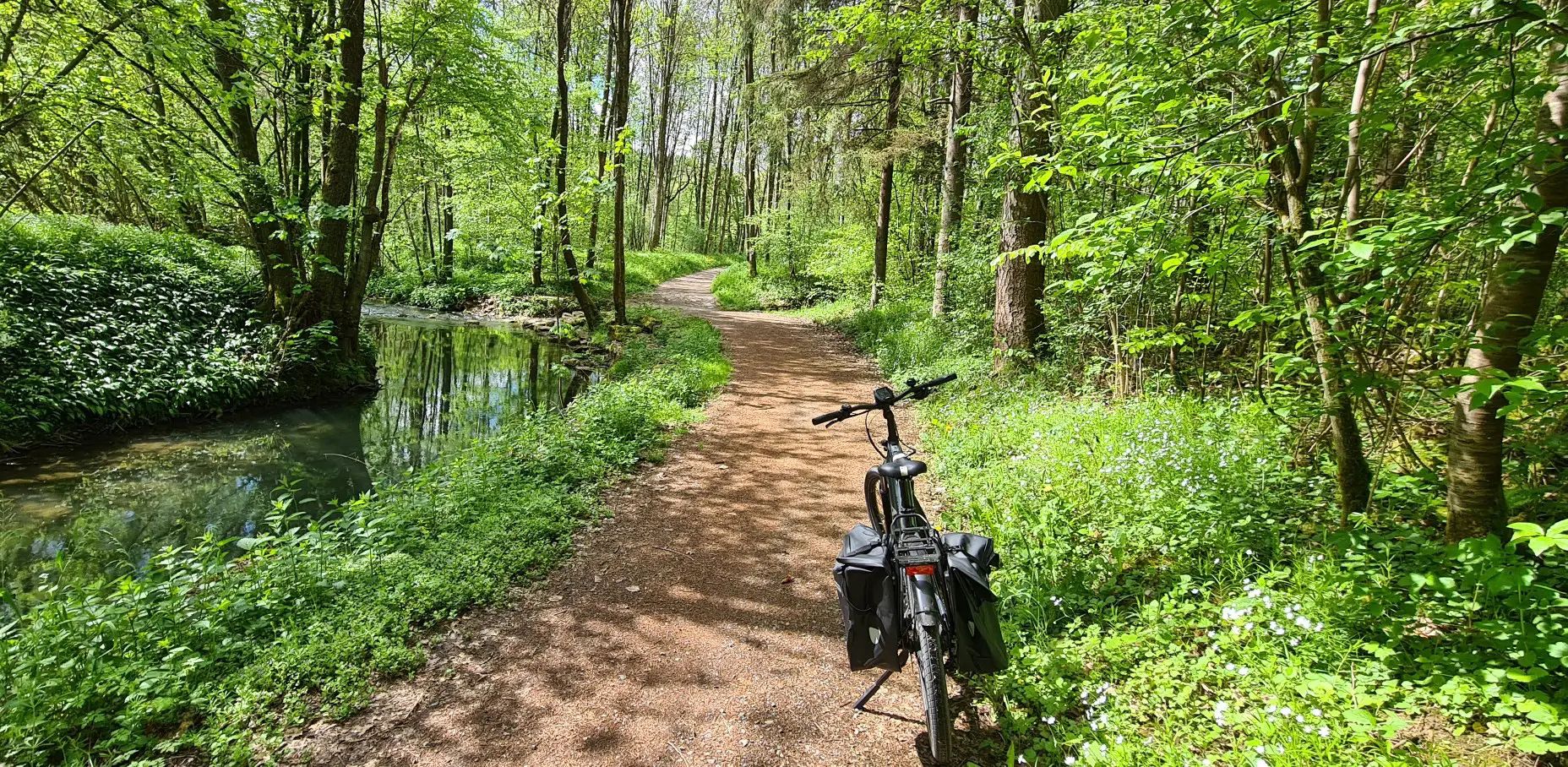
Germany's Main-Tauber-Franconian Radachter – two loops, one experience
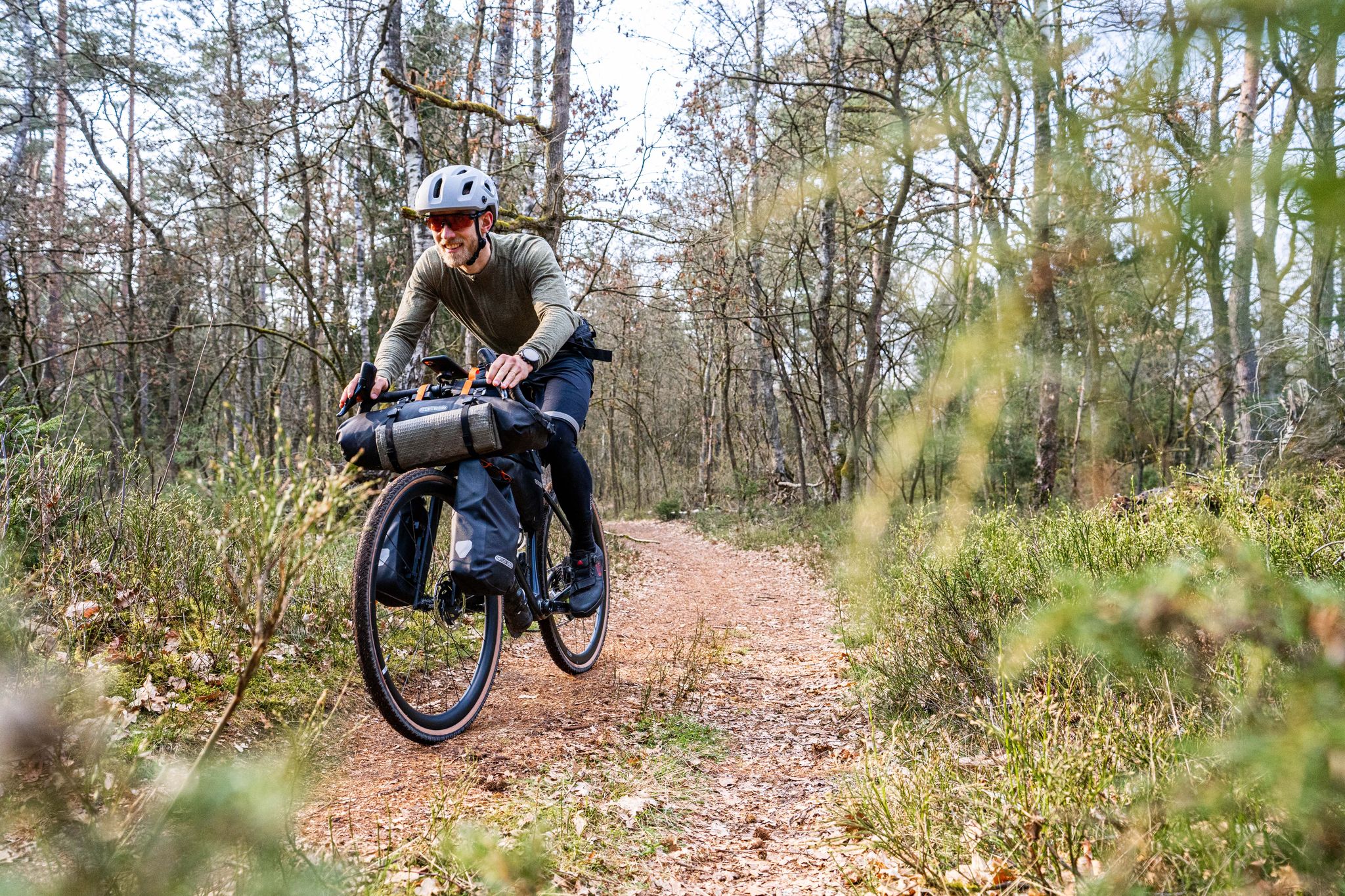
Gravel bikepacking from Hamburg to Munich
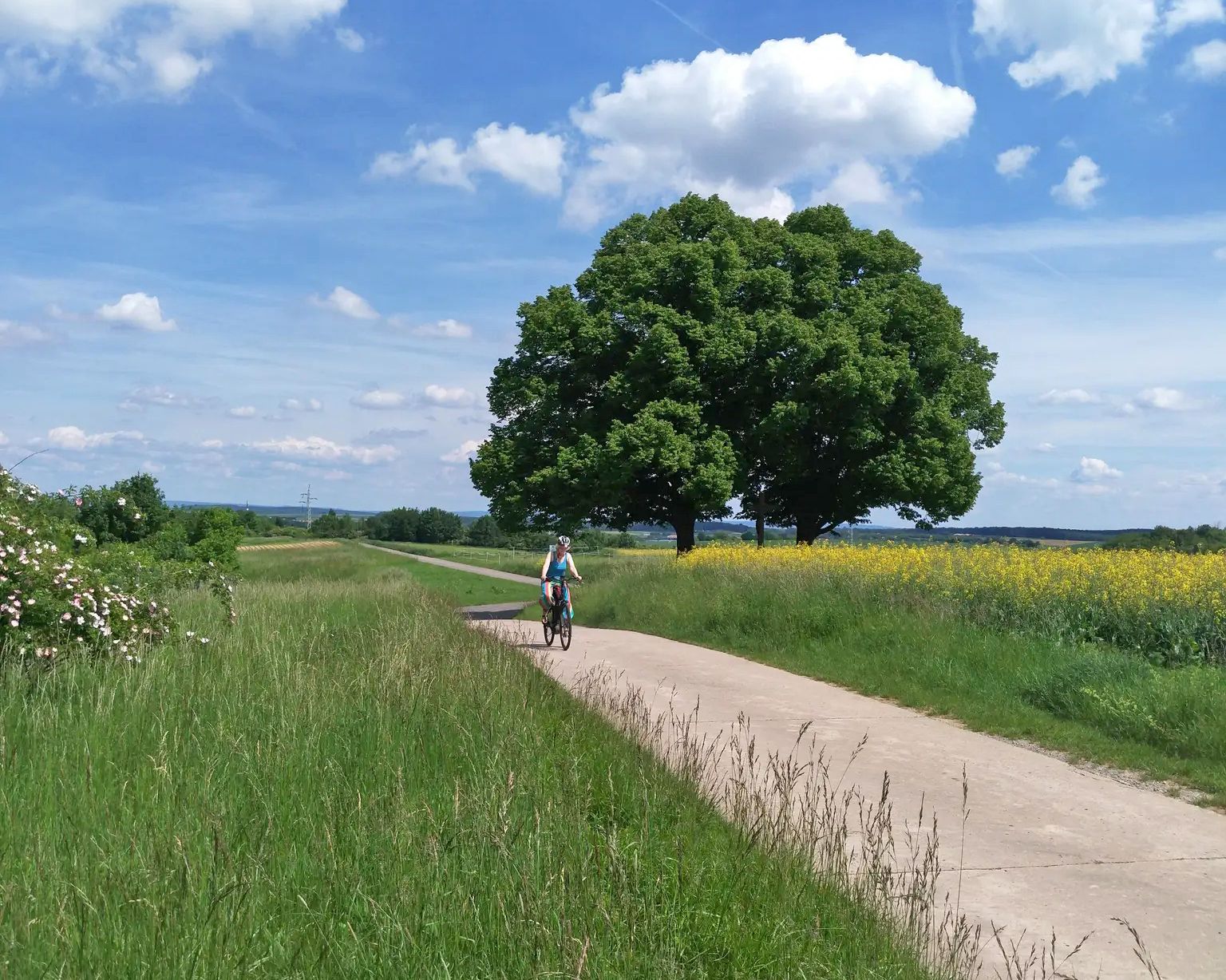
Main-Werra cycle path – From river to river
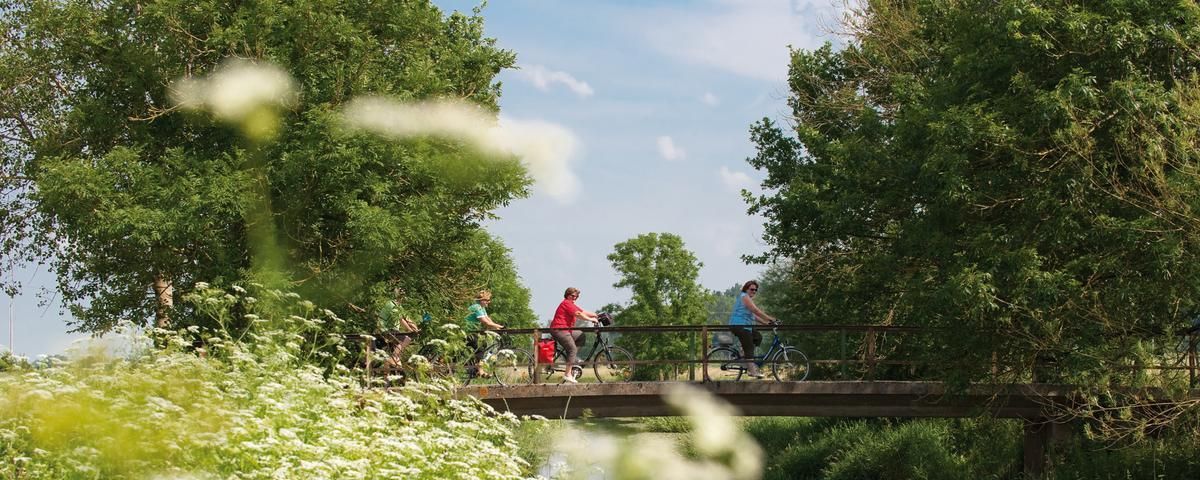
The most beautiful long-distance cycle paths in Franconia
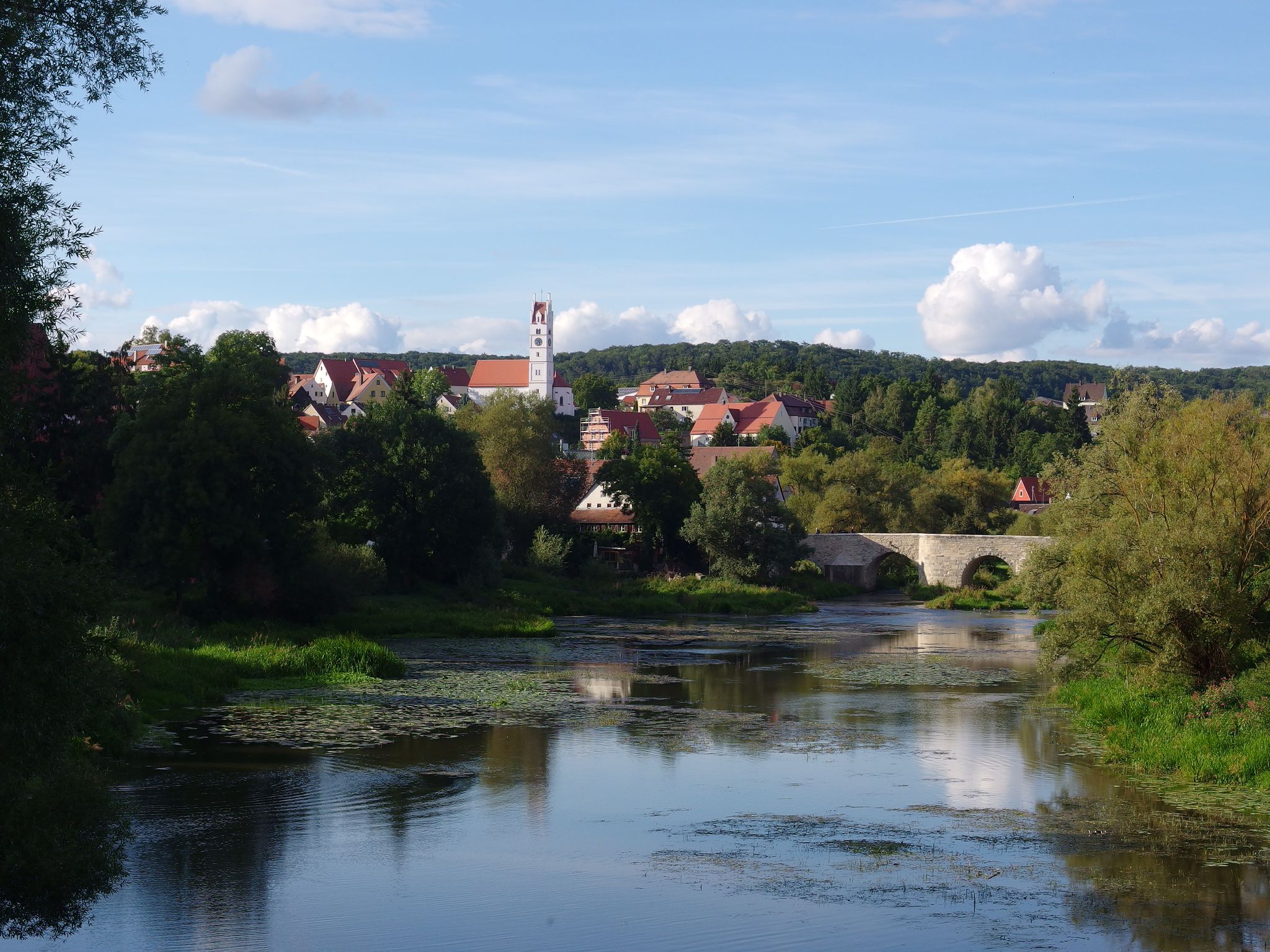
The Romantic Road – 10 fabulous stages
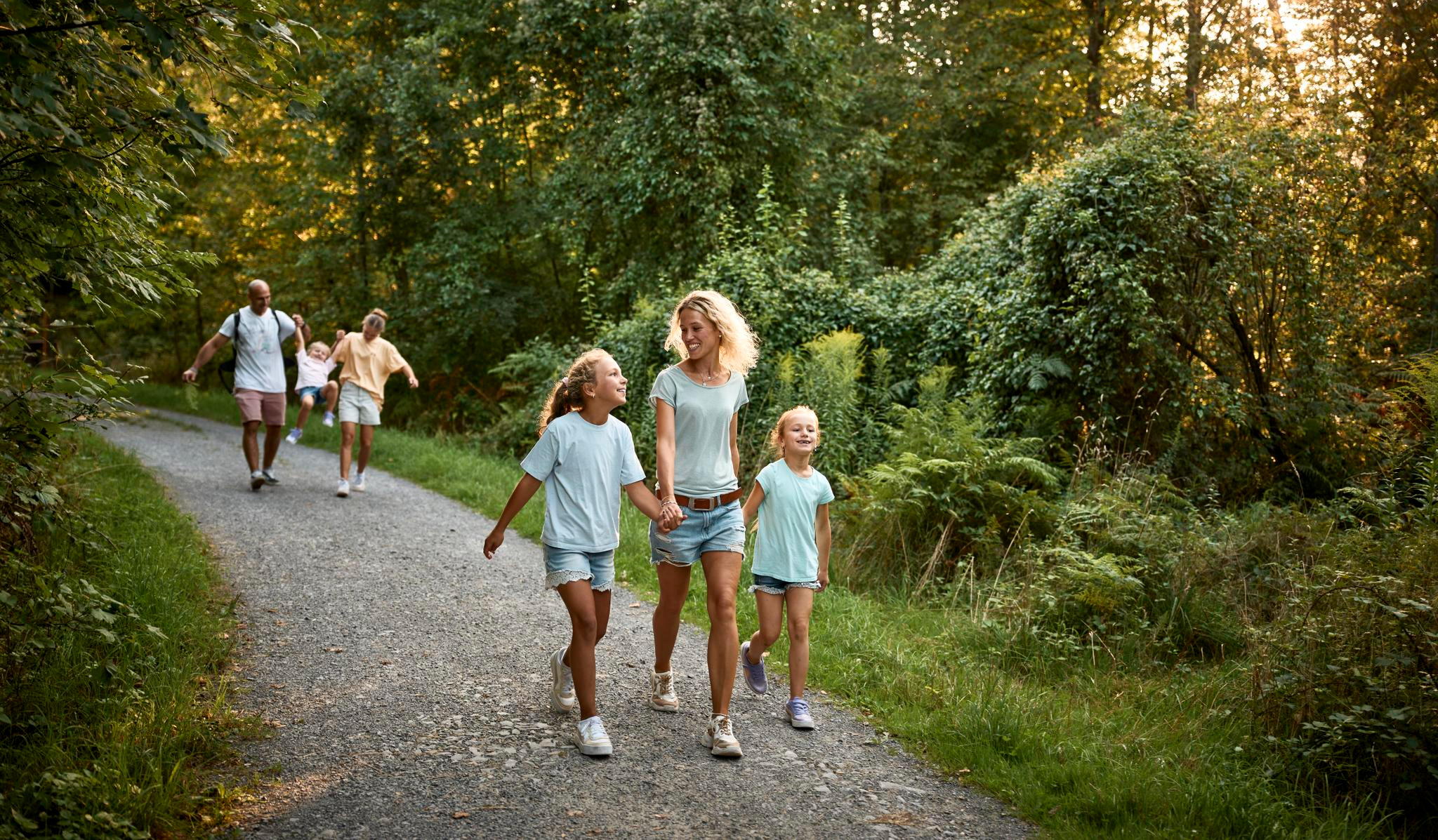
Family hiking with the adventure factor in the 'Süden ganz oben'
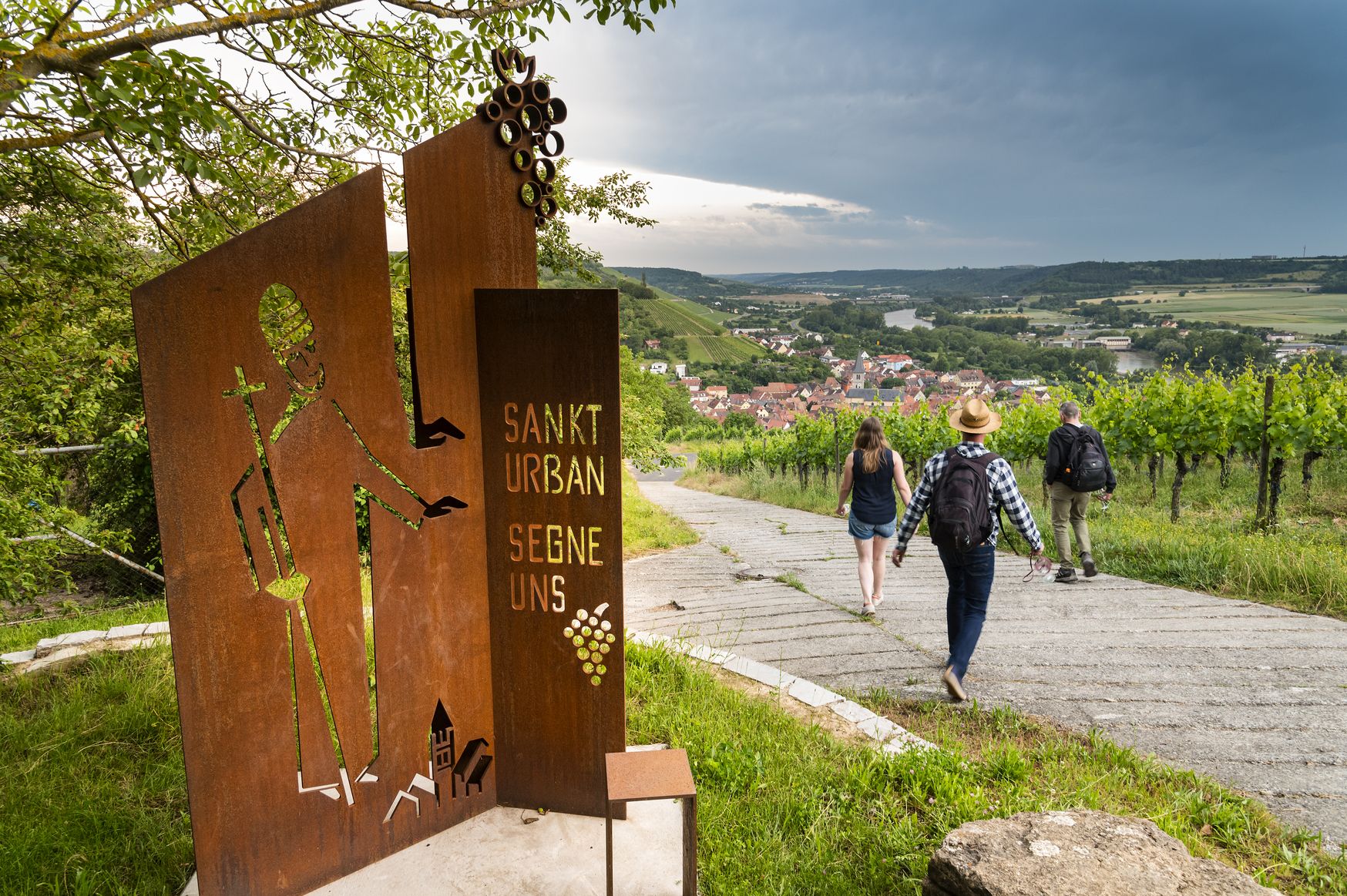
Hiking and culinary delights – walks in the Franconia wine region
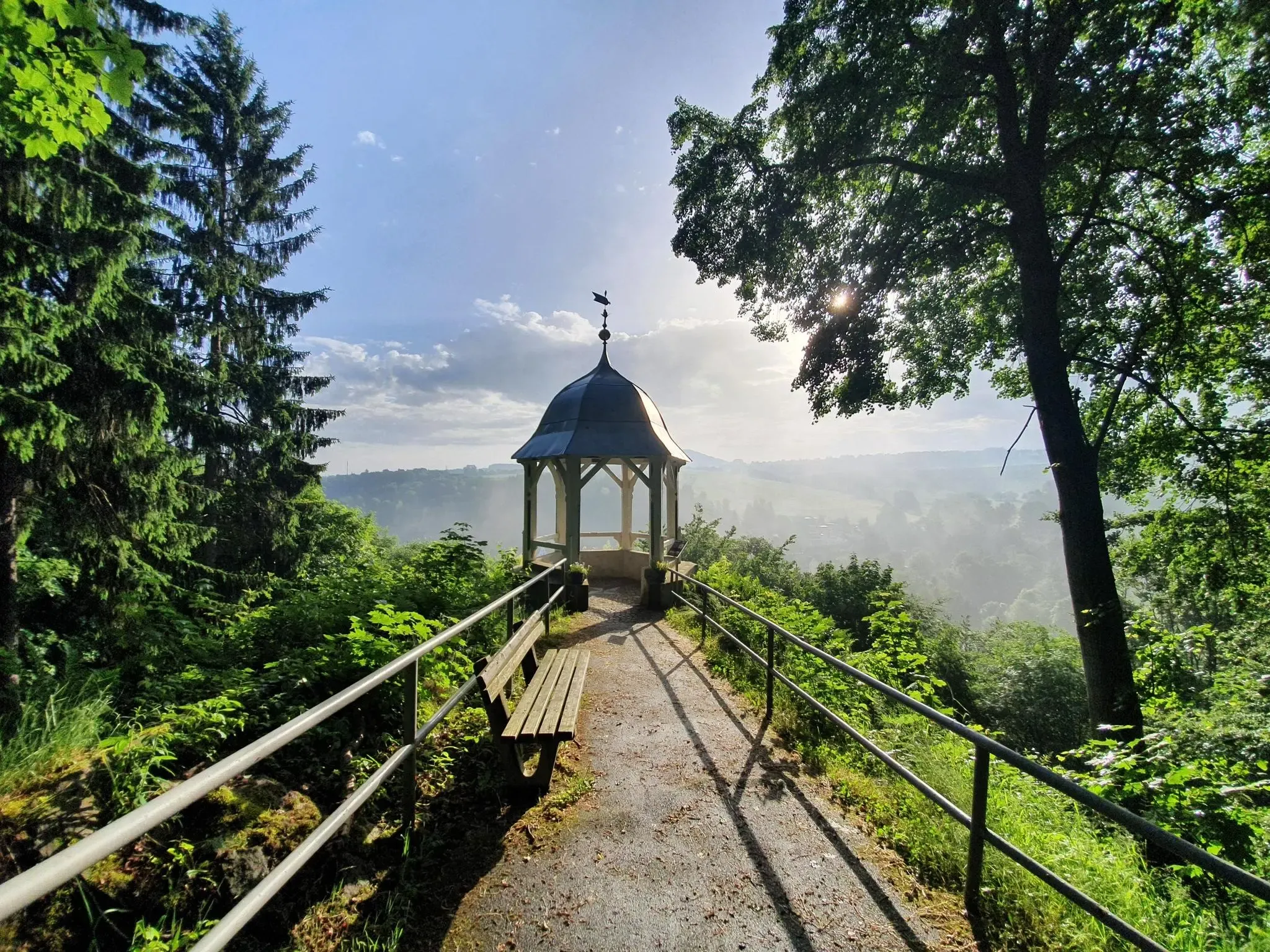
#GoFurther – discover the views of Germany!
Other adventures in Landkreis Würzburg


Tips from the Community

Fantastically beautiful old town… warm and charming due to its architectural style… and you will find all sorts of things to do here
11
0
Old town with lots of charm and character… with its half-timbering and natural stone, it has a warm feel
9
0

Veitshöchheim is very beautiful, you have to visit it
3
0

Nice ambience, great terrace with a really nice view. Not exactly cheap though. But if you're already there you should at least treat yourself to a coffee and a piece of cake... the great view is free 😂
1
0

Würzburg Residence The Würzburg Residence and the UNESCO World Heritage List The Würzburg Residence, including the Court Garden and Residence Square, was added to the UNESCO World Heritage List in 1981. This entails the obligation to "pursue a general policy aimed at giving cultural and natural heritage a function in public life and to include the protection of this heritage in exhaustive planning." The justification for the inclusion of the Würzburg Residence states: "Equipped between 1740 and 1770 and provided with magnificent gardens between 1765 and 1780, the Würzburg Residence is considered the most unified and extraordinary of all baroque palaces and exemplifies one of the most brilliant royal courts in Europe. It is unique in its originality, its ambitious building program and the international composition of the construction office." Text / Source: Residenz-Würzburg https://www.residenz-wuerzburg.de/
19
1

Veitshöchheim is a municipality in the Lower Franconian district of Würzburg and is located on the Main. The town is a former summer residence of the Prince-Bishops of Würzburg, later of the Kings of Bavaria. The palace complex with its Rococo garden is well-known. Veitshöchheim was first mentioned in 779. The parish of Veitshöchheim was donated to the monastery of St. Stephan in 1097 by the Würzburg bishop Emehard. Veitshöchheim Palace was built between 1680 and 1682 under Prince-Bishop Peter Philipp von Dernbach and expanded between 1749 and 1753 by Balthasar Neumann. The construction of the court garden, which belongs to the palace, began in 1702. The parish church of St. Vitus, which still exists today, was consecrated in 1691, and the Veitshöchheim synagogue was built between 1727 and 1730. In 1814, the town finally fell to the state of Bavaria, after only nine years earlier it had become part of the Grand Duchy of Würzburg. The municipality was formed in its current form in the course of the Bavarian administrative reforms in 1818. Veitshöchheim train station with the royal pavilion was built in 1853 and 1854 under Maximilian II of Bavaria. Source: Wikipedia
5
0

During the reign of Iring von Reinstein (1254–1265), there was probably a Hohenlohe castle on the Steinberg, which was referred to as castrum in lapide. It did not last long and was destroyed around 1356.[1] Steinburg Castle was supposedly built on its foundations at the end of the 19th century. The building, formerly used as the artists' society house of the Würzburg artists' association "Roßperger", is located above the Würzburger Stein, one of the most famous vineyards in Franconia. The three-story building was built by the Würzburg architect and building contractor Andreas Pfannes in a Gothic style in 1897/98. The wine merchant Kommerzienrat J. W. Meuschel bought the castle around 1900 and from then on referred to it as "Steinburg Castle". Forced to sell during the Third Reich, the building initially went to the Bürgerspitalstiftung. In the same year, Hans Bezold acquired the Steinburg and commissioned the architect Adolf Spiegel to simplify the structure and redesign it. Steinburg Castle has been a hotel since 1958. The Bezold family carried out numerous changes and extensions until 1986. In June 2012, the castle hotel was expanded to the east to include the modern event and conference center "Refugium". Source: Wikipedia
1
0
Economic development led to a change in the labor market. Jobs such as sand scooping,[8] unskilled work in river shipping, and agricultural jobs disappeared. They were increasingly replaced by industrial jobs and jobs in the service sector (administration, tourism). As American troops approached during World War II, the Volkssturm secured the gates of the city fortifications with tree barriers. When the imminent departure of District Leader Stoll became known, numerous women marched to the district leadership on March 29, 1945 (Maundy Thursday), demanding the opening of the city gates and the surrender of the city without a fight. In the afternoon, despite threats of execution, they cleared all the barricades at the Bollwerk, as the fortified gate on the banks of the Main was called[9]. First, the children unnoticed loosened the soil and dug stones out of the ground; then the women removed the stones with a human chain and used ropes to pick out the loosened trunks. In the end, the men of Ochsenfurt supported the women's civil courage with rifles. As the Nazi administration fled, they looted a supply depot in the basement of the NSDAP district headquarters; several men defused stored anti-tank grenades. The central arch of the old Main Bridge was blown up on March 31, 1945, by a Wehrmacht pioneer commando.[10] The city surrendered without a fight, leaving the old town undamaged. By Easter Sunday, the city was occupied by the Americans. Former mayor Peter Wesselowsky (SPD) dedicated a memorial to the courageous women of Ochsenfurt at the Bollwerk. Source: Wikipedia
4
0
Frequently Asked Questions
What types of castles can I explore in Landkreis Würzburg?
Landkreis Würzburg offers a diverse range of castles, from grand residences and formidable fortresses to charming ruins. You can find magnificent Baroque palaces like the Würzburg Residence, historic fortresses such as Marienberg Fortress, and medieval ruins like Reichelsburg Castle Ruins. Each site provides unique insights into centuries of architectural and cultural development.
Are there family-friendly castles to visit in the region?
Yes, several castles in Landkreis Würzburg are suitable for families. Marienberg Fortress offers extensive grounds and museums that can engage various ages. Veitshöchheim Palace and Rococo Garden provides beautiful gardens for children to explore. Additionally, Reichelsburg Castle Ruins allows for a historical adventure, and when the tower is open, climbing it offers a fun activity with rewarding views.
Which castles offer the best panoramic views?
For breathtaking panoramic views, Marienberg Fortress is an excellent choice, offering expansive vistas of Würzburg and the surrounding vineyards. Steinburg Castle, situated above the Würzburger Stein vineyard, also provides impressive views over Würzburg and the Main valley. If you visit Reichelsburg Castle Ruins when its tower is open, you can climb it for beautiful all-round views of Baldersheim and the Gollach valley.
Can I find museums within the castles?
Absolutely. Marienberg Fortress houses two museums: the Fürstenbaumuseum, which traces 1,200 years of Würzburg's history, and the Mainfränkisches Museum, featuring Franconian art. Grumbach Castle in Rimpar is home to several unique museums, including an Archaeological Museum, a Bakery Museum, a Costume Museum, a Mason and Carpentry Museum, and a Crime Museum, offering a diverse cultural experience.
Are there hiking opportunities near the castles?
Yes, the region offers various hiking opportunities near its castles. For example, you can find routes like the 'View of Marienberg Fortress – Old Main Bridge, Würzburg loop' near Marienberg Fortress. The 'Vineyards of Lower Franconia – Schlosshotel Steinburg loop' is also available near Steinburg Castle. You can explore more options on the Hiking in Landkreis Würzburg guide.
What historical significance do the castles in Landkreis Würzburg hold?
The castles in Landkreis Würzburg are deeply rooted in history, often serving as residences for prince-bishops or strategic fortifications. The Würzburg Residence, a UNESCO World Heritage Site, is a prime example of Baroque architecture and 18th-century court life. Marienberg Fortress served as the residence for local prince-bishops for nearly five centuries, showcasing Renaissance and Baroque styles. Even ruins like Reichelsburg Castle Ruins offer a glimpse into medieval fortification and the region's past.
Are there any castles with unique gardens or parks?
Yes, Veitshöchheim Palace and Rococo Garden is particularly famous for its exquisite Rococo Garden, featuring ornamental lakes, water features, and over 200 sandstone sculptures. The Würzburg Residence also boasts magnificent Court Gardens, designed in a formal Baroque style and transitioning into an English garden with numerous sculptures and waterworks.
Can I find places to eat or stay near the castles?
Many castles offer amenities for visitors. Marienberg Fortress has a restaurant on its grounds. Steinburg Castle operates as a castle hotel and restaurant, known for its elegant ambiance and panoramic terraces. Additionally, the nearby Sommerhausen Old Town, close to several castles, is known for its excellent wines and good cuisine.
What outdoor activities can I do near these castles besides hiking?
Beyond hiking, you can enjoy road cycling near many of the castles. Routes like 'Randersacker Vineyards – Vineyards of Lower Franconia loop' are available. For more options, refer to the Road Cycling Routes in Landkreis Würzburg guide. The Main River, often flowing near these castles, also offers opportunities for leisurely strolls and enjoying the waterside.
Is there a castle that combines historical architecture with modern elements?
Burg Brattenstein in Röttingen, first documented in 1230, presents a unique blend of medieval construction with contemporary elements. It features a modern Corten steel viewing platform that extends over the original fortifications, offering views of Röttingen and the Tauber valley. The inner courtyard also serves as a venue for the annual Franconian Festival, hosting theater performances within its historic walls.
Which castle is known for its unique collection of museums?
Grumbach Castle in Rimpar stands out for its diverse collection of museums. It houses an Archaeological Museum, a Bakery Museum, a Costume Museum, a Mason and Carpentry Museum, and a Crime Museum, all within its historic 14th-century walls. The inner courtyard can be visited free of charge.
Are there any castles that are particularly well-preserved or have unique historical art?
Burg Gamburg, though located slightly outside Landkreis Würzburg, is a continuously inhabited castle never destroyed, dating back to the mid-12th century. It features a Romanesque hall building with magnificent arcades and the oldest secular wall paintings north of the Alps, known as 'Barbarossa frescoes,' depicting crusade scenes. Its untouched historical integrity and unique medieval frescoes make it a captivating destination.
Most popular routes in Landkreis Würzburg
Most popular attractions in Landkreis Würzburg

Get inspired with the komoot mobile app


Didn’t find what you were looking for?
Explore Landkreis Würzburg’s best castles region by region:
Explore more
Looking for the best castles somewhere else? Discover other guides in Landkreis Würzburg:
