Top 20 Natural Monuments in the Saarland
Best natural monuments in the Saarland showcase a variety of natural landscapes, from dramatic river bends to unique geological formations. This German federal state offers diverse environments, including river valleys, sandstone caves, and forested uplands. The region's natural features provide opportunities for exploration and appreciation of its geological history and biodiversity. These monuments highlight Saarland's varied terrain and natural beauty.
Best natural monuments in the Saarland
- The most popular natural monuments is View of the Saarschleife from Cloef, a…
Last updated: September 29, 2026
View of the Saarschleife from Cloef
Highlight • Viewpoint
Translated by Google •
Tip by

Steinbach Valley
Highlight • Gorge
Translated by Google •
Tip by

Sign up now to discover places like this
Get recommendations on the best single tracks, peaks, & plenty of other exciting outdoor places.
Litermont Summit Cross
Highlight • Summit
Translated by Google •
Tip by

Kirkeler Rock Trail
Highlight • Trail
Showing Translation
Tip by

Würzbacher Pond
Highlight • Lake
Translated by Google •
Tip by

Devil's Rock
Highlight • Natural Monument
Translated by Google •
Tip by

Dollberg – Highest point in Saarland
Highlight • Summit
The incredible 'silence' of nature and the fairytale character of the immediate surroundings make this summit - which …
Translated by Google •
Tip by

Biotop Beeden
Highlight • Natural
Translated by Google •
Tip by

Sonnendach Rock Formation
Highlight • Natural Monument
Translated by Google •
Tip by

Water Rocks, Kirkel
Highlight • Natural Monument
Showing Translation
Tip by

Sign up for free to discover even more natural monuments in the Saarland.
Already have an account?
Start today with a free account
Your next adventure awaits.
Popular around Saarland
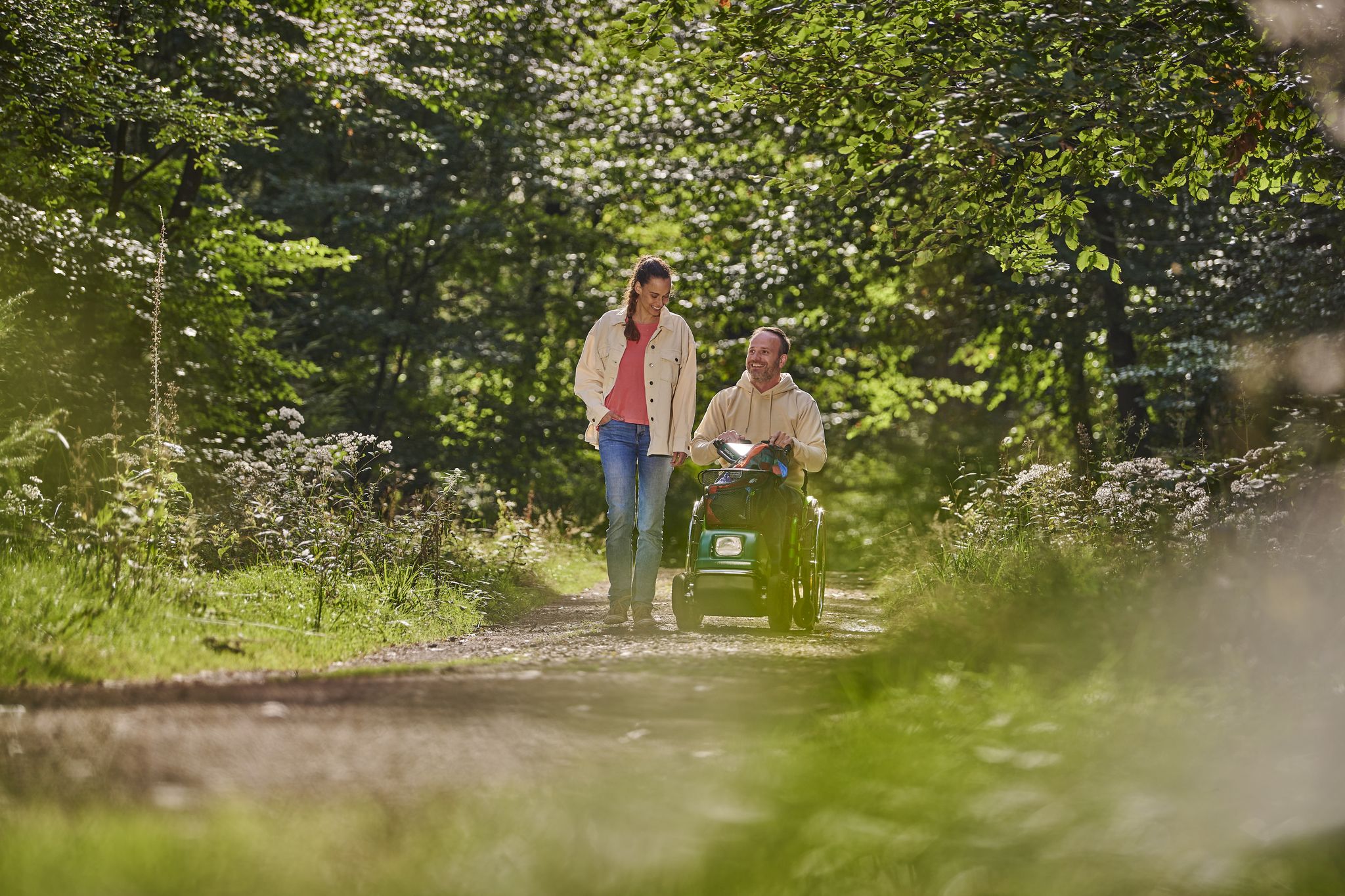
Experience nature without detours - barrier-free adventures in Saarland
Triathlon around Germany
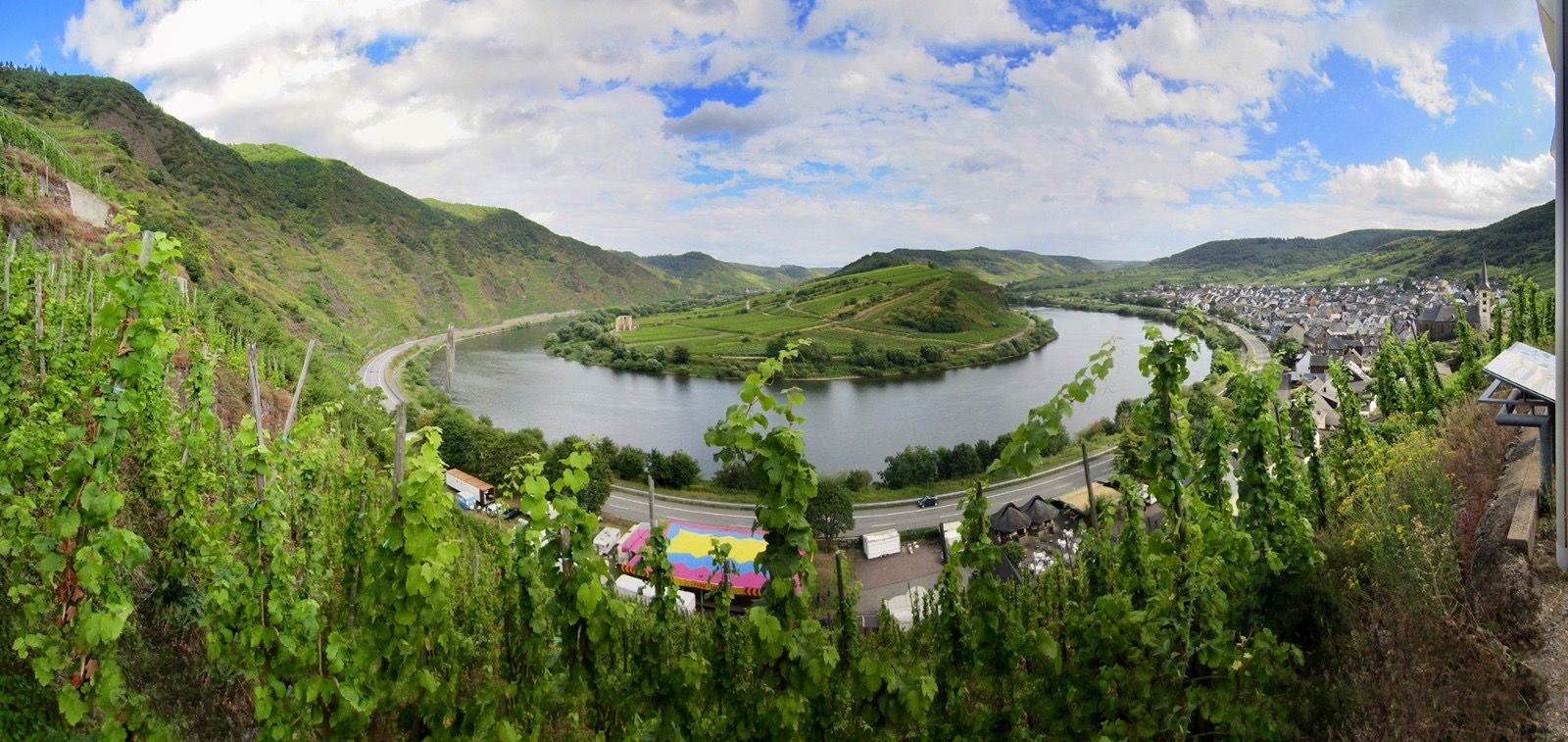
The Moselle cycle path — from the Vosges to the Rhine in 18 stages
The Voie Bleue – Moselle-Saône by bike
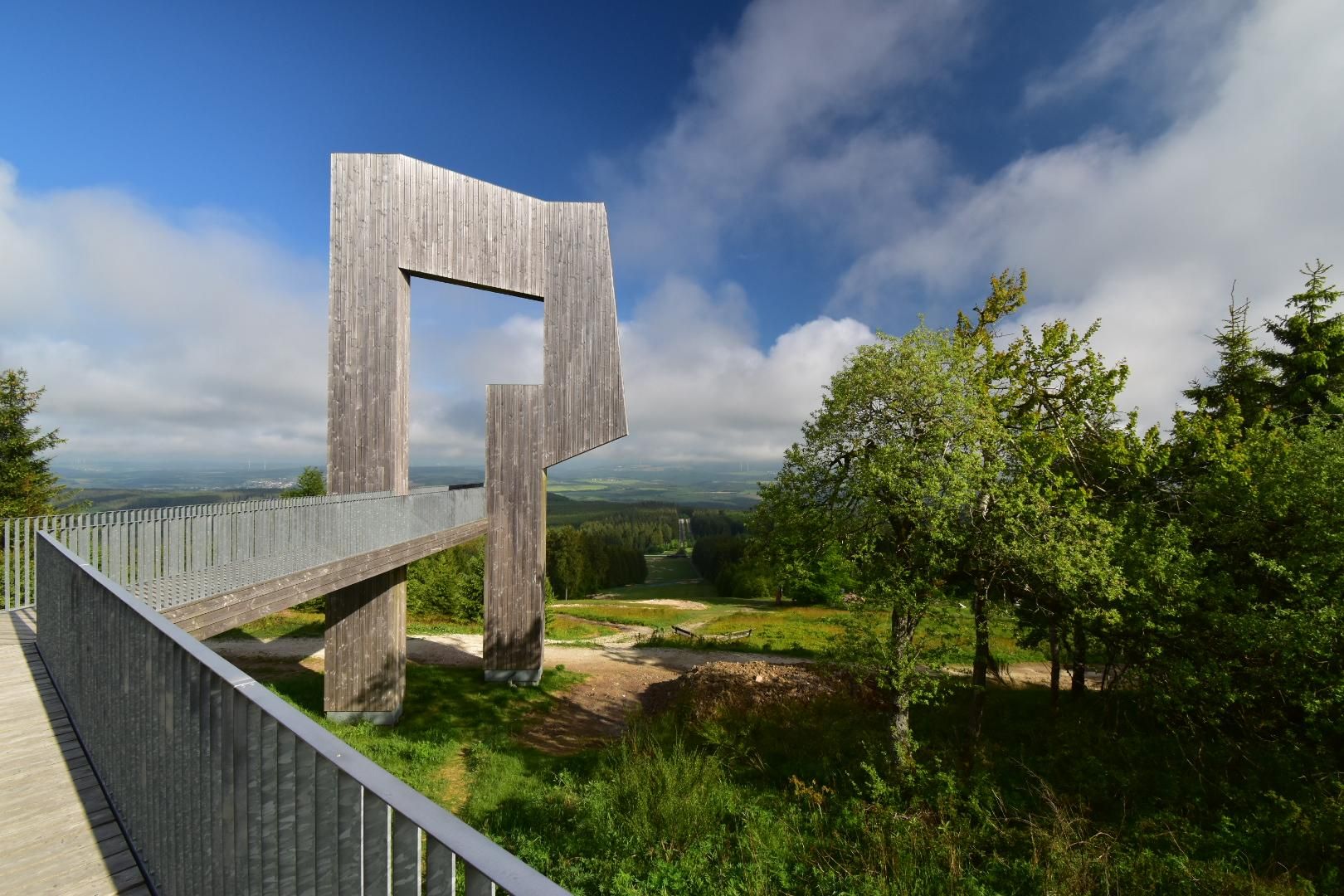
Saar-Hunsrück Climb – Hike in Germany where culture and nature meet
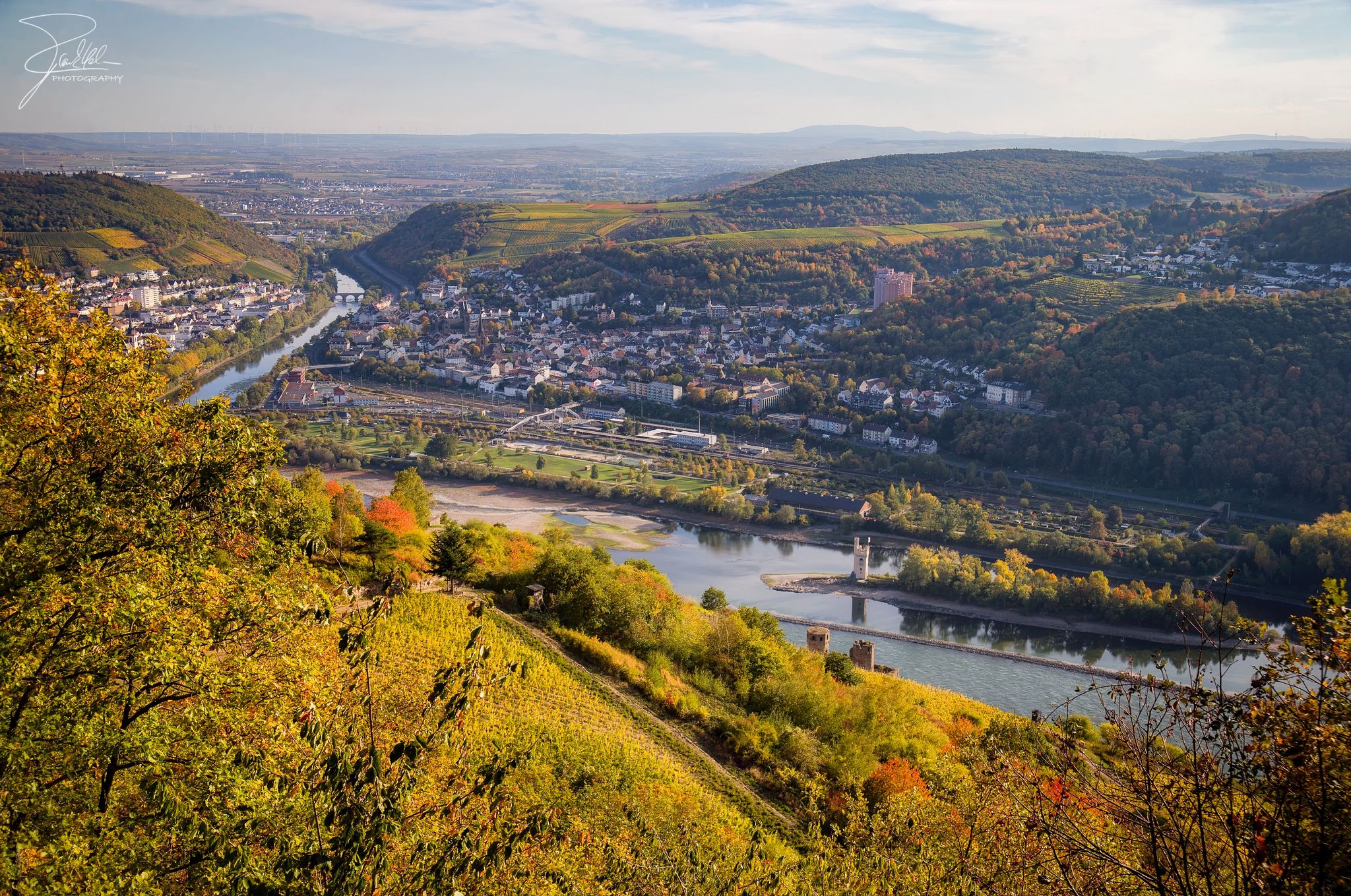
The Nahe Cycle Path – Between Rocks and Vines
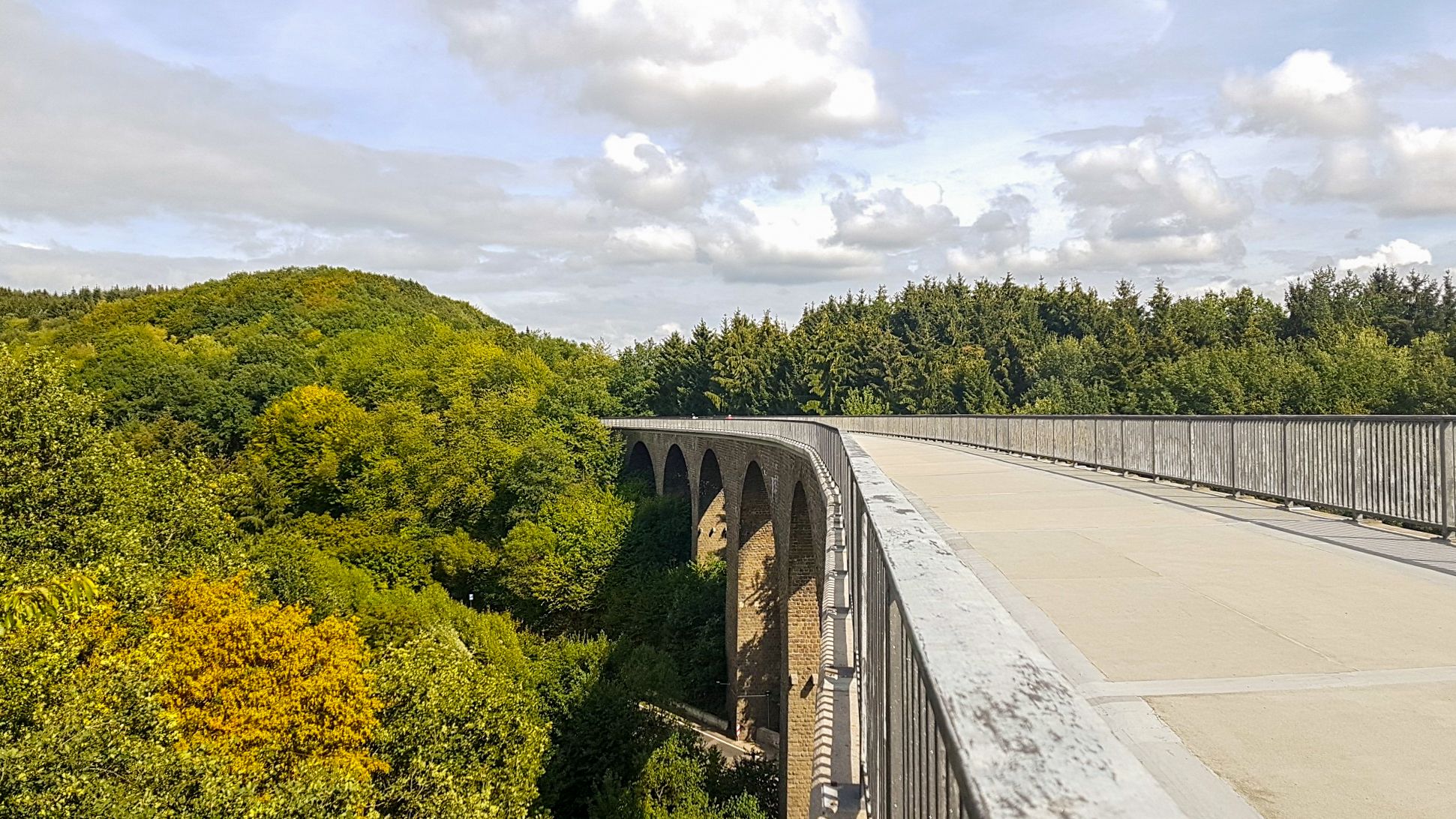
Saarland Cycle Path — Small country, big tour on 7 stages
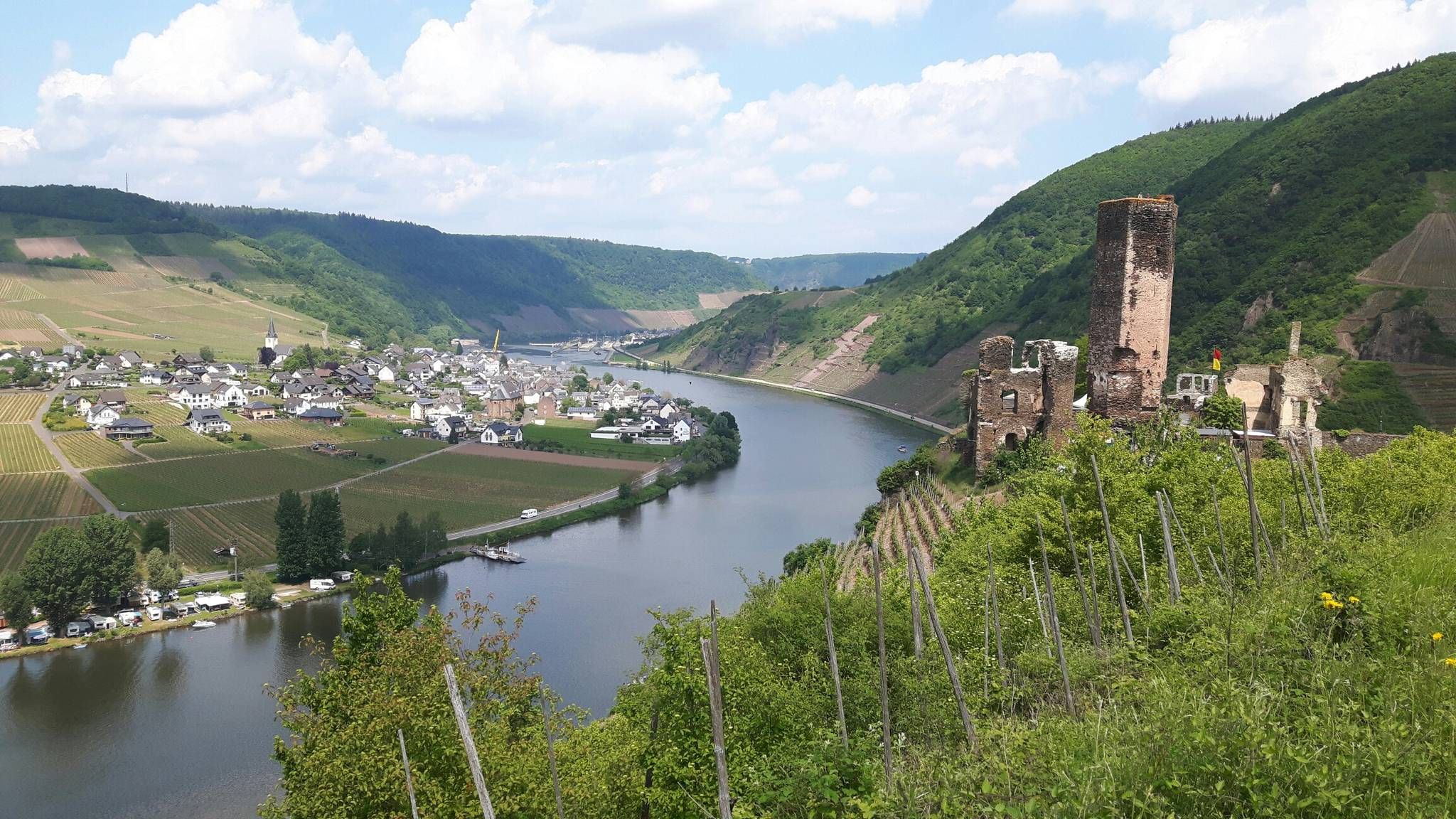
The Moselsteig trail – 24 stages along the sunny Moselle Valley
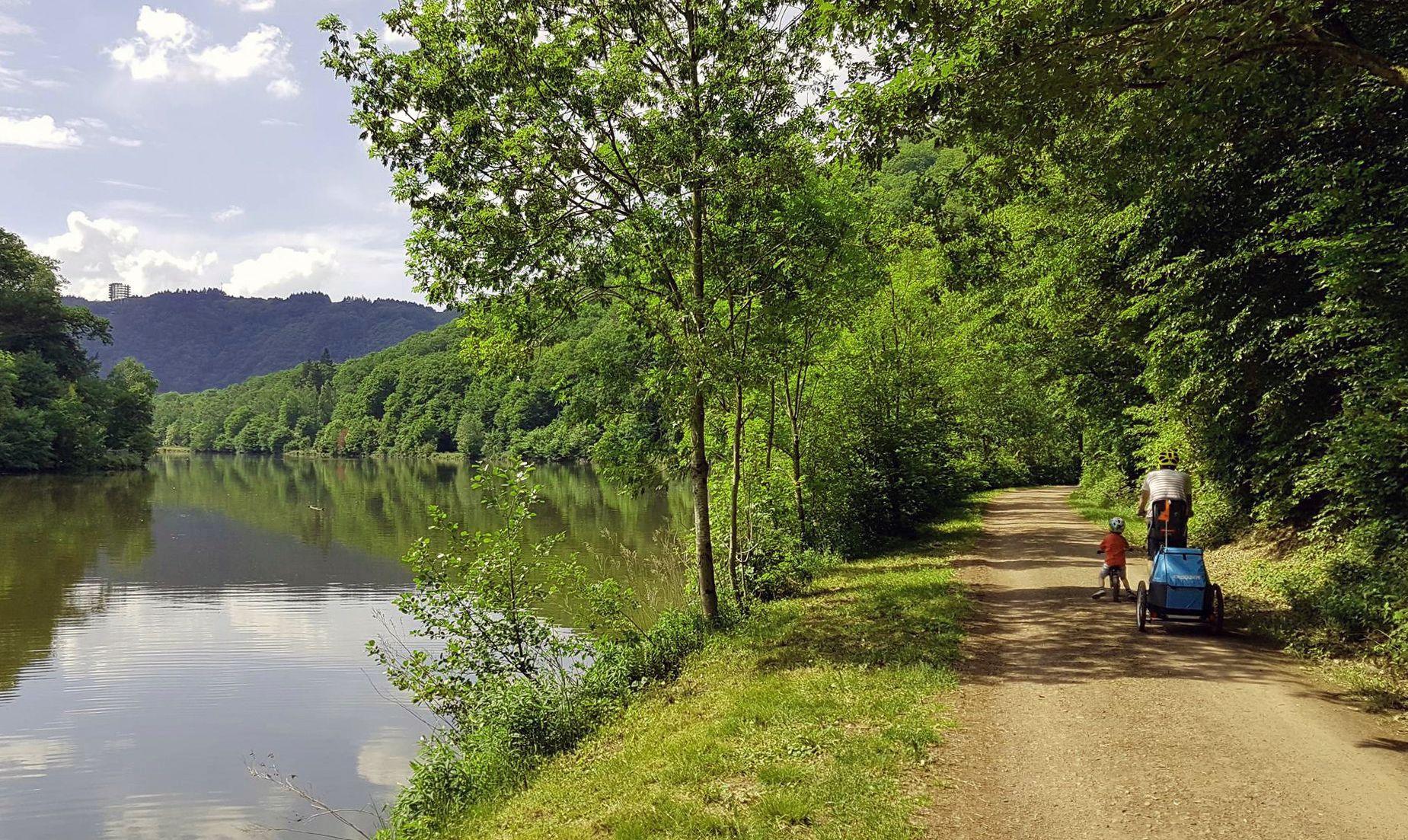
Saar Cycle Route — through the Saarland to the Moselle
ZweiTälerSteig and other cool hikes in Germany
Other adventures in the Saarland


Tips from the Community

The highest point in Saarland is located in a very quiet forest. Without the sign you probably wouldn't notice it.
8
0


Water is dripping down from every corner.
13
1

One of the most beautiful places in the biosphere
8
0

Great opportunity to settle down
28
0

The Dollberg is 695 m above sea level. NN is the highest mountain in Saarland and belongs to one of the prominent mountain ranges in the high forest. These stretch as ridges running from southwest to northeast from the Saar to the Rhine. The ridges consist of quartzite, which in turn has its origin in sandstone. This was finally transformed into quartzite by pressure and high temperatures during the folding of the mountains in the Devonian. Due to its hardness, it is comparatively weather-resistant. As the surrounding, softer rock was eroded, the quartzite deposits were preserved as ridges. A beautiful hiking destination and, as the highest "mountain" in Saarland, of course also a highlight here in the region. https://www.naturpark.org/natur-und-kultur/natur/geologie/geopunkte-devon-permokarbon-nonnweiler-und-zuesch/dollberg
8
0
Very impressive nature. Next time it will be run.
35
0
Frequently Asked Questions
What are some of the most popular natural monuments to visit in the Saarland?
Among the most popular natural monuments in the Saarland, visitors frequently highlight the breathtaking View of the Saarschleife from Cloef, offering panoramic views of the dramatic Saar River bend. Another favorite is the Kirkeler Rock Trail, known for its unique sandstone formations. The serene Steinbach Valley, with its ravine-like rock formations and playful streams, is also highly appreciated by the komoot community.
Are there family-friendly natural monuments in the Saarland?
Yes, several natural monuments in the Saarland are great for families. The View of the Saarschleife from Cloef is easily accessible, and the nearby Treetop Walk Saarschleife is pram and wheelchair-friendly. The Kirkeler Rock Trail and the Sonnendach Rock Formation also offer engaging experiences for all ages. Additionally, the Würzbacher Pond provides a pleasant setting with amenities.
What unique geological features can I explore in Saarland's natural monuments?
Saarland boasts several unique geological features. The Saar Loop is a prime example of a water gap carved through a quartzite layer. The Kirkeler Rock Trail showcases bizarrely shaped sandstone formations, including the massive "Unglücksfelsen" and the prominent "Hollerkanzel." The Schlossberghöhlen in Homburg, while partly man-made, feature striking red and yellow sandstone layers with intricate patterns and even fossilized wave traces. The Steinbach Valley is characterized by its distinctive ravine-like rock formations.
What outdoor activities can I do near the natural monuments in the Saarland?
The natural monuments in the Saarland are surrounded by opportunities for various outdoor activities. You can find numerous running trails, road cycling routes, and mountain biking trails throughout the region. For instance, the area around the Saar Loop offers extensive hiking and biking paths. The Kirkeler Felsenpfad is excellent for hiking and even offers designated rock climbing spots.
Are there any natural monuments in Saarland that are also historically significant?
Yes, the Schlossberghöhlen in Homburg are a prime example. While a natural cave system, they are also Europe's largest red sandstone cave system, primarily man-made through medieval mining. These tunnels were later used for various purposes, including a magazine during French occupation and an air-raid shelter during World War II, offering a blend of geological wonder and rich human history.
What is the highest point in the Saarland, and what can I expect there?
The highest point in the Saarland is the Dollberg, reaching 414 meters. While not dramatically high, it is valued for its incredible 'silence of nature' and the fairytale character of its surroundings. It offers a peaceful forest experience and a sense of tranquility, making it a great spot for quiet contemplation and hiking.
Can I find any natural monuments that are suitable for rock climbing in the Saarland?
Yes, the Kirkeler Wald, home to the Kirkeler Rock Trail, features the only climbable Buntsandstein (Bunter sandstone) rocks in Saarland. Designated climbing groups include the "Unglücksfelsen," "schräge Platte," and the Sonnendach Rock Formation, offering unique climbing opportunities.
What is the best time of year to visit the natural monuments in the Saarland?
The natural monuments in the Saarland offer beauty throughout the year. Spring brings lush greenery and blooming wildflowers, while autumn showcases vibrant fall foliage, especially around the Saar Loop. Summer is ideal for hiking and outdoor activities, and even in winter, formations like the Water Rocks, Kirkel can form impressive meter-long icicles, creating a unique spectacle.
Are there any natural monuments in the Saarland known for their biodiversity?
Yes, the Bliesgau Biosphere Reserve, a UNESCO-listed site, is celebrated for its rich biodiversity. Often called 'Germany's Land of the Orchid,' it hosts nearly half of all German orchid species. It also provides a habitat for rare animals such as the little owl, beavers, and red kites, making it a significant area for nature observation and conservation.
What do visitors enjoy most about the natural monuments in the Saarland?
Visitors frequently praise the stunning views, especially from the Cloef viewpoint overlooking the Saar Loop. The unique rock formations along the Kirkeler Rock Trail are described as 'very impressive nature' and a 'dream for hiking.' Many also appreciate the peaceful atmosphere and the opportunity for leisurely walks through diverse forest landscapes, like those found in the Steinbach Valley.
Can I find any natural monuments with a summit cross or a prominent landmark?
Yes, the Litermont Summit Cross is a notable landmark. Located on the Litermont mountain range, a large cross was erected on its summit in the mid-19th century. It offers very nice views and is considered a significant point to visit on any tour in the area.
Are there any natural monuments that are particularly good for photography?
Absolutely. The panoramic vistas from the View of the Saarschleife from Cloef are iconic and offer stunning photo opportunities, especially with the changing seasons. The unique rock formations of the Devil's Rock and the Bear Rock also provide superb and dramatic backdrops for photography.
Most popular routes in the Saarland
Most popular attractions in the Saarland

Get inspired with the komoot mobile app


Didn’t find what you were looking for?
Find even more amazing natural monuments in the Saarland by checking out the top Highlights region by region:
Explore more
Extend your search for the best caves by checking out these guides of the top ones in the Saarland:
