Top 20 Lakes in the Westerwald
Lakes in the Westerwald offer a diverse natural landscape, characterized by historic dammed lakes originally used for fish farming. This region, particularly the Westerwald Lake District, provides extensive opportunities for outdoor activities. The interconnected waterways and surrounding forests make it a notable destination for nature observation and recreation. Visitors can explore a variety of lakes, many of which are integrated into a network of hiking and cycling trails.
Best lakes in the Westerwald
- The most popular lakes highlight is Dreifelder…
Last updated: October 9, 2026
Three-Lakes Viewpoint
Highlight • Viewpoint
Translated by Google •
Tip by

Siegaue Nature Reserve
Highlight • Natural
Translated by Google •
Tip by

Sign up now to discover places like this
Get recommendations on the best single tracks, peaks, & plenty of other exciting outdoor places.
Wooden boardwalks at the Dreifelder Weiher
Highlight • Bridge
Translated by Google •
Tip by

Dreifelder Pond
Highlight • Lake
Translated by Google •
Tip by

Krombach Reservoir
Highlight • Lake
Translated by Google •
Tip by

View of Dornheckensee
Highlight • Viewpoint
Translated by Google •
Tip by

NABU Observation Hut at Krombachtalsperre Nature Reserve
Highlight • Mountain Hut
Translated by Google •
Tip by

Wiesensee
Highlight • Lake
Translated by Google •
Tip by

Lakeside Rest Area at Wiesensee
Highlight • Rest Area
Translated by Google •
Tip by

Great Secker Pond
Highlight • Lake
Translated by Google •
Tip by

Sign up for free to discover even more lakes in the Westerwald.
Already have an account?
Start today with a free account
Your next adventure awaits.
Popular around Westerwald
Hiking on the Cologne Trail – Discover nature close to the city
Lahnwanderweg Trail – The Lahn from its source to the estuary
Sieg Nature Trail – Pure nature
Lahn-Dill-Bergland-Pfad – Hiking trail
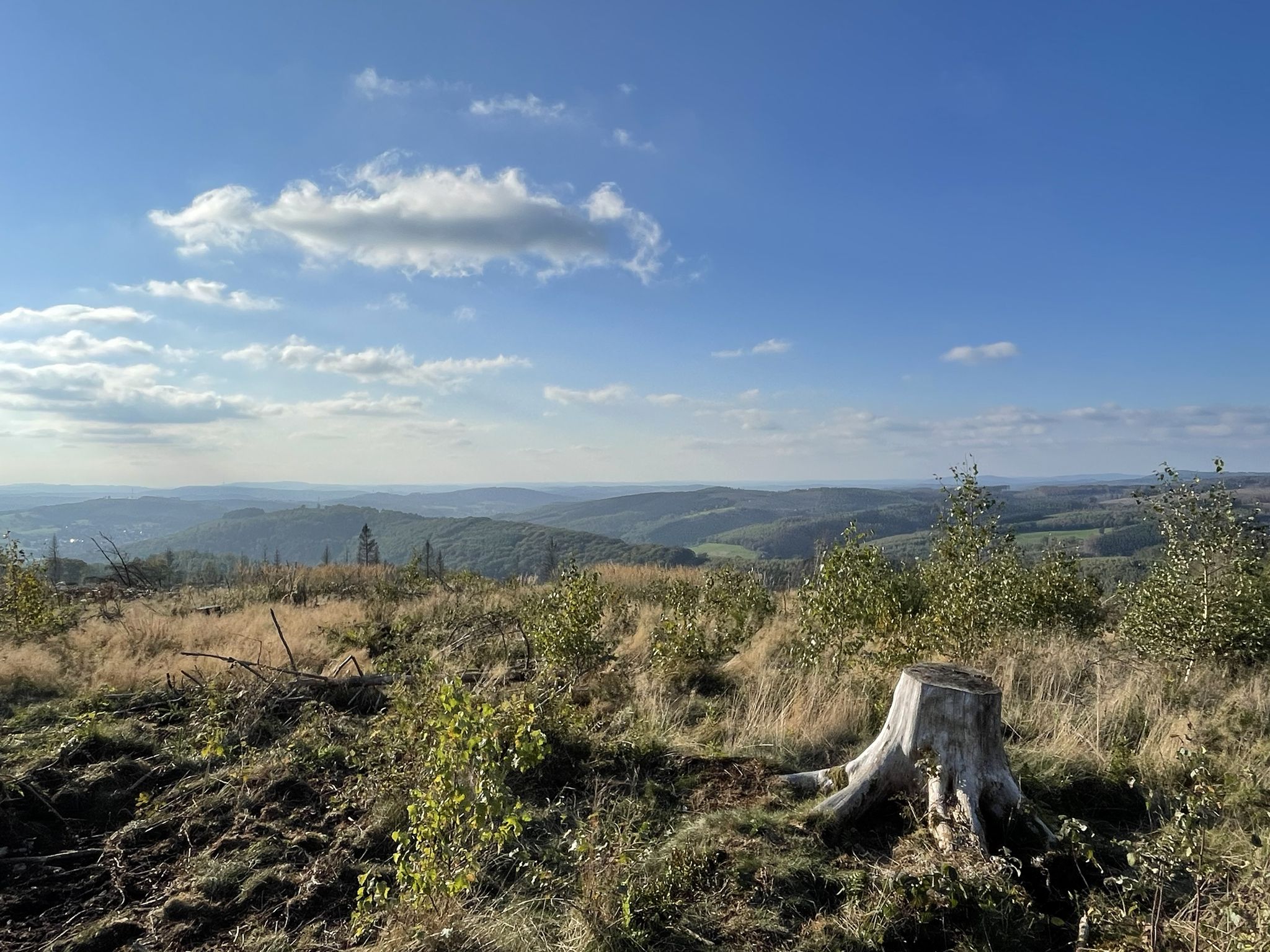
Siegerland-Höhenring – A classic in six stages
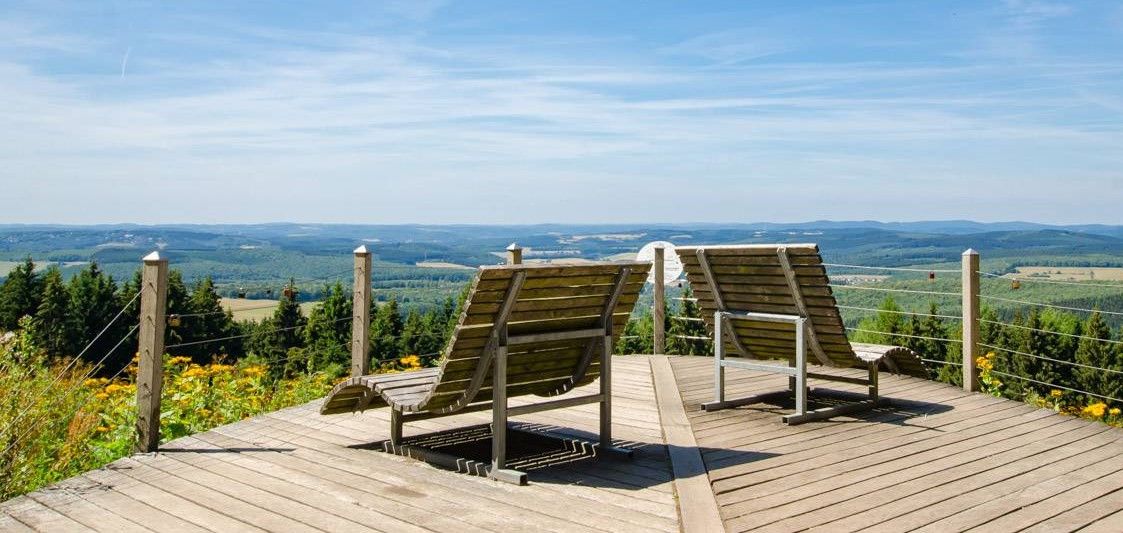
Siegerland-Höhenring – Discover a classic in 6 days
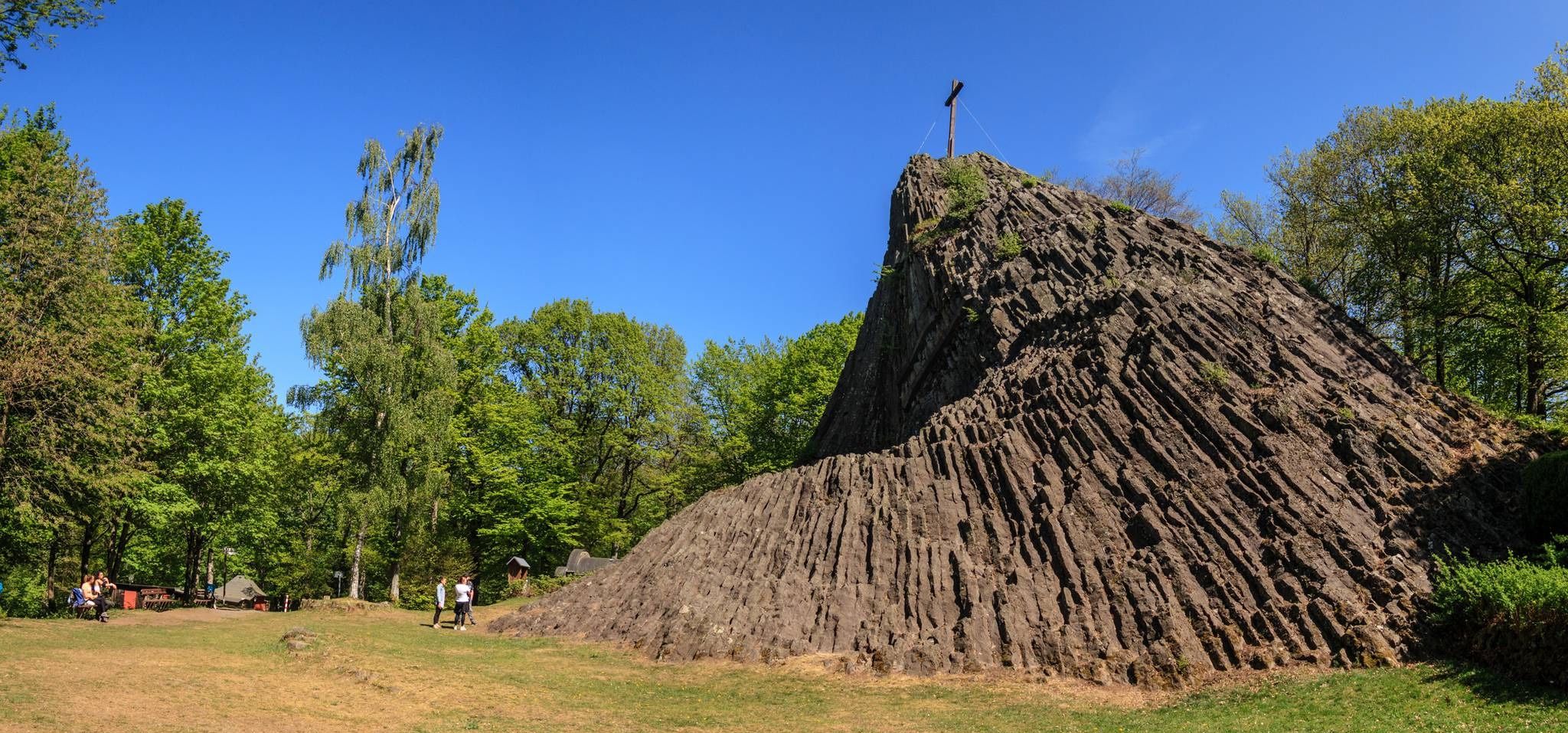
Hike Germany's Druid Trail – Legends, myths and mining
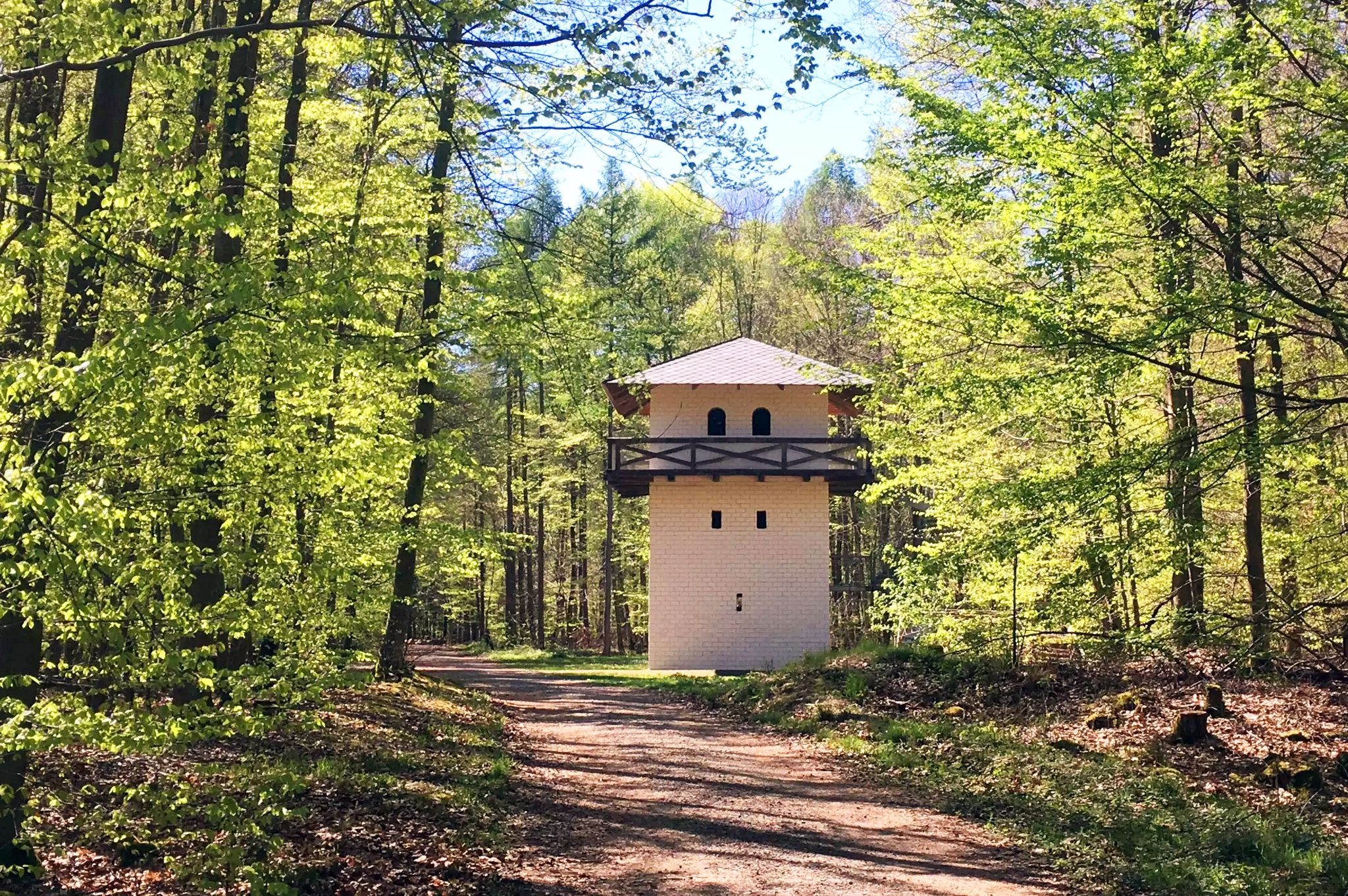
German Limes Cycle Path – Riding from the Rhine to the Danube
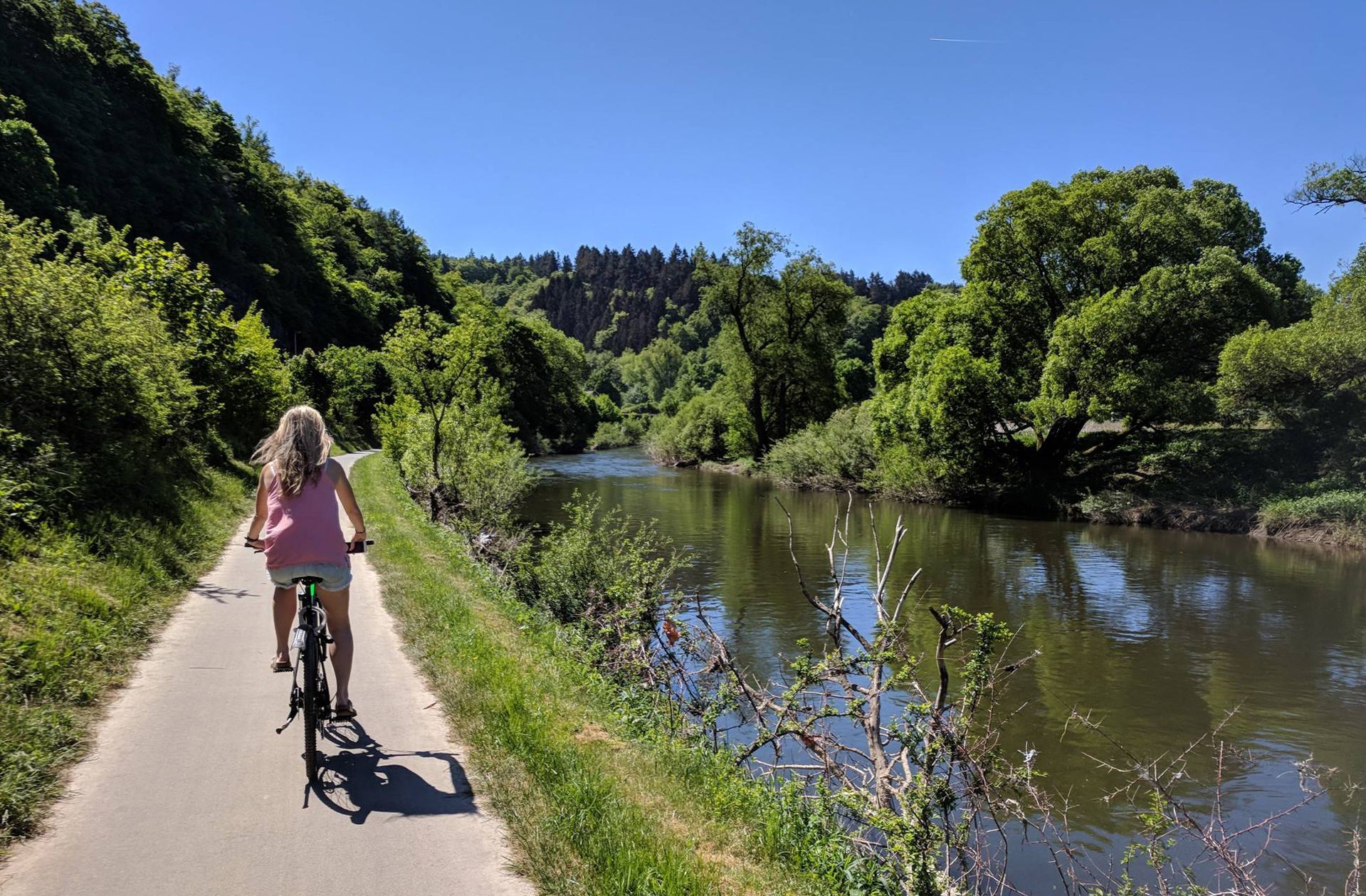
Lahn Cycle Path — from the Rothaar Mountains to the Rhine
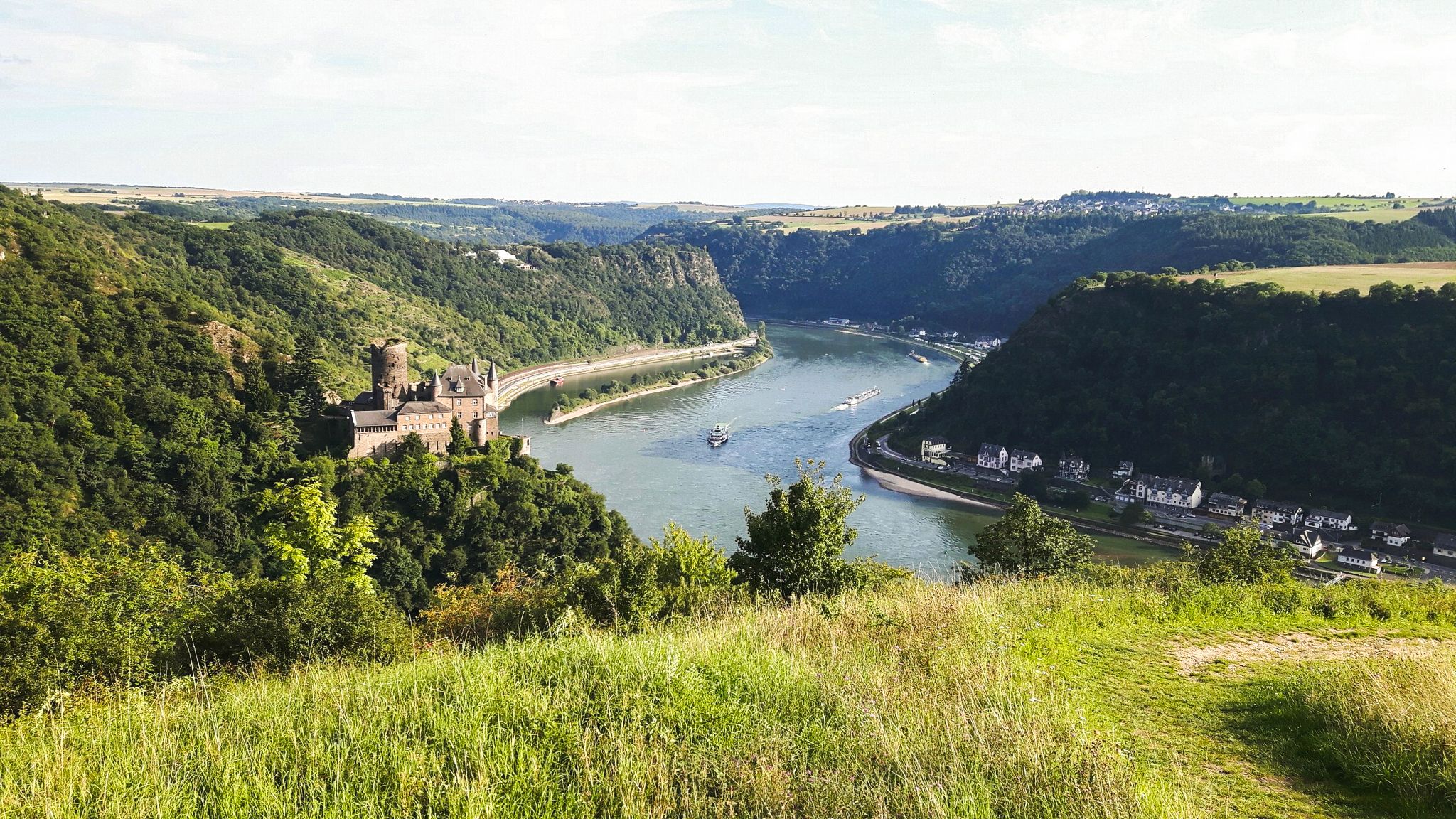
Rheinsteig Trail – The 21 stages along the Rhine
Other adventures in the Westerwald


Tips from the Community

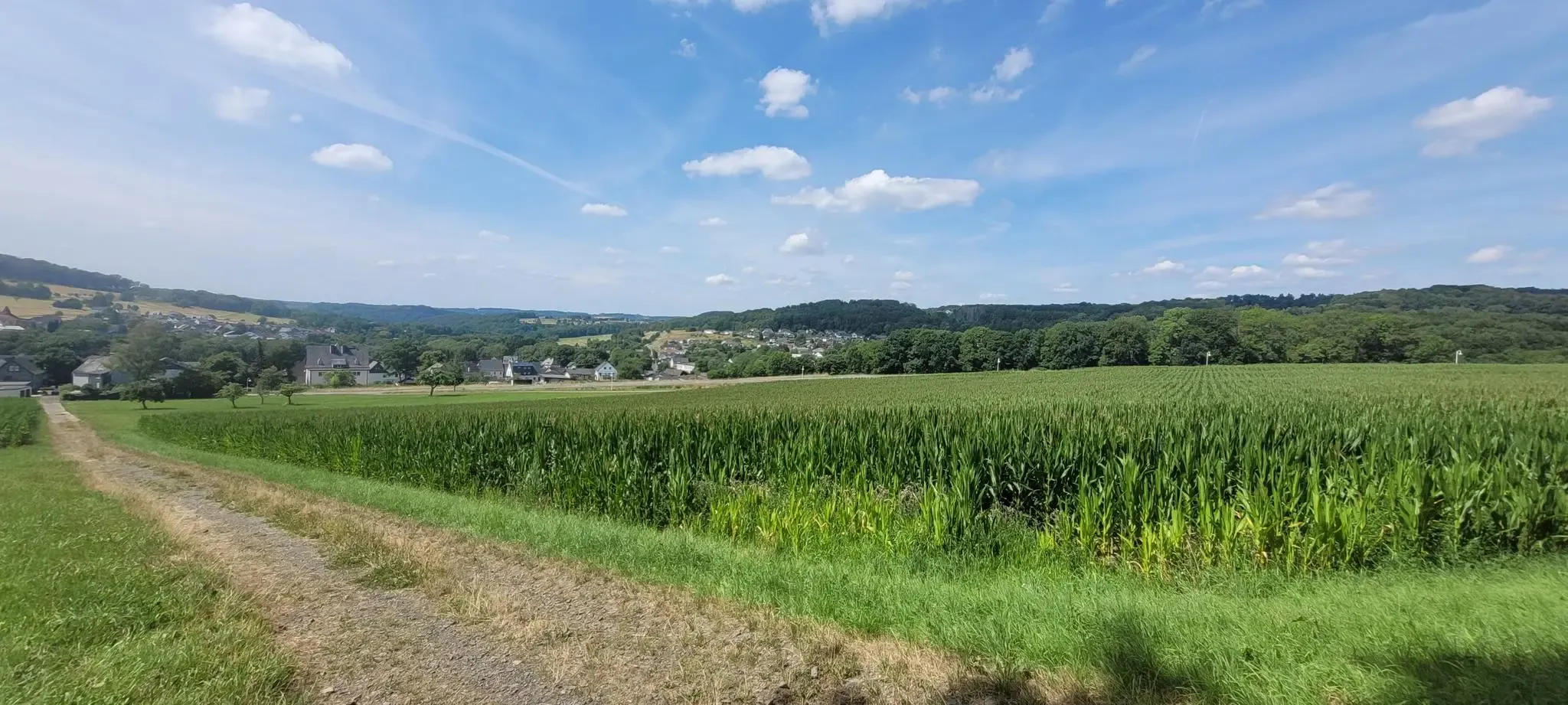
The name is once again misleading: Of course, the local hiker knows that there are by no means several lakes visible from this spot. Rather, it is the "good old Father Rhine," which can be seen several times, seen here from above.
9
0

Stop and enjoy the view over the pond
6
0

One of many beautiful places to take a break with a view of the lake.... (if there was water in it again!)
4
0

Beautiful hiking trails and the opportunity to swim
10
0


The Krombachtalsperre can be circumnavigated well.
7
0

See my sunbathing lawn and jetty. Swimming for dogs forbidden according to sign. Next to it is a campsite. Not far from there is the Seligenstatt monastery ruin.
8
0

The Krombachtalsperre extends over two federal states: the dam is in Hesse, but the larger part of the water surface is in Rhineland-Palatinate. https://de.wikipedia.org/wiki/Krombachtalsperre
7
0
Frequently Asked Questions
What types of activities can I enjoy at the lakes in the Westerwald?
The lakes in the Westerwald offer a wide range of activities. You can enjoy water sports like rowing, pedal boating, and stand-up paddleboarding, especially at Dreifelder Pond. Many lakes, such as Wiesensee, are excellent for hiking, walking, cycling, and swimming. The region also features extensive networks of marked cycling and hiking trails, including the "7 Pond Trail".
Are there family-friendly lakes in the Westerwald?
Yes, many lakes in the Westerwald are very family-friendly. Dreifelder Pond offers easy paths suitable for families and water sports. The Postweiher is known for its natural beach bath, making it a great spot for swimming with children. The "Radrundweg Seenplatte" cycling path around Dreifelder Weiher is also flat and ideal for families.
Which lakes are best for nature observation and wildlife?
The Westerwald Lake District includes several protected natural biotopes that are excellent for nature observation. Dreifelder Pond is a vital habitat for rare wading birds, waterfowl like red-necked and black-necked grebes, and endangered fish species. The Haidenweiher is a bird sanctuary with a walking trail, perfect for spotting marsh birds like egrets and lapwings. The Brinkenweiher is notable for the presence of the endangered bitterling fish.
Can I go swimming in the Westerwald lakes?
Yes, several lakes in the Westerwald are popular for swimming. The Postweiher features a natural beach bath, making it a favored spot for a refreshing dip. Wiesensee also offers opportunities for swimming during warmer months.
What hiking opportunities are available around the lakes?
The Westerwald lakes are surrounded by numerous hiking opportunities. The Westerwald Lake District alone features over 130 kilometers of marked hiking trails, including the "7 Pond Trail." The Postweiher is a point of interest along the long-distance Westerwald Climb. For more extensive hiking options, you can explore the Hiking in the Westerwald guide.
Are there cycling routes around the lakes in the Westerwald?
Absolutely. The "Radrundweg Seenplatte" is a 20 km cycling path around Dreifelder Pond, known for its flat terrain suitable for families. The Siegaue Nature Reserve also features a well-developed bike path. The Westerwald Lake District offers a network of over 130 kilometers of marked cycling trails. You can find more cycling options in the MTB Trails in the Westerwald guide.
What is the historical significance of the Westerwald lakes?
Many of the lakes in the Westerwald, particularly those in the Westerwald Lake District, have a rich history. They were originally dammed by monks for fish farming as early as the 12th century. Over centuries, these lakes were expanded and have evolved into the popular recreational and natural areas we see today.
Can I visit the lakes in winter?
Yes, the lakes can be visited year-round. Wiesensee, for example, offers unique experiences in colder winters when it freezes over, allowing for walks directly across its surface. Always exercise caution and check local conditions before venturing onto frozen lakes.
Are there campsites or accommodation options near the lakes?
Yes, there are camping facilities available. The northwestern shore of Dreifelder Pond hosts a campsite called "Haus am See." Camping facilities are also available at Freilingen campground near the Postweiher. For a more exclusive experience, the Hausweiher is primarily accessible for guests of the "Park Hofgut Schönerlen" campsite.
Which lake is known for its circular trail?
Krombach Reservoir is well-known for its very successful circuit trail. Visitors appreciate the pleasant route and good terrain for exploration around the dam.
Are there any unique viewpoints around the lakes?
Yes, the region offers several beautiful viewpoints. The Three-Lakes Viewpoint provides stunning vistas, including sections of the Rhine that resemble lakes, and views of Drachenfels and Cologne Cathedral. There are also specific viewpoints like the View of the Dreifelder Pond, offering idyllic spots to enjoy the scenery.
What makes the Westerwald Lake District special?
The Westerwald Lake District is special due to its collection of seven historic lakes, originally created for fish farming. These lakes are interconnected by inlets and outlets and are surrounded by a vast network of over 130 kilometers of marked cycling and hiking trails. It's a diverse area offering recreational activities, unique natural biotopes, and significant wildlife habitats.
Most popular routes in the Westerwald
Most popular attractions in the Westerwald

Get inspired with the komoot mobile app


Explore more
Still not found your perfect lake in the Westerwald? Check out the guides of these regions to see even more beautiful places.
