Top 6 Castles in the Havelland
Best castles in the Havelland are situated within a region characterized by its picturesque landscapes and historical significance. This area features a blend of architectural gems, from royal retreats to transformed industrial buildings. The Havelland offers a diverse range of historical sites, often located near cycling paths or waterways, providing opportunities for cultural exploration.
Best castles in the Havelland
- The most popular castles is Ribbeck Castle, a neo-baroque castle that houses a museum and an award-winning restaurant. It is…
Last updated: August 17, 2026
Ribbeck Castle
Highlight • Castle
Translated by Google •
Tip by

Paretz Palace
Highlight • Castle
Translated by Google •
Tip by

Sign up now to discover places like this
Get recommendations on the best single tracks, peaks, & plenty of other exciting outdoor places.
Sign up for free
Baroque Village Church Wansdorf
Highlight • Religious Site
Translated by Google •
Tip by

Wansdorf Castle (New Wansdorf Castle)
Highlight • Castle
Translated by Google •
Tip by
Ribbeck Village Ensemble
Highlight • Settlement
Translated by Google •
Tip by

Lötze Castle
Highlight • Castle
Translated by Google •
Tip by

Manor House Vietznitz
Highlight • Historical Site
Translated by Google •
Tip by

Start today with a free account
Your next adventure awaits.
Login or Signup
Popular around Havelland
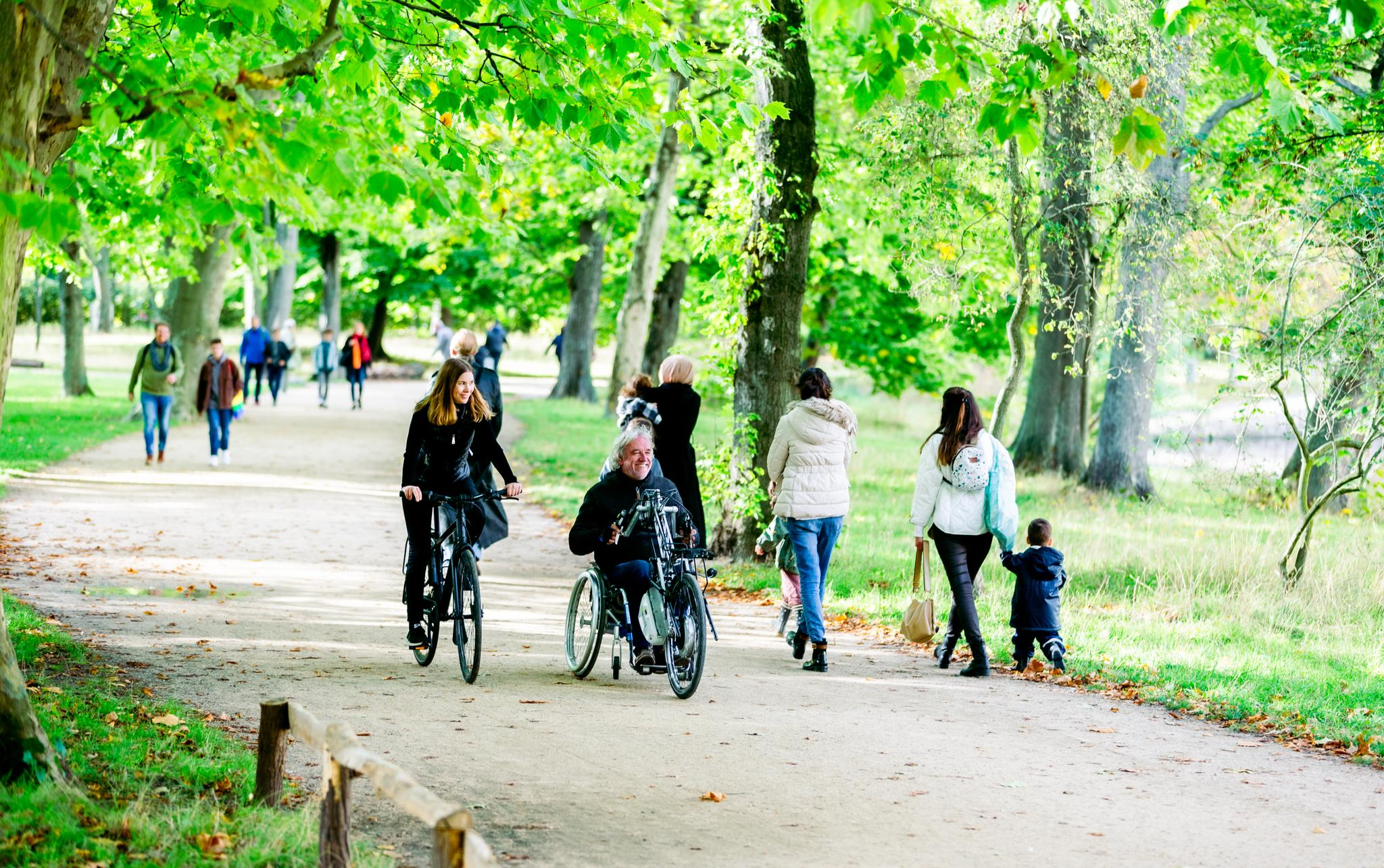
On relaxed paths through the capital – handcycling Berlin
Tour Brandenburg – Cycle around Berlin in 18 stages
The Havel Cycle Path – in 6 stages from its source to its mouth
Altmark round-trip in Saxony-Anhalt
Europe’s Seasonal Birding Hotspots
The National Natural Landscapes in Brandenburg
Overnighter between the Havel and Elbe in Germany
Through vast grasslands – Germany’s Havelland Cycle Route

Strawberry, Raspberry & Blueberry - by S-Bahn to berry picking
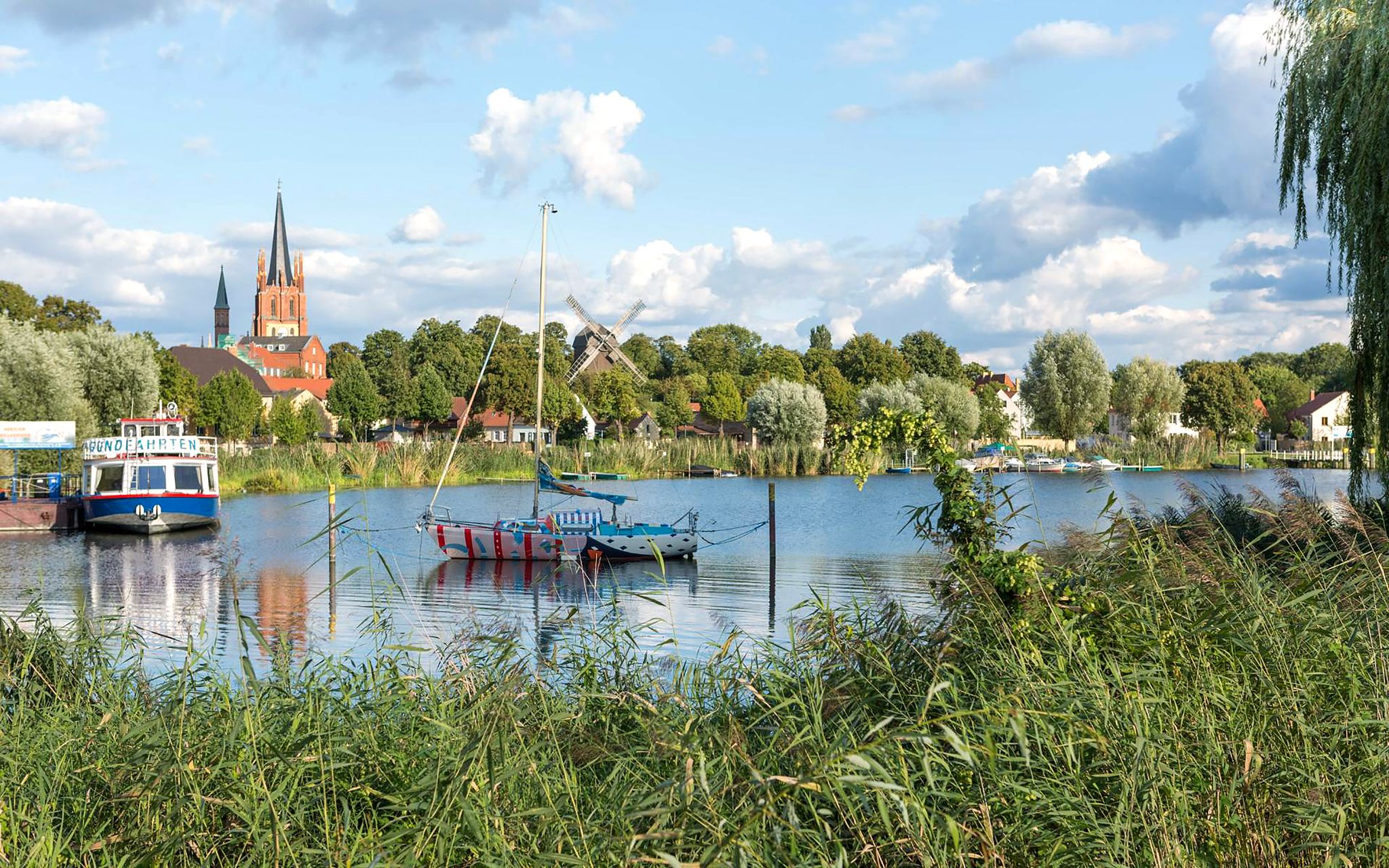
The FONTANE.RAD route – ride in the footsteps of writer Theodor Fontane
Other adventures in the Havelland


Tips from the Community

Accessible, but inhabited.
0
0
The so-called New Palace is an Art Nouveau villa built around 1900 by the Vetschau industrialist Ferdinand Griebenow (1848–1910), who appointed Count Reichenbach as his general representative for local business.[4] In 1907, the estate manager was Hans von Gynz-Rekowsky (1853–1932), who also lived in Wansdorf with members of his family.[5] In 1914, the 1140-hectare manor belonged to the municipality of Spandau, which appointed chief inspector Feuerstack to manage it. In 1929, the owner was Berliner Stadtgüter GmbH. At that time, the Wansdorf estate had a remaining area of 643 hectares.[6] Source: Wikipedia Accessible via a side passage. But inhabited.
0
0

Anyone traveling through southern Brandenburg on two wheels shouldn't simply pass by Lötze Castle. If only because it's not really a castle at all—or let's just say, it wasn't born as one. Originally, there was a brickworks here, diligently firing bricks for the surrounding estate. And as luck would have it: When the fire couldn't be controlled and the brickworks burned down in the 1920s, the then lord of the manor seized the opportunity and had a manor house built. Following the motto: If it's going to be hot, do it with style. Later, this was a children's summer camp. A time of change. Change. Then the market took over: the castle was sold, renovated, and polished. Today, the complex is privately owned, but the old walls continue to tell stories. Of brick dust and estate farming, of summers filled with children's laughter—and now of bungalows for guests who want to treat themselves to a few days of stately flair. For cyclists, Lötze is more than just a stopover: a place that shows that history doesn't always have to consist of castles and kings. Sometimes all it takes is a burnt-out kiln, a bit of entrepreneurial spirit—and a long-term perspective. The avenue leading there is quiet, the lake peeks through the trees. And those who stop feel: much has happened here—and much more will happen.
0
0

A manor house to feel good in & for every occasion On the Bay of Lübeck, not far from Timmendorfer Strand, you will find the ideal environment for a unique, relaxing holiday and private celebrations. The Neuruppersdorf manor house will spoil you with its stylish atmosphere and its park and at the same time offers you a highly professional team.
0
0

The pretty baroque church and the unrestored manor house ensemble opposite give the Wansdorf village green a special charm.
0
0

The von Bredows were the lords of the Vietznitz manor for many centuries. Originally in one hand, it was gradually divided among several separate families of the Bredow family. Eventually, two shares in the Vietznitz manor were created, one part belonging to the Bredows-Friesacker line and the other part to the Bredows-Landiner line. The Vietznitz manor was owned by the von Bredow family until 1936.
1
0

A bit crowded when bus tourists invade Ribbeck.
1
0

The mansion of the v. Bredow in Vietznitz, built in 1830
1
0
Frequently Asked Questions
What makes Ribbeck Castle a significant attraction in the Havelland?
Ribbeck Castle is a prominent neo-baroque castle, largely famous due to its association with Theodor Fontane's poem about the pear tree. Visitors can explore the Ribbeck Castle, which houses a modern Fontane Museum, an award-winning restaurant, and a charming café garden. The surrounding village, part of the Ribbeck Village Ensemble, also offers small cafes and beer gardens, and you can see the stump of the famous pear tree by the church.
What is special about Paretz Palace?
Paretz Palace served as a beloved royal country retreat for Queen Luise and her family. They sought a simpler life away from courtly demands, and the palace and its park were designed with high aesthetic standards as a model of Prussian rural architecture. You can explore the well-preserved complex of Paretz Palace and appreciate its successful implementation as a royal summer residence.
Are there any castles in the Havelland with a unique history or transformation?
Yes, Lötze Castle has a unique past. It was not originally built as a traditional castle but as a brick factory. After a fire in the 1920s, it was rebuilt as a manor house. Today, Lötze Castle is privately owned and offers a blend of historical charm and modern accommodation, having been renovated and expanded with an apartment complex.
Beyond the main castles, what other historical manor houses can be found in the Havelland?
The Havelland region is rich in historical manor houses. Notable examples include Schloss Kleßen, known for its connection to Hermann Ehrhardt and the Kapp-Riot, and Schloss Nennhausen, which was the summer residence of poet Friedrich de la Motte Fouqué. Additionally, Schloss Caputh is an early Baroque palace situated picturesquely on the Havel River, and Friesack Castle is also listed among the district's historical sites. You can also find the Manor House Vietznitz, historically owned by the von Bredow family.
Are there family-friendly castles to visit in the Havelland?
Many castles and historical sites in the Havelland are suitable for families. For instance, Ribbeck Castle and Paretz Palace are both listed as family-friendly. The Ribbeck Village Ensemble offers a pleasant environment with cafes and a museum that can engage visitors of all ages.
What is the best time of year to visit the castles in the Havelland?
The Havelland region, with its picturesque landscapes and serene natural settings, is particularly enjoyable during the warmer months, from spring to early autumn. This allows for comfortable exploration of castle grounds, parks, and combining visits with outdoor activities like cycling or hiking. However, some castles, like Ribbeck Castle, host events and have indoor museums that can be visited year-round.
Can I find cafes or restaurants near the castles?
Yes, several castles and their surrounding villages offer dining options. Ribbeck Castle features an award-winning restaurant and a charming café garden. The Ribbeck Village Ensemble also has various small cafes and beer gardens, some offering pear-themed treats. The tranquil villages around other castles, like Wansdorf Castle, often have local establishments to enjoy.
What outdoor activities can I combine with a visit to the Havelland castles?
The Havelland region is ideal for combining cultural exploration with outdoor activities. Many castles are situated along cycling paths or near waterways. You can find numerous routes for MTB Trails, Road Cycling, and Gravel Biking throughout the Havelland, allowing you to cycle between historical sites and enjoy the scenic landscapes.
Are there cycling routes that pass by the castles in the Havelland?
Absolutely. The Havelland is known for its cycling paths, and many castles are easily accessible by bike. For example, the Havelland bike path passes through the Ribbeck Village Ensemble. You can explore various Road Cycling Routes or Gravel Biking tours that connect different historical sites and natural attractions in the region.
Can I find hiking trails near the castles in the Havelland?
While the Havelland is particularly popular for cycling, there are also opportunities for walking and hiking. The region's picturesque landscapes and natural settings make it suitable for leisurely strolls around castle grounds and through charming villages. For more dedicated routes, you can explore the MTB Trails in the Havelland, some of which may offer suitable sections for hiking, or look for local walking paths around specific castles like Ribbeck.
What do visitors particularly enjoy about the castles in the Havelland?
Visitors appreciate the diverse historical experiences offered by the Havelland castles. Many enjoy the blend of architectural styles, from neo-baroque at Ribbeck Castle to Prussian rural architecture at Paretz Palace. The tranquil village settings, the connection to literary figures like Fontane, and the opportunity to combine cultural visits with outdoor activities like cycling are also highly valued by the komoot community.
What kind of historical architecture can I expect to see among the Havelland castles?
The Havelland region showcases a variety of architectural styles. You'll find neo-baroque designs, such as at Ribbeck Castle, and early classicist Prussian rural architecture at Paretz Palace. Other sites include turn-of-the-century structures like Wansdorf Castle, and early Baroque palaces like Schloss Caputh. This diversity reflects different eras of German history and architectural trends.
Most popular routes in the Havelland
Most popular attractions in the Havelland

Get inspired with the komoot mobile app


Didn’t find what you were looking for?
Explore Havelland’s best castles region by region:
Explore more
Looking for the best castles somewhere else? Discover other guides in the Havelland:
