The 20 Most Amazing Peaks in the Vogtland
Best mountain peaks in the Vogtland offer a diverse landscape of picturesque hills and dense forests, providing numerous opportunities for outdoor exploration. This region is characterized by its natural beauty and recreational activities, making it a notable destination for those seeking to experience its unique features. The Vogtland features a variety of peaks, many of which provide extensive views and serve as starting points for hiking and cycling. Its geographic features include prominent elevations that contribute to the area's distinct…
Last updated: July 6, 2026
Prinz-Luitpold Tower on Döbraberg
Highlight • Viewpoint
Translated by Google •
Tip by

Schönburgwarte on the Großer Kornberg
Highlight • Viewpoint
Translated by Google •
Tip by

Sign up now to discover places like this
Get recommendations on the best single tracks, peaks, & plenty of other exciting outdoor places.
Sign up for free
Aschberg Observation Tower
Highlight • Viewpoint
Translated by Google •
Tip by

Sophienkreuz (White Cross) on Hirschstein
Highlight • Monument
Translated by Google •
Tip by

Köhlerspitze Viewpoint (345 m)
Highlight • Viewpoint
Translated by Google •
Tip by

Frankenwarte Observation Tower
Highlight • Monument
Translated by Google •
Tip by

Wendelstein
Highlight • Natural Monument
Adventure in a small space
wonderful nature experience
Translated by Google •
Tip by

Prinz-Georg Tower
Highlight • Monument
Translated by Google •
Tip by

Döbraberg
Highlight • Summit
Translated by Google •
Tip by

Geyerstein
Highlight • Viewpoint
Translated by Google •
Tip by

Sign up for free to discover even more peaks in the Vogtland.
Sign up for free
Already have an account?
Start today with a free account
Your next adventure awaits.
Login or Signup
Popular around Vogtland
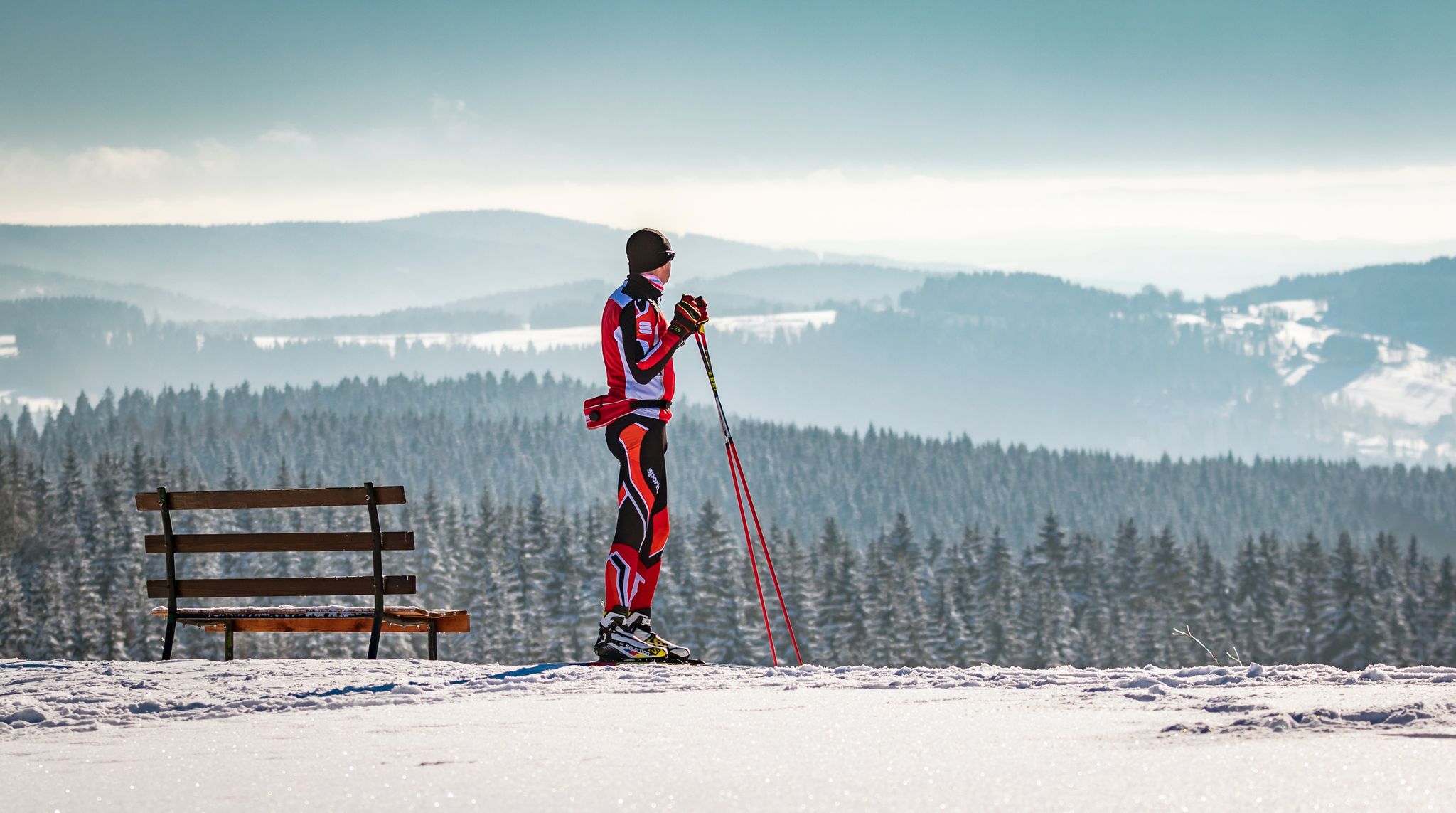
Let it flow! Cross-country skiing in the Ore Mountains
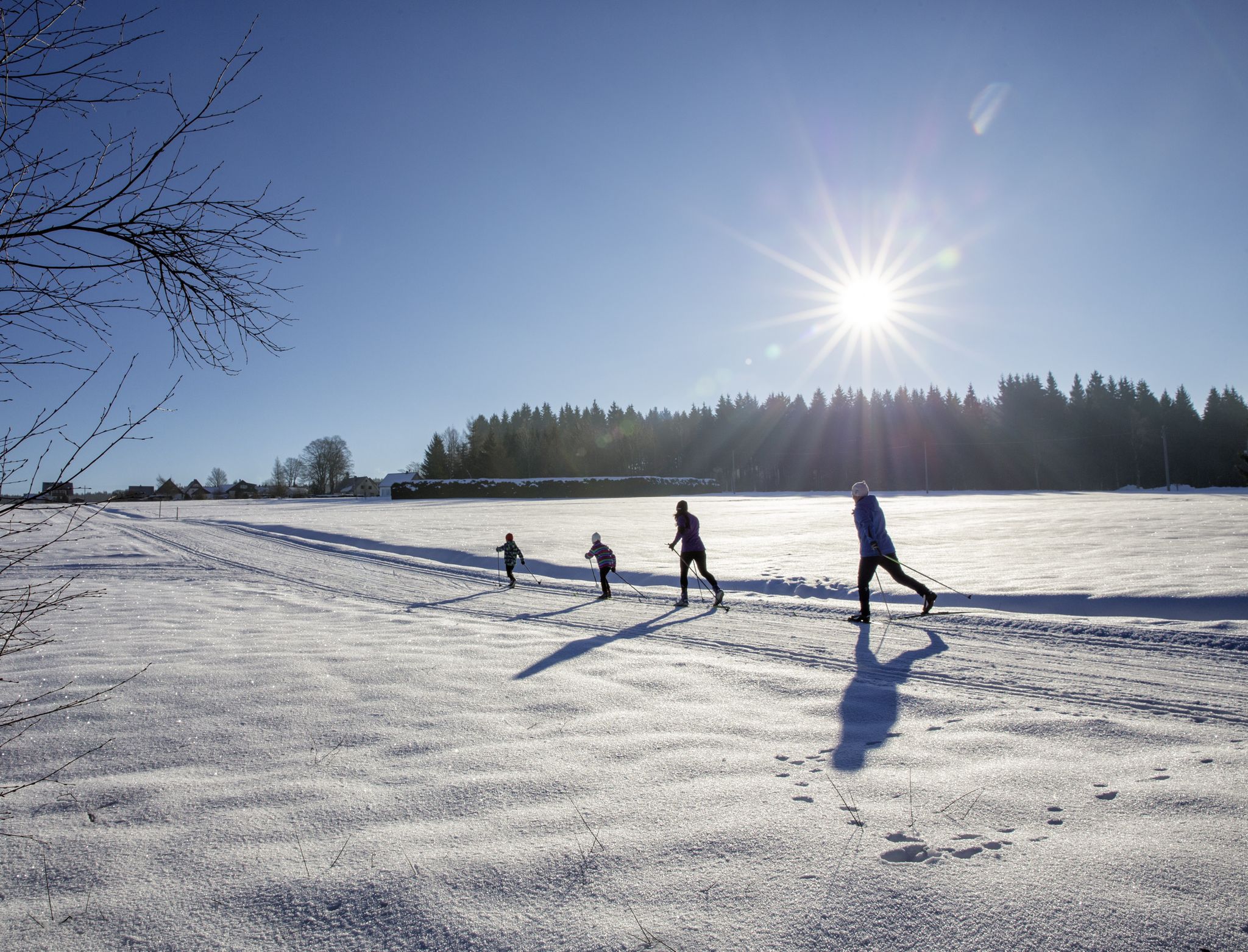
A snowy paradise – winter hiking and cross-country skiing in Germany’s Vogtland
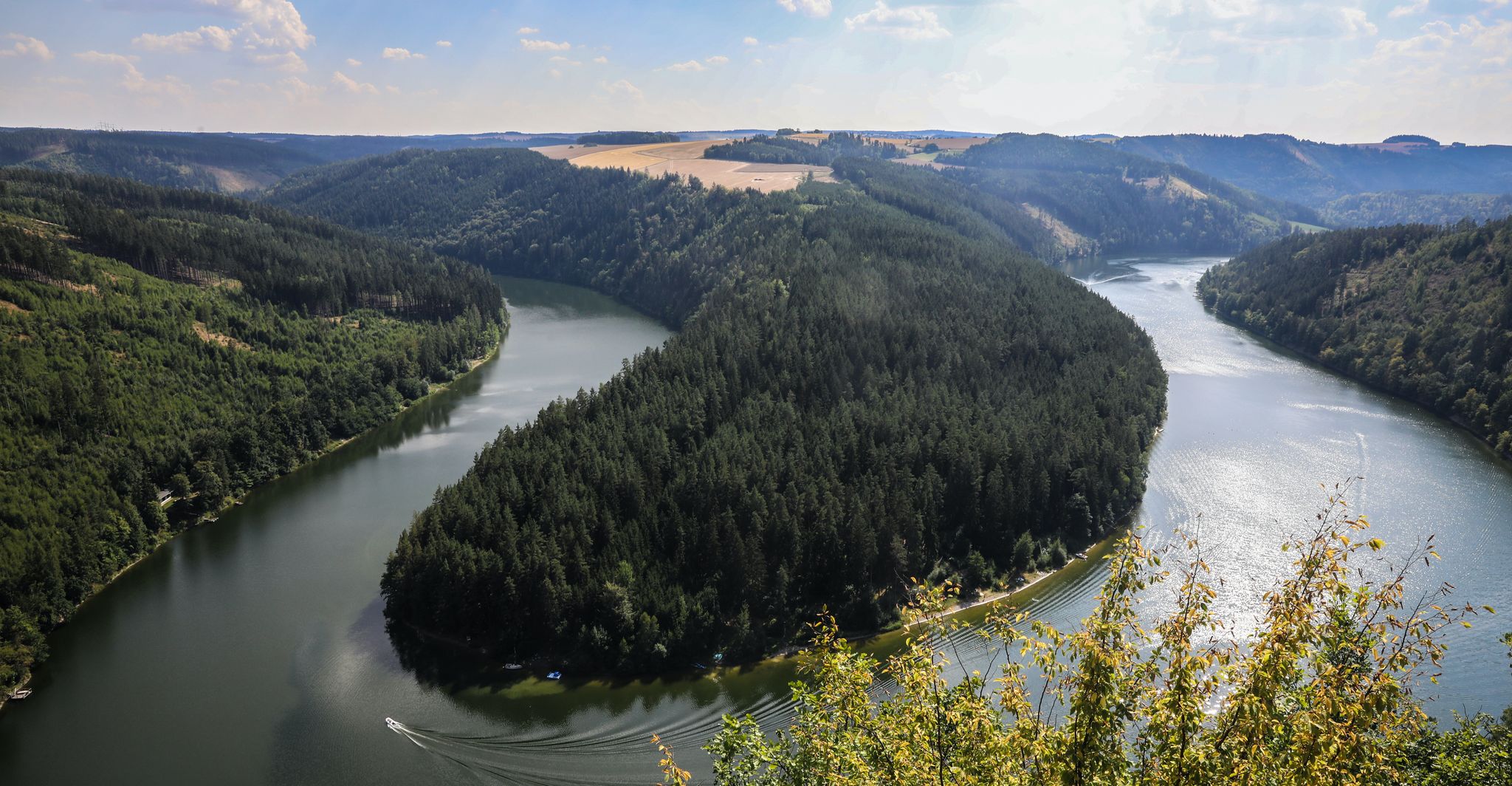
Saale Cycle Path part 1 – four sporty stages through the Thuringian Forest
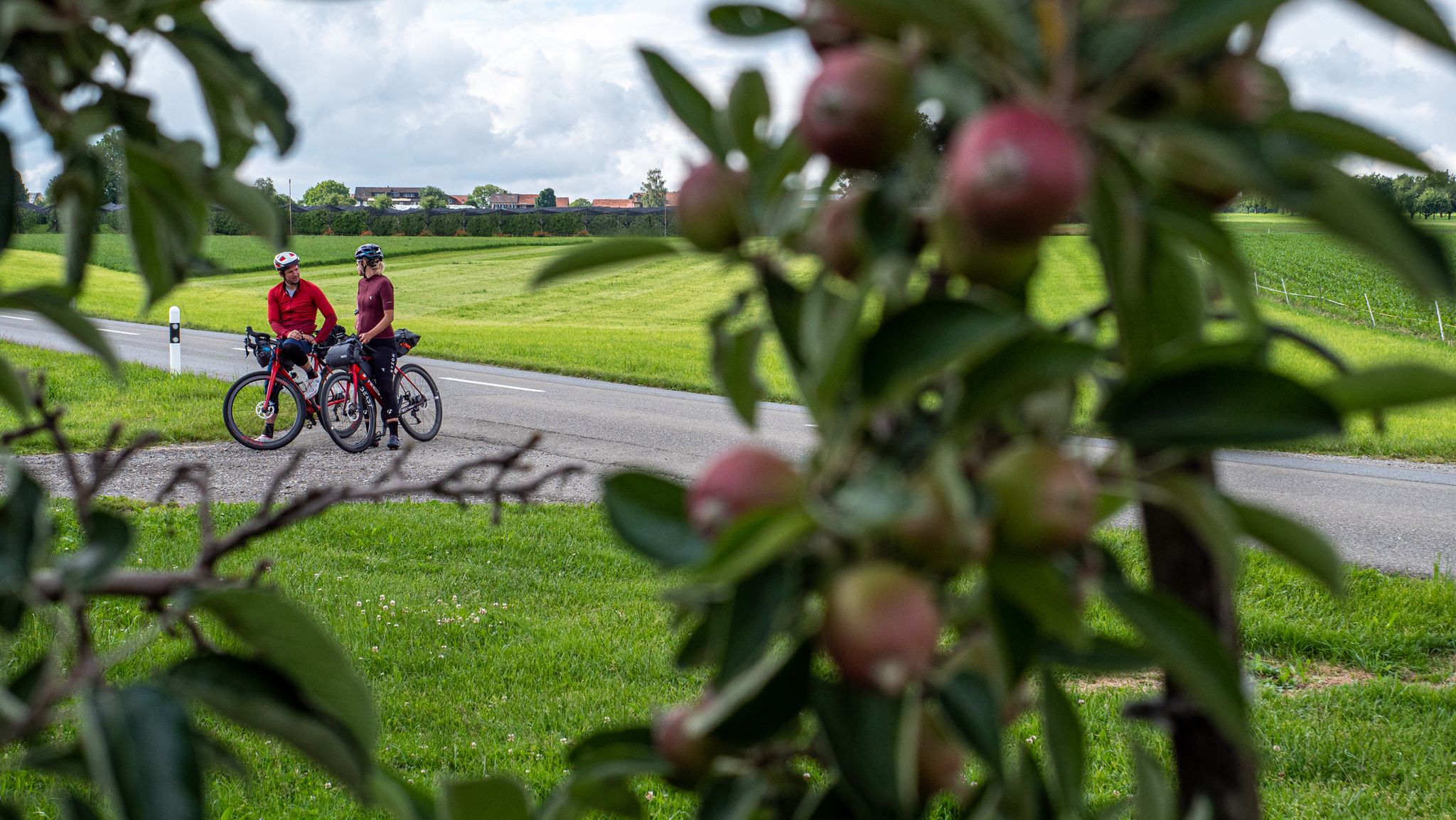
SEND IT! Germany by bike with two mountain bike pros
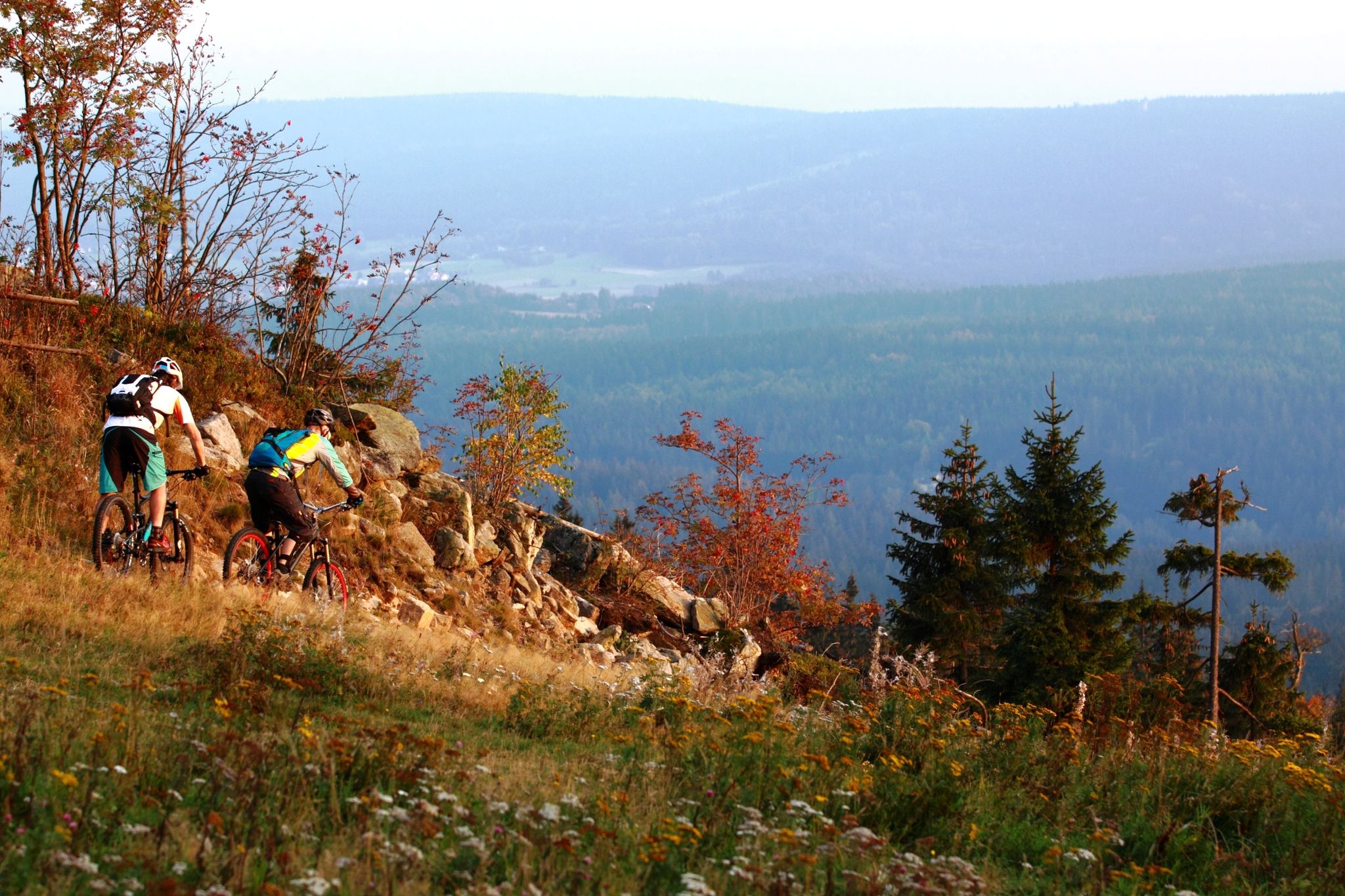
Water, rocks & trails — Mountain biking in the Fichtel mountains
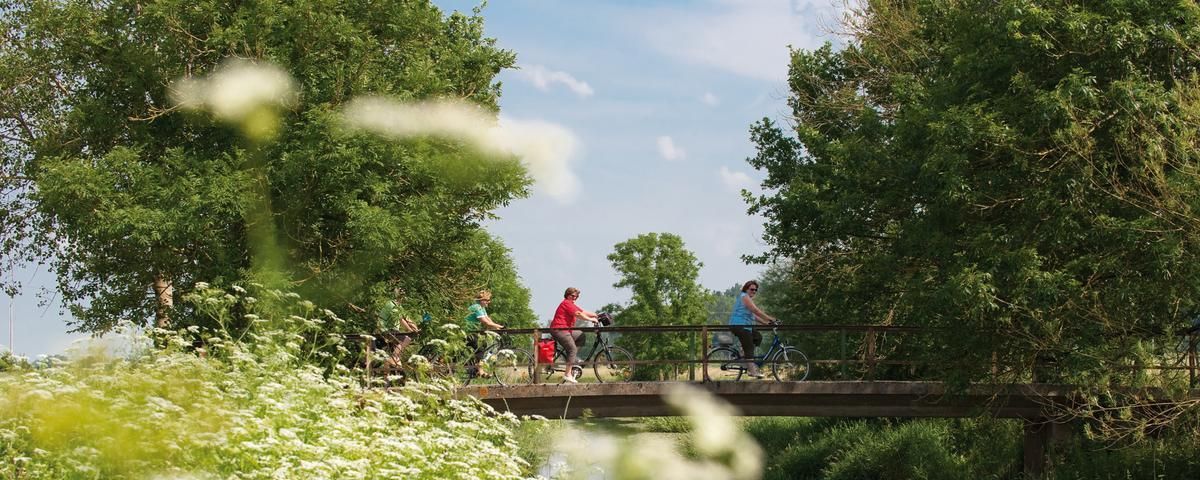
The most beautiful long-distance cycle paths in Franconia

Around Thuringia — 7 stages through Germany's green heart
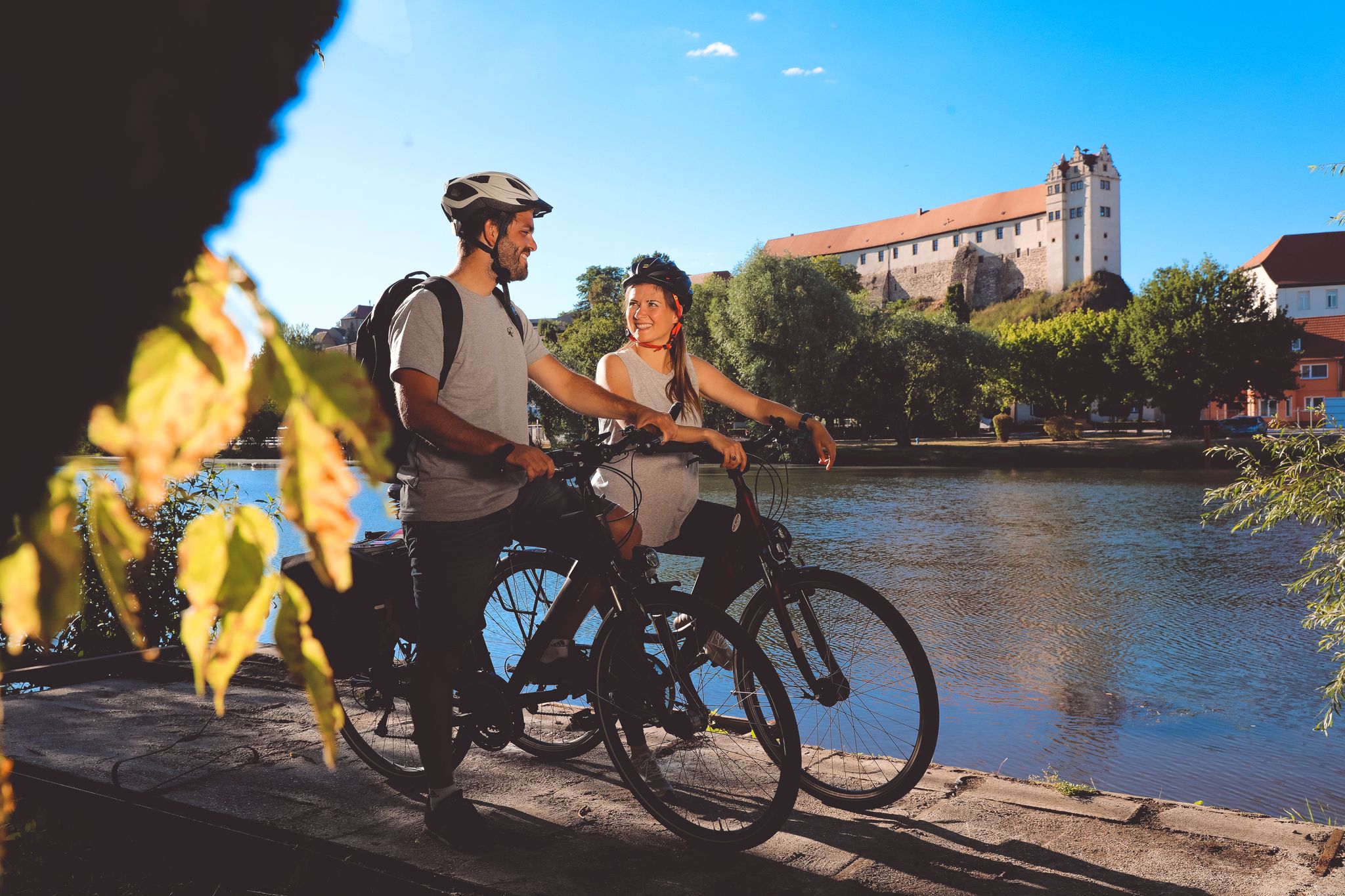
Saale Cycle Path — 9 stages from the source of the Saale to the Elbe
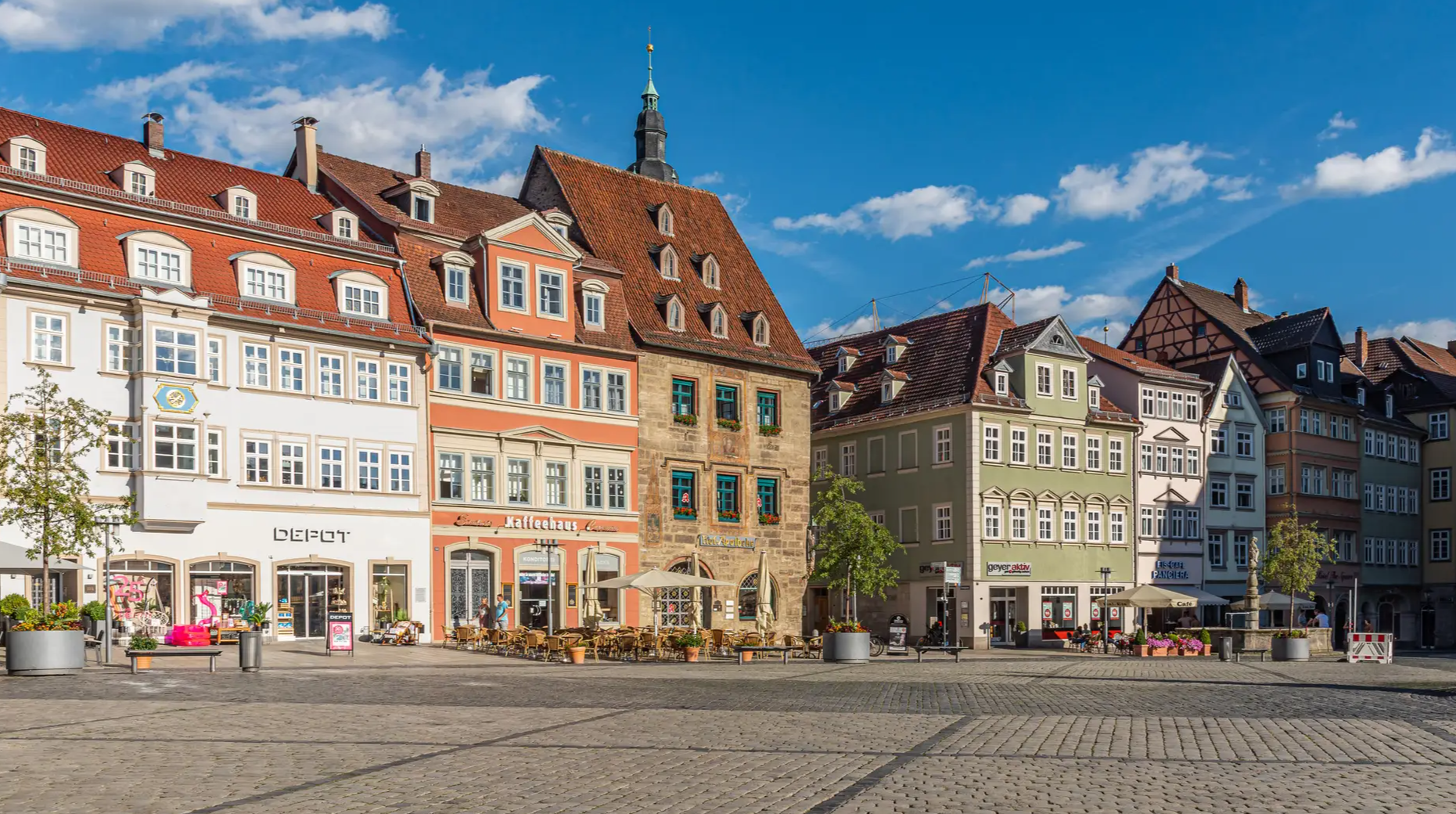
From the metropolis to enjoyment – city hiking on the VGN
Nature, the outdoors and adventure – hiking through the VGN's nature parks
Other adventures in the Vogtland


Tips from the Community

Great viewpoint overlooking the castle, directly on the Elsterperlenweg trail.
3
1

The Frankenwarte (Frankenwarte) stands atop the 679-meter-high Hirschhügel (Hirschhügel). The eight-and-a-half-meter-high, round stone tower offers a panoramic view to the northeast, to the edge of the Höllental valley, to Lichtenberg and Bad Steben, and to the west to the hills near Nordhalben. To the south, Geroldsgrün, the 729-meter-high Spitzberg, and the 758-meter-high Schneidberg can be seen, and hidden behind them, the highest peak in the Franconian Forest, the 794-meter-high Döbraberg. To the southeast, the view extends to the Fichtel Mountains. The Frankenwarte was built and is maintained by the Franconian Forest Association. Plans to build an observation tower on the hill existed as early as 1930. However, the Frankenwarte was not inaugurated until August 12, 1951. In 2020, panoramic panels were installed on the parapet of the viewing platform, illustrating the towns and landscape features visible from here.
13
0

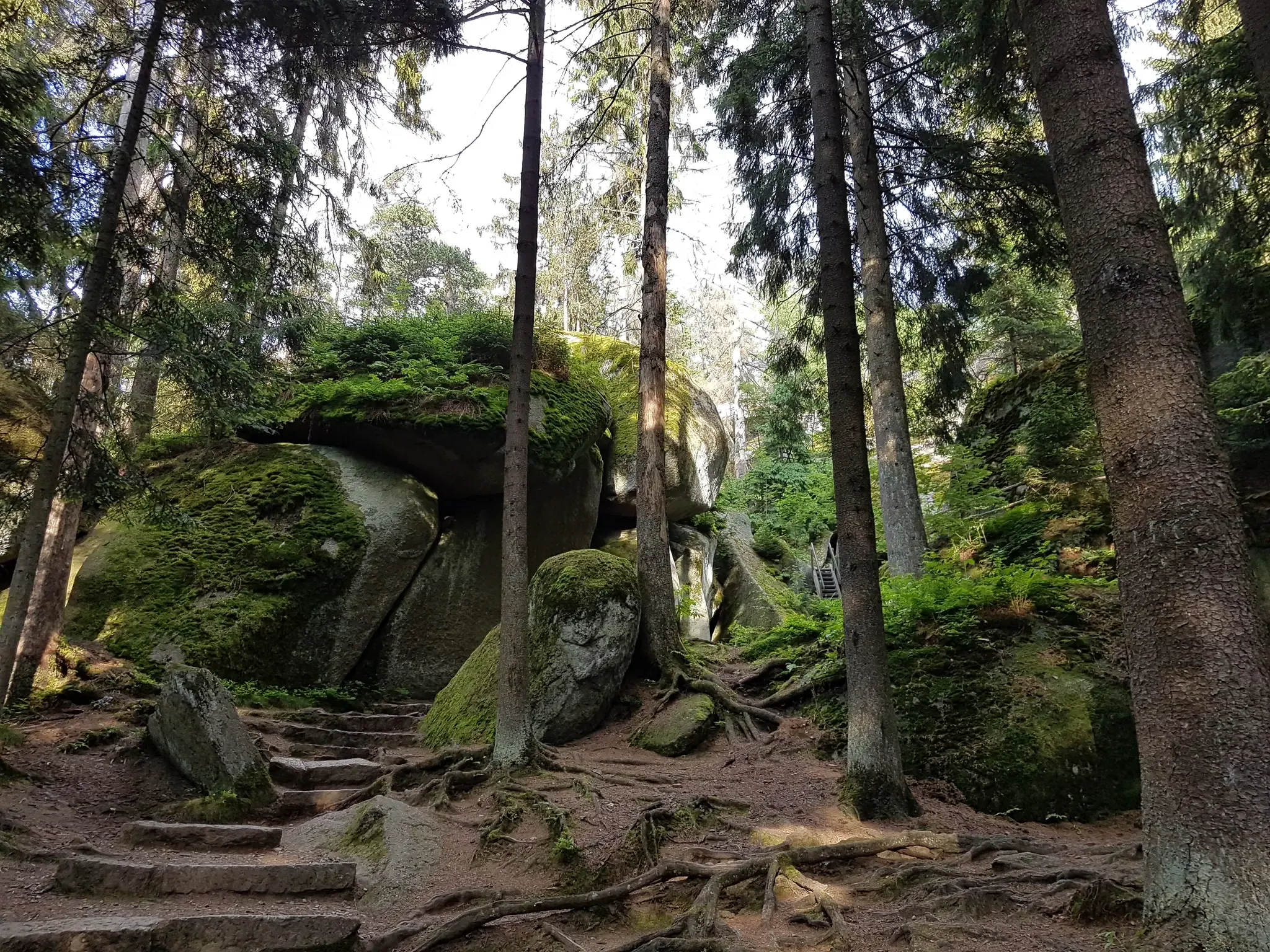
The Wendelstein (734 m) is part of a long chain of rocky cliffs that jut sharply out of the earth. This striking rock formation begins at the "Hoher Stein" (Czech Republic), continues via the "Alter Söll" (Schöneck), the "Rehhübel," "Rinnelstein," "Großer Affenstein," "Kleiner Affenstein," "Genesenstein," "Wendelstein," and "Schwarzer Stein" (all Grünbach) to the "Bendelstein" near Auerbach. The Wendelstein, like all the others, is composed of greywacke quartzite. This is a dark gray, mostly highly consolidated sandstone composed of feldspar, chlorite, and mica, with a high proportion of slate and quartzite. About 500 million years ago, the Vogtland region was covered by a shallow sea. Sand and mud settled on the bottom, which subsequently solidified into sandstone and slate, the sedimentary rock, due to climate change and landslide. Forced upwards under enormous heat and pressure, phyllite and quartzite were formed. (https://www.gruenbach.de/freizeit_aktiv)
0
0
The Wendelstein has been protected as a geological natural monument since November 5, 1938. A triangulation column dated 1864 was erected on the highest part of the rock, representing a second-order survey point in the course of the historic Saxon national survey. The Wendelstein is 734 m above sea level and is part of a long chain of rocky cliffs that jut steeply out of the earth. This striking rock formation begins at the "Hoher Stein" (Czech Republic), continues via the "Alter Söll" (Schöneck), the "Rehhübel," "Rinnelstein," the "Großer Affenstein" and "Kleiner Affenstein," the "Genesenstein," "Wendelstein," and the "Schwarzer Stein" (all Grünbach) to the "Bendelstein" near Auerbach. (https://www.gruenbach.de/freizeit_aktiv/gehenswertes_rund_um_gruenbach-muldenberg/wendelstein/index.php)
0
0

There is a small hut and a few benches here. Ideal for a short rest.
0
0

Beautiful rock. It's worth a detour.
0
0

At the top of the Wendelstein there is a historic triangulation column and a summit cross.
0
0
Frequently Asked Questions
Which mountain peaks in the Vogtland offer the best panoramic views?
For expansive views, consider the Aschberg Observation Tower, which provides panoramic vistas of the Vogtland, Ore Mountains, Elster Mountains, and even the Bohemian Forest on clear days. Another excellent choice is the Prinz-Luitpold Tower on Döbraberg, offering wide views over the Franconian Forest, Fichtelgebirge, and Thuringian Forest. Kuhberg also features a 21-meter-high stone viewing tower with extensive views, including the Göltzschtal Bridge.
What is the highest mountain peak in the Vogtland region?
The highest elevation in the Vogtland is Schneehübel, standing at 974 meters. While its peak is completely forested and doesn't offer panoramic views, it's a significant natural landmark within the Ore Mountains/Vogtland Nature Park and a popular destination for hikers and cross-country skiers.
Are there family-friendly mountain peaks or attractions in the Vogtland?
Yes, several peaks offer family-friendly experiences. The Aschberg Observation Tower is a popular starting point for families. Kuhberg, near Netzschkau, is also very family-friendly, featuring a restaurant and a large model railway set at the base of its viewing tower, which includes a miniature replica of the Göltzschtal Bridge.
What unique natural features can I explore among the Vogtland's peaks?
The Vogtland is home to unique natural features like Schneckenstein, a striking rock formation known for its rich deposits of topaz, often called 'Saxon Diamonds.' It's a protected natural monument and part of the 'Topaswelt Schneckenstein,' offering insights into the region's mineral wealth. Additionally, the area around Schneehübel includes the 'Großer Kranichsee' moor and the Carlsfeld dam, ideal for enjoying idyllic landscapes.
What outdoor activities are available near the mountain peaks in the Vogtland?
The Vogtland offers a variety of outdoor activities. Near the peaks, you can find numerous hiking and cycling trails. For more specific routes, consider exploring the MTB Trails in the Vogtland, Running Trails in the Vogtland, or Gravel biking in the Vogtland. Aschberg is also a year-round destination, inviting visitors for skiing in winter.
Are there historical sites or monuments on the Vogtland's mountain peaks?
Yes, several peaks feature historical elements. The Prinz-Luitpold Tower on Döbraberg, inaugurated in 1902, is a significant man-made monument. The Schönburgwarte on the Großer Kornberg and the Frankenwarte Observation Tower are also historical viewpoints. Schneckenstein, with its history of topaz mining, also holds historical significance.
What kind of terrain and difficulty can I expect on hiking trails around Vogtland's peaks?
The Vogtland's peaks offer diverse terrain, from picturesque, hilly landscapes to dense forests. Trails can range from easy walks to more challenging ascents. For instance, the area around Schneehübel is popular for hikers and cross-country skiers with numerous forest trails. The Wendelstein is noted as a challenging climb, requiring sure-footedness, especially when wet.
How accessible are the mountain peaks in the Vogtland by public transport or car?
Many peaks are relatively accessible. Kuhberg, for example, is easily reached via several hiking trails, with parking available in Netzschkau. While specific public transport details vary, the region is generally well-connected for tourism. For detailed travel information, you might check the local tourism board's website at vogtland-tourismus.de.
What do visitors enjoy most about the mountain peaks in the Vogtland?
Visitors frequently praise the stunning panoramic views from towers like the Prinz-Luitpold Tower on Döbraberg and the Schönburgwarte on the Großer Kornberg. The diverse natural beauty, from dense forests to unique rock formations like Schneckenstein, is also highly appreciated. Many enjoy the well-developed network of trails for hiking, cycling, and winter sports, as well as the family-friendly amenities found at places like Kuhberg.
Are there any specific tips for visiting the Prinz-Luitpold Tower on Döbraberg?
The Prinz-Luitpold Tower on Döbraberg is also known as the 'Eiffel Tower of the Franconian Forest.' If you plan to climb it, be aware that it's 18 meters high with 96 steps, so it's not for those afraid of heights. The tower is closed during winter months and typically reopens on May 1st each year. From the top, you can enjoy a magnificent panoramic view stretching almost 120 km on clear days.
What is the best time of year to visit the Vogtland's mountain peaks?
The Vogtland's mountain peaks offer attractions year-round. Summer is ideal for hiking and cycling, with lush green landscapes and clear views. Autumn brings vibrant fall foliage, making for picturesque hikes. In winter, areas like Aschberg and Schneehübel become popular for skiing and cross-country skiing. Spring offers blooming nature and milder temperatures, perfect for exploring before the summer crowds.
Can I find accommodation or dining options near the mountain peaks?
Yes, several peaks have facilities nearby. Aschberg, for instance, features a youth hostel that serves as a popular starting point. At Kuhberg, there is a restaurant located at the base of the viewing tower. Many towns and villages throughout the Vogtland region offer various accommodation and dining options for visitors. For more information on local services, you can consult the Vogtland tourism website.
Most popular routes in the Vogtland
Most popular attractions in the Vogtland

Get inspired with the komoot mobile app


Didn’t find what you were looking for?
Discover Vogtland’s best peaks and summits by region:
Explore more
See even more amazing summits in the Vogtland with these guides:
