Top 20 Caves in the Sauerland
Best caves in the Sauerland are found within a region known for its diverse natural landscape, including a fascinating network of underground formations. This area in Germany offers numerous caves, many of which are accessible to the public for exploration. The Sauerland's geological features provide a unique environment for these natural wonders, attracting visitors interested in subterranean experiences. Several prominent caves collaborate to protect and promote these significant natural sites.
Best caves in the Sauerland
- The most popular caves is…
Last updated: July 6, 2026
Feldhof Cave
Highlight • Cave
Translated by Google •
Tip by

Felsenmeer (Hemer)
Highlight • Natural Monument
Translated by Google •
Tip by

Sign up now to discover places like this
Get recommendations on the best single tracks, peaks, & plenty of other exciting outdoor places.
Sign up for free
Seven Maidens Rock Formation
Highlight • Natural Monument
Translated by Google •
Tip by

Hollow Stone
Highlight • Cave
Translated by Google •
Tip by

Bilsteintal Wildlife Park
Highlight • Natural
Translated by Google •
Tip by

Bilstein Cave
Highlight • Cave
Translated by Google •
Tip by

Hohler Stein Cave
Highlight • Cave
Translated by Google •
Tip by

Haake Cave
Highlight • Cave
Translated by Google •
Tip by

Balver Cave
Highlight • Cave
Translated by Google •
Tip by

Sülberg Deele
Highlight • Restaurant
From April to October: Saturdays and Sundays from 11 a.m. to 6 p.m.
From November to January: Sundays only.
Please note: Closed in February and March
Translated by Google •
Tip by
Sign up for free to discover even more caves in the Sauerland.
Sign up for free
Already have an account?
Start today with a free account
Your next adventure awaits.
Login or Signup
Popular around Sauerland
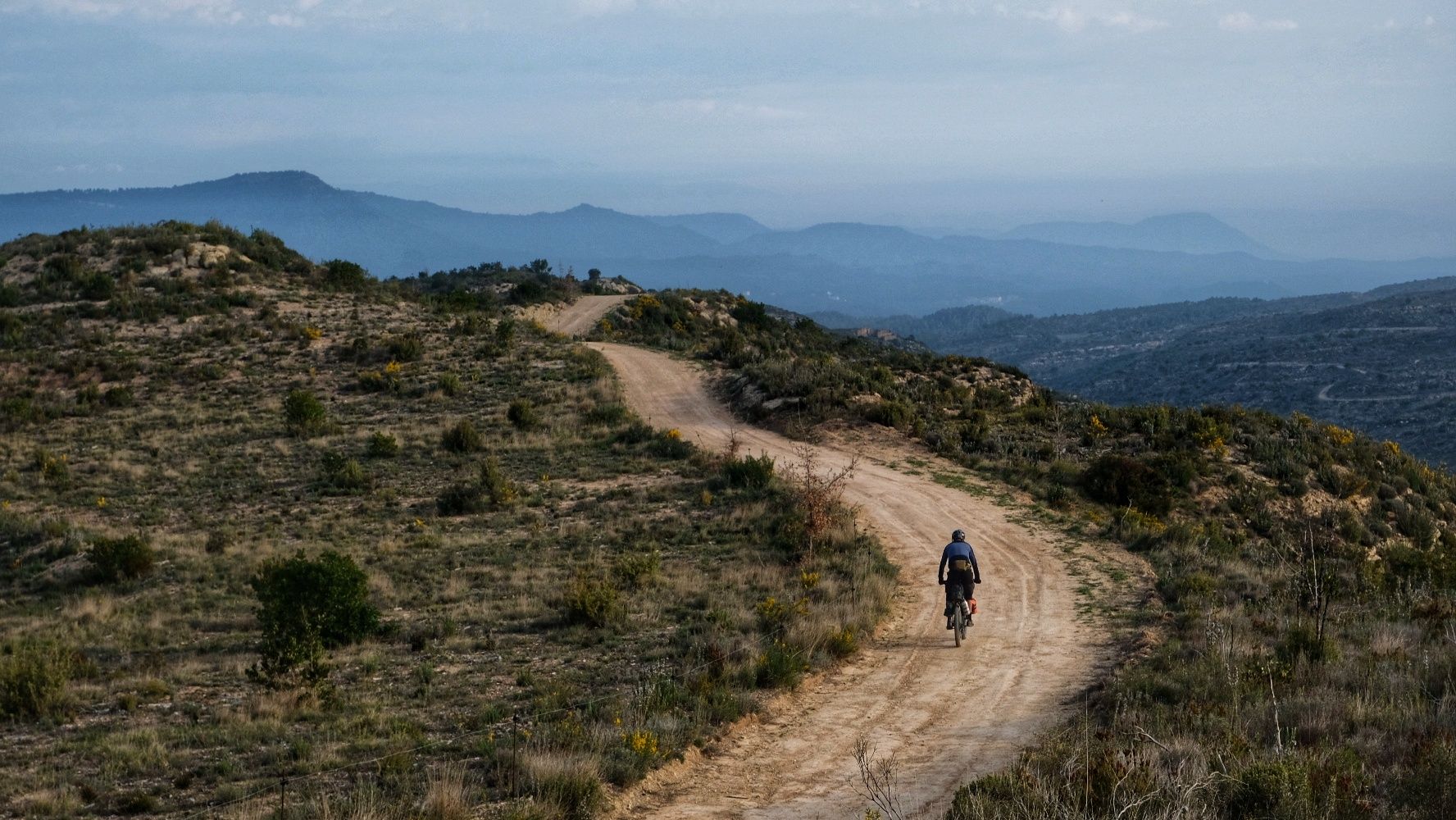
European Divide Trail — 7,600 km across the continent
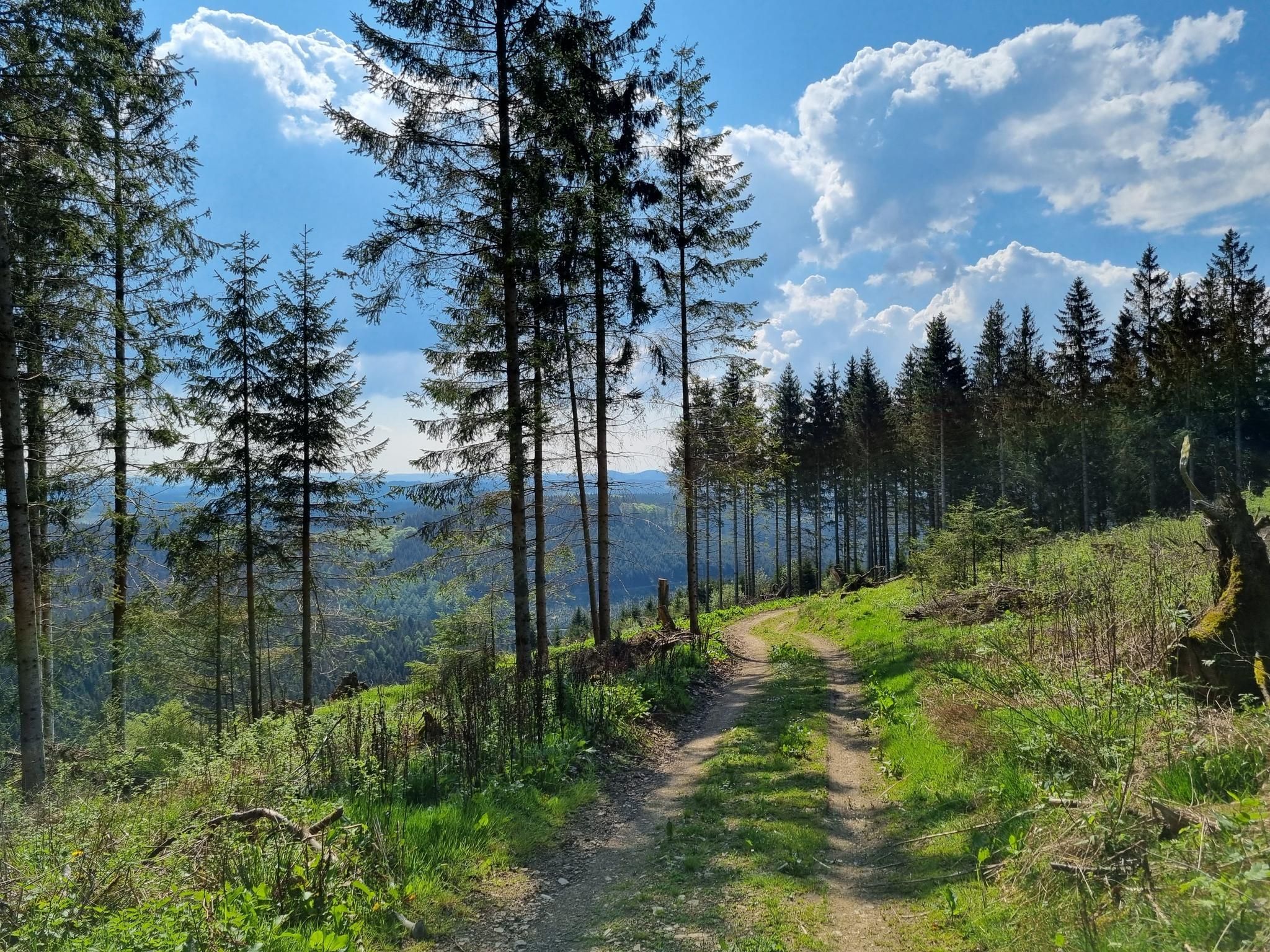
Ehmsenweg – Hiking through Western Sauerland
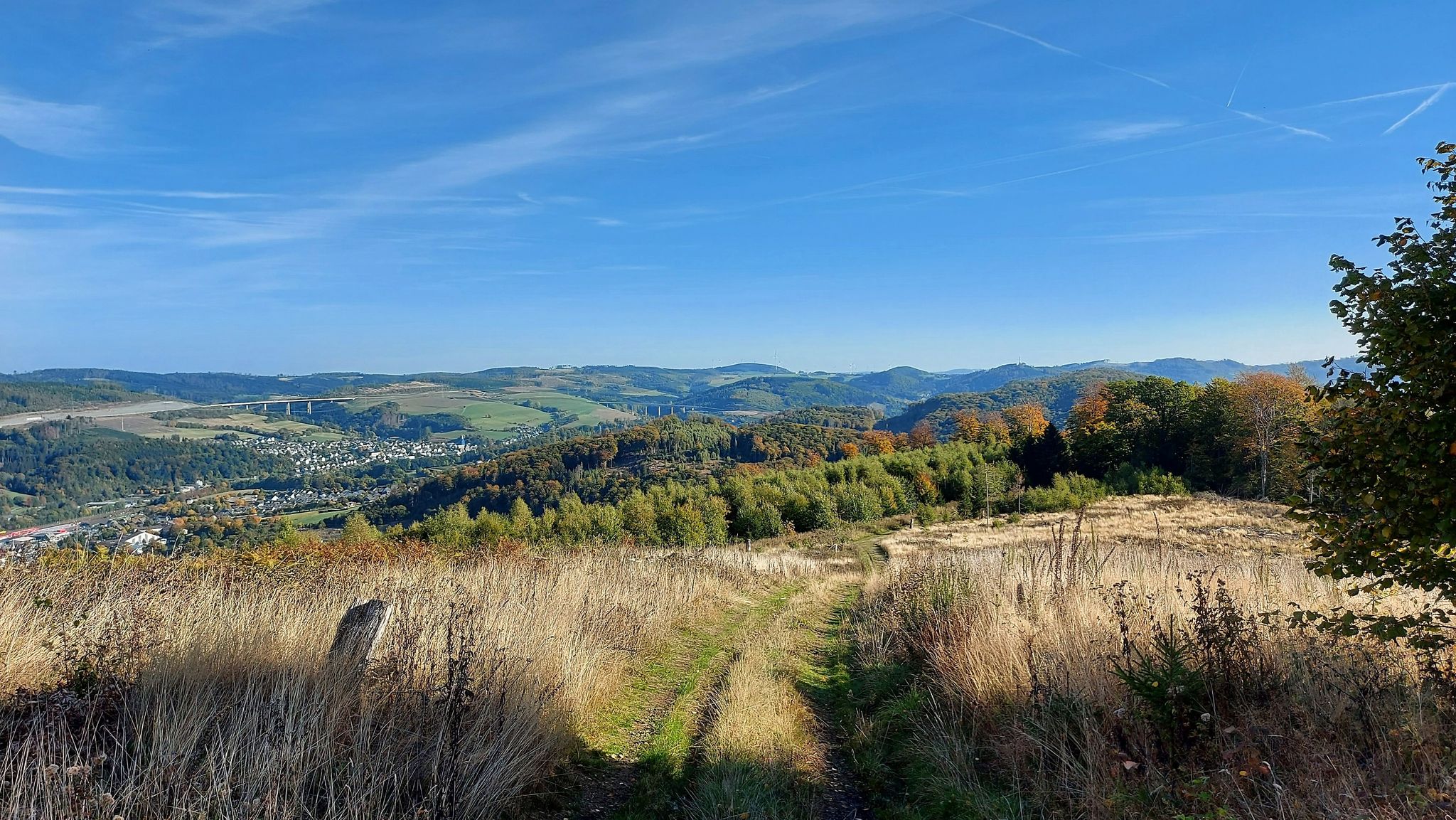
Bestwig Panorama Trail – 4 days of Sauerland views
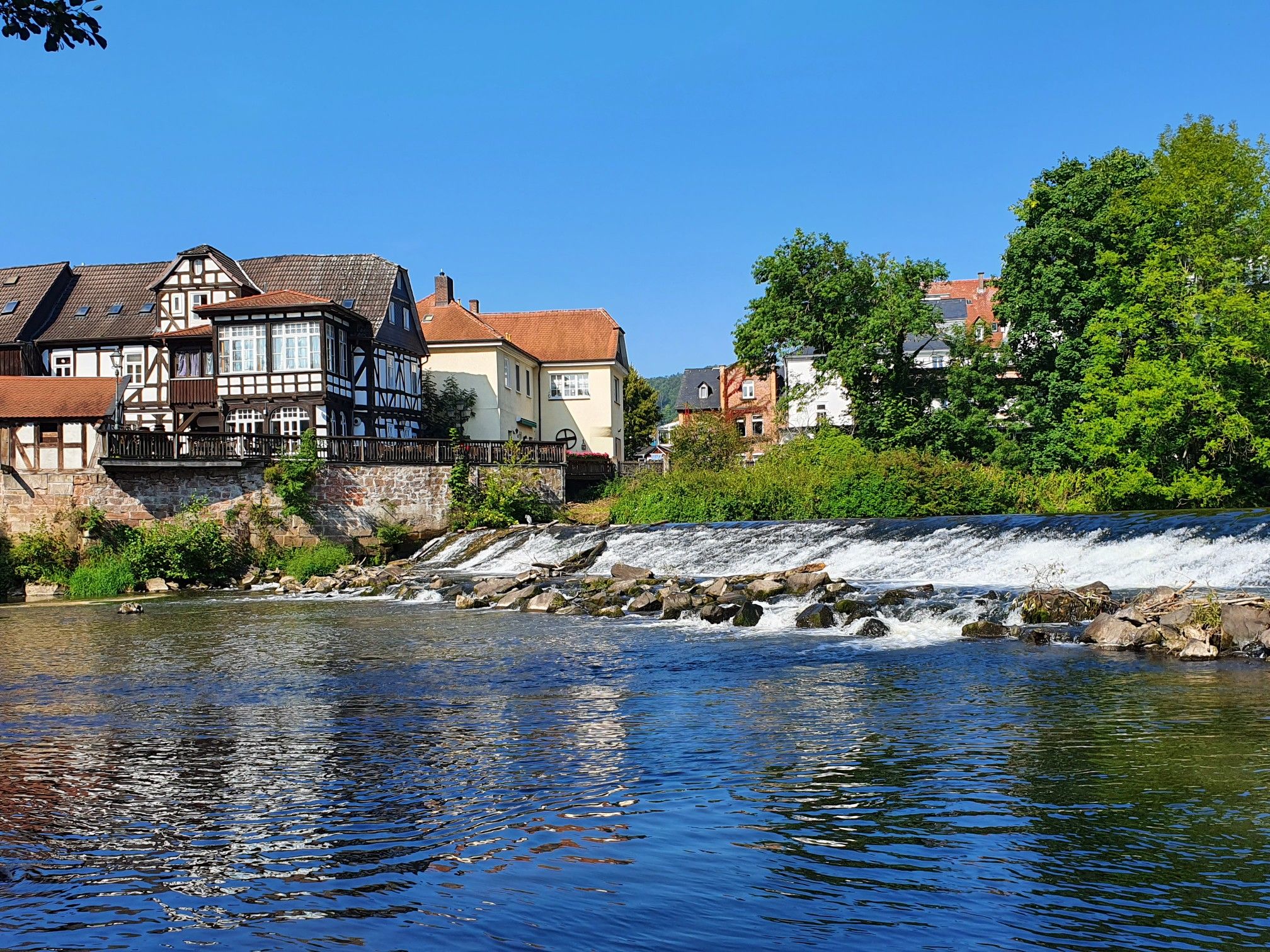
11 Hessen trails – criss-cross through the countryside
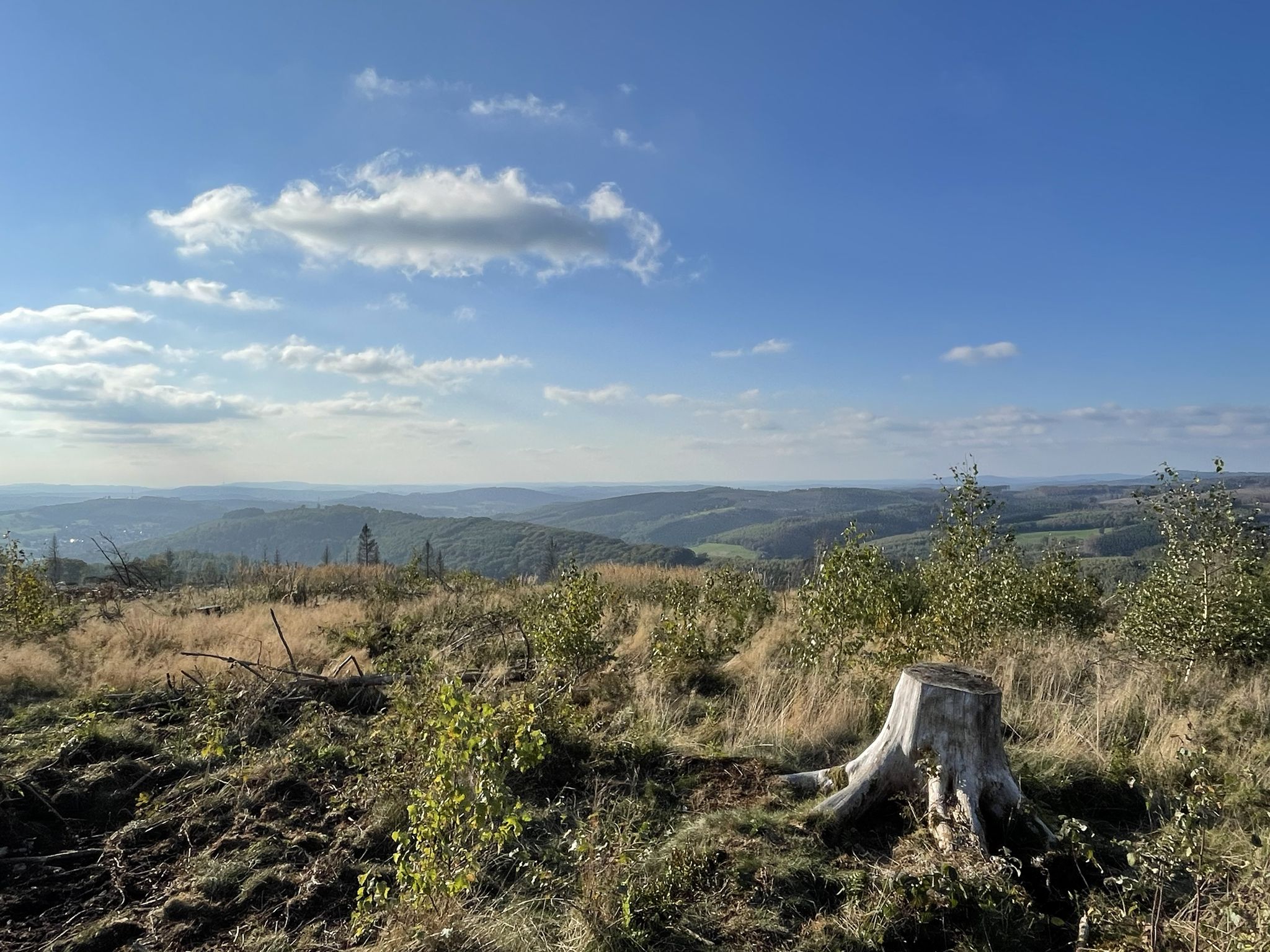
Siegerland-Höhenring – A classic in six stages
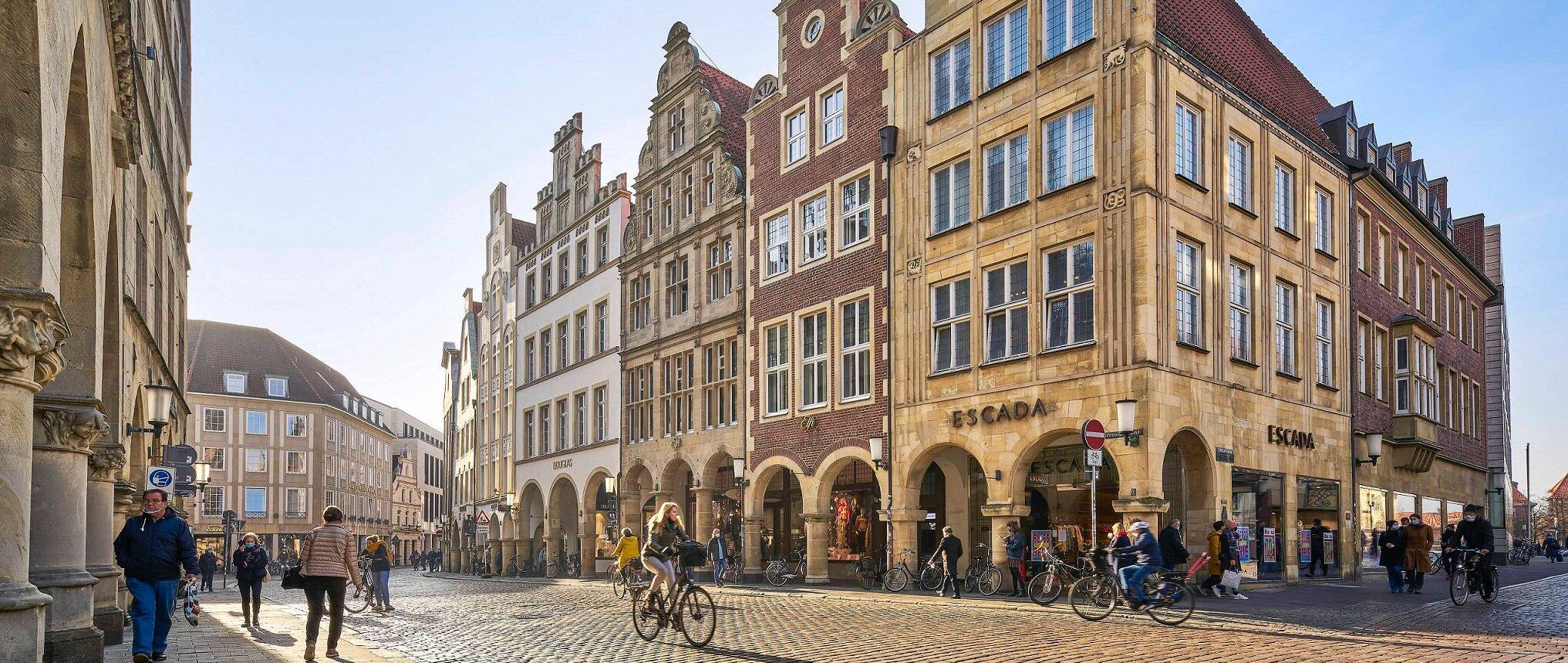
Germany's Westphalian City Tour — linking historic town centres
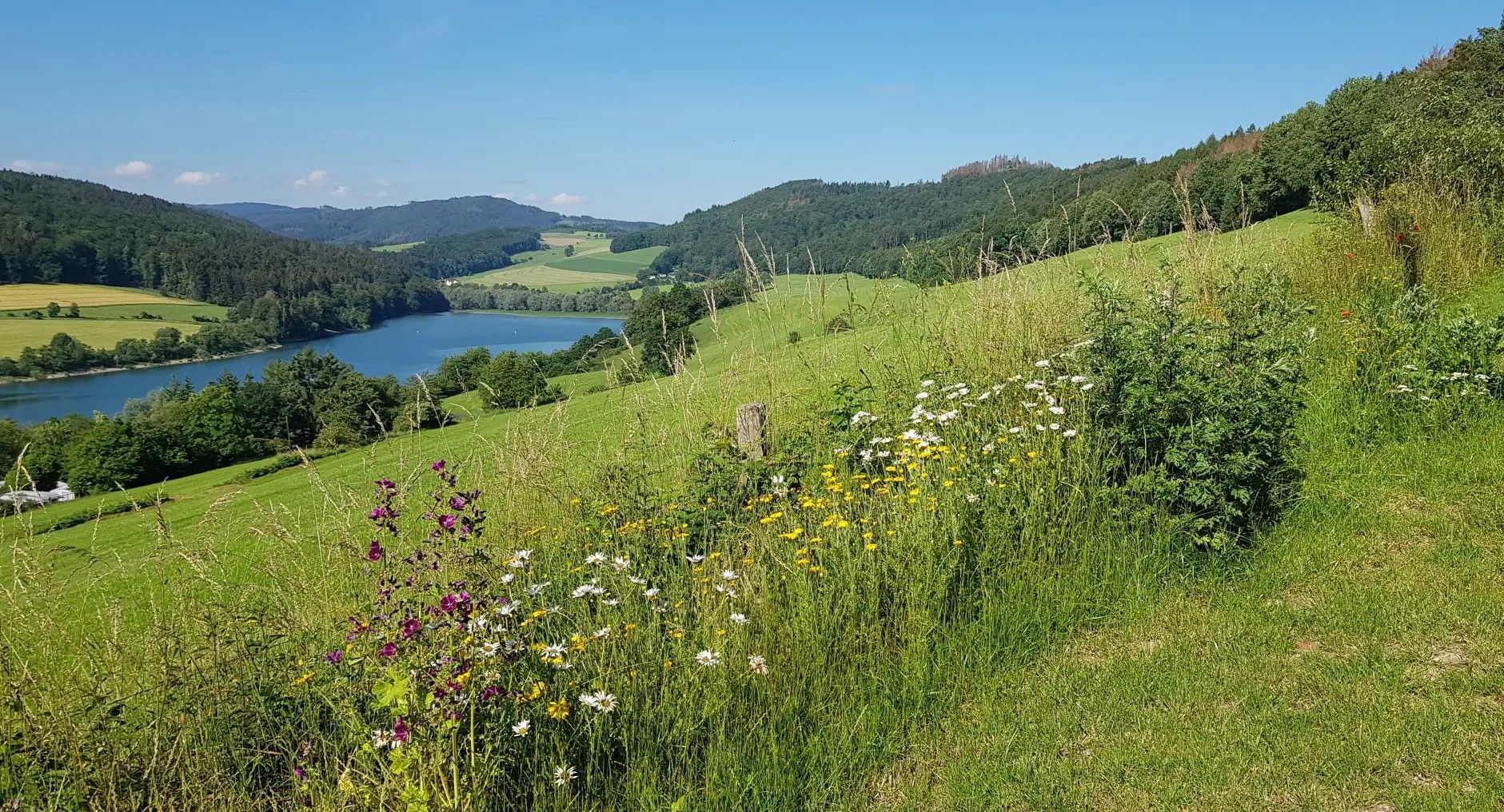
Germany's Sauerland Forest Route – Views and discoveries
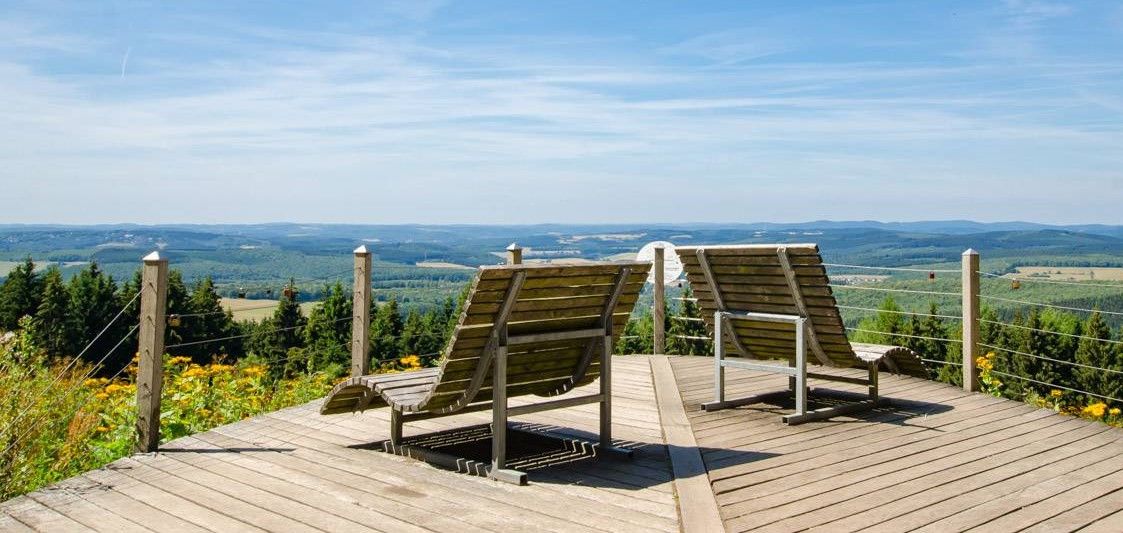
Siegerland-Höhenring – Discover a classic in 6 days
Römer‑Lippe Route – Water and history – 6 days
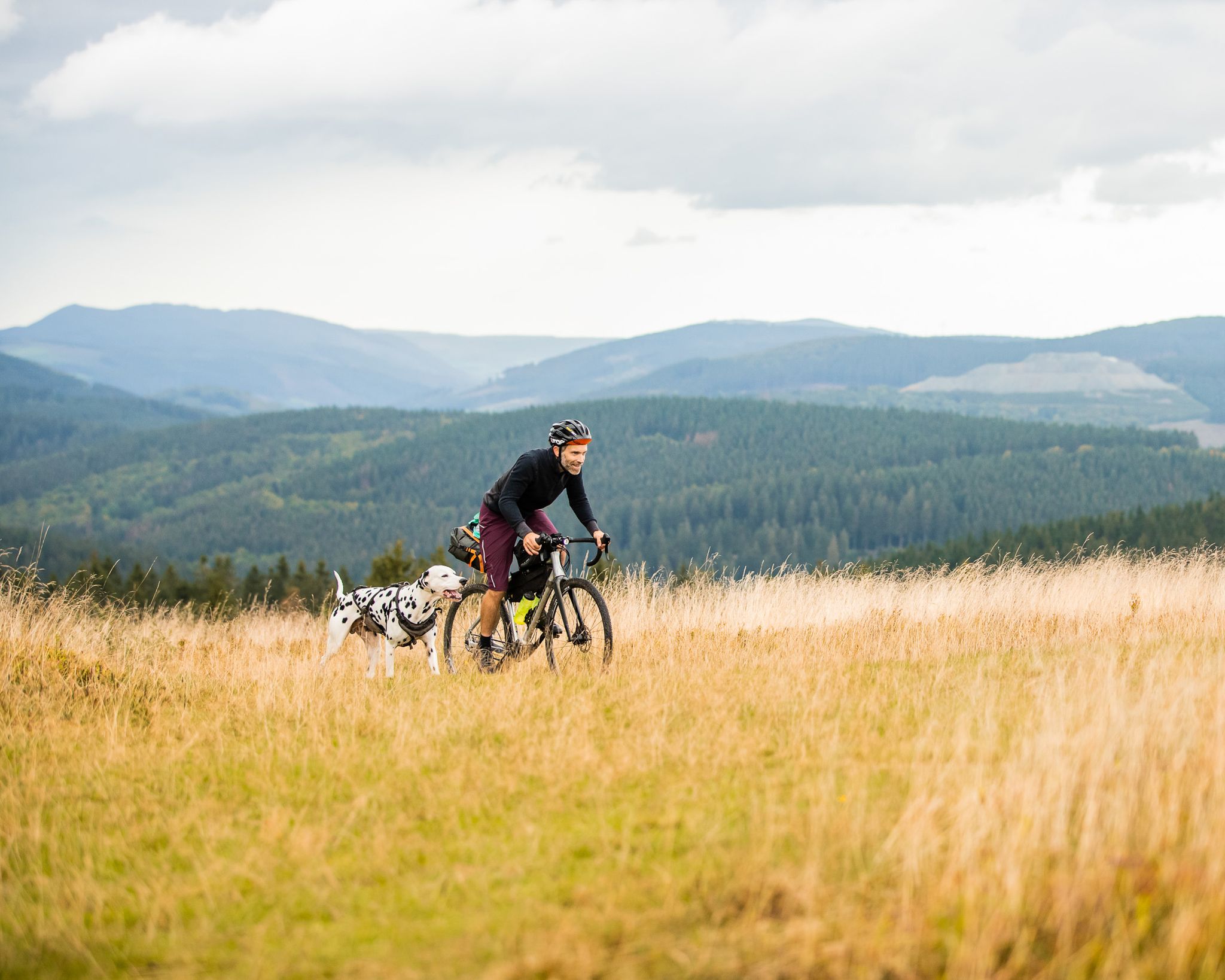
A fantastic adventure in Germany's Sauerland — bikepacking with a dog
Other adventures in the Sauerland


Tips from the Community

The Balver Kulturhöhle impresses right from the first step: a gigantic natural dome, up to eleven meters high, which has been used since the Old Stone Age and is today considered an extraordinary event venue. Where Neanderthals and cave bears once found shelter, you can now experience concerts, theater, and the traditional Schützenfest (marksmen's festival) in an acoustics that is second to none. The cave is only accessible as part of events or guided tours, but a glance at the mighty entrance is enough to reveal why it fascinates as Europe's largest open hall cave. https://www.sauerland.com/de/neusta-pois/balver-hoehle-europas-groesste-kulturhoehle
2
0

The cave can be entered as already described, but can also be left through a low passage on the side!
0
0

Very interesting rock formations to see
0
0

Large cultural cave with a restaurant right next door. The cave is said to have great acoustics. Unfortunately it was closed when we were there.
2
0

The Hohle Stein invites you to take a rest.
0
0

It is not the small opening on the right side of the path. The actual cave can be reached via a small path to the top right.
0
0

Short (paid) tours depending on demand, at least every 45 minutes, lots of explanations - not just about stalagmites, stalactites and stalagnates, but about the entire formation and previous cave. Dogs are also allowed on a leash, just note that there are a few stairs. PS: Sorry, guys, but did you understand that the highlight is called "BilsteinHÖHLE" and not "Tierpark" or "Bilsteinfelsen"? It would be nice if the photos were uploaded accordingly!
7
0

Frequently Asked Questions
What are some of the most impressive natural features found in the Sauerland caves?
The Sauerland caves are renowned for their stunning geological formations. For instance, the Dechenhöhle boasts impressive stalactites and stalagmites, including the
Are there family-friendly caves to visit in the Sauerland?
Yes, several caves in the Sauerland are excellent for families. The Bilstein Cave, located within the Bilsteintal wildlife park, offers guided tours and is part of a larger family-friendly excursion that includes a wildlife park and forest playground. The Dechenhöhle also hosts various family programs and events during school holidays.
What kind of historical significance do the caves in Sauerland hold?
Many caves in the Sauerland have significant historical and archaeological importance. The Hollow Stone served as a shelter for Stone Age inhabitants about 10,000 years ago, with archaeological finds from the late Paleolithic to the pre-Roman Iron Age. The Heinrichshöhle is particularly famous for the thousands of Ice Age animal bones discovered within it, offering insights into prehistoric life.
What outdoor activities can I do near the caves in the Sauerland?
The Sauerland region offers a variety of outdoor activities near its caves. You can find numerous hiking trails, such as the Hönne Trail near Balve, or explore running routes like the Sorpe Valley Trail. For those interested in cycling, there are gravel biking routes like 'The Ebbemoore in the Sauerland from Attendorn'. You can find more details on these activities in the Hiking in the Sauerland, Running Trails in the Sauerland, and Gravel biking in the Sauerland guides.
Are there any caves in the Sauerland that are known for cultural events?
Yes, the Balver Höhle is notable as one of Europe's largest semi-open cultural caves. Its immense size and unique acoustics make it a sought-after venue for concerts and other cultural events. Visitors can experience this cave during scheduled events or by appointment.
What should I wear when visiting caves in the Sauerland?
Caves maintain a consistently cool temperature year-round, typically around 8-10°C (46-50°F), regardless of the outside weather. It's advisable to wear warm clothing, such as a jacket or sweater, and comfortable, sturdy shoes with good grip, as paths can sometimes be damp or uneven.
How long does a typical tour of a Sauerland cave last?
The duration of a cave tour can vary. For example, a guided tour through the Dechenhöhle typically lasts about 45 minutes. Other caves, like the Bilstein Cave, also offer guided tours of similar length, while some, like the Feldhof Cave, are freely accessible for self-exploration, requiring only a flashlight.
Are there any caves in the Sauerland that are freely accessible without a guided tour?
Yes, the Feldhof Cave is freely accessible. It features a large main hall and various side arms. Visitors should bring a flashlight to explore its depths. The Hollow Stone is also an open cave that you can enter and explore.
What is the best time of year to visit the caves in the Sauerland?
Most show caves in the Sauerland are open during the warmer months, typically from spring to autumn. However, some, like the Dechenhöhle, offer special events and tours during winter, including Christmas tours. It's always best to check the specific cave's opening hours before planning your visit, as some may have seasonal closures or reduced hours.
Are there any amenities like cafes or restaurants near the caves?
Yes, some caves have amenities nearby. For instance, the Bilstein Cave is part of the Bilsteintal wildlife park, which includes an inn. The Dechenhöhle also has a German Cave Museum nearby, and there are often cafes and restaurants in the surrounding towns. The Sülberg Deele is another option for refreshments in the region.
What makes the Atta-Höhle a unique cave experience in the Sauerland?
The Atta-Höhle in Attendorn is renowned as Germany's largest interconnected cave system and is often considered one of the most beautiful. Its sheer size and the abundance of colorful dripstone formations, which have attracted over 40 million visitors, make it a prime example of a natural underground wonder.
Can I find any less-known or 'hidden' caves in the Sauerland?
While many prominent caves are well-known, the Sauerland region has numerous smaller or less-frequented cave systems. For example, the Haake Cave and the Draken Caves near Obermarsberg offer opportunities for exploration beyond the main tourist attractions. Always exercise caution and respect natural environments when exploring less-known areas.
Most popular routes in the Sauerland
Most popular attractions in the Sauerland

Get inspired with the komoot mobile app


Explore more
Extend your search for the best caves by checking out these guides of the top ones in the Sauerland:
