Top 20 Natural Monuments in the Elbe Sandstone Mountains
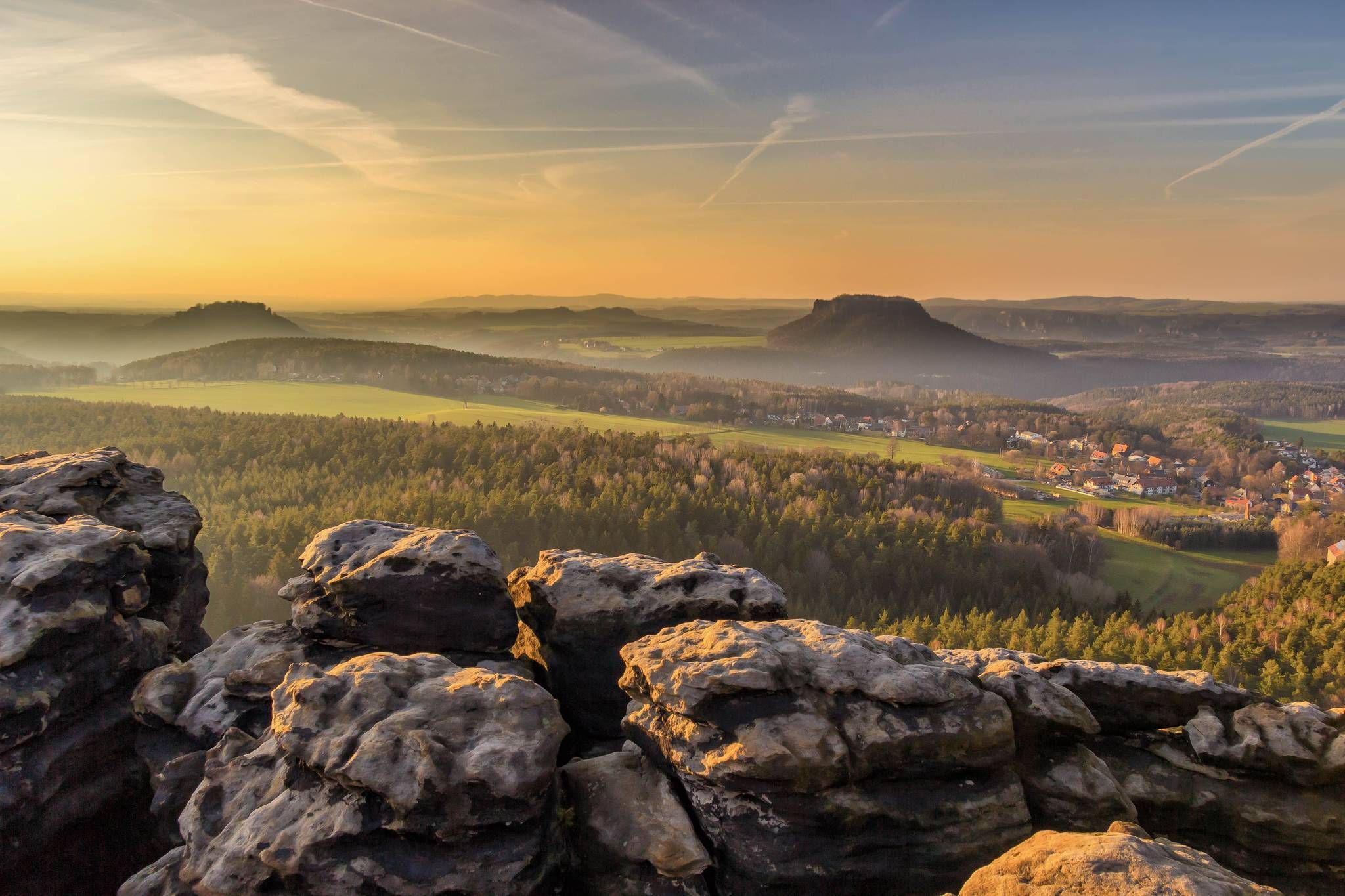
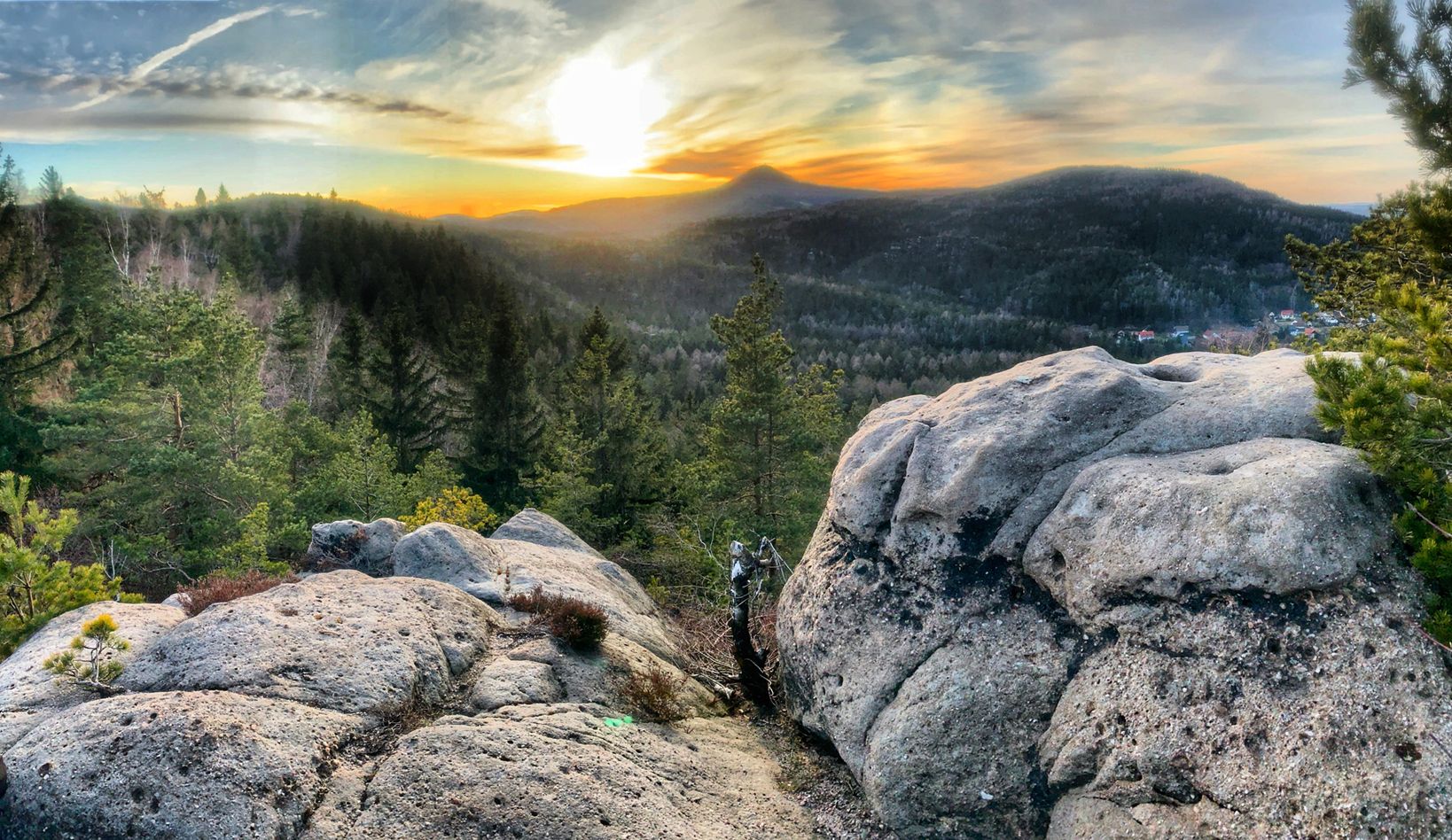
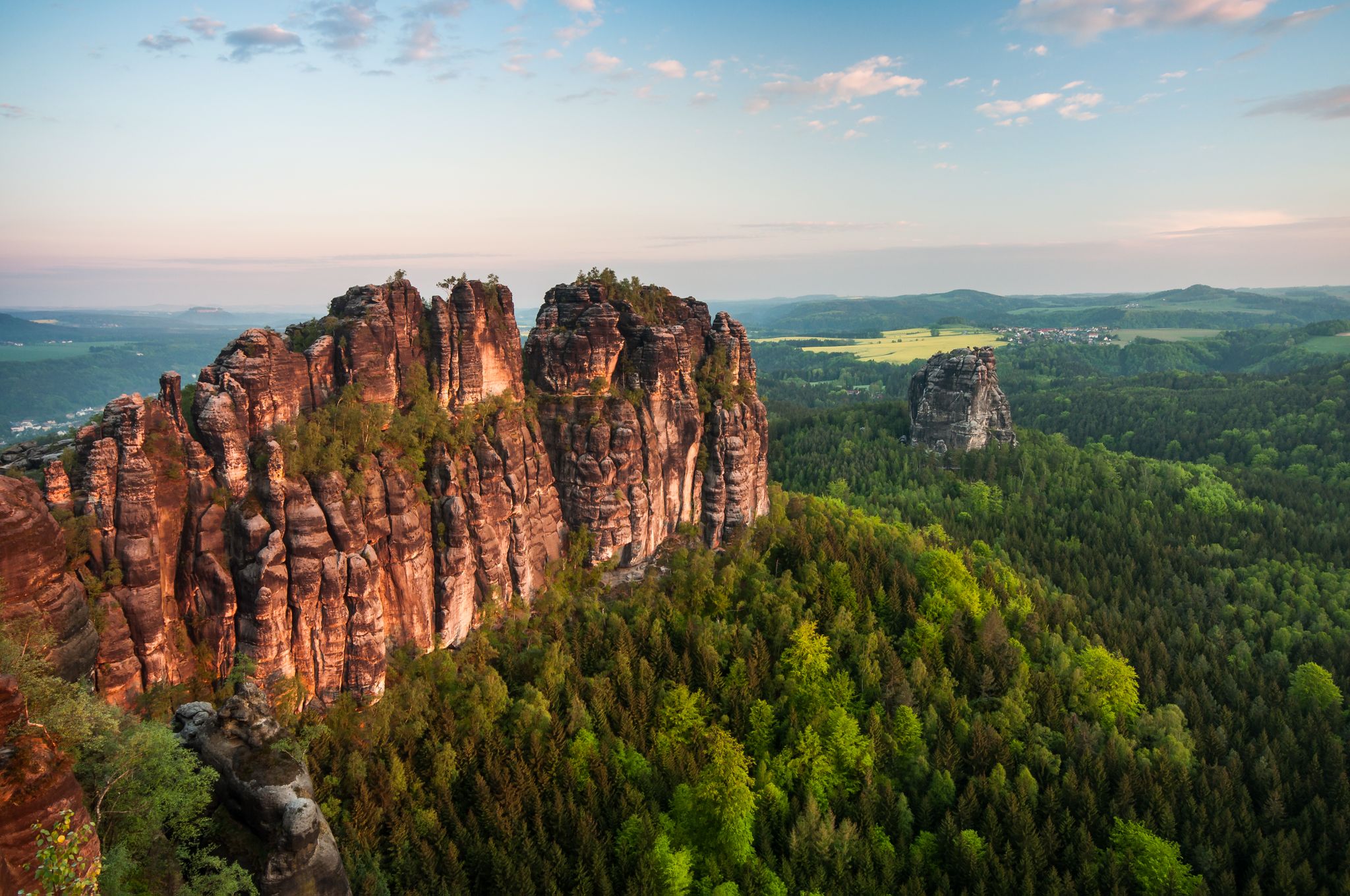
Best natural monuments in the Elbe Sandstone Mountains feature unique sandstone formations shaped by millions of years of erosion. This low mountain range, encompassing Saxon Switzerland and Bohemian Switzerland, is characterized by towering, fissured rocks, forests, and the Elbe River. The region offers a diverse landscape of gorges, table mountains, and rocky areas. These geological features are protected within national parks, preserving their distinct natural beauty.
Best natural monuments in the Elbe Sandstone Mountains
- The most popular natural monuments is…
Last updated: May 13, 2026
Bastei Bridge
Highlight • Bridge
Translated by Google •
Tip by

View of the Bastei Bridge from Ferdinandstein
Highlight • Viewpoint
Translated by Google •
Tip by

Sign up now to discover places like this
Get recommendations on the best single tracks, peaks, & plenty of other exciting outdoor places.
Sign up for free
Schwedenlöcher
Highlight (Segment) • Gorge
Translated by Google •
Tip by
Felsenburg Neurathen (closed due to dilapidation)
Highlight • Castle
Translated by Google •
Tip by

Bastei Viewpoint
Highlight • Viewpoint
Translated by Google •
Tip by

Schrammstein Viewpoint
Highlight • Viewpoint
Translated by Google •
Tip by
Schrammtor in the Saxon Switzerland National Park
Highlight • Gorge
Translated by Google •
Tip by

Kuhstall Rock Arch
Highlight • Natural Monument
Translated by Google •
Tip by

Himmelsleiter Stairway (Saxon Switzerland National Park)
Highlight (Segment) • Trail
Translated by Google •
Tip by
Carolafelsen
Highlight • Viewpoint
Translated by Google •
Tip by

Sign up for free to discover even more natural monuments in the Elbe Sandstone Mountains.
Sign up for free
Already have an account?
Start today with a free account
Your next adventure awaits.
Login or Signup
Popular around Elbe Sandstone Mountains
Forststeig – 7 days in the wild, remote sandstone mountains
Mountains, heaths & lakes – hiking in Lusatia
Malerweg — following the trails of the artists in Saxon Switzerland
Elbe and Vltava cycle paths – From Dresden to Prague
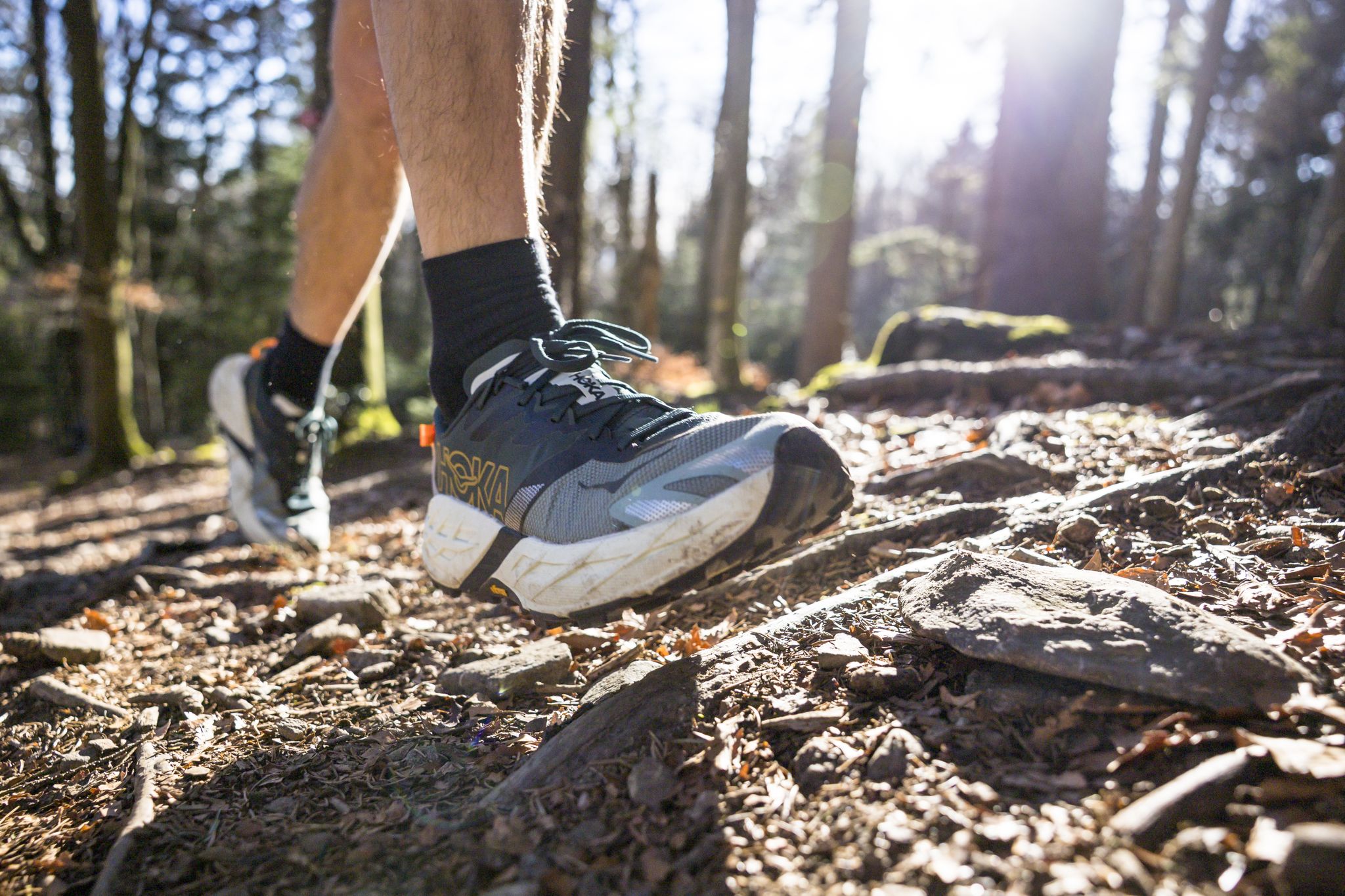
Run Wilder – six trail runs in Germany with the HOKA Speedgoat 7
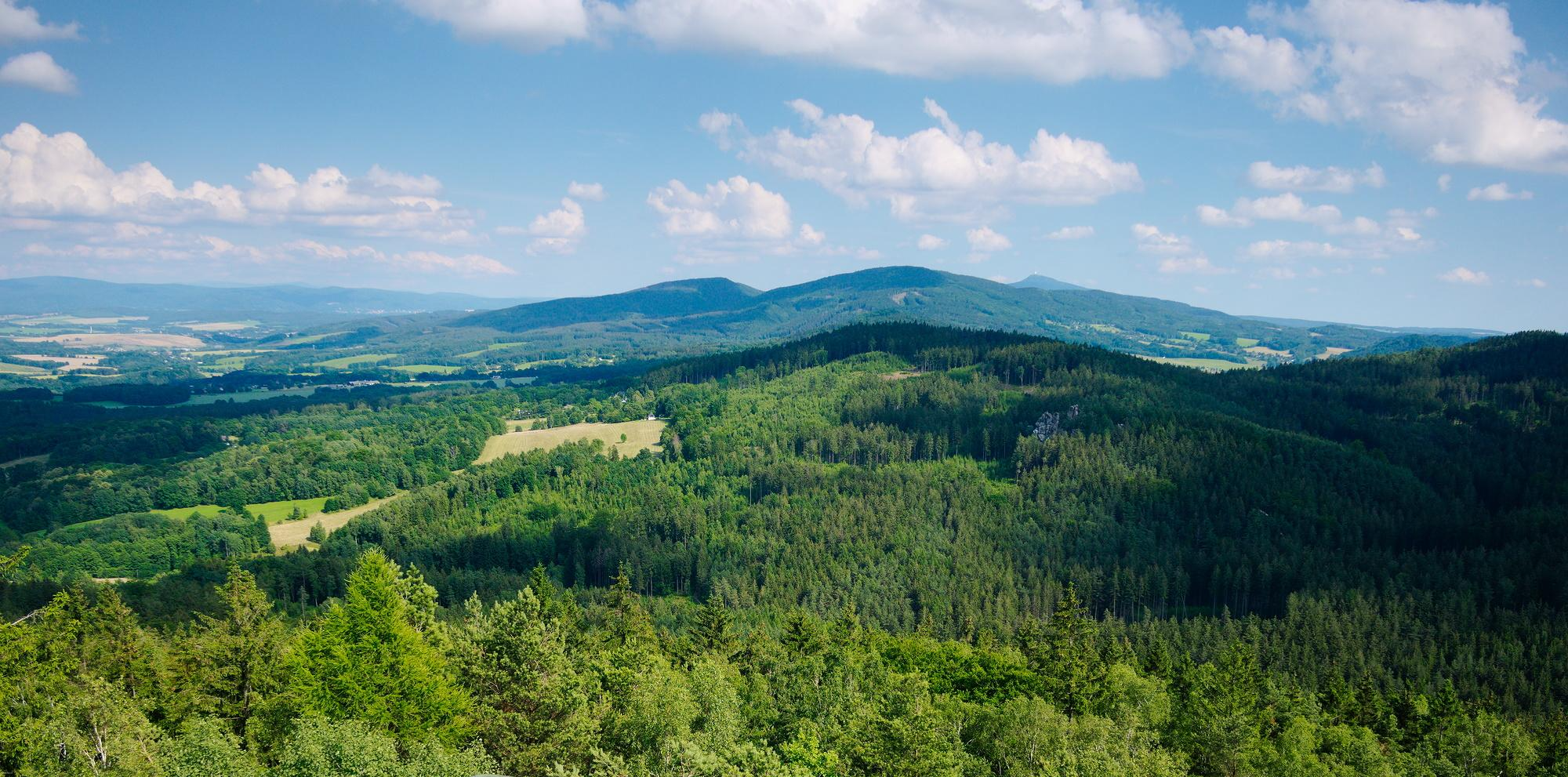
The National Natural Landscapes in Saxony
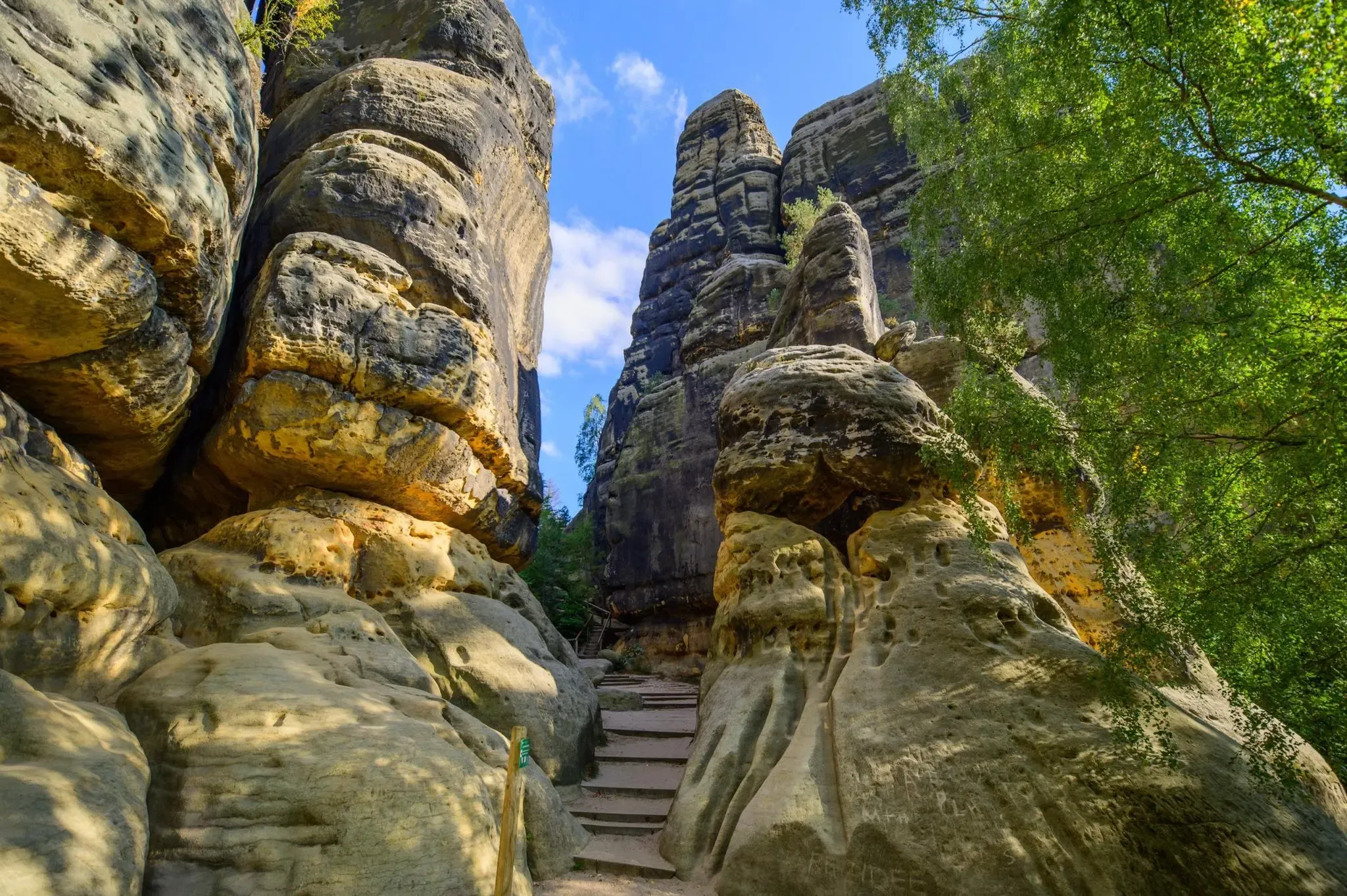
Malerweg – Trail running in Germany's dramatic Saxon Switzerland area
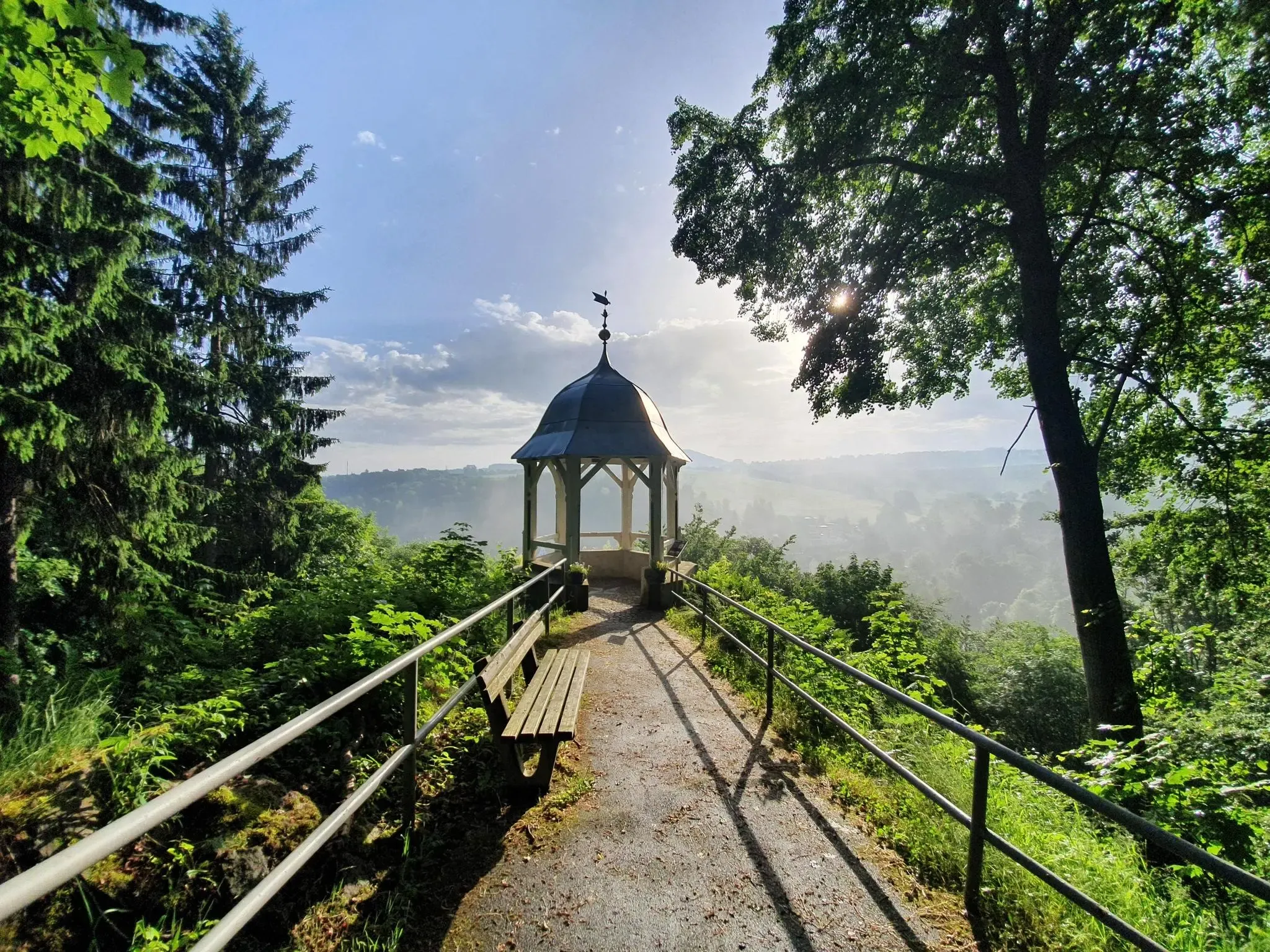
#GoFurther – discover the views of Germany!
Komáří hůrka – bikepacking from Berlin to the Eastern Ore Mountains
National Park Region Saxon Switzerland: Hiking Recommendations 2023
Other adventures in the Elbe Sandstone Mountains


Tips from the Community

A great vantage point over the Elbe valley and the rocky landscape.
19
0

Simply recommended, words cannot describe how beautiful it is there. You have a beautiful view of the Lorenzstein, the Winterstein and the Kleinen Winterberg as well as the Friesenstein. Go there and let yourself be overwhelmed by the impressions of the landscape.
7
0

Beautiful, but unfortunately extremely overcrowded. Therefore, it is definitely advisable to be there as early as possible. Around 9 a.m. the first streams of tourists arrive. The early bird catches the worm 😉.
19
1

Sensational views from several vantage points on the bastion
20
1

Great view Definitely worth a visit
18
1

The view from the bastion over the Elbe valley
18
1

Most beautiful view of the Elbe
18
1
The film is quickly filled with photos of the most beautiful view from the Bastei.
26
1
Frequently Asked Questions
What are the most popular natural monuments to visit in the Elbe Sandstone Mountains?
The Elbe Sandstone Mountains are home to many unique formations. Among the most popular are the iconic Bastei Bridge, which connects impressive sandstone pillars high above the Elbe River, and the rugged Schwedenlöcher gorge, known for its wild paths. Another highly-rated spot is the Schrammstein Viewpoint, offering extensive panoramic views of the surrounding rock formations and valleys.
Are there natural monuments in the Elbe Sandstone Mountains that are suitable for families?
Yes, several natural monuments are family-friendly. The Bastei Bridge area, including the nearby Neurathen rock castle, is generally accessible and offers impressive views without overly strenuous climbs. The Kuhstall Rock Arch is another great option, featuring a large natural arch and cave-like structures that children often find exciting. Many trails leading to these sites are suitable for families, though some sections may be intermediate.
What unique geological features can I expect to see in the Elbe Sandstone Mountains?
The region is renowned for its dramatic and unique sandstone formations. You'll encounter towering, fissured rocks, distinctive table mountains like Lilienstein and Pfaffenstein, and impressive natural arches such as Pravčická Brána in Bohemian Switzerland and the Kuhstall Rock Arch. These features were sculpted over millions of years by erosion from a former sea and subsequent natural forces.
What is the best time of year to visit the natural monuments in the Elbe Sandstone Mountains?
The Elbe Sandstone Mountains are beautiful year-round. From April to October, the weather is generally pleasant for hiking, though popular spots like the Bastei can be crowded. Visiting in the winter months can offer a more tranquil experience with fewer crowds and a mystical atmosphere, especially in fog. However, some paths might be slippery due to sand or ice, so appropriate footwear is essential.
Are there historical sites integrated with the natural monuments?
Yes, the region's natural monuments often have historical significance. For example, the Kuhstall Rock Arch served as a refuge during the Thirty Years' War. The Neurathen rock castle ruins are directly connected to the Bastei Bridge, offering a glimpse into medieval history amidst the natural landscape. The Schwedenlöcher gorge also earned its name from historical events during the Thirty Years' War.
What kind of outdoor activities can I do near these natural monuments?
The Elbe Sandstone Mountains offer a wide range of outdoor activities. Hiking is a primary attraction, with around 1200 km of marked trails. You can explore challenging routes around the Schrammsteine or enjoy easier walks. Cycling is also popular, with routes offering views of the table mountains. For more specific ideas, you can find detailed guides on waterfall hikes, cycling tours, and mountain hikes in the region.
Where can I find the best panoramic viewpoints of the Elbe Sandstone Mountains?
For breathtaking panoramic views, consider visiting the Bastei Viewpoint, which offers stunning vistas of the Elbe Valley. The Schrammstein Viewpoint provides extensive views of the rock formations and valleys. Additionally, the summit of Lilienstein, a distinctive table mountain, offers magnificent 360-degree panoramas of the entire region. The Carolafelsen is another excellent spot for impressive views.
Are there any challenging trails or climbs associated with the natural monuments?
Yes, for adventurous hikers and climbers, the Elbe Sandstone Mountains offer challenging routes. The Schrammsteine area, for instance, features towering, fissured cliffs with excellent climbing opportunities. The Himmelsleiter Stairway near the Kuhstall is a narrow, steep iron staircase leading through a gorge to a viewpoint, requiring courage and a head for heights. These trails often lead to spectacular vistas but can be demanding.
What do visitors enjoy most about the natural monuments in the Elbe Sandstone Mountains?
Visitors frequently praise the unique and awe-inspiring natural architecture of the sandstone formations, the breathtaking panoramic views, and the sense of adventure on the trails. Many find the wild and rugged paths, like those in the Schwedenlöcher, to be particularly exciting and almost fairytale-like. The blend of natural beauty with historical intrigue also captivates many explorers.
Are there less crowded alternatives to the most famous natural monuments?
While popular spots like the Bastei can get crowded, especially from April to October, exploring areas like the Schrammsteine in winter can offer a quieter experience. Additionally, seeking out less-trafficked trails or visiting during off-peak hours can provide a more serene encounter with the region's natural beauty. The Elbe Sandstone Mountains are vast, offering many hidden gems beyond the most well-known sites.
Can I bring my dog to the natural monuments and on trails in the Elbe Sandstone Mountains?
Many areas and trails in the Elbe Sandstone Mountains are dog-friendly, allowing you to explore with your canine companion. However, it's essential to keep dogs on a leash, especially within the national park areas, to protect wildlife and ensure the safety of other visitors. Always check specific regulations for individual trails or protected zones before your visit.
Most popular routes in the Elbe Sandstone Mountains
Most popular attractions in the Elbe Sandstone Mountains

Get inspired with the komoot mobile app


Explore more
Extend your search for the best caves by checking out these guides of the top ones in the Elbe Sandstone Mountains:
