Top 20 Caves in the Moselle Valley
Best caves in the Moselle Valley offers a diverse landscape characterized by its winding river, steep vineyards, and geological formations. This region, known for its viticulture, also features a mix of natural caves and extensive man-made underground systems. The area's geology includes sandstone formations and historical mining sites, providing varied subterranean experiences. Visitors can explore both ancient natural caverns and historic wine cellars.
Best caves in the Moselle Valley
- The most popular caves is Klausen Cave (Hermit's Cave), a…
Last updated: September 26, 2026
Genoveva Cave
Highlight • Cave
Translated by Google •
Tip by

Klausen Cave (Hermit's Cave)
Highlight • Cave
Showing Translation
Tip by

Sign up now to discover places like this
Get recommendations on the best single tracks, peaks, & plenty of other exciting outdoor places.
Slate Mining Tunnels on Strimmiger Berg
Highlight • Cave
Translated by Google •
Tip by

Theresia Ore Mine
Highlight • Historical Site
Translated by Google •
Tip by

Vaulted Cellars of Mont Royal Fortress
Highlight • Historical Site
Translated by Google •
Tip by

Sign up for free to discover even more caves in the Moselle Valley.
Already have an account?
Start today with a free account
Your next adventure awaits.
Popular around Moselle Valley
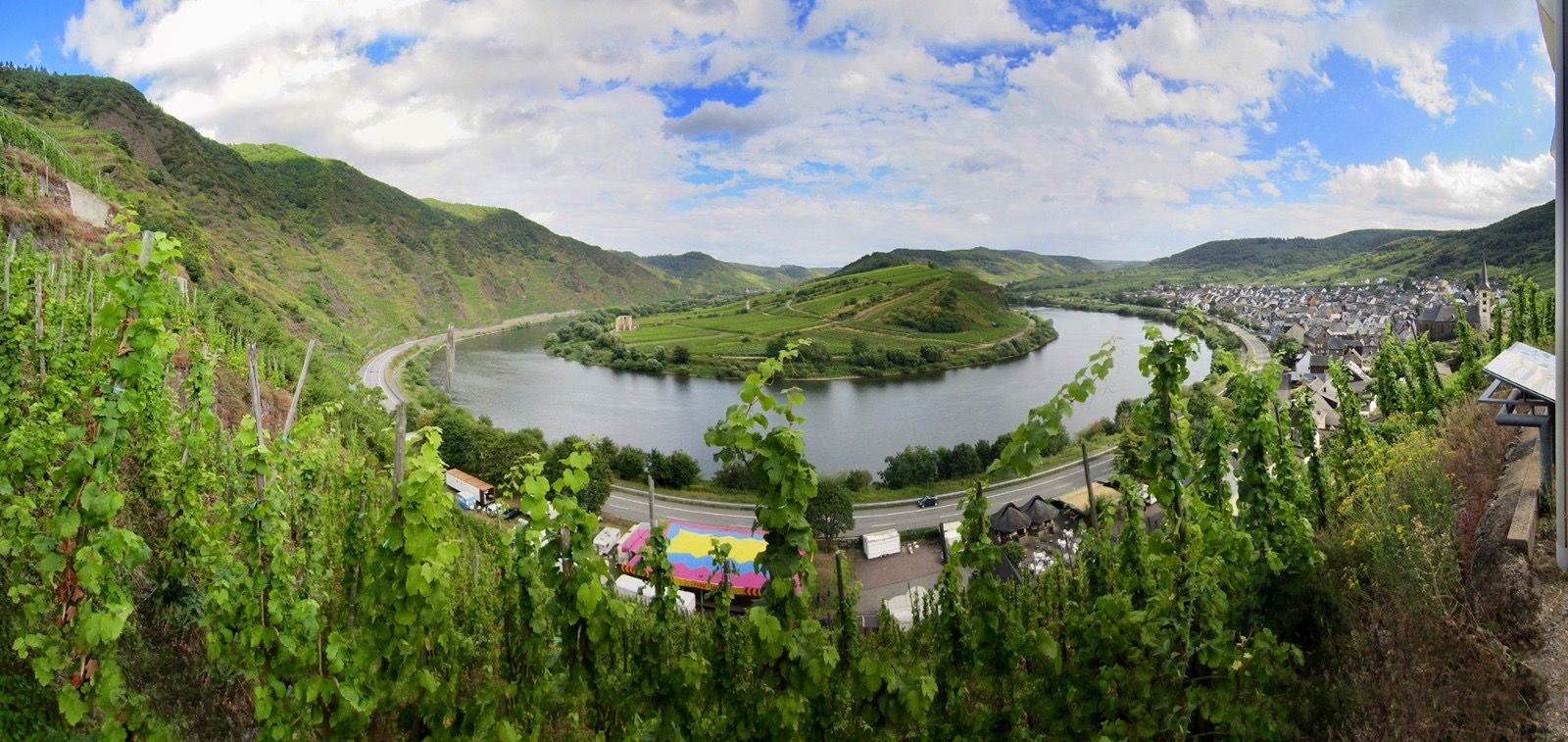
The Moselle cycle path — from the Vosges to the Rhine in 18 stages
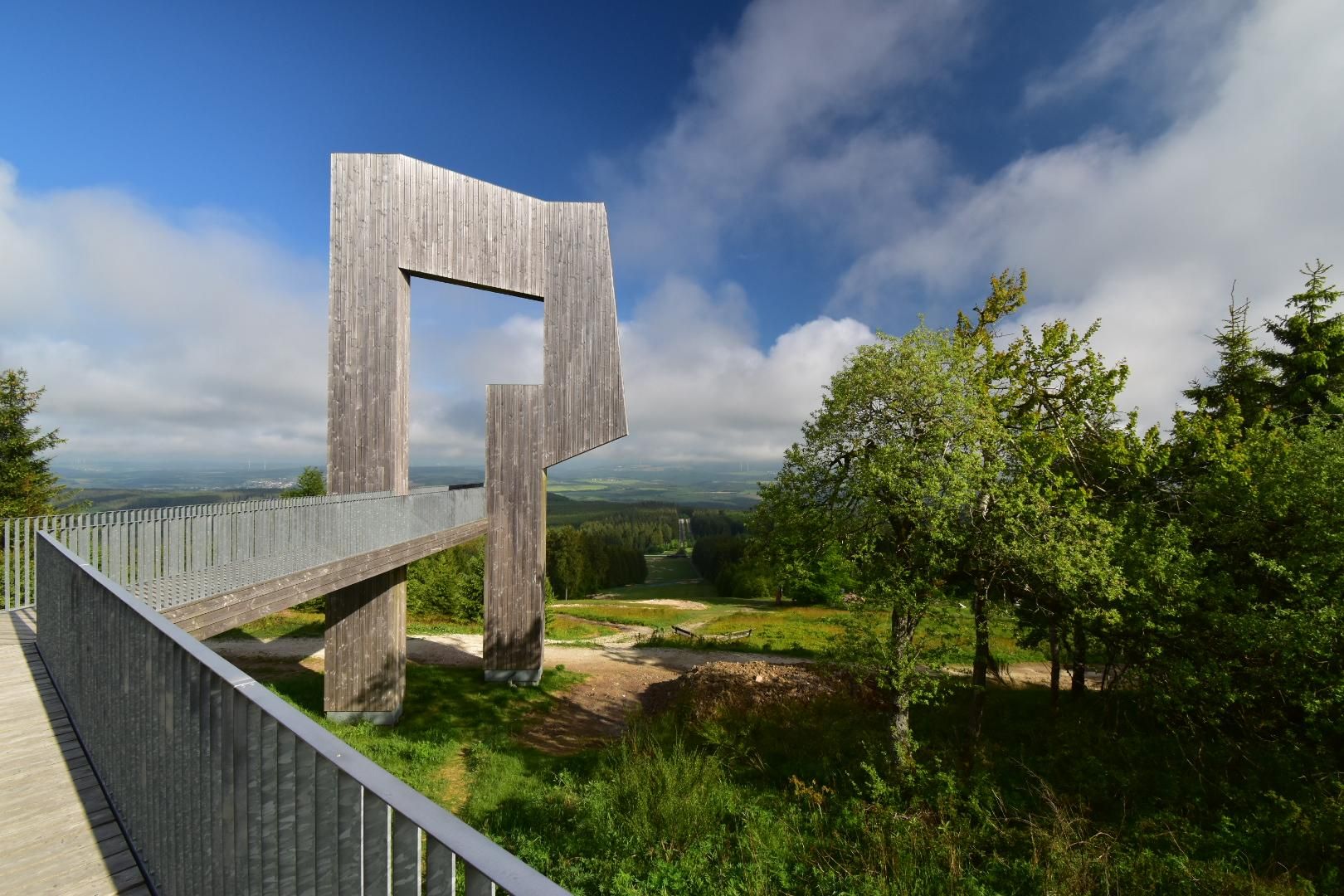
Saar-Hunsrück Climb – Hike in Germany where culture and nature meet
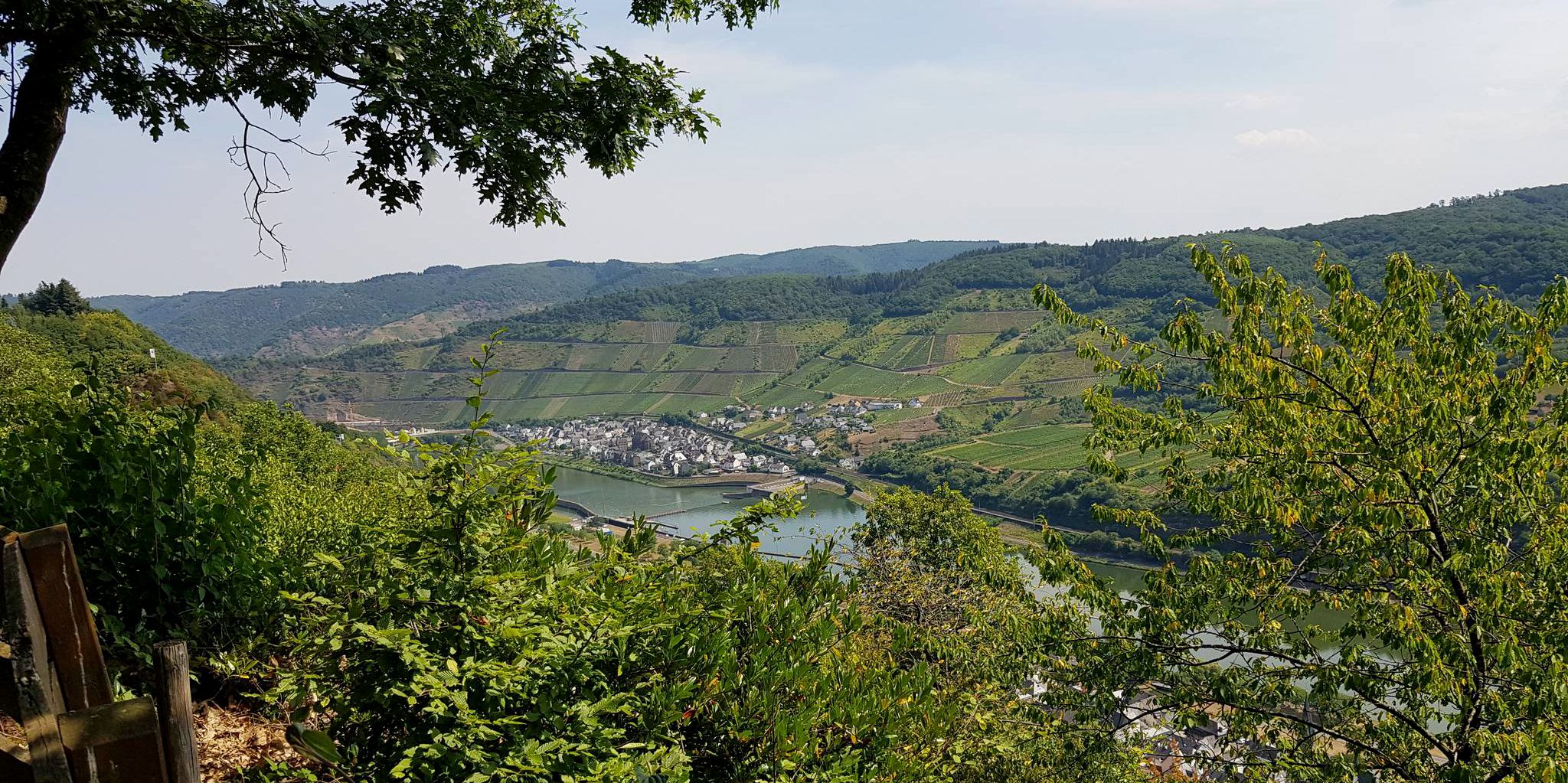
Moselcross — Riding from Trier to Koblenz
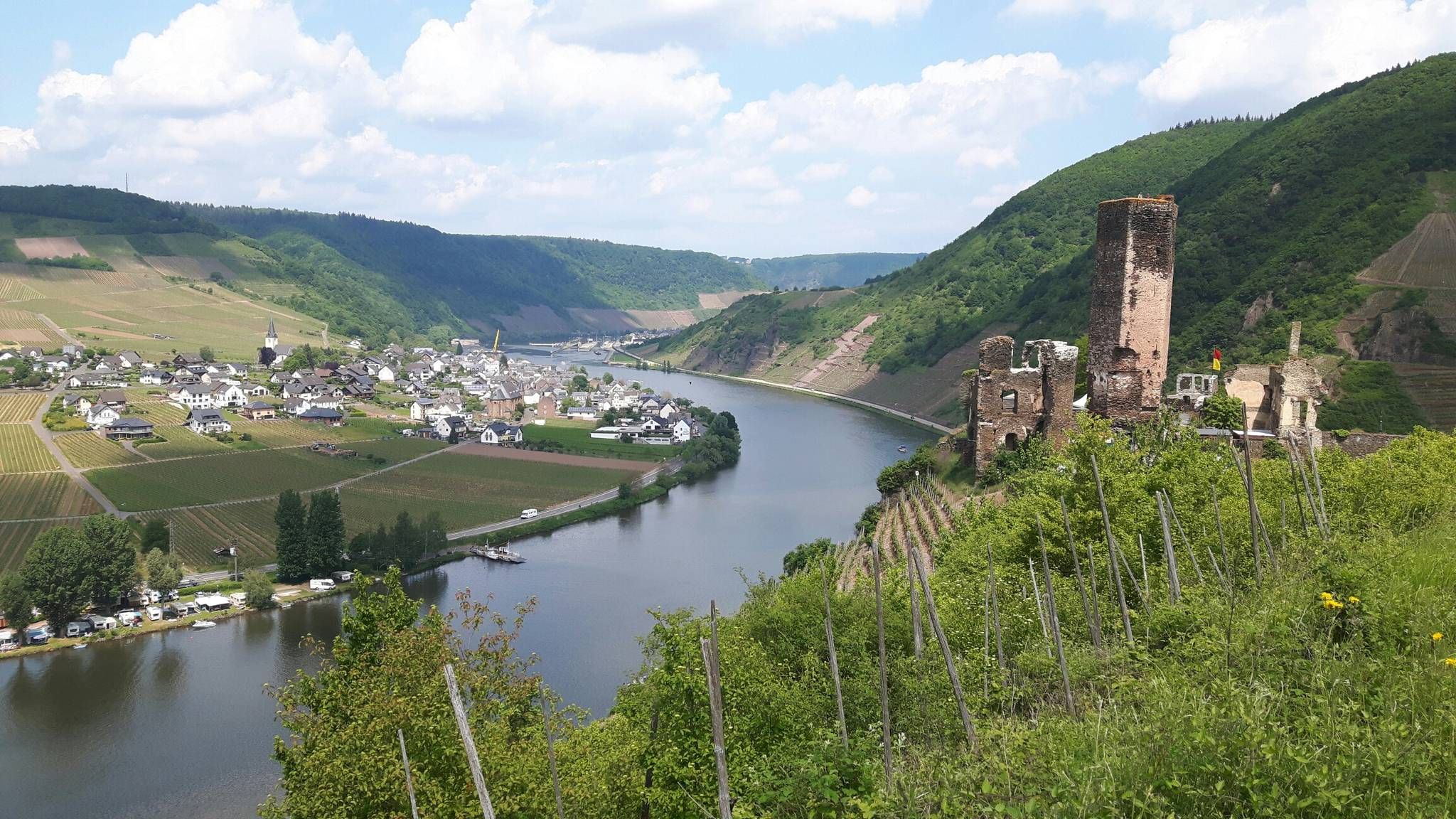
The Moselsteig trail – 24 stages along the sunny Moselle Valley
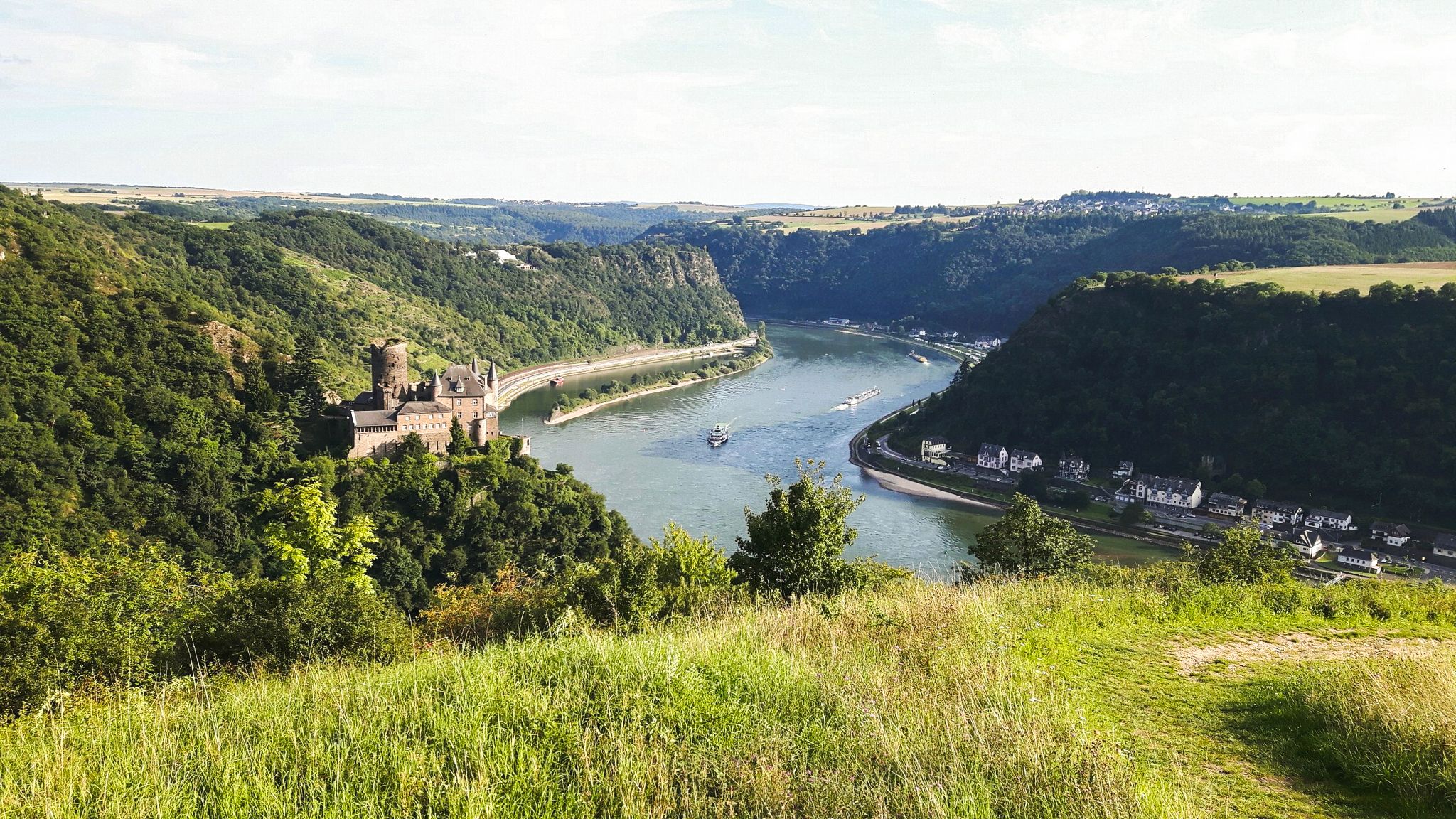
Rheinsteig Trail – The 21 stages along the Rhine
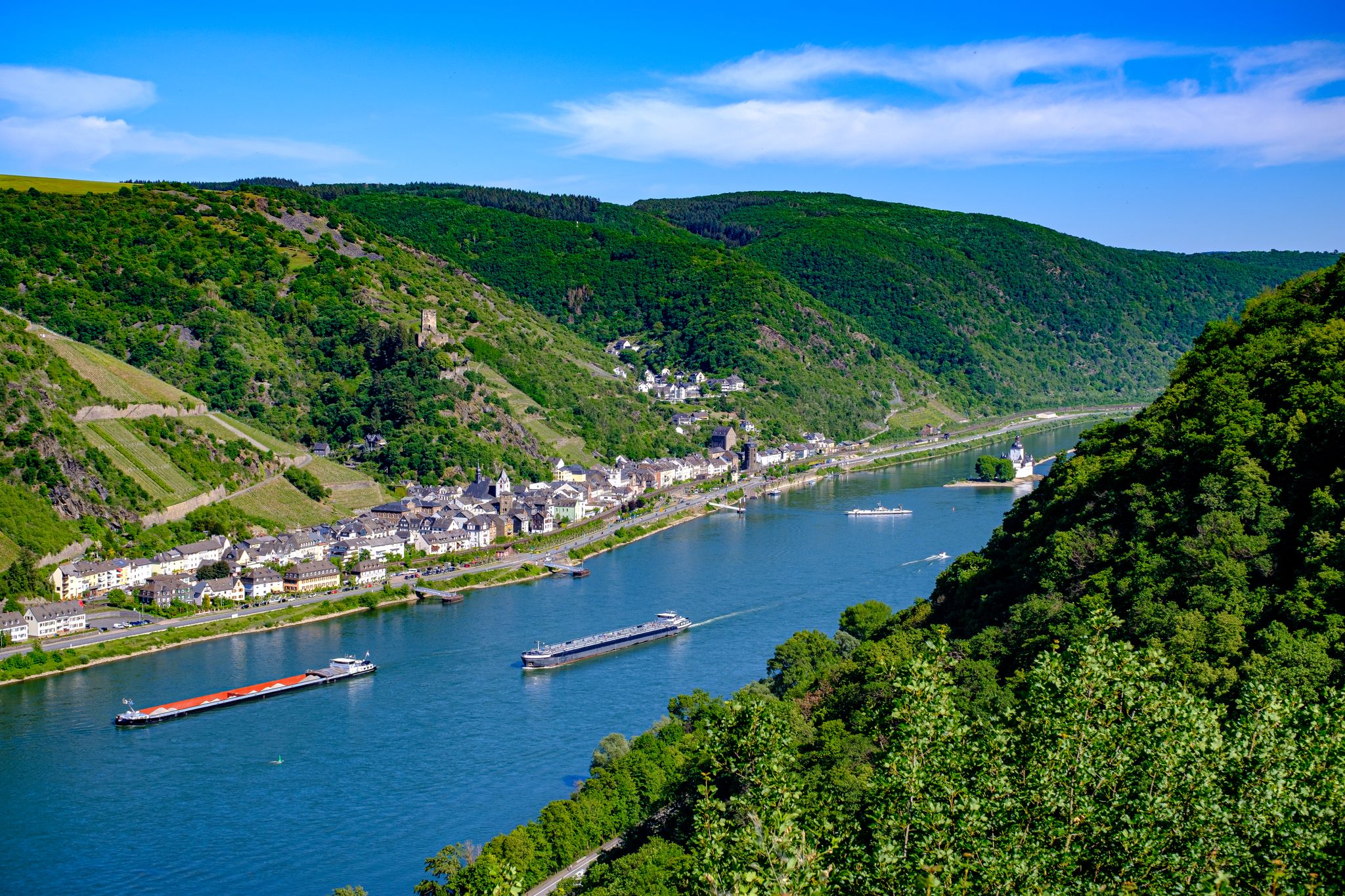
The Rhine Castle Trail – 13 stages of pure Rhine romanticism
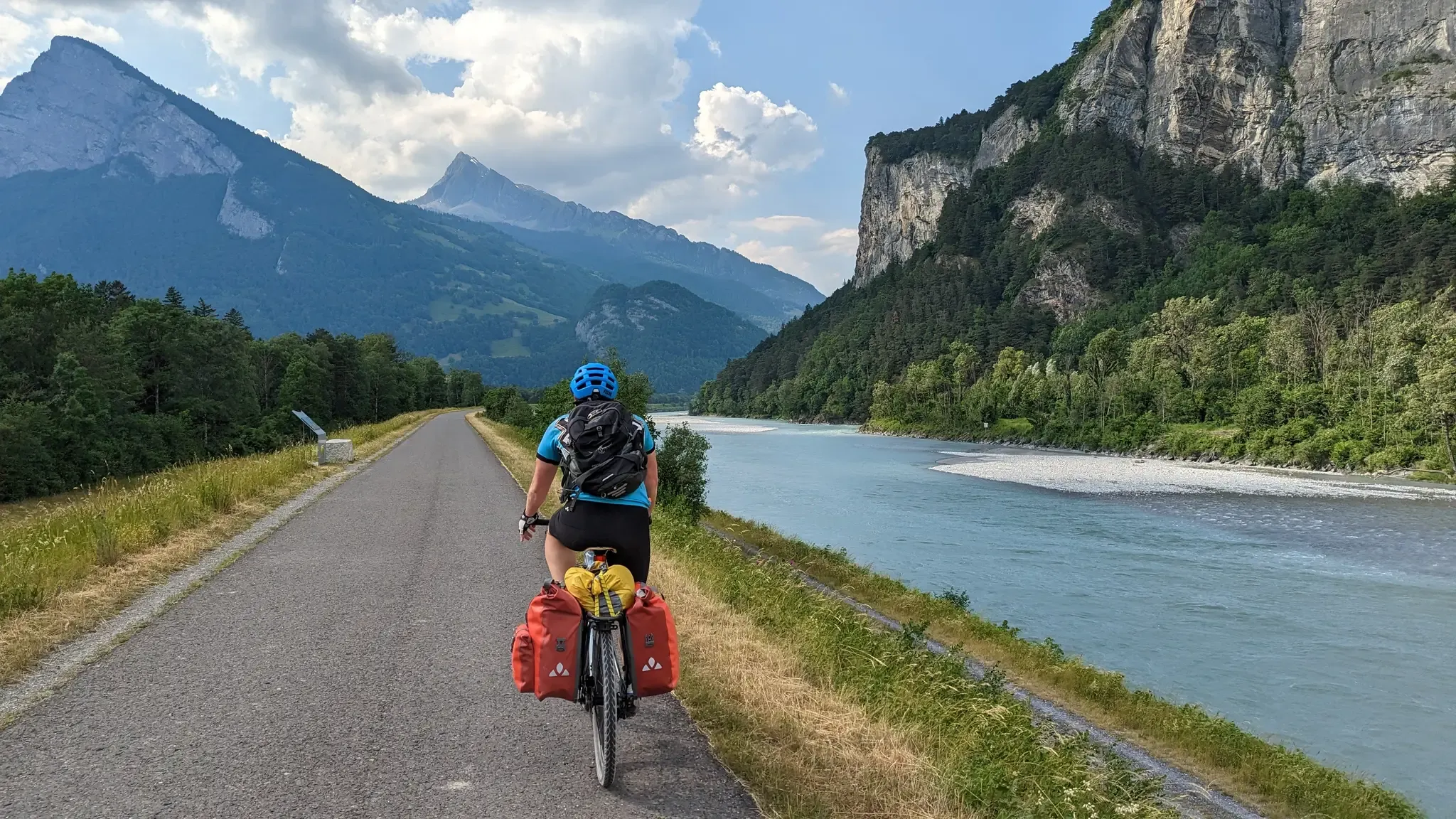
The Rhine Cycle Path — From the source to the North Sea
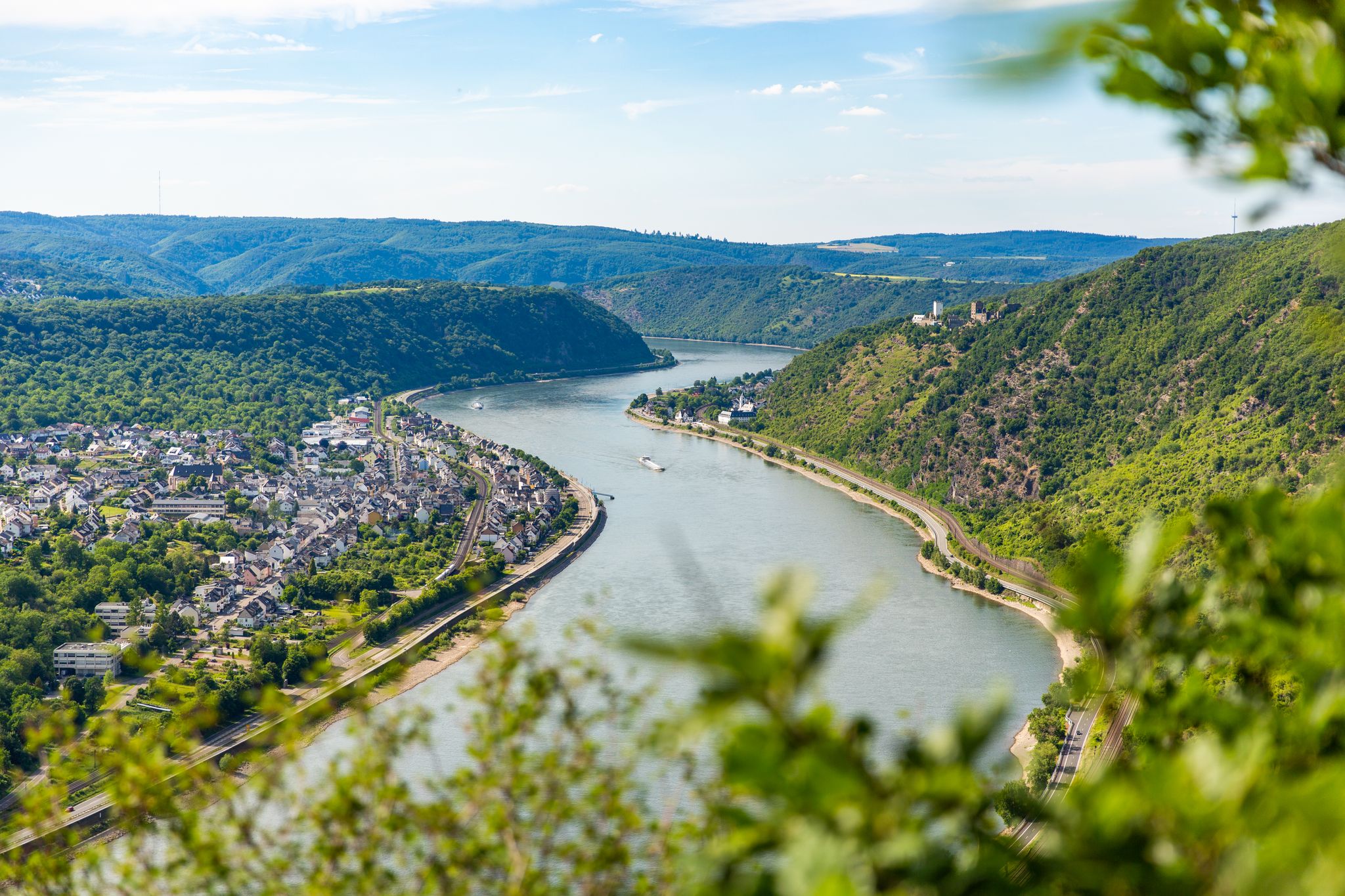
Up and down along the Rhine – adventure on the Rheinsteig

Dream Trails in the Rhine-Mosel-Eifel Region – Small Trails, Great Nature
Dream Loops with great views in the Hunsrück
Other adventures in the Moselle Valley


Tips from the Community

The ruins of Mont Royal fortress lie above Traben-Trarbach on a bend in the Moselle River and were built at the end of the 17th century by order of the French Sun King, Louis XIV. The complex covered an area of 50 hectares and offered space for up to 12,000 soldiers and 3,000 horses. It was intended to serve as a supply base for the French Rhine Army and to control the central Rhineland. Only eleven years after construction began, following the Peace of Rijswijk in 1697, the French destroyed the fortress themselves in 1698 to avoid surrendering it to their opponents. Today, only a few remains of the once mighty fortress are visible. These include sections of the walls, casemates, cellar vaults, and defensive ditches. A large part of the ruins is overgrown by forest.
1
0

All that remains of the barracks, i.e. the accommodation buildings, are numerous vaulted cellars, which have collapsed in many places, creating a huge crater field.
0
1

The Klausenhöhle was inhabited in the 18th century by a hermit. Access is via ladders. Particularly impressive is the view through a natural rock opening, which reveals a view of the surrounding landscape. With its exceptional location and special atmosphere, the cave is one of the region's most appealing photo motifs.
44
0

The mine path begins with Jupp, the miner carved out of wood, who is a symbol of the miners from Morshausen who mined ore in the lower Theresia mine from 1859 to 1886. The ores were brought to St. Goarshausen-Fellen for smelting. From the Theresia ore mine, the mouth hole of the lowest tunnel at Baybach level near the colliery house, which was built in 1860 for 12 miners and miners, has been preserved and one at the spoil heap level. The various tunnels extended from 250 meters to 20 meters into the mountain and were 10 to 15 meters wide.
1
0

Great, impressive photo opportunity 🎨📸👍🏻👌🏼 Klausenhöhle KORDEL Visit the Klausenhöhle on the Eifelsteig and Römerpfad premium hiking trails and let the past come to life again. In the 18th century, a Klausener, a hermit, who sought to achieve eternal salvation through a life in complete isolation, probably lived in the Klausenhöhle. It's gigantic to see😵👌🏼
15
0

Die Bekanntmachung aus dem Jahr 1855 vom Altdeutschen übersetzt Bekanntmachung eines Konzessionsgesuches des Anton Hammes, Müller zu Gastenmühle, Johann Peter Schmidt, Ackerer zu Morshausen und Anton Karl Gustav Wilberth, Bürgermeisterreisekretär zu Brodenbach zum Bergbau auf Blei, Silber, Kupfer und Zinkerze im Felde Theresia. Bekanntmachung eines Konzessionsgesuches des Anton Hammes, Müller zu Gastenmühle, Johann Peter Schmidt, Ackerer zu Morshausen und Anton Karl Gustav Wilberth, Bürgermeisterreisekretär zu Brodenbach haben durch ein Gesuch vom 20. November 1854, welches später vervollständigt worden ist , bei uns um die Konzession zum Bergbau auf Blei, Silber, Kupfer und Zinkerze in einem Felde nachgesucht, welches von ihnen Theresia benannt worden ist, und welches nach den beigefügten Rissen genau den Bann der Gemeinde Morshausen, in der Bürgermeisterei Obergondershausen, im Kreise St. Goar und Regierungsbezirk Koblenz mit einem Flächeninhalt von 1.068.601 Quadrat-Lachtern oder 2998 Morgen, 4 Ruthen, 75 Fuß umfaßt. Die Konzessionsbewerber erbieten sich, den Art. 6 und 42 des Bergwerksgesetzes vom 21 April 1810 gemäß, den Oberflächeneigentümern des Konzessionsfeldes eine Grundentschädigung von einem Pfg. pro Morgen zu zahlen und außerdem den Schaden, welcher durch den Betrieb der Oberfläche etwa erwachsen wird, nach den gesetzlichen Bestimmungen zu vergüten. Wir bringen dieses Konzessionsgesuch im Auftrag des Königlichen Rheinischen Oberbergamtes zu Bonn und nach Vorschrift der Art. 21 und 24 des Bergwerkgesetzes durch viermonatlichen Anschlag und Verkündigung zu Koblenz, Saarbrücken, St. Goar, Morshausen und Brodenbach, sowie durch Verkünden in den öffentlichen Anzeiger zum Amtsblatt der königlichen Regierung zu Koblenz zur öffentlichen Kenntnis und ersuchen alle diejenigen, welche etwa Einsprüche gegen dasselbe vorzubringen haben, dieses innerhalb der Verkündigungsfrist bei uns anzumelden. Saarbrücken, den 9. Februar 1855 Königl. Preuß. Bergamt. Quelle: Text Infotafel
4
1
Theresia ore mine From 1859 to 1886, lead, silver, copper and zinc ore were mined from the spoil dump of the lower tunnel sole of the former "Erzgrube Theresia" and transported to St.Goar-Fellen for smelting. The upper tunnel sole reached about 20m into the mountain, the deep tunnel bottom, from the Baybachtal, approx. 250 m. The passages in the mountain followed the ore veins and were in places 10 to 15 meters wide. Because of "impossibility" and inefficiency, the operators stopped mining ore after only 27 years During the Second World War, many Morshausen citizens sought protection in the abandoned tunnels from the artillery fire of the advancing American troops Murscher ores and their origin Around 400 million years ago, the rocks were sediment from the seabed. The layers of different materials (sand and clay) deposited and solidified over millions of years. During the mountain formation 400-200 million years ago, the solid layers were folded into a mountain range by the continental shifts. This folding resulted in deep cracks and cavities. Hot, highly mineralized water made its way up along this path, and over time various minerals crystallized from the water and filled the cavities. The minerals include iron, zinc and lead ores, which were mined as ore veins in the period from 1859 to 1886. Source: Text information board
4
1
At the tunnel entrances in the split huts (some of the ruins are still there today), the slate blocks were split into thin slates (layers). The material that cannot be used as roofing slate (“deaf rock”, in some cases over 90% of the extracted material) was deposited in heaps in front of the tunnels and thus allows conclusions to be drawn about the size of the tunnels. In the last months of the war, the slate tunnels served the population as protection from air raids. Today the tunnels are closed with grids because of the danger of collapse, but bats provide welcome protection for wintering. The spoil heaps are an ideal habitat for heat-loving species such as snakes and lizards.
5
0
Frequently Asked Questions
What types of subterranean sites can I explore in the Moselle Valley?
The Moselle Valley offers a diverse range of subterranean experiences, including ancient natural caverns, extensive historic wine cellars, and former mining tunnels. This mix reflects the region's unique geology and rich history.
Are there any natural caves with historical significance in the Moselle Valley?
Yes, the Genoveva Cave near Kordel is a legendary natural cave formed millions of years ago. Archaeological finds within the cave, dating from the Paleolithic era to Roman and medieval times, indicate it provided shelter for thousands of years. It's also steeped in local folklore.
Can I visit wine cellars that are referred to as 'caves' in the Moselle Valley?
Absolutely. The Moselle Valley is famous for its wine, and many extensive underground wine cellars are often called 'caves.' Notable examples include Caves St Martin in Remich, Luxembourg, known for sparkling wine production, and Caves de Wellenstein, a major site for Vinsmoselle wines. Traben-Trarbach also features an 'Underworld' of historic cellar vaults, which you can explore via guided tours to learn about its past as a major wine trading hub. For more details on Traben-Trarbach's underground, visit visitmosel.de.
What are the unique features of the Slate Mining Tunnels on Strimmiger Berg?
The Slate Mining Tunnels on Strimmiger Berg are horizontal tunnels manually driven into the mountain to extract slate blocks. These tunnels gained economic importance in the 19th century and later served as protection from air raids during wartime. Today, they are closed with grids for safety but provide crucial shelter for wintering bats, and the spoil heaps are ideal habitats for heat-loving species.
Are there any easy hiking trails that lead to caves in the Moselle Valley?
Yes, the Genoveva Cave is accessible via popular hiking trails like the Eifelsteig or Römerpfad, with steps carved into the rock to improve access. For other easy hiking options in the region, you can explore routes in the Easy hikes in the Moselle Valley guide.
What do visitors enjoy most about the caves in the Moselle Valley?
Visitors frequently appreciate the historical depth and natural beauty. For instance, the Klausen Cave (Hermit's Cave) is loved for its secluded charm and the fascinating faces carved into the rock. The Genoveva Cave is noted for its impressive size and the historical context provided by information boards, offering a glimpse into how people lived there thousands of years ago.
Are there any caves in the Moselle Valley that are suitable for families?
Many of the accessible natural caves and historical sites, like the Genoveva Cave, are suitable for families, offering an engaging experience for children to explore history and nature. The wine cellar tours, while not traditional caves, also provide an educational and interesting outing for older children and adults.
What is the Theresia Mine Tunnel, and what can I expect to see there?
The Theresia Mine Tunnel is one of many historical mine tunnels in the Hunsrück area, driven into the rock for ore, gemstone, or slate quarrying. While most are now closed with bars to protect bats, they represent a significant part of the region's industrial history, where lead, silver, copper, and zinc ores were mined.
Can I find other outdoor activities near the caves in the Moselle Valley?
Yes, the Moselle Valley offers a wide range of outdoor activities. You can find numerous mountain biking trails in the MTB Trails in the Moselle Valley guide, or explore road cycling routes in the Road Cycling Routes in the Moselle Valley guide. Many caves are also integrated into hiking networks, providing opportunities for scenic walks.
Is there a religious grotto in the Moselle Valley that is considered a cave?
Yes, the Lourdes Grotto (Station 10) on the All Saints' Hill is a grotto with a figure of the Virgin Mary and Saint Bernadette. While primarily a religious site, its grotto formation gives it a cave-like appearance and it is a point of interest for pilgrims and hikers alike.
What is the best time of year to visit the caves and subterranean sites in the Moselle Valley?
The Moselle Valley's caves and underground wine cellars can generally be visited year-round. Natural caves like Genoveva Cave are accessible in most seasons, though hiking trails leading to them might be more pleasant in spring, summer, or autumn. Wine cellars maintain a constant cool temperature, making them a good option regardless of outside weather, though some cellar tours might be unavailable during harvest season.
Most popular routes in the Moselle Valley
Most popular attractions in the Moselle Valley

Get inspired with the komoot mobile app


Explore more
Extend your search for the best caves by checking out these guides of the top ones in the Moselle Valley:
