Top 20 Natural Monuments in the Eifel
Best natural monuments in the Eifel showcase a region shaped by a volcanic past, featuring diverse geological formations. This area is characterized by crater lakes, ancient rock formations, and unique gorges. These sites offer insights into millions of years of Earth's history, providing a range of natural landscapes to explore. The Eifel's natural monuments highlight its dynamic geological evolution.
Best natural monuments in the Eifel
- The most popular natural monuments is Calmont via ferrata, a climb that features passages…
Last updated: August 6, 2026
Calmont via ferrata
Highlight (Segment) • Climb
Translated by Google •
Tip by

Dreimühlen Waterfall
Highlight • Waterfall
Translated by Google •
Tip by

Sign up now to discover places like this
Get recommendations on the best single tracks, peaks, & plenty of other exciting outdoor places.
Sign up for free
Devil's Gorge
Highlight (Segment) • Gorge
Translated by Google •
Tip by

Trass Caves Brohltal
Highlight • Cave
Translated by Google •
Tip by

Struffelt Heath and Moor Nature Reserve
Highlight • Natural
Translated by Google •
Tip by

Dronke Tower on the Mäuseberg
Highlight • Viewpoint
Translated by Google •
Tip by

Waterfall in the Wolfsschlucht
Highlight • Waterfall
A real highlight on the hike
Translated by Google •
Tip by

View of the Gemünden maar
Highlight • Lake
Showing Translation
Tip by

Rock gorge
Highlight • Gorge
Translated by Google •
Tip by

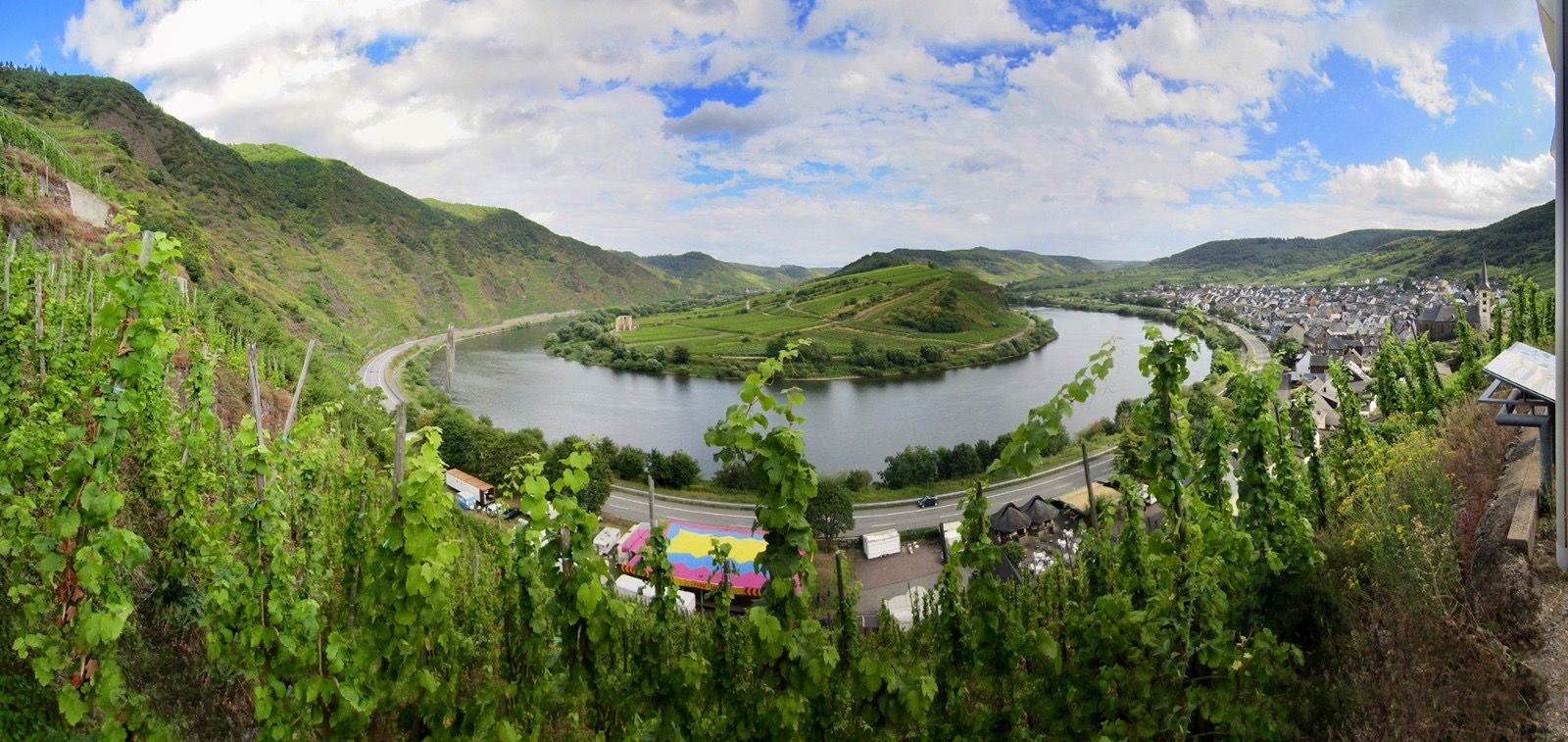
Panoramic view of the Moselle bend below the Calmont summit
Highlight • Viewpoint
Translated by Google •
Tip by
Sign up for free to discover even more natural monuments in the Eifel.
Sign up for free
Already have an account?
Start today with a free account
Your next adventure awaits.
Login or Signup
Popular around Eifel
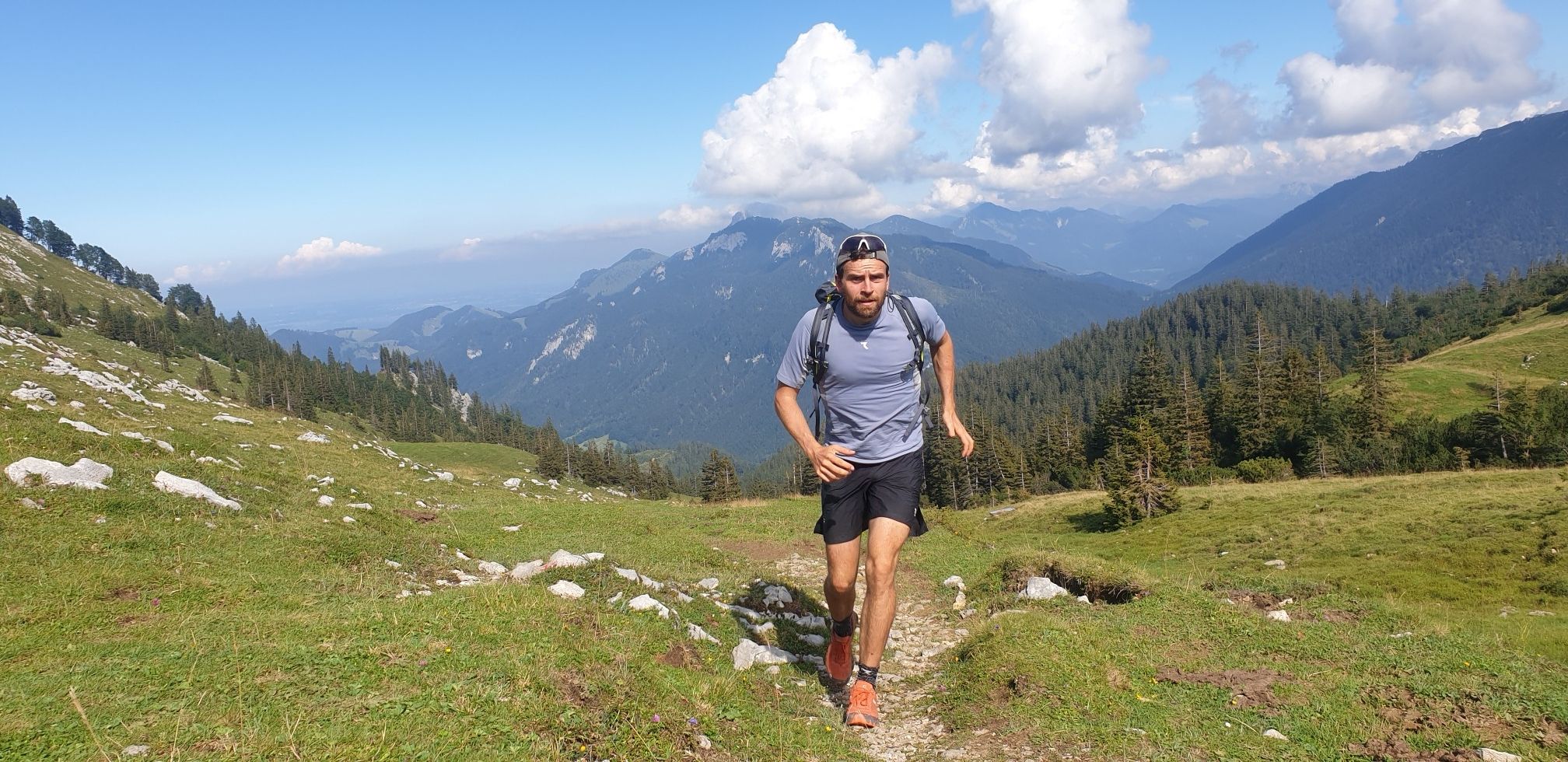
Triathlon around Germany
The Moselle cycle path — from the Vosges to the Rhine in 18 stages
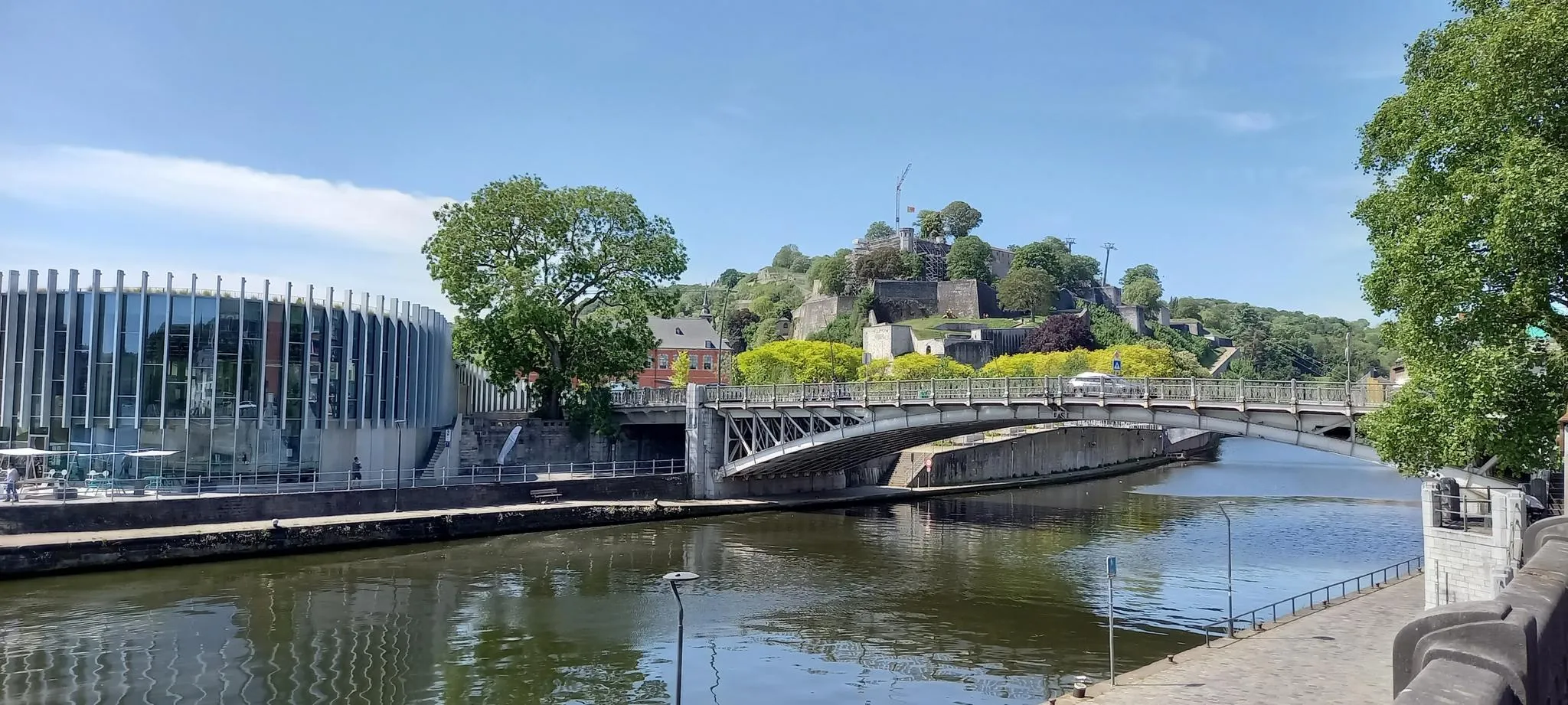
EuroVelo 3 — The adventure in the heart of Belgium
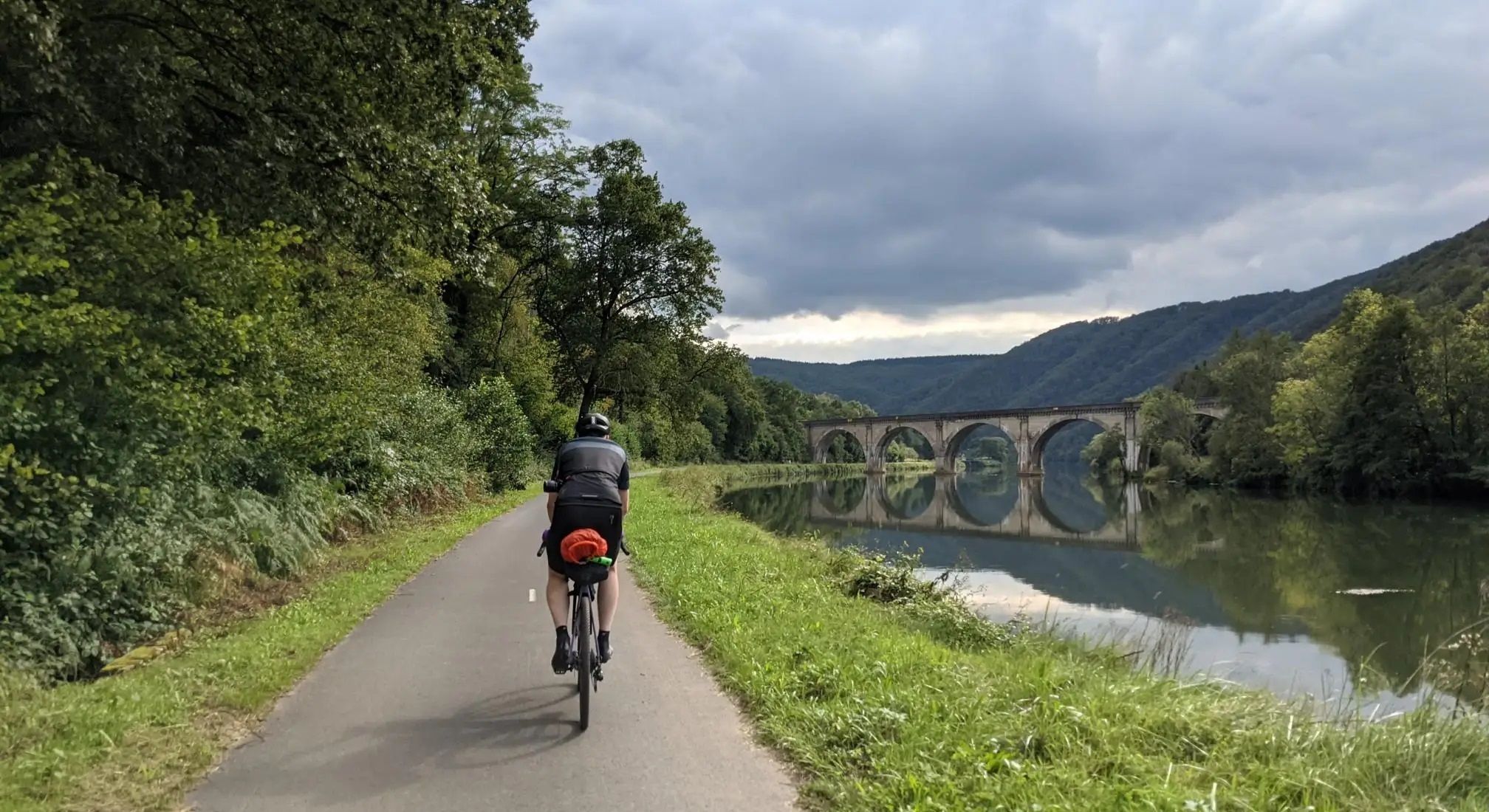
Aachen to Reims – Ardennes, Meuse and Champagne
Lieserpfad between the Eifel and the Moselle rivers – Wild forests, wild water
Running an ultra in Belgium – long trails in a small country
EuroVelo 3 – A cycling pilgrimage from Norway to France
2-Country Route – Cycling from Germany to Netherlands
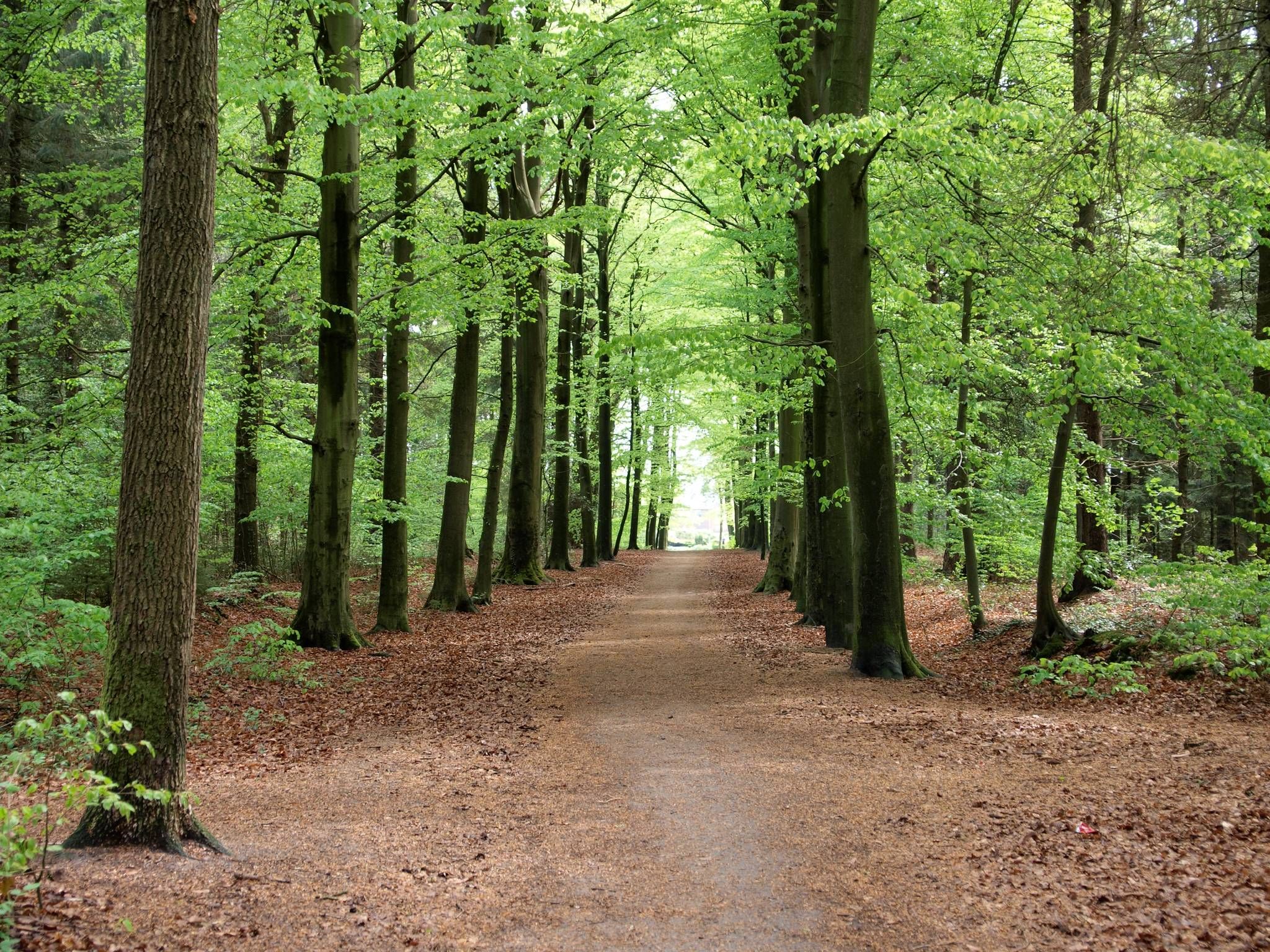
Trans Netherlands MTB Route – The ultimate off-road adventure
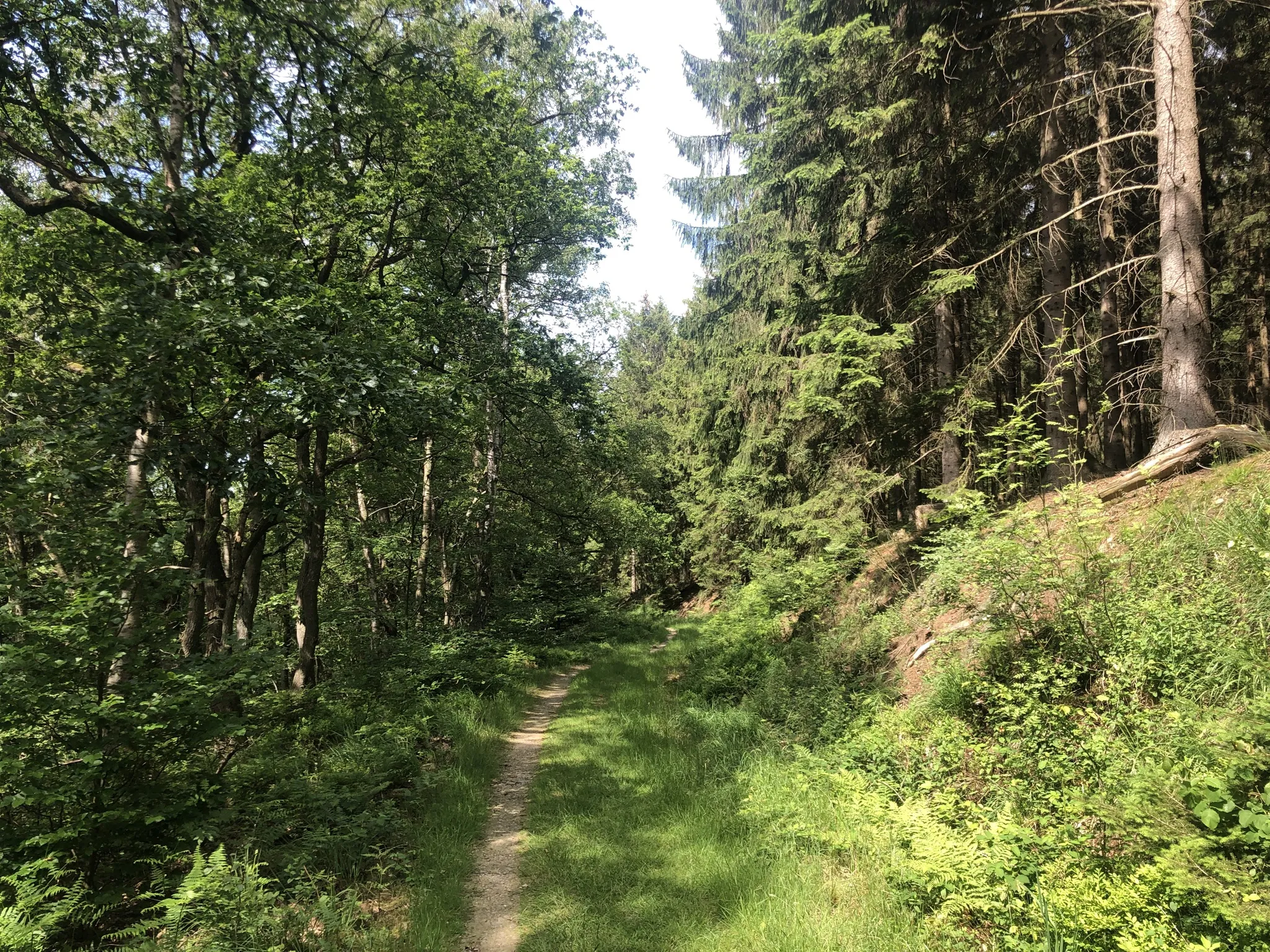
Trans-Eifel in 6 stages — Mountains rich and pure nature
Other adventures in the Eifel


Tips from the Community

The so-called Dreimühlen waterfall is also known as the Nohn waterfall. The name Nohn waterfall comes from the waterfall's proximity to the town of Nohn. The houses on the outskirts of Nohn are only a few hundred meters above the waterfall. Most people talk about the Dreimühlen waterfall, however. The name Dreimühlen comes from a former castle called Dreimühlen. Today, however, only the remains of the walls are said to remain. We looked for the former castle on our trip, but couldn't find anything of it. The waterfall in the Eifel is located between the towns of Üxheim, Kerpen and Nohn. Although the other large towns in the Eifel are not located here, many visitors come here. Some of them travel especially to visit the waterfall. The Dreimühlen waterfall is one of the most visited Eifel attractions. Almost every holidaymaker in the area comes to the waterfall at least once during their Eifel vacation. In addition, many day tourists travel from outside, making it the most visited waterfall in the Eifel. They all want to see the unique natural wonder.
16
1

From this vantage point you have one of the best valley views of the Moselle loop.
75
0
The Calmont via ferrata is more of a mountain trail than a via ferrata. Passages of the "via ferrata" are made safer with handrails, ladders, step bars and stepping pins. However, hikers who are not sure-footed also have the option of bypassing the short section of the "via ferrata".
70
10

Impressive rock formations, it goes up and down... Very cool and drafty here. Good sturdy footwear is a good idea 🥾🥾. Great photo opportunities guaranteed 📸 Wow, how small you are here...🫨 Can be fuller during holiday times/weekends/public holidays.. No entry fee👍🏻
12
1

It is particularly beautiful in October when the leaves change color. Shortly after 10 a.m. we walked from Eidiger-Eller, first over the Todesangst and the Höhenweg, so we were above the Moselle loop at the right time. There is a rest area with a bench, from where we could watch how the fog revealed the colorful landscape.
12
0

Beautiful hiking tour with a view of the Moselle loop. 😍
12
0

You can also enjoy the view without hiking up. Drive up with the car. Drive quite far, then comes a gravel road, this approx. 2km comes a parking lot for hikers. From there it is not far to the summit cross and Vierseenblick. Together about 2km. Above are great wide hiking trails. Well suited for beginners. Then down to Bremm where the second vantage point is easily accessible on foot. So everyone has something.
13
0

https://www.eifel.info/a-teufelsschlucht Really cool hike - it was really fun. Great atmosphere with the beautiful rocks.
14
1
Frequently Asked Questions
What unique geological features can I explore among the Eifel's natural monuments?
The Eifel region is renowned for its volcanic past, offering a diverse array of geological wonders. You can explore distinctive maars, which are water-filled volcanic craters like the Schalkenmehrener Maar, or the group of Dauner Maare including Gemündener Maar. Another highlight is the Devil's Gorge (Teufelsschlucht), a narrow, cool, and dark gorge with towering rock faces. The Gerolsteiner Dolomiten also present impressive dolomite rock formations that rise steeply above the Kyll valley, showcasing ancient reef structures.
Are there any natural monuments in the Eifel that offer panoramic views?
Yes, several natural monuments in the Eifel provide breathtaking panoramic views. The Dronke Tower on the Mäuseberg offers a wonderful view over the maars, including the Gemündener Maar and Weinfelder Maar. The Gerolsteiner Dolomiten, particularly from peaks like Munterley, also provide extensive vistas over Gerolstein and the wider Volcanic Eifel. Additionally, the Calmont via ferrata offers stunning views of the Moselle.
What makes the Eifel National Park a significant natural monument?
While not a single monument, the Eifel National Park is a protected natural area that showcases the region's wild beauty. It's characterized by majestic beech forests, gnarled oak woods, and pristine brooks, serving as a vital habitat for over 2,170 endangered plant and animal species, including wildcats and beavers. It's also recognized as an International Dark Sky Park, offering exceptional opportunities for stargazing and experiencing undisturbed nature.
Are there family-friendly natural monuments in the Eifel suitable for children?
Absolutely! Many natural monuments in the Eifel are suitable for families. The Dreimühlen Waterfall is a popular and accessible spot, often referred to as a 'self-growing waterfall' due to its unique lime deposits. The Trass Caves Brohltal offer an exciting exploration opportunity, and the Schalkenmehrener Maar provides a beautiful setting for walks and enjoying nature with children.
What kind of hiking trails can I find around the Eifel's natural monuments?
The Eifel offers a wide range of hiking trails around its natural monuments, catering to various difficulty levels. You can find challenging routes like the Calmont via ferrata, which is more of a mountain trail with secured passages. There are also intermediate trails through gorges like the Devil's Gorge, and scenic paths around maars such as the Schalkenmehrener Maar. Many trails offer geological insights and scenic vistas, like the Felsenpfad in the Gerolsteiner Dolomiten.
What other outdoor activities are available near the Eifel's natural monuments besides hiking?
Beyond hiking, the Eifel offers diverse outdoor activities. You can find excellent running trails, including routes like the 'Great Trail of Lakes & Castles' or 'View of Maria Laach Abbey – Laacher Lake loop,' which are detailed in the Running Trails in the Eifel guide. For cyclists, there are numerous road cycling routes, such as the 'Zell Panorama Tour' or the 'Barweiler circuit,' available in the Road Cycling Routes in the Eifel guide. Many maars also offer opportunities for swimming in designated areas during warmer months.
What is the best time of year to visit the natural monuments in the Eifel?
The Eifel's natural monuments are beautiful year-round, but the best time depends on your preferred activities. Spring (April-May) brings blooming flora and pleasant temperatures for hiking. Summer (June-August) is ideal for swimming in the maars and enjoying longer days. Autumn (September-October) offers stunning fall foliage, particularly in the beech forests of the Eifel National Park. Winter (November-March) can provide a serene, snow-covered landscape for quiet walks, though some paths might be challenging.
Are there any natural monuments in the Eifel with historical significance?
Yes, the Eifel's natural monuments often intertwine with history. The Gerolsteiner Dolomiten, for instance, are not only geologically significant but also have archaeological findings, such as those at the nearby Buchenloch cave, indicating Stone Age settlements from 30,000 years ago. The Trass Caves Brohltal are historical sites where trass, a volcanic rock, was mined. Even the Dreimühlen Waterfall has a historical aspect, having been artificially created during railway construction.
Can I bring my dog to the natural monuments in the Eifel?
Many natural monuments and their surrounding trails in the Eifel are dog-friendly, making them great for walks with your canine companion. However, it's always advisable to keep dogs on a leash, especially in nature reserves like the Gerolsteiner Dolomiten or within the Eifel National Park, to protect wildlife and ensure the safety of other visitors. Always check specific local regulations for each site you plan to visit.
How can I reach the natural monuments in the Eifel using public transport?
While some natural monuments are more easily accessible by car, public transport options exist for many areas in the Eifel. Regional buses and trains connect larger towns, and some routes extend to popular hiking starting points. For example, the Eifel National Park offers a 'MobiEifel' call-a-bus system in certain areas. It's recommended to check local transport schedules and routes for specific destinations, as accessibility can vary.
Are there facilities like cafes or restaurants near the natural monuments in the Eifel?
Yes, you'll often find cafes, restaurants, or guesthouses in towns and villages located near the Eifel's natural monuments. For example, around the Dauner Maare, there are establishments in Daun and surrounding villages. Near Laacher See, you can find facilities at Maria Laach Abbey. Many popular hiking routes also pass through or near places offering refreshments. It's a good idea to plan your route and check for available facilities beforehand, especially in more remote areas.
What is the Strohner Lava Bomb and where can I see it?
The Strohner Lava Bomb is a remarkable natural monument that serves as tangible evidence of the Eifel's explosive volcanic past. It is a massive 120-ton basalt sphere, ejected during a volcanic eruption. You can see this impressive geological feature near the village of Strohn, where it is displayed as a testament to the powerful forces that shaped the Eifel landscape.
Most popular routes in the Eifel
Most popular attractions in the Eifel

Get inspired with the komoot mobile app


Explore more
Extend your search for the best caves by checking out these guides of the top ones in the Eifel:
