Top 20 Caves in Lower Franconia
Best caves in Lower Franconia are primarily smaller grottoes, rock formations, and former quarries rather than extensive show caves. This region, part of Bavaria, features diverse geological formations and historical sites often integrated into its natural landscape. The caves here offer insights into local geology and history, providing unique points of interest for explorers. Many are found along popular hiking trails, making them accessible for outdoor activities.
Best caves in Lower Franconia
- The most popular caves is Thieves' Cellar Rock…
Last updated: July 6, 2026
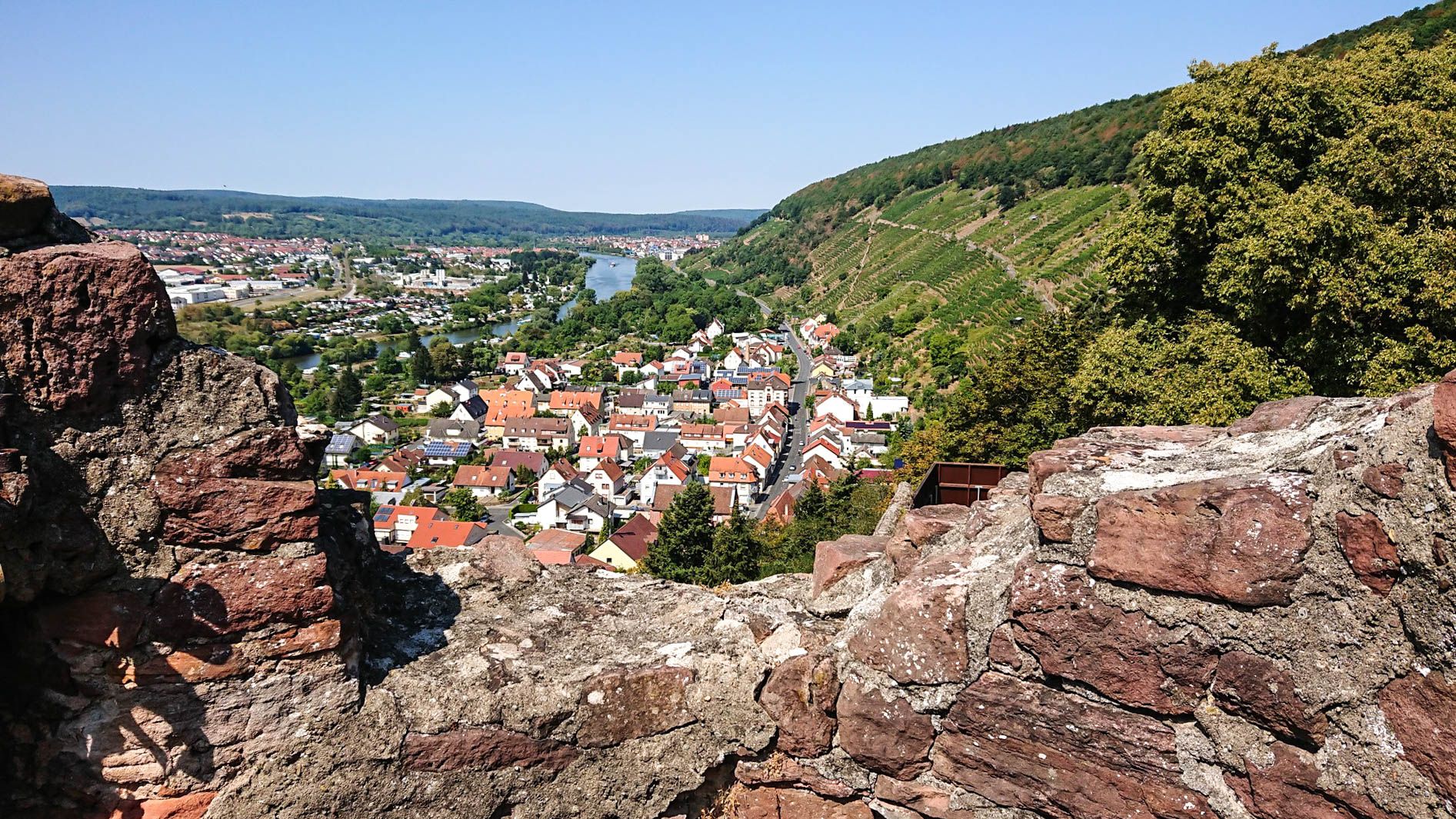
View of the Main River and Miltenberg from Engelberg Monastery
Highlight • Viewpoint
Translated by Google •
Tip by

Teufelskeller (Devil’s Cellar)
Highlight • Cave
Translated by Google •
Tip by

Sign up now to discover places like this
Get recommendations on the best single tracks, peaks, & plenty of other exciting outdoor places.
Sign up for free
Wichtelhöhlen Rock Formations
Highlight • Natural Monument
Translated by Google •
Tip by

Former rock cellar near Wildenburg Castle
Highlight • Cave
Translated by Google •
Tip by

Thieves' Cellar Rock Labyrinth
Highlight • Natural Monument
Translated by Google •
Tip by

Gruselpfad and Drachenhöhle (MÖ1), Bavarian Odenwald Nature Park
Highlight (Segment) • Trail
Translated by Google •
Tip by

Antonius Grotto Alzenau
Highlight • Religious Site
A stream about 150 m long runs through the area of the Antoniusgrotte. It rises about a hundred meters northeast of …
Translated by Google •
Tip by

Eisgraben Nature Reserve
Highlight • Forest
Translated by Google •
Tip by

Raueneck Castle Ruins
Highlight • Castle
Translated by Google •
Tip by

Wilhelmine Copper Mine
Highlight • Historical Site
Translated by Google •
Tip by
Sign up for free to discover even more caves in Lower Franconia.
Sign up for free
Already have an account?
Start today with a free account
Your next adventure awaits.
Login or Signup
Popular around Lower Franconia
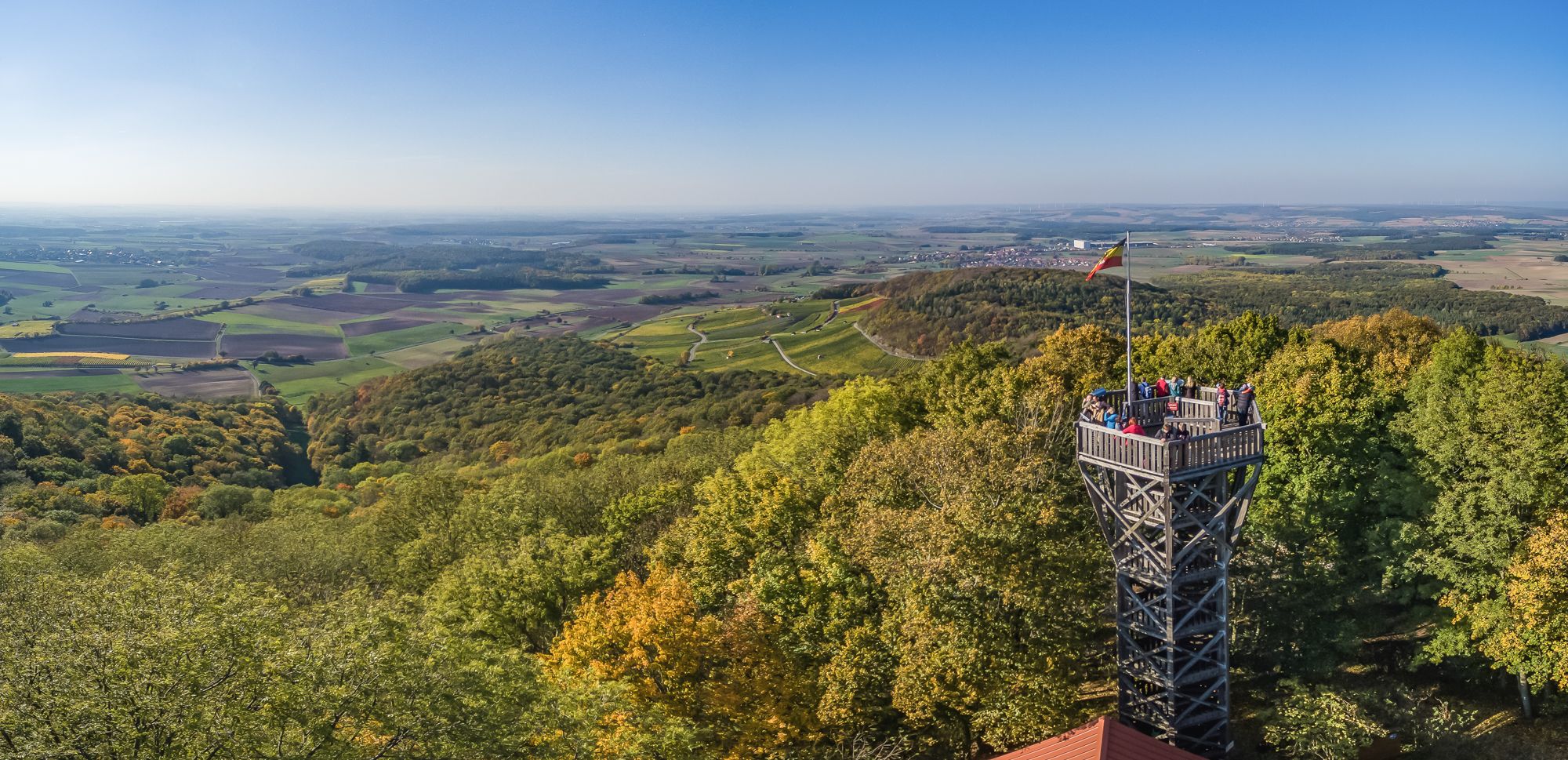
Steigerwald panorama trail — 9 days
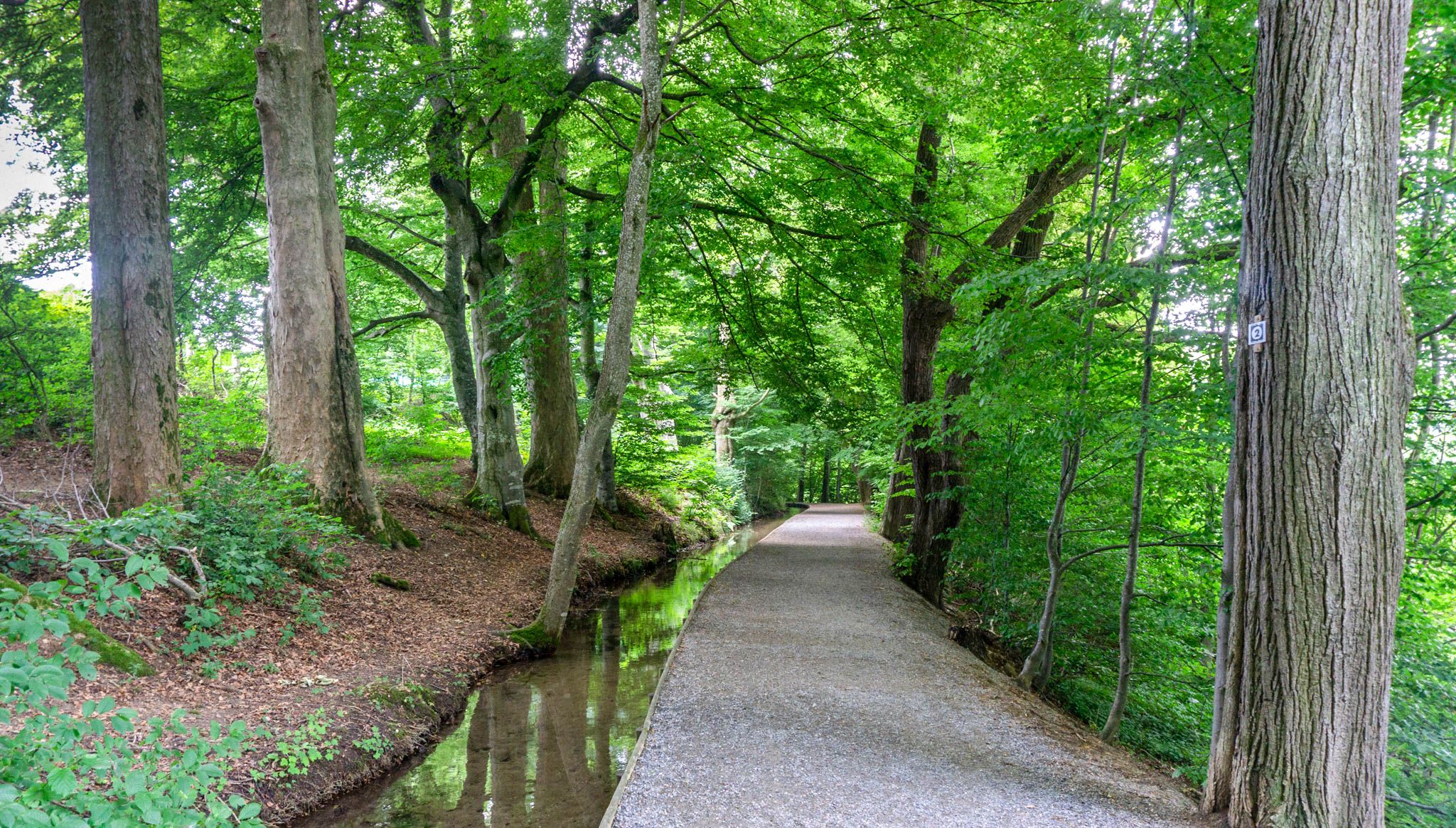
Main-Danube-Lake Constance Trail – Along iconic waters
Franconian Red Wine Trail — From vineyards to the Main River
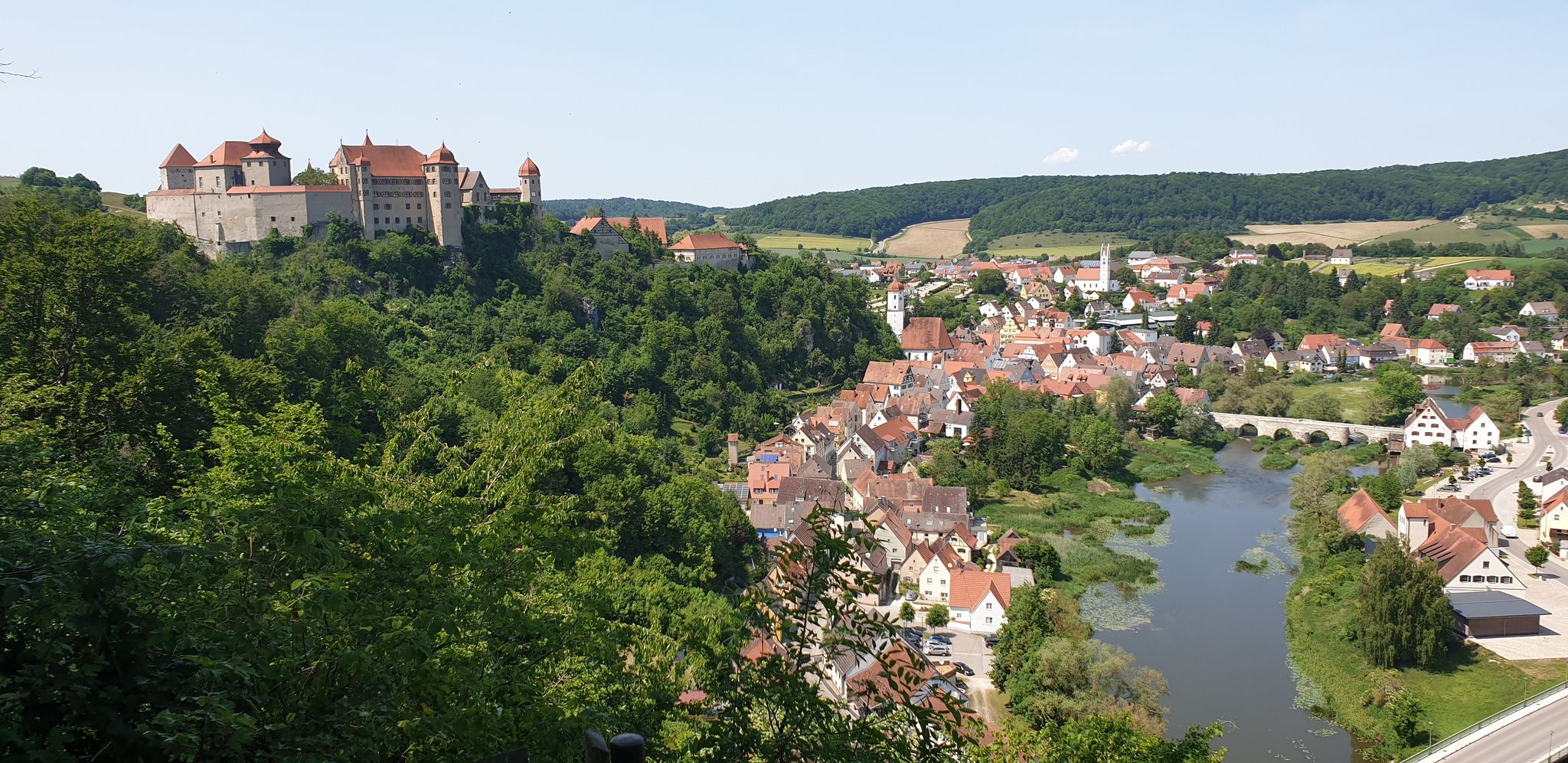
The Romantic Road – To the Pearls of Southern Germany
Germany's Main-Tauber-Franconian Radachter – two loops, one experience
Gravel bikepacking from Hamburg to Munich
Main-Werra cycle path – From river to river
Rhön Cycleway in Germany – Cycling in the Land of Open Distances
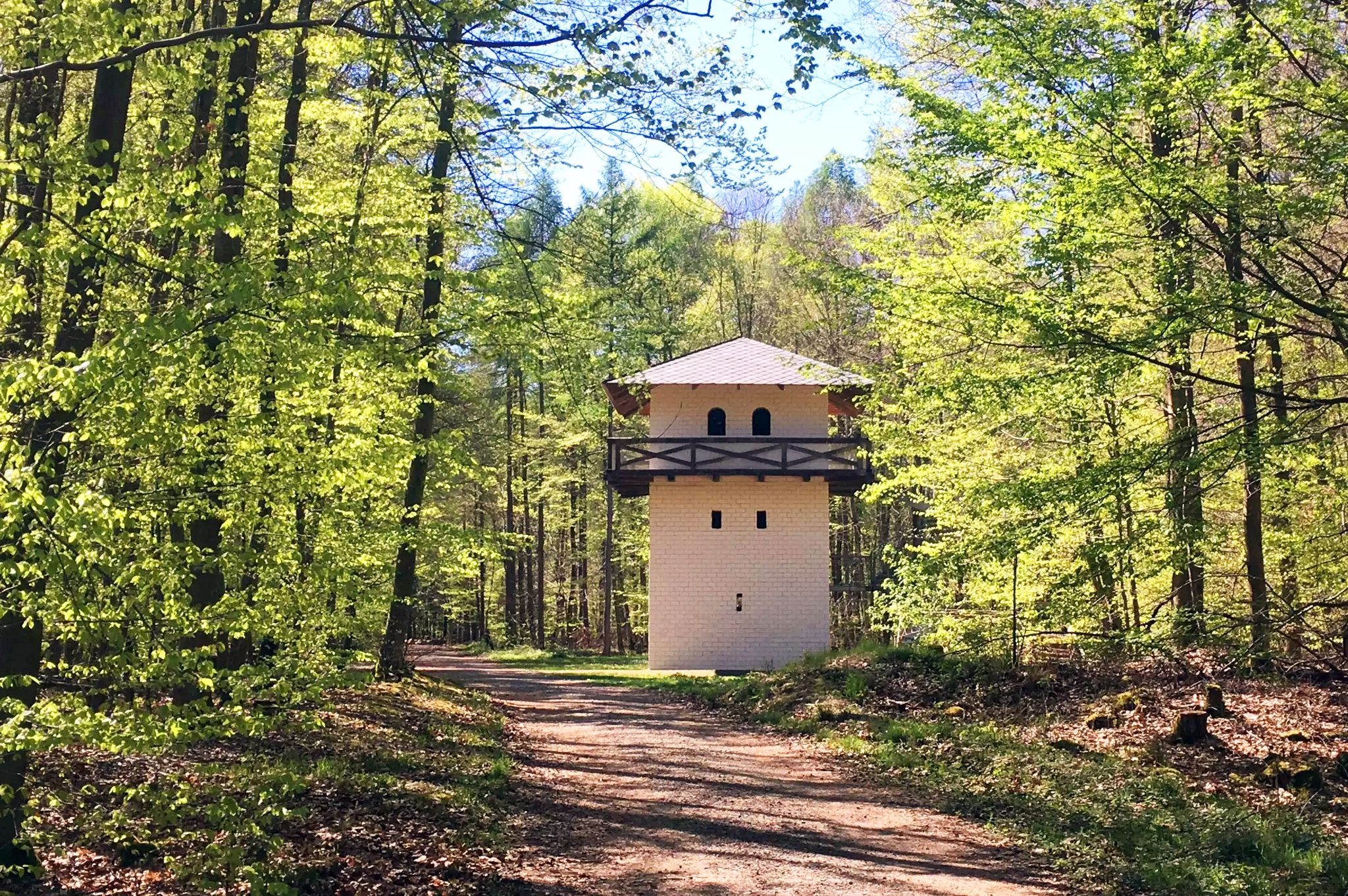
German Limes Cycle Path – Riding from the Rhine to the Danube
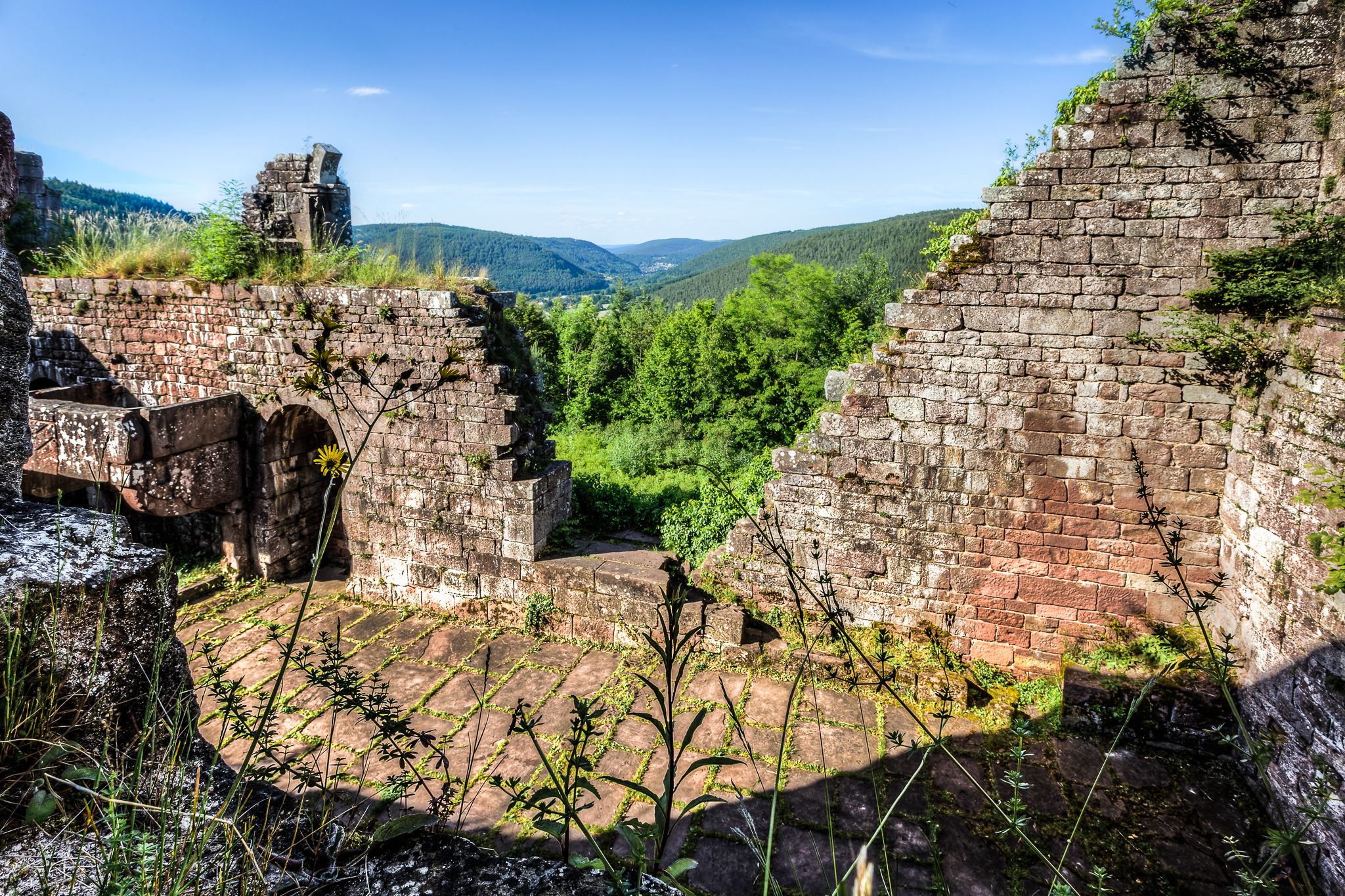
The Nibelungensteig in 7 stages – Simply legendary!
Other adventures in Lower Franconia


Tips from the Community

The Diebskeller is a beautiful example of how nature and history come together in the Haßbergland region – a place to marvel at and explore.
5
0

A new experience every time.
10
0
The Wichtelhöhlen (Gnome Caves) near Bad Kissingen are an impressive rock formation made of red sandstone, created by erosion. It's especially lovely to take a few minutes to explore the winding caves and crevices up close. The place has a mystical quality and invites you to linger for a while. The Wichtelhöhle (Gnome Cave) is also a little adventure for children, as there's so much to discover.
8
0
At the Wichtelhöhlenhütte (Witch Cave Hut), there's a lovely seating area with benches, perfect for a short rest. If you take your time, you can not only enjoy the view of the rock formations, but with a little luck, you might also hear the birds chirping in the quiet forest. Ideal for a quick break with provisions before continuing on.
7
0
Rauheneck Castle (now commonly spelled Raueneck, bewaldetes Eck, Bergsporn) is the ruins of an official castle of the Diocese of Würzburg in the Haßberge Mountains in the Haßberge district, Lower Franconia, Bavaria (Germany). Source and further information: https://de.wikipedia.org/wiki/Burg_Rauheneck_(Ebern)
12
0

A beautiful piece of nature. Highly recommended.
1
0

Ruine Raueneck is definitely interesting
5
0
Thieves and robbers are said to have once stayed in these rock cellars. The Bamberg Book of Records records that a gang of thieves hid three stolen horses here in the 15th century. ... in old writings we read: "Large rocks conceal caves that inspire horror with their musty smell and darkness." Source: https://rabelsdorf.de/diebskeller.html
2
0
Frequently Asked Questions
What kind of caves can I explore in Lower Franconia?
In Lower Franconia, you'll primarily find smaller grottoes, impressive natural rock formations, and former quarries rather than large, extensive show caves. These sites offer insights into local geology and history, often integrated into the natural landscape.
Are there any large stalactite caves in Lower Franconia?
Lower Franconia is not known for large, extensively developed natural show caves with impressive stalactite formations. These types of caves, such as the Devil's Cave (Teufelshöhle) and Sophienhöhle, are predominantly found in the neighboring region of Upper Franconia.
Which natural rock formations are particularly worth visiting?
Two highly recommended natural rock formations are the Thieves' Cellar Rock Labyrinth, known for its impressive formations where nature and history converge, and the Wichtelhöhlen Rock Formations, which feature mystical red sandstone formations with winding caves and crevices.
Are there family-friendly caves or grottoes in the region?
Yes, several sites are suitable for families. The Wichtelhöhlen Rock Formations offer a fun adventure for children with their winding passages. The Thieves' Cellar Rock Labyrinth and Antonius Grotto Alzenau are also noted as family-friendly.
What historical or cultural sites can be found among the caves?
You can explore several sites with historical and cultural significance. The Antonius Grotto Alzenau is a religious site built in honor of Saint Anthony. The Former rock cellar near Wildenburg Castle offers a glimpse into past uses, and the Wilhelmine Copper Mine provides insight into the region's mining history.
Are there hiking trails that lead to or past these caves?
Many of Lower Franconia's caves and grottoes are located along popular hiking trails, making them accessible for outdoor activities. You can find numerous routes in the region, including those listed in the Hiking in Lower Franconia guide, which often incorporate these natural features.
What are some unique geological features in Lower Franconia's caves?
Beyond typical cave formations, Lower Franconia features unique geological sites like the Teufelskeller (Devil’s Cellar), which is a natural monument. The region also has remnants of former quarries, such as the Teschenhöhle, which is a volcanic vent, showcasing diverse geological origins.
What do visitors enjoy most about the caves in Lower Franconia?
Visitors appreciate the blend of nature and history, the mystical atmosphere of places like the Wichtelhöhlen Rock Formations, and the opportunity for exploration. Many enjoy discovering the winding passages and the unique character of each site, often integrated into beautiful forest landscapes.
Can I find any castle ruins or historical structures near these caves?
Yes, the region offers a combination of natural and historical sites. For example, the Raueneck Castle Ruins are located in an area that also features natural monuments and caves, providing a rich historical context to your exploration.
Are there any specific trails that combine caves with other outdoor activities?
Yes, for instance, the Gruselpfad and Drachenhöhle (MÖ1) in the Bavarian Odenwald Nature Park offers a challenging trail that includes a cave. You can also find mountain hikes in the region, some of which pass by grottoes, as detailed in the Mountain Hikes in Lower Franconia guide.
What is the best time of year to visit caves in Lower Franconia?
Most of the grottoes and rock formations in Lower Franconia are accessible year-round. However, spring and autumn offer pleasant temperatures for hiking to these sites, with lush greenery or vibrant fall colors. During winter, some paths might be slippery, but the sites themselves remain open.
Are there any religious grottoes in Lower Franconia?
Yes, the region has several religious grottoes. Besides the Antonius Grotto Alzenau, which is a well-known site, you can also visit the Marian Grotto in Lengtal, offering a peaceful and reflective experience.
Most popular routes in Lower Franconia
Most popular attractions in Lower Franconia

Get inspired with the komoot mobile app


Didn’t find what you were looking for?
Discover more caves in Lower Franconia region by region:
Explore more
Extend your search for the best caves by checking out these guides of the top ones in Lower Franconia:
