The best MTB trails around Kazlų Rūdos miškai
4.9
(14)
138
riders
4
rides
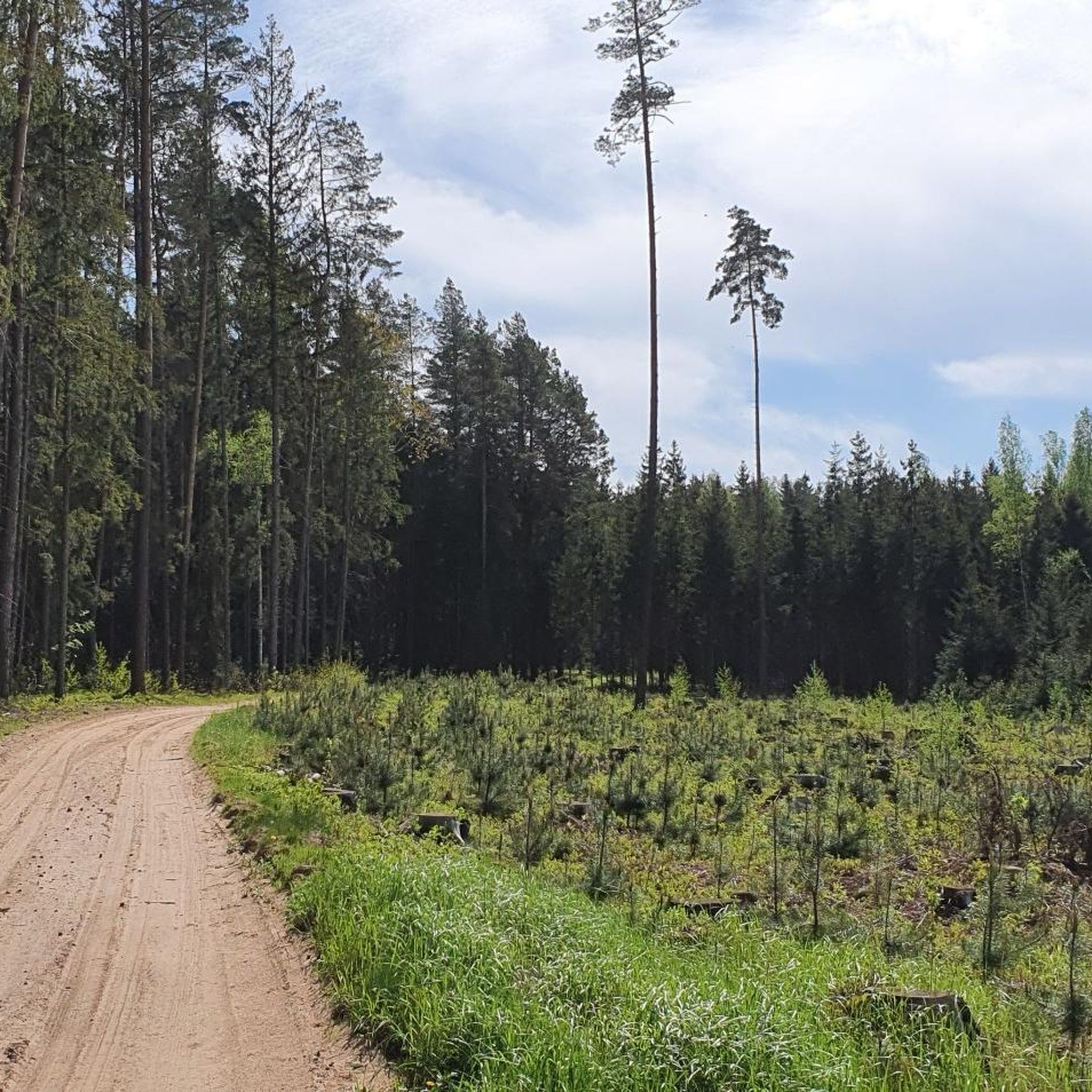
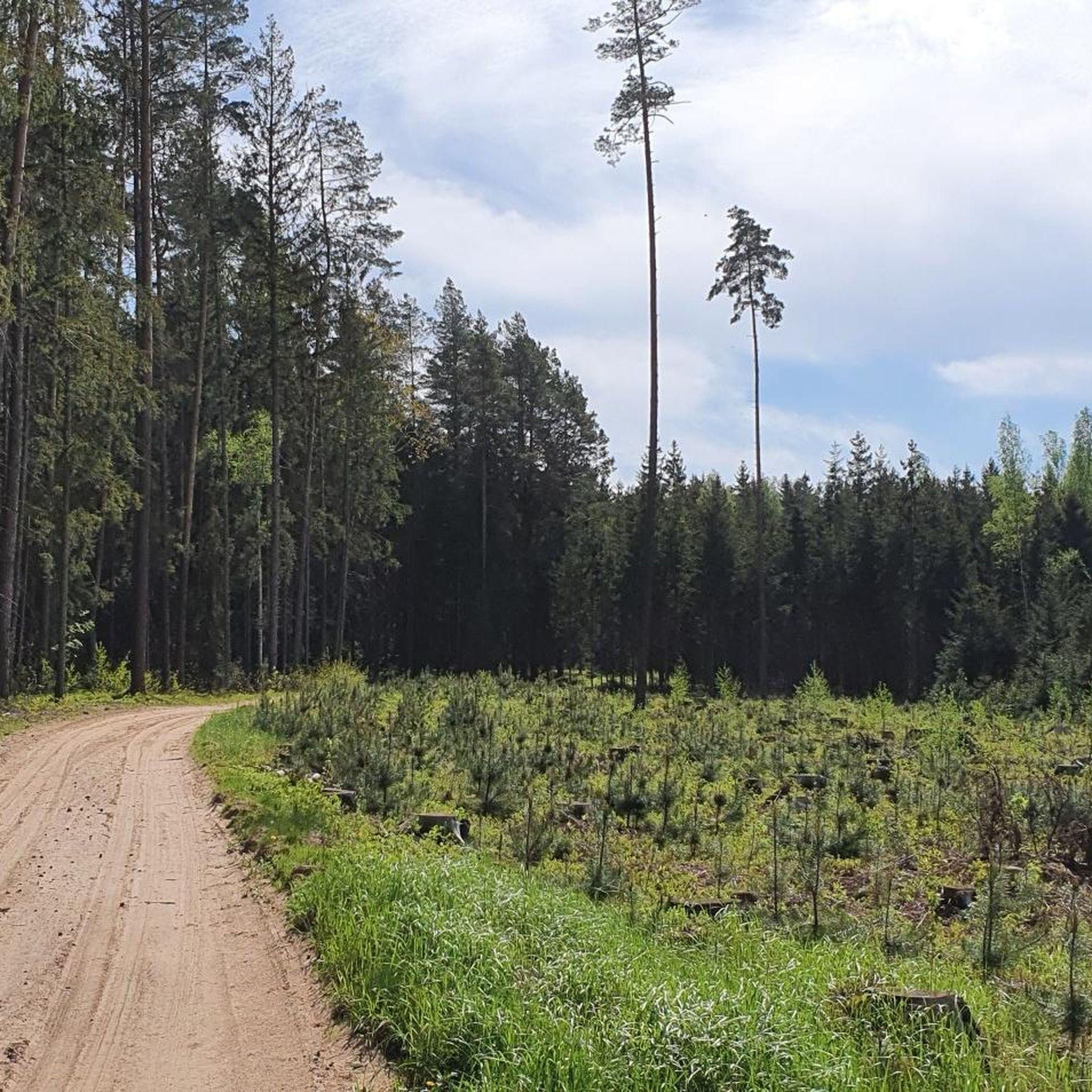
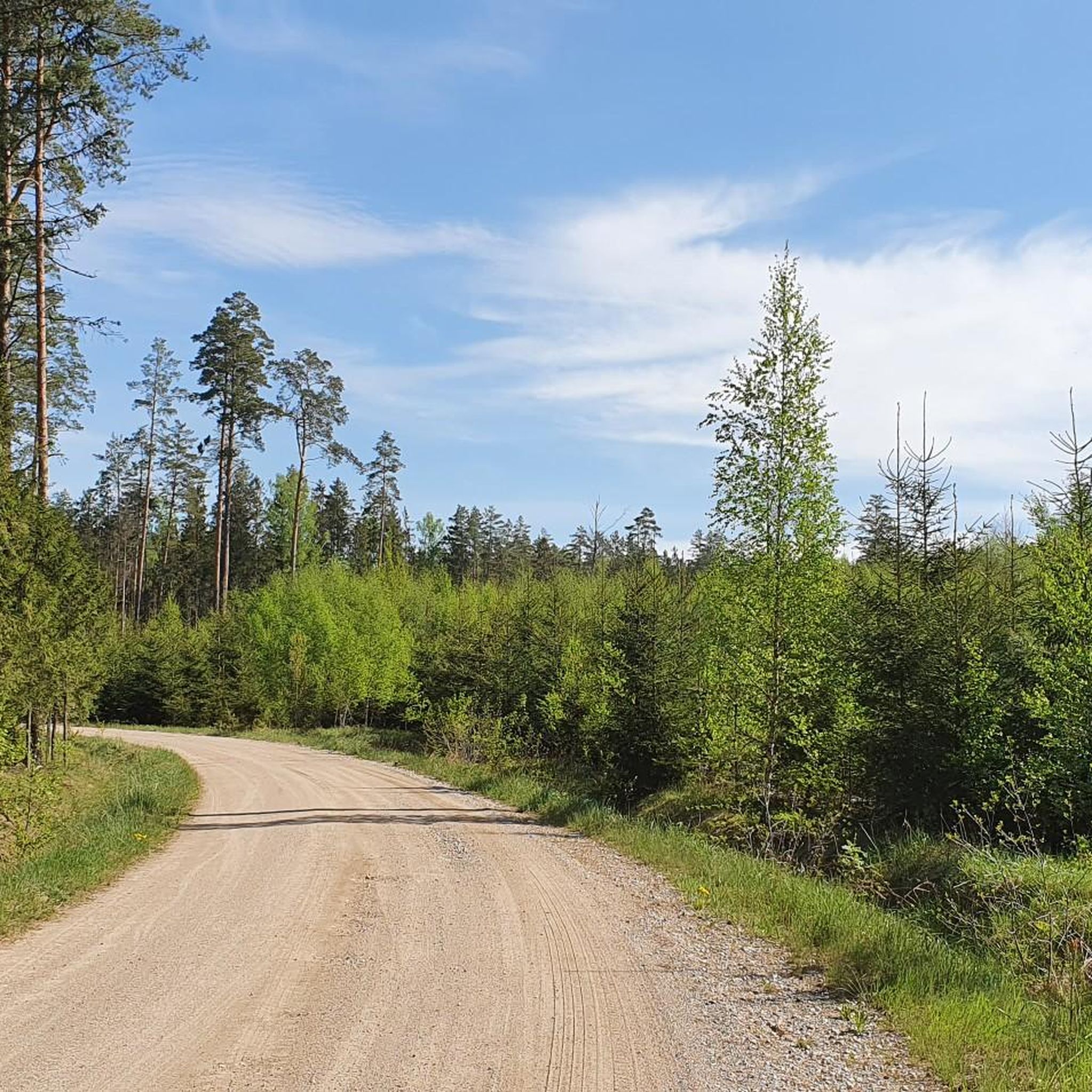
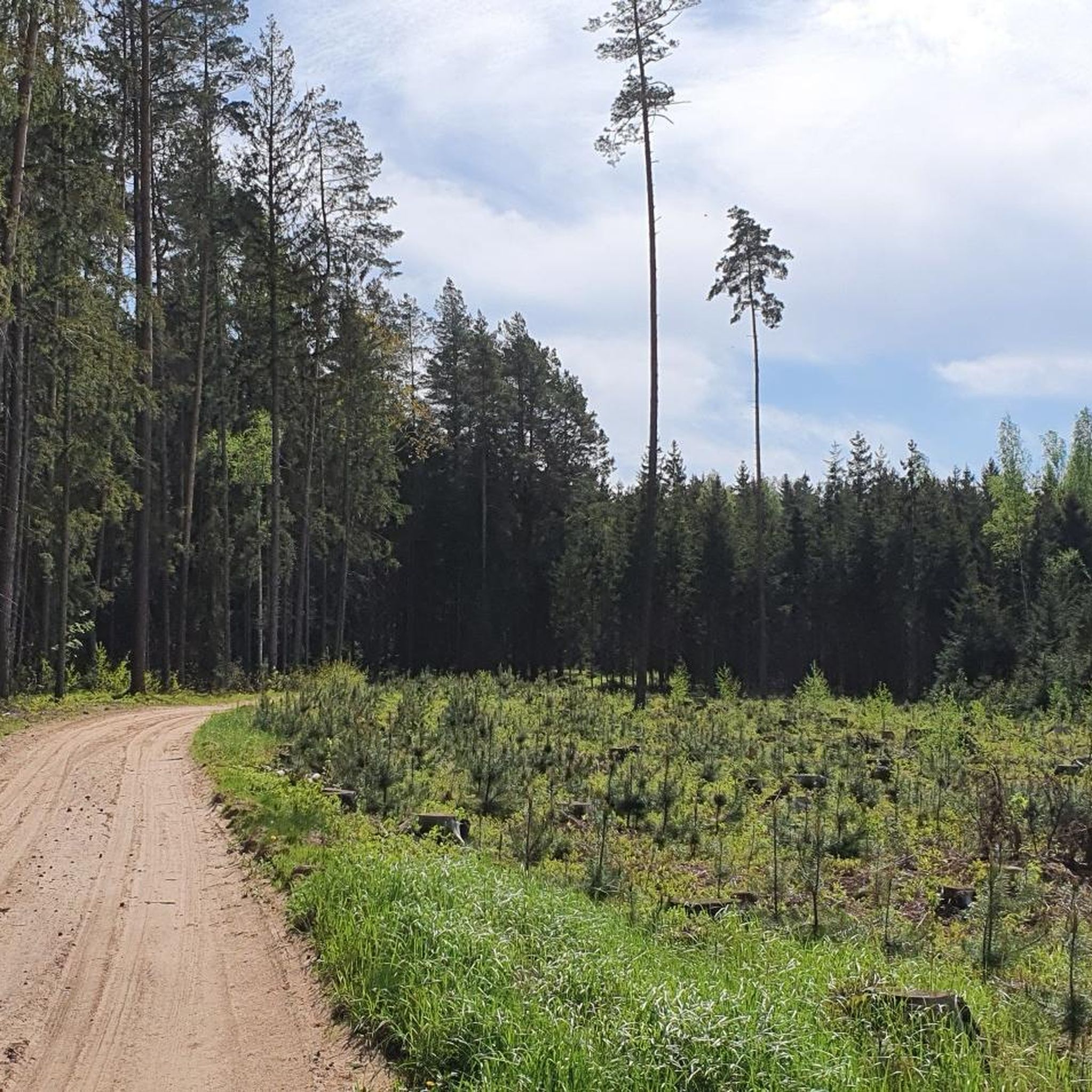
Mountain biking around Kazlų Rūdos miškai offers diverse terrain within one of Lithuania's largest forest massifs, located west of Kaunas. The region is characterized by extensive pine forests, making up about 50% of the woodland, alongside spruce, black alder, and birch. Its predominantly sandy terrain, a legacy of the Nemunas River's delta, features both flat expanses and undulating surfaces, with some areas exhibiting sand dunes. A network of small rivers like the Nova, Višakis, Judrė, and Jūrė also crisscrosses the…
Last updated: July 10, 2026
8
riders
6.34km
00:40
80m
80m
Hard mountain bike ride. Great for any fitness level. Advanced riding skills necessary. Some portions of the route may require you to push your bike.
5.0
(3)
30
riders
62.7km
03:45
280m
280m
Moderate mountain bike ride. Good fitness required. Advanced riding skills necessary.

Sign up for free
5.0
(1)
17
riders
26.7km
01:37
120m
120m
Easy mountain bike ride. Great for any fitness level. Suitable for all skill levels.
3
riders
46.1km
03:24
160m
160m
Moderate mountain bike ride. Good fitness required. Advanced riding skills necessary.
4.7
(9)
88
riders
54.5km
03:15
320m
320m
Moderate mountain bike ride. Good fitness required. Suitable for all skill levels.
Our route recommendations are based on thousands of hikes, rides, and runs completed by other people on komoot.
Start today with a free account
Your next adventure awaits.
Login or Signup

Tips from the Community

Kaunas Ohel Jaakov Choral Synagogue The only surviving and functioning synagogue in Kaunas was built in 1870 at the initiative of the first guild merchant Mr. Minkowski according to the project of the engineer Mr. Golinevičius. The synagogue is known as choral because ceremonies there are accompanied by a chorus. According to the urban planning rules in force at that time, synagogues were to be kept away from orthodox and other churches. The synagogue is a composite rectangular building with plastered masonry and a triple protruding wall facing aron codesh on the east side and three entrances on the west side. At the entrance to the synagogue, the neo-baroque pediment ends with a massive turret dome adorned with a hexagonal Star of David. In the central part of the synagogue's prayer hall is bima a skylight-lit octagonal elevation for Torah reading, enclosed by an openwork metal fence. Aron kodesh, a multi-level cupboard that holds the Torah (the Old Testament), is located at the eastern wall. The interior is decorated with plant and animal patterns typical of Jewish art, and the space is divided into a men's (main) hall and women's galleries on the second floor. It is a Neo-Baroque building of the Historicist period.
0
0


To visit, you have to ring the bell at the gate. Admission for adults is €6. The monastery was built in 1664 by Camaldolese monks and has one of the most beautiful baroque churches in the country. The church was completed by 1676; the decorations inside the church lasted until 1712. The builders were the Italians Giovanni Battista Frediani and, from 1674, the brothers Pietro and Carlo Puttini. Since 1992, it has been looked after by the Order of the Sisters of Saint Casimir.
1
0


The monastery is located on an island in Lake Kaunas and was designed by an Italian architect in the 17th century. Considered one of the most beautiful baroque monasteries in Lithuania, it was restored in the 20th century. The Pažaislis Church is an impressive example of Baroque architecture and is notable for its dome and ornate altar. The monastery also offers a wonderful view of the lake and the surrounding countryside. Hiking in the vicinity of the monastery is a special experience, as you can enjoy the peace and beauty of nature here. You can also get to know the history and culture of Lithuania on the numerous hiking trails.
0
0

Beautiful old monastery, very pretty.
2
0

Frequently Asked Questions
What kind of terrain can I expect when mountain biking in Kazlų Rūdos miškai?
The terrain in Kazlų Rūdos miškai is predominantly sandy, a characteristic left by the Nemunas River's ancient delta. You'll navigate through extensive pine forests, interspersed with spruce, black alder, and birch. The landscape features both flat sections and undulating surfaces, with some unique areas near Braziūkai and Agurkiškės even exhibiting sand dunes. Small rivers like the Nova, Višakis, Judrė, and Jūrė also crisscross the massif, adding to the varied scenery.
Are there mountain bike trails suitable for beginners or those looking for an easy ride?
Yes, there are options for easier rides. For instance, the Vilniaus Street (Kaunas) loop from Raudondvaris is an easy 26.4 km (16.4 miles) trail that takes about 1 hour 35 minutes to complete, leading through extensive pine forests.
Are there any challenging mountain bike trails for advanced riders?
Yes, advanced riders can test their skills on routes like the Velo Bar loop from Kačerginė. This 6.2 km (3.8 miles) trail is rated as difficult and is known for its challenging sections, typically taking about 40 minutes to complete.
What are some of the longer mountain bike routes in the area?
For a more extensive ride, consider the 1000 Litas Banknote Building loop from Raudondvaris. This moderate route spans 62.3 km (38.7 miles) and traverses varied forest types and sandy soils, offering a comprehensive experience of the massif. Another longer option is the Kačiarga Café – Velo Bar loop from Ringaudai, a moderate 45.7 km (28.4 miles) trail.
What natural features or landmarks can I see along the mountain bike trails?
The Kazlų Rūdos miškai region offers diverse natural features. You'll ride through varied forest types, encounter sandy soils, and may spot small rivers like the Nova, Višakis, Judrė, and Jūrė. The area also features the Kazlų Rūdos cognitive forest trail, which includes a wooden observation tower for panoramic views, and offers insights into local history, such as iron ore extraction and partisan bunkers. The Kazlų pond is another scenic spot.
Are there any family-friendly mountain biking options in Kazlų Rūdos miškai?
While specific family-designated trails aren't listed, the Kazlų Rūdos cognitive forest trail is designed for both pedestrians and cyclists, offering a 6.5 km route that could be suitable for families looking for a less strenuous ride. Generally, the easier routes through the extensive pine forests would be more appropriate for families.
What do other mountain bikers say about the trails in Kazlų Rūdos miškai?
The mountain bike routes in Kazlų Rūdos miškai are highly regarded by the komoot community, holding an average rating of 4.9 stars from over 10 reviews. Many riders appreciate the varied terrain, extensive forest cover, and the options available for different skill levels.
Is there public transport access to the Kazlų Rūdos miškai area for mountain bikers?
The Kazlų Rūdos miškai region is located approximately 12 km west of Kaunas. While specific public transport routes directly to trailheads are not detailed, Kaunas serves as a major transport hub, and local bus services or regional trains might connect to towns bordering the forest, such as Kazlų Rūda, Raudondvaris, or Kačerginė, from where you could access the trails.
Are there places to park near the mountain bike trails in Kazlų Rūdos miškai?
Given the popularity of the area for outdoor activities, it is generally possible to find parking in or near the towns and villages that serve as starting points for trails, such as Kačerginė, Raudondvaris, or Ringaudai. Specific parking facilities for each trailhead are best checked locally upon arrival.
What is the best time of year to go mountain biking in Kazlų Rūdos miškai?
The Kazlų Rūdos miškai region is enjoyable for mountain biking through much of the year. Spring and autumn offer pleasant temperatures and beautiful foliage. Summer provides longer daylight hours, though some trails might be dustier. Winter mountain biking is possible, but conditions can be challenging due to snow and ice, requiring appropriate gear and caution.
Are there any loop trails available for mountain biking?
Yes, many of the mountain bike routes in Kazlų Rūdos miškai are designed as loops. Examples include the Velo Bar loop from Kačerginė, the 1000 Litas Banknote Building loop from Raudondvaris, and the Vilniaus Street (Kaunas) loop from Raudondvaris, all offering circular routes back to their starting points.
Are there any cafes or places to eat near the mountain bike trails?
While specific cafes directly on the trails are not detailed, towns and villages surrounding the Kazlų Rūdos miškai, such as Kačerginė, Raudondvaris, and Kazlų Rūda, would offer various options for refreshments and meals. For example, the Kačiarga Café – Velo Bar loop from Ringaudai suggests a route that passes by a café, indicating such amenities are available in the vicinity.
Most popular routes around Kazlų Rūdos miškai

Get inspired with the komoot mobile app


Explore more
Browse the best MTB trails in other regions.
