The best road cycling routes around Kleboniškio miško parkas
4.9
(112)
2,343
riders
56
rides
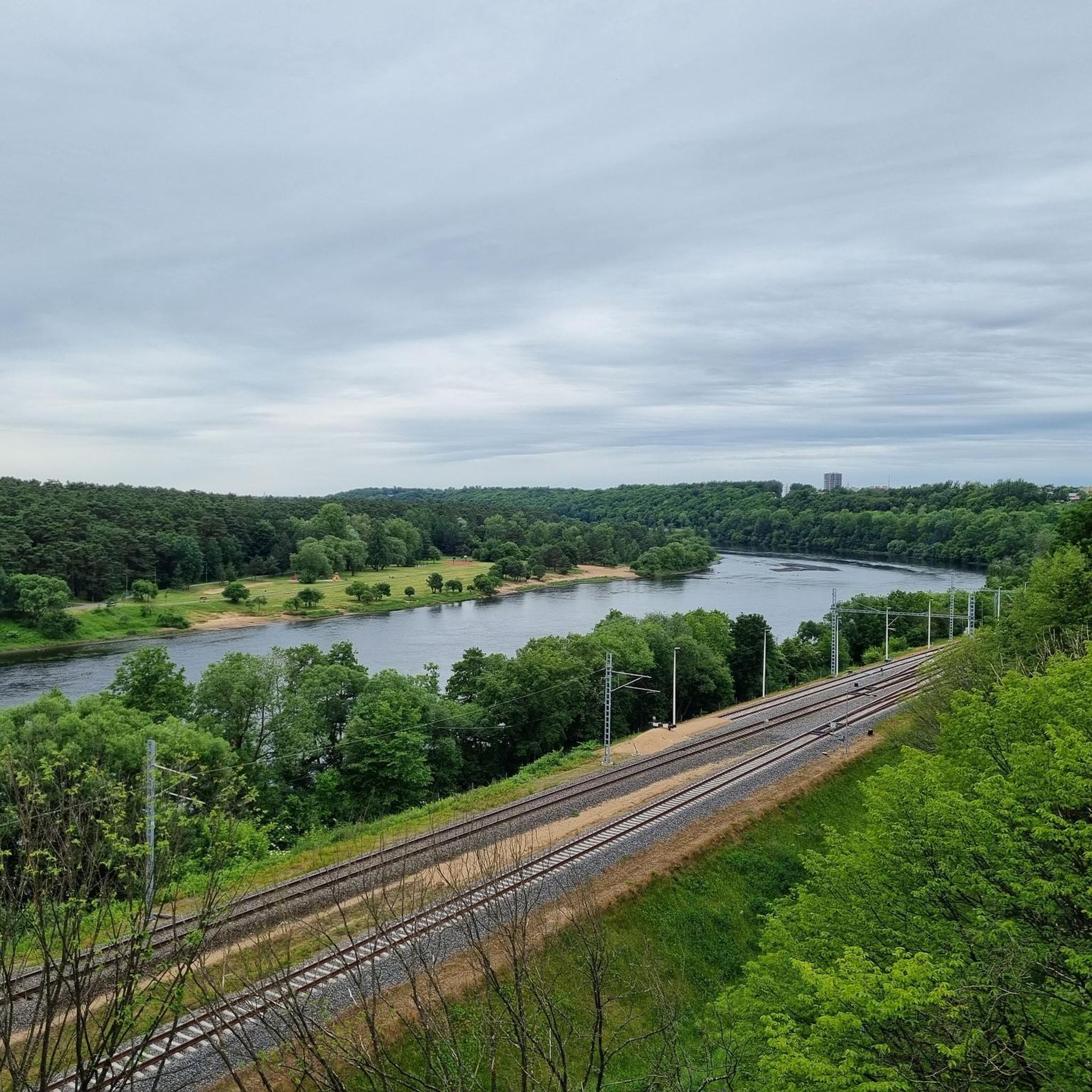
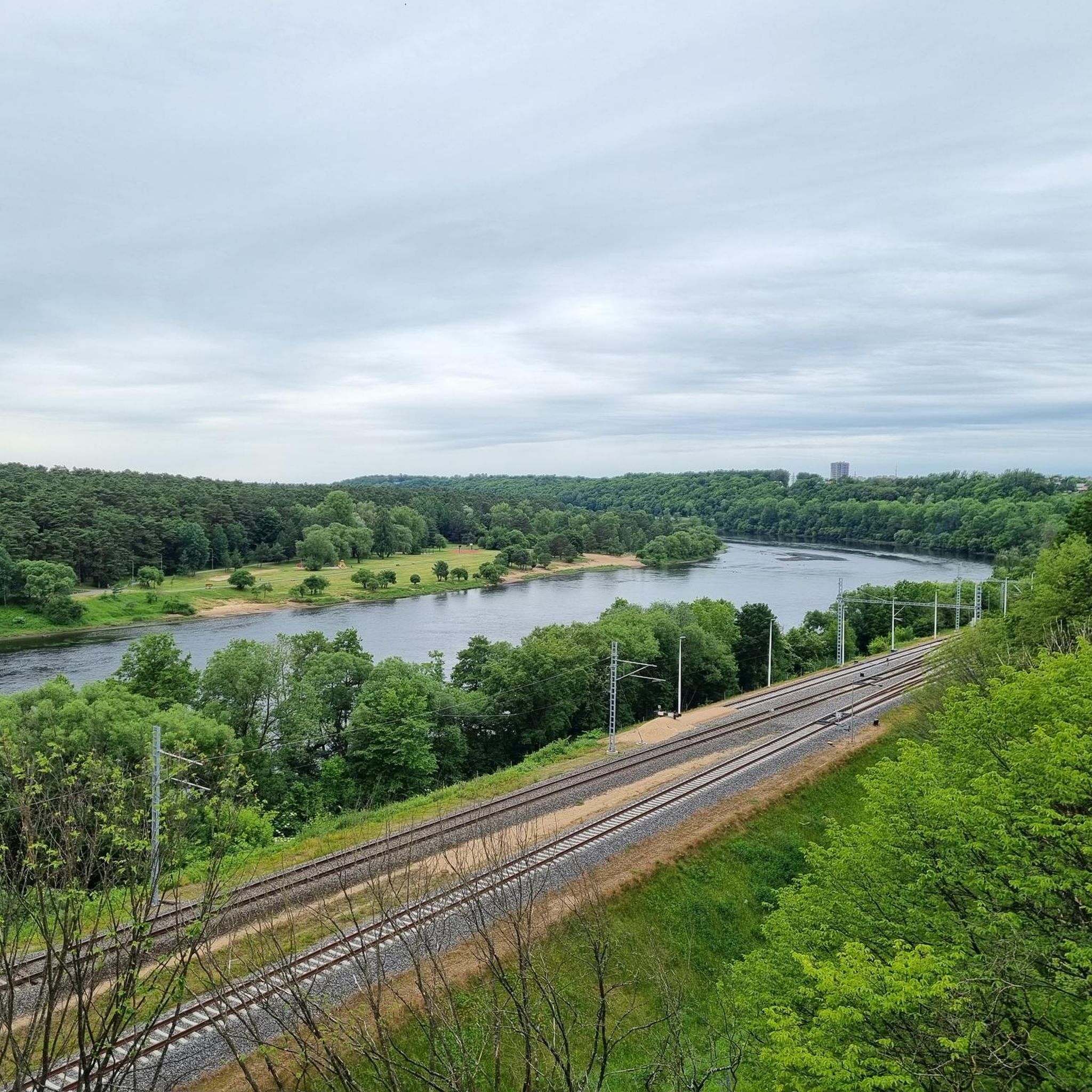
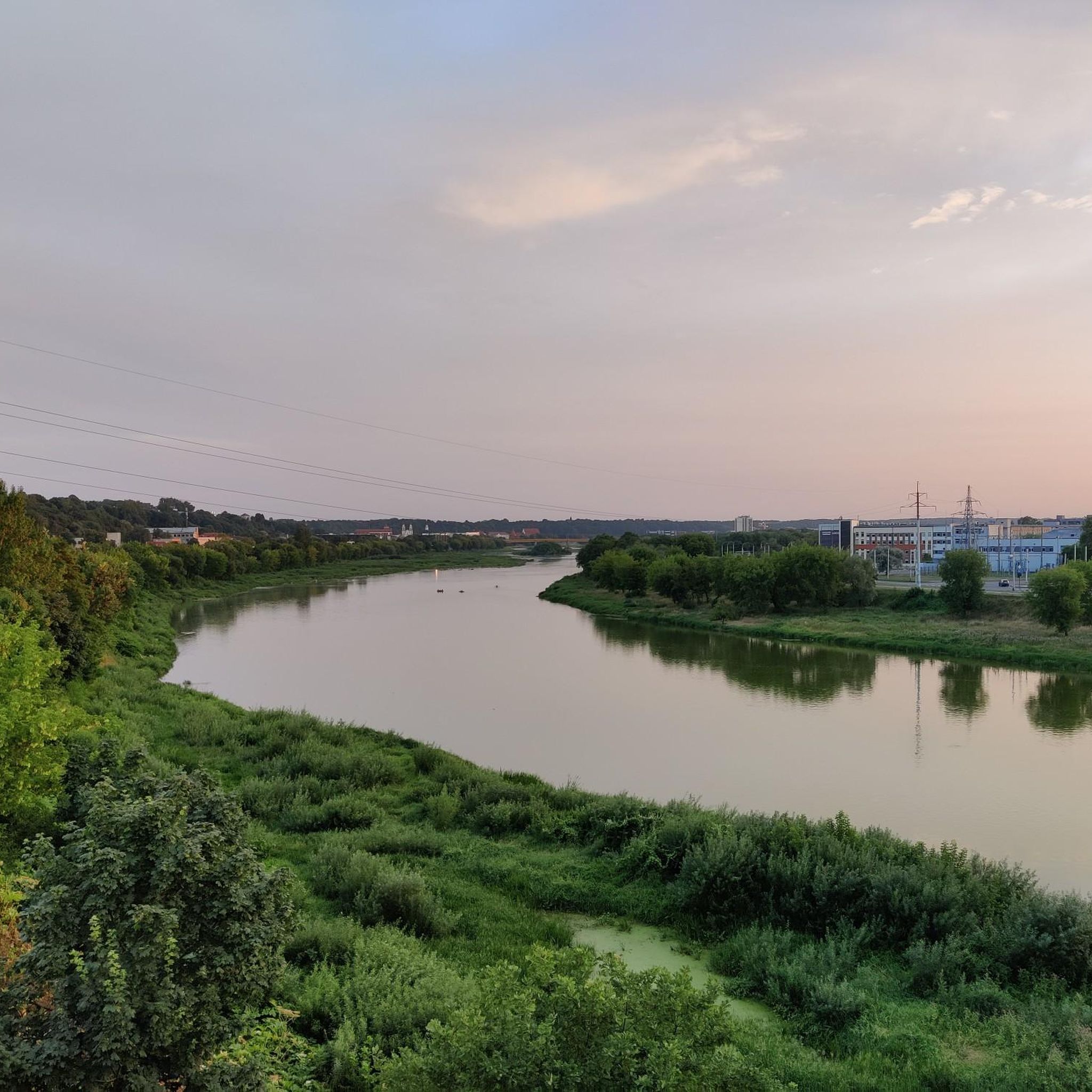
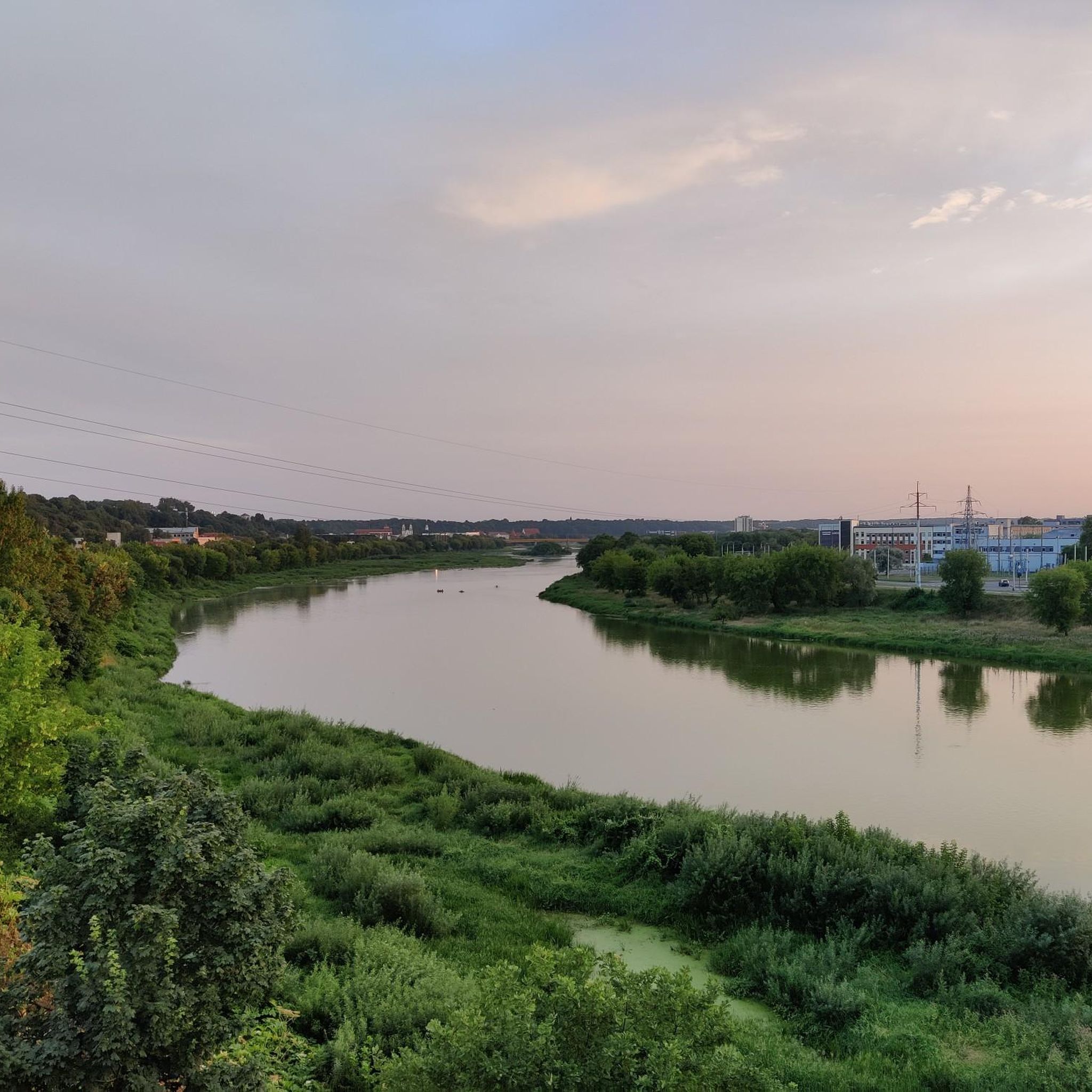
Road cycling routes around Kleboniškio miško parkas feature expansive natural landscapes and dedicated paths within one of Kaunas's largest parks. The Nėris River borders the park, contributing to a diverse environment that often gives the impression of untouched wilderness. A dedicated pedestrian and bicycle path connects micro-districts, allowing for cycling through the forest. The terrain accommodates various fitness levels, with routes categorized by elevation gain and duration.
Best road cycling routes around Kleboniškio miško parkas
- The most popular road cycling route is Kaunas Castle – Pypliai Hillfort loop from Eiguliai, a 33.0 miles (53.1 km) trail that takes 2 hours 37 minutes to complete. This route offers a moderate challenge with varied scenery.
- Another top favourite among local road cyclists is Church of Vytautas the Great – Kaunas Castle loop from Eiguliai, a moderate 24.5 miles (39.4 km) path. This route passes by historical landmarks within the Kaunas area.
- Local road cyclists also love the Veršvai Hillfort – Lampėdžiai Lake loop from Dainava, a 15.4 miles (24.8 km) trail leading through areas near Lampėdžiai Lake, often completed in about 1 hour 6 minutes.
- Road cycling around Kleboniškio miško parkas is defined by dedicated paved paths, dense forest sections, and proximity to the Nėris River. The network offers options for different ability levels, from easier rides to more challenging routes with elevation gain.
- The routes in Kleboniškio miško parkas are highly rated by the komoot community with an average score of 4.8 stars from over 130 reviews. More than 2,400 road cyclists have used komoot to explore Kleboniškio miško parkas's varied terrain.
Last updated: August 20, 2026
4.9
(22)
482
riders
50.7km
02:24
220m
220m
Moderate road ride. Good fitness required. Some segments of this route may be unpaved and difficult to ride.
5.0
(2)
43
riders
39.0km
01:42
190m
190m
Moderate road ride. Great for any fitness level. Some segments of this route may be unpaved and difficult to ride.

Sign up for free
3.0
(2)
20
riders
27.9km
01:21
130m
130m
Moderate road ride. Great for any fitness level. Some segments of this route may be unpaved and difficult to ride.
5.0
(1)
19
riders
76.2km
03:12
370m
370m
Moderate road ride. Good fitness required. Some segments of this route may be unpaved and difficult to ride.
5.0
(3)
28
riders
18.7km
00:50
90m
90m
Easy road ride. Great for any fitness level. Mostly well-paved surfaces and easy to ride.
Get access to more routes and recommendations from other explorers.
Sign up for free
Already have an account?
Our route recommendations are based on thousands of hikes, rides, and runs completed by other people on komoot.
Start today with a free account
Your next adventure awaits.
Login or Signup

Tips from the Community

A highlight of the city is the former town hall. It is called the White Swan, as it is built entirely in white. The characteristic features of this building are its construction elements in the Renaissance and Late Baroque style. The 53-meter-high tower is the city's landmark and is adorned with an aurochs as a weather vane.
3
0

In 1941, the ghetto in the Lithuanian city of Kaunas was sealed off. Shalom Eilati (*1933), who had to move into the ghetto with his family, recalls: »August 15, 1941, arrived, just eight weeks after the start of the attacks, and the gates of the ghetto were closed. Now everyone was locked inside. For a few more weeks, people were busy moving from here to there, looking for a spot to stay. Occasionally, new families were brought in, who had survived as if by a miracle. Three years later, of an original ghetto population of more than 30,000 people, only a few thousand would still be alive.« The SS converted the ghetto into the Kauen concentration camp in August 1943, with initially still 17,000 Jews. From July 1944, the Kauen concentration camp was cleared ahead of the approaching Red Army, and most of the remaining inhabitants were deported to other camps. When the Red Army arrived in Kaunas on August 1, 1944, they found 90 surviving Jews.«
0
0

Great place to run by and close to the pedestrian street Laisvės Alėja. There is an athletic running rink nearby as well, but in winter it can be snowy and icy here.
0
0

Beautiful town hall, called the "White Swan" by the locals.
2
0

St. Michael the Archangel's Church or the Garrison Church is a Roman Catholic church in the city of Kaunas, Lithuania, closing the perspective of the Laisvės alėja, the main pedestrian street. It was built between 1891 and 1895 when Kaunas was part of the Russian Empire, in Neo-Byzantine style largely for the use of the Russian Orthodox garrison of Kaunas Fortress. The construction of "military" or "garrison" Orthodox churches by the Russian government in former Polish–Lithuanian Commonwealth lands had started after the suppression of the November Uprising of 1830-31, and peaked during the reign of emperor Alexander III of Russia. Initially the site of this church had been intended to be used for a Catholic church, but these plans had been abandoned after the Uprising. The church was designed as an Orthodox cathedral of Saints Peter and Paul in 1890 by K. H. Lymarenko; it was authorized for construction on November 10 that year.
0
0

The transport hub with the world. It's also easily accessible from Birstonas in 1 hour for a day trip, for example, if you're staying overnight at the Nature Camp in Birstonas.
0
0

Extremely nice place, but take some booze with you, because it is quite expensive here.
0
0

Very beautiful surroundings, great bike path all the way to Kaunas.
0
0
Frequently Asked Questions
How many road cycling routes are available in Kleboniškio miško parkas?
Kleboniškio miško parkas offers over 60 road cycling routes. These routes cater to various skill levels, with a good selection of easy and moderate options.
What are the typical difficulty levels for road cycling in the park?
The road cycling routes in Kleboniškio miško parkas are primarily categorized as easy and moderate. There are approximately 15 easy routes and 46 moderate routes, ensuring options for both casual riders and those seeking a bit more challenge.
Are there any routes with significant elevation gain in the area?
Yes, some routes around Kleboniškio miško parkas do feature notable elevation gain. For instance, the Kaunas Choral Synagogue – Akropolis loop from Žaliakalnis has an elevation gain of over 320 meters, offering a more challenging ride.
What natural features can I expect to see while cycling in Kleboniškio miško parkas?
While cycling, you'll experience the park's expansive natural landscapes, bordered by the Nėris River to the west and north. The interior often feels like untouched wilderness, with dense forest sections. You might also encounter one of the park's four natural springs or the impressive 245-year-old giant pine tree.
Are there any historical landmarks or attractions along the road cycling routes?
Yes, the area around Kleboniškio miško parkas is rich in history. Routes often pass by remnants of a tsarist-era military town, elements related to the Kaunas Fortress, and even the intriguing 'Magnetic Hill' where compasses are said to behave unusually. Some community initiatives have also introduced artistic sculptures made from fallen branches.
Are the cycling paths in Kleboniškio miško parkas paved and suitable for road bikes?
Yes, Kleboniškio miško parkas features dedicated paved pedestrian and bicycle paths, making it well-suited for road cycling. These paths connect various micro-districts and allow for smooth riding through the forest.
Can I find circular road cycling routes in Kleboniškio miško parkas?
Many of the routes in the area are designed as loops, offering circular journeys. Examples include the Kaunas Castle – Pypliai Hillfort loop from Eiguliai and the Church of Vytautas the Great – Kaunas Castle loop from Eiguliai, allowing you to start and end at the same point.
What is the best time of year for road cycling in Kleboniškio miško parkas?
While the guide doesn't specify a 'best' season, the presence of dedicated paths and natural landscapes suggests that spring, summer, and early autumn would offer the most pleasant conditions for road cycling, with milder weather and vibrant scenery.
Are there any family-friendly road cycling options in the park?
The park's dedicated pedestrian and bicycle path, along with its selection of easy and moderate routes, makes it suitable for family-friendly road cycling. The varied terrain accommodates different fitness levels, allowing families to choose routes that match their abilities.
What do other road cyclists enjoy most about cycling in Kleboniškio miško parkas?
The area is highly rated by the komoot community, with an average score of 4.8 stars from over 130 reviews. Reviewers often praise the expansive natural landscapes, the dedicated paved paths, and the sense of immersion in nature despite the park's proximity to the city.
How can I reach Kleboniškio miško parkas using public transport for cycling?
The park is accessible, with a dedicated pedestrian and bicycle path connecting the Eiguliai micro-district with the village of Narėpai. While specific public transport connections for cyclists aren't detailed, its integration with city micro-districts suggests public transport options to reach the park's vicinity are available.
Are there any cafes or amenities near the road cycling routes?
The guide focuses on the routes themselves, but given the park's size and proximity to Kaunas, it's likely that amenities like cafes and pubs can be found in the surrounding micro-districts or within Kaunas city center, which many routes connect to or pass by.
Are dogs allowed on the road cycling paths in Kleboniškio miško parkas?
The guide does not explicitly state regulations regarding dogs on cycling paths. However, as a large natural park, it is generally common for well-behaved dogs on a leash to be permitted in public green spaces. It's advisable to check local park regulations for specific rules.
Most popular routes around Kleboniškio miško parkas

Get inspired with the komoot mobile app


Explore more
Browse the best Road cycling routes in other regions.
