The best running trails around Bükk
4.8
(12)
306
runners
40
runs
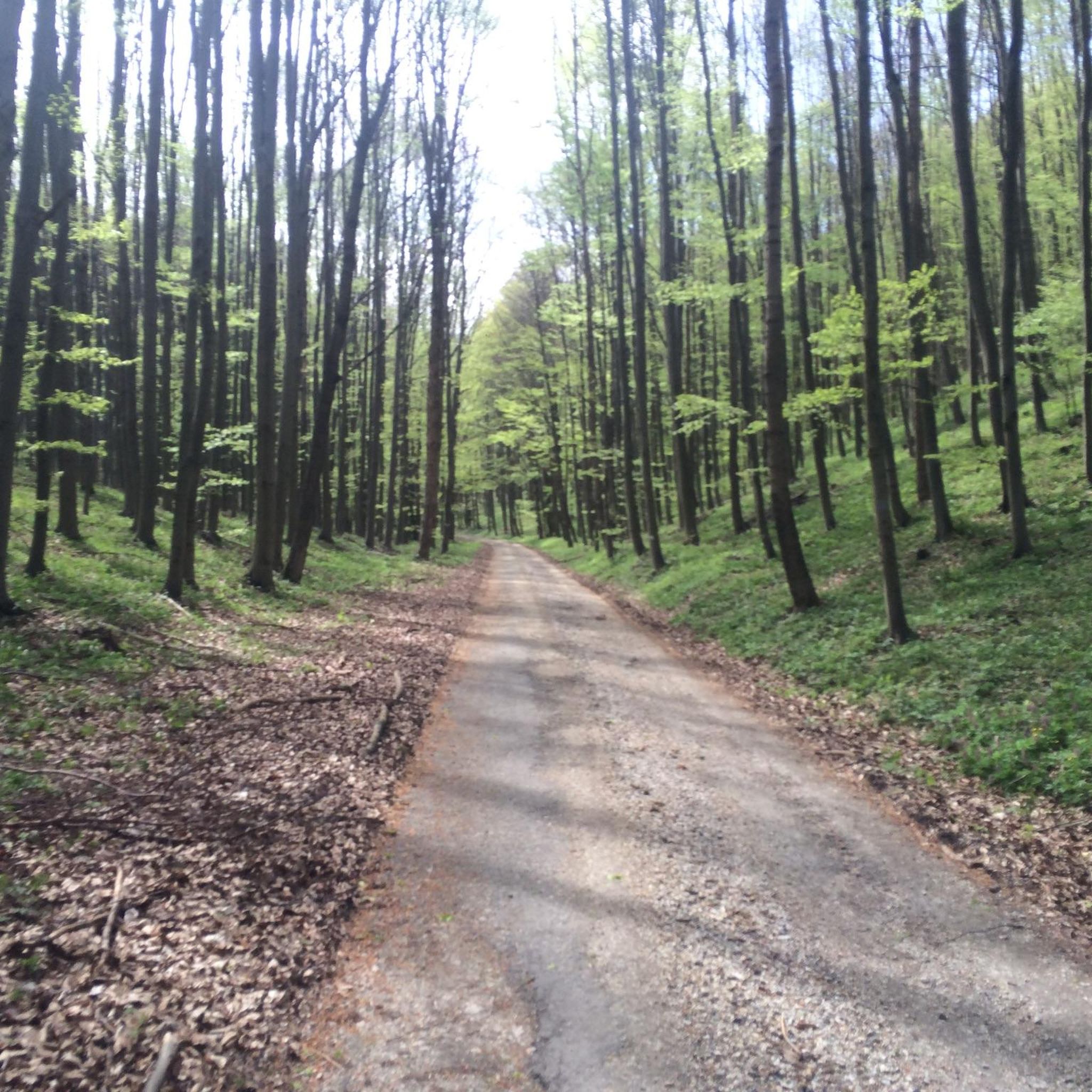
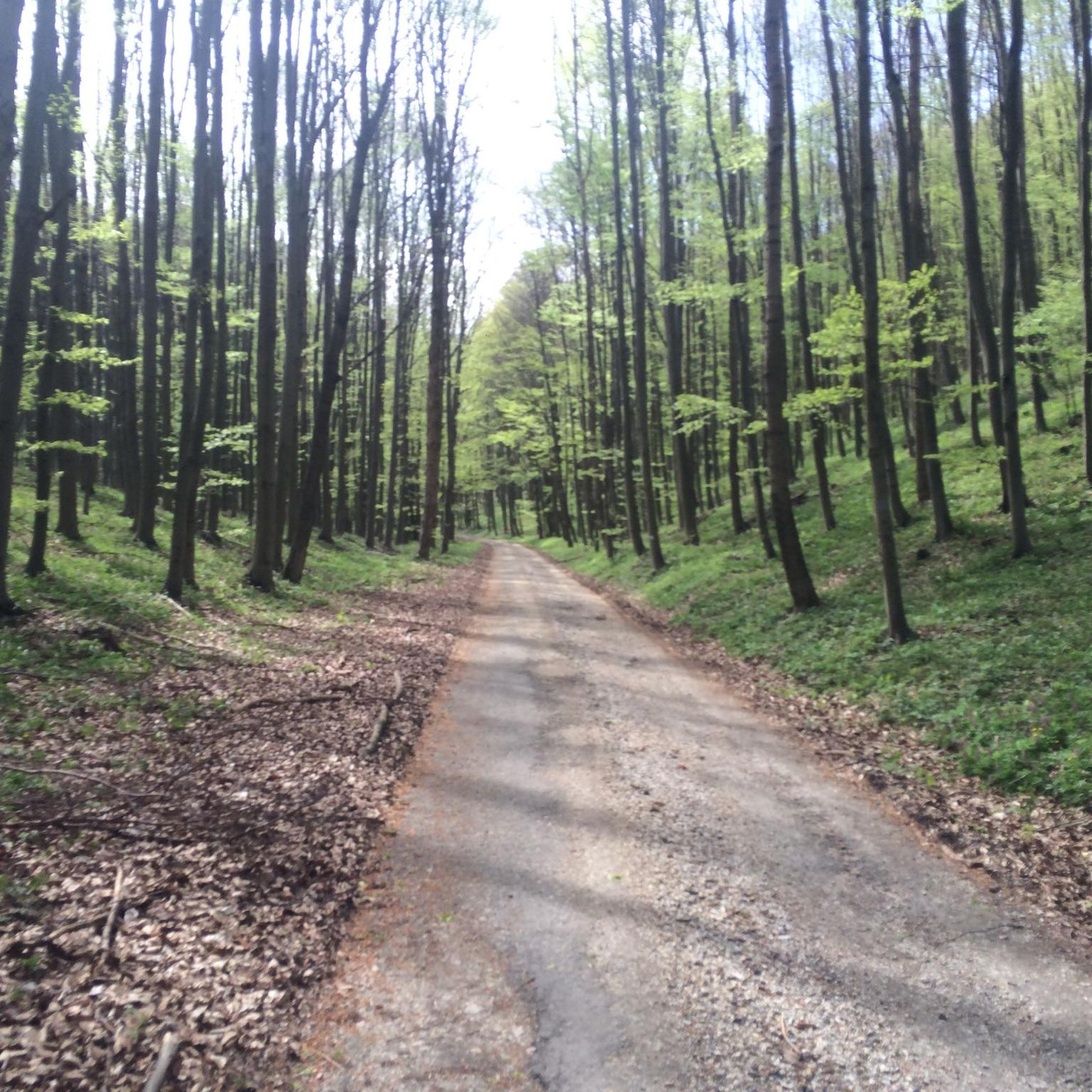
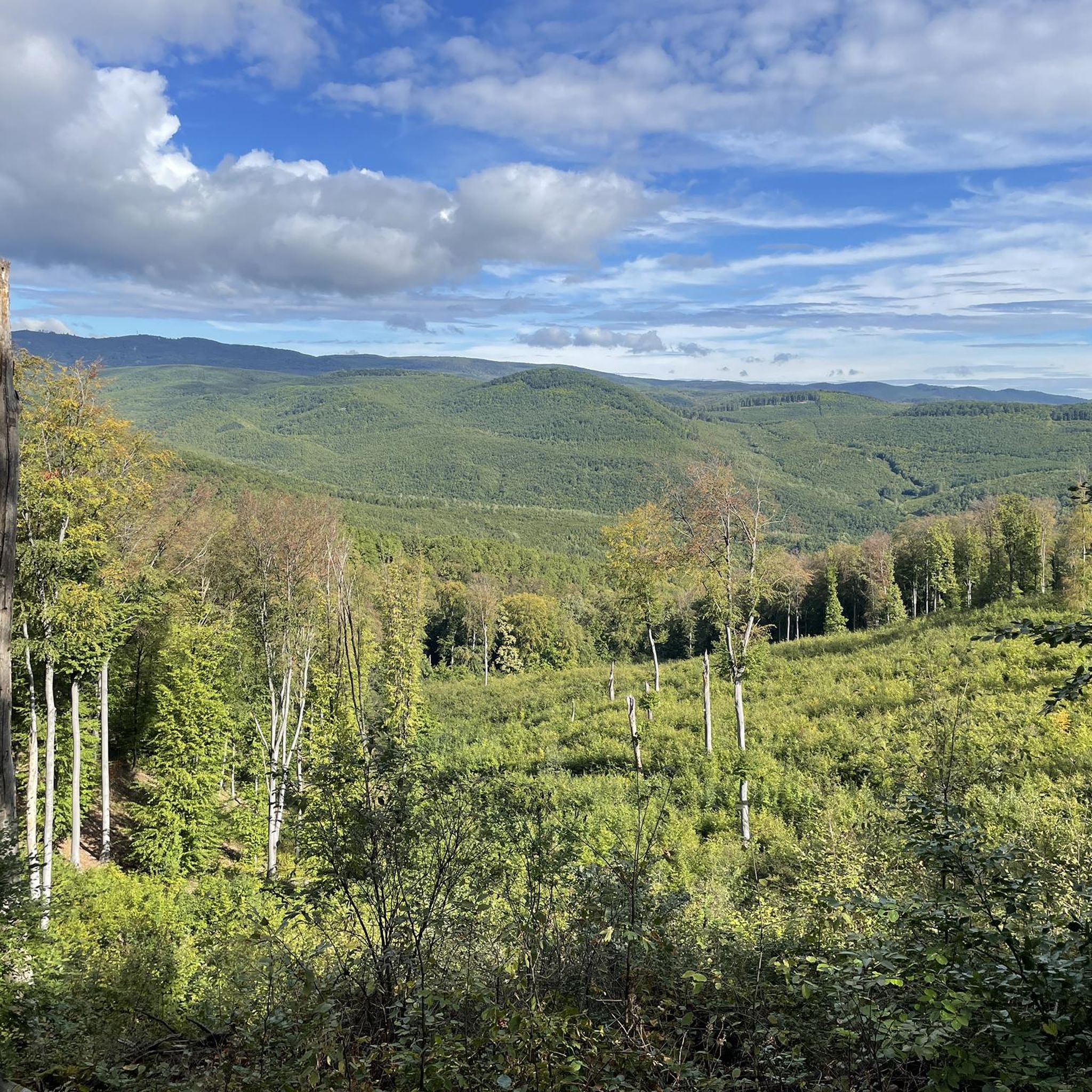
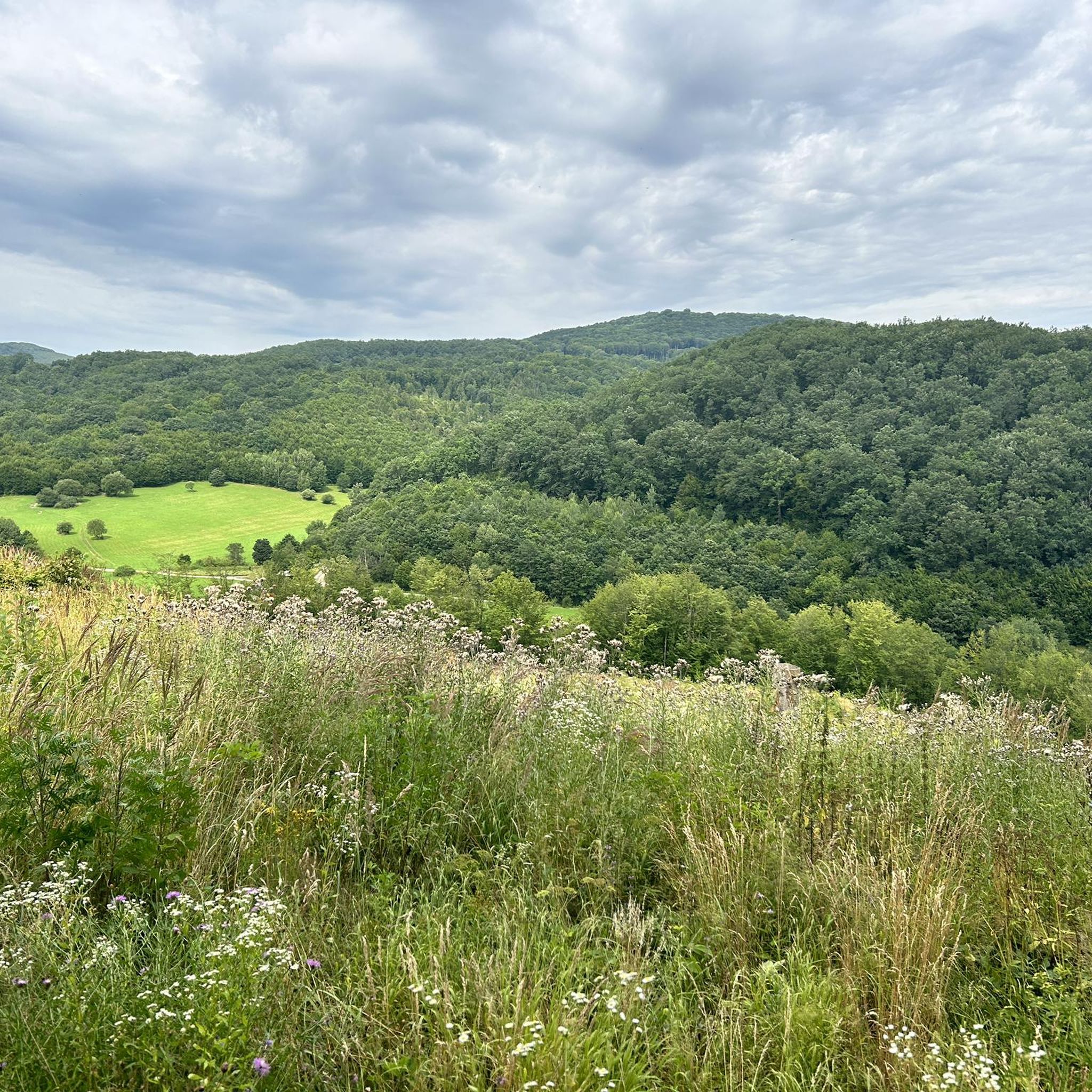
Jogging around Bükk offers a diverse landscape characterized by its limestone mountains, extensive forests, and deep valleys. The region provides varied terrain for running, from challenging uphill sections to more gradual forest paths. Many routes traverse the Bükk National Park, allowing runners to experience its natural environment. The elevation changes across the area present opportunities for different levels of physical exertion.
Best jogging routes around Bükk
- The most popular jogging route is Síkfőkúti-tó – Attila-kút loop from Noszvaj, a…
Last updated: August 11, 2026
5.0
(4)
43
runners
8.27km
00:55
130m
130m
Moderate run. Good fitness required. Mostly paved surfaces. Suitable for all skill levels.
5.0
(1)
23
runners
13.7km
02:00
630m
640m
Hard run. Very good fitness required. Mostly accessible paths. Some sure footedness required.

Sign up for free
5.0
(1)
23
runners
13.0km
01:53
590m
590m
Hard run. Very good fitness required. Mostly accessible paths. Some sure footedness required.
10
runners
10.1km
01:17
310m
310m
Hard run. Very good fitness required. Mostly paved surfaces. Suitable for all skill levels.
11
runners
11.0km
01:30
390m
390m
Hard run. Very good fitness required. Mostly paved surfaces. Suitable for all skill levels.
Get access to more routes and recommendations from other explorers.
Sign up for free
Already have an account?
Our route recommendations are based on thousands of hikes, rides, and runs completed by other people on komoot.
Start today with a free account
Your next adventure awaits.
Login or Signup
Tips from the Community

Extensive archaeological work since 2000 has confirmed that people lived in the Szalajka Valley as early as 40,000 years ago. The cave dwellers lived in the Istállós cave and even had contact with other tribes from the valley, some of which lived 500 kilometers away. People also lived in the idyllic valley during the Bronze Age, as evidenced by Celtic relics and an early earthwork. Nevertheless, there were no major settlements within the valley until the Middle Ages, as trade routes were difficult to establish in the heavily forested area. Permanent settlement in the Szalajka Valley began in the 14th century, when people settled in the village of Wárad, now known as Szilvásvárad. The high-quality timber served as a source of urban income even in the Middle Ages, attracting increasing numbers of people to settle there. Later, potash was also extracted from the valley, which ultimately gave the area its current name. Potash means "sal alcali" in Latin, and these words have been incorporated into the Hungarian language. Until the 20th century, the valley was only known regionally. With the construction of the Szilvásvárad narrow-gauge railway, the first tourists arrived to travel to the valley by train. Since the 21st century, however, the Szalajka Valley has become a purely tourist destination, with forestry operations remaining minimal. Source: https://www.urlaub-ungarn.at/sightseeing/natuerliche-sehenswuerdigkeiten-ungarn/szalajka-tal.html
0
0


Very nice clear clean water. Here you can admire the many fish.
1
0

The Szalajka Valley has crystal clear water
6
0
The most wonderful and popular place in the Szalajka Valley is the Veil Waterfall, which is an outstanding nature conservation value not only of the valley, but also of one of the most beautiful natural phenomena in Hungary.
7
0
Frequently Asked Questions
Are there any easy or beginner-friendly running routes in Bükk?
The Bükk region is known for its challenging terrain. Most of the 41 running routes available are rated as moderate or difficult, with 23 difficult and 18 moderate options. There are no routes specifically categorized as easy. Beginners might find the moderate trails manageable, but should be prepared for elevation changes.
What kind of terrain can I expect on running trails in Bükk?
Running in Bükk involves diverse terrain, primarily characterized by limestone mountains, dense forests, and deep valleys. You'll encounter challenging uphill sections and more gradual forest paths. The routes often traverse the Bükk National Park, offering a natural and varied running experience.
Are there any circular running routes in Bükk?
Yes, many running routes in Bükk are circular, allowing you to start and finish at the same point. For example, the Szén-hegy – Szarvaskő vára loop from Szarvaskő is a challenging 10.9 km circular trail that offers scenic views.
Can I bring my dog on the running trails in Bükk?
Bükk National Park generally allows dogs on trails, provided they are kept on a leash. It's always recommended to check specific regulations for individual trails or protected areas within the park. Ensure your dog is fit for the varied terrain and elevation changes.
Are there any running routes suitable for families in Bükk?
While many routes are moderate to difficult, families with older children who are accustomed to hiking or running might enjoy some of the shorter moderate trails. However, due to the significant elevation changes and challenging sections, routes might not be suitable for very young children or strollers. Consider the Síkfőkúti-tó – Kövesdi kilátóhely loop from Noszvaj for a slightly shorter, though still difficult, option.
What are the best times of year to go running in Bükk?
Spring and autumn are generally ideal for running in Bükk. Spring brings fresh greenery and pleasant temperatures, while autumn offers spectacular foliage, especially in the extensive forests. Summer can be warm, so early morning or late afternoon runs are preferable. Winter running is possible, but trails may be icy or snowy, requiring appropriate gear.
Are there running routes in Bükk with good viewpoints?
Absolutely. The mountainous terrain of Bükk offers numerous opportunities for panoramic views. The View from Fehérkő – Molnár Rock Cross Viewpoint loop from Papírgyár is a challenging 15.4 km route specifically highlighting viewpoints, including the impressive Molnár Rock Cross.
What attractions or landmarks can I see along the running routes in Bükk?
Many routes pass by or near notable attractions. You might encounter natural wonders like the Szalajka Valley: Crystal-clear Stream and Waterfalls, the mysterious Istállós-kő Cave, or the scenic Hámori Lake. The Tar-kő summit also offers breathtaking vistas.
How long are the running trails in Bükk typically?
The running trails in Bükk vary in length, but many of the featured routes are between 10 to 15 kilometers. For instance, the Attila-kút loop from Felsőtárkány-Fűtőház is 13.0 km, while the Síkfőkúti-tó – Attila-kút loop from Noszvaj is 13.7 km. Shorter and longer options are also available among the 41 total routes.
What do other runners say about the Bükk running routes?
The running routes in Bükk are highly regarded by the komoot community, with an average rating of 4.7 out of 5 stars from 8 reviews. Runners often praise the natural beauty of the Bükk National Park, the challenging yet rewarding terrain, and the extensive network of forest paths.
Are there less crowded running trails in Bükk?
While popular spots can see more visitors, the Bükk National Park is vast, offering many trails where you can find solitude. To avoid crowds, consider running during off-peak hours (early mornings or late afternoons) or exploring trails slightly further from main access points or well-known attractions. The sheer number of routes (41 total) means there's plenty of space to spread out.
Are there running routes near cafes or places to refuel in Bükk?
Many villages and towns bordering the Bükk National Park, such as Noszvaj or Felsőtárkány, offer cafes and restaurants where you can refuel before or after your run. Some routes, like those starting from Noszvaj, may pass through or near these amenities, allowing for convenient stops.
Most popular routes around Bükk
Most popular attractions around Bükk

Get inspired with the komoot mobile app


Explore more
Browse the best Running Trails & Routes in other regions.
