The best running trails around Öskjuhlíð
4.7
(131)
10,669
runners
334
runs
Jogging around Öskjuhlíð offers diverse running paths through a prominent woodland hill in Reykjavik, Iceland. This area features a dense forest with nearly 200,000 trees and rises 200 feet (61 meters) above sea level, providing panoramic city and coastal views. The terrain includes both partly rocky, steep sections and semi-paved, flat paths, connecting to other recreational areas like Nauthólsvík beach and the Fossvogsdalur valley. Its central location makes it an accessible destination for urban running.
Best jogging routes around Öskjuhlíð
- The most popular jogging route is Elliðaár Waterfall loop from Hlíðar, a 10.3 miles (16.6 km) trail that takes 1 hour 43 minutes to complete, featuring a difficult grade and scenic waterfall views.
- Another top favourite among local runners is Öskjuhlíð loop from Hlíðar, a moderate 3.2 miles (5.2 km) path. This route offers a direct experience of the hill's forested trails and varied elevation.
- Local runners also love the Fossvogsbakkar loop from Reykjavik Airport, a 4.5 miles (7.2 km) trail leading through coastal areas and the Fossvogsdalur valley, often completed in about 46 minutes.
- Jogging around Öskjuhlíð is defined by dense woodlands, panoramic city views, and connections to coastal paths. The network offers options for different ability levels, from moderate loops to more challenging long-distance running trails.
- The routes in Öskjuhlíð are highly rated by the komoot community with an average score of 4.7 stars from over 90 reviews. More than 10,000 runners have used komoot to explore Öskjuhlíð's varied terrain.
Last updated: November 15, 2026
51
runners
16.7km
01:45
110m
110m
Hard run. Very good fitness required. Mostly paved surfaces.
10
runners
5.21km
00:34
80m
80m
Moderate run. Good fitness required. Mostly paved surfaces.

5
runners
Moderate run. Good fitness required. Mostly paved surfaces.
2
runners
7.62km
00:48
50m
50m
Moderate run. Good fitness required. Mostly paved surfaces.
5.0
(1)
87
runners
Moderate run. Good fitness required. Mostly paved surfaces.
Get access to more routes and recommendations from other explorers.
Already have an account?
Our route recommendations are based on thousands of hikes, rides, and runs completed by other people on komoot.
Start today with a free account
Your next adventure awaits.
Tips from the Community

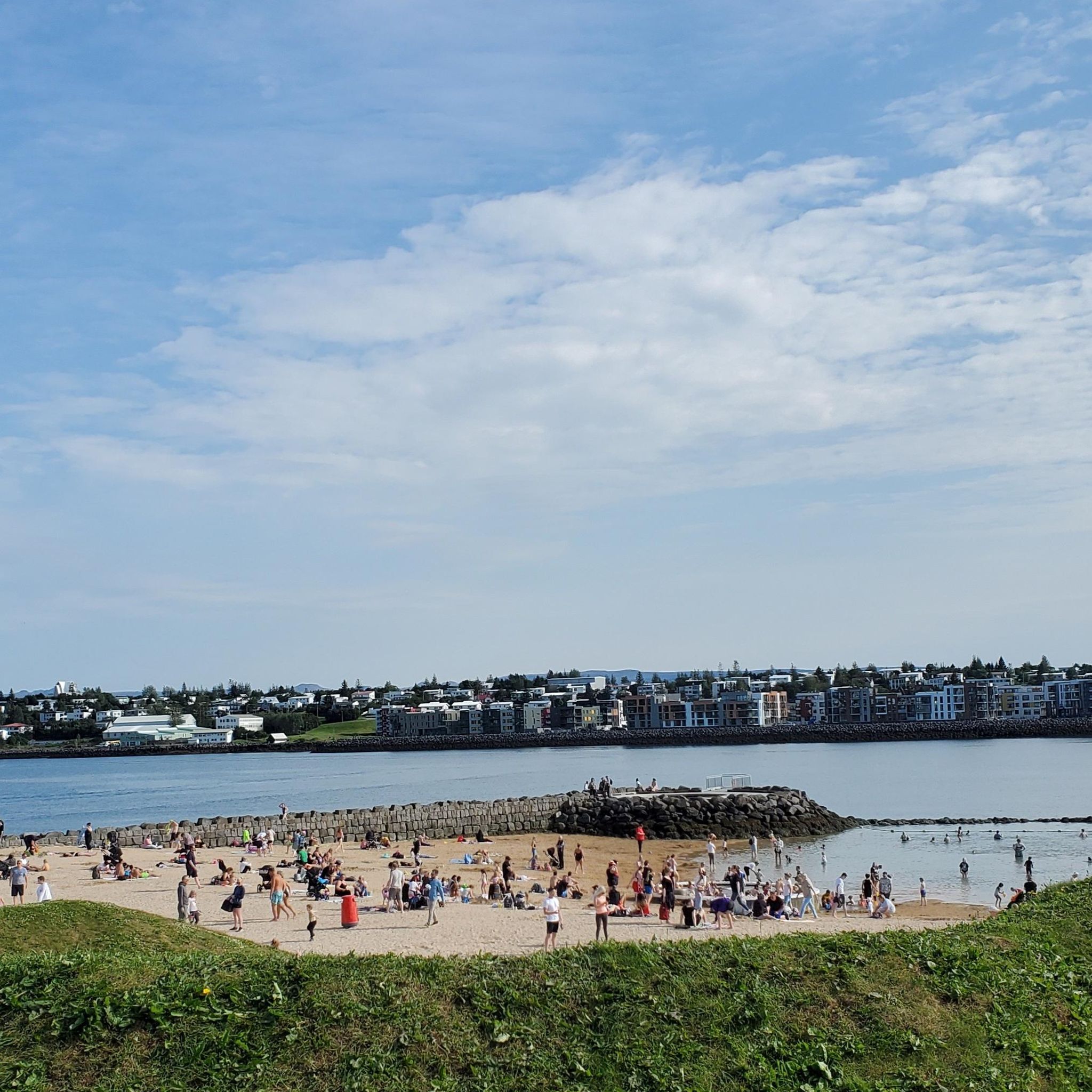
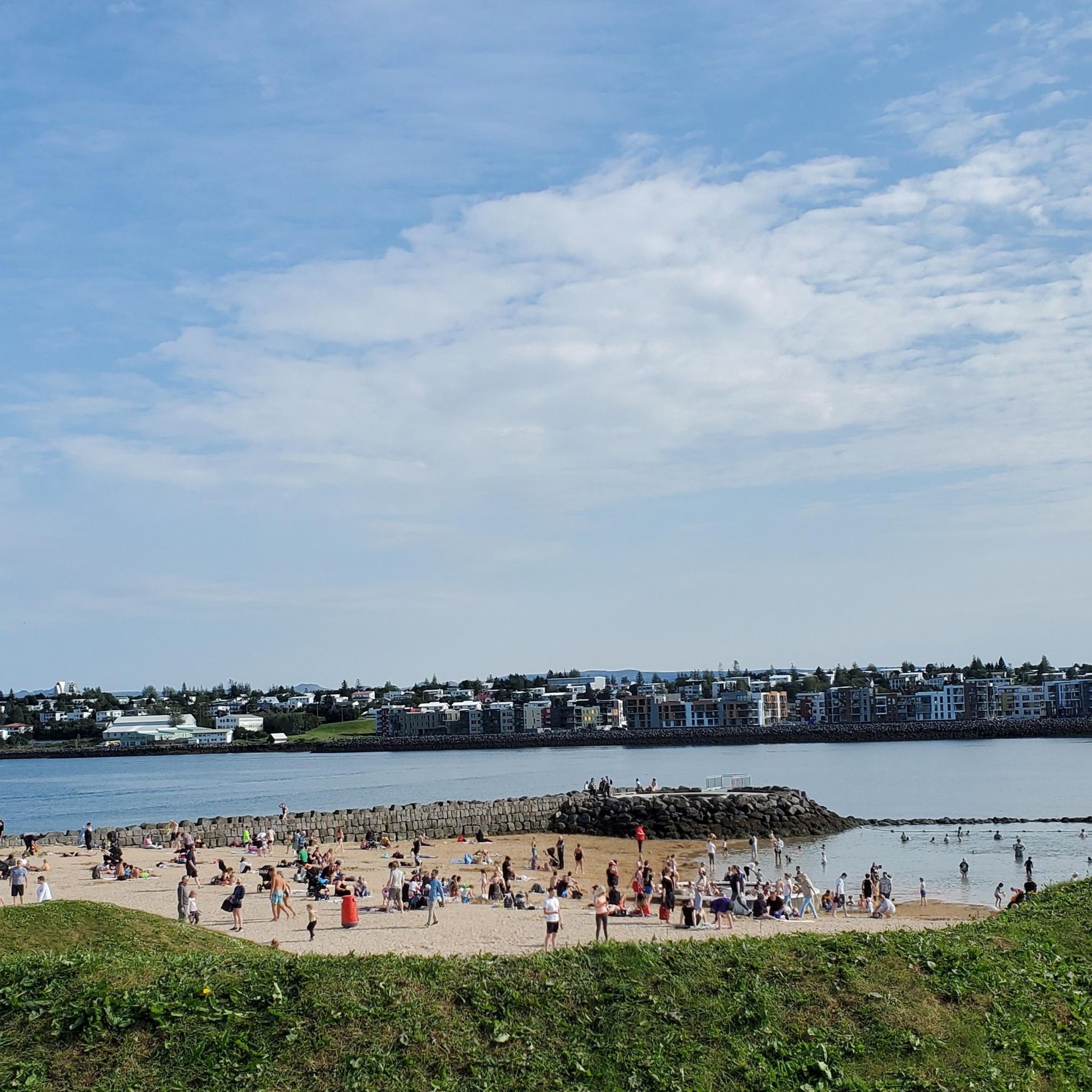
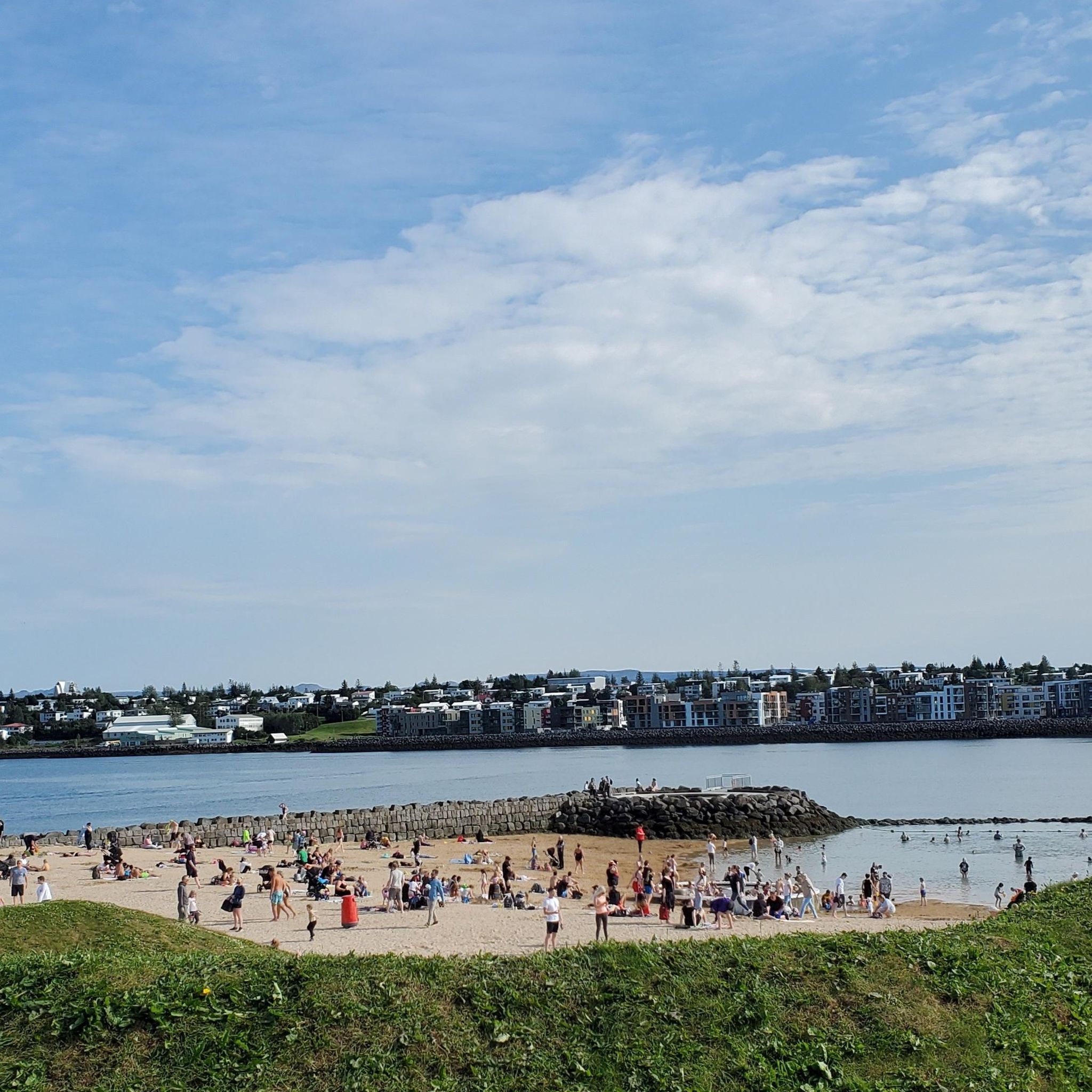
It's simply worth stopping by there with your MTB and taking a short break. Bring your swimming trunks and a towel :)
0
0

It's a nice and easy walk to get here. Recommend.
0
0

Due to the inflow of warm water from geothermal springs, the bathing temperature in the bay is comparatively pleasant.
1
0

Hallgrímskirkja is one of Reykjavík's most iconic landmarks, but there's plenty more to explore. Be sure to check out the Sun Voyager sculpture along the waterfront or the striking Harpa Concert Hall.
1
0
The National Museum of Iceland in Reykjavík In September 2004, after several years of renovations, the National Museum of Iceland in Reykjavík reopened. Under the heading "Making of a Nation," the permanent exhibition offers visitors a glimpse into Icelandic history. The museum is thematically divided into 200-year periods, with exhibits in each section grouped around a key object. The first section covers the period from 800 to 1000 AD. The most important topics in this section are the conquest and Christianization of Iceland. The establishment of the Christian faith and life during the Golden Age from 1000 to 1200 are the central themes of the second section. The next section, covering the period from 1200 to 1400, explores Norwegian rule in Iceland, as well as the medieval church and church art. Between 1400 and 1600, Danish rule and the Reformation played a central role. The impact of monopoly trade and natural disasters can be learned in the next section, which covers the period from 1600 to 1800. Each of the last two centuries is dedicated to a separate section. In the years from 1800 to 1900, economic development and increasing independence from Denmark are important themes, while the "20th Century" section depicts urbanization and the development of the Icelandic state into its present form. In addition to the permanent exhibition, the National Museum also houses spaces for temporary exhibitions, a café, and a museum shop. Photography and video recording are prohibited throughout the museum.
1
0

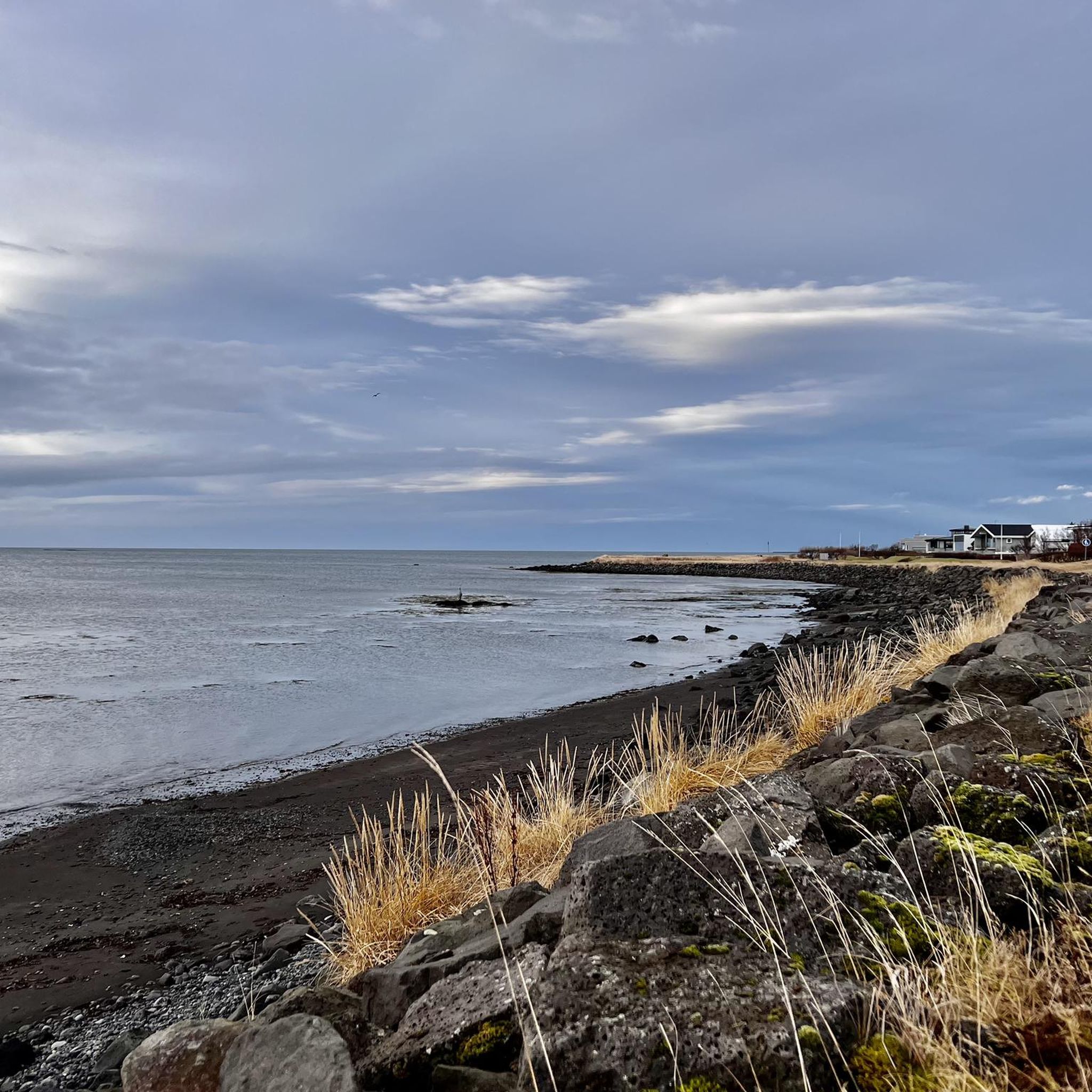
A fully paved coastal promenade with a separate bike path and pedestrian path, perfect for cycling or walking along the seafront without traffic. It runs along Faxaflói Bay from the Old Port and Harpa, past the iconic Sun Voyager sculpture, to Laugardalur in the east or Grótta Lighthouse in the west. This flat, safe stretch offers views of Esja Mountain and the Snæfellsnes Peninsula on clear days, offering spectacular sunrises and sunsets. Ideal for biking, rollerblading, or leisurely strolling, with benches and photo stops along the way.
1
0
Old houses and fishing boats have been converted into a lively waterfront neighborhood. Among the colorful facades, you'll find fresh seafood restaurants, cozy cafes, and local shops. From here, you have direct views of the harbor and bay, with the murmur of boats in the background. Ideal for strolling, eating well, and experiencing Reykjavik's nautical atmosphere.
0
0
About 500 meters from the Harpa Concert Hall, you'll see a striking work of art right on the waterfront: the Sun Voyager. Most people believe it's a Viking ship due to Iceland's history, but the sculpture is actually meant to represent a dream ship. Made of stainless steel, it's a celebration of the sun. The work of art represents hope, freedom, and progress. Sun Voyager can be found on the waterfront promenade near the city center and is a great place to photograph, especially at sunset when the water reflects off the sculpture. Between the Sun Voyager and the historic Höfði House, you can take a relaxing stroll and discover even more works of art.
0
0
Frequently Asked Questions
How many running routes are available in Öskjuhlíð?
Öskjuhlíð offers a wide variety of running experiences, with over 400 routes available for joggers of all levels. These paths wind through dense woodlands and offer panoramic views of Reykjavik.
Are there easy running routes suitable for beginners in Öskjuhlíð?
Yes, Öskjuhlíð is very welcoming for beginners. You'll find over 50 easy running routes, many of which feature semi-paved and flat sections, providing a relaxed experience through the hill's beautiful forest.
What kind of terrain can I expect on the jogging paths in Öskjuhlíð?
The terrain in Öskjuhlíð is quite varied. You can expect a mix of paths, ranging from partly rocky and steep sections for a more challenging run to semi-paved and flat trails for a relaxed jog. The routes weave through a thick forest of birches, spruces, and pines, with the bedrock being Reykjavík gray basalt.
Can I find long-distance running trails in Öskjuhlíð?
Absolutely. Öskjuhlíð's trail system connects to other recreational areas, allowing for longer and more varied running routes. For example, the Elliðaár Waterfall loop from Hlíðar is a challenging 16.6 km trail that takes you through diverse landscapes.
Are there any circular running routes in Öskjuhlíð?
Yes, many of the running paths in Öskjuhlíð are circular, offering convenient loops. A popular choice is the Öskjuhlíð loop from Hlíðar, which is a moderate 5.2 km path directly experiencing the hill's forested trails and varied elevation.
What attractions or landmarks can I see along the running routes in Öskjuhlíð?
Öskjuhlíð offers several interesting sights. You can run past Perlan – Wonders of Iceland Museum and Observation Deck, which sits atop the hill and provides stunning 360-degree views. You might also encounter World War II Sites, including concrete gun emplacements and trenches, adding a historical layer to your run.
Is Öskjuhlíð easily accessible by public transport for runners?
Yes, Öskjuhlíð is centrally located near downtown Reykjavik and university areas, making it highly accessible. Its proximity to populous neighborhoods means it's well-served by public transport, allowing for easy access to various trailheads.
What do other runners enjoy most about jogging in Öskjuhlíð?
The running routes in Öskjuhlíð are highly rated by the komoot community, with an average score of 4.7 stars from over 90 reviews. Runners often praise the diverse trails, the refreshing forest cover, and the spectacular panoramic views of Reykjavik and the coast from the hill's summit.
Are there running routes that connect to other recreational areas from Öskjuhlíð?
Yes, Öskjuhlíð's extensive trail system connects to several other significant recreational spots. You can extend your run to the unique golden sands of Nauthólsvík beach, the Seltjarnarnes coast, or the beautiful valleys of Fossvogsdalur and Elliðaardalur, offering varied scenery and longer distances.
Can I find running paths with good viewpoints in Öskjuhlíð?
Absolutely. Rising 61 meters (200 feet) above sea level, Öskjuhlíð offers numerous spots with panoramic vistas. The trails frequently open up to provide stunning views of Reykjavik, the surrounding mountains, and the sea, making for a very scenic run. The observation deck at View of Reykjavik from Perlan is a prime example.
Are there any moderate running routes in the Öskjuhlíð area?
Yes, Öskjuhlíð features a significant number of moderate running routes, with over 290 options available. These routes offer a good balance of challenge and accessibility, perfect for those looking for a steady workout without extreme difficulty.
Are there any running routes that lead to a waterfall near Öskjuhlíð?
Yes, you can find routes that incorporate natural features like waterfalls. The Elliðaár Waterfall loop from Hlíðar is a notable example, offering scenic waterfall views as part of its 16.6 km journey.
Most popular routes around Öskjuhlíð
Most popular attractions around Öskjuhlíð

Get inspired with the komoot mobile app


Explore more
Browse the best Running Trails & Routes in other regions.
