The best road cycling routes around Bosco di Scorace
4.8
(10)
340
riders
27
rides
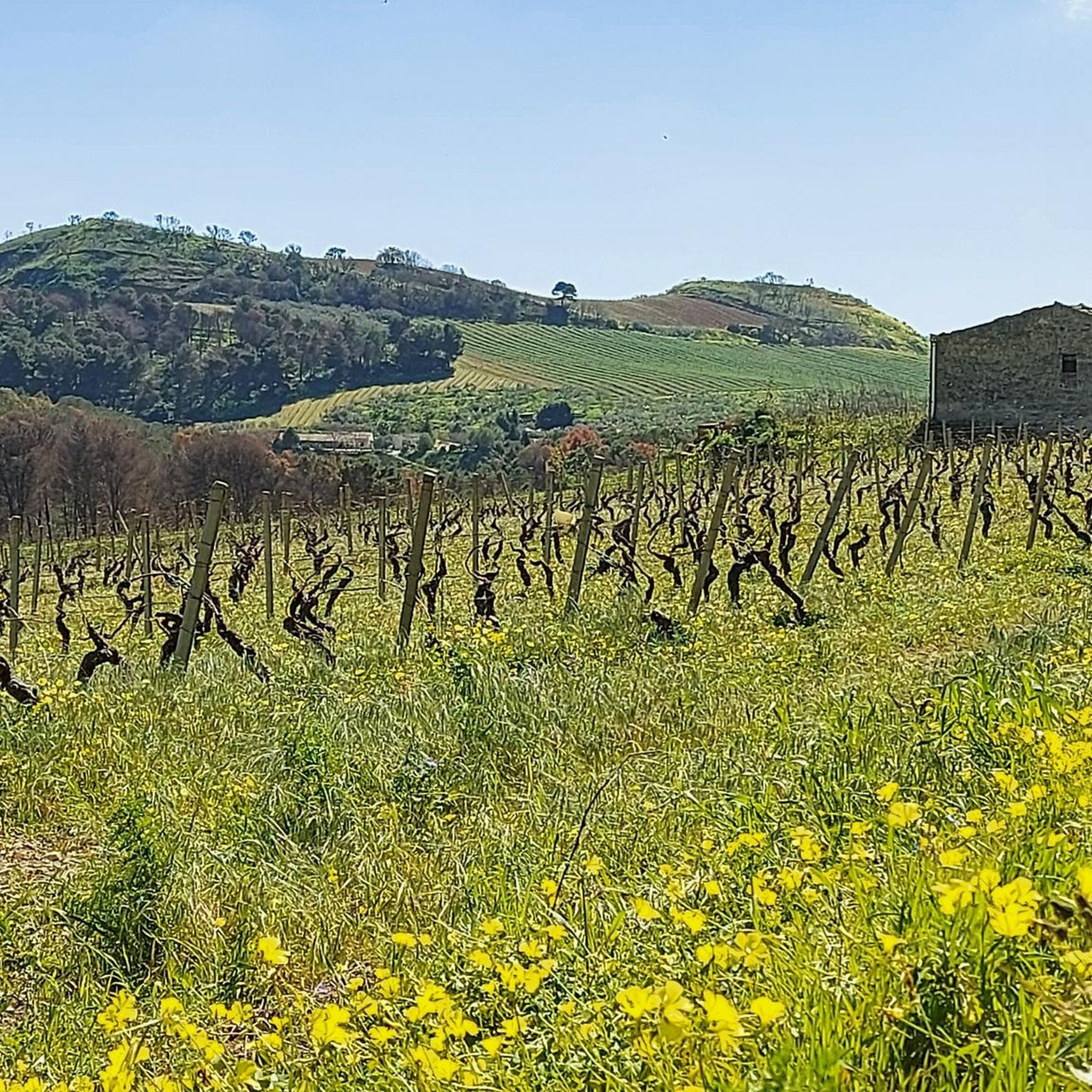
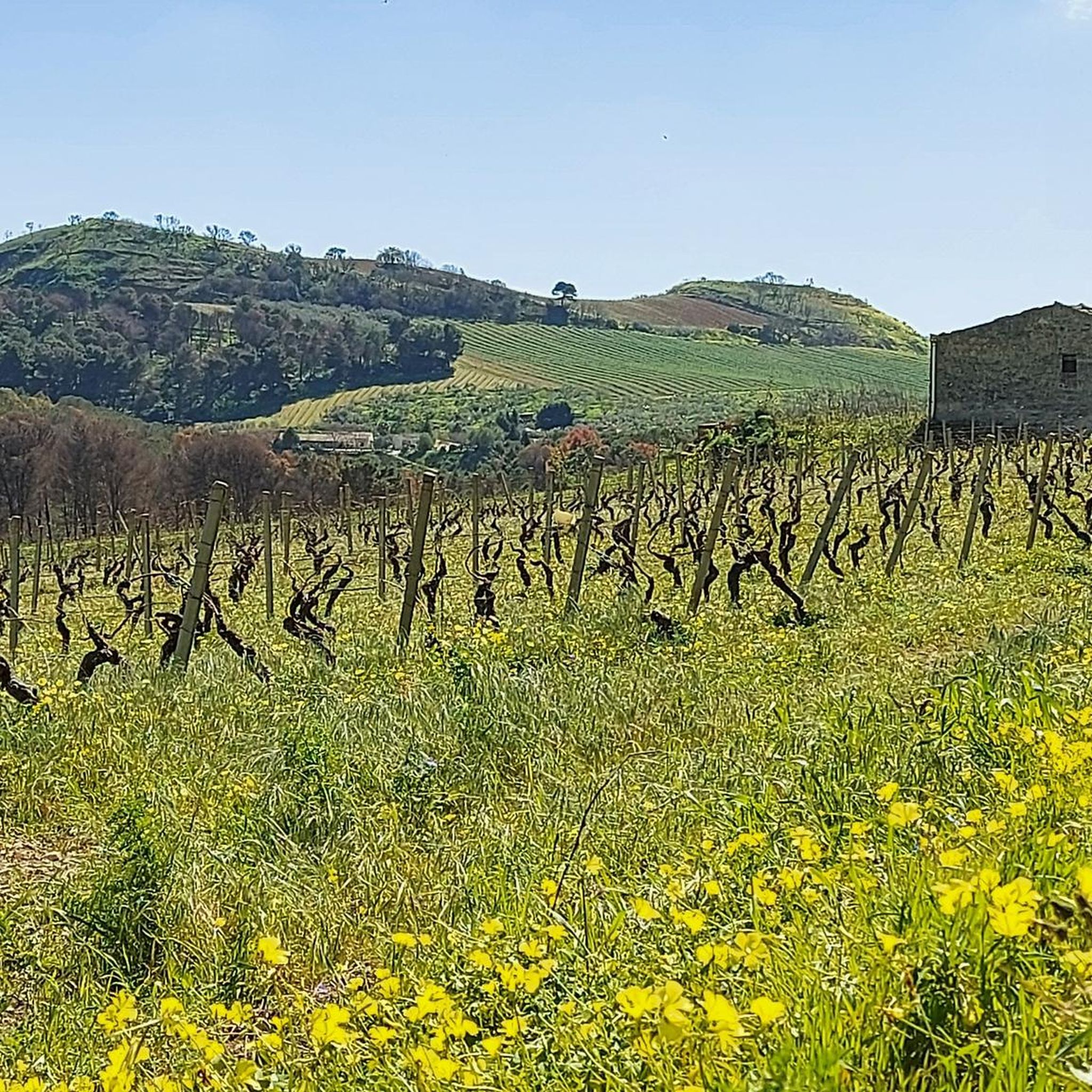
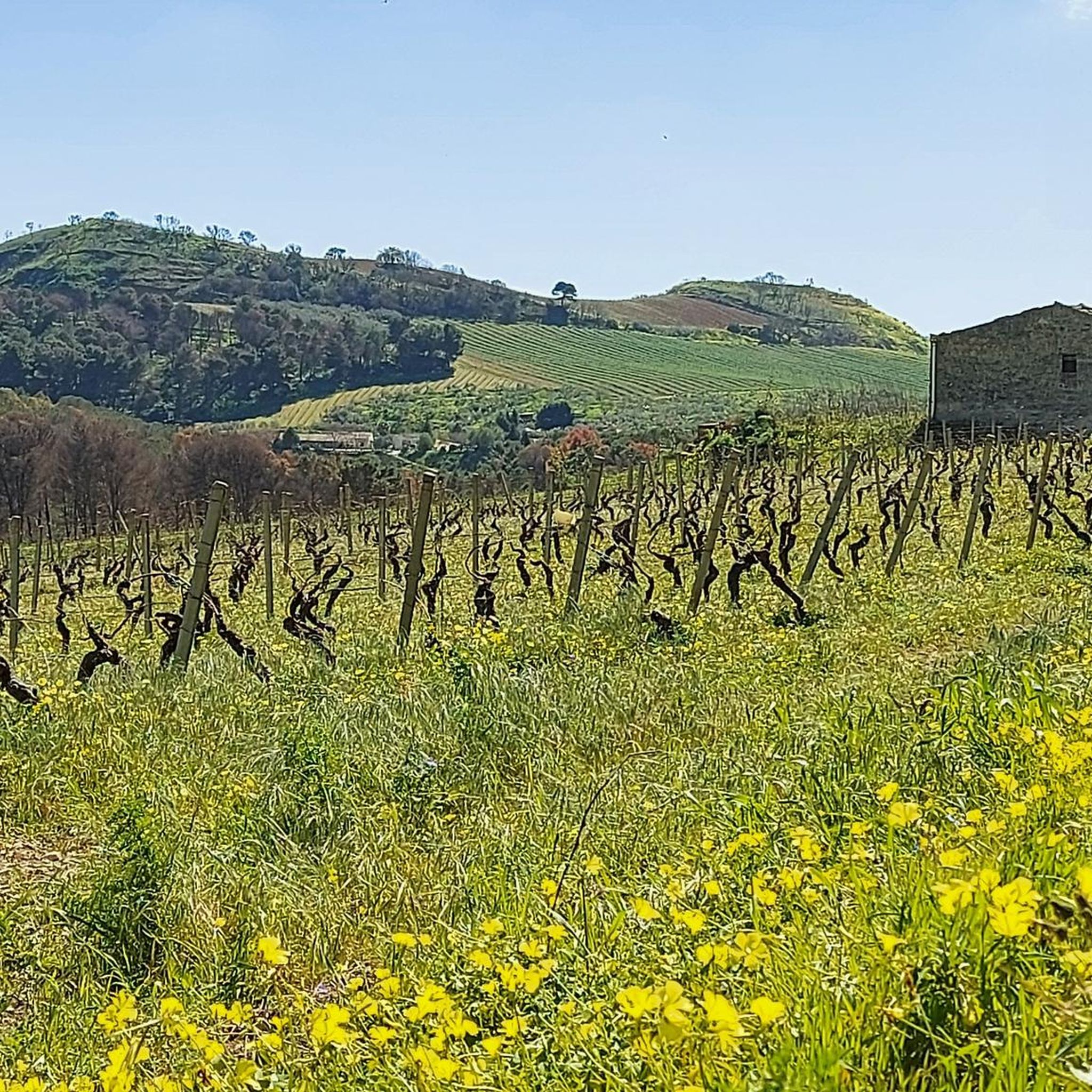
Road cycling routes around Bosco di Scorace traverse a vast wooded area situated on the slopes of Monte Abbatello in Sicily. The region features diverse landscapes, including extensive woodlands of cork oaks, holm oaks, and pines, interspersed with Mediterranean scrub. Cyclists encounter varied terrain, from gentle hills and plains to elevations ranging from 400 to 642 meters above sea level. The surrounding rural landscape includes vineyards, olive groves, and cultivated fields, offering a mix of natural and agricultural scenery.
Best…
Last updated: July 4, 2026
5.0
(1)
20
riders
173km
08:29
2,470m
2,470m
Hard road ride. Very good fitness required. Mostly well-paved surfaces and easy to ride.
16
riders
66.3km
03:10
880m
880m
Moderate road ride. Good fitness required. Some segments of this route may be unpaved and difficult to ride.

Sign up for free
12
riders
111km
05:08
1,260m
1,260m
Hard road ride. Very good fitness required. Some segments of this route may be unpaved and difficult to ride.
19
riders
62.3km
03:09
940m
940m
Hard road ride. Very good fitness required. Some segments of this route may be unpaved and difficult to ride.
10
riders
93.2km
04:21
1,010m
1,010m
Hard road ride. Very good fitness required. Mostly well-paved surfaces and easy to ride.
Get access to more routes and recommendations from other explorers.
Sign up for free
Already have an account?
Our route recommendations are based on thousands of hikes, rides, and runs completed by other people on komoot.
Start today with a free account
Your next adventure awaits.
Login or Signup

Tips from the Community

The Stella d'Ingresso al Belice (also called Porta del Belice or Stella di Gibellina) is a monumental 26-meter-high stainless steel sculpture-portal, designed by the abstract artist Pietro Consagra in 1981. The work overlooks the state road leading to Gibellina Nuova, in Sicily, and represents the universal symbol of the reconstruction and rebirth of the entire Belìce Valley after the catastrophic earthquake of 1968.
1
0

Nice place with a few shops around.
0
0
Beautiful historic mountain village. Worth visiting on foot, by cable car, by public bus, by car, or by bike.
0
0
At dusk, you have a fantastic experience
0
0

Built in 1940, the village is part of an ambitious land reclamation project initiated by the regime to put an end to large estates and encourage the permanent settlement of peasant families, providing them not only arable land but also essential services. The village's architecture reflects the rationalist style typical of the era, with simple, functional buildings designed to meet the needs of the rural community. The central core included a church, a school, a fascist house, a main square, and several shops, along with housing for the settlers' families. Borgo Livio Bassi is one of the many rural villages built during the twenty-year Fascist period as part of the internal colonization policy. Today, although the village has lost its original function, it remains an interesting example of urban planning and architecture from the era.
0
0

The Belice Gate, or Belice Gate, is a stainless steel installation by Pietro Consagra erected on the road leading to the town of Gibellina Nuova. The work recalls the town lights that were once displayed for the holidays, but over time it has also become a symbol of the Belice Valley. It was erected following the artistic reconstruction of Gibellina, as desired by Mayor Ludovico Corrao. The work is 26 meters tall.
16
0
The "Livio Bassi" hamlet in the hamlet of Ummari, in the municipality of Trapani, is part of the second series of rural hamlets built by the Sicilian Landowner Colonization Agency during the Fascist regime's "assault on the landownership," designed by architect Domenico Sanzone in 1940. The project included the Casa del Fascio (Fascist House), a Carabinieri station, a post office, a school, artisan workshops, a tavern, a church, and a small villa housing the PFN (National Fascist Party). The hamlet met the needs of the colonization effort, given the presence of several farmhouses in the area, "lacking the bare minimum for civil, social, religious, and political assistance." The hamlet was named after Livio Bassi (Trapani 1918-Libya 1941), an officer and aviator in the Royal Air Force. Today, the hamlet is abandoned, and only the church is used for Sunday services.
19
0
The Strada Statale 113 Settentrionale Sicula (SS 113) is an Italian state road that runs along the northern coast of Sicily, going from Messina to Trapani, passing through Palermo, at this point we are at the height of Calatafimi.
24
0
Frequently Asked Questions
How many road cycling routes are available in Bosco di Scorace?
There are 28 road cycling routes around Bosco di Scorace, offering a diverse range of experiences. These routes are categorized by difficulty, with 12 moderate and 16 difficult options to choose from.
What kind of terrain and surfaces can I expect on road cycling routes in Bosco di Scorace?
The routes traverse varied terrain, from gentle hills and plains to significant elevation changes, with altitudes ranging from 400 to 642 meters above sea level. You'll cycle through extensive woodlands of cork oaks, holm oaks, and pines, as well as rural landscapes featuring vineyards, olive groves, and cultivated fields. Most routes feature mostly paved surfaces, though some segments might include unpaved sections.
Are there challenging road cycling routes for experienced cyclists in Bosco di Scorace?
Yes, Bosco di Scorace offers several challenging routes. For instance, the Climb to Balata di Baida – Trapani Coast loop from Segesta Tempio is a difficult 140.3 km route with over 1,800 meters of elevation gain, providing extensive coastal views towards the Trapani mountains and the Egadi Islands.
Are there any easier or moderate road cycling routes suitable for less experienced riders?
While there are no routes specifically rated 'easy,' there are 12 moderate routes that offer a less strenuous experience compared to the most challenging climbs. A good example is the Borgo Livio Bassi – Sicilian Cannolo in Napola loop from Calatafimi, a 67.1 km route with moderate elevation, leading through cultivated fields and rural landscapes.
What scenic views or landmarks can I expect to see along the road cycling routes?
Cyclists are treated to breathtaking 360° panoramas from various points, including a forest tower, offering views of Monte Sparacio, the Gulf of Castellammare, the Erice countryside, the Trapani mountains, and the Egadi Islands. You can also visit highlights such as the View of the Temple of Segesta from Monte Pispisa or the Climb up to the forest tower on Monte Pispisa. The area also features suggestive rural landscapes with vineyards, olive groves, and historical elements like ancient 'trazzere' and the 17th-century Castle of Inici.
What do other road cyclists enjoy most about cycling in Bosco di Scorace?
The road cycling routes in Bosco di Scorace are highly rated by the komoot community, with an average score of 4.7 stars. Reviewers often praise the diverse woodlands, gentle hills, and rural landscapes with vineyards and olive groves, highlighting the variety of scenery and options for different ability levels.
Are there any circular road cycling routes available?
Yes, many of the routes in Bosco di Scorace are designed as loops, allowing you to start and end at the same point. Examples include the challenging Castellammare del Golfo – Erice loop from Alcamo Diramazione and the moderate Porta Palermo – Castello dei Conti di Modica loop from Calatafimi.
What is the best season for road cycling in Bosco di Scorace?
Given Sicily's Mediterranean climate, spring (April-May) and autumn (September-October) generally offer the most pleasant temperatures for road cycling, avoiding the intense heat of summer and the cooler, potentially wetter conditions of winter. These seasons also showcase the region's natural beauty with blooming wildflowers or vibrant autumn foliage.
Is there parking available near the road cycling trailheads?
Yes, parking is generally available in the towns and villages that serve as starting points for many of the routes, such as Segesta Tempio, Calatafimi, or Alcamo Diramazione. It's advisable to check specific route details for recommended parking locations.
Can I bring my dog on the road cycling routes?
While Bosco di Scorace is rich in wildlife and natural beauty, specific regulations regarding dogs on road cycling routes can vary. It's generally recommended to keep dogs on a leash in natural areas to protect local fauna and ensure safety for all users. Always check local signage for any restrictions.
Are there places to eat or drink near the cycling routes?
The rural landscapes around Bosco di Scorace are dotted with small towns and villages like Calatafimi and Napola, where you can find local cafes and restaurants. Many routes, such as the Borgo Livio Bassi – Sicilian Cannolo in Napola loop from Calatafimi, pass through these areas, offering opportunities to refuel and experience local Sicilian cuisine.
Most popular routes around Bosco di Scorace
Most popular attractions around Bosco di Scorace

Get inspired with the komoot mobile app


Explore more
Browse the best Road cycling routes in other regions.
