The best MTB trails around Jederitzer Holz
4.7
(34)
115
riders
20
rides
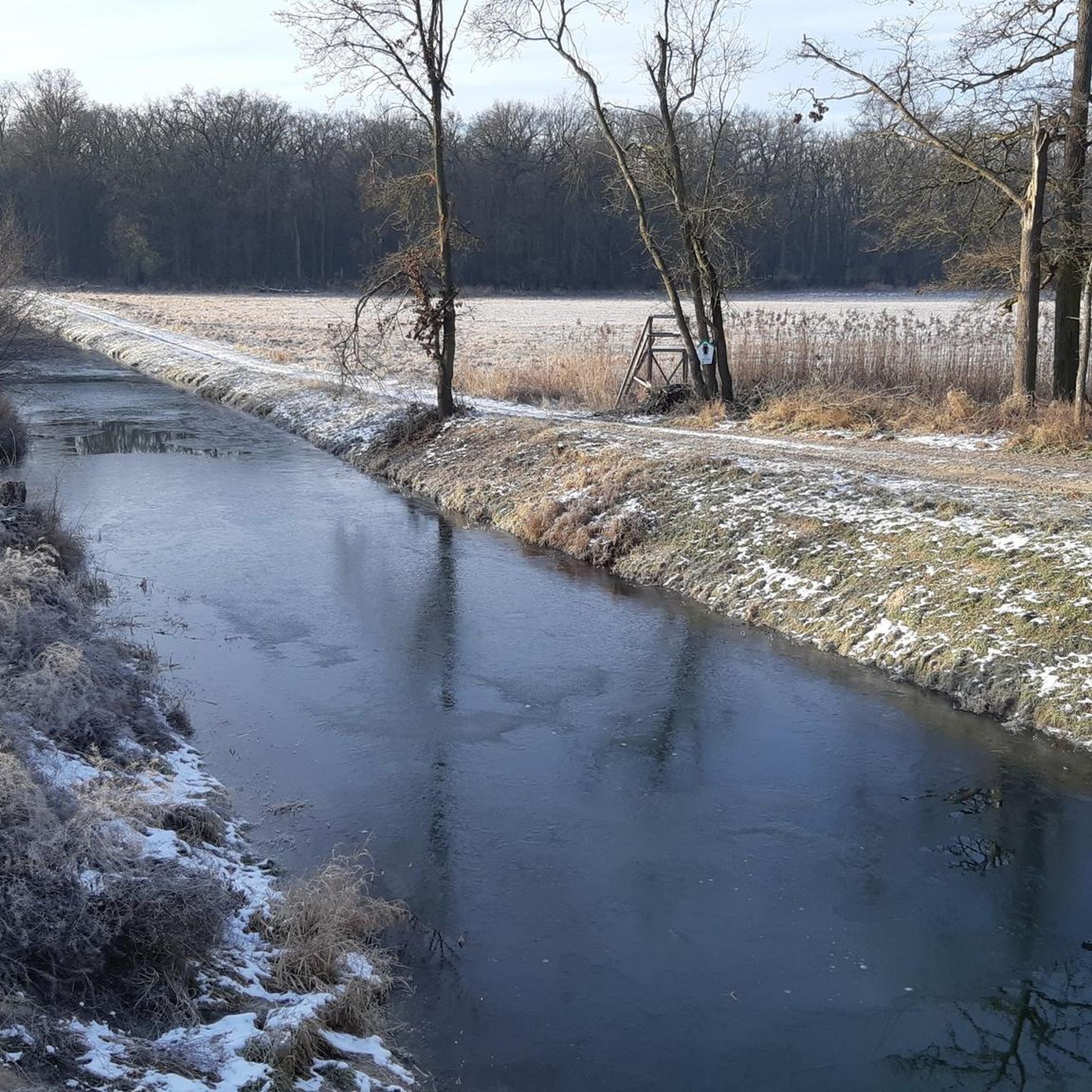
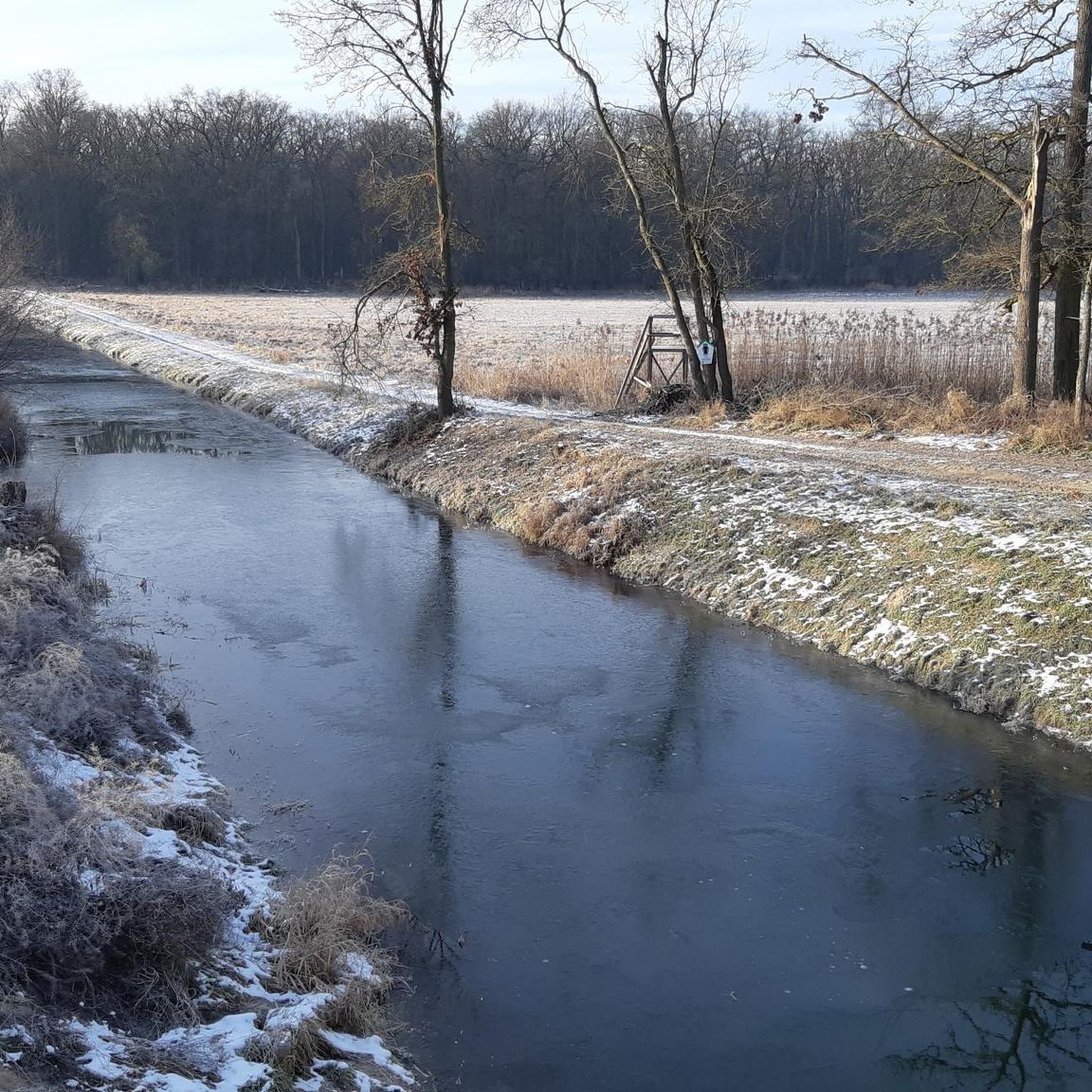
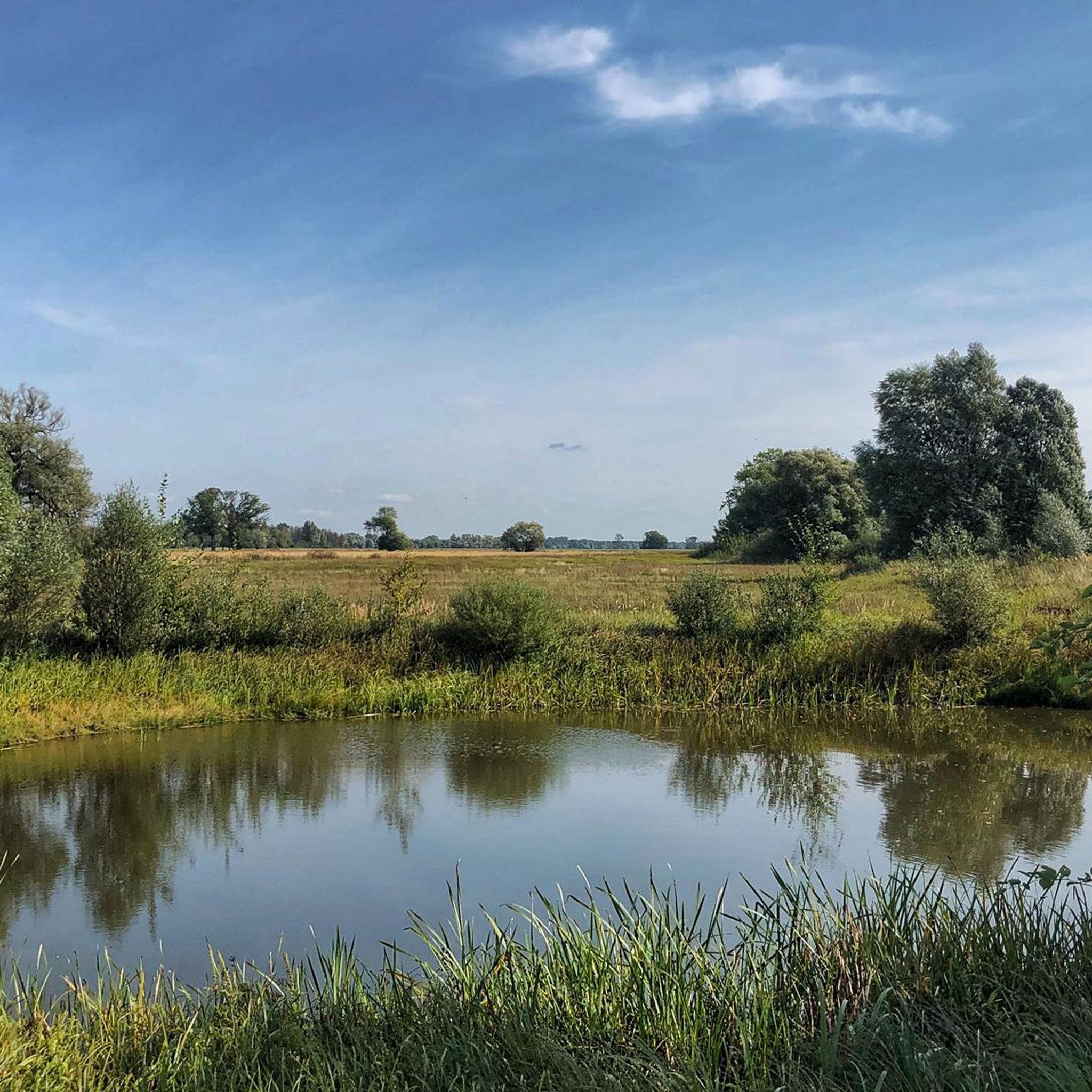
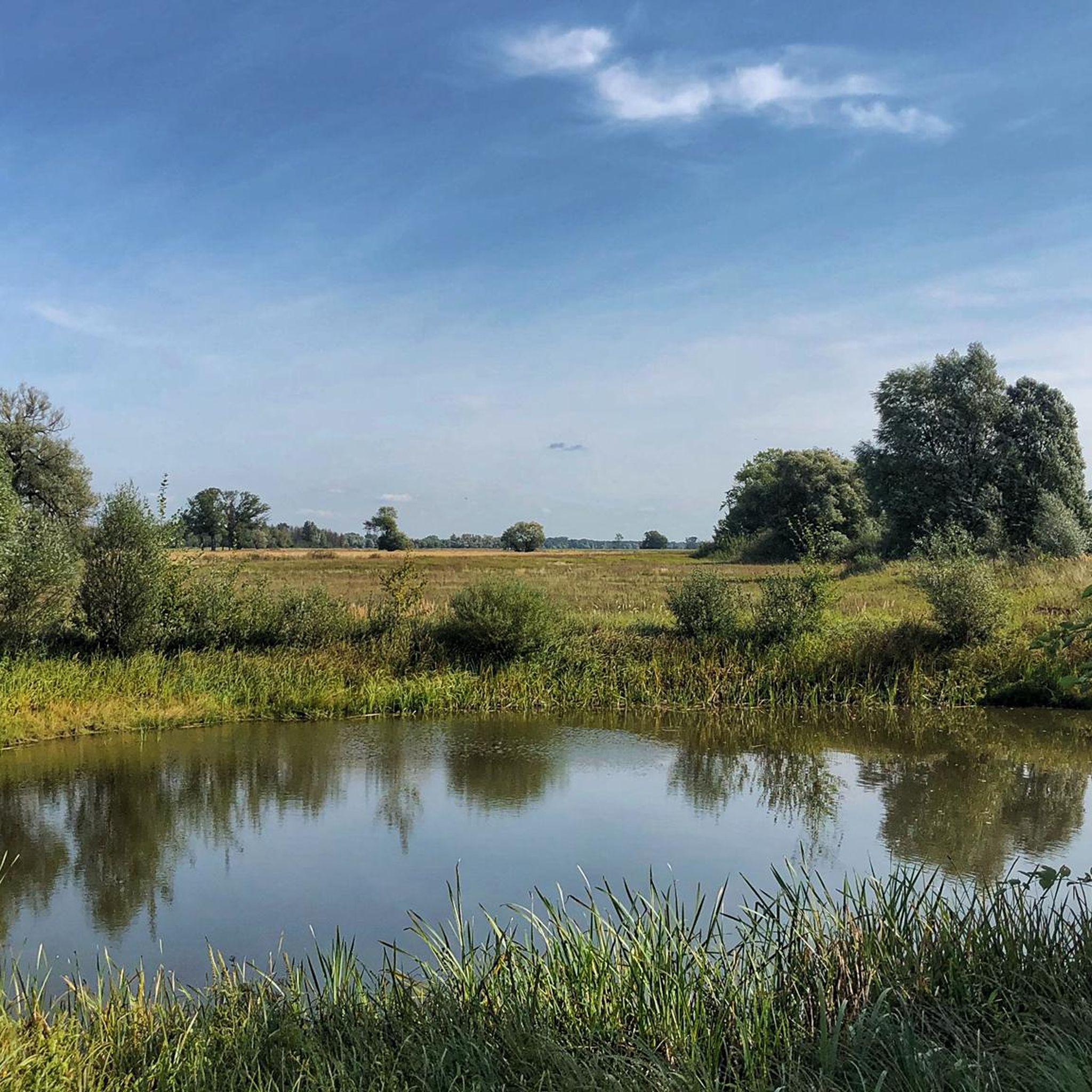
Mountain biking around Jederitzer Holz offers routes through the flat, river-influenced landscapes of Saxony-Anhalt, characterized by floodplain forests and waterways like the Elbe and Havel rivers. While Jederitzer Holz itself is a nature reserve with restrictions on cycling, the surrounding areas provide a network of trails. These routes often feature dense forests of oak, hornbeam, and elm, alongside open grasslands and moist meadows. The terrain is generally low in elevation, making for accessible rides.
Best mountain bike trails around Jederitzer…
Last updated: June 28, 2026
2
riders
Easy mountain bike ride. Great for any fitness level. Suitable for all skill levels.
4.0
(1)
2
riders
32.8km
02:10
160m
160m
Moderate mountain bike ride. Good fitness required. Advanced riding skills necessary.

Sign up for free
4.7
(10)
25
riders
45.5km
02:29
60m
60m
Moderate mountain bike ride. Good fitness required. Suitable for all skill levels.
5.0
(3)
21
riders
75.1km
04:12
130m
130m
Moderate mountain bike ride. Good fitness required. Suitable for all skill levels.
5
riders
Easy mountain bike ride. Great for any fitness level. Suitable for all skill levels.
Get access to more routes and recommendations from other explorers.
Sign up for free
Already have an account?
Our route recommendations are based on thousands of hikes, rides, and runs completed by other people on komoot.
Start today with a free account
Your next adventure awaits.
Login or Signup
Tips from the Community

beautiful bridge over the Havel with a good view of the city's churches.
0
0

Ferry that connects Räbel and Havelberg.
0
0

The Gnevsdorf drainage canal is an approximately eleven-kilometer-long, artificially constructed canal between the Havel and Elbe rivers, serving as an additional outlet into the Elbe. Its design aimed to shift the Elbe's backwater level downstream to a lower level, thus effectively relieving pressure on the Lower Havel during floods. Simultaneously, the canal improves the flow of Havel water to the Elbe, which has a steeper gradient. The Gnevsdorf drainage canal is part of a comprehensive flood protection system that also includes several weirs and the Havelberg lock.
0
0
Rühstädt is known throughout Germany as the "Stork Village"—a reputation this idyllic Elbe village owes to its exceptionally high number of breeding white storks. Since 1996, Rühstädt has officially held the title "European Stork Village," awarded by the European Natural Heritage Foundation (Euronatur), and has since been considered an outstanding example of successful coexistence between people and nature. A central feature of the village is the NABU Visitor Center, which provides vivid information about the lives of storks and the ecological importance of the Elbe floodplains. A highlight of the year is the popular Stork Festival, which attracts visitors from near and far and celebrates the close connection between the village and its feathered summer guests. Today, Rühstädt stands as a symbol of successful species conservation and sustainable, nature-oriented village development. It impressively demonstrates how careful land use, dedicated nature conservation, and village tradition can work together to preserve a unique habitat—for storks and people alike.
0
0
The bridge over the Stepenitz is an important crossing just before the river flows into the Elbe. It connects central urban areas with adjacent residential and recreational areas and is used by vehicular traffic, pedestrians, and cyclists. Its location in the river and floodplain landscape offers unobstructed views of the Stepenitz and the surrounding countryside. It is a defining element of Wittenberge's cityscape.
1
0

The cycle path alongside the road rolls well, no root damage and, in my opinion, preferable to the road when there is traffic.
2
0
Coming from the Elbe Cycle Path, the classic "entrance door" to Wittenberge.
2
0

The campsite is located directly on the water and offers pitches for tents, RVs, and long-term campers. The owner is very friendly, straightforward, and helpful. The restrooms and showers are also in very good and well-maintained condition. One of the best campsites I've visited so far :) You should bring your own food, as the restaurant closes at 8 p.m.
1
0
Frequently Asked Questions
Can I mountain bike directly within the Jederitzer Holz nature reserve?
No, mountain biking is generally not permitted within the Jederitzer Holz nature reserve itself. As a designated nature reserve, strict regulations are in place to protect its delicate ecosystem, which typically prohibit cycling. This guide focuses on mountain bike trails available in the areas surrounding Jederitzer Holz.
How many mountain bike trails are available around Jederitzer Holz?
There are over 20 mountain bike routes available around Jederitzer Holz on komoot, offering various options for exploring the surrounding flat, river-influenced landscapes.
What kind of terrain can I expect on mountain bike trails around Jederitzer Holz?
The terrain around Jederitzer Holz is predominantly flat and shaped by the Elbe and Havel rivers. You'll encounter floodplain forests with oak, hornbeam, and elm trees, alongside open grasslands and moist meadows. The routes often follow river paths, providing a scenic and generally accessible riding experience.
What are the difficulty levels of the mountain bike trails in this area?
The mountain bike trails around Jederitzer Holz are primarily easy to moderate. Out of the 20 available routes, 7 are classified as easy and 13 as moderate, making the area suitable for a wide range of riders. There are no difficult routes listed in this guide.
Are there any family-friendly mountain bike routes around Jederitzer Holz?
Yes, many of the routes around Jederitzer Holz are suitable for families due to their generally flat terrain and easy to moderate difficulty. An example of an easy route is the Jederitz Village Church – B107 Bridge over the Havel loop from Neukamern, which is 18.1 miles (29.2 km) long and navigates through the riverine landscape.
Can I bring my dog on the mountain bike trails?
While the trails themselves are generally accessible, it's important to check local regulations regarding dogs, especially in nature-sensitive areas surrounding Jederitzer Holz. Always keep dogs on a leash and ensure they do not disturb wildlife or other trail users.
What do other mountain bikers enjoy most about the trails around Jederitzer Holz?
The routes around Jederitzer Holz are highly rated by the komoot community, with an average score of 4.7 stars from over 30 reviews. Riders often praise the peaceful floodplain forests, the scenic river paths, and the accessible nature of the trails, which are great for relaxed rides.
Are there any circular mountain bike routes available?
Yes, many of the routes around Jederitzer Holz are designed as loops. For instance, the Campsite at Kamener See – View of Schollener See loop from Kamern is a moderate 20.4 miles (32.8 km) path that offers varied scenery around Kamener See and Schollener See.
What are some points of interest or attractions I might see while mountain biking in the area?
While mountain biking, you'll primarily experience the natural beauty of the floodplain forests and river landscapes. The region is known for its waterways like the Elbe and Havel. You might also catch glimpses of local landmarks such as the Havelberg Cathedral in the nearby town of Havelberg, or enjoy views of lakes like Kamener See and Schollener See.
Is there parking available near the mountain bike trails?
Parking availability varies depending on the specific starting point of your chosen route. Many routes begin near villages or towns like Neukamern or Havelberg, where public parking options may be available. It's advisable to check the route details on komoot for specific parking recommendations for each tour.
What is the best time of year to go mountain biking around Jederitzer Holz?
The best time to go mountain biking around Jederitzer Holz is typically during spring, summer, and early autumn. These seasons offer pleasant weather conditions for riding through the forests and along the rivers. During spring, you can enjoy the fresh greenery, while autumn brings beautiful foliage. Always check local weather conditions before heading out.
Are there any cafes or restaurants near the mountain bike routes?
The routes are situated around villages and towns such as Havelberg and Kamern. These locations typically offer amenities like cafes, restaurants, and accommodation where you can refuel and relax after your ride. It's a good idea to plan your route to pass through or near these settlements if you wish to stop for refreshments.
Most popular routes around Jederitzer Holz

Get inspired with the komoot mobile app


Explore more
Browse the best MTB trails in other regions.
