The best road cycling routes around Dinklage
4.3
(79)
529
riders
91
rides
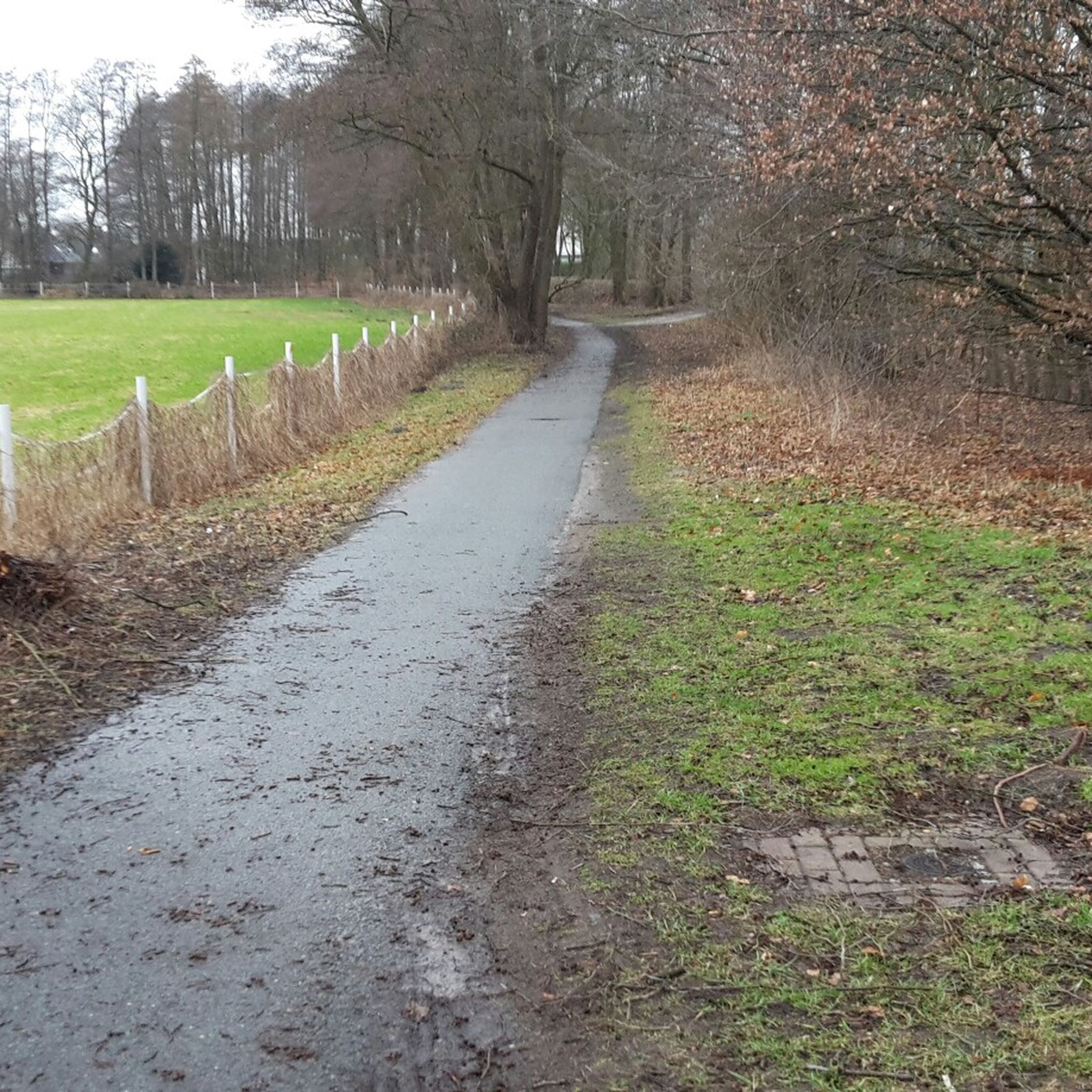
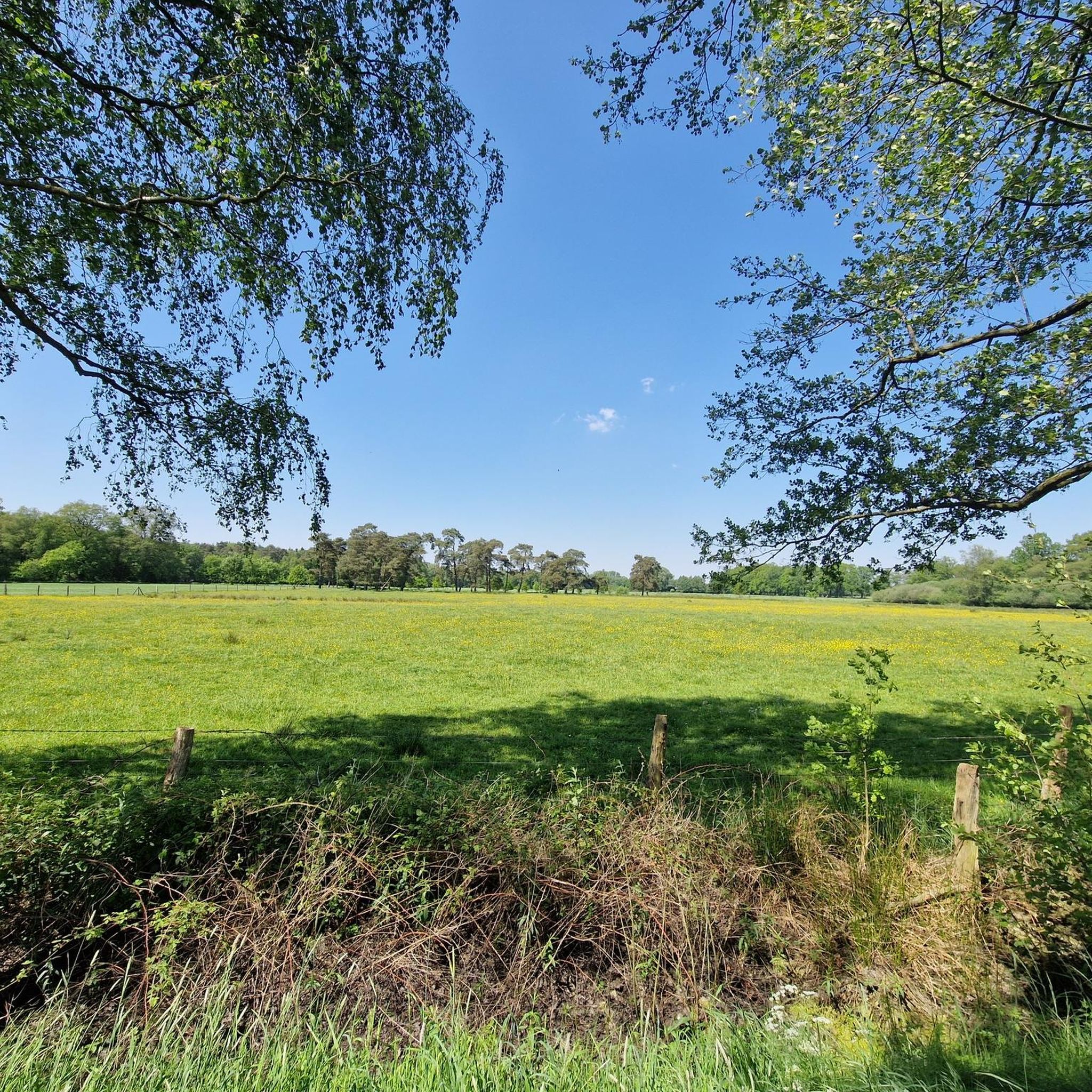
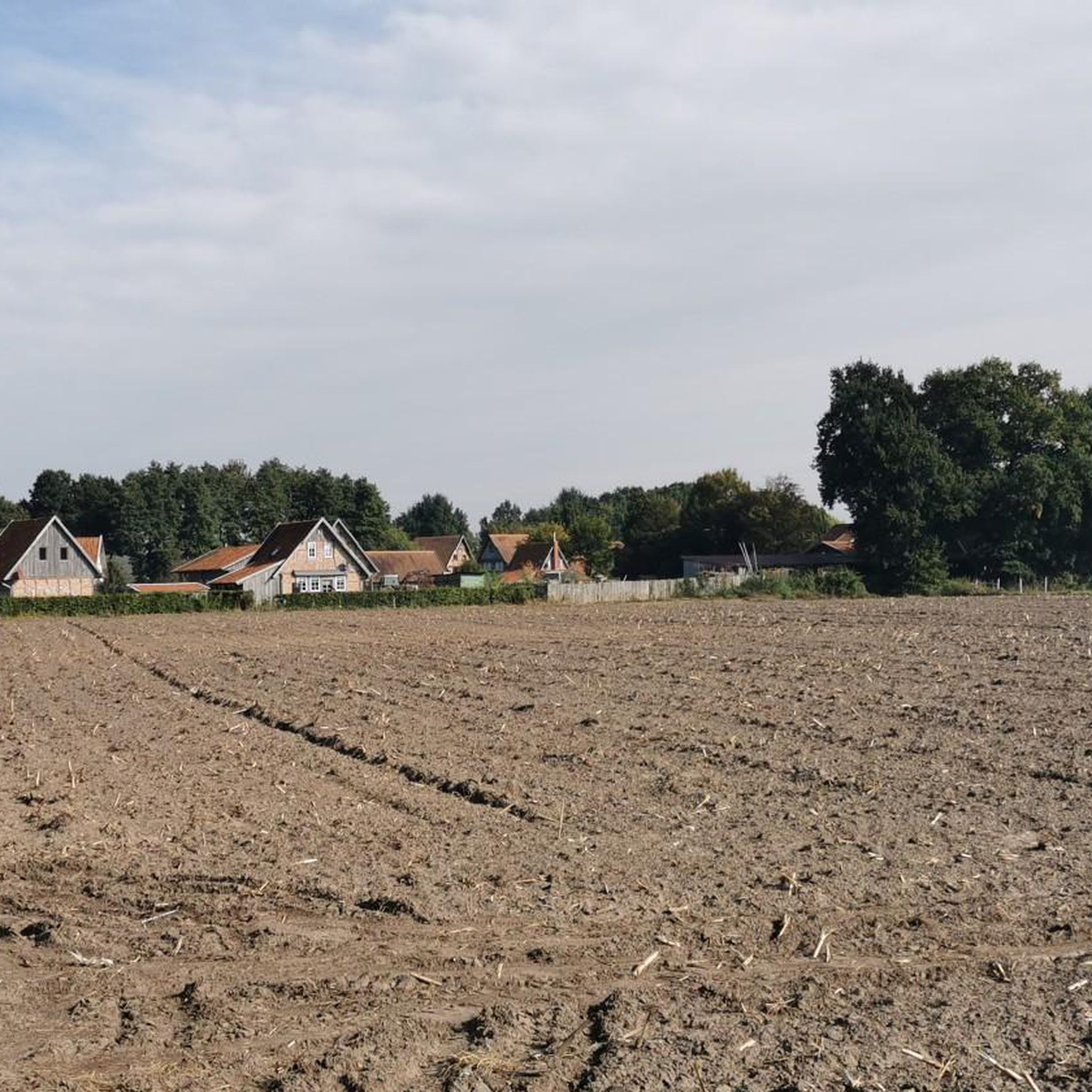
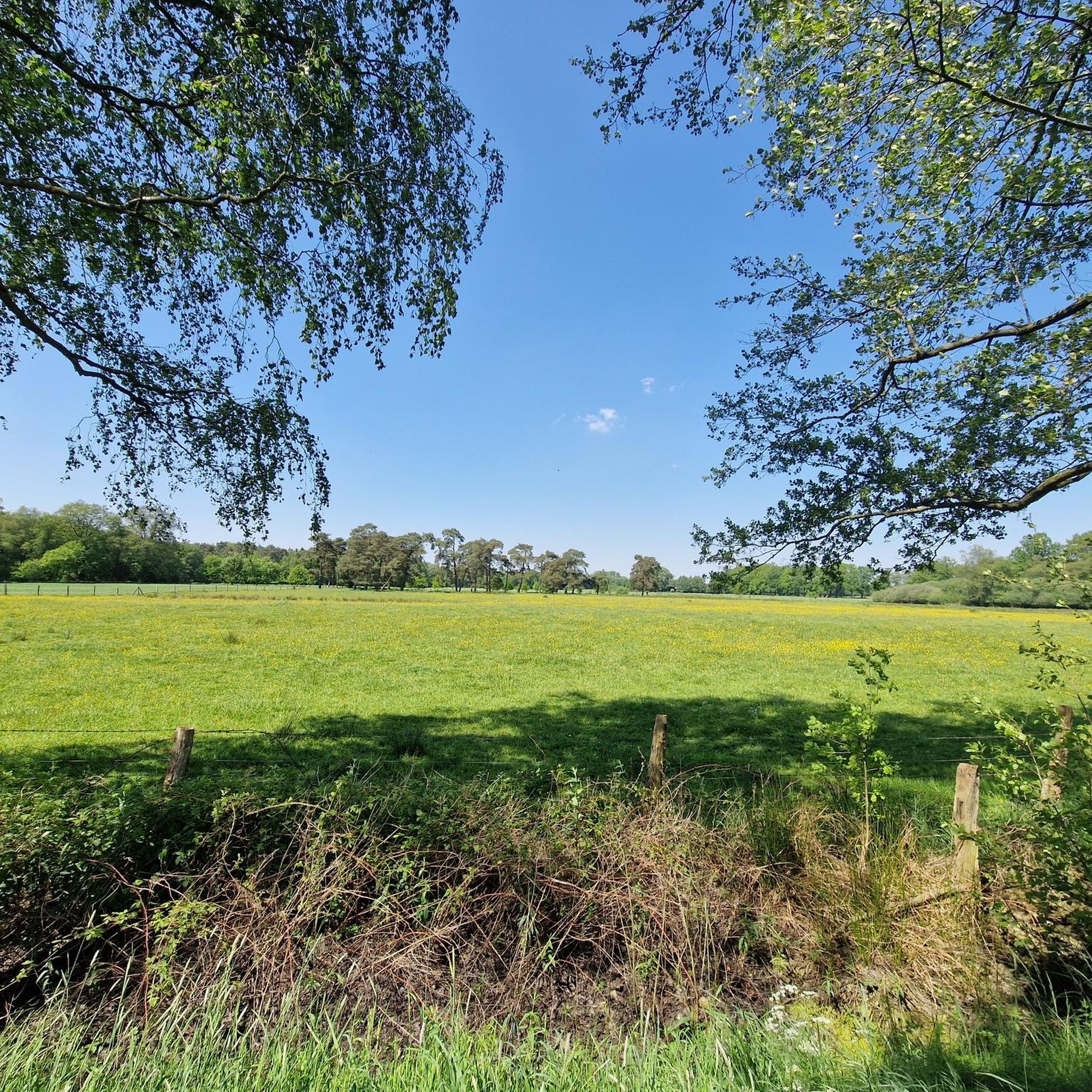
Road cycling routes around Dinklage are characterized by a predominantly flat topography, interspersed with gentle rises across the Oldenburg Münsterland region. The area features expansive meadows, cultivated fields, and serene forests, providing a green backdrop for rides. Cyclists can expect well-maintained, quiet roads and asphalted field paths, ensuring smooth surfaces ideal for road cycling. This landscape offers accessible routes for a wide range of cyclists, from leisurely rides to more moderate excursions.
Best road cycling routes around Dinklage
- The most…
Last updated: August 25, 2026
3.8
(8)
25
riders
Moderate road ride. Great for any fitness level. Some segments of this route may be unpaved and difficult to ride.
4.3
(8)
18
riders
41.4km
01:47
170m
170m
Moderate road ride. Great for any fitness level. Some segments of this route may be unpaved and difficult to ride.

Sign up for free
5.0
(1)
16
riders
38.0km
01:27
50m
50m
Moderate road ride. Great for any fitness level. Some segments of this route may be unpaved and difficult to ride.
14
riders
28.0km
01:12
60m
60m
Moderate road ride. Great for any fitness level. Some segments of this route may be unpaved and difficult to ride.
1.0
(1)
11
riders
33.2km
01:26
70m
70m
Moderate road ride. Great for any fitness level. Some segments of this route may be unpaved and difficult to ride.
Get access to more routes and recommendations from other explorers.
Sign up for free
Already have an account?
Our route recommendations are based on thousands of hikes, rides, and runs completed by other people on komoot.
Start today with a free account
Your next adventure awaits.
Login or Signup

Tips from the Community

Very nicely located, really beautiful
0
0

City Church of Vechta
1
0

History of the Mill Until the construction of the Schwege Mill, the only mills in the Dinklage area were the count's watermill at Dinklage Castle, built in 1460 and renovated in 1730, and the count's post mill in Bünne, built in 1628, which was replaced in 1688 by a gallery windmill "Auf dem Hövel." Later, the mill was called "Holthaus Mill." 1848–1849: Construction of the Schwege Mill by Böckmann and Schulte on Schulte's property in Schwege. (Zeller = term for the owner of a farm (full-time farm) in the Oldenburg Münsterland region) The sons of mill co-owner Böckmann were the first millers at the mill. Hence the name "Bäukn's Mill." In 1864, Bernhard Wehebrink leased the mill. The leasehold lasted until 1964. It also included a small farm and outbuildings. A rye bread bakery was built on the mill grounds between 1870 and 1871. Rye bread was baked there until the 1950s. Around 1880, Bernhard Wehebrink built a motor mill next to the windmill, initially powered by a steam engine. Later, he installed a diesel engine and then an electric motor. Millstones continued to be used for grinding the grain. The motor mill was demolished around 1970. Bernhard Wehebrink died in 1913 at the age of 80. His son, Heinrich Wehebrink, took over the mill. In 1914, the millstones fell silent. A severe storm destroyed two sails. New ones were ordered and cut to size, but they were never installed after the end of World War I. Milling operations continued with the motor mill. In 1925, lightning struck the remaining sails and set them ablaze. Afterward, the mill began to fall into disrepair. When the Schulte and Böckmann families, the owners, planned to demolish the mill in the early 1960s, Josef Hürkamp, then chairman of the Dinklage Local History Society, campaigned for its preservation. Unlike many mill ruins in the Vechta district, the interior of the Schweger Mill was still almost completely intact and only slightly damaged. The mill's owners agreed to lease it to the town of Dinklage. That same year, the town of Dinklage commissioned the Local History Society to care for and maintain the mill. Renovation began in 1962, initially with the installation of new sails, a new gallery, the re-shingling of the octagonal structure, and the replacement of the wind beam. To this day, numerous further preservation measures have been undertaken to ensure the continued existence and functionality of the Schweger Mill. After Josef Hürkamp, Josef Vodde, Gerd Gehlenborg, and Paul Arlingshaus took charge of preserving the mill. Since 2004, maintenance work and other activities related to the mill have been shared among the many members of the Friends of the Mill association. In 1964, the Schweger Mill was designated a historical monument. In 1967/68, a horse-powered mill building was erected on the mill grounds. It is used as a meeting room and for events. In the following years, the old bakehouse was also renovated. In 2006/2007, the Klöönhus (a small building) was constructed. This building houses a kitchen and three restrooms, one of which is accessible for people with disabilities.
0
0
Beautiful cycle path along the Hase river.
0
0

⛪✨ A significant place in Vechta is the St. George's Parish Church. St. George's Church is the Catholic landmark and one of the most important historical sites in the heart of Vechta.
3
0
🎨 Luzie Uptmoor Gallery The Luzie Uptmoor Gallery is integrated into the premises of the Industrial Museum and showcases works by the regional artist.
2
0
🔎 The permanent exhibition On approximately 1000 m² of exhibition space, visitors can learn all about the various industries that shaped Lohne. Lohne began its industrialization with the production of writing quills from goose quills, which is illustrated in the museum with exhibits such as a replica...
2
0
Frequently Asked Questions
How many road cycling routes are available around Dinklage?
Dinklage offers a wide variety of road cycling routes, with over 95 tours available. These routes cater to different preferences, including 36 easy rides and 59 moderate excursions, ensuring options for various skill levels.
What is the typical terrain like for road cycling in Dinklage?
The region around Dinklage is characterized by a predominantly flat topography, interspersed with gentle rises. You'll find yourself cycling through expansive meadows, cultivated fields, and serene forests. Routes often feature well-maintained, quiet roads and asphalted field paths, providing smooth surfaces ideal for road cycling. Some paths even utilize disused railway lines for unique sections.
Are there routes suitable for beginners or those looking for an easy ride?
Yes, Dinklage is very accommodating for beginners and those seeking an easy ride. There are 36 easy routes available. An excellent option is the St. Catharina Church – Gatehouses of Quakenbrück loop from Dinklage, which is an easy 33.9 km ride with minimal elevation gain.
What kind of difficulty can I expect on road cycling routes in Dinklage?
The road cycling routes in Dinklage range from easy to moderate. The majority of routes (59) are classified as moderate, offering a good balance of distance and some gentle climbs. Easy routes (36) are also plentiful, making the area accessible for all fitness levels. There are no difficult routes in the immediate vicinity.
What do other cyclists say about the road cycling routes in Dinklage?
The road cycling routes around Dinklage are highly rated by the komoot community, with an average score of 4.1 stars from over 70 reviews. Cyclists often praise the quiet roads, well-maintained asphalted paths, and the picturesque scenery of meadows, fields, and forests that define the region.
Are there any circular road cycling routes around Dinklage?
Yes, many of the road cycling routes around Dinklage are designed as loops, allowing you to start and end in the same location. Popular circular routes include the Burg Dinklage Abbey – St. Catharina Church loop from Dinklage and the Dinklage War Memorial – Dammer Berge lookout tower loop from Dinklage.
What natural attractions can I see while road cycling around Dinklage?
While cycling, you'll experience the serene beauty of the Oldenburg Münsterland, characterized by expansive meadows, fields, and forests. The Hase River Trail, accessible from nearby Holdorf, offers scenic views along the river. You can also visit the Heidesee Recreation Center, Holdorf, or explore the Märschendorfer Lakes.
Are there historical landmarks or points of interest along the road cycling routes?
Absolutely. A prominent landmark is the historic Burg Dinklage Abbey, a moated castle that has served as a Benedictine abbey since 1949. You can visit it on routes like the St. Gertrud Church, Lohne – Burg Dinklage Abbey loop from Dinklage. Other points of interest include the Hopen Moated Castle and the Lohne Watermill.
Where can I find scenic viewpoints along the routes?
For panoramic views, consider routes that pass by the Observation deck overlooking Dammer Bergsee. The Dinklage War Memorial – Dammer Berge lookout tower loop from Dinklage also offers varied terrain and views towards the Dammer Berge.
Can I find places to eat or drink along the road cycling routes?
Yes, you can find options for refreshments. The Burg Dinklage Abbey, a key attraction on several routes, features a café at the monastery where you can take a break. Additionally, the region's towns and villages often have local cafes and pubs to discover.
Is parking available for cyclists in Dinklage?
While specific parking areas for cyclists are not detailed, Dinklage, like many German towns, typically offers public parking facilities. It's advisable to check local signage upon arrival for the most convenient parking spots near route starting points.
Are there any family-friendly road cycling options in Dinklage?
Many of the easy and moderate routes in Dinklage are suitable for families, especially given the predominantly flat terrain and well-maintained paths. The St. Catharina Church – Gatehouses of Quakenbrück loop from Dinklage is an easy option that families might enjoy. The overall network of quiet roads and asphalted field paths makes for a pleasant family cycling experience.
Most popular routes around Dinklage
Most popular attractions around Dinklage

Get inspired with the komoot mobile app


Explore more
Browse the best Road cycling routes in other regions.
