The best road cycling routes around Draycote Water
4.6
(148)
4,319
riders
338
rides
Road cycling routes around Draycote Water are centered on a large reservoir in Warwickshire, offering a distinct landscape for cyclists. The area features a flat, five-mile (8 km) tarmac road encircling the reservoir, providing accessible cycling for various abilities. Beyond the immediate loop, the surrounding countryside includes rural roads and gentle hills, with a 21-acre country park on the southern shore. This environment combines open water views with agricultural land and green spaces.
Best road cycling routes around Draycote Water
…Last updated: October 10, 2026
4
riders
25.7km
01:22
140m
140m
Moderate road ride. Great for any fitness level. Some segments of this route may be unpaved and difficult to ride.
4.5
(2)
3
riders
23.5km
01:47
140m
140m
Moderate road ride. Great for any fitness level. Some segments of this route may be unpaved and difficult to ride.

5.0
(1)
37
riders
77.2km
03:41
640m
640m
Moderate road ride. Good fitness required. Mostly well-paved surfaces and easy to ride.
22
riders
39.5km
01:44
240m
240m
Easy road ride. Great for any fitness level. Mostly well-paved surfaces and easy to ride.
22
riders
14.1km
00:34
40m
40m
Easy road ride. Great for any fitness level. Mostly well-paved surfaces and easy to ride.
Get access to more routes and recommendations from other explorers.
Already have an account?
Our route recommendations are based on thousands of hikes, rides, and runs completed by other people on komoot.
Start today with a free account
Your next adventure awaits.
Tips from the Community

It’s a really nice place to get to and have a café ride. It’s nice to just ride around the reservoir. 
0
0

St. Michael's Church, originating from the Medieval era, underwent modifications during the 16th century, and a newer vestry has been added in recent times. There is an available drawing of the church dating back to 1820.
1
0

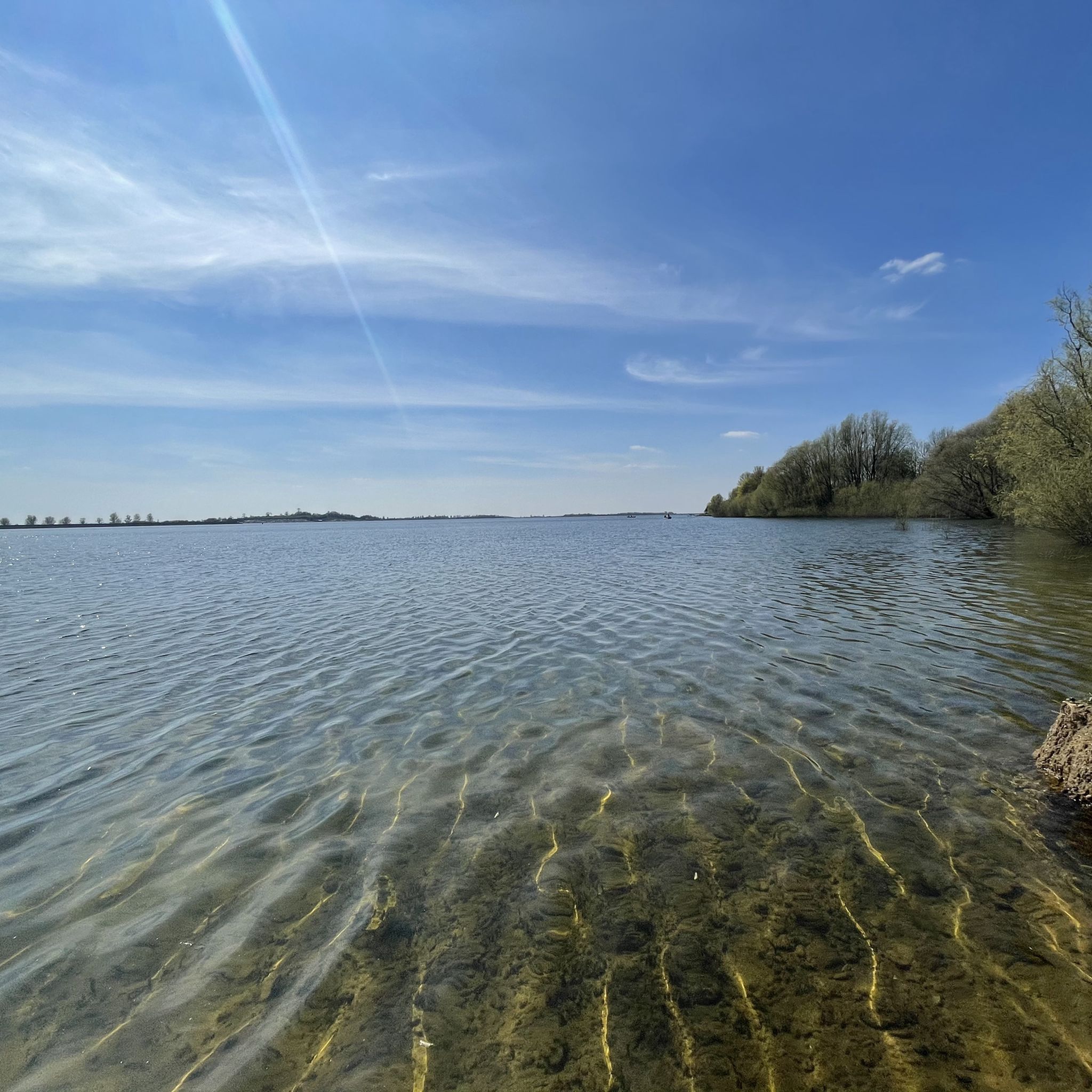
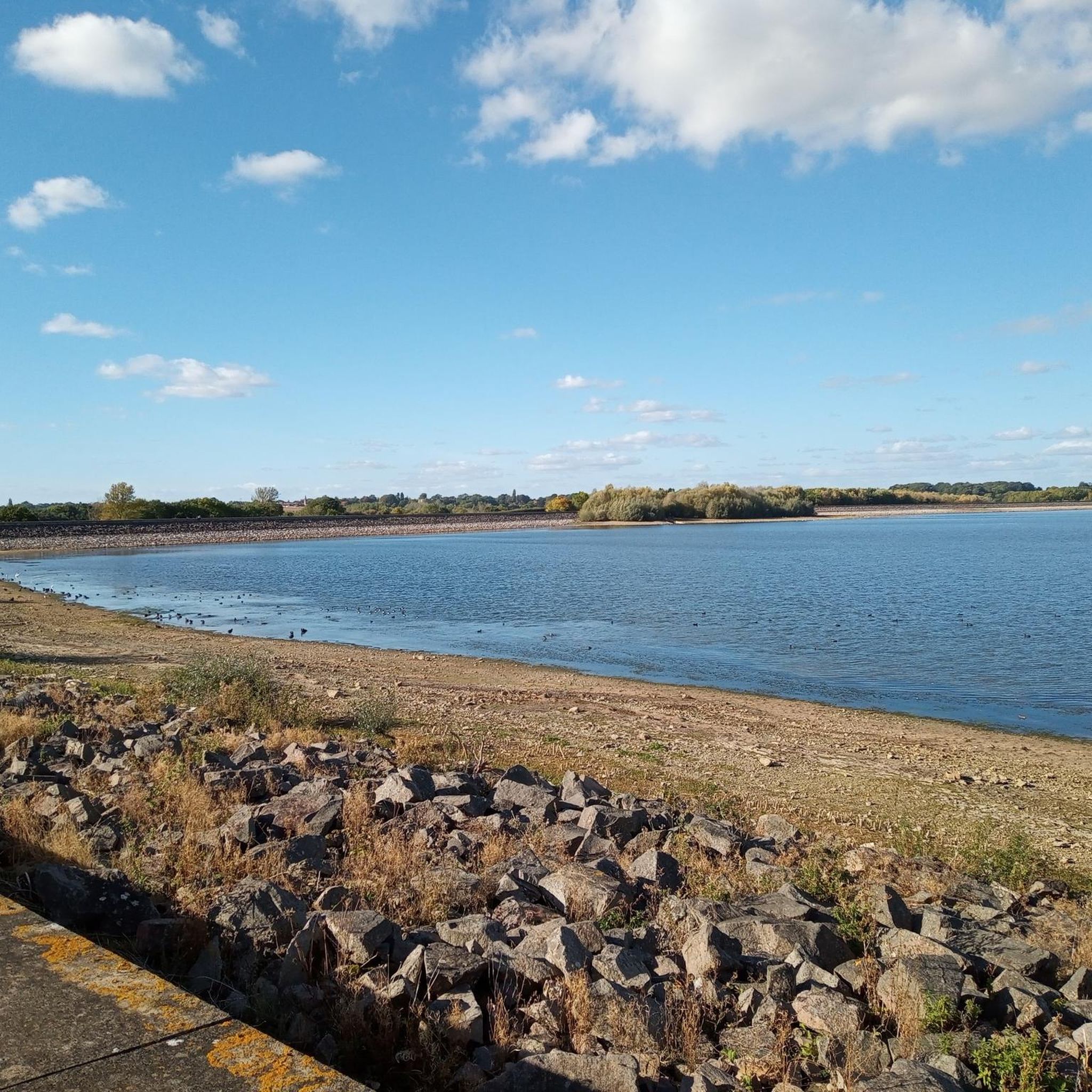
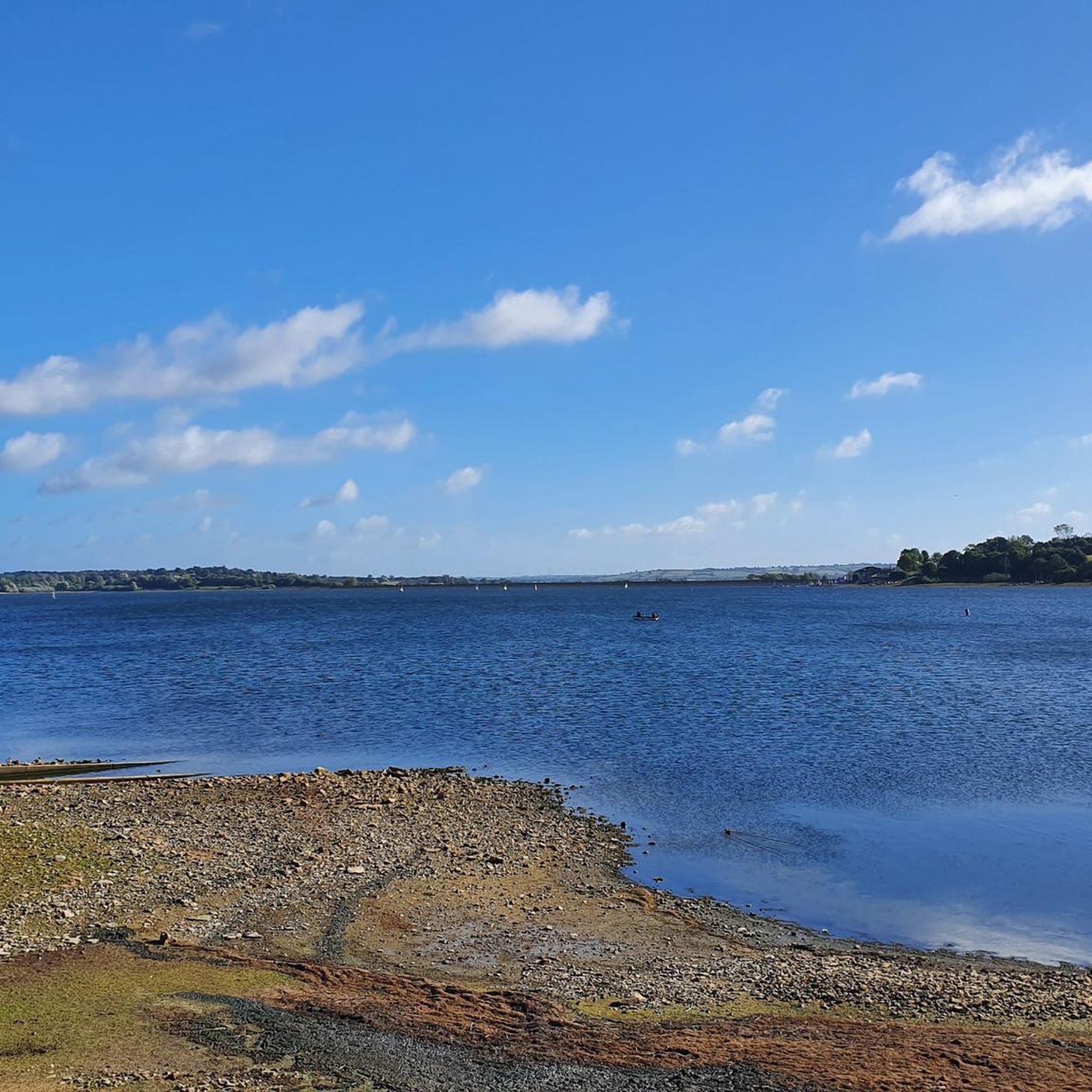
Draycote Water is an artificial reservoir (23 million m3), which was completed in 1969. In addition to its function as a water reserve, it is a leisure park u.a. for anglers, sailors, hikers. The rich bird life invites also to observations. Swimming is not allowed in the lake.
1
0

St John the Baptist church, a beautiful place to take a moment mid-ride. You can walk all around the church and marvel at the architecture.
2
0

Lower Shuckburgh Bridge No 104 is a place on the waterways on the Grand Union Canal (Oxford Canal Section) between Napton Junction (Junction of Grand Union and Oxford Canals) (1 mile and 4½ furlongs to the west) and Flecknoe Bridge No 102 (Flecknoe village half a mile southeast) (1 mile and 2 furlongs to the northeast). The nearest place in the direction of Napton Junction is Dunks Footbridge No 105; 1 furlong away. The nearest place in the direction of Flecknoe Bridge No 102 is New Bridge No 103; 4½ furlongs away.
0
0
The church of ST. MICHAEL lies on the north side of the Leamington-Rugby road, 3½ miles north-east of Leamington. It stands on a bank above the road and has a small inclosed churchyard. The church consists of chancel, north chapel, nave, north aisle, west tower, vestry, and south porch. There is evidence of a 12th-century church in the north and south walls of the chancel, consisting of the eastern halves of two semicircularheaded blocked windows. Early in the 13th century the church was almost entirely rebuilt; the tower was built early in the 14th century, except the top stage, added late in the 14th century; a north chapel was built in the 16th century, and in modern times a vestry and south porch. The church is built of red sandstone ashlar and the roofs covered with tiles finishing on a coved eavescourse. There is a roof-line on the tower, 3 ft. above the present modern roof, which has a slightly lower pitch; it was re-roofed in 1867. The east gable wall of the chancel has been entirely refaced with a lightcoloured sandstone, the upper part rebuilt and angle buttresses added. The window, dating from the 13th century, is of three pointed lights with plain tracery and pointed arch without a label. On the south side is a 13th-century window of two pointed lights, having a pointed arch and hood-moulding stopped on grotesque heads; and to the west a two-light square-headed window, probably inserted in the 17th century. Between them is a narrow pointed doorway with a hollowsplayed edge. This wall has been refaced and two brick buttresses added. A 16th-century chapel has been built against the north wall in a light-coloured sandstone with a low-pitched gable to the east wall, which has been rebuilt with modern brickwork. The east window has three cinquefoil lights with a four-centred arch, and on the north side are two two-light cinquefoil windows with square heads, all contemporary with the chapel. At the north-east corner is an angle buttress; there is a small central one, and a modern brick one at each end. The south wall of the nave has a plinth of two splays, a coved eaves-course, and four buttresses in two weathered stages, that at the west end having a gabled top. There are three windows; the one to the west is of early-14th-century date, the other two, of somewhat similar design, are modern. The original has two trefoil lights with moulded tracery, pointed arch, and hoodmoulding with mask stops. The two modern windows have plain tracery of two splayed orders. The doorway has a pointed arch with a wave-moulding continued down the jambs, its hood-moulding has been hacked away and the arch restored. In front of the door is a modern porch of red sandstone, with two stone seats, which has a tiled roof. The north aisle wall has three buttresses, with angle buttresses at the west end, finished with 13th-century gabled heads, and a plinth of two splays which continues round the buttresses. A modern vestry has been built at the western end embracing the original north door. It has a low-pitched gable on the north side and is lighted by two windows of two cinquefoil lights with square heads on the north and west. The aisle is lighted by three small lancet windows, two in the north wall and one in the west, and above these the wall was raised in the latter part of the 14th century in a lighter-coloured sandstone, a low-pitched leadcovered roof substituted for the original, which had a steep pitch, and two windows of two trefoil lights with plain tracery and four-centred heads provided. In the west wall there is a straight joint showing the pitch of the original aisle roof. The tower is in three stages undivided by stringcourses, but the upper two are diminished from the lower by splayed offsets. It is finished by an embattled parapet with crocketed pinnacles at each corner. The buttresses rise to the coved string-course at the base of the parapet; those on the west side are of massive character, two at each corner, those to the south enclosing the tower staircase. The buttress to the north is diminished in width by three splayed offsets; the one to the south is wider and diminished at the lower stage only; the internal angles are splayed, finishing at the top as an octagonal turret. These splays have recessed foliated stops at their bases to allow the tower plinth to continue. The tower has single lancet windows in each of the west and south walls of the lowest stage, and in the second stage a cross-shaped loop light. On the east side of the belfry is a window of three trefoil lights with plain tracery under a four-centred arch; and there is a similar one of two lights in each of the other faces. On the south side in the second stage is a small trefoiled light, and a loop-light with a pointed head in the lowest stage of the buttress. The chancel (31 ft. by 14 ft.) has a modern collarbeam roof, plastered between the rafters. Most of the north wall has been demolished and the roof is now carried on a modern traceried timber screen of three arched bays with stout square posts. The south wall and the remains of the north wall are built of roughly coursed red sandstone rubble, and each has half a blocked 12th-century window with semicircular head directly opposite each other. The south wall has been much repaired with both rubble and ashlar masonry. On the south side the tracery window recess has splayed reveals with a stop-chamfered pointed arch; the narrow door has square jambs with a flat oak lintel; and the later window splayed reveals with a flat oak lintel. Between this and the doorway is a late-14th-century piscina with a four-centred head, having chamfered edges finished on splayed stops, and a quatrefoil basin, while farther east is another piscina in a very mutilated condition, which appears to have been enriched by flanking pillars. The east window recess has a chamfered pointed arch and stop-chamfered reveals, and from its springing level the gable wall is reduced in thickness 12 in. There are two steps to the altar space paved with black and white marble, the rest of the chancel being paved with stone. The altar table and rails are modern. The north chapel (23 ft. by 11 ft.) has a roof similar to that of the chancel and has a floor of stone paving. All the window recesses have flat moulded heads and jambs stopping on splayed sills. On the east wall is a marble monument, dated 1573, to Sir Edward Saunders and Agnes (Hussey), his (second) wife; it is in three diminishing tiers, the lower one containing a Latin inscription, flanked with the figures of a man and woman, each kneeling at a prie-dieu; above this is a group of figures representing the Resurrection, and the upper tier has a representation of the Ascension. There are six shields of Saunders and alliances, all named. Also on this wall is a stone slab set in a moulded frame with a brass inscription in the centre and matrices for small figures at each corner, to Margery (first) wife of Sir Edward Saunders, died 1563; above the inscription are four coats: (1) Saunders, (2) Englefield, (3) Throckmorton, (4) Danvers. On the north wall is a well-designed decorated mural tablet of alabaster to Margaret and Mary Morgan, died 1584; above are two identical coats placed side by side. The western end of the chapel is occupied by the organ. The nave (40 ft. by 18 ft. 6 in.) has a modern collarbeam roof with curved brackets and is plastered between the rafters. The south door recess has a pointed segmental stop-chamfered arch, the recess being higher than the external pointed arch, and the windows have splayed recesses with stop-chamfered pointed arches. The chancel arch, which dates from the 13th century, is pointed, of two splayed orders resting on responds of similar section with very short moulded capitals and square bases. The splay of the outer order is wider than that of the responds, the change being made with a splayed stop at springing level. The arcade has three bays with pointed arches of two splayed orders supported upon octagonal pillars and responds with moulded capitals and bases. The capitals of the responds repeat the upper moulding of the capitals only, and the springers are 6 in. lower than on the pillars. This arcade dates from the early 13th century; the mouldings are typical of the period and differ slightly in detail. The tower arch is a segmental pointed arch of two orders with wave-mouldings on the nave side and splays on the other, the outer order terminating on plain splays and the inner resting on half-octagon responds without capitals, but with moulded bases on a square plinth. The nave and north aisle are paved with modern red tiles. The north aisle (40 ft. by 6 ft. 6 in.) has a lowpitched roof with beaded-edge beams and purlins, probably 16th-century, but the other members of the roof are modern. At the east end there is the pointed arch and jambs of a late-13th-century tracery window of two moulded orders, with pieces of tracery attached, which was converted into an entrance to the north chapel, the wall below the sill being removed and replaced with a moulded oak screen rebated for a halfdoor with a four-centred arch and carved spandrels, all contemporary with the chapel. The three lancet windows have wide splayed recesses with pointed stopchamfered arches and the later windows, above, slightly splayed recesses with four-centred arches. Below the two lancet windows is an empty tomb recess with a wide segmental pointed arch richly moulded, and has a label moulding with returned ends. The outer moulding continues down the jambs and the inner order is supported on short engaged shafts with moulded capitals and bases. The north doorway now leads into a modern vestry; it has a pointed arch with a hollow splay and splayed hood-moulding outside, but the internal arch has been reduced in width by building up the west splay to allow for a window when the north wall was raised; it no longer coincides with the external arch. In the vestry (14 ft. 6 in. by 12 ft.) there is an early-17th-century oak chest on legs formed by trefoil cusps at the ends. The tower (10 ft. 8 in. by 10 ft. 3 in.) windows have deep splayed recesses with segmental pointed arches with stopped hollow splays, and the doorway to the tower staircase has a shouldered head and hollowsplayed jambs. The cross-shaped loop-light in the second stage has a very wide splayed recess and the doorway to the ringing-chamber a shouldered arch. The belfry floor rests on an offset and the window heads are as on the outside. The roof is a low-pitched pyramid covered with tiles. The church is fitted with varnished benches re-using a number of late-16th-century traceried panels in the bench ends; other panels have been used in the chancel screen. The font, standing at the west end of the nave, is of unusual form and has eight sides, those towards the cardinal points being concave and the others plain. At the bottom of the latter there are head corbels on three sides; the fourth is missing. The stem has the same shape as the basin and its sides die out on a deep splay to a low square pedestal. Internally the basin, which is lined with lead, follows the shape of the outside and is curved at the bottom. It probably dates from the early 14th century, one of the head corbels being of a knight with the coiffe de mailles. It has a modern oak cover and step. The pulpit placed on the south side of the chancel arch is modern. On the south wall of the chancel are set two brass inscriptions: (i) Joyce Tomer, died 1566; (ii) Anne, wife of Gerard Danet and daughter and co-heir of John Hugford, died 1497. The communion plate includes a silver-gilt chalice, of which the hall-mark is illegible. There are four bells: the 1st and 4th are by Hugh Watts, dated respectively 1624 and 1592; the 2nd and 3rd by Geoffrey Giles, 1583, 1585, the latter bearing the coats of arms of Saunders and Morgan. The registers begin for baptisms in 1660, for burials 1695, and for marriages 1700.
1
0
Frequently Asked Questions
How many road cycling routes can I find around Draycote Water?
There are over 370 road cycling routes available around Draycote Water on komoot, catering to various skill levels and preferences. This includes routes directly around the reservoir and longer excursions into the surrounding Warwickshire countryside.
What types of road cycling routes are available at Draycote Water?
The primary feature is a flat, five-mile (8 km) tarmac road encircling the reservoir, ideal for all abilities. Beyond this, you'll find routes on rural roads and gentle hills in the surrounding countryside, offering a mix of open water views and agricultural landscapes. Routes range from easy to moderate, with a few more challenging options.
Are there any easy or beginner-friendly road cycling routes?
Yes, Draycote Water is excellent for beginners. The flat, five-mile tarmac path around the reservoir is perfect for an easy ride. A popular option is the Draycote Water loop from Thurlaston CP, which is an easy 4.9-mile route following this path.
Are there any challenging road cycling routes around Draycote Water?
While many routes are easy to moderate, some longer routes incorporate more varied terrain and gentle hills in the surrounding countryside. For example, the St John the Baptist Church – Willoughby Duck Pond loop from Thurlaston CP is a moderate 27.6-mile trail that offers a longer ride through open countryside.
What is the best time of year for road cycling at Draycote Water?
Draycote Water is enjoyable year-round, but spring and summer offer the most pleasant weather for cycling, with longer daylight hours and generally milder conditions. The flat tarmac path around the reservoir is accessible in most conditions, but rural roads can be affected by rain.
Are there any circular road cycling routes?
Yes, the most prominent circular route is the five-mile tarmac path directly around Draycote Water. Many other routes, like the Rural Road Near Southam – Willoughby Duck Pond loop from Thurlaston CP, also form circular paths through the Warwickshire countryside.
What facilities are available for cyclists at Draycote Water?
Draycote Water offers a visitor hub with a café and shop, as well as the Waterside Restaurant, providing hot meals and drinks with views across the reservoir. These are convenient stops for refreshments during or after your ride.
Is Draycote Water suitable for family road cycling?
Absolutely. The flat, five-mile tarmac road encircling the reservoir is ideal for families, including those with pushchairs or wheelchairs, making it a very inclusive option. It's a safe and scenic environment for cyclists of all ages.
What are the parking options for road cyclists at Draycote Water?
Draycote Water has ample parking facilities available, particularly at the country park on the southern shore. This provides convenient access to the reservoir loop and other routes in the area.
What scenic viewpoints or attractions can I expect along the road cycling routes?
The routes offer panoramic views of the expansive reservoir and the surrounding countryside. Within the country park, Hensborough hill top provides spectacular views and is a popular picnic spot. You can also enjoy spotting various birdlife, as Draycote Water is a recognized site for birdwatching.
What do other road cyclists say about Draycote Water?
The road cycling routes around Draycote Water are highly rated by the komoot community, with an average score of 4.6 stars from over 260 reviews. Cyclists often praise the well-maintained tarmac path around the reservoir and the peaceful rural roads.
Are dogs allowed on the cycle paths at Draycote Water?
Dogs are generally welcome in the country park and on many of the trails, but specific rules may apply to certain areas or during events. It's always best to check local signage for the most current dog policy, especially regarding cycle paths directly around the reservoir.
Most popular routes around Draycote Water

Get inspired with the komoot mobile app


Explore more
Browse the best Road cycling routes in other regions.
