The best cycling routes around Catcleugh Reservoir
24
riders
5
rides
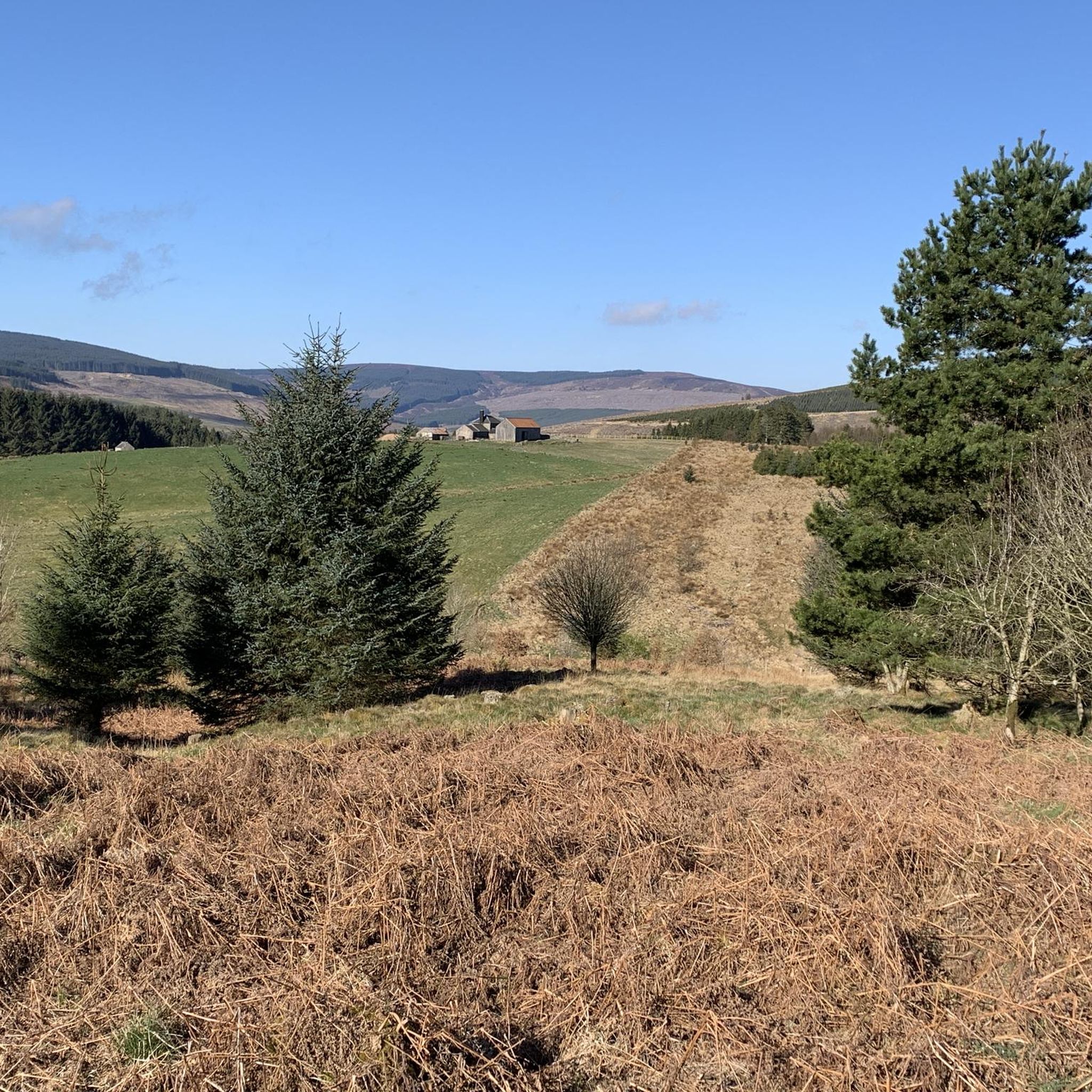
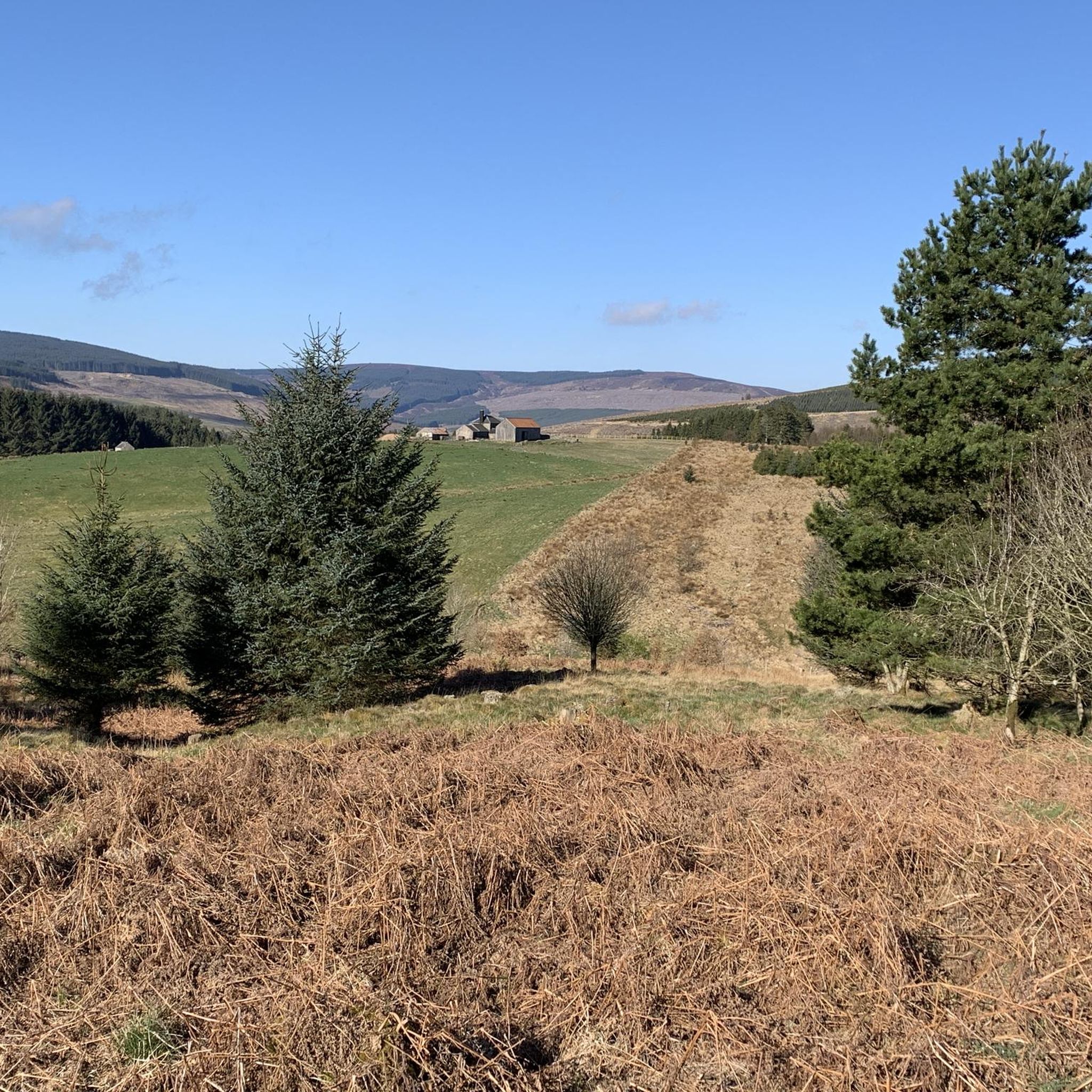
Touring cycling routes around Catcleugh Reservoir are situated within Northumberland National Park, characterized by a blend of conifer woodlands, open moorland, and rolling hills. The area features a six-mile shoreline around the Victorian-era reservoir and extends into forest tracks and fells. This landscape provides varied terrain for touring cyclists, from lakeside paths to moorland ascents.
Best touring cycling routes around Catcleugh Reservoir
- The most popular touring cycling route is Blakehope Nick Shelter – Kielder Castle loop from Byrness, a…
Last updated: May 14, 2026
15
riders
43.5km
04:12
660m
660m
Hard bike ride. Very good fitness required. Mostly paved surfaces. Suitable for all skill levels.
4
riders
Hard bike ride. Very good fitness required. Mostly paved surfaces. Suitable for all skill levels.

Sign up for free
1
riders
42.8km
02:50
600m
600m
Hard bike ride. Very good fitness required. Mostly paved surfaces. Suitable for all skill levels.
2
riders
Hard bike ride. Very good fitness required. Mostly paved surfaces. Suitable for all skill levels.
2
riders
112km
07:26
1,310m
1,310m
Hard bike ride. Very good fitness required. Mostly paved surfaces. Suitable for all skill levels.
Our route recommendations are based on thousands of hikes, rides, and runs completed by other people on komoot.
Start today with a free account
Your next adventure awaits.
Login or Signup
Popular around Catcleugh Reservoir
Tips from the Community

You don't see much here, but the trail is nice and the scenery is picturesque.
11
0

Kielder Castle is a charming 18th-century hunting lodge in Northumberland, built in 1775 for the Duke of Northumberland. Today, it serves as a vibrant visitor center and the starting point for numerous walking and cycling routes, including the famous Lakeside Way. Although the castle is currently undergoing renovations, the information center remains open and the surrounding facilities are accessible. It's an ideal base for exploring England's largest forest. It houses the Kielder Visitor Center and the Cafe at the Castle.
11
0
The Kielder Viaduct in Northumberland is a masterpiece of Victorian railway engineering from the 19th century, with seven skewed stone arches and an ornate baronial style replete with battlements and loopholes—custom-built for the Duke of Northumberland. Once transporting coal and timber to Scotland, it is now a monumental jewel on Kielder Reservoir, saved from demolition and reborn as part of the Lakeside Way: a scenic walkway. The viaduct is not only technically impressive but also culturally enriched with ornate wrought iron panels, designed by children and forged by local craftspeople.
9
0
The Lakeside Pine Trail is a charming section of the Lakeside Way, winding along the southern shore of Kielder Water. This section is known for its pine-rich woodland, fresh air, and panoramic views of the lake. The trail combines old asphalt roads with gravel and woodland, offering a peaceful ride for recreational cyclists, walkers, and nature lovers.
10
0
Freya’s Cabin is an enchanting wooden structure along the Lakeside Way, designed by Studio Weave in 2009 as part of Kielder’s Art & Architecture program. Constructed from 200 pressed wood panels, the cabin creates a fairytale-like forest, with integrated seating and a facade clad in shimmering gold metal—Freya’s “tears of gold.” The structure tells the fictional story of Freya and Robin, two lovers on opposite sides of the lake, trying to connect with each other through their architectural gifts. Facing Robin’s Hut, Freya’s Cabin invites cyclists and walkers to experience tranquility, wonder, and a touch of romance.
10
0
The southern shore of the Lakeside Way offers a scenic route along the UK's largest man-made lake. This well-maintained multi-user trail winds through woodland, past art installations, and offers waterfront views, with frequent encounters with red squirrels and ospreys.
11
0
Bellingham Bridge is a distinctive stone arch bridge over the River North Tyne, believed to have been built in the 19th century and a Grade II listed structure since 1985. Part of the Reivers Route, it provides a tranquil passage with beautiful views of the flowing water and the surrounding countryside.
11
0
Frequently Asked Questions
What is the general difficulty level of touring cycling routes around Catcleugh Reservoir?
The touring cycling routes listed for Catcleugh Reservoir are generally considered difficult. They often feature significant elevation gains and cover substantial distances, making them best suited for cyclists with good fitness and experience. For example, routes like Blakehope Nick Shelter – Kielder Castle loop from Byrness involve over 600 meters of ascent.
What kind of terrain can I expect on touring cycling routes near Catcleugh Reservoir?
You can expect a diverse range of terrain. Routes often traverse conifer woodlands, open moorland, and rolling hills. While some paths are well-paved, ideal for touring bikes, longer routes may include unpaved segments through forest tracks and fells. The landscape shifts from tranquil lakeside paths along the reservoir's six-mile shoreline to more challenging moorland ascents.
Are there circular touring cycling routes available around Catcleugh Reservoir?
Yes, many of the touring cycling routes in the area are designed as loops, allowing you to start and finish at the same point. For instance, the Undulating Forest Dirt Road – Black Middens Bastle House loop from Byrness is a circular route that takes you through varied landscapes.
What are some of the longer touring cycling routes in the Catcleugh Reservoir area?
For those seeking longer rides, the area offers routes that can span significant distances. The Kielder Water – Kielder Viaduct loop from Bellingham is a particularly extensive option, covering over 112 kilometers with more than 1300 meters of elevation gain, providing a substantial challenge for touring cyclists.
What historical landmarks or points of interest can I see along the touring cycling routes?
The area around Catcleugh Reservoir is rich in history. You can encounter the impressive Victorian engineering of the dam itself, built between 1891 and 1905. Nearby, in Byrness, St. Francis' Church features a unique 'Navvies Window' dedicated to the reservoir workers. Some routes, like the Undulating Forest Dirt Road – Black Middens Bastle House loop from Byrness, pass historical sites such as the Black Middens Bastle House. The wider Redesdale valley also holds ancient settlements and medieval farmsteads.
Is Catcleugh Reservoir a good area for wildlife spotting while cycling?
Absolutely. The diverse natural environment of Catcleugh Reservoir and the surrounding Northumberland National Park is home to a variety of wildlife. Cyclists often have opportunities to spot buzzards, ospreys, herons, otters, red squirrels, badgers, and roe deer. The nearby Whitelee Moor National Nature Reserve further enhances the region's biodiversity.
Are the touring cycling routes around Catcleugh Reservoir suitable for families?
Given that all listed touring cycling routes in this guide are rated as 'difficult' and involve significant distances and elevation, they may not be suitable for young children or families seeking very easy, flat rides. These routes are generally better for experienced cyclists. However, the wider Kielder Forest area, which is accessible from Catcleugh, does offer easier, family-friendly cycling trails like the Kielder Forest Lakeside Way.
What are the best times of year to go touring cycling around Catcleugh Reservoir?
The best times for touring cycling are typically spring, summer, and early autumn when the weather is milder and daylight hours are longer. The varied terrain, including moorland, can be exposed to harsh weather conditions in winter. Always check local weather forecasts before heading out, especially for routes with significant elevation like the Redesdale (A68) Signpost – Kielder Forest Drive loop from Byrness.
Are there any cafes or pubs near the touring cycling routes for refreshments?
While Catcleugh Reservoir itself is quite remote, the nearby hamlet of Byrness, which serves as a starting point for several routes, may offer limited facilities. For more options, you would likely need to venture further into surrounding villages or towards the Kielder Forest area. It's advisable to carry sufficient water and snacks, especially on longer routes like the Undulating Forest Dirt Road – Forest Drive Gravel Track loop from Blakehopeburnhaugh.
Where can I find parking for touring cycling routes near Catcleugh Reservoir?
Parking facilities are available in the vicinity of Catcleugh Reservoir, often near popular starting points for routes such as Byrness or Blakehopeburnhaugh. Specific parking details, including costs or permits, can vary, so it's recommended to check local signage upon arrival. For general information about the area, you can visit the Northumberland National Park website.
Can I access the Catcleugh Reservoir area by public transport for cycling?
Public transport options to the immediate Catcleugh Reservoir area are limited due to its remote location within Northumberland National Park. Access is primarily by car. Cyclists relying on public transport would need to research bus services to nearby larger villages like Bellingham or Rochester and then cycle to the reservoir, which could add significant distance to their tour.
Most popular routes around Catcleugh Reservoir

Get inspired with the komoot mobile app


Explore more
Browse the best Cycling routes in other regions.
