The best walks and hikes around Dierbach
4.5
(1138)
5,387
hikers
22
hikes
Hiking around Dierbach offers routes through the Südliche Weinstraße district, characterized by rolling hills and extensive vineyards. The terrain features gentle ascents and descents, providing accessible paths for various skill levels. The region is part of the broader Palatinate area, known for its natural landscapes.
Best hiking trails around Dierbach
- The most popular hiking route is Geiger Winery – Bad Bergzabern Castle loop from Dierbach, a 9.3 miles (14.9 km) trail that takes 4 hours to complete, connecting a winery with a historic castle.
- Another top favourite among local hikers is Kneipp Basin at Dierbach – Geiger Winery loop from Dierbach, an easy 3.5 miles (5.7 km) path that traverses local vineyards and passes a Kneipp basin.
- Local hikers also love the Geiger Winery – Plaque at the Schäfer House loop from Dierbach, a 1.6 miles (2.5 km) trail leading through vineyards, often completed in about 40 minutes.
- Hiking around Dierbach is defined by rolling hills, vineyards, and sections of the Palatinate Forest. The network offers options for both easy walks and moderate routes.
- The routes in Dierbach are highly rated by the komoot community with an average score of 4.5 stars from over 1000 reviews. More than 5000 hikers have used komoot to explore Dierbach's varied terrain.
Last updated: July 4, 2026
4.0
(4)
24
hikers
14.9km
03:55
120m
120m
Moderate hike. Good fitness required. Easily-accessible paths. Suitable for all skill levels.
4.4
(5)
24
hikers
5.69km
01:29
40m
40m
Easy hike. Great for any fitness level. Easily-accessible paths. Suitable for all skill levels.

Sign up for free
4.5
(4)
23
hikers
Moderate hike. Good fitness required. Easily-accessible paths. Suitable for all skill levels.
4.4
(8)
40
hikers
2.51km
00:40
30m
30m
Easy hike. Great for any fitness level. Easily-accessible paths. Suitable for all skill levels.
4.0
(3)
13
hikers
6.30km
01:40
60m
60m
Easy hike. Great for any fitness level. Easily-accessible paths. Suitable for all skill levels.
Get access to more routes and recommendations from other explorers.
Sign up for free
Already have an account?
Our route recommendations are based on thousands of hikes, rides, and runs completed by other people on komoot.
Start today with a free account
Your next adventure awaits.
Login or Signup

Tips from the Community

This beautiful half-timbered house was built in 1802🥰
0
0

Good for a rest and a picture
0
0

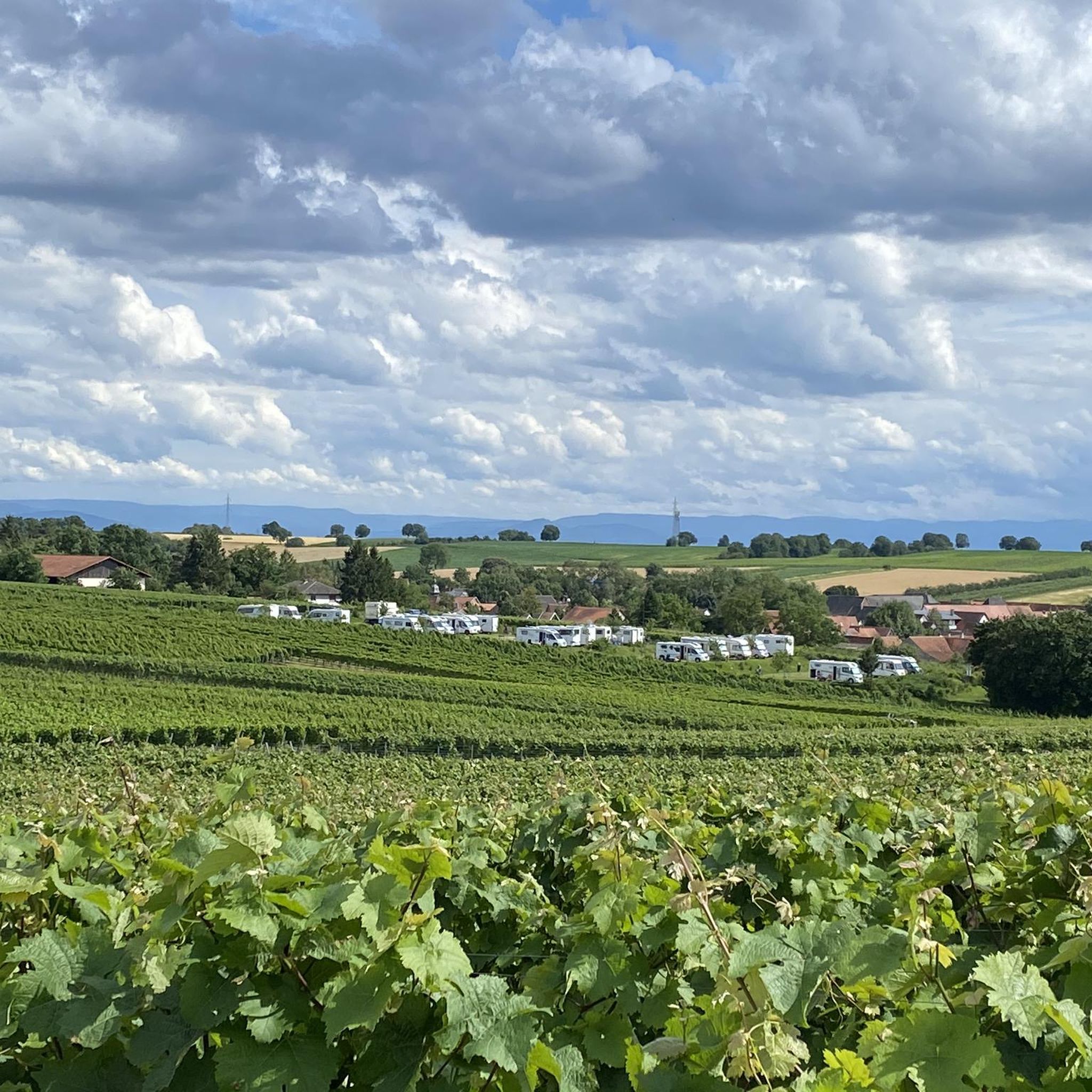
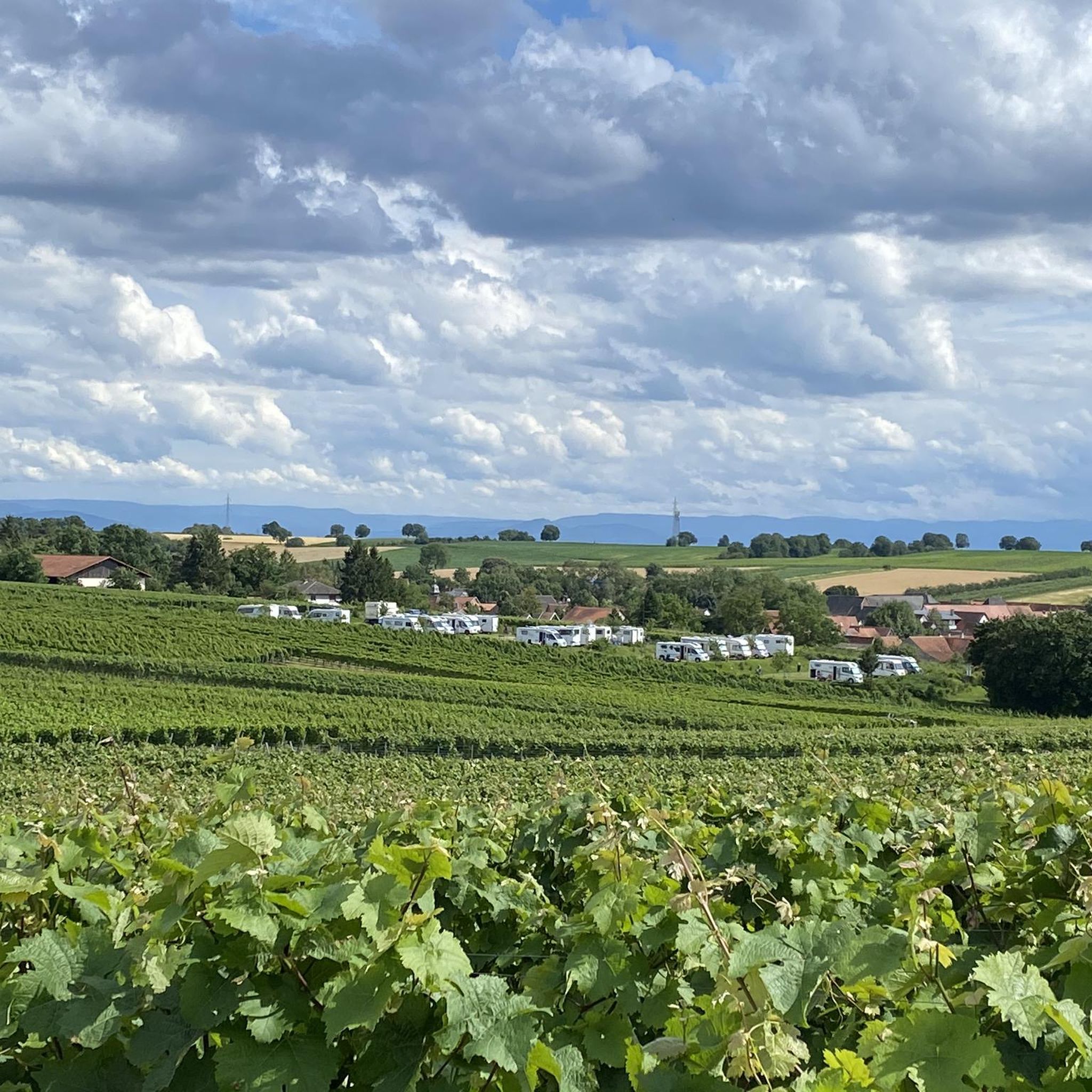
The whole town celebrates Federweißer - with great hosts.
0
0

Rest area many benches, nice
0
0

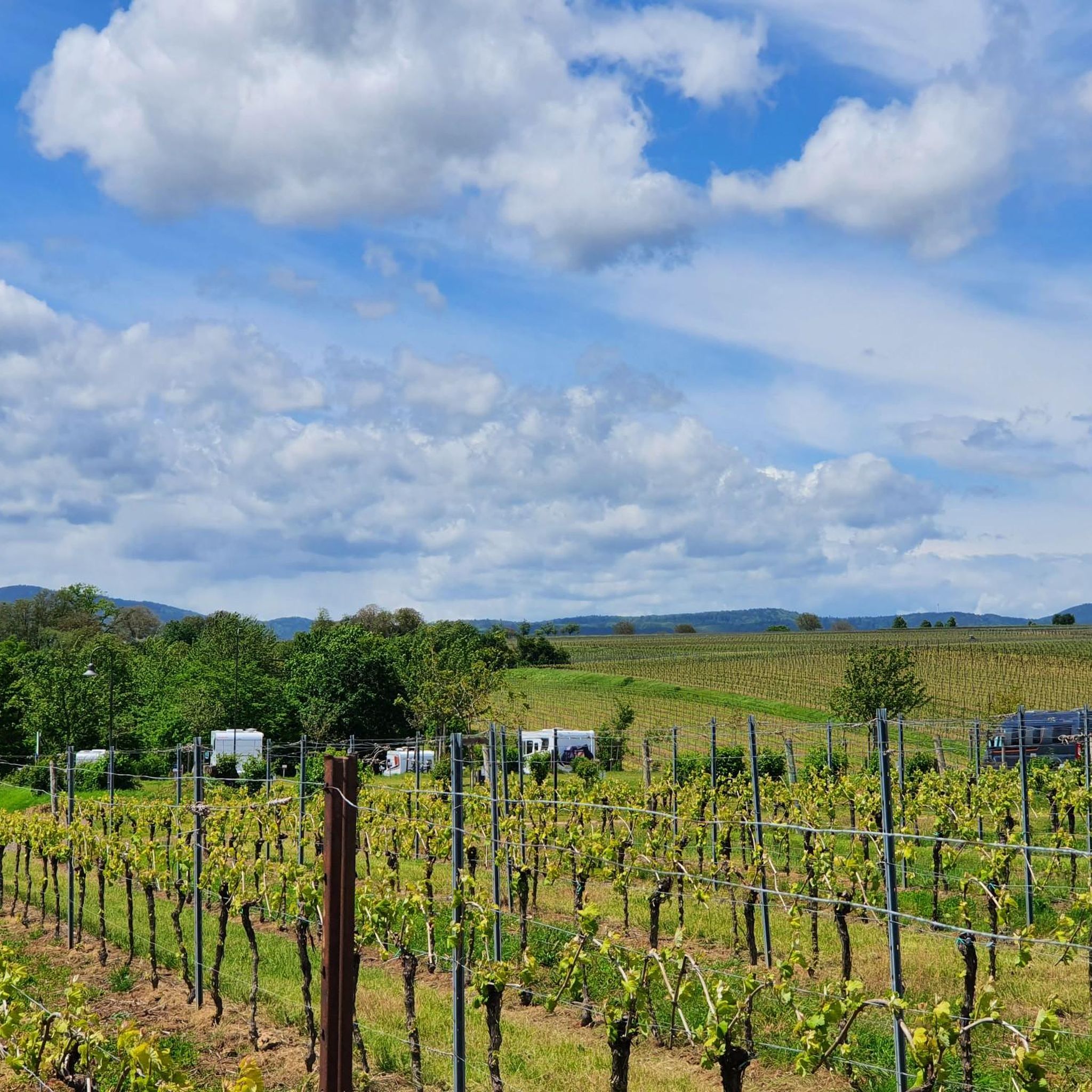
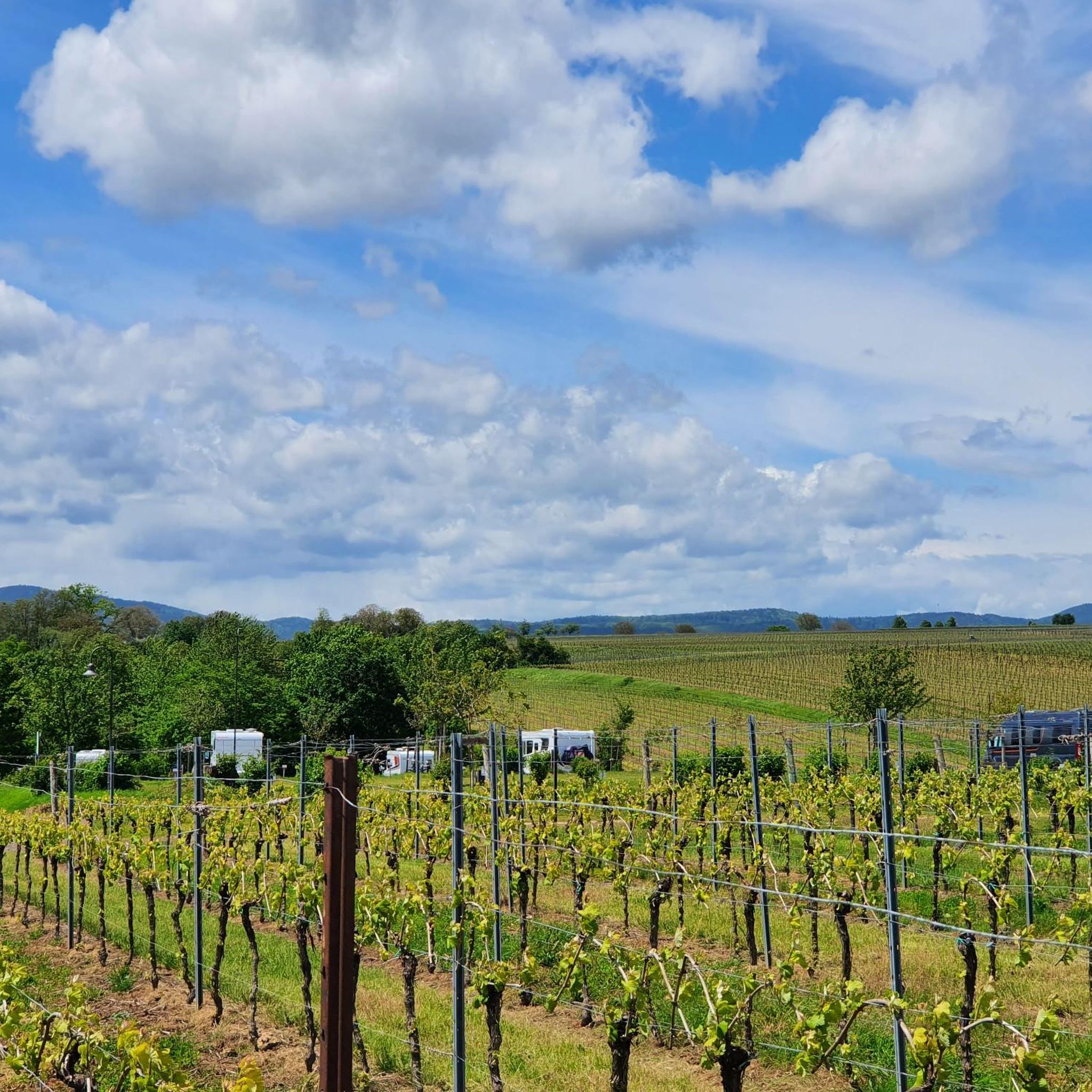
Rest bench with table at a rose archway - with beautiful views!
2
0
Nice, small picnic area by a linden tree with a beautiful rose archway, located directly on a (quiet) county road and with beautiful views!
1
0

Probably the most striking building in Bad Bergzabern with a beautifully detailed facade. In comparison, the (much larger) castle seems rather boring. The floor plan itself is unusual, although probably determined by the course of the paths, but adding bay windows gives the whole thing something special.
8
0

In the Peasants' War of 1525, the castle in Bergzabern, which was first mentioned in 1333, was plundered and burned down. In the years up to 1532, the destroyed castle was rebuilt as a fortified palace on the same site. The south building was built first, founded on oak piles because of the swampy ground: called the Ludwigsbau after its builder, Ludwig the Black of Palatinate-Zweibrücken. The two round towers in the west and east served to house cannons, and the living and utility rooms were on the two upper floors. The complex was protected by a moat; a connection to the city wall is likely, but cannot be reconstructed today. The Wolfgangsbau was built between 1561 and 1579, a three-wing extension that adjoined the Ludwigsbau to the north. Begun under Duke Wolfgang, the Wolfgangsbau was completed under his son Johann I. The outstanding architectural feature is the giant gate in the Renaissance style. The castle was plundered during the Thirty Years' War. On February 20, 1676, French raiding parties from the Philippsburg fortress burned down the castle and destroyed parts of the town. In 1704, the building had no roof, and the cellars under the Ludwigsbau and the east wing of the Wolfgangsbau were used primarily. From 1720 to 1725, the castle was rebuilt under the direction of the Swedish-Zweibrücken chief building director Jonas Ericson Sundahl and inventory for the living quarters was purchased. In 1728, the castle was habitable again. A high point in the history of the town and castle of Bergzabern was the years 1744 to 1774, when the widow of Christian III, Duchess Caroline of Palatinate-Zweibrücken, had her widow's residence in the castle. The castle suffered damage during the French Revolution as a symbol of the defeat of feudal rule. It was confiscated as national property and subsequently sold on to private individuals in sections. In 1909, the castle burned down completely. The roof structure and interior furnishings in particular were destroyed. Damage occurred again in the Second World War, especially to the giant gate. The building was completely renovated in 1982-1984, and the Bad Bergzabern municipality moved its administrative offices into the castle. Source: https://www.vg-bad-bergzabern.de/slider/schloss/
8
1
Frequently Asked Questions
How many hiking trails are available around Dierbach?
There are over 20 hiking trails around Dierbach, offering a variety of experiences through the region's rolling hills and vineyards. The komoot community has explored these routes over 5000 times, providing valuable insights.
What are the typical difficulty levels of hikes in Dierbach?
The hiking trails around Dierbach are predominantly easy to moderate. Out of the 22 available routes, 16 are classified as easy, and 6 are moderate, making the area accessible for most hikers. There are no difficult trails listed in this guide.
Are there any family-friendly hiking options in Dierbach?
Yes, many of the trails are suitable for families. The region's gentle ascents and descents, combined with picturesque vineyard paths, make for enjoyable walks. An easy option is the Kneipp Basin at Dierbach – Geiger Winery loop from Dierbach, which is 3.5 miles (5.7 km) long and passes a Kneipp basin, perfect for a refreshing stop.
Can I find circular walks around Dierbach?
Yes, Dierbach offers several circular walks. For example, the Geiger Winery – Bad Bergzabern Castle loop from Dierbach is a 9.3 miles (14.9 km) moderate trail connecting a winery with a historic castle. Another shorter option is the Geiger Winery – Plaque at the Schäfer House loop from Dierbach, a 1.6 miles (2.5 km) easy route through vineyards.
What kind of landscapes can I expect to see while hiking in Dierbach?
Hiking in Dierbach offers diverse landscapes, primarily characterized by rolling hills and extensive vineyards, especially appealing during the harvest season in September and October. You'll also find sections of the broader Palatinate Forest, providing lush natural scenery.
What is the best time of year to go hiking in Dierbach?
The mild and pleasant weather during spring and autumn makes these seasons ideal for hiking in the Palatinate region around Dierbach. Autumn, particularly September and October, is especially scenic as you can hike through vineyards and observe the grape picking.
Are there any notable landmarks or viewpoints along the hiking trails?
Yes, the region offers several points of interest. While hiking, you might encounter the Stäffelsberg Tower, which provides excellent views. The broader area also features the iconic German Wine Gate and the historic Wissembourg Old Town with its canals, which can be integrated into longer routes.
What do other hikers say about the trails in Dierbach?
The trails in Dierbach are highly regarded by the komoot community, holding an average rating of 4.5 stars from over 1100 reviews. Hikers often praise the well-maintained paths, the beautiful vineyard scenery, and the accessibility of the routes for various skill levels.
Are there any longer hiking routes for experienced hikers?
For those looking for a longer excursion, the Geiger Winery – Bad Bergzabern Castle loop from Dierbach is a moderate 9.3 miles (14.9 km) trail that takes approximately 4 hours to complete, offering a more extended experience through the local landscape.
Are there any hikes that pass through vineyards?
Absolutely. Dierbach is nestled in the Südliche Weinstraße, so many trails traverse vineyards. The Diederichs Hall – Vineyards in the Palatinate loop from Dierbach is an easy 3.9 miles (6.3 km) route specifically designed to showcase the region's viticultural landscape.
What is the typical length of an easy hike in Dierbach?
Easy hikes in Dierbach typically range from 1.6 miles (2.5 km) to around 3.9 miles (6.3 km). For instance, the Geiger Winery – Plaque at the Schäfer House loop from Dierbach is 1.6 miles (2.5 km), while the Vine garland in Dierbach – Picnic Area Under the Tree loop from Dierbach is 3.8 miles (6.1 km).
Most popular attractions around Dierbach

Get inspired with the komoot mobile app


Explore more
Browse the best Hikes in other regions.
