The best MTB trails around Vogelsee
4.5
(1273)
4,662
riders
317
rides
Mountain biking around Vogelsee offers a diverse landscape characterized by numerous lakes, river valleys, and historical sites within the Landkreis Sigmaringen. The region features a mix of flat lakeside paths, rolling hills, and forested sections, providing varied terrain for mountain bikers. Trails often follow natural water features and connect rural areas with points of interest, traversing different elevations and surface types. The broader area, including the Upper Danube Nature Park, boasts rugged limestone cliffs and the vast Alb plateau, offering…
Last updated: November 17, 2026
4.7
(7)
32
riders
40.9km
02:24
290m
290m
Moderate mountain bike ride. Good fitness required.
4.7
(22)
12
riders
38.1km
02:38
470m
470m
Moderate mountain bike ride. Good fitness required.

5.0
(2)
5
riders
Easy mountain bike ride.
4.8
(5)
15
riders
37.4km
02:00
140m
140m
Moderate mountain bike ride. Good fitness required. Advanced riding skills necessary.
5.0
(2)
14
riders
32.2km
01:49
180m
180m
Easy mountain bike ride.
Get access to more routes and recommendations from other explorers.
Already have an account?
Our route recommendations are based on thousands of hikes, rides, and runs completed by other people on komoot.
Start today with a free account
Your next adventure awaits.

Tips from the Community

The first documented mention of Sigmaringen Castle can be found in the year 1077, in the annals of the Petershausen monastery. It reports on the stay of King Henry IV during his investiture controversy with the Pope – an indication that the castle already had strategic importance at that time. The oldest preserved parts date back to the Staufer period around 1200. These include the castle gate, the palas, and the keep. Over the centuries, the castle was repeatedly expanded, rebuilt, and adapted to the changing needs of its inhabitants. The 15th and 16th centuries in particular were marked by profound structural changes. A first major construction period dates back to the Counts of Werdenberg, who began in the 15th century to expand the castle into a representative residence. The extension to the northeast is documented today only by the preserved door lintel on the so-called Swedish Tower with the year 1498. A few years later, another extension to the west followed. With the handover of the castle to the Hohenzollern-Sigmaringen line in 1535, a new era began. Count Karl II of Hohenzollern-Sigmaringen (1576–1606) had the castle extensively rebuilt and expanded it according to modern standards. Another milestone was the merging of two separate building parts by Michael Beer around 1650. The master builder, who came from the Bregenzerwald, connected the facilities from the Werdenberg period into a unified castle architecture. In the 18th century, mainly smaller renovations and furnishing measures followed. Particularly noteworthy is the establishment of a knight's hall in 1736, which was redesigned and restored as an ancestral hall in 1878. In the course of the emerging Neo-Gothic style, the castle was further remodeled in the second half of the 19th century by the princely master builder Josef Laur. A dramatic event shook the castle in 1893, when a devastating fire destroyed large parts of the complex. As a result, one of the most significant reconstruction phases in the castle's history occurred. The architectural conclusion of this phase is marked by the Portuguese Gallery, completed in 1907. It forms an elegant connection between the castle wings and delimits the inner courtyard towards the city side – a masterpiece of courtly representative architecture. hohenzollern-schloss.de/de/component/content/article/65-historie?catid=2
2
0
The first documentary mention of Sigmaringen Castle can be found in the year 1077, in the annals of the Petershausen monastery. It reports on the stay of King Henry IV during his investiture controversy with the Pope – an indication that the castle already had strategic importance at that time. The oldest surviving parts of the building date back to the Staufer period around 1200. These include the castle gate, the palas, and the keep. Over the centuries, the castle was repeatedly expanded, rebuilt, and adapted to the changing needs of its inhabitants. The 15th and 16th centuries in particular were characterized by profound structural changes. A first major construction period goes back to the Counts of Werdenberg, who began in the 15th century to expand the castle into a representative residence. The expansion to the northeast is documented today only by the preserved lintel on the so-called Swedish Tower with the year 1498. A few years later, another extension to the west followed. With the handover of the castle to the Hohenzollern-Sigmaringen line in 1535, a new era began. Count Karl II of Hohenzollern-Sigmaringen (1576–1606) had the castle extensively rebuilt and expanded it according to modern standards. Another milestone was the merging of two separate building parts by Michael Beer around 1650. The master builder, who came from the Bregenzerwald, connected the facilities from the Werdenberg period into a uniform castle architecture. In the 18th century, mainly smaller renovations and furnishing measures followed. Particularly noteworthy is the establishment of a Knights' Hall in 1736, which was redesigned and restored as an Ancestral Hall in 1878. In the course of the emerging Neo-Gothic style, the castle was further redesigned in the second half of the 19th century by the princely master builder Josef Laur. A dramatic event shook the castle in 1893, when a devastating fire destroyed large parts of the complex. As a result, one of the most significant renovation phases in the castle's history took place. The architectural conclusion of this phase is marked by the Portuguese Gallery, completed in 1907. It forms an elegant connection between the castle wings and separates the inner courtyard from the city side – a masterpiece of courtly representative architecture. https://hohenzollern-schloss.de/de/component/content/article/65-historie?catid=2
2
0


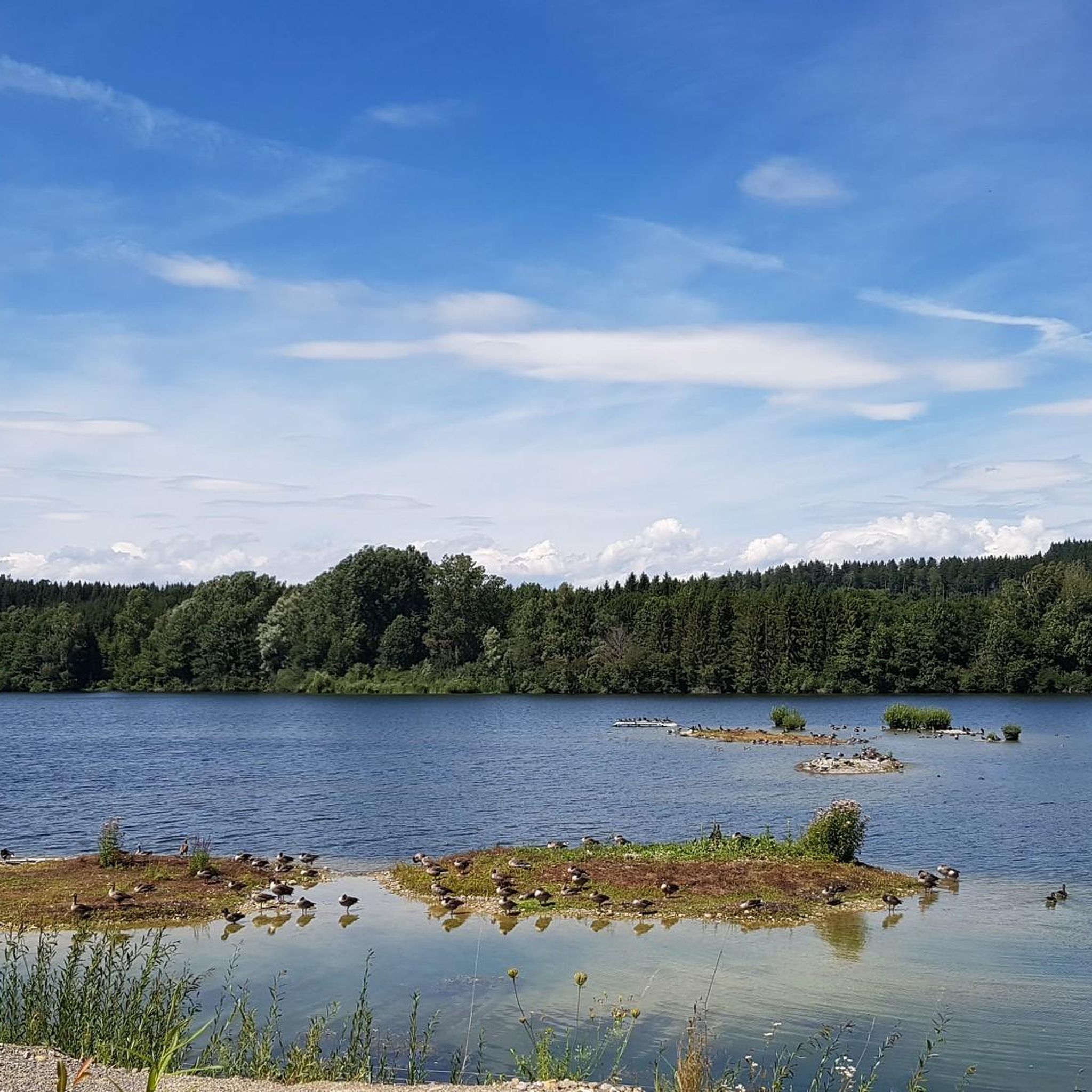
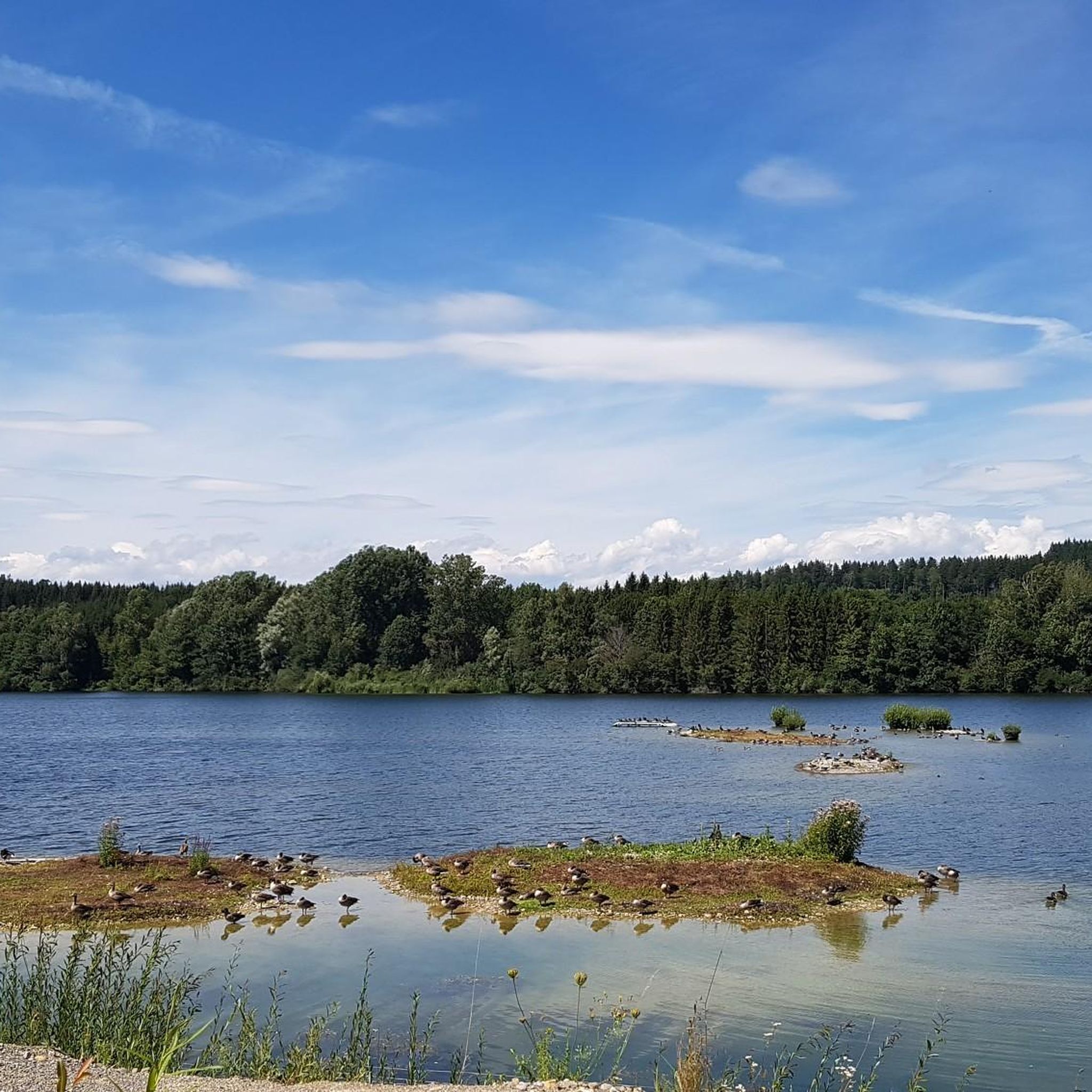
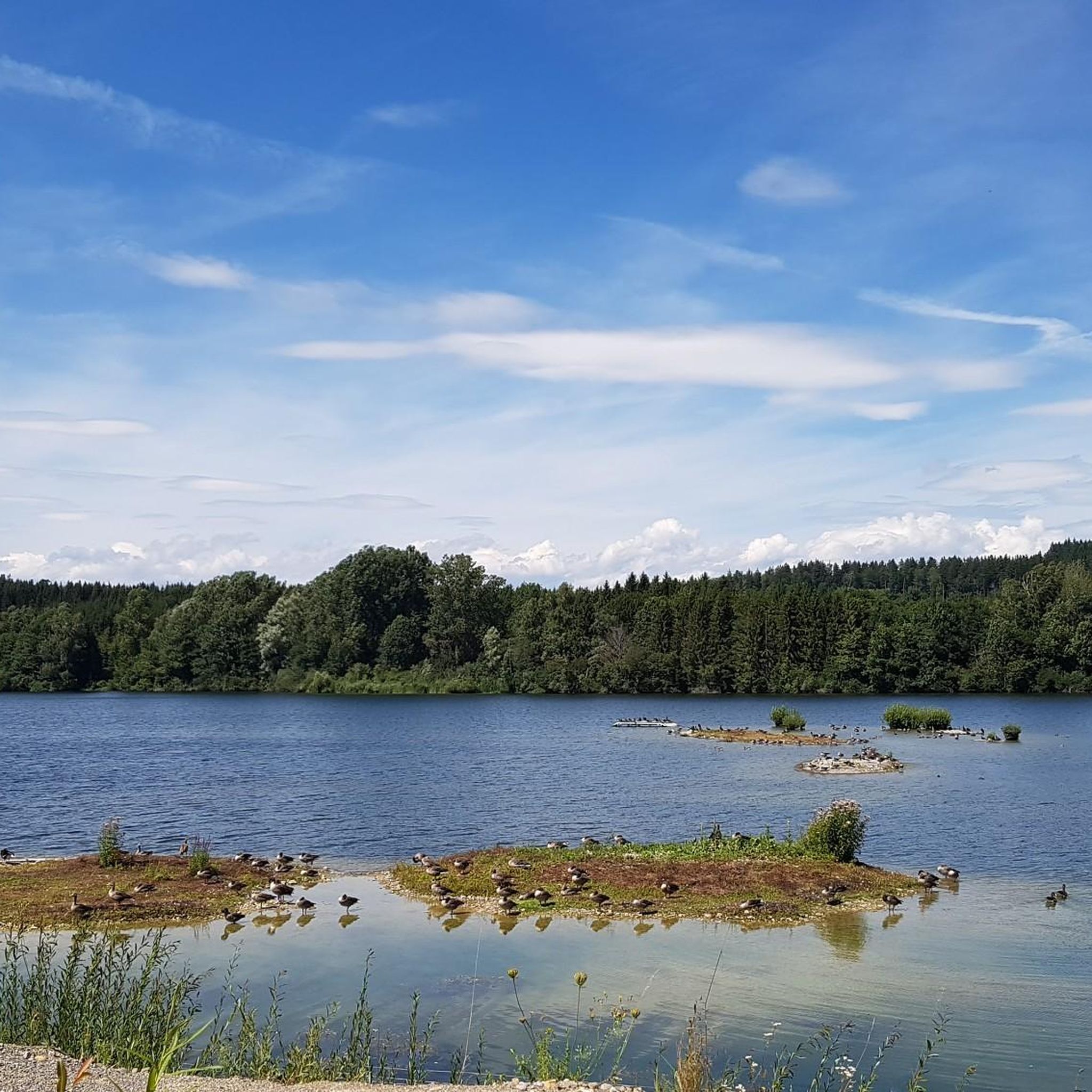
Great atmosphere 🤗 right on the lake 🌊 Italian/Swabian cuisine and coffee/cake 🍽️🍰☕ Very delicious 😋 Free parking 🚗
0
0

The Hohenzollern Castle Sigmaringen was first mentioned in documents in the year 1077 and originally originated as a medieval castle on a rock above the Danube. Over the centuries, the complex was expanded several times and developed into a representative residence of the Princes of Hohenzollern-Sigmaringen. After a devastating fire in 1893, large parts of the castle were rebuilt in the historicist style. The castle was the political and cultural center of the Principality of Hohenzollern-Sigmaringen for many generations. Today, it houses significant art, furniture, and weapons collections and is one of the region's most famous attractions.
2
0
The Laizer Donaubrücke connects the Sigmaringen district of Laiz with the areas on the other side of the Danube. From the bridge, there is a beautiful view of the river and the surrounding landscape of the Danube Valley. It is an important crossing for pedestrians, cyclists, and local traffic.
0
0

The hiking parking lot is located near the Laiz town hall. Several hikes can be started from here. Next to the parking lot, there is also a bakery called Mahl, where refreshments are available.
0
0

You can also eat well and go swimming there.
0
0
Frequently Asked Questions
How many mountain bike trails are there around Vogelsee?
There are nearly 350 mountain bike trails available around Vogelsee, offering a wide range of options for different skill levels and preferences.
What types of terrain can I expect on mountain bike trails near Vogelsee?
The region around Vogelsee offers a diverse landscape for mountain biking, including flat lakeside paths, rolling hills, and forested sections. Trails often follow natural water features and connect rural areas with historical sites.
Are there easy mountain bike trails suitable for beginners in the Vogelsee area?
Yes, Vogelsee has a good selection of trails for beginners. There are 96 easy mountain bike routes, many of which feature gentle gradients and scenic paths, such as the Ablach Lakes – Zielfingen Lakes loop from Krauchenwies.
Are there any circular mountain bike routes around Vogelsee?
Many of the mountain bike routes in Vogelsee are circular, allowing you to start and end at the same point. Examples include the Felsentäle Gorge – Avenue of the Centenarians loop from Krauchenwies and the Hornstein Castle Ruins – Sigmaringen Castle loop from Rulfingen.
What are some longer mountain bike routes for experienced riders in Vogelsee?
For experienced riders looking for longer distances, routes like the Hornstein Castle Ruins – Sigmaringen Castle loop from Rulfingen cover over 26 miles (42 km) and offer varied landscapes and historical points of interest.
What do other mountain bikers enjoy most about the trails in Vogelsee?
The mountain bike trails in Vogelsee are highly rated by the komoot community, with an average score of 4.5 stars from over 670 reviews. Riders often praise the diverse terrain, the scenic beauty of the lakes and river valleys, and the historical sites encountered along the routes.
Are there mountain bike trails that pass by historical sites or landmarks?
Yes, many routes in the Vogelsee area incorporate historical sites. For instance, the Hornstein Castle Ruins – Sigmaringen Castle loop from Rulfingen connects significant castle ruins with varied landscapes, offering a blend of nature and history.
Can I find mountain bike routes that feature lakes or water views?
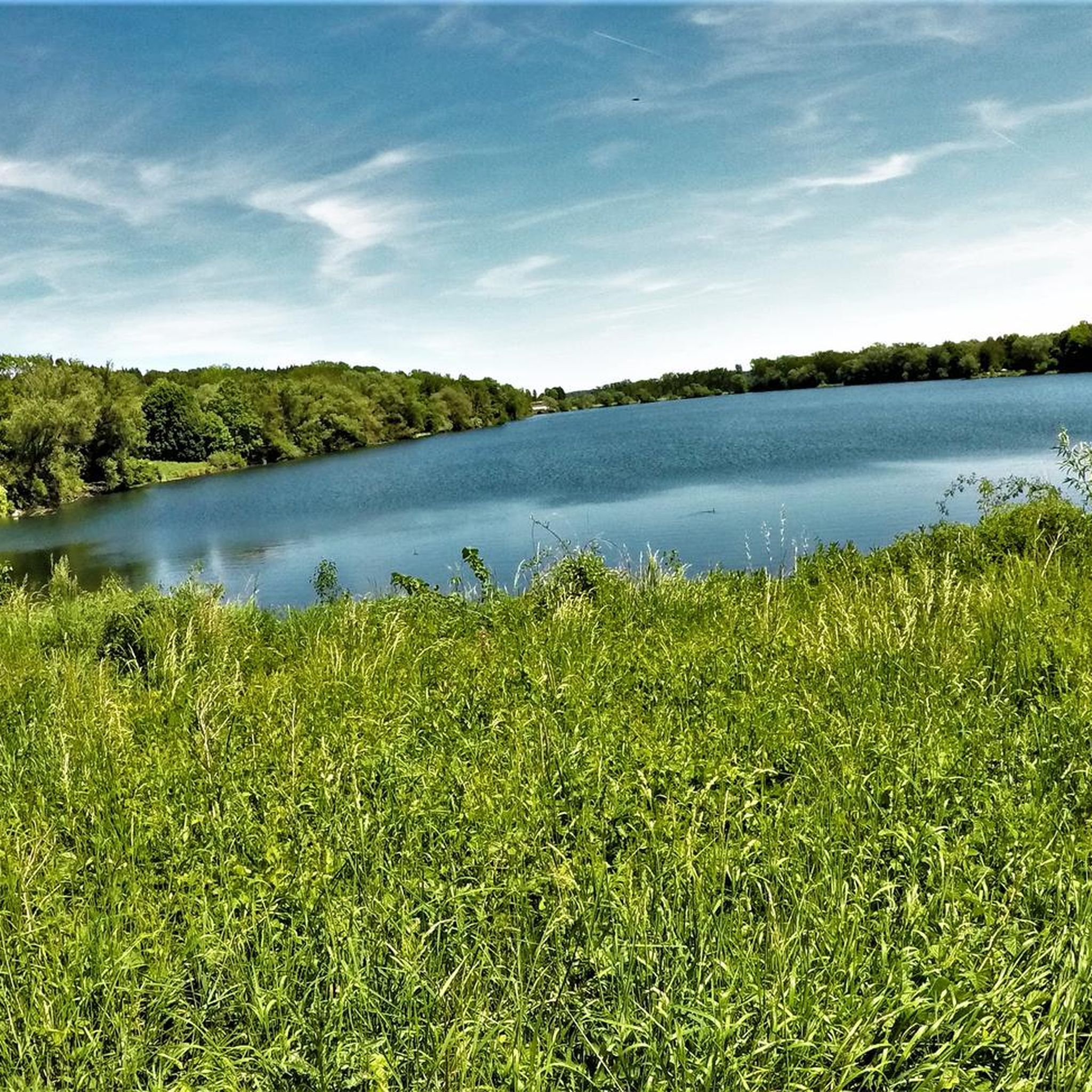
Absolutely. The region is characterized by numerous lakes and river valleys. Routes like the Lake South Sea III – Bohner's Farm Shop loop from Rulfingen offer beautiful lakeside paths and rural scenery, perfect for water views.
How long do mountain bike routes around Vogelsee typically take to complete?
The duration varies depending on the route and your pace. Many popular routes, such as the Felsentäle Gorge – Avenue of the Centenarians loop from Krauchenwies (19.6 miles), can be completed in about 2.5 hours, while longer routes may take 3-4 hours.
Are there any moderate mountain bike trails for intermediate riders?
Yes, the majority of trails in Vogelsee are classified as moderate, with 233 routes available. These trails offer a good balance of challenge and accessibility, often featuring varied elevations and surface types.
What is the best time of year for mountain biking in Vogelsee?
The region's diverse landscape with lakes, river valleys, and forested sections makes it enjoyable for mountain biking from spring through autumn. Spring offers lush greenery, while autumn provides vibrant foliage, both with generally pleasant temperatures.
Are there any mountain bike routes that are particularly scenic or unique?
The Felsentäle Gorge – Avenue of the Centenarians loop from Krauchenwies is a highly scenic route, taking you through a picturesque gorge and past historical avenues, offering a unique blend of natural beauty and historical charm.
Most popular routes around Vogelsee

Get inspired with the komoot mobile app


Explore more
Browse the best MTB trails in other regions.
