The best walks and hikes around Sacrow-Paretzer Kanal
4.5
(4515)
20,541
hikers
751
hikes
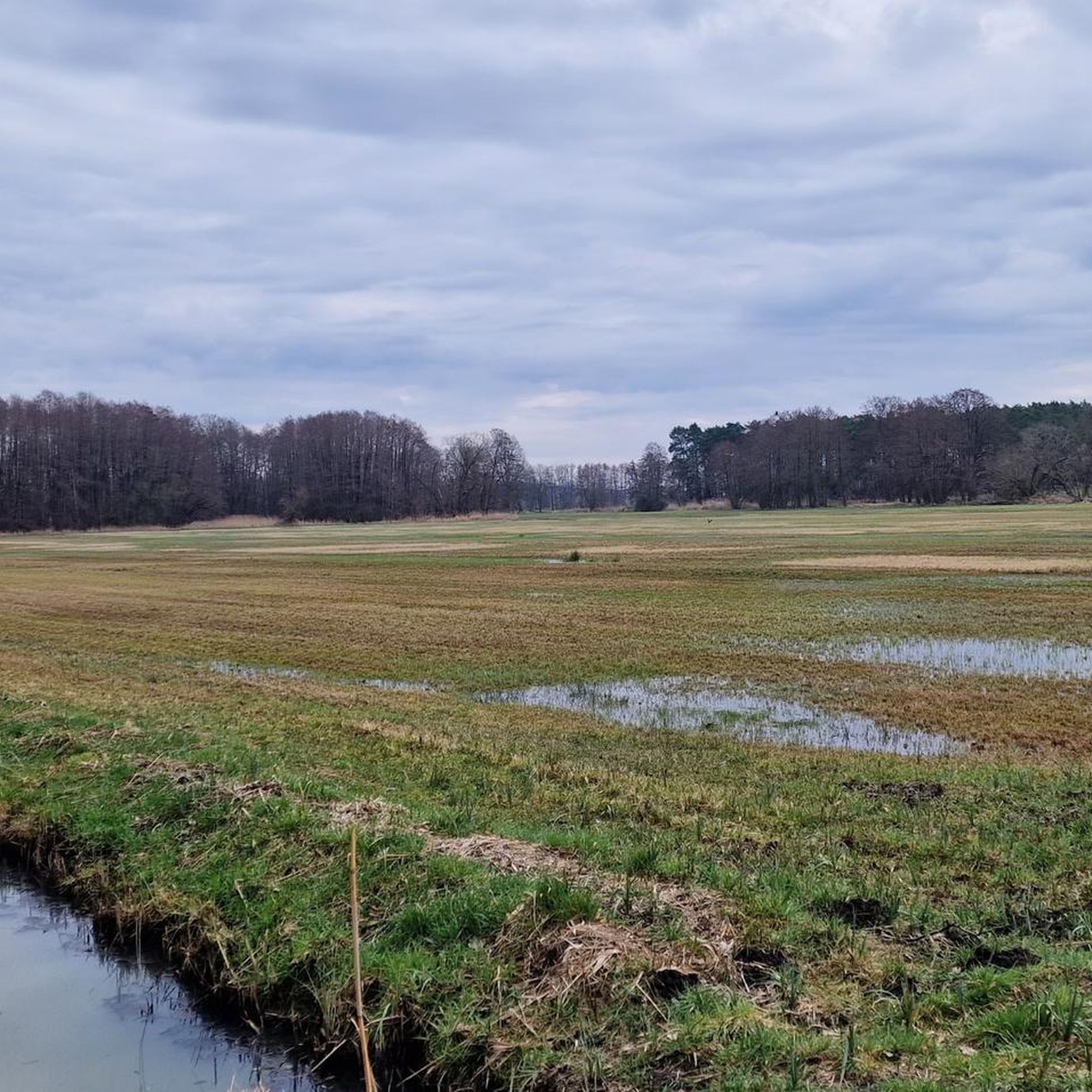
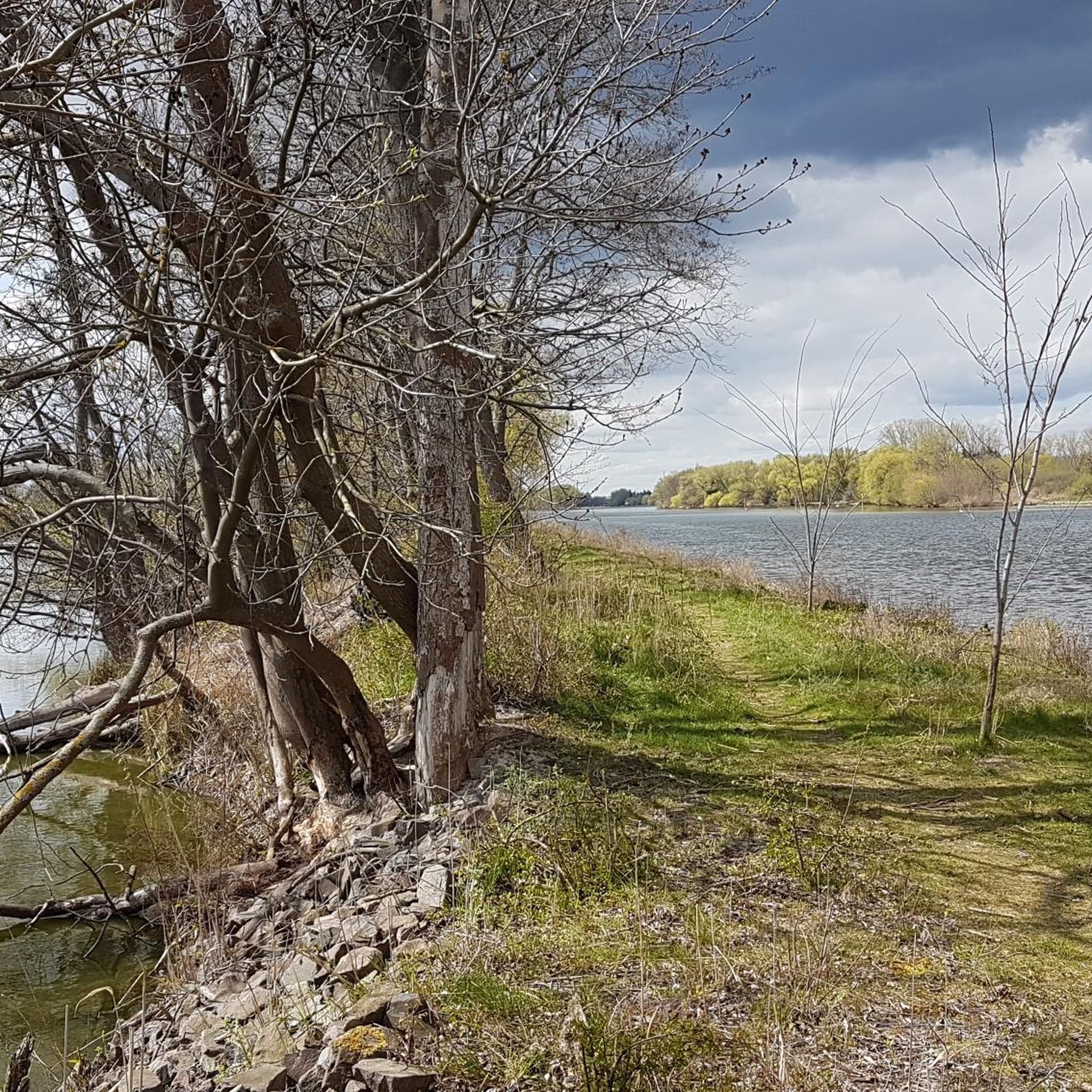
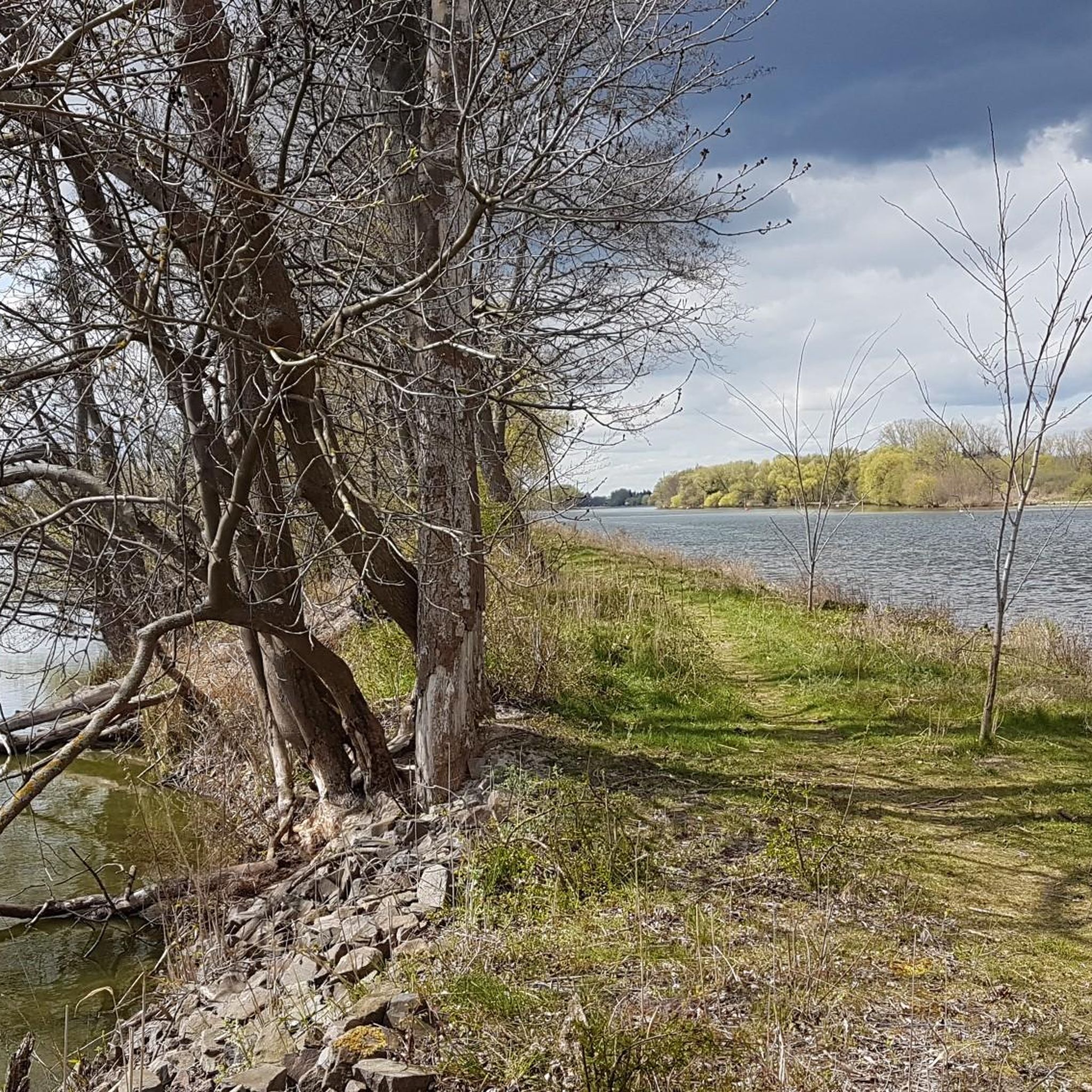
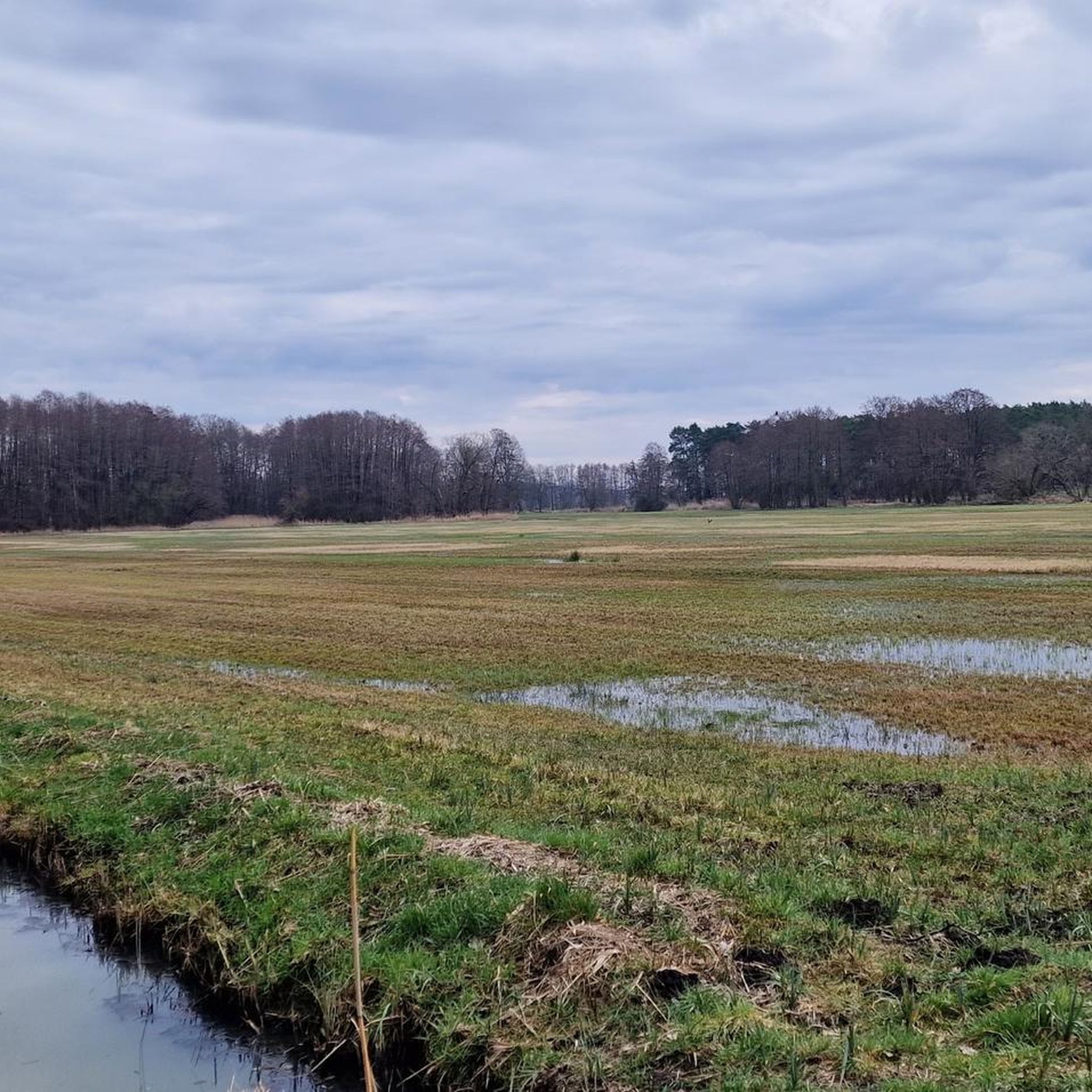
Hiking around Sacrow-Paretzer Kanal offers diverse landscapes centered around a 7.8 mile (12.5 km) artificial waterway connecting two arms of the Havel River. The region features accessible trails, often characterized by firm sand paths along the canal banks. It integrates with several natural lakes, including Göttinsee, Jungfernsee, Weißer See, Fahrlander See, and Schlänitzsee, creating varied waterscapes. The terrain is generally flat, with dense woody vegetation lining the canal.
Best hiking trails around Sacrow-Paretzer Kanal
- The most popular hiking route is…
Last updated: May 14, 2026
5.0
(3)
12
hikers
3.99km
01:01
10m
10m
Easy hike. Great for any fitness level. Easily-accessible paths. Suitable for all skill levels.
4.9
(19)
56
hikers
Easy hike. Great for any fitness level. Easily-accessible paths. Suitable for all skill levels.

Sign up for free
4.7
(10)
58
hikers
3.45km
00:53
10m
10m
Easy hike. Great for any fitness level. Easily-accessible paths. Suitable for all skill levels.
4.4
(7)
21
hikers
8.13km
02:04
20m
20m
Moderate hike. Good fitness required. Easily-accessible paths. Suitable for all skill levels.
4.3
(6)
28
hikers
8.66km
02:12
20m
20m
Moderate hike. Good fitness required. Easily-accessible paths. Suitable for all skill levels.
Get access to more routes and recommendations from other explorers.
Sign up for free
Already have an account?
Our route recommendations are based on thousands of hikes, rides, and runs completed by other people on komoot.
Start today with a free account
Your next adventure awaits.
Login or Signup

Tips from the Community

The former royal forge was built around 1800 in the Neo-Gothic style and served as a picturesque architectural feature with a visual connection through the church garden to the castle. Since 1911, the Gothic House with its adjoining hall has been used as an inn. The old inn - Queen Luise bowled here and Fontane stayed overnight.
0
0

As part of the village's redesign, the master builder David Gilly (1748-1808) constructed the Flour Scales and Fire Station complex between 1798 and 1805. The connection between the two buildings was created by a covered ladder barn, which served as a storage area for fire hoses and ladders. The fire engine was kept in the fire station itself and was occasionally used as a detention cell. The ladder barn was demolished around 1900, and the Flour Scales and Fire Station fell into disrepair. After reunification, at the initiative of the Paretz Historical Society, both buildings were completely renovated in accordance with historical preservation regulations, and the ladder barn was faithfully reconstructed. Source: https://www.paretz-verein.de/seite/131481/mehlwaage-und-spritzenhaus.html
0
0
Ice cellars for storing natural ice were, before the invention of refrigeration, the privilege of kings and wealthy landowners. Later, ice cellars were also built for communal use. This is likely the case with the ice cellar located behind the Paretz barn in the Rohrhaus garden. It is one of three ice cellars that once existed in Paretz. While the two located in the royal gardens no longer exist, the ice cellar built around 1850 was restored by the Historical Paretz Association in 2007 and opened as a small museum in 2010. Further information can be found at: https://www.paretz-verein.de/seite/131483/historischer-eiskeller.html
0
0
The so-called "Gothic House" was built in 1803 based on the model of English period buildings. The building is a stuccoed structure with a rectangular floor plan and a half-hipped roof. The hall extension dates from 1910. It was originally the royal blacksmith's shop, and around 1910 it became part village blacksmith's shop and part inn. After 1918, it was simply an inn, and since 1938, it has been a family-owned restaurant and beer garden. The building is a listed building.
0
0
Shortly after his accession to the throne, Frederick William III commissioned the architect David Gilly to rebuild Paretz as a model Prussian village. The new village consisted of approximately ten farms, each largely of a uniform design. In addition to a number of buildings with specific functions, he also had two small gatehouses built to the right and left of the access road, marking the eastern entrance to the village. One primarily contained a sheepfold, the other the shepherd's dwelling. Source: https://www.paretz-verein.de/seite/346848/dorf.html
0
0
The complex, constructed by French prisoners of war and consisting of the Paretz Lock, the pump house, and the transformer station tower, was completed in 1916. It is now a listed monument due to its harmonious aesthetics and the technically sophisticated design of the pumping system. The system on the Paretz-Nauen Canal served to improve the Havelland Luch, a project initiated by King Frederick William I of Prussia in 1718. Controlled drainage and irrigation via ditches and drains was intended to enable continuous agricultural use of the temporarily flooded fields. The improvement resulted in the reclaiming of 500 km² of arable land in the Havelland Luch alone. The water generated during drainage collected at the lowest point of the terrain and had to be pumped from there into a higher drain or canal. This was done using powerful electric pumps capable of moving up to 22,000 m³/h of water. In the 1970s, they were replaced by two modern underwater pumps. The lock lost its importance with the construction of the Havel Canal in 1951-1952 and was opened permanently. Source: https://www.paretz-verein.de/seite/131480/schleuse-und-sch%C3%B6pfwerk.html
0
0
At this point, it appears as if the Nauen-Paretz Canal joins the Havel Canal. However, this would be incorrect. The Nauen-Paretz Canal was constructed between 1913 and 1921. With the construction of the Havel Canal in 1951-1952, the southern section was incorporated into it and enlarged and straightened. Today, this section of the canal, as well as the lock a little further north, is no longer relevant for shipping. It drains the Paretz burrows, and the WWR Havel Canal (a recreational area for water sports) is located at the pumping station.
0
0
There are also a few benches here, some of which are covered.
0
0
Frequently Asked Questions
How many hiking trails are available around the Sacrow-Paretzer Kanal?
There are over 750 hiking trails around the Sacrow-Paretzer Kanal, offering a wide range of options for different fitness levels and preferences. The komoot community has explored more than 20,000 of these routes.
What kind of terrain can I expect on hikes along the Sacrow-Paretzer Kanal?
The terrain around the Sacrow-Paretzer Kanal is generally flat, with accessible trails often characterized by firm sand paths along the canal banks. You'll find diverse landscapes, including dense woody vegetation and picturesque waterscapes where the canal integrates with natural lakes.
Are there any easy hiking routes suitable for beginners or a leisurely stroll?
Yes, the region offers many easy routes. For example, the Sacrow-Paretzer Canal – View of Göttinsee loop from Schraberg is an easy 2.5-mile (4.0 km) trail that takes about 1 hour to complete and offers lovely views of the Göttinsee. Overall, there are over 470 easy routes in the area.
Are there any circular hiking routes around the Sacrow-Paretzer Kanal?
Yes, many routes in the area are circular. For instance, the Sacrow-Paretzer Canal – Göttinsee loop from Göttin is a moderate 5.1-mile (8.1 km) path that showcases the blend of canal and natural water bodies. Another option is the Göttinsee – Töplitz, local views loop from Göttin, a 5.5-mile (8.9 km) trail through waterscapes.
What natural features or landmarks can I see while hiking near the Sacrow-Paretzer Kanal?
The Sacrow-Paretzer Kanal itself is a significant feature, connecting two arms of the Havel River and integrating with several natural lakes like Jungfernsee, Weißer See, Fahrlander See, and Schlänitzsee. You can also spot the historic Gotisches Haus, which now houses a restaurant and beer garden, and enjoy views of the Göttinsee on many trails.
Is the Sacrow-Paretzer Kanal area suitable for family-friendly hikes?
Yes, the accessible and generally flat trails along the canal make it suitable for families. Many routes are easy strolls, allowing for a pleasant outdoor experience with children. The diverse landscapes and opportunities to watch boats pass by can also keep younger hikers engaged.
Can I bring my dog on the hiking trails around Sacrow-Paretzer Kanal?
The natural environment and accessible paths along the Sacrow-Paretzer Kanal are generally welcoming for dogs. However, it's always recommended to keep dogs on a leash, especially near wildlife habitats and populated areas, and to check specific trail regulations if available.
What do other hikers enjoy most about hiking in Sacrow-Paretzer Kanal?
The area is highly rated by the komoot community, with an average score of 4.5 stars from over 4,300 reviews. Hikers often praise the tranquil environment, the picturesque waterscapes created by the canal and its connected lakes, and the easily accessible paths that make for pleasant walking conditions.
Are there opportunities for wildlife viewing along the canal paths?
Yes, the abundant natural vegetation along the canal and its connection to multiple lakes create excellent opportunities for observing local wildlife and plant species. The tranquil environment is home to various birds and other animals.
Are there any places to eat or drink near the hiking trails?
Yes, the historic Gotisches Haus, a protected monument, features a restaurant and beer garden, offering a place to refresh after your hike. You may find other local establishments in nearby villages as well.
What is the best time of year to go hiking around Sacrow-Paretzer Kanal?
The Sacrow-Paretzer Kanal offers pleasant hiking conditions throughout much of the year. Spring and autumn provide comfortable temperatures and beautiful scenery with changing foliage. Summer is also popular, especially for enjoying the waterscapes, while winter hikes can offer a unique, tranquil experience, though conditions may vary.
Is there parking available near the hiking trailheads?
While specific parking information for every trailhead isn't provided, the area is generally accessible, and you can often find parking in nearby villages or designated spots close to popular starting points for trails. It's advisable to check local signage upon arrival.
Most popular routes around Sacrow-Paretzer Kanal

Get inspired with the komoot mobile app


Explore more
Browse the best Hikes in other regions.
