The best walks and hikes around Löcknitzer Lake
4.7
(96)
409
hikers
39
hikes
Hiking around Löcknitzer Lake offers diverse landscapes within the Mecklenburg Lake District, characterized by an alternating natural environment. The region is part of the "LSG 40 Löcknitzer See" protected landscape area, preserving its natural features and rich biodiversity. Hikers will find a network of trails winding through pine and beech forests, alongside the Löcknitzer See, Kleiner Löcknitzer See, and Leichensee, and past historical sites. The terrain generally features gentle elevation changes, making it accessible for various fitness levels.
Best hiking…
Last updated: June 27, 2026
4.6
(45)
178
hikers
5.34km
01:22
20m
20m
Easy hike. Great for any fitness level. Easily-accessible paths. Suitable for all skill levels.
5.0
(1)
12
hikers
2.10km
00:32
10m
10m
Easy hike. Great for any fitness level. Easily-accessible paths. Suitable for all skill levels.

Sign up for free
3
hikers
9.48km
02:27
50m
50m
Moderate hike. Good fitness required. Easily-accessible paths. Suitable for all skill levels.
5.0
(1)
4
hikers
5.27km
01:20
10m
10m
Easy hike. Great for any fitness level. Easily-accessible paths. Suitable for all skill levels.
3
hikers
4.36km
01:07
10m
10m
Easy hike. Great for any fitness level. Easily-accessible paths. Suitable for all skill levels.
Get access to more routes and recommendations from other explorers.
Sign up for free
Already have an account?
Our route recommendations are based on thousands of hikes, rides, and runs completed by other people on komoot.
Start today with a free account
Your next adventure awaits.
Login or Signup
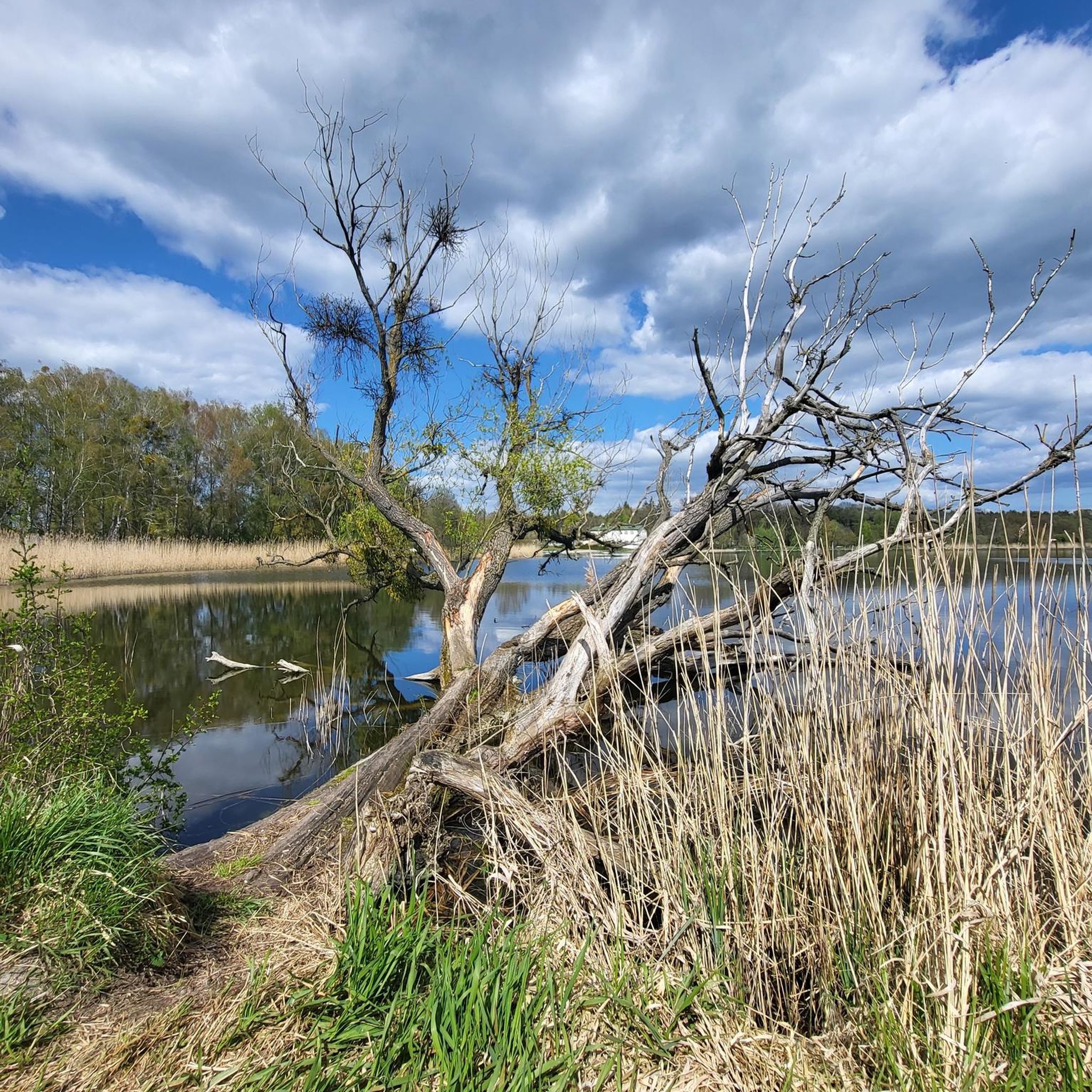
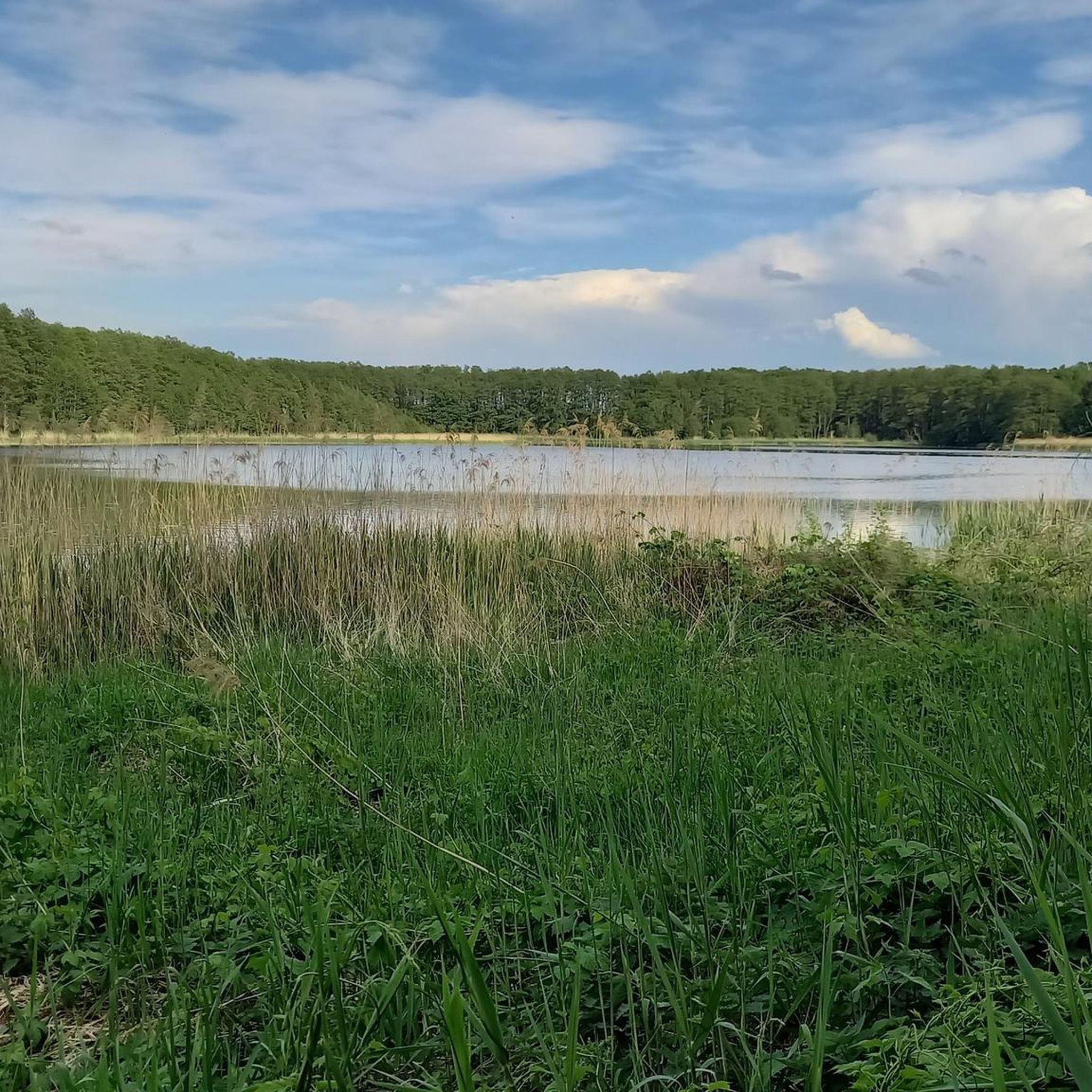
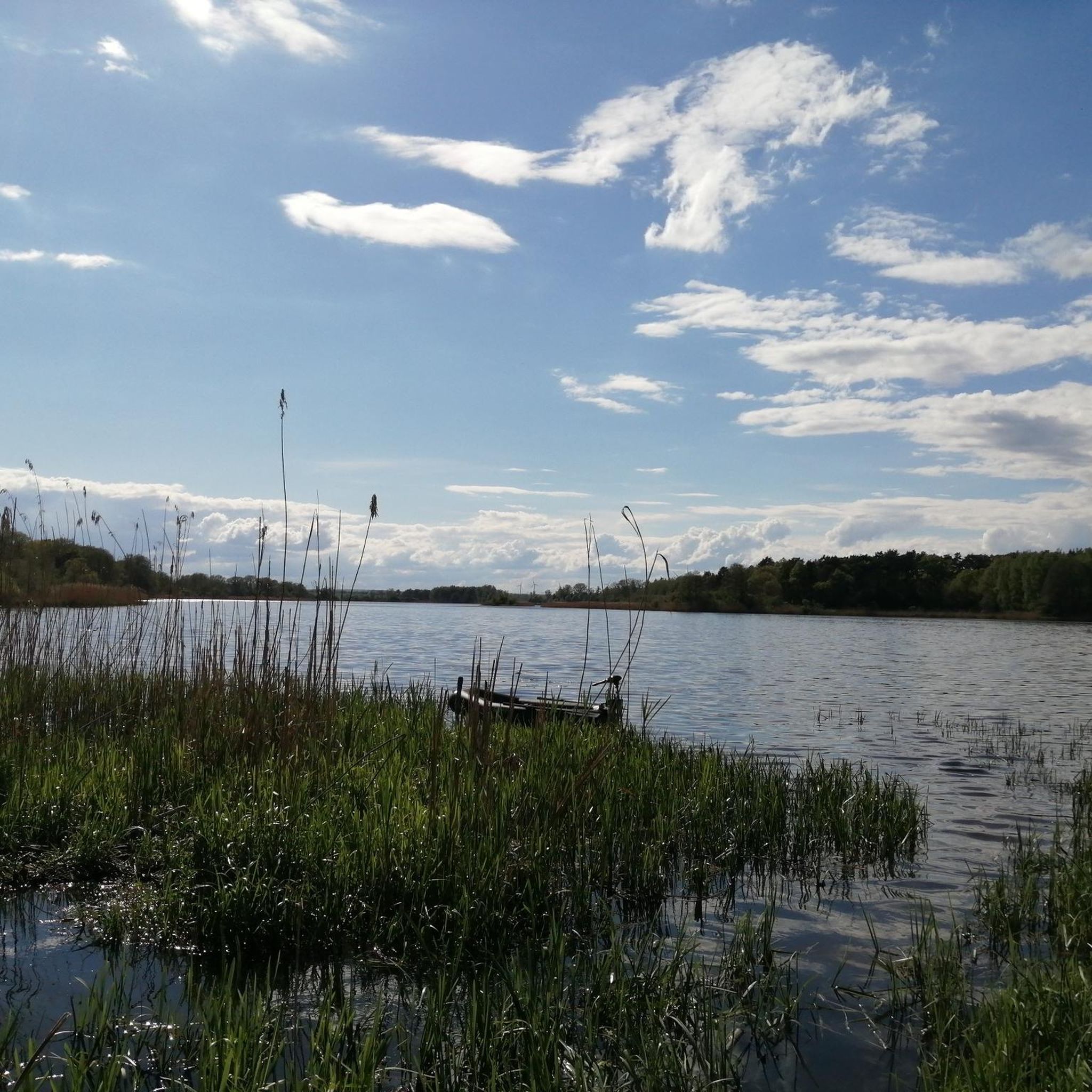
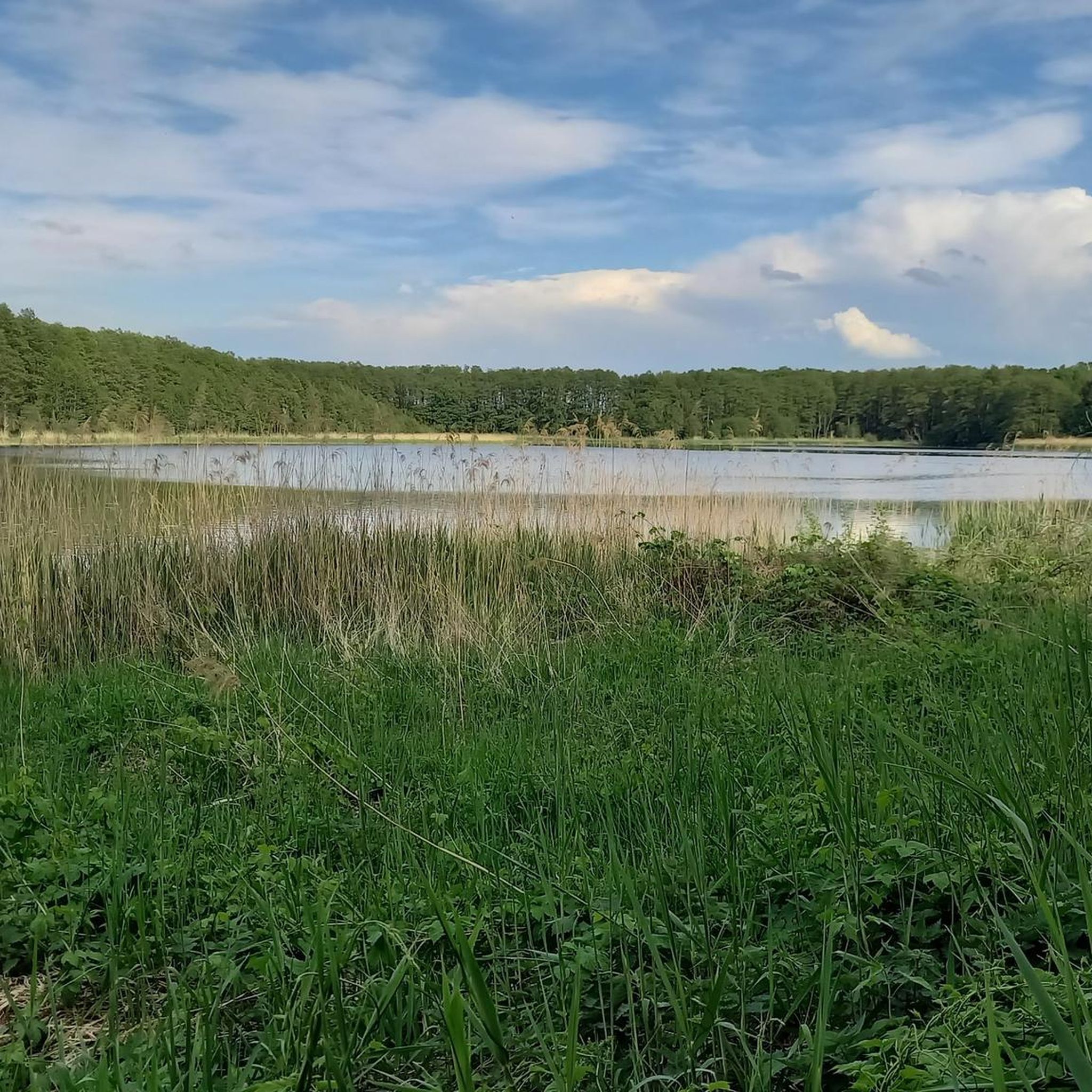
Tips from the Community

Nice place to linger and feast
0
0


After the end of the Thirty Years' War (1618-1648), Löcknitz was largely in ruins, with only the castle and the fortifications and the castle mill remaining. The rivers Welse and Randow now formed the new border between Brandenburg and Swedish Pomerania. As a result, Löcknitz with its fortified castle became an important Brandenburg border fortress against Sweden after 1650.
0
0

Monument to the soldiers from Locknitz who died in World War I. The four-sided obelisk lists the names of all 79 soldiers, and on each side of the obelisk there is the inscription "They died for their homeland."
1
0
Nice lake. You can visit the swimming pool in the summer season, cycle around it from spring to autumn, and walk around it all year round. there is a restaurant by the beach
0
0

The history of the city dates back to 1127, when the Slavs built a defensive stronghold in the Randow River valley. The first mention of a defensive structure in Löcknitz dates back to 1212, and in 1242 a bridge was built in place of the ford. For years, the border between Pomerania and Brandenburg running through here justifies the fortified character of the town. Once Löcknitz belonged to the Pomeranian princes, once to the Branderburgians. In the book Medieval Castles of Western Pomerania, Zbigniew Radacki wrote that the stronghold belonged to the bishops of Kamień. In 1280, a document on the division of the Kołobrzeg land was signed in the "castrum Lokenitz". In 1390, Bishop Filip von Rehberg renounced the castle to the princes of Szczecin, who gave it to the Wusses, knights from Lębork, "hus civitas i terra Lockenitze" for 3,000 marks towards the debt. Around 1400, the stronghold received a brick form, and in 1479 it came into the possession of the Schulenburg family. Then the place was rebuilt many times, in the mid-16th century it was converted into a Renaissance-style manor house. It lost its strategic importance in 1720 after the annexation of Brandenburg and Pomerania to Prussia.
1
0
The church in Löcknitz is a hall church, built of yellow brick, with stepped buttresses on the outside, and the rectangular basic shape of the nave is complemented by four corner pillars with "turret approaches", the so-called pinnacles. The window openings were designed on a Gothic ogival plan, with two rows of windows one above the other in the church eaves from the north and south. The 45-meter-high tower (up to the top with a golden ball and cross) has a square plan with an octagonal bell tower with high combined sound holes, which were renovated in 2013, and a slender pointed dome with a copper coating from 1986. The surfaces of the tower's walls are also structured through pilaster strips.
1
1
Frequently Asked Questions
What kind of hiking trails can I expect around Löcknitzer Lake?
The area around Löcknitzer Lake offers a diverse network of trails, ranging from easy strolls to more moderate hikes. You'll find paths winding through pine and beech forests, alongside the various lakes, and past historical sites. The terrain generally features gentle elevation changes, making it accessible for many fitness levels.
Are there any easy, family-friendly hikes in the Löcknitzer Lake area?
Yes, many trails are suitable for families. For an easy and scenic option, consider the Lake Löcknitz – Lake Löcknitz loop from Löcknitz, which is about 5.3 km long and takes around 1 hour 22 minutes to complete. Another gentle choice is the Löcknitz 1000-Year-Old Oak – Oak loop from Löcknitz, a shorter 2.9 km route perfect for a leisurely walk.
Are there any circular hiking routes around Löcknitzer Lake?
Yes, the region is well-suited for circular walks. A popular moderate option is the Löcknitzer Lake – Oak loop from Löcknitz, which covers about 9.5 km and allows you to explore the protected landscape, including areas near the famous 1000-Year-Old Oak.
What natural landmarks or points of interest can I see while hiking?
The area is rich in natural features. You can visit the significant natural monument, the Löcknitz 1000-Year-Old Oak, located on the northern shore of Löcknitzer Lake. The trails also lead past the smaller Kleiner Löcknitzer See and Leichensee, and through diverse forests, offering views of the protected landscape.
Is Löcknitzer Lake a good place for dog-friendly hikes?
Yes, Löcknitzer Lake is generally a great area for hiking with dogs. Many trails are natural paths through forests and along the lake, providing ample space for your canine companion. Always ensure your dog is under control, especially in protected areas where wildlife like otters, beavers, and various bird species are present.
What is the best time of year to go hiking around Löcknitzer Lake?
The region is beautiful throughout the year, but spring and autumn offer particularly pleasant conditions for hiking. In spring, you can enjoy the awakening nature and birdwatching, while autumn brings vibrant foliage. Summer is also popular, especially with the option of swimming in the lake, but trails can be busier. Winter hiking is possible, offering a tranquil experience, though some paths might be muddy or icy.
Are there places to eat or stay near the hiking trails?
Yes, the region has a history as a recreational center and offers amenities. You can find options for refreshments and accommodation, such as Hotel Haus am See. There are also facilities like a swimming area and a campsite, indicating visitor infrastructure.
How many hiking trails are available in the Löcknitzer Lake area?
There are nearly 40 hiking routes available around Löcknitzer Lake, offering a wide variety of options for different preferences and fitness levels. Over two-thirds of these are classified as easy, with the remainder being moderate or difficult.
What do other hikers enjoy most about hiking in Löcknitzer Lake?
The area is highly rated by the komoot community, with an average score of 4.7 stars from over 80 reviews. Reviewers often praise the diverse landscapes, the tranquility of the protected natural areas, and the well-maintained paths that make exploring the lakes and forests a rewarding experience.
Are there any historical sites or cultural points of interest along the trails?
Yes, the region has historical significance. The protected landscape area includes a Slavic circular rampart (Burgwall) at Leichensee. Additionally, routes like the Löcknitz Church – Löcknitz Castle loop from Löcknitz lead through areas with historical significance, offering glimpses into the past.
Is there public transport available to reach the hiking starting points?
While specific public transport details for every trailhead are not provided, the region is generally accessible. Löcknitz itself is a town, and local transport options may connect to various starting points around the lake. It's advisable to check local bus schedules for the most up-to-date information on reaching specific trailheads.
Where can I park my car when visiting Löcknitzer Lake for hiking?
Given its history as a recreational center and the presence of amenities like a campsite and swimming area, there are likely designated parking facilities available in and around Löcknitz, particularly near popular access points to the lake and its trails. Look for signs indicating public parking areas upon arrival.
Most popular routes around Löcknitzer Lake
Most popular attractions around Löcknitzer Lake

Get inspired with the komoot mobile app


Explore more
Browse the best Hikes in other regions.
