Attractions and Places To See around San Martin - Top 20
Best attractions and places to see around San Martin include a variety of trails, reservoirs, and natural areas. This region offers opportunities for cycling, hiking, and enjoying scenic viewpoints. The landscape features oak trees, forests, and bodies of water, providing diverse outdoor experiences.
Best attractions and places to see around San Martin
- The most popular attractions is Ogier Ponds Bike Path, a cycle way that offers a path for riding. It is located near the Anderson Lake Visitor Center. …
Last updated: May 21, 2026
Ogier Ponds Bike Path
Highlight (Segment) • Cycleway
Tip by

Uvas Reservoir
Highlight (Segment) • Lake
Tip by

Sign up now to discover places like this
Get recommendations on the best single tracks, peaks, & plenty of other exciting outdoor places.
Sign up for free
Flat Frog Trail
Highlight (Segment) • Trail
Tip by

Townsprings Trail
Highlight (Segment) • Trail
Tip by

China Hole Trail
Highlight (Segment) • Trail
Tip by
Sign up for free to discover even more attractions around San Martin.
Sign up for free
Already have an account?
Start today with a free account
Your next adventure awaits.
Login or Signup

Tips from the Community

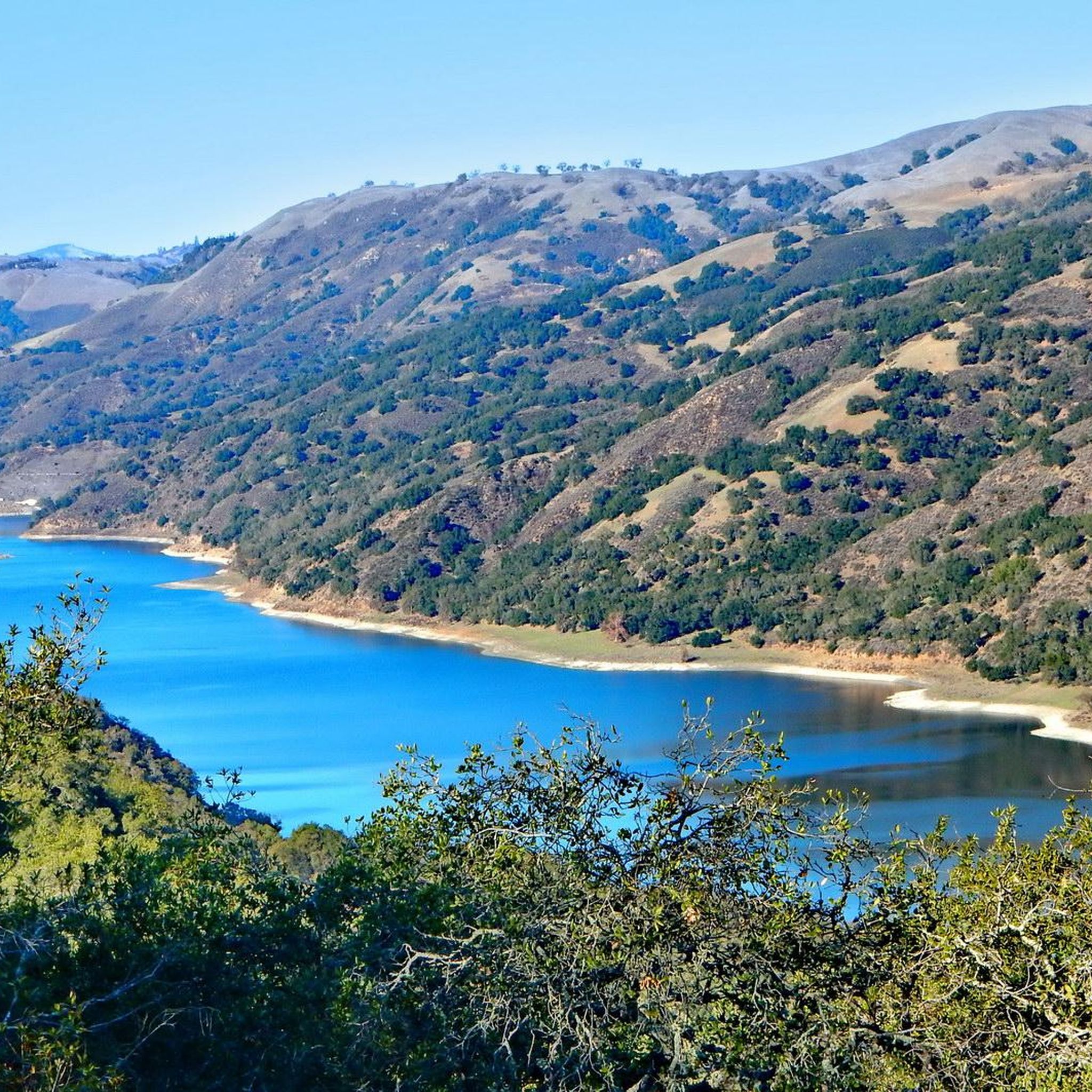
Uvas Creek was dammed in 1957 to create this reservoir, which is used to provide water for the residents and industry in the area. The reservoir and surrounding area form the Uvas Reservoir County Park.
0
0

Flat Frog Trail is a smooth, intermediate singletrack that makes a lot of fun. This trail is also a good warm up for Middle Ridge Trail.
1
0

If you’re not parking and riding and need to use the restroom, there’s one located at the entrance a 100ft or so from the Anderson Lake Visitor Center (not the one located at the center, but the one on the other side of the parking lot): 19245 Malaguerra Ave, Morgan Hill, CA 95037
0
0

The closest thing to a technical trail on Harvey Bear Ranch ride is some deep rutting caused by water on some stretches of Townsprings Trail. That makes this ride a good option for inexperienced riders who are strong enough to handle some climbs (including steep ones) but who are not yet comfortable with technical trails.
1
0
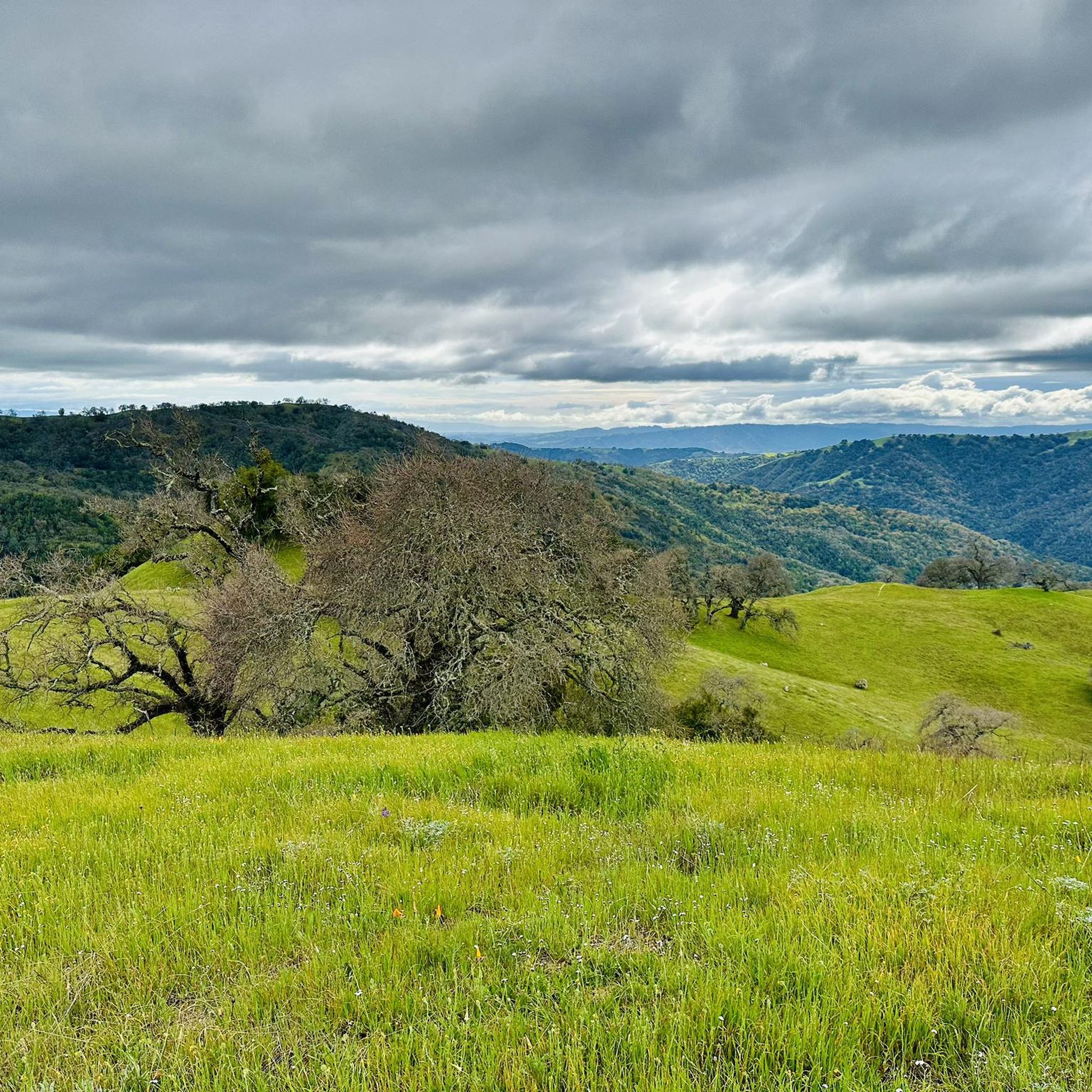
For two miles, the trail averages no more than 10% grade. There are brief stretches that reach 13% or so, but those are never long enough to truly exhaust you. Then, for another mile or so, the grade stays even lower. On its way up, the trail will start out as a narrow hillside singletrack through a sprinkling of oak trees. Later, it leaves these trees behind and, after a brief open segment, enters a large patch of chaparral through which it continues as a smooth but wider trail (which seems to have been recently redone as of the time of my ride). China Hole Trail terminates by connecting to Manzanita Point Road in the major campground area of the same name.
0
0
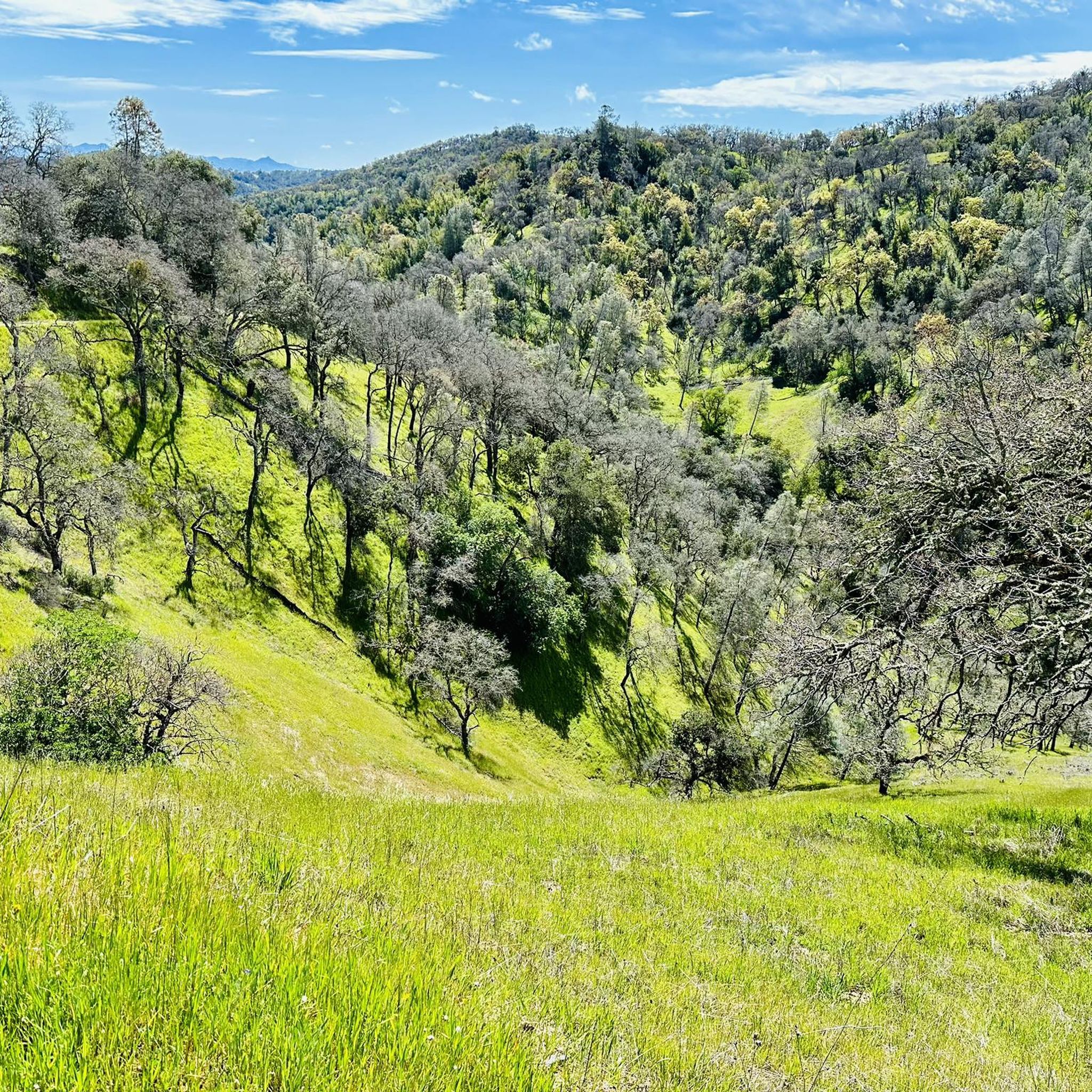
Flat Frog Trail is the easiest singletrack on the Middle Ridge Loop. As its name seems to hint, it's a trail that sees hardly any elevation change. It's a narrow singletrack that has a very smooth surface. It has barely enough "technical" spots to convince you that it's not a beginner level recreational path in a neighborhood park. In fact, it has two trail features that have their own "caution – walk bike" signs; one of these is a moderate rock step that experienced riders won't think twice about, and the other is a short series of low wooden steps that are just as ridable as that rock step. Overall, though, this is still a beginner-level singletrack. But, that's not to say that it's not enjoyable. It twists sweetly through a sparse covering of oak trees on picturesquely varied terrain.
0
1
View of Uvas Reservoir from Uvas Road and Uvas Dam.
1
0
Frequently Asked Questions
What are the must-see historical landmarks in San Martin?
San Martin offers a rich history with several notable landmarks. On the French side, explore Fort Louis in Marigot, an 18th-century fort with panoramic views. On the Dutch side, visit the remnants of Fort Amsterdam near Philipsburg, which also provides spectacular vistas of Great Bay. The Philipsburg Courthouse and the Border Monument also reflect the island's unique heritage.
Which beaches are best for different activities in San Martin?
San Martin boasts diverse beaches. For thrill-seekers and plane spotting, Maho Beach (Dutch side) is famous for close-up views of landing aircraft. Orient Bay (French side) is vibrant for water sports like windsurfing and parasailing. For calm waters ideal for lounging, consider Grand Case Beach (French side). If you prefer a quieter, more secluded experience, Happy Bay Beach (French side) or Baie Rouge (French side) are excellent choices. Cupecoy Beach (Dutch side) is known for unique rock formations and sunset views.
Are there natural reserves or areas for wildlife viewing?
Yes, the St. Martin Nature Reserve on the northeastern French side protects diverse ecosystems, including coral reefs, mangroves, and coastal dry forests. It's home to various flora and fauna, seabirds, and marine life. You can also spot brown pelicans at Fort Amsterdam. For marine wildlife, Tintamarre Island and Creole Rock are popular snorkeling spots where you might see sea turtles.
What are some family-friendly activities available?
Families can enjoy a variety of activities. Many beaches like Orient Bay and Grand Case Beach offer calm waters suitable for children. Pinel Island is perfect for kayaking, paddleboarding, and an underwater discovery trail for snorkeling. Loterie Farm provides hiking trails, a pool complex, treetop adventure courses, and an open-air playground. For a unique experience, Rainforest Adventures on Sentry Hill offers ziplining and cable cars with panoramic views.
Where can I find hiking opportunities with scenic views?
For rewarding hikes and panoramic views, ascend Pic Paradis, the island's highest point, often accessible from Loterie Farm. The St. Martin Nature Reserve also features hiking trails like the Froussards footpath, exploring pristine coastal forests. Additionally, the remnants of Fort Louis and Fort Amsterdam offer excellent viewpoints of the surrounding bays and islands.
What cultural experiences can I have in San Martin?
Immerse yourself in the local culture by visiting the Marigot Market (French side) for local goods and atmosphere. Explore the Sint Maarten Museum (Dutch side) or Amuseum Naturalis (French side) to learn about the island's heritage and nature. Don't miss trying authentic Caribbean food at local 'lolos' (small, informal restaurants). The capital cities of Marigot and Philipsburg also offer historic streets and traditional architecture.
Are there any islands or cays worth visiting for day trips?
Absolutely. Take a short boat trip to Pinel Island (French side), part of the French Natural Reserve, for dining, kayaking, and snorkeling. Another gem is Tintamarre Island (French side), also part of the reserve, known for its undisturbed natural landscapes, ideal for snorkeling with sea turtles and exploring. Creole Rock and Green Cay are also popular for snorkeling.
What is the best time to visit San Martin for attractions and outdoor activities?
The best time to visit San Martin is generally during the dry season, from December to May, when the weather is sunny and less humid, making it ideal for exploring historical sites, enjoying the beaches, and engaging in outdoor activities like hiking and water sports. The hurricane season runs from June to November, so travel during this period might involve a higher risk of storms.
Where can I learn about the indigenous history of the island?
To delve into the island's indigenous past, visit The Museum of Saint Martin: On the Trail of the Arawaks. This museum provides valuable insights into the Arawak people, who were the island's first inhabitants, offering a deeper understanding of its early history and culture.
Are there unique natural formations to see?
Yes, San Martin features some unique natural formations. Cupecoy Beach (Dutch side) is known for its distinctive rock formations. For adventure seekers, a hike to a Natural Pool is a must. Additionally, David's Hole, an 80-foot-diameter sinkhole located between Baie Rouge and Pointe du Bluffe, offers a fascinating natural sight.
What are the main differences between the French and Dutch sides of the island?
The French side (Saint-Martin) and the Dutch side (Sint Maarten) offer distinct experiences. The French side, with its capital Marigot, is generally known for its European charm, gourmet dining, and more secluded beaches. The Dutch side, with its capital Philipsburg, is often more bustling, known for duty-free shopping, casinos, and a lively nightlife. Both sides coexist peacefully, symbolized by the Border Monument, and offer a blend of Caribbean and European cultures.
Most popular attractions around San Martin

Get inspired with the komoot mobile app


Explore more
Still not found the Highlight you’re looking for? See guides of the top attractions in other regions:
