Top 10 Natural Monuments around Lee Vining
Best natural monuments around Lee Vining, California, offer unique geological formations and diverse ecosystems. This region, situated in the Eastern Sierra, is characterized by its high desert landscape and proximity to alpine environments. Visitors can explore ancient saline lakes, volcanic craters, and a variety of natural features. The area provides opportunities to experience the geological and ecological wonders of the Mono Basin.
Best natural monuments around Lee Vining
- The most popular natural monuments is Mono Lake (South Tufa Area),…
Last updated: September 29, 2026
Mono Lake (South Tufa Area)
Highlight • Lake
Translated by Google •
Tip by

Mono Basin Scenic Area Visitor Center
Highlight • Rest Area
Tip by

Sign up now to discover places like this
Get recommendations on the best single tracks, peaks, & plenty of other exciting outdoor places.
Mono Lake Tufa State Natural Reserve
Highlight • Lake
Tip by
Mount Dana
Highlight • Summit
The …
Tip by

Panum Crater
Highlight • Volcano
Tip by
Sign up for free to discover even more natural monuments around Lee Vining.
Already have an account?
Tips from the Community

Mount Dana sits at 13,061 ft and is a tough but epic run with insane 360° views at the top. It’s only 2.9 miles, but you’ll gain 3,100 feet—so get ready to climb. The last stretch is a loose scree field, so watch your footing. No water, unpredictable weather, and high elevation make it extra challenging. Start early, bring plenty of water, and pace yourself, it’s a grind, but the views are worth it!
0
0

At 13,061 feet in elevation, Mount Dana is the second-highest peak in Yosemite. From the summit, you will get 360-degree views of Mono Lake and the Sierra Nevada Mountains. The final 1000 feet requires hiking across a scree field, so caution and steady footing is a must.
0
0

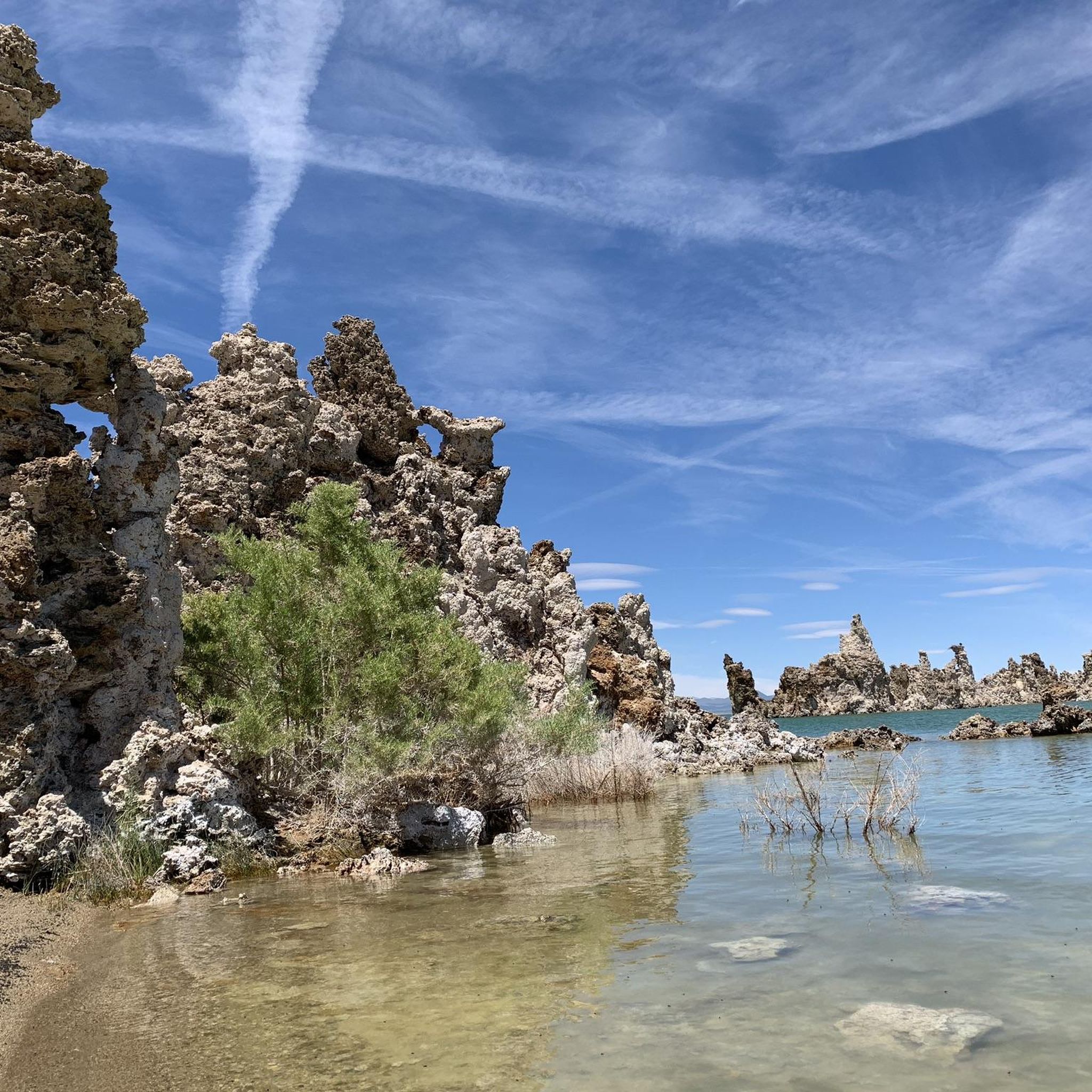
These bizarre rock formations are formed in and around Mono Lake from the salty, alkaline water of Mono Lake in connection with underground springs.
0
0

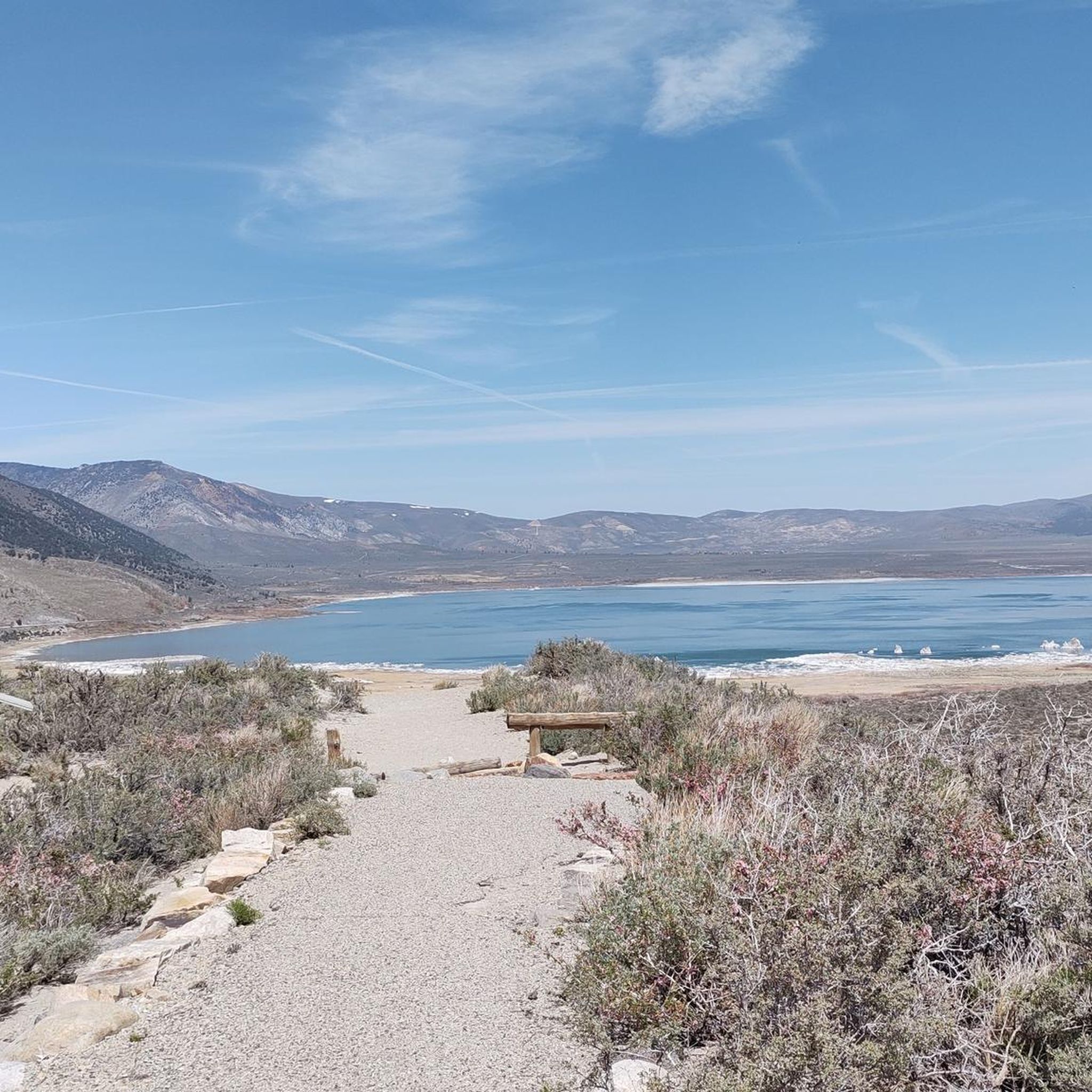
I was here in the 80s, 90s and later. It is absolutely amazing to see how the appearance and condition of Mono Lake has changed over this period. If it was nothing more than an almost dry landscape on the first visit, today it has at least visually regained the appearance of a lake.
2
1

It is only a short detour to the south of the monolake - but very worthwhile if you want to see the unique, bizarre tufa rocks.
0
0
These bizarre rock formations are formed in and around Mono Lake from the salty, alkaline water of Mono Lake in connection with underground springs.
6
0
At 650 years old, Panum Crater is a fairly young volcanic crater in the Mono Lake Area. A rim trail leads around, the short plug trail directly up to the maw.
3
0

The alkaline salt lake at Lee Vining is a biotope of its own. Due to the high salt content and pH, there are many rare specialized animals, such as u.a. the salt flies. However, the city is disturbed by the city of Los Angeles in its natural sense, as the city taps into the freshwater inflows. As a result, the water level has dropped. Now begins a rethinking, hopefully in time.
2
0
Frequently Asked Questions
What unique geological features can I explore around Lee Vining?
The Lee Vining area is rich in unique geological formations. You can explore the distinctive tufa towers at Mono Lake (South Tufa Area), which are calcium-carbonate spires formed by freshwater springs interacting with the lake's alkaline water. Another must-see is Panum Crater, a relatively young volcanic crater offering a glimpse into recent geological activity with its rim and plug trails. The broader Mono Craters region also showcases a fascinating volcanic landscape.
Are there family-friendly natural attractions near Lee Vining?
Yes, several natural monuments around Lee Vining are great for families. Mono Lake (South Tufa Area) is family-friendly, offering easy walks to see the tufa towers and opportunities for bird watching. The Mono Basin Scenic Area Visitor Center is also a good starting point, providing educational displays about the lake's unique biology. The Virginia Lakes area offers accessible camping and fishing in a beautiful alpine setting, suitable for families.
What are the best places for hiking near Lee Vining's natural monuments?
The Lee Vining area offers diverse hiking opportunities. You can hike around Panum Crater on its rim trail or the plug trail leading to its maw. Lundy Canyon, north of Lee Vining, provides excellent trails that delve into the Hoover Wilderness, known for wildflowers and autumn colors. For easy hikes, consider trails like the Mono Lake Trail or Lee Vining Creek Trail, which you can find more about in the Hiking around Lee Vining guide.
When is the best time to visit the natural monuments around Lee Vining?
The best time to visit largely depends on the activities you plan. Late spring and early summer are ideal for seeing wildflowers in Lundy Canyon. Summer offers pleasant weather for hiking, fishing, and water activities. Fall brings stunning aspen foliage, especially along Lee Vining Creek and in Lundy Canyon, making it a popular time for photographers. Tioga Pass is typically open from late May or early June through October or November, depending on snow conditions.
Can I bring my dog to the natural monuments in the Lee Vining area?
While specific regulations vary, many natural areas in the Eastern Sierra are dog-friendly, often requiring dogs to be on a leash. For instance, dogs are generally permitted on leash at the South Tufa Area of Mono Lake. Always check specific park or reserve regulations before visiting, especially for areas within the Inyo National Forest or Yosemite National Park boundaries, which may have stricter rules.
What are the options for water activities at Mono Lake?
Mono Lake offers unique water activities. Due to its high salinity, swimming in Mono Lake provides a uniquely buoyant experience. You can also enjoy canoeing or kayaking on the lake, offering a different perspective of the tufa towers and the surrounding landscape. The lake is also a significant stop for migratory birds, making it excellent for birdwatching from the shore.
Where can I learn more about the Mono Basin's unique ecosystem and history?
The Mono Basin Scenic Area Visitor Center is the primary resource for information. It offers displays explaining Mono Lake's unique biology, the environmental challenges it has faced due to water diversion to Los Angeles, and the history of conservation efforts. The center also provides details on permits and trails in the adjacent Sierra Valleys.
Are there any scenic drives to experience the natural beauty of the region?
Yes, the drive over Tioga Pass (Highway 120) is incredibly scenic, offering breathtaking views and serving as the eastern entrance to Yosemite National Park. The area around the pass features picturesque alpine lakes like Ellery, Saddlebag, and Tioga Lake. Additionally, the Lee Vining Canyon Scenic Byway provides stunning vistas of the canyon and surrounding mountains.
What are some natural monuments to visit north of Lee Vining, like Lundy Lake?
North of Lee Vining, Lundy Lake and Lundy Canyon are notable natural monuments. Lundy Lake is a popular spot for fishing and offers casual strolls. Lundy Canyon is renowned for its vibrant wildflowers in early summer and spectacular autumn colors, with hiking trails leading into the Hoover Wilderness. Further north, the Virginia Lakes area provides pristine alpine scenery, perfect for photographers, anglers, and hikers.
Are there any historical natural monuments in the area?
Beyond the geological history, the area also features historical elements. For example, Shepherds' Mono Tufa Cave, carved into the soft volcanic tufa rock near Mono Lake, was used as shelter by shepherds grazing livestock in the last century. The Mono Basin itself holds a rich history of human interaction with its unique environment.
What kind of wildlife or birdwatching opportunities are available?
Mono Lake is a critical habitat for 1 to 2 million migratory birds annually, making it an exceptional spot for birdwatching. You can observe various species, including California Gulls and Eared Grebes. The diverse ecosystems around Lee Vining, from the saline lake to alpine environments, support a range of wildlife, though specific sightings depend on the season and location.
What are the parking facilities like at popular natural monuments such as Mono Lake?
At popular sites like the Mono Lake (South Tufa Area), designated parking areas are available. There is typically a small fee required for parking and access to the reserve. It's always advisable to arrive early during peak season to secure a spot, especially at well-known locations.
Most popular attractions around Lee Vining

Get inspired with the komoot mobile app


Explore more
Extend your search for the best caves by checking out these guides of the top ones around Lee Vining:
