The best cycling routes around Joshua Tree
32
riders
4
rides
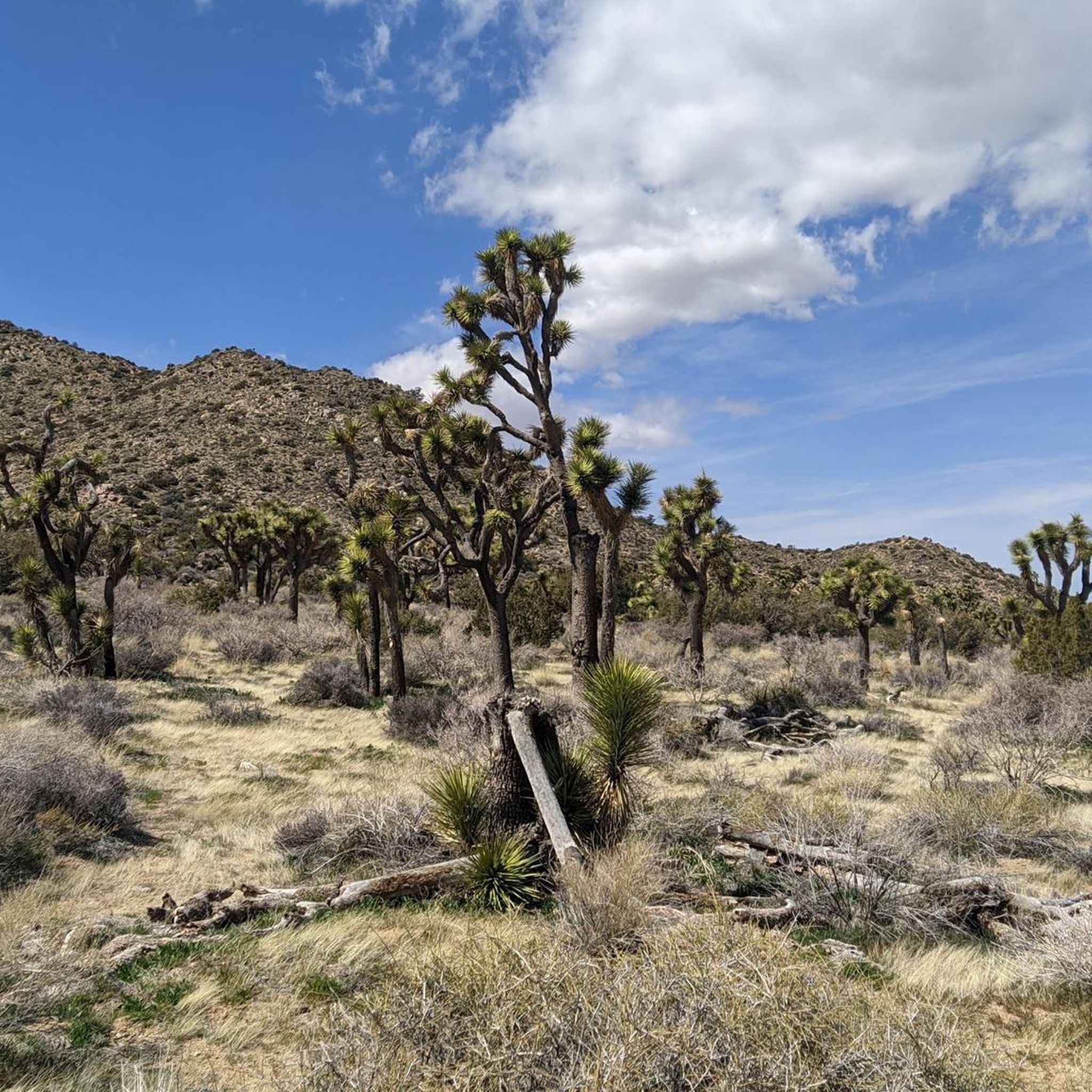
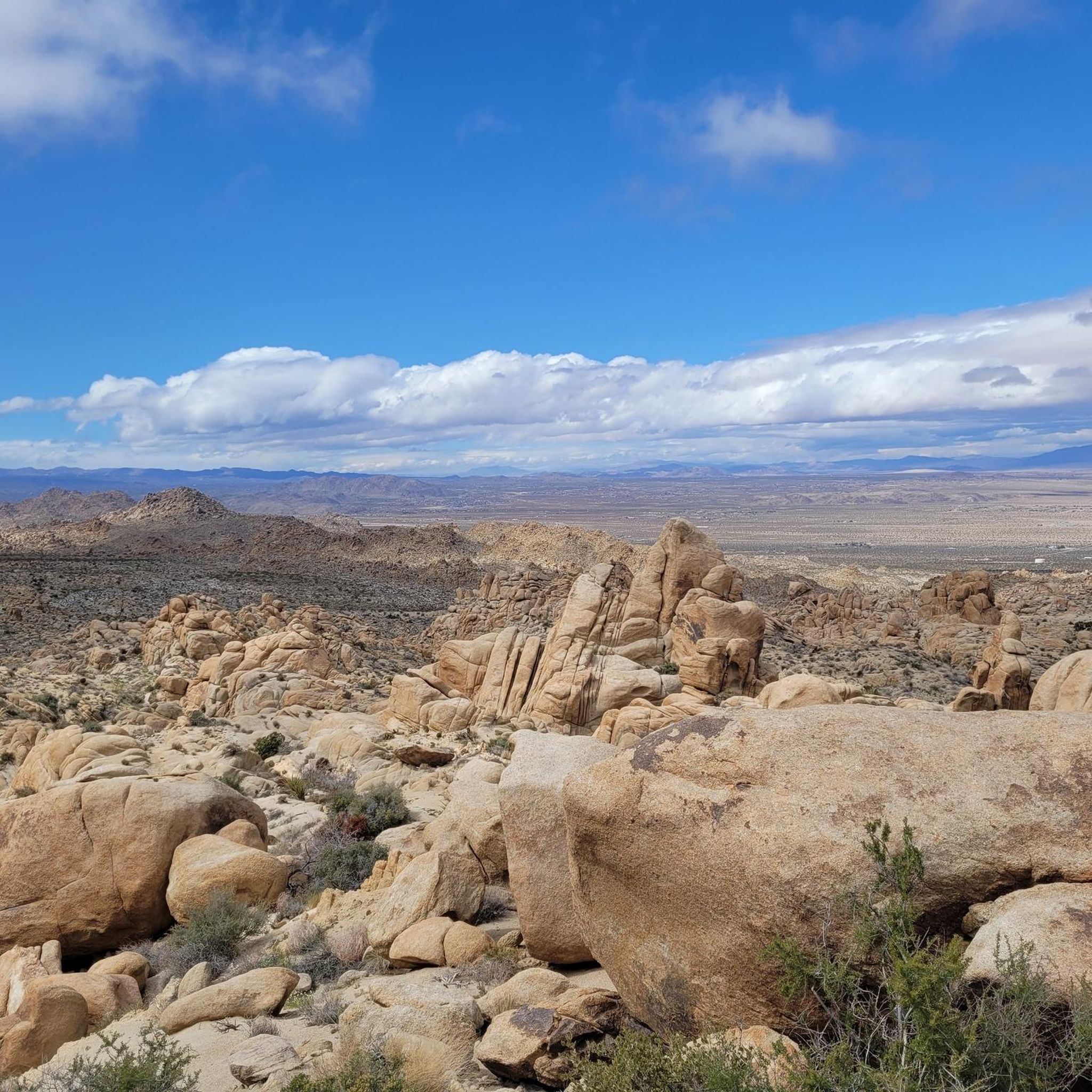
Touring cycling around Joshua Tree offers a unique experience across a diverse desert landscape, situated at the intersection of the higher Mojave Desert and the lower Colorado Desert. The region is characterized by its iconic Joshua Trees, vast expanses of Monzogranite boulder formations, and varied displays of mineral-rich rock and sand. Cyclists can explore both paved roads and extensive sandy dirt tracks, providing a range of terrain from smooth surfaces to more challenging unpaved sections.
Best touring cycling routes around…
Last updated: June 29, 2026
5
riders
59.7km
03:31
600m
1,030m
Hard bike ride. Very good fitness required. Mostly paved surfaces. Suitable for all skill levels.
2
riders
78.4km
05:09
890m
890m
Hard bike ride. Very good fitness required. Mostly paved surfaces. Suitable for all skill levels.

Sign up for free
11
riders
13.6km
01:26
280m
280m
Moderate bike ride. Good fitness required. Mostly paved surfaces. Suitable for all skill levels.
14
riders
12.7km
01:19
230m
230m
Moderate bike ride. Good fitness required. Mostly paved surfaces. Suitable for all skill levels.
Our route recommendations are based on thousands of hikes, rides, and runs completed by other people on komoot.
Start today with a free account
Your next adventure awaits.
Login or Signup
Popular around Joshua Tree
Tips from the Community

Probably the most crowded place in Joshua Tree NP - and that's because the skull is right next to the parking lot.
0
0


Skull Rock lives up to its name with two hollowed out holes in the shape of eyes. In addition to the eponymous rock, you can take the Skull Rock Nature Trail to see Elephant Rock and other geologic formations that have been eroded into the rocks over millennia.
0
0
Bighorn Pass Road is a great way to explore some less visited areas of the park. The dirt road connects with Queen Valley Road and Park Boulevard, so you've got plenty of options on where to go, just be sure to bring plenty of water as shade is scarce.
0
0

Starting point for some of the scenic trails in Joshua Tree National Park, this spot offers convenient amenities, including toilets and water fountains.
0
0

The Desert View Conservation Area is a great spot for mountain bike experts and intermediate riders. The trail system is very close to Joshua Tree National Park where it is unfortunately not allowed to ride on singletrack.
1
0

If you walk up the rocks past Skull Rock, you can see Elephant Rock in front of you.
1
0

Public toilets are available at the entrance to Joshua Tree National Park.
1
0
Frequently Asked Questions
What kind of terrain can I expect when touring cycling in Joshua Tree?
Joshua Tree offers a diverse cycling experience with both paved roads and approximately 100 miles of sandy dirt tracks. While main routes like Park Boulevard are paved, many unpaved roads, such as those in Queen Valley or Geology Tour Road, provide a more rugged experience. For these sandy sections, wider tires (2.2 inches or more) or a fat bike are recommended.
Are there any easy touring cycling routes suitable for beginners in Joshua Tree?
Yes, while many routes are challenging, there are options for easier rides. For instance, the Queen Valley area offers loops with minimal elevation gain, such as a 7.5-mile loop. For a moderate, shorter option, consider the Desert View Conservation Area loop from Joshua Tree, which is about 7.9 miles long.
What are some notable landmarks or natural features I can see along the cycling routes?
Joshua Tree National Park is rich with unique geological formations and desert flora. You can encounter the iconic Joshua Trees, giant Monzogranite boulder formations, and distinctive features like Vista from second peal Warren peak, Skull Rock, Jumbo Rocks, Arch Rock, and the Cholla Cactus Garden. Keys View offers panoramic vistas of the Coachella Valley, especially stunning at sunset.
What is the best time of year to go touring cycling in Joshua Tree?
The ideal seasons for touring cycling in Joshua Tree are mid-March to mid-May and September to early December. These periods avoid the extreme heat of summer, making for more comfortable rides. Be aware that the area can also be very windy, so preparing for possible headwinds is advisable.
Are there any circular touring cycling routes in Joshua Tree?
Yes, several routes offer a loop experience. The main Park Boulevard forms a 25-mile loop connecting the north and west entrances. Another popular option is the Joshua Tree National Park loop from Twenty Nine Palms, which is a difficult 48.7-mile path with significant elevation gains. For a shorter, moderate loop, try the Desert View Conservation Area loop from Joshua Tree.
What should I know about water and services when cycling in Joshua Tree National Park?
It is crucial to be self-sufficient when cycling in Joshua Tree. There are no services or water supply within the National Park itself, so you must carry all necessary water and supplies for your entire trip. Cell service is also limited in many areas.
Are there challenging touring cycling routes for experienced riders?
Absolutely. Joshua Tree offers several difficult routes with considerable elevation gains. The Joshua Tree National Park Scenic Drive via North Entrance is a difficult 37.1-mile route, and the Skull Rock Trail – Skull Rock loop from North Entrance Station is another challenging option spanning over 50 miles.
What do other touring cyclists enjoy most about cycling in Joshua Tree?
Touring cyclists often praise the unique desert landscape, the iconic Joshua Trees, and the vast boulder formations that create a surreal backdrop for rides. The variety of terrain, from paved roads to sandy dirt tracks, also offers diverse experiences for different skill levels. Many enjoy the expansive views and the sense of solitude the desert provides.
Can I bring my dog on the touring cycling routes in Joshua Tree?
Within Joshua Tree National Park, pets are generally allowed on paved roads and in developed campgrounds, but they are not permitted on hiking trails or unpaved backcountry roads. If you plan to cycle on dirt tracks, it's best to leave your dog at home or ensure they stay on paved surfaces only. Always check the latest park regulations regarding pets before your visit.
Are there any specific permits required for touring cycling in Joshua Tree National Park?
While general entry into Joshua Tree National Park requires a fee or a valid park pass, specific permits are not typically required for touring cycling on established roads or designated dirt tracks. However, always check the official National Park Service website for the most current regulations and any potential changes before your visit.
What kind of wildlife might I encounter while cycling in Joshua Tree?
The desert ecosystem of Joshua Tree is home to diverse wildlife. You might spot rattlesnakes, bighorn sheep, coyotes, bobcats, and desert tortoises. It's important to maintain a respectful distance from all wildlife and never feed animals.
Are there any viewpoints along the touring cycling routes that offer panoramic views?
Yes, Keys View is a prominent viewpoint offering panoramic vistas of the Coachella Valley, the San Andreas Fault, and surrounding mountain ranges. It's particularly stunning at sunset and is a prime spot for stargazing due to the dark desert skies. Many routes also offer expansive desert views throughout their duration.
Most popular routes around Joshua Tree
Most popular attractions around Joshua Tree

Get inspired with the komoot mobile app


Explore more
Browse the best Cycling routes in other regions.
