The best cycling routes around Wanzkaer Lake
4.5
(2259)
8,780
riders
177
rides
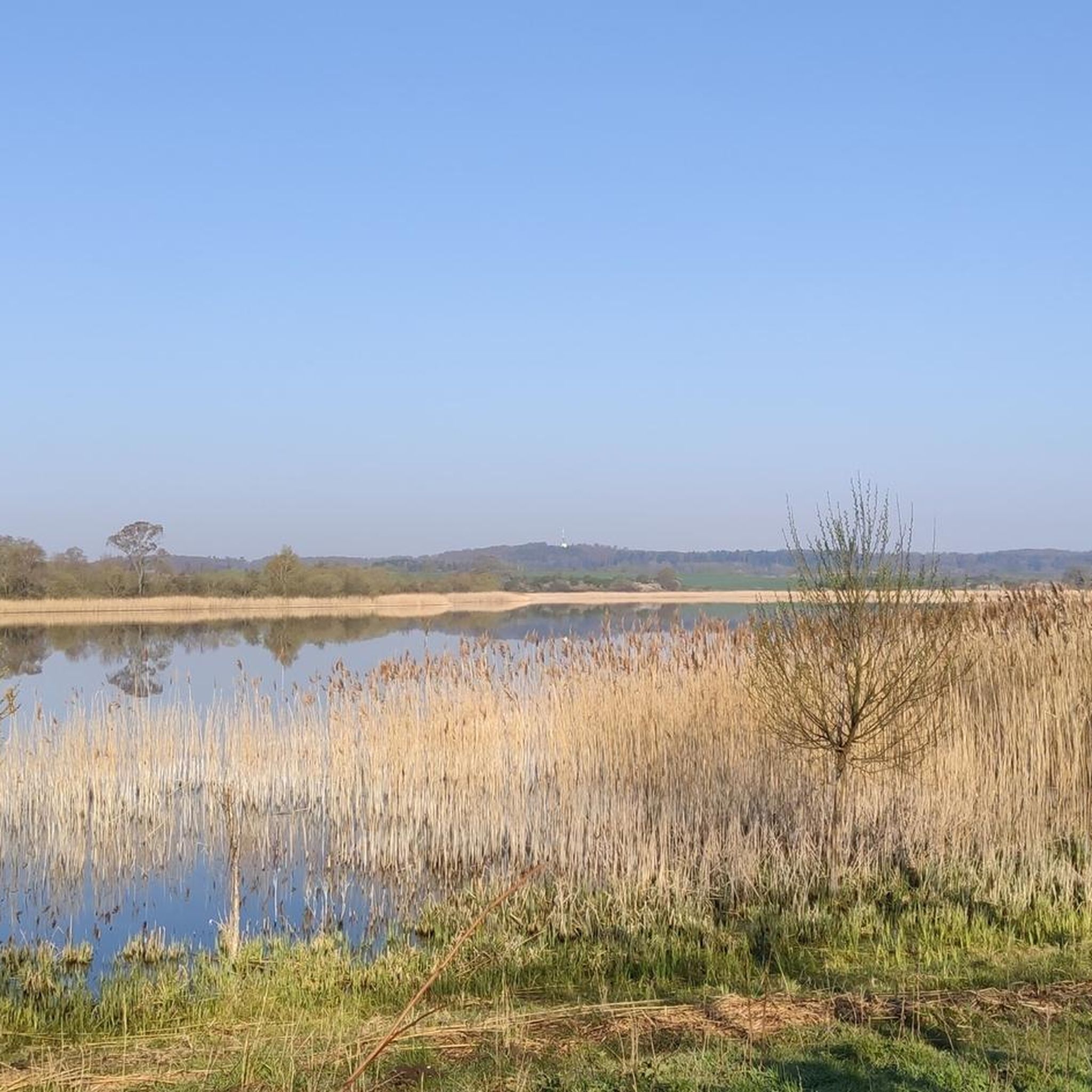
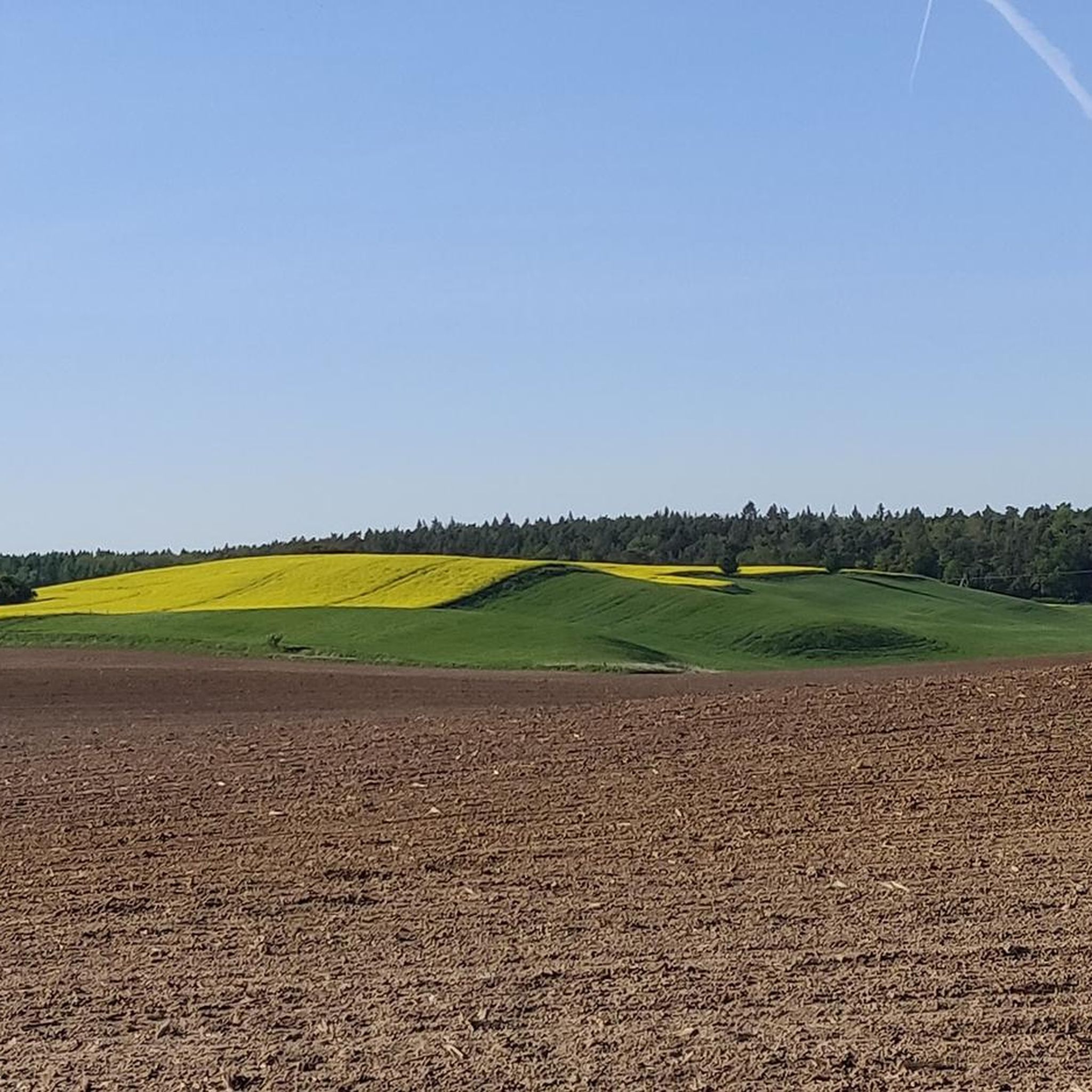
Touring cycling around Wanzkaer Lake offers diverse landscapes within the Mecklenburg Lake District, characterized by a hilly end moraine area formed during the Ice Age. The region features crystal-clear lakes, including Wanzkaer Lake itself, a former glacial dammed lake. Cyclists traverse varied terrain, including beech mixed forests and reed beds, with views of Wanzkaer Lake and neighboring bodies of water.
Best touring cycling routes around Wanzkaer Lake
- The most popular touring cycling route is 2nd Ring Street, Neubrandenburg – Treptower…
Last updated: July 3, 2026
4.7
(3)
27
riders
Hard bike ride. Very good fitness required. You may need to push your bike for some segments of this route.
5.0
(1)
29
riders
Moderate bike ride. Good fitness required. Mostly paved surfaces. Suitable for all skill levels.

Sign up for free
5.0
(4)
30
riders
76.0km
04:38
430m
430m
Moderate bike ride. Good fitness required. Mostly paved surfaces. Suitable for all skill levels.
3.3
(4)
12
riders
27.3km
01:47
200m
200m
Moderate bike ride. Good fitness required. Mostly paved surfaces. Suitable for all skill levels.
4.7
(6)
9
riders
20.7km
01:18
120m
120m
Easy bike ride. Great for any fitness level. Mostly paved surfaces. Suitable for all skill levels.
Get access to more routes and recommendations from other explorers.
Sign up for free
Already have an account?
Our route recommendations are based on thousands of hikes, rides, and runs completed by other people on komoot.
Start today with a free account
Your next adventure awaits.
Login or Signup
Tips from the Community

The current building was constructed in 1692 (some sources cite 1696) as a timber-framed church with a three-sided apse and a low, boarded wooden tower with a gable roof at the west end. The roof is covered with beaver tail tiles in a crown pattern.
0
0

The Evangelical Lutheran Church in Prillwitz is a remarkable example of regional architectural history. The original nave dates back to the Middle Ages, while in the 18th century a half-timbered church was built, presumably on the foundations of the previous building. At the end of the 19th century, the church received a new tower in the Neo-Gothic style, the half-timbered walls were replaced with masonry, and the exterior plastering was renewed. The interior is simple, with a late Gothic pulpit and an altar from the early 16th century. The organ was built by Barnim Grüneberg in 1892 and restored in 2014, making it an important instrument in the region. Prillwitz is picturesquely situated in the Tollense Basin of the Mecklenburg Lake District.
1
0

Beautiful forest, but difficult to ride with a normal bike.
0
0

Always beautiful
0
0

Beautiful route with a view.
0
0
Beautiful and easy to drive route.
1
0

The Wanzka Church was consecrated in 1290 as part of a Cistercian monastery founded between 1275 and 1283. Many noble ladies entered the monastery, including Anna, the daughter of Duke Ulrich I of Mecklenburg-Stargard. After the Reformation, the monastery came under secular administration in 1545, and the church became a parish church in 1555. The monastery complex was largely demolished, but the church, the monastery gate, a ruin, and the Fangel Tower survived. After a fire in 1833, the church was restored in the 1840s and extensively renovated in 2016/17. The church consecration festival is celebrated in September.
2
0

Beautiful rest stop in the middle of nature.
0
0
Frequently Asked Questions
What kind of terrain and landscapes can I expect when cycling around Wanzkaer Lake?
The region around Wanzkaer Lake is characterized by a very hilly end moraine area, a remnant of the Ice Age, providing varied terrain. You'll cycle through diverse beech mixed forests, past the scenic Ziemenbach Nature Reserve, and along the picturesque Wanzkaer Lake itself, which is a long glacial lake with numerous bays. Some paths also lead through the Lindetal nature reserve, offering a rich natural environment.
Are there historical sites or landmarks to visit along the cycling routes?
Yes, many routes incorporate historical and cultural points of interest. You might pass by Prillwitz Church, Hohenzieritz Castle with its Luise Memorial, or the impressive Wanzka Monastery Ruins. Longer routes can extend to Burg Stargard, a significant historical site on a 90-meter high castle hill, offering a potential stop for a break and a visit to the castle restaurant or café. You may also encounter charming local stone churches.
How challenging are the touring cycling routes around Wanzkaer Lake?
The routes cater to various fitness levels, ranging from easy to difficult. There are 73 easy routes, 81 moderate routes, and 19 difficult routes available. The hilly end moraine area means you can expect some elevation changes, with routes offering up to 450 meters of elevation gain over several hours. For example, the Treptower Gate, Neubrandenburg – Penzlin Old Castle loop from Blankensee is a moderate route with over 430 meters of elevation gain.
Are there any easy or beginner-friendly touring cycling routes?
Yes, there are 73 easy routes suitable for beginners or those looking for a more relaxed ride. An example of an easy route is the Schweingartensee – Serrahner Lake loop from Rödlin, which is about 20.5 km long with around 120 meters of elevation gain, typically taking less than 1.5 hours to complete.
Can I find circular cycling routes around Wanzkaer Lake?
Many of the touring cycling routes around Wanzkaer Lake are designed as loops, allowing you to start and end at the same point. For instance, the popular 2nd Ring Street, Neubrandenburg – Treptower Gate, Neubrandenburg loop from Blankensee is a 64.7 km circular trail featuring varied terrain and historical points of interest.
What do other touring cyclists say about the routes around Wanzkaer Lake?
The touring cycling routes around Wanzkaer Lake are highly rated by the komoot community, with an average score of 4.6 stars from over 2000 reviews. Cyclists often praise the diverse landscapes, the combination of serene forest paths and picturesque lake views, and the historical landmarks encountered along the way.
When is the best time of year to go touring cycling around Wanzkaer Lake?
The region is enjoyable throughout the warmer months. Spring offers blooming nature, while summer provides pleasant temperatures for cycling and enjoying the lake scenery. Autumn brings beautiful foliage to the beech mixed forests. Always check local weather conditions before heading out.
Are there places to eat or stay near the cycling routes?
Yes, routes often connect to historically significant cities like Neustrelitz and Neubrandenburg, where you can find various cafes, pubs, and accommodation options. Along some routes, you might also find rest areas with views of the lake, and Burg Stargard offers a castle restaurant or café for a break.
Where can I park my car when cycling around Wanzkaer Lake?
While specific parking locations are not detailed for every route, many routes either start or pass through villages and towns like Blankensee, Rödlin, or near attractions like Hohenzieritz Castle, where parking facilities are generally available for visitors. It's advisable to check the starting point of your chosen route for specific parking information.
Is it possible to access the Wanzkaer Lake cycling routes using public transport?
The region connects to historically significant cities such as Neustrelitz and Neubrandenburg, which are typically well-served by public transport. From these larger hubs, local buses or regional trains might offer connections closer to the starting points of some routes. Cyclists should verify public transport options and bicycle carriage policies with local operators.
Are the touring cycling routes around Wanzkaer Lake suitable for families?
Yes, with 73 easy routes available, there are many options suitable for families. These routes often feature less challenging terrain and shorter distances. You might also find playgrounds and rest areas along some paths, making them more enjoyable for younger cyclists. Always check the specific route details for suitability with children.
What natural features are prominent around Wanzkaer Lake?
The area is rich in natural beauty, defined by its hilly end moraine landscape and extensive beech mixed forests. Key features include the Ziemenbach Nature Reserve and the Lindetal nature reserve, both offering opportunities to experience untouched flora and fauna. Wanzkaer Lake itself is a long, narrow glacial lake with numerous bays, an island in its western section, and accessible southern shores with information boards describing its origin. For more general information about the lake, you can visit Wikipedia.
Most popular routes around Wanzkaer Lake

Get inspired with the komoot mobile app


Explore more
Browse the best Cycling routes in other regions.
