Top 10 Lakes around La Palma
Best lakes around La Palma offers insights into the island's unique water features. La Palma, known for its volcanic landscapes and lush forests, primarily features natural swimming pools, locally called "charcos" or "piscinas naturales," rather than large freshwater lakes. These formations, often carved by volcanic activity along the coastline, provide sheltered environments for swimming. The island's geography creates diverse settings for these water bodies, from coastal formations to more inland volcanic pools.
Best lakes around La Palma
- The most popular…
Last updated: November 22, 2026
Bud Turner Trail
Highlight (Segment) • Trail
Tip by

El Dorado East Regional Park
Highlight • Rest Area
Tip by

Sign up now to discover places like this
Get recommendations on the best single tracks, peaks, & plenty of other exciting outdoor places.
Ralph B. Clark Regional Park
Highlight • Rest Area
Tip by

Arbor Day Grove
Highlight • Forest
Tip by
North Lake
Highlight • Lake
Tip by
Sign up for free to discover even more lakes around La Palma.
Already have an account?
Start today with a free account
Your next adventure awaits.


Tips from the Community

The Bud Turner Trail is a 1.8-mile trail that begins at Laguna Lake Park and is open to hikers, runners, equestrians, and mountain bikers. The trail hugs Laguna Lake and passes an equestrian ring where horses often trot by and occasionally leave droppings.
1
0

Limited cars use the roads so it is nice to get away from traffic
0
0

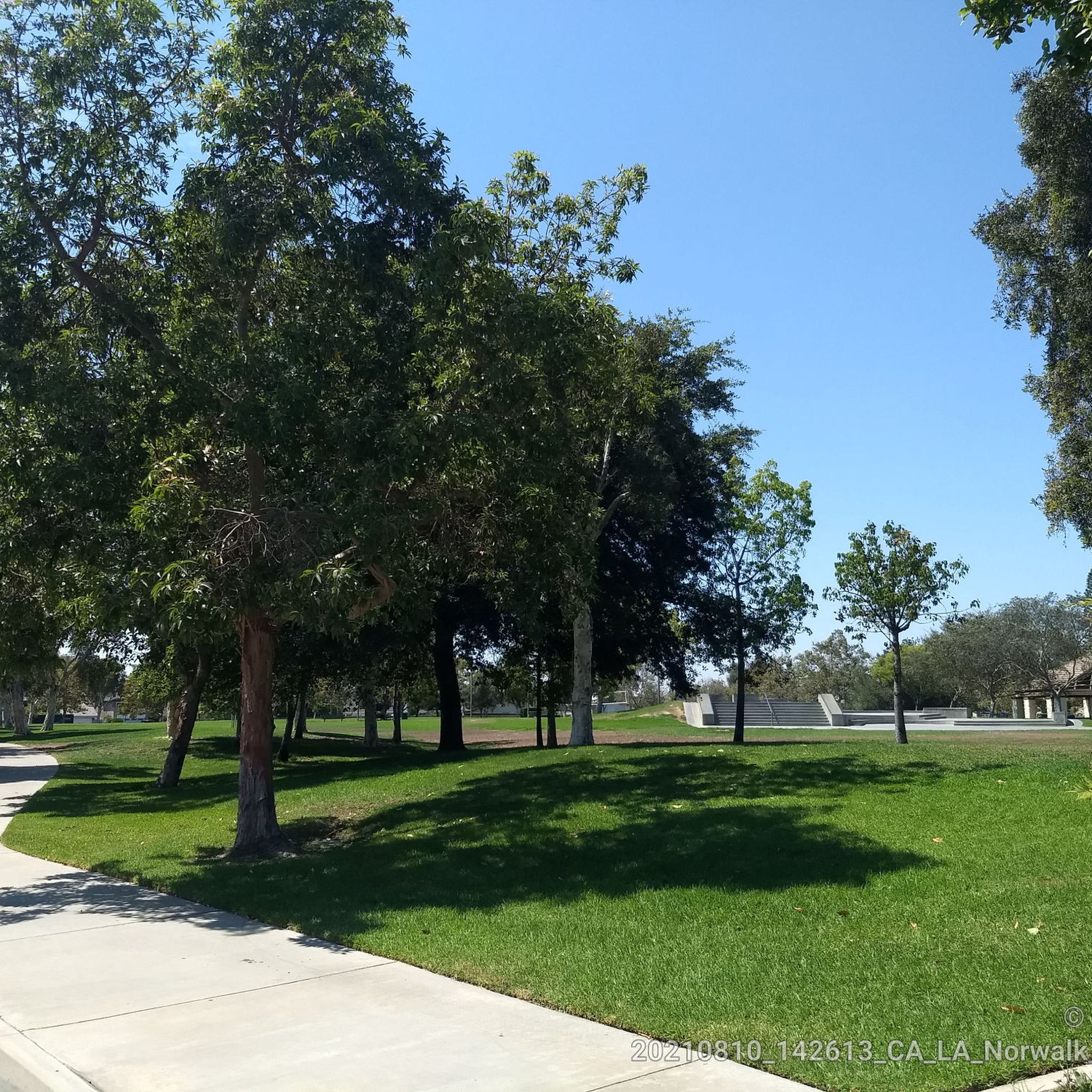
This is a beautiful local park with a small lake and a hiking trail that runs around the perimeter. Dogs are allowed here as long as they are on a leash, and there are lots of spaces for sports as well.
0
0

One of the largest urban parks in the valley, with lakes, meadows, sports fields, picnic areas, etc.
0
0
The Park road leads around the north end of the lake and is pleasant to ride with little to no traffic. Paved trails connect across the bridge between the lakes and across the park to the west.
0
0
Pleasant shade trees in this wooded area planted with the national reforestation movement in mind. The trails lead around the southern edge of the Main lake
0
0
Very large public park along the river with a network of car-free bike trails and quiet park roads connecting several lakes, shady groves, and picnic facilities with restrooms and water.
0
0

Frequently Asked Questions
What kind of 'lakes' can I expect to find on La Palma?
La Palma, often called 'La Isla Bonita,' does not feature large freshwater lakes. Instead, the island is renowned for its stunning natural swimming pools, locally known as 'charcos' or 'piscinas naturales.' These unique formations, carved by volcanic activity along the rugged coastline, offer exceptional opportunities for swimming in sheltered environments.
Are there family-friendly natural swimming pools on La Palma?
Yes, several natural pools are well-suited for families. Charco Azul in San Andrés y Sauces is particularly popular, offering crystal-clear waters, a children's pool, sunbathing areas, showers, and lifeguards. The Piscinas de La Fajana in Barlovento also provide a central pool and two smaller ones, along with a play area for children, making them very family-friendly.
Which natural pools are easily accessible on La Palma?
Charco Azul is one of the most accessible and well-equipped natural pools, having received an international award for its services. The Piscinas de La Fajana also offer good accessibility with walkways connecting the pools. For more information on Charco Azul, you can visit visitlapalma.es.
What are some unique natural water features to explore on La Palma?
Beyond the well-known pools, you can discover the Charcos de Echentive on the south coast, formed by a 1971 volcanic eruption, offering warm, secluded waters amidst a lunar landscape. Another unique spot is Porís de Candelaria, a fishing village nestled inside a huge coastal cave, offering crystal-clear waters and a distinctive experience.
When is the best time to visit La Palma's natural swimming pools?
The natural swimming pools on La Palma can generally be enjoyed year-round due to the island's mild climate. However, it's always advisable to check local conditions and tide tables, especially for pools like Charco de las Damas, which should be avoided during high tide for safety.
Are there any natural pools that offer a more secluded experience?
The Charcos de Echentive are known for being a hidden gem, located more inland from the beach, providing a more secluded feel. Puertito de Santo Domingo in Garafía also offers a beautiful area that is often less crowded due to its distance from other major tourist spots.
Can I find amenities like showers or changing rooms at these natural pools?
Yes, some of the more developed natural pools offer amenities. Charco Azul is well-equipped with showers, changing rooms, and sunbathing areas. The Piscinas de La Fajana also provide facilities to enhance visitor comfort.
What kind of scenery can I expect around La Palma's natural pools?
The scenery varies greatly. Around Charco Azul, you'll find lush greenery, close to a prehistoric laurisilva forest. The Charcos de Echentive are surrounded by a dramatic lunar landscape. Other pools, like those at Puerto de Puntagorda, are set amidst impressive houses built into rocks and beautiful architecture, offering diverse visual experiences.
Are there any natural pools suitable for observing marine life?
The Piscinas de La Fajana are known for their clear water where small fish can often be observed, making them a good spot for a bit of natural marine life viewing.
What should I be aware of when visiting natural pools on La Palma?
Always be mindful of ocean conditions and tides, as some pools are directly exposed to the sea. For example, Charco de las Damas is best avoided during high tide. It's also recommended to wear appropriate footwear for volcanic rock surfaces. Many equipped pools have lifeguards, but always exercise caution.
Can I combine a visit to a natural pool with other outdoor activities?
Absolutely. Many natural pools are located in areas rich with hiking opportunities. For instance, the area around Charco Azul is close to the laurisilva forest, perfect for combining a swim with a nature walk. For hiking routes around La Palma, you can explore guides like Hiking around La Palma.
Are there any natural pools that are less known or 'hidden gems'?
The Charcos de Echentive are often considered a hidden gem due to their unique formation and more secluded location. Puertito de Santo Domingo is also a beautiful, less-trafficked spot, offering tranquility away from the main tourist hubs.
Most popular attractions around La Palma

Get inspired with the komoot mobile app


Explore more
Still not found your perfect lake around La Palma? Check out the guides of these regions to see even more beautiful places.
