The best cycling routes around Wehebachtalsperre
4.5
(3395)
18,732
riders
725
rides
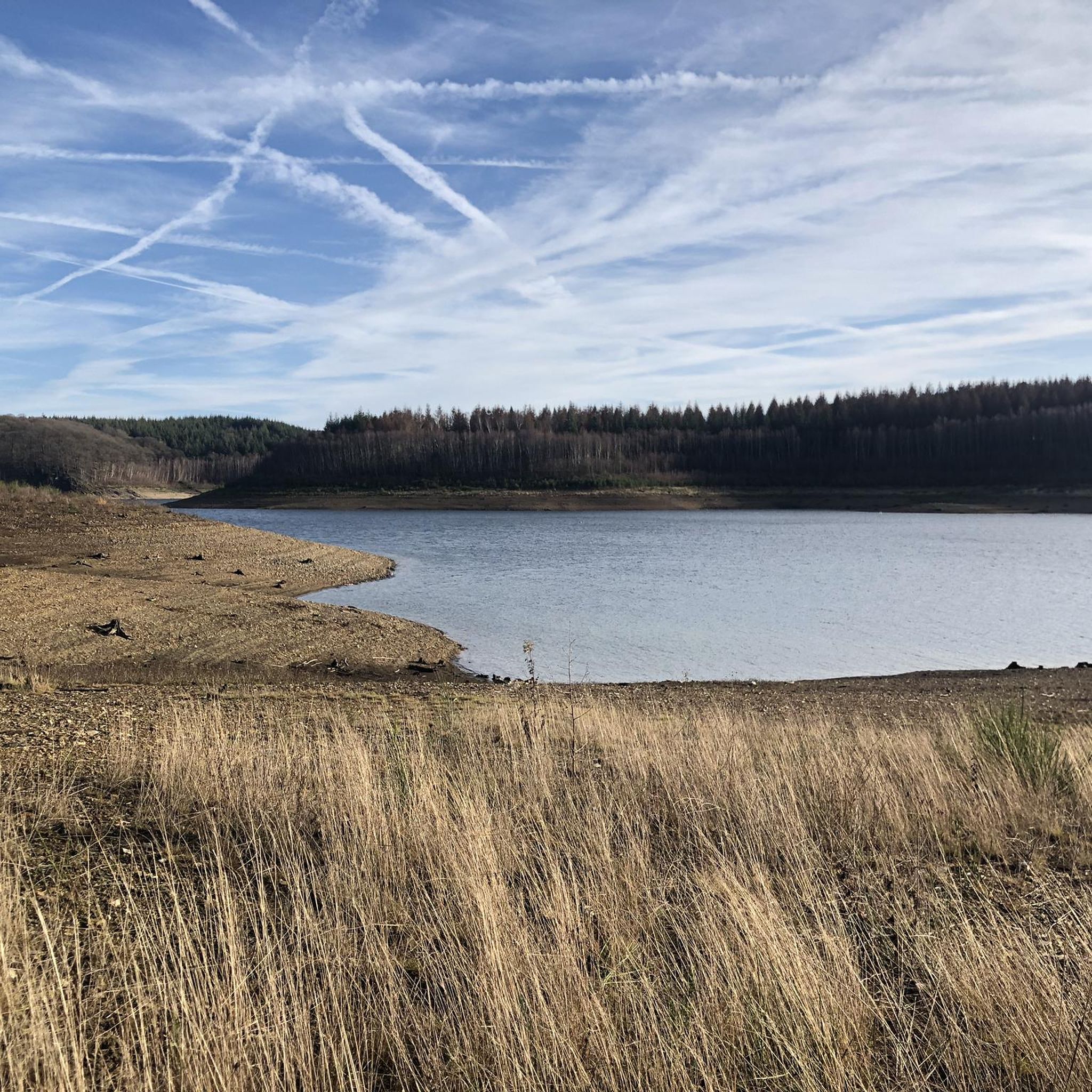
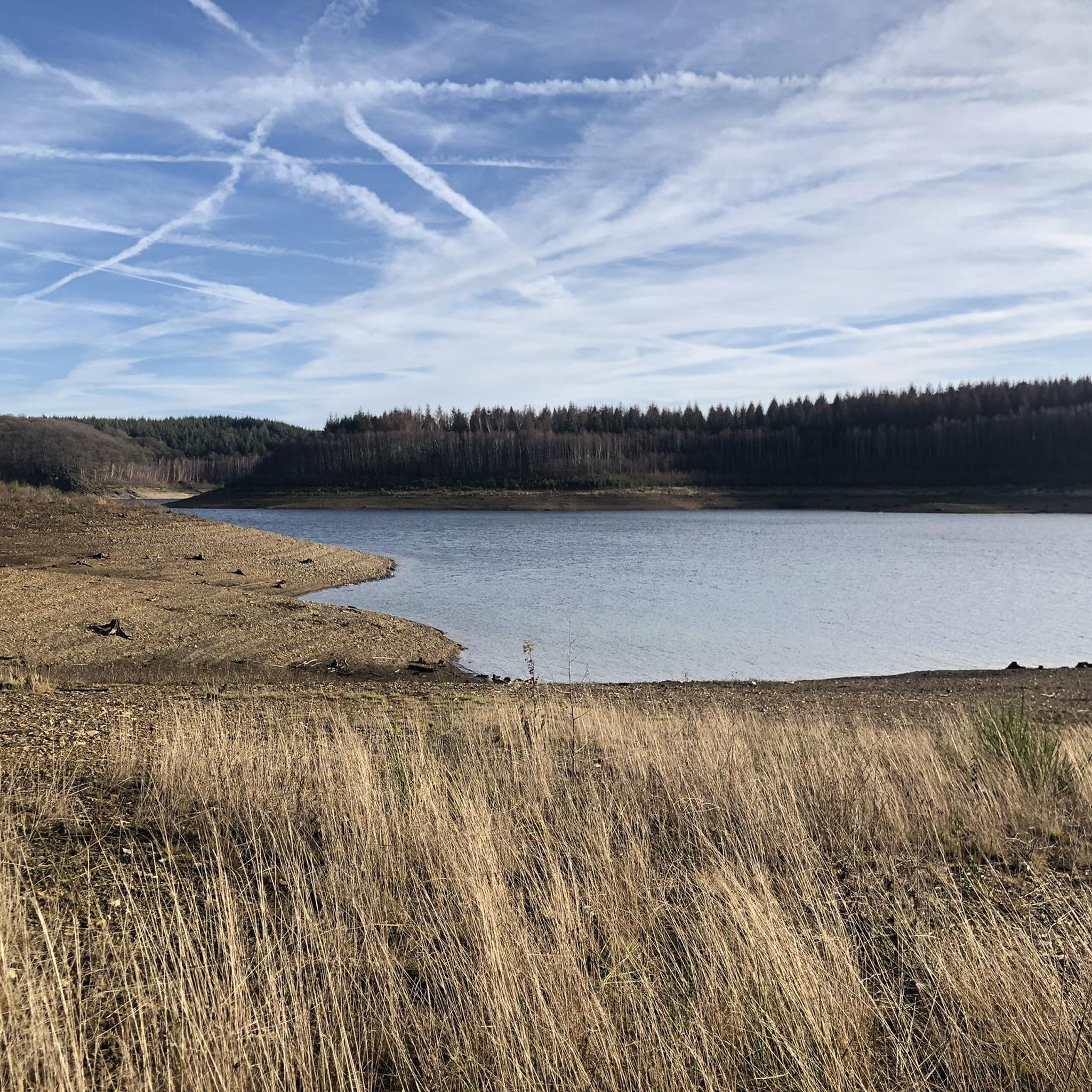
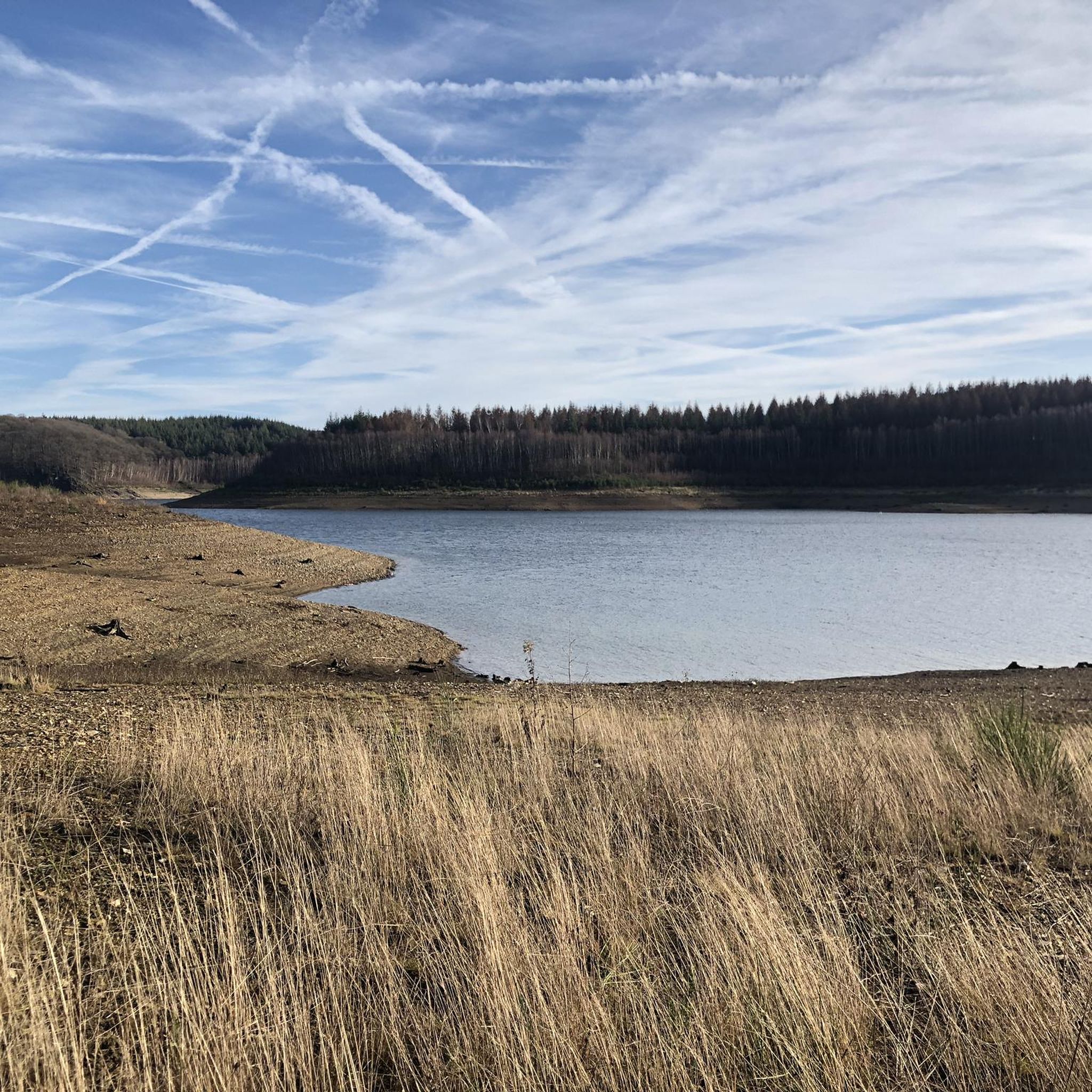
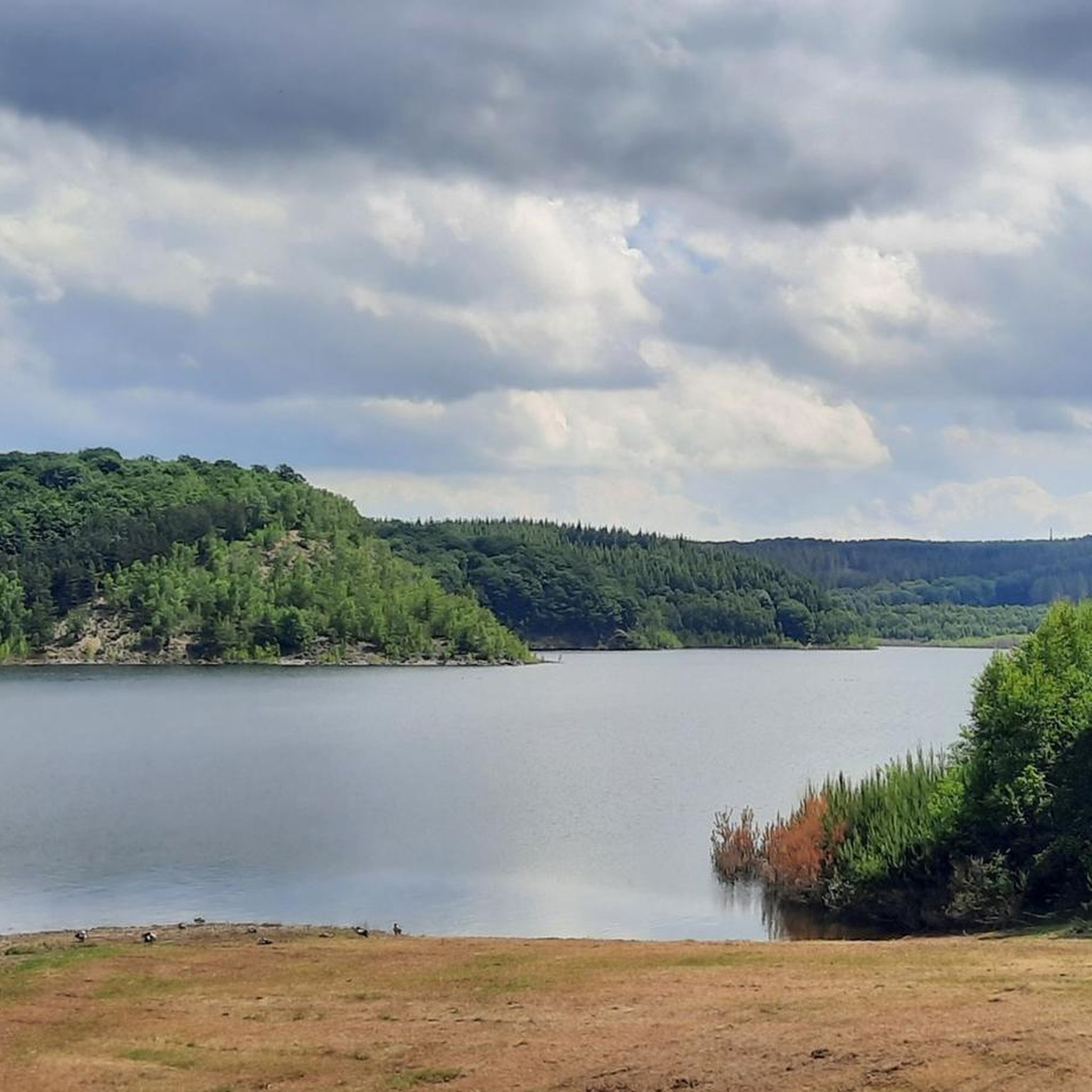
Touring cycling routes around Wehebachtalsperre are characterized by diverse landscapes, including dense forests, rolling hills, and the Wehebachtalsperre reservoir itself. The region features both paved roads along the reservoir and unpaved sections through natural areas. Cyclists can experience the varied terrain, from the serene blue of the reservoir to the quiet power of the Red Wehebach river. The dam, covering approximately 200 hectares, is a central feature of the area's natural environment.
Best touring cycling routes around Wehebachtalsperre
- The most…
Last updated: June 26, 2026
5.0
(1)
19
riders
18.4km
01:21
190m
190m
Moderate bike ride. Good fitness required. Mostly paved surfaces. Suitable for all skill levels.
5.0
(1)
9
riders
Easy bike ride. Great for any fitness level. Mostly paved surfaces. Suitable for all skill levels.

Sign up for free
5.0
(1)
6
riders
Moderate bike ride. Good fitness required. Mostly paved surfaces. Suitable for all skill levels.
4.1
(7)
54
riders
29.3km
01:51
310m
310m
Moderate bike ride. Good fitness required. Mostly paved surfaces. Suitable for all skill levels.
4.6
(13)
53
riders
51.0km
04:14
730m
730m
Hard bike ride. Very good fitness required. You may need to push your bike for some segments of this route.
Get access to more routes and recommendations from other explorers.
Sign up for free
Already have an account?
Our route recommendations are based on thousands of hikes, rides, and runs completed by other people on komoot.
Start today with a free account
Your next adventure awaits.
Login or Signup
Tips from the Community

Beautiful route
1
0
Great route
1
0
Frequently Asked Questions
How many touring cycling routes are available around Wehebachtalsperre?
The Wehebachtalsperre region offers a wide variety of touring cycling routes, with over 700 options available. These routes cater to different skill levels, including easy, moderate, and difficult paths, ensuring there's something for every cyclist.
What kind of terrain can I expect on touring cycling routes in Wehebachtalsperre?
You'll find a diverse mix of terrain. Routes often feature picturesque scenery, rolling hills, and dense forests. While some paths are paved asphalt roads, particularly along the reservoir, others include unpaved sections and gravel paths, especially through natural areas and floodplain landscapes. The region is known for its varied landscape, from the serene blue of the reservoir to the quiet power of the Red Wehebach river.
Are there any circular touring cycling routes around the Wehebachtalsperre?
Yes, the area is well-suited for circular routes. A popular option is the View of the Wehebach Reservoir – Dam of the Wehebach dam loop from Schevenhütte, which is an easy 4.7-mile (7.5 km) trail offering views of the reservoir. The region also features other circular routes, such as the 'Rund um die Wehebachtalsperre' which combines paved and unpaved sections.
What are some notable landmarks or viewpoints I can see while cycling in the area?
The Wehebachtalsperre area is rich with points of interest. You can cycle past the Dam of the Wehebach dam, visit the 'Kaiserblick' viewpoint for panoramic reservoir views, or discover the peaceful St. Anna-Kapelle. Other natural features include the ruins of an old slate quarry and large beaver dams on the Red Wehe. You might also encounter various sculpture trails along some routes.
Are there family-friendly touring cycling routes suitable for all ages?
Yes, the Wehebachtalsperre offers routes suitable for families. While specific family-friendly routes are not detailed in the provided data, the presence of easy paths and less busy asphalt roads along the reservoir suggests suitable options for a relaxed family outing. Look for routes with lower difficulty grades and minimal elevation changes.
Can I bring my dog on the touring cycling trails around Wehebachtalsperre?
While the region is generally nature-oriented, specific regulations regarding dogs on cycling trails can vary. It's always best to keep dogs on a leash, especially in nature protection areas or near wildlife. Check local signage or official park information for any specific restrictions on trails around the Wehebachtalsperre.
Where can I park my car when visiting the Wehebachtalsperre for cycling?
Parking is generally available at key access points around the Wehebachtalsperre. A popular starting point mentioned is the reservoir's parking lot, which serves as a convenient base for exploring the cycling routes. Look for designated parking areas near the dam or trailheads.
Is it possible to reach the Wehebachtalsperre by public transport with a bicycle?
Public transport options to the Wehebachtalsperre exist, but bringing bicycles can depend on the specific bus or train services. It's advisable to check the policies of local public transport providers regarding bicycle carriage, especially during peak times, to plan your journey effectively.
What is the best time of year to go touring cycling around Wehebachtalsperre?
The Wehebachtalsperre is an attractive destination for outdoor activities throughout much of the year. Spring and autumn offer pleasant temperatures and beautiful scenery with changing foliage. Summer is also popular, though some routes might be busier. Winter cycling is possible, but be mindful of weather conditions and potential icy patches on trails.
What do other cyclists say about the touring routes in Wehebachtalsperre?
The touring cycling routes around Wehebachtalsperre are highly regarded by the komoot community, boasting an average score of 4.5 stars from over 3,900 reviews. Cyclists often praise the diverse landscapes, the serene reservoir views, and the well-developed cycling infrastructure that caters to various skill levels.
Are there options for different cycling styles like road cycling or gravel biking?
Absolutely. The Wehebachtalsperre region is versatile. Road cyclists will appreciate the asphalt roads along the reservoir, offering fast rides with scenic views. For those who prefer off-road adventures, challenging trails for mountain biking can be found in neighboring forest areas, including technical descents. Gravel bikers can also explore varied gravel routes, such as those passing through Vicht with its natural stone houses.
Are there any routes that offer views of historic areas or towns?
Yes, some touring cycling routes in the Wehebachtalsperre area can lead you through or near historically significant towns. For instance, the Merode Castle – Merode Castle loop from Schevenhütte passes through rolling hills and offers views of historic areas. Additionally, routes can extend to historic town centers like Stolberg and Breinig, allowing you to combine nature with cultural exploration.
Where can I find refreshments or accommodation near the cycling routes?
The towns and villages surrounding the Wehebachtalsperre, such as Hürtgenwald and Schevenhütte, offer various options for refreshments and accommodation. You can find cafes, restaurants, pubs, hotels, and guesthouses to relax and refuel after your ride. It's a good idea to check availability, especially during peak seasons.
Most popular routes around Wehebachtalsperre
Most popular attractions around Wehebachtalsperre

Get inspired with the komoot mobile app


Explore more
Browse the best Cycling routes in other regions.
