The best road cycling routes around Adolfosee
4.5
(107)
1,557
riders
233
rides
Road cycling around Adolfosee is characterized by its location within a landscape protection area, offering routes that often follow the Rur river. The region features generally flat terrain, particularly in western areas, with some routes incorporating gentle inclines. Paved surfaces are common, providing suitable conditions for road biking. Adolfosee itself is an L-shaped lake, contributing to the scenic backdrop of the area.
Best road cycling routes around Adolfosee
- The most popular road cycling route is Myhler Schweiz Ponds – View…
Last updated: May 11, 2026
4.7
(3)
49
riders
Moderate road ride. Good fitness required. Some segments of this route may be unpaved and difficult to ride.
5.0
(7)
26
riders
23.3km
00:58
70m
70m
Easy road ride. Great for any fitness level. Mostly well-paved surfaces and easy to ride.

Sign up for free
5.0
(1)
7
riders
91.8km
04:11
620m
620m
Moderate road ride. Good fitness required. Some segments of this route may be unpaved and difficult to ride.
10
riders
51.3km
02:19
300m
300m
Moderate road ride. Good fitness required. Some segments of this route may be unpaved and difficult to ride.
4.5
(2)
6
riders
29.6km
01:20
120m
120m
Easy road ride. Great for any fitness level. Mostly well-paved surfaces and easy to ride.
Get access to more routes and recommendations from other explorers.
Sign up for free
Already have an account?
Our route recommendations are based on thousands of hikes, rides, and runs completed by other people on komoot.
Start today with a free account
Your next adventure awaits.
Login or Signup

Tips from the Community

This Catholic church is the parish church of Herzogenrath. The existing building was constructed in 1913-1915 according to the designs of district architect Heinrich van Kann. The uniqueness of 'St. Marien' lies in its neo-baroque architectural style, which was chosen for the reconstruction during World War I.
3
0

It used to be a consistently very well-rideable paved path. Nowadays, it's run-down in places…
0
0

The mill of Melick. You can also visit this mill
0
0

A view of the Rur River in Roermond combines nature, a waterscape, and the city's unique location at the confluence of the Rur and Meuse rivers. The Rur enters Roermond from the southeast, shaping the harbor and waterfront area around the Roerkade. Along the river, diverse perspectives unfold, showcasing historic buildings, vibrant promenades, and tranquil waterways.
1
0
A view of Roermond's city center, featuring St. Christopher's Cathedral, combines two defining elements of the city: its vibrant historic center and one of its most important architectural landmarks. St. Christopher's Cathedral is a Gothic cruciform basilica dating from 1410 and has been the cathedral of the Diocese of Roermond since 1559. It stands in the heart of the city, near the market square and not far from the Meuse River. St. Christopher's Cathedral is a Gothic cruciform basilica dating from 1410 and has been the seat of the bishop of the Diocese of Roermond since 1559. It stands in the very heart of the city, near the market square and not far from the Meuse River. ...
0
2

The center of Roermond is the historic, cultural, and social heart of this Limburg city. It forms the core where ancient history, modern vibrancy, shopping, restaurants, monuments, and city life converge, making Roermond an attractive destination for residents and visitors from home and abroad. Thanks to its compact layout, virtually all sights, shops, cafés, and squares are within walking or cycling distance, making the city center an accessible and inviting place to explore. Roermond is a city with a rich history dating back to the medieval era. The city received city rights in 1232 and quickly developed into an important commercial and religious center, partly due to its location at the confluence of the Roer and Meuse rivers. Throughout the centuries, Roermond served as a settlement for various rulers, including the Habsburgs, and despite occupation and wars, it retained its urban character. The historic center reflects this rich development. Here you will find monumental buildings, medieval streets, squares, and religious structures that bear witness to the city's long and often turbulent history. Around the central squares and main streets, you'll find buildings from various eras, from early medieval and Gothic churches to neo-Gothic restorations and stately facades from later centuries. Two of the most important public spaces in the city center are the Marktplein (Market Square) and Munsterplein (Munster Square), spacious meeting places that shape daily city life. In the Marktplein, besides terraces and cafés, you'll also find the Town Hall and historic facades where local markets and events are held. The square is lively with a good mix of restaurants and cafes and people who come for coffee, lunch, or dinner outdoors. Munsterplein forms the city's historic podium, with the Onze Lieve Vrouwe Munsterkerk (Church of Our Lady), one of the finest examples of late Romanesque architecture in the Netherlands, as its focal point, surrounded by classical facades and the distinctive bandstand by architect Pierre Cuypers. During the summer months, music often plays here and cultural events are held. Roermond's city center is home to several prominent religious and historic buildings. St. Christopher's Cathedral, with its impressive Gothic architecture and rich interior, stands right in the city center and is the seat of the Diocese of Roermond. The cathedral attracts both the faithful and tourists curious about the building's art and history. In addition, smaller chapels, historic facades, and monuments are within walking distance around the city center, including the Carolus Chapel and the Rattentoren (Rat Tower), a remnant of the city's medieval defenses. These can be easily explored with walking routes from the tourist office or apps like IZI Travel. The city center is known for its diverse range of shops, which combine traditional stores with modern specialty stores. Besides well-known chain stores, you'll find numerous boutiques, local concept stores, and artisan shops in the narrow alleys and streets. This mix makes the city center an attractive place for a day of shopping, where history and modernity go hand in hand.
1
2
Schin op Geul is a picturesque church village in the municipality of Valkenburg aan de Geul in the south of the Dutch province of Limburg. The village lies in the picturesque Geul Valley, surrounded by rolling hills, slopes, and forests typical of the South Limburg landscape and popular with hikers, cyclists, and nature lovers. Schin op Geul's existence goes back a long way, and its name was already mentioned in donation documents from the 9th century (847, 968) in favor of the Abbey of St. Remigius in Reims and the Provostry in Meerssen, making the village one of the oldest written records in the present-day Valkenburg aan de Geul region. The village itself has a typical South Limburg character with a historic center and a rural atmosphere. One of the most famous buildings is the Sint-Mauritiuskerkbeen church, which has a long history and stands high on a slope and is part of the local religious and cultural-historical identity of the village. Schin op Geul is located on the Maastricht–Heerlen railway line, with its own station dating from 1913. It now serves both regular local trains and the Zuid-Limburgse Stoomtrein Maatschappij (South Limburg Steam Train Company), which offers tourist trips on a nostalgic steam locomotive to Simpelveld. The area surrounding Schin op Geul is particularly attractive for active visitors. The village is a great starting point for walks and bike rides through the hilly landscape, including routes along the Geul River and to nearby nature reserves like the Gerendaln, known for its dry valleys, orchids, and tranquility. Schin op Geul is also a popular destination for cyclists, as the famous Keutenberg climb from the Amstel Gold Race begins right in the village. This climb is one of the steepest in the Netherlands, with sections of up to approximately 22% gradient, making the village an icon in the cycling world. Furthermore, in and around Schin op Geul you'll find restaurants, bed and breakfasts, bungalow parks, campsites, and charming terraces along the Geul River, making the village a perfect holiday destination for guests who want to enjoy the tranquility of nature and Limburg hospitality. From Schin op Geul, you can also take historical walks, such as routes that take you along old paths, streams, and meadows with views of highlights like the Daolkesberg and the slopes of the Geul Valley.
0
0

A beautiful path, well-integrated into the landscape, which is usually paved when it's not dirty due to construction work or fallen leaves. However, if you drive carefully, this isn't a problem, and you'll be rewarded with beautiful scenery.
0
0
Frequently Asked Questions
How many road cycling routes are available around Adolfosee?
There are over 230 road cycling routes around Adolfosee, offering a wide variety of options for different skill levels and preferences. You'll find everything from easy, flat rides to more challenging routes with gentle inclines.
What is the general terrain like for road cycling around Adolfosee?
The terrain around Adolfosee is generally flat, especially in the western areas towards the Cologne Bay, making it ideal for road cycling. However, some routes, particularly further upstream along the Rur river, may feature gentle inclines and slightly hillier sections. Most routes benefit from paved surfaces, ensuring a smooth ride.
Are there routes suitable for beginners or less experienced road cyclists?
Yes, Adolfosee offers a good selection of routes for beginners. There are 48 easy routes available, many of which follow the flat paths along the Rur and Wurm rivers. An example is the Wurm Floodplains – Cycle Path Along the Wurm loop from Heinsberg-Porselen, which is an easy 14.4-mile path.
Are there challenging routes for experienced road cyclists?
While the region is generally flat, there are 9 routes classified as difficult for those seeking more of a challenge. These routes may include longer distances and more significant elevation gains, such as the Schin op Geul – Dikkebuikseweg Climb loop from Heinsberg-Porselen, which covers over 57 miles with substantial climbing.
What natural features can I expect to see while cycling around Adolfosee?
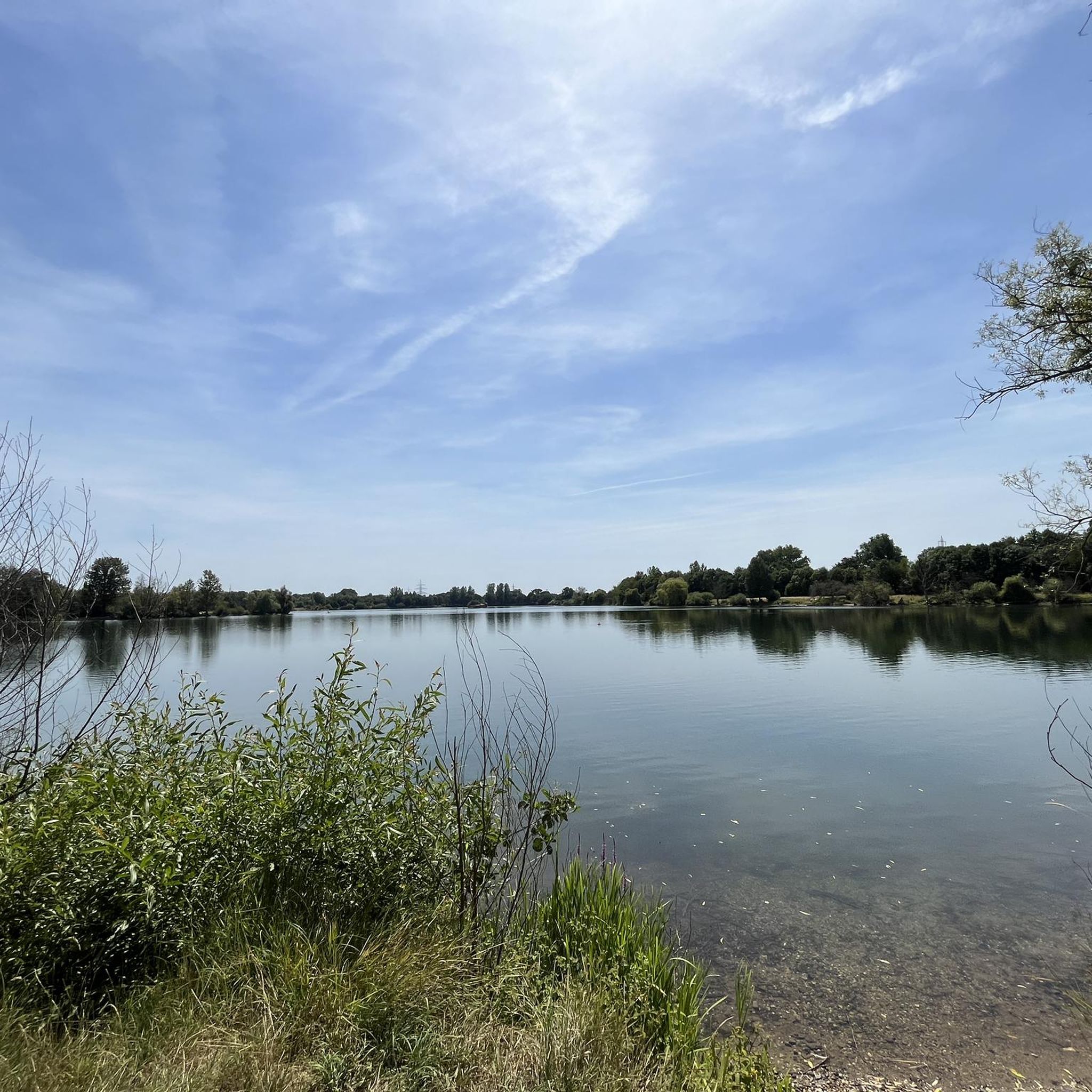
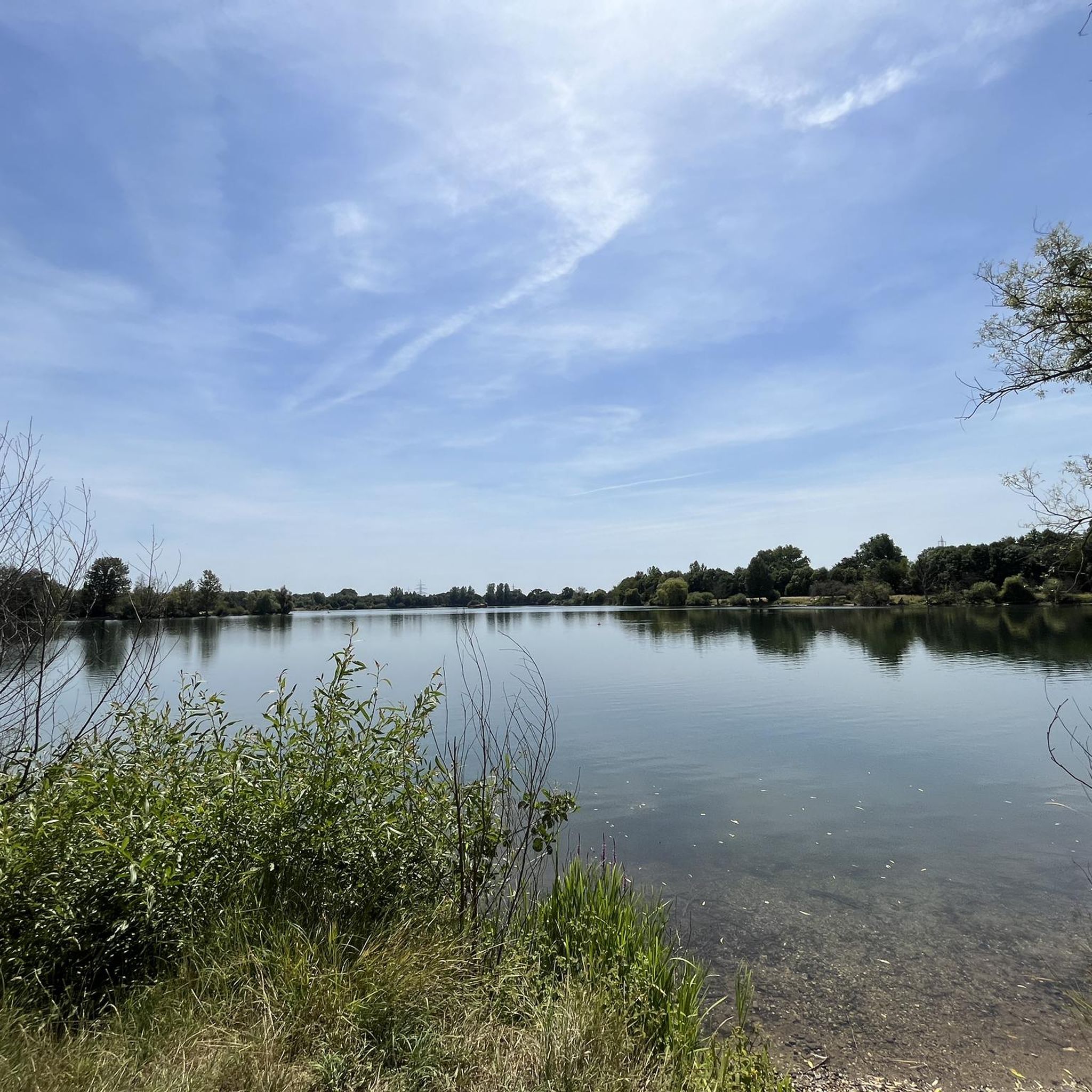
As you cycle, you'll encounter the serene Adolfosee itself, an L-shaped lake known for its clear water. The routes often follow the picturesque Rur river, and the entire area is designated as a landscape protection area. It's also an important bird sanctuary, especially during migration seasons, offering opportunities for birdwatching.
Are there any historical landmarks along the road cycling routes?
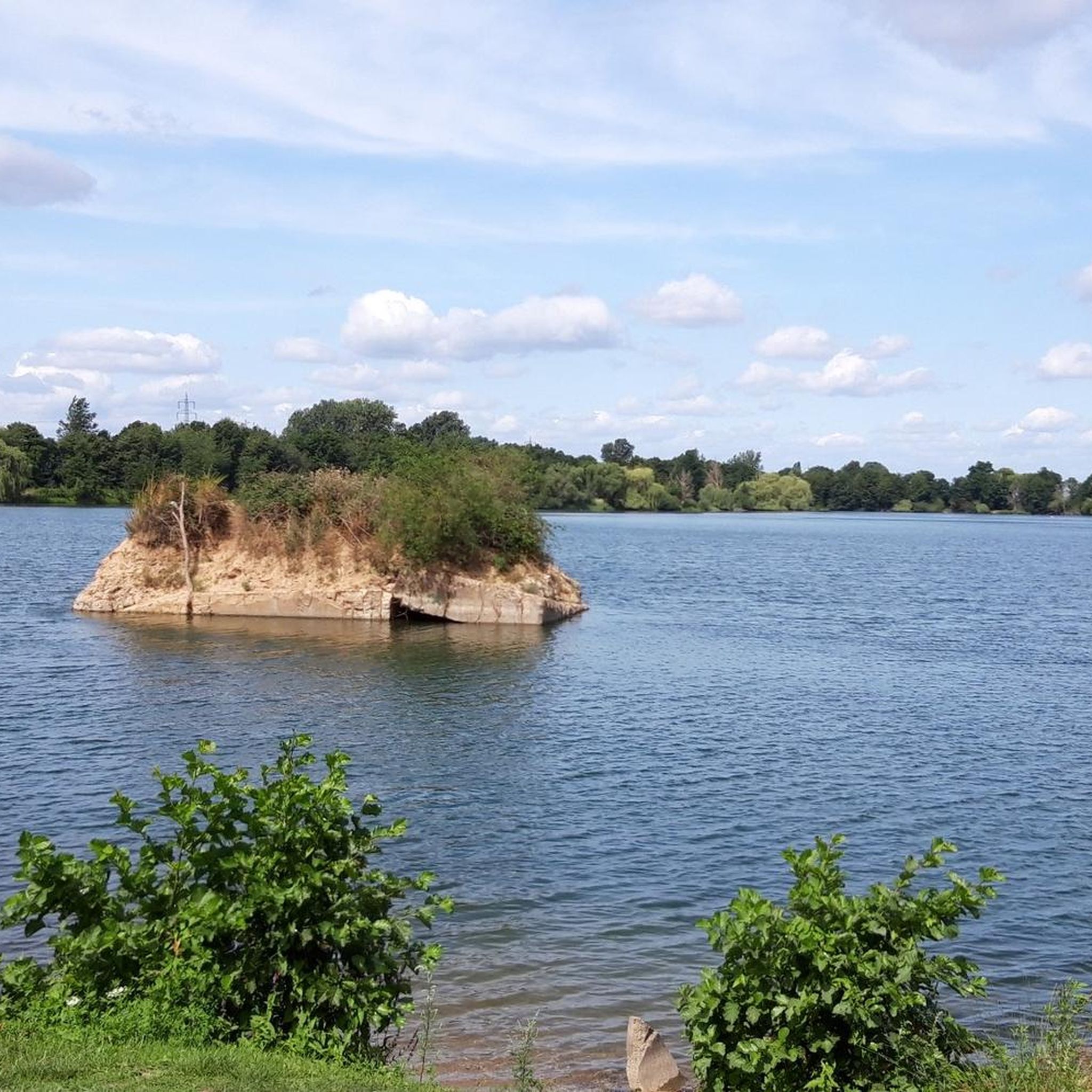
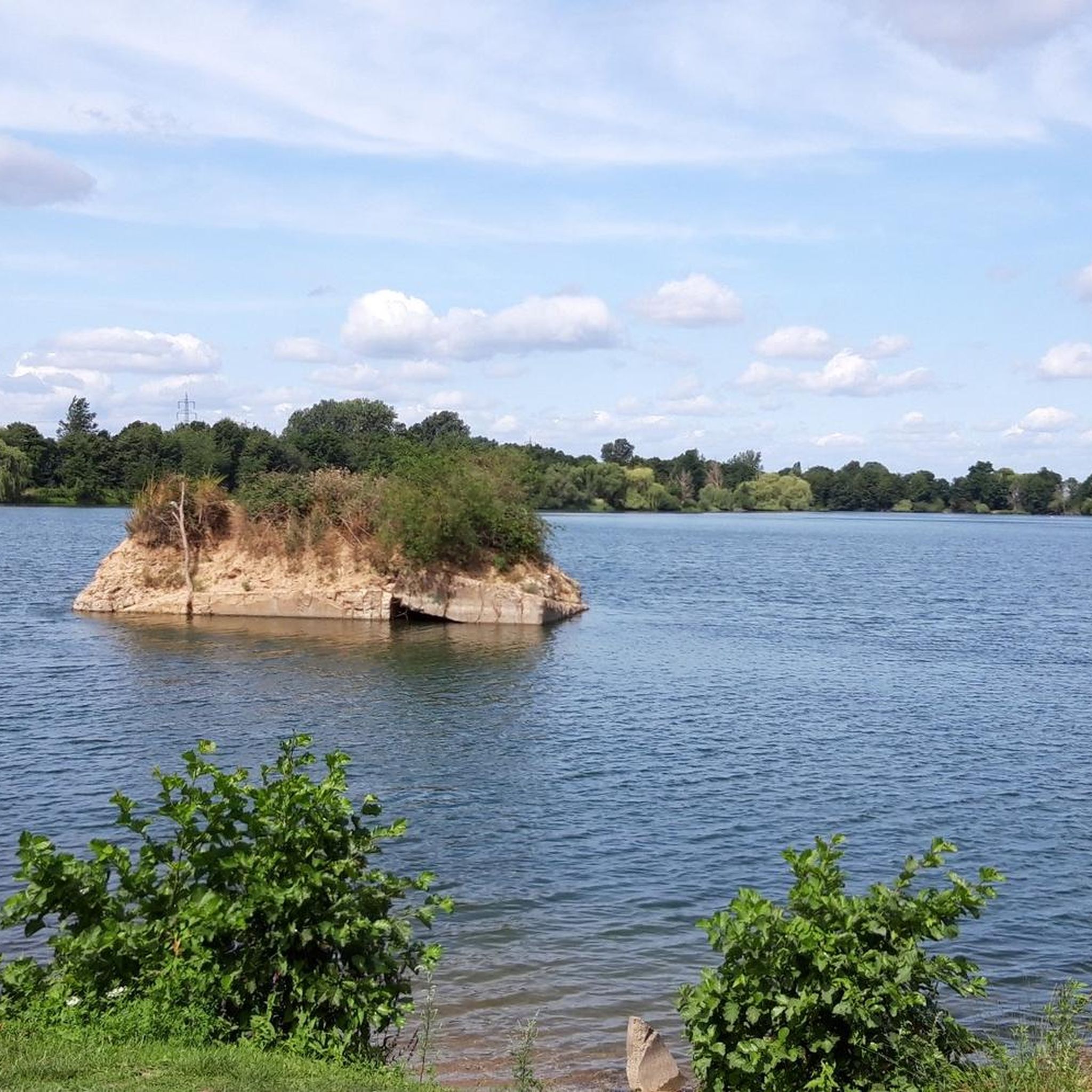
Yes, the region holds some unique historical elements. You might encounter remnants of the former West Wall bunkers, which stand as overgrown concrete islands within Adolfosee. Additionally, some routes, like the Trips Castle – Wurm Floodplains loop from Heinsberg-Porselen, pass by historical sites such as Trips Castle.
What do other road cyclists enjoy the most about road cycling in Adolfosee?
The area is highly rated by the komoot community, with an average score of 4.5 stars from over 100 reviews. Cyclists often praise the well-paved surfaces, the scenic views along the Rur river, and the peaceful atmosphere of the landscape protection area. The variety of routes, from easy riverside paths to longer loops, is also frequently highlighted.
Are there loop routes available for road cycling?
Yes, many of the road cycling routes around Adolfosee are designed as loops, allowing you to start and end your ride at the same point. Examples include the popular Myhler Schweiz Ponds – View of the Roer in Roermond loop from Heinsberg-Porselen and the Wurm Floodplains – Cycle Path Along the Wurm loop from Heinsberg-Porselen.
Is Adolfosee suitable for family-friendly road cycling?
Yes, the generally flat terrain and numerous easy routes make Adolfosee a good option for family-friendly road cycling. The paved paths along the Rur and Wurm rivers are particularly suitable for families, offering safe and enjoyable rides away from heavy traffic.
What is the best time of year for road cycling around Adolfosee?
Road cycling around Adolfosee is enjoyable for much of the year. Spring and autumn are particularly pleasant, with mild temperatures and the added bonus of observing migratory bird species around the lake. Summer offers longer daylight hours, while winter can also be ridden, though conditions may vary.
Are there any specific viewpoints or scenic spots along the routes?
Absolutely. The routes often provide excellent views of the Rur river and the surrounding landscape. The lake itself, Adolfosee, offers picturesque vistas, especially where the former West Wall bunkers create unique islands. The area between the Adolfosee and the Rur is also a notable scenic spot.
What kind of wildlife can be observed while cycling near Adolfosee?
Adolfosee is a significant habitat for wildlife. It's a designated bird sanctuary, serving as a resting and wintering ground for various water-bound and migratory bird species. You might also spot beavers around the lake, contributing to the local ecosystem.
Most popular routes around Adolfosee
Most popular attractions around Adolfosee

Get inspired with the komoot mobile app


Explore more
Browse the best Road cycling routes in other regions.
